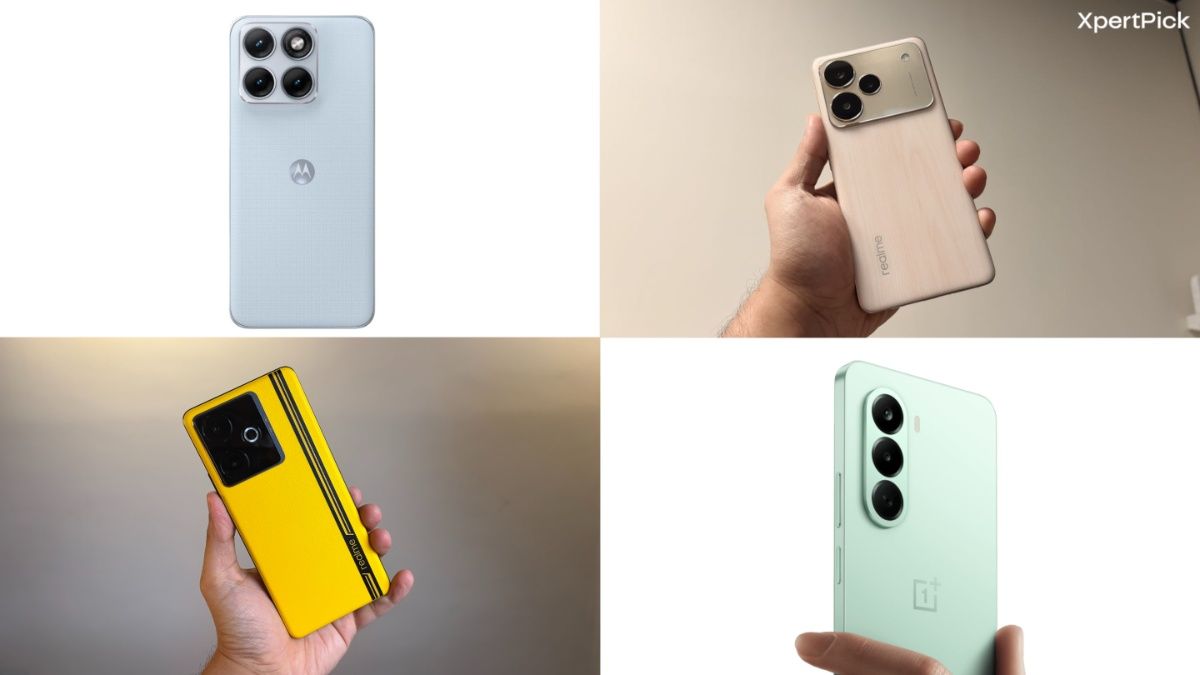
The sub-₹35,000 bracket is where value is won and lost on tuning rather than raw silicon. Most phones here run modest chipsets, which means the differences that matter are not peak benchmark scores but how long the battery lasts, how cool the phone stays, how bright the screen gets, and which one phone in the group has genuinely stepped up on performance. In my testing, one device lasted nearly 30 hours on a charge, another towered over the field on gaming, and the rest sorted themselves out on the details. Knowing which phone made which bet is how you buy well at this price.
To find which phones genuinely earn a place on a ₹35,000 shortlist, I ran seven devices through identical benchmark, gaming, stress, thermal and battery tests. The awards below reflect where each phone’s real strengths lie.
Phones Considered
I tested seven phones under ₹35,000: the Realme GT 7T, iQOO Z11x, Motorola Edge 70 Fusion, Realme P4 Pro, OnePlus Nord CE6 Lite, Realme 16T, and the Realme 16 (5G).
Top Picks At A Glance
The recommendations below are based on in-house XP Lab testing and verified hardware specifications. Refer to the comparison table for a side-by-side view.
| Category | My Pick | Price | Why We Picked It |
|---|---|---|---|
| Best Overall Under ₹35k | Realme GT 7T | ₹33,499 | Far and away the fastest phone here, with the highest AnTuTu, GPU and 3DMark scores and a large 7,000mAh battery. |
| Best Camera Under ₹35k | Motorola Edge 70 Fusion | ₹34,990 | The strongest main sensor and imaging tuning in this group, backed by Motorola’s clean camera processing. |
| Best Gaming / Performance | Realme GT 7T | ₹33,499 | The only genuinely powerful phone here, its GPU score more than doubles the next best. |
| Best Battery & Charging | iQOO Z11x | ₹30,999 | 29h 51min on PCMark, the longest runtime in this comparison by a wide margin. |
| Best Display (AMOLED / High-Refresh) | Motorola Edge 70 Fusion | ₹34,990 | The brightest measured panel here at 1,850 nits on an Extreme AMOLED. |
| Best Value-For-Money | Realme P4 Pro | ₹31,999 | Strong all-round performance, a 50MP selfie camera, and a bright display at one of the sharper prices here. |
| Best For Clean Software & Updates | Motorola Edge 70 Fusion | ₹34,990 | Near-stock Android with a clean, fast interface and Motorola’s polished software experience. |
Under-₹35k Specs And Benchmark Comparison
A 🏆 marks the category leader.
| Test / Metric | Realme GT 7T | iQOO Z11x | Moto Edge 70 Fusion | Realme P4 Pro | OnePlus Nord CE6 Lite |
|---|---|---|---|---|---|
| AnTuTu Overall | 2,127,058 🏆 | 961,546 | 1,156,810 | 1,009,232 | 1,001,250 |
| Geekbench (Single) | 1,595 🏆 | 1,063 | 1,263 | 1,193 | 1,009 |
| Geekbench (Multi) | 6,248 🏆 | 2,733 | 3,417 | 3,506 | 2,974 |
| Geekbench GPU | 10,895 🏆 | 3,055 | 3,576 | 4,536 | 2,869 |
| 3DMark Wild Life Extreme | 4,094 🏆 | 1,015 | 1,182 | 1,813 | 1,017 |
| 3DMark Stress Stability | 73.3% | 99.6% 🏆 | 99.3% | 99.3% | 99.4% |
| Peak Temperature | 42.8°C | 33.2°C 🏆 | 37.2°C | 40.8°C | 39.6°C |
| PCMark Battery | 18h 22min | 29h 51min 🏆 | 22h 00min | 19h 14min | 24h 00min |
| Peak Brightness (measured, auto) | 1,657 nits | 921 nits | 1,850 nits 🏆 | 1,838 nits | 1,060 nits |
| Genshin Impact (Avg / 5% Low) | 38.7 / 12.5 | 55.2 / 34.2 🏆 | 37.5 / 7.0 | 39.0 / 35.0 | 42.6 / 29.8 |
How I Tested These Smartphones
Every phone was tested using the same methodology, so results reflect real behaviour rather than marketing claims.
Test Conditions: All devices are retail units running publicly available software, tested at a controlled 28°C ambient temperature, on the highest-specification variant where one exists.
Performance: AnTuTu v10 and Geekbench 6 for CPU and GPU, run three times with a fifteen-minute cooldown and the median reported.
Sustained Load: 3DMark Wild Life Extreme across twenty consecutive loops, with chassis temperature logged by external probe.
Gaming: BGMI, Minecraft, Genshin Impact and Asphalt 9 in extended sessions with frame-time logging. Average FPS describes the session; 5% Low describes its worst moments.
Battery: PCMark Work 3.0 at fixed brightness until shutdown.
The Phones In Detail
Realme GT 7T — Best Overall & Best Gaming / Performance Under ₹35k
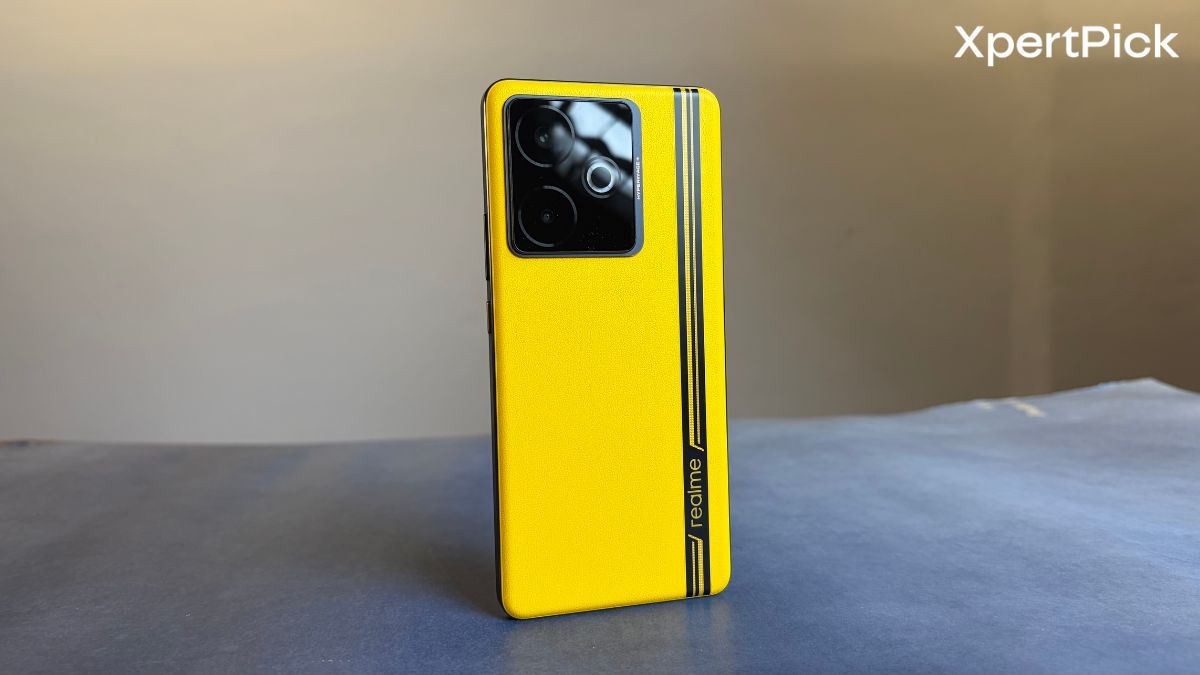
The GT 7T is the one genuinely powerful phone in this bracket, and it wins both performance awards without close competition.
Why We Picked It
At this price the GT 7T is in a class of its own on raw performance. Its 2,127,058 AnTuTu is nearly double the next-fastest phone here, its 10,895 GPU score more than doubles the field, and its 4,094 3DMark result dwarfs everything else in the group. It backs that with a large 7,000mAh battery and strong BGMI performance (96.5fps average). The trade-off is heat: it is the only phone here to break the 99%-stability pattern the rest of this bracket shares, dropping to 73.3% under sustained load and reaching 42.8°C, the warmest here, and its Genshin 5% low collapses to 12.5fps under heavy GPU load. But for a buyer who wants genuine performance rather than a modest chip that merely stays cool, nothing else here comes close.
Realme GT 7T Key Specifications
Realme GT 7T XP Lab Test Data
Pros
By far the highest performance in this comparison, a large 7,000mAh battery, very fast 120W charging, and a bright 144Hz display.
Cons
The warmest peak temperature here, the lowest stress stability in the group, and a Genshin frame-time collapse under sustained load.
Who Should Buy It
Buyers who want genuine performance and fast charging under ₹35,000, and whose gaming is in shorter sessions.
Who Shouldn’t Buy It
Long-session gamers of demanding titles, who will feel its sustained-load throttling.
Expert Verdict: The performance standout of this bracket by a wide margin. It runs warm and throttles under extended load, but no other phone here offers anything like its raw speed.
iQOO Z11x — Best Battery & Charging Under ₹35k
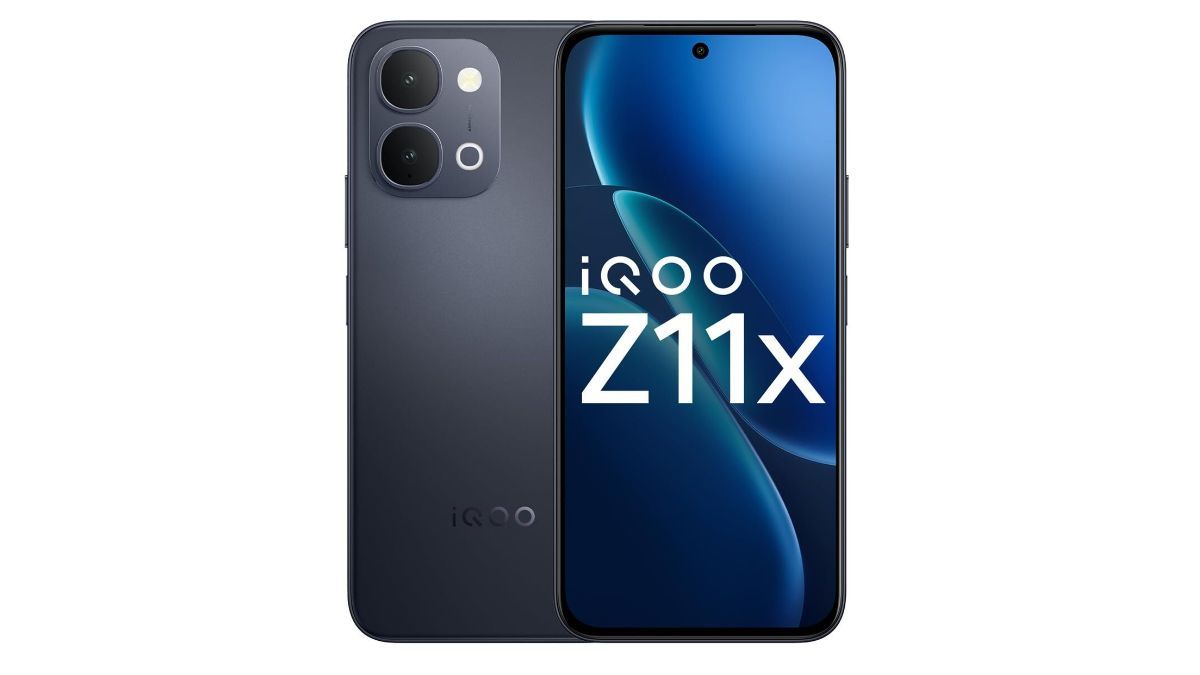
The Z11x is the endurance champion of this comparison, and it holds its performance rock-steady while staying the coolest here.
Why We Picked It
The Z11x recorded 29 hours 51 minutes on PCMark, the longest result of any phone in this comparison, and one of the strongest battery figures across the entire price range. It backs that with the best thermal behaviour here: a 99.6% stress stability, the highest in the group, and the coolest peak temperature at 33.2°C. It even posted the best Genshin frame floor of the recommended phones at 34.2fps. The trade-off is raw power, its 961,546 AnTuTu and 3,055 GPU are near the bottom of this group, so it is not a performance phone, and its 921-nit measured brightness is the dimmest here. But for a buyer whose priority is a phone that simply refuses to die and stays cool doing it, nothing here matches it.
iQOO Z11x Key Specifications
iQOO Z11x XP Lab Test Data
Pros
The longest battery life in this comparison by a wide margin, the coolest thermals and highest stability here, and the best Genshin frame floor of the recommended phones.
Cons
Modest raw performance, the dimmest measured display here at 921 nits, and slower 44W charging than some rivals.
Who Should Buy It
Buyers whose top priority is battery endurance and cool, stable operation for everyday use.
Who Shouldn’t Buy It
Gamers and performance-focused users, several phones here are faster, and the GT 7T is far faster.
Expert Verdict: The battery champion of this guide, and the coolest-running phone here. It gives up performance and screen brightness, but nothing at this price lasts as long.
Motorola Edge 70 Fusion — Best Camera, Best Display & Best Clean Software Under ₹35k
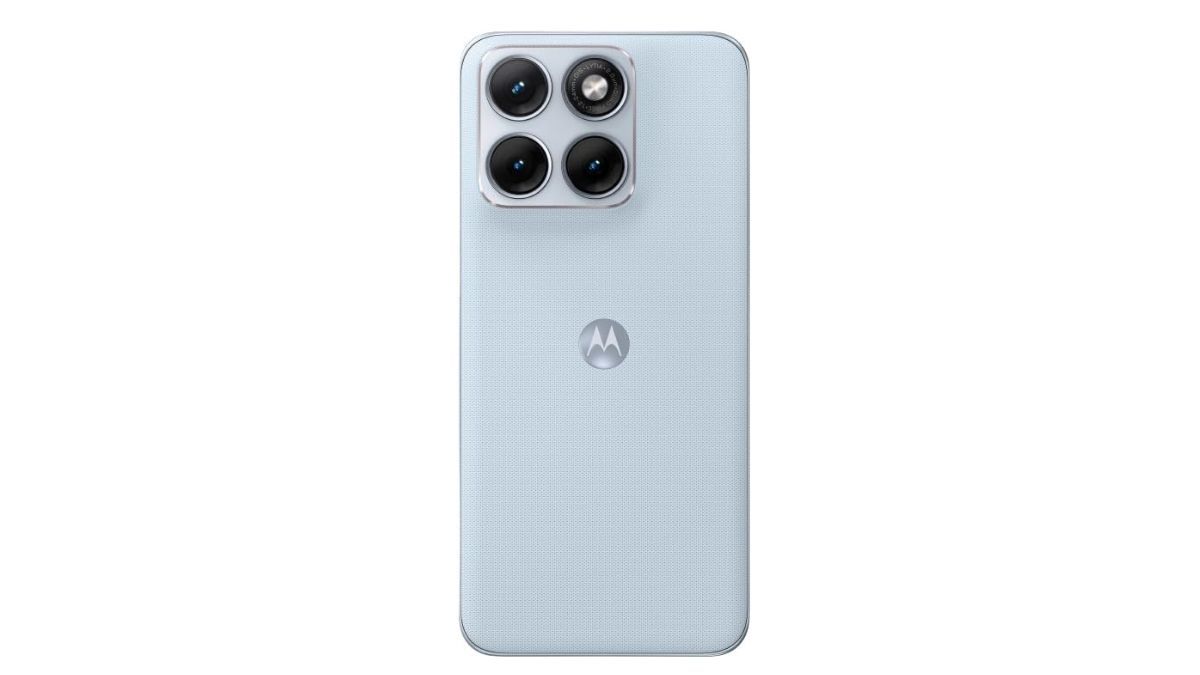
The Edge 70 Fusion is the polished-experience pick, leading this group on display, camera and software together.
Why We Picked It
The Edge 70 Fusion takes three awards because it wins the experience metrics that a modest chipset does not touch. Its 1,850-nit measured display is the brightest here, on an Extreme AMOLED panel, edging the Realme P4 Pro. Its camera pairs a strong 50MP main sensor with Motorola’s clean imaging tuning, the most capable main-camera setup in this group, though it lacks a telephoto. And its near-stock software is fast, clean and free of bloat, with Motorola’s polished interface. It holds performance well too, at 99.3% stability and a cool 37.2°C. Its raw speed is modest (1,156,810 AnTuTu) and one gaming figure needs a re-run (see notes), but as an all-round experience under ₹35,000 it is the most rounded phone here.
Motorola Edge 70 Fusion Key Specifications
Motorola Edge 70 Fusion XP Lab Test Data
Pros
The brightest measured display in this comparison, a strong main camera with clean imaging, near-stock software, cool thermals, and IP68/69 protection.
Cons
Modest raw performance, a severe Genshin frame-time collapse under load, and variant confusion between its 5,200mAh and 7,000mAh models.
Who Should Buy It
Buyers who want the most polished overall experience, the best display, a capable camera and clean software, over raw performance.
Who Shouldn’t Buy It
Gamers and performance-focused buyers, the GT 7T is far faster for similar money.
Expert Verdict: The most rounded experience under ₹35,000, leading on display, camera and software. Its performance is modest, but the things it does well, it does better than anything else here.
Realme P4 Pro — Best Value-For-Money Under ₹35k
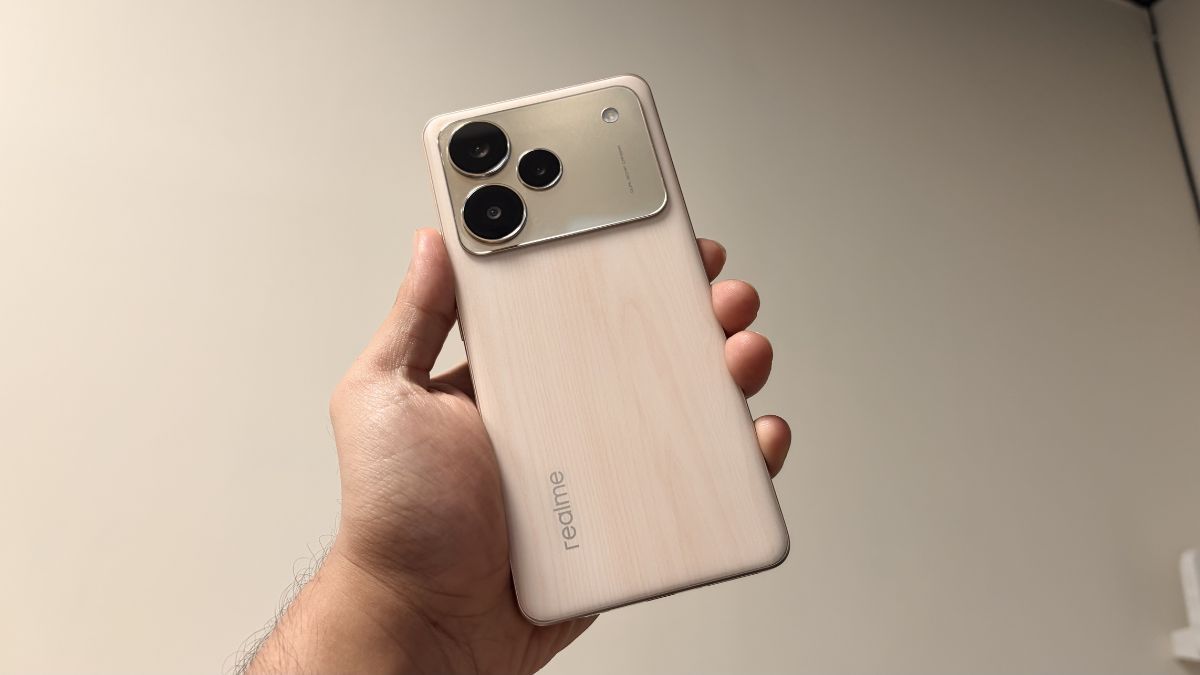
The P4 Pro pairs solid all-round performance with a bright display and a strong selfie camera at a competitive price.
Why We Picked It
The P4 Pro earns the value award by doing a lot right for ₹31,999. It posted a 1,009,232 AnTuTu and the second-highest 3DMark here at 1,813, modest next to the GT 7T, but strong for its price and ahead of the rest of the field. Its 1,838-nit measured display nearly matches the award-winning Edge 70 Fusion, and it carries a 50MP front camera, the best selfie shooter in this group. It held a 99.3% stability and posted the best Genshin 5% low of the recommended phones at 35fps. Its 40.8°C peak runs a touch warm and its 19h 14min battery is mid-pack, but as a well-rounded phone at a sharp price, it offers the most complete package for the money here.
Realme P4 Pro Key Specifications
Realme P4 Pro XP Lab Test Data
- Battery Life (PCMark): 19h 14min
- Runtime per 1,000 mAh: ~2h 45min (19h 14min ÷ 7,000mAh)
- AnTuTu Overall Score: 1,009,232
- Geekbench 6: 1,193 (Single-Core) / 3,506 (Multi-Core)
- Geekbench GPU Score: 4,536
- 3DMark Wild Life Extreme: 1,813
- 3DMark Stress Test Stability: 99.3%
- CPU Throttling Test Stability: 87% (logged as 0.87)
- Temperature After Stress Test: 40.8°C
- BGMI Performance (Lowest Graphics): 73 average / 61.2 low FPS
- Minecraft Performance (Highest Graphics): 43.5 average / 23.9 low FPS
Pros
The second-highest performance in this comparison, a bright display, the best selfie camera in the group, and the strongest Genshin frame floor of the recommended phones.
Cons
A warm peak temperature, mid-pack battery life, and raw performance far behind the GT 7T.
Who Should Buy It
Value-focused buyers who want a well-rounded phonem, decent performance, a bright screen and a strong selfie camera, at a competitive price.
Who Shouldn’t Buy It
Buyers chasing raw performance, who should stretch to the GT 7T, or maximum battery, where the Z11x leads.
Expert Verdict: The value pick of this guide. It is not the fastest or the longest-lasting, but for the money it does more things well than anything else here.
OnePlus Nord CE6 Lite
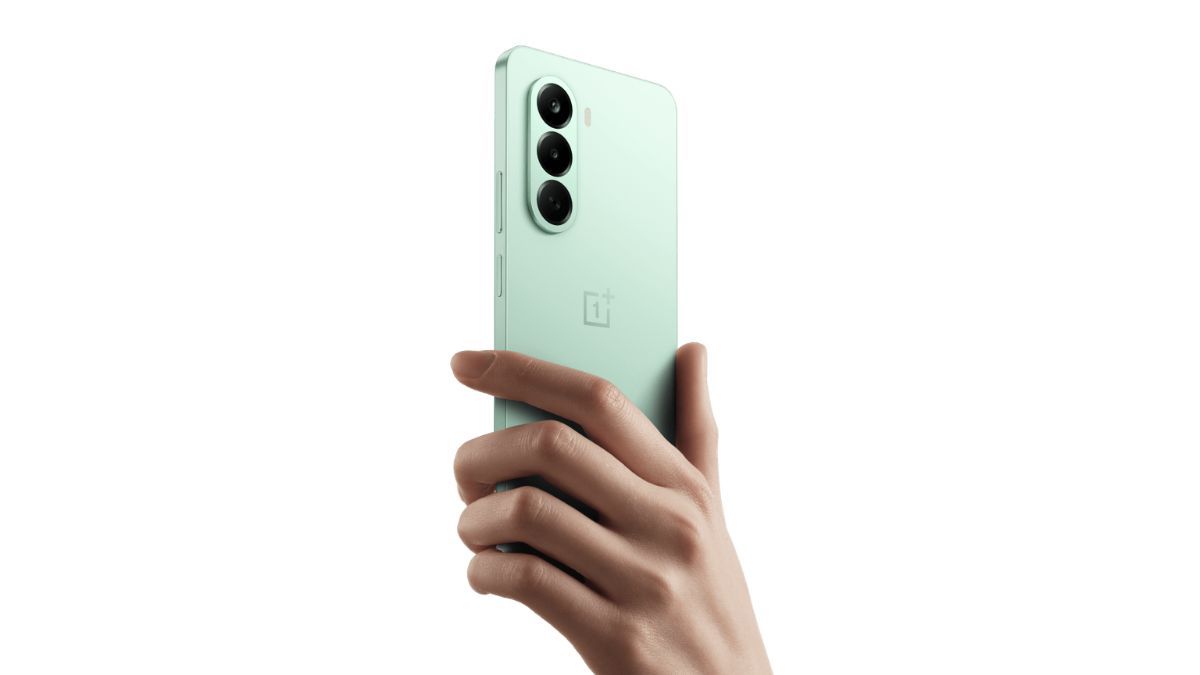
The Nord CE6 Lite is a cool, stable, long-lasting phone that lands just behind the category winners.
Why We Didn’t Pick It
The Nord CE6 Lite is a dependable everyday phone out-argued in each category. It posted a 1,001,250 AnTuTu and a 1,017 3DMark near the bottom of this group, though it holds them well at 99.4% stability. Its 24-hour PCMark battery is genuinely strong, second only to the Z11x, and its Asphalt 9 frame floor of 29.4fps is actually the best in the group. But the Z11x lasts nearly six hours longer for battery, the GT 7T is far faster, and the Edge 70 Fusion has a much brighter display (its 1,060-nit panel is among the dimmest here). Clean OxygenOS is a plus, but the Edge 70 Fusion’s software experience edges it. A solid phone that meets stiffer competition on every axis.
OnePlus Nord CE6 Lite Key Specifications
OnePlus Nord CE6 Lite XP Lab Test Data
Pros
Strong 24-hour battery life, excellent stress stability, clean OxygenOS, and the best Asphalt 9 frame floor in the group.
Cons
Modest performance, a dim measured display, and no category where it beats the winners.
Who Should Buy It
Buyers who want a long-lasting, stable phone with clean software and are not chasing performance or a bright screen.
Who Shouldn’t Buy It
Anyone who wants maximum battery (the Z11x), performance (the GT 7T), or a bright display (the Edge 70 Fusion).
Expert Verdict: A dependable long-lasting phone out-argued at this price. Its battery and software are real strengths, but each is beaten by a rival here.
Realme 16T
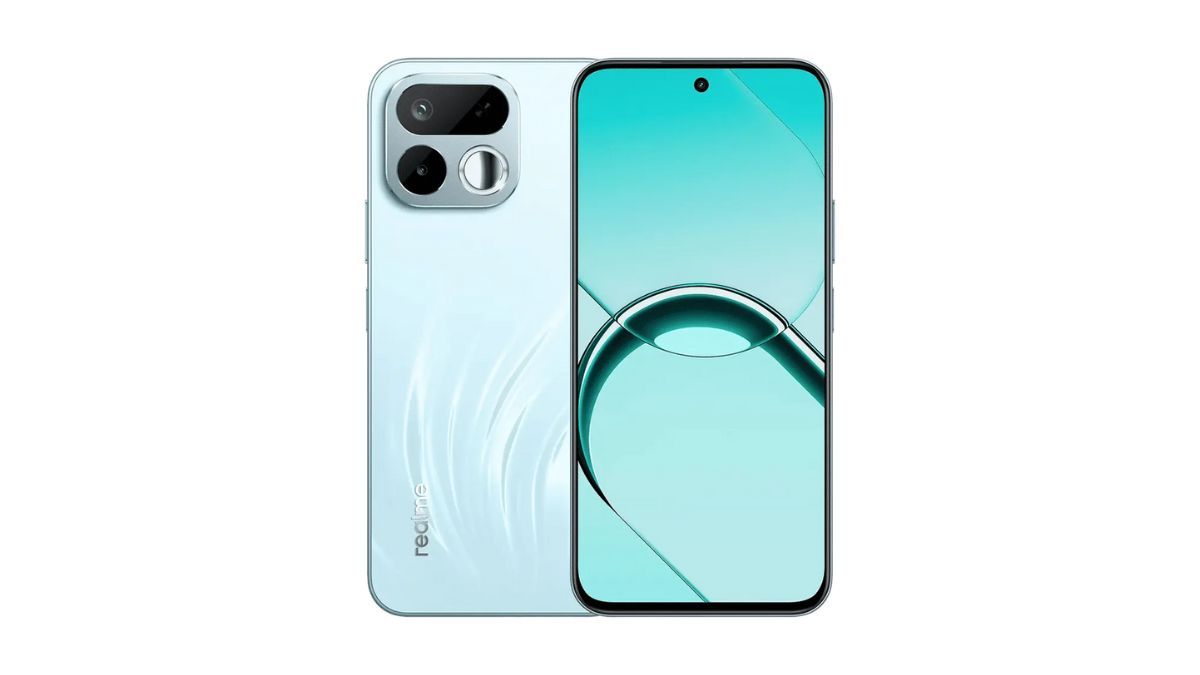
The Realme 16T is cool and stable but too slow, and too compromised on gaming, to recommend against this field.
Why We Didn’t Pick It
The Realme 16T posted the second-lowest scores here, a 614,835 AnTuTu and a 386 3DMark, placing it firmly at the bottom of the performance table. It runs cool at 33.2°C with 99.2% stability, and its 21h 26min battery and 1,820-nit display are genuine strengths. But its gaming is the problem: Minecraft was logged as literally unplayable during testing, and its Genshin 5% low of 22.7fps confirms it struggles under any real GPU load. At ₹34,999 it is out-performed by the cheaper Z11x on battery, the P4 Pro on all-round capability, and the GT 7T on everything performance-related.
Realme 16T Key Specifications
Realme 16T XP Lab Test Data
- Battery Life (PCMark): 21h 26min
- Runtime per 1,000 mAh: ~3h 34min (21h 26min ÷ 6,000mAh)
- AnTuTu Overall Score: 614,835
- Geekbench 6: 784 (Single-Core) / 1,997 (Multi-Core)
- Geekbench GPU Score: 1,395
- 3DMark Wild Life Extreme: 386
- 3DMark Stress Test Stability: 99.2%
- CPU Throttling Test Stability: 91%
- Temperature After Stress Test: 33.2°C
- BGMI Performance (Lowest Graphics): 59.1 average / 51.3 low FPS
- Minecraft Performance (Highest Graphics): Unplayable (~8 FPS; see note)
Pros
Cool thermals, excellent stress stability, a bright 144Hz display, and solid battery life.
Cons
The second-weakest performance here, gaming that ranges from weak to unplayable, and a price that sits above better-rounded rivals.
Who Should Buy It
Buyers who want a cool, bright, stable phone purely for everyday non-gaming use.
Who Shouldn’t Buy It
Gamers and anyone comparing it against the cheaper, longer-lasting Z11x.
Expert Verdict: A stable, bright phone undone by weak performance and poor gaming. At this price, better-rounded rivals make it hard to recommend.
Realme 16 (5G)

The Realme 16 is the coolest phone here but sits at the bottom of the field on performance.
Why We Didn’t Pick It
The Realme 16 posted the lowest 3DMark score in this comparison at 382 and a 617,726 AnTuTu near the bottom of the group. It has real strengths, the coolest peak temperature here at 30.6°C and a 99.2% stability, and its 22h 09min battery is solid. But its performance is very modest, its gaming falls apart under load (an Asphalt 9 5% low of 8.2fps, the worst here), and its 782-nit measured brightness is the dimmest in this guide. During testing its Minecraft run also logged chunk-loading failures, so that figure is unreliable. At ₹33,999 it is out-performed by cheaper and better-rounded phones in this comparison.
Realme 16 (5G) Key Specifications
- Price: ₹33,999
- Processor: MediaTek Dimensity 7300
- Display: 6.7-inch AMOLED, 120Hz
- RAM: 8GB / 12GB
- Storage: 128GB / 256GB
- Battery: 6,000 mAh (approx.)
- Rear Camera: 50MP main + secondary
- Front Camera: 16MP
Realme 16 (5G) XP Lab Test Data
Pros
The coolest peak temperature in this comparison, excellent stress stability, and solid battery life.
Cons
The weakest 3DMark here, severe frame collapse under load, the dimmest display in this guide, and an unreliable Minecraft capture.
Who Should Buy It
Buyers who want a cool, stable, long-lasting phone purely for light everyday tasks.
Who Shouldn’t Buy It
Anyone who games or wants a bright display, better options sit at this price.
Expert Verdict: Superb thermals around very modest hardware. At this price, faster and brighter rivals make it hard to recommend.
Frequently Asked Questions (FAQs)
Which is the best phone under ₹35,000 overall?
The Realme GT 7T. It is by a wide margin the fastest phone in this comparison, its AnTuTu is nearly double the next best, and its GPU score more than doubles the field, and it pairs that with a large 7,000mAh battery and 120W charging. Its only real weaknesses are heat and sustained-load throttling.
Which phone under ₹35,000 has the best battery life?
The iQOO Z11x, which recorded 29 hours 51 minutes on PCMark, the longest result in this comparison by a wide margin, while also running the coolest of any phone here at 33.2°C.
Which is the best gaming phone under ₹35,000?
Again the Realme GT 7T, and it is not close. Its 10,895 GPU score and 4,094 3DMark tower over everything else here; the rest of the field runs modest chips that hold low frame rates steadily rather than pushing high ones. For gaming at this price, the GT 7T is the only real answer.
Does a bigger battery always mean longer runtime?
Not reliably. The iQOO Z11x’s efficient chipset delivered nearly 30 hours from a modest cell, outlasting phones with larger 7,000mAh batteries. Chipset efficiency and software tuning matter as much as raw capacity at this price.
Which phone under ₹35,000 has the brightest display?
The Motorola Edge 70 Fusion, whose Extreme AMOLED panel measured 1,850 nits in our testing, narrowly ahead of the Realme P4 Pro’s 1,838 nits and well ahead of the rest of the field.
Why Trust XpertPick
Every recommendation on this page comes from hands-on lab testing rather than manufacturer spec sheets or marketing claims. This comparison was built on retail units running shipping software.
Independent testing: All seven phones were tested in-house on retail units; no manufacturer-supplied performance data was used in the analysis.
Standardised conditions: Every device was tested at 28°C ambient, on the highest-specification variant available, using the same benchmark, stress, gaming and battery suites.
Layered methodology: Peak output, sustained load, logged real-world gaming and battery rundowns are measured for every phone, because at this price the same chipset behaves very differently across devices.
Transparent about data: Where results were anomalous, such as unplayable or failed gaming captures, the data is flagged rather than presented without context.