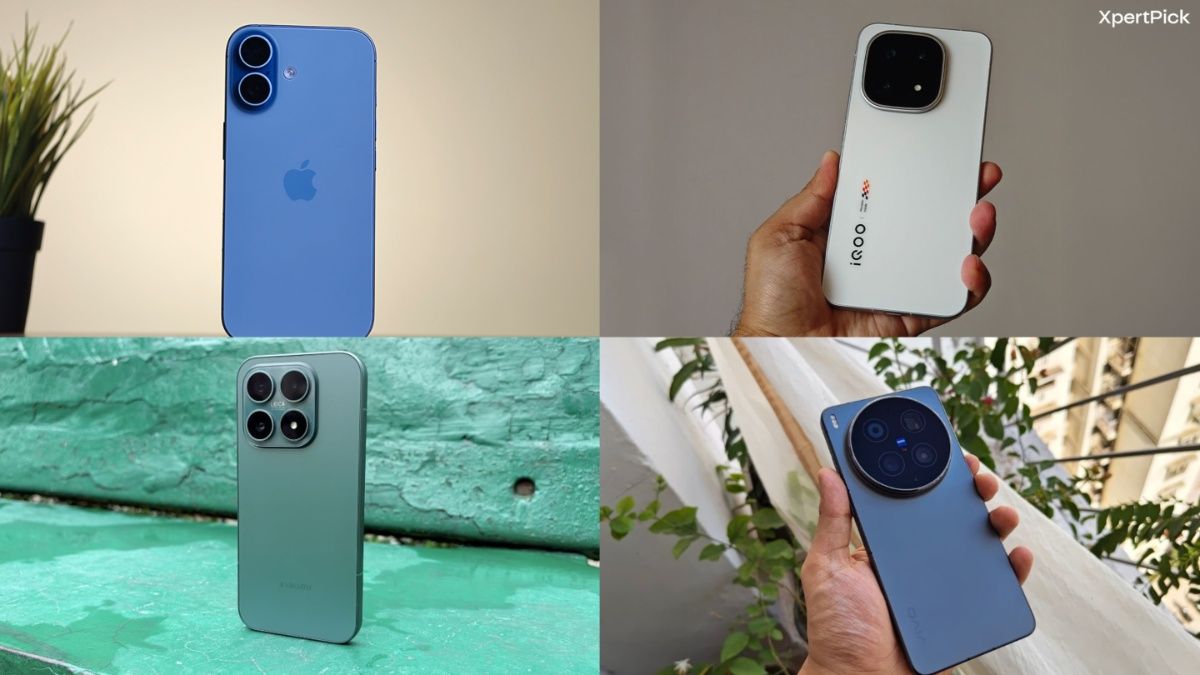
A flagship in 2026 is no longer defined by a single spec. The Snapdragon 8 Elite Gen 5 and its rivals have pushed raw performance to a point where nearly every phone at this tier is fast enough; what separates them now is what they do with that power. In my testing, two phones on the same chipset produced very different sustained results, a ₹1.7 lakh flagship ran cooler than a ₹77,000 one, and the best gaming performance did not come from the most expensive device. To find which flagships genuinely earn the label, I ran nine phones priced from ₹76,999 to ₹1,69,999 through identical benchmark, gaming, stress, thermal and battery tests.
Phones Considered
I tested nine flagship smartphones spanning every corner of the premium market: the Oppo Find X9 Ultra, Vivo X300 Ultra, iQOO 15, Samsung Galaxy S26 Ultra, OnePlus 15, Apple iPhone 17, Motorola Razr Fold, and the Xiaomi 17 as a comparison point.
Top Picks At A Glance
The recommendations below are based on in-house XP Lab testing and verified hardware specifications. Refer to the comparison table for a side-by-side view.
| Category | My Pick | Price | Why We Picked It |
|---|---|---|---|
| Best Overall Flagship | Oppo Find X9 Ultra | ₹1,69,999 | The highest AnTuTu here at 4.02M, a 200MP quad camera, and the coolest thermals of any top performer at 39°C. |
| Best Flagship Camera | Vivo X300 Ultra | ₹1,59,999 | A triple ZEISS system with dual 200MP sensors and clip-on optical extenders reaching 400mm. |
| Best Gaming / Performance | iQOO 15 | ₹76,999 | The only phone to break Genshin’s cap at 107.9fps, the highest 3DMark here, and a 7,000mAh battery. |
| Best Flagship Display | Samsung Galaxy S26 Ultra | ₹1,39,999 | A 2K LTPO panel with the strongest 3DMark score in the group and S Pen support. |
| Best Battery / Charging | OnePlus 15 | ₹85,999 | 27h 13min on PCMark — the longest here — with 120W wired charging and a 7,300mAh cell. |
| Best Compact Flagship | Apple iPhone 17 | ₹82,900 | Flagship silicon and the best sustained gaming in a sub-150mm body, with a pinned 60fps in Genshin. |
| Best Foldable Flagship | Motorola Razr Fold | ₹1,49,999 | The strongest book-style foldable here, with a 6,200-nit inner panel and a DxOMark-competitive triple 50MP system. |
| Best Value Flagship (tie) | iPhone 17 / iQOO 15 | under ₹85,000 | Two routes to flagship performance below ₹85K — one for iOS and cameras, one for raw gaming and battery. |
Flagship Specs And Benchmark Comparison
A 🏆 marks the category leader. This table compares the core recommended flagships; the Xiaomi 17, iPhone 17 and Razr Fold are discussed in full in their own sections below.
| Test / Metric | Oppo Find X9 Ultra | Vivo X300 Ultra | iQOO 15 | Samsung S26 Ultra | OnePlus 15 |
|---|---|---|---|---|---|
| AnTuTu Overall | 4,026,656 🏆 | 3,850,404 | 3,891,344 | 3,638,273 | 3,932,097 |
| Geekbench (Single) | 3,587 | 3,634 | 3,529 | 3,529 | 3,662 🏆 |
| Geekbench (Multi) | 10,581 | 10,510 | 10,223 | 10,826 🏆 | 10,450 |
| Geekbench GPU | 23,890 | 23,270 | 23,573 | 24,103 🏆 | 23,923 |
| 3DMark Wild Life Extreme | 7,070 | 6,824 | 7,127 | 7,500 🏆 | 6,858 |
| 3DMark Stress Stability | 39.1% | 60.9% | 58.3% | 75.0% 🏆 | 65.6% |
| Temp After Stress | 39.0°C 🏆 | 39.5°C | 44.2°C | 38.7°C | 43.8°C |
| PCMark Battery | 22h 15min | 23h 2min | 23h 45min | 17h 11min | 27h 13min 🏆 |
| BGMI (Avg / 5% Low) | 119.7 🏆 / 116.5 🏆 | 107.6 / 21.7 | 119.6 / 115.9 | 99.6 / — | 119.4 / 110.5 |
| Genshin (Avg / 5% Low) | 59.3 / 43.4 | 59.3 / 43.2 | 107.9 🏆 / 82.1 🏆 | 52.9 / 50.2 | 77.5 / 34.3 |
| Peak Brightness (measured, auto) | 1,651 nits | 2,240 nits | 3,710 nits 🏆 | 1,701 nits | 2,480 nits |
How I Tested These Flagship Smartphones
A chipset tells me what hardware a phone uses; testing shows how well that hardware has been implemented. At the flagship tier, where nearly everything shares the same silicon, that implementation is the whole story.
Test Conditions: All devices are retail units running publicly available software, tested at a controlled 28°C ambient temperature, on the highest-specification variant where one exists. No manufacturer-supplied performance figures are used.
Performance: AnTuTu v10 for overall output, Geekbench 6 for CPU, and Geekbench’s GPU test alongside 3DMark Wild Life Extreme for graphics.
Sustained Performance: The 3DMark Wild Life Extreme Stress Test runs twenty consecutive loops, followed by a CPU throttling test, with chassis temperature recorded after the stress run.
Gaming: BGMI at the lowest preset and Genshin Impact at High + 60FPS, each in extended sessions with frame-time logging. Average FPS describes the session; 5% Low describes its worst moments.
Battery: PCMark Work 3.0 at fixed brightness until shutdown.
The Phones In Detail
Oppo Find X9 Ultra — Best Overall Flagship
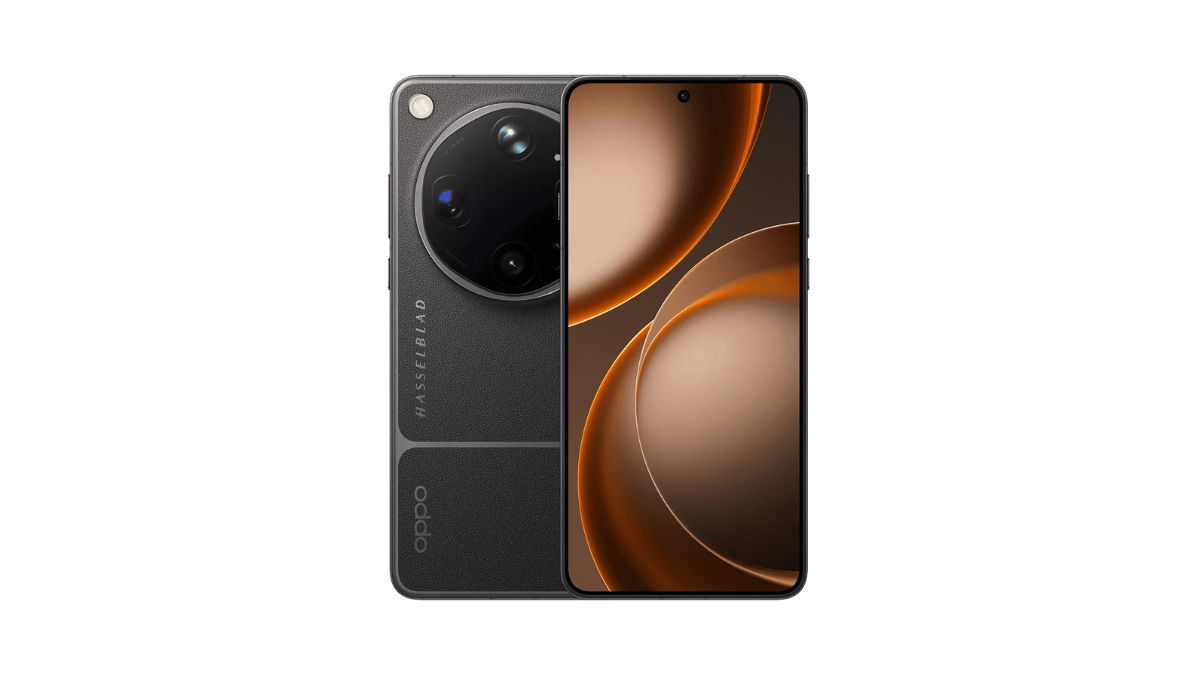
The Find X9 Ultra is the most complete phone in this comparison, pairing the highest benchmark scores with the coolest thermals of any top performer.
Why We Picked It
The Find X9 Ultra wins overall because it leads on the metrics that matter and rarely compromises on the rest. It recorded the highest AnTuTu score here at 4,026,656 and one of the best Geekbench multi-core results at 10,581, then backed that with a BGMI average of 119.7fps and a 116.5fps 5% low, the most consistent competitive-gaming result in the group. What sets it apart is thermal control: despite producing some of the strongest numbers here, it peaked at just 39.0°C, the coolest of any high-performance phone in this test. Its 200MP quad-camera system rounds out a package that gives up almost nothing. The two honest caveats are price, at ₹1,69,999 it is the most expensive phone here, and conservative gaming tuning that caps Genshin Impact at 59.3fps where the iQOO 15 nearly doubles it.
Oppo Find X9 Ultra Key Specifications
Oppo Find X9 Ultra XP Lab Test Data
Pros
The highest AnTuTu score in this comparison, excellent BGMI frame-time consistency, the coolest thermals of any top performer, and a versatile 200MP quad-camera system.
Cons
The highest price here, conservative gaming tuning that limits Genshin performance, and a low 39.1% stress stability despite the cool peak temperature.
Who Should Buy It
Buyers who want a no-compromise flagship with a class-leading camera, premium build, and consistently smooth competitive gaming.
Who Shouldn’t Buy It
Value-focused gamers — the iQOO 15 delivers far better Genshin performance for less than half the price.
Expert Verdict: The Find X9 Ultra is the most refined all-rounder I tested. Its price and conservative gaming profile are the only things keeping it from being an unqualified recommendation.
Vivo X300 Ultra — Best Flagship Camera
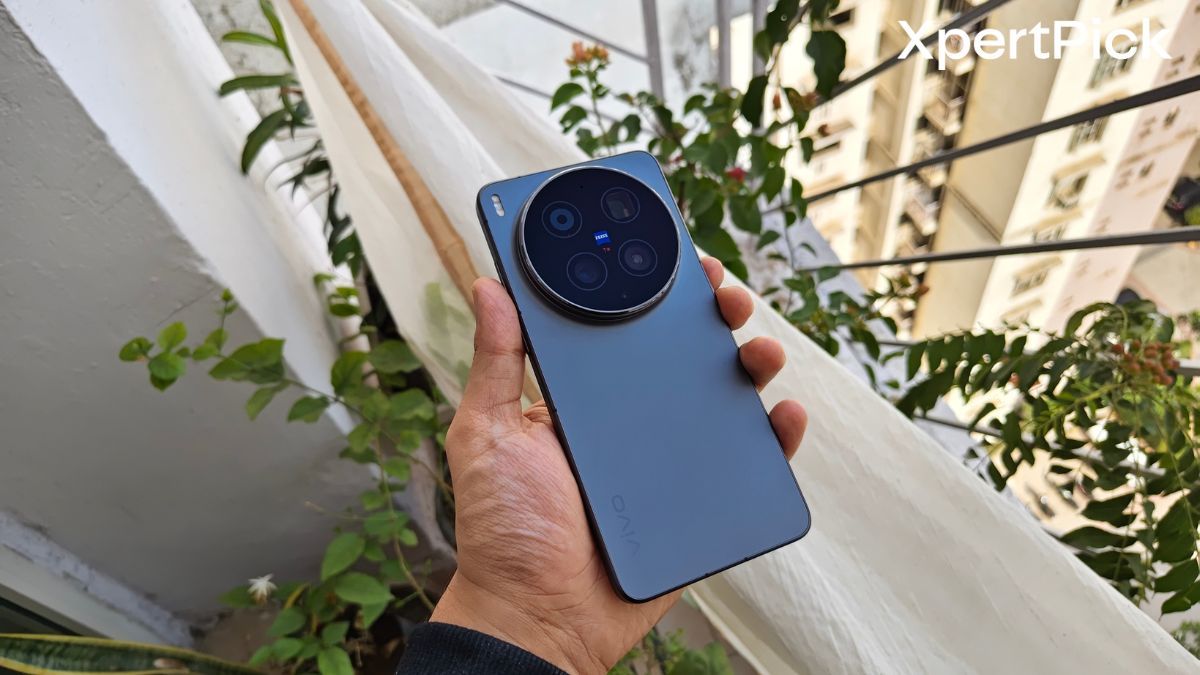
The X300 Ultra is built around its cameras, and no other phone here comes close to its imaging hardware.
Why We Picked It
This award is about imaging capability, and the X300 Ultra is in a class of its own. It carries a triple ZEISS system built on dual 200MP sensors, a main and an 85mm APO telephoto, with clip-on optical extenders that reach 400mm equivalent, a genuine periscope-beating reach no other phone here offers. Its benchmark numbers are flagship-grade (3,850,404 AnTuTu, 10,510 multi-core) and it stays cool at 39.5°C. The reason it does not win overall is gaming: its BGMI 5% low collapsed to 21.7fps against a 107.6fps average, one of the widest frame-time gaps in this comparison and a sign that Vivo’s tuning prioritises thermals and photography over sustained frame pacing. For a camera-first buyer that is an acceptable trade; for a gamer it is not.
Vivo X300 Ultra Key Specifications
Vivo X300 Ultra XP Lab Test Data
Pros
The most capable camera system in this comparison, strong flagship performance, excellent thermal control, and long battery life with fast charging.
Cons
Severe BGMI frame-time instability with a 21.7fps 5% low, a high price, and a large, heavy camera module.
Who Should Buy It
Photography and videography enthusiasts who want the most capable mobile imaging system available and will use the ZEISS extender ecosystem.
Who Shouldn’t Buy It
Competitive gamers — its frame-time consistency falls well short of the iQOO 15 and Find X9 Ultra.
Expert Verdict: A photographer’s flagship first and foremost. Its imaging hardware is unmatched here; its gaming behaviour is the price of that focus.
iQOO 15 — Best Gaming / Performance & Best Value Flagship (tie)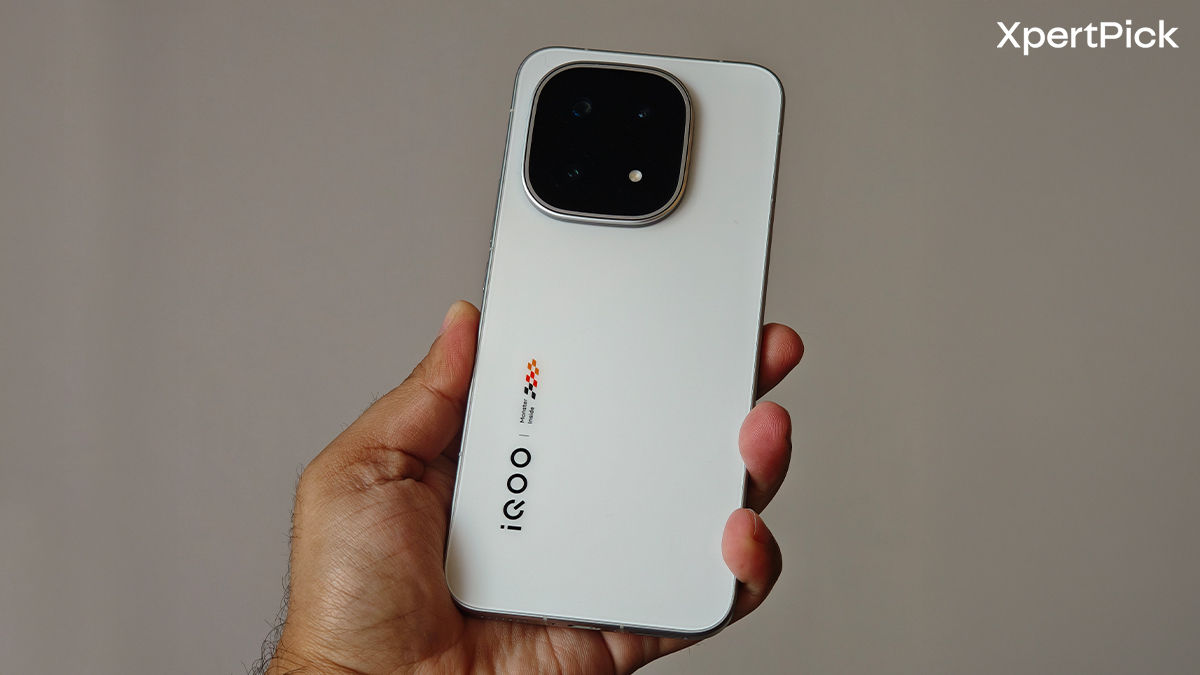
The iQOO 15 is the only phone here to break past the standard frame-rate caps, and it does it at a price well below the ultra-premium tier.
Why We Picked It
For raw gaming, nothing here matches the iQOO 15. It averaged 107.9fps in Genshin Impact, comfortably ahead of every other phone, most of which sat in the 52–77fps range, with an 82.1fps 5% low, powered by a Snapdragon 8 Elite Gen 5 and a dedicated Q3 gaming chip. In BGMI it held a near-perfect 119.6fps average with a 115.9fps 5% low, and its 7,127 3DMark score leads the group. It shares the Best Value Flagship award because, at ₹76,999, it delivers this alongside a 7,000mAh battery for a price that undercuts the ultra flagships by more than half. Its one weakness is heat: it reached 44.2°C under stress, the warmest of the recommended phones, so it trades a little thermal comfort for its frame rates.
iQOO 15 Key Specifications
iQOO 15 XP Lab Test Data
Pros
Class-leading Genshin Impact performance, excellent BGMI consistency, the highest measured brightness in this comparison, and a large 7,000mAh battery at a sub-flagship price.
Cons
Runs the warmest of the recommended phones at 44.2°C, and its camera system, while capable, is not its focus.
Who Should Buy It
Competitive and demanding gamers who want the highest frame rates available without paying ultra-flagship prices.
Who Shouldn’t Buy It
Buyers who prioritise cool operation or camera versatility over peak gaming performance.
Expert Verdict: The best gaming phone I tested and one of the two best-value flagships here. It runs warm, but no other phone extracts these frame rates, and few match its price-to-performance.
Samsung Galaxy S26 Ultra — Best Flagship Display
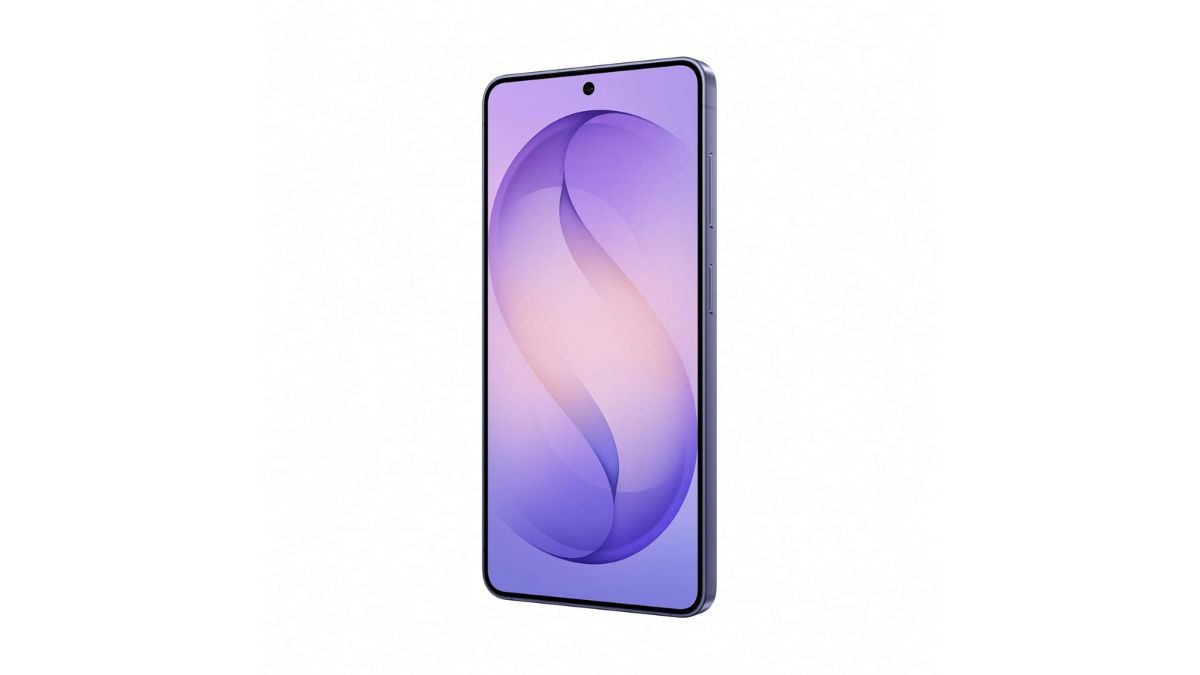
The S26 Ultra pairs the strongest graphics score in this comparison with Samsung’s most capable panel and S Pen productivity.
Why We Picked It
The S26 Ultra takes the display award on the strength of its panel pedigree, a 2K LTPO AMOLED with the resolution, colour accuracy and adaptive-refresh sophistication that Samsung’s Ultra line is known for, combined with the best raw graphics result here, a 7,500 3DMark Wild Life Extreme score. Its 75.0% stress stability is also the highest of the recommended phones, meaning it holds that performance better than the Oppo or OnePlus. It remains the productivity flagship thanks to the built-in S Pen. Two caveats: its 17h 11min battery result is the weakest of the recommended group, and its measured peak brightness in my testing came in low (see notes), a figure I would want to re-verify before treating it as final.
Samsung Galaxy S26 Ultra Key Specifications
Samsung Galaxy S26 Ultra XP Lab Test Data
Pros
The highest 3DMark and multi-core scores in this comparison, the best stress stability of the recommended phones, S Pen productivity, and a versatile 200MP camera system.
Cons
The weakest battery endurance of the recommended group at 17h 11min, and a measured brightness figure that came in unexpectedly low.
Who Should Buy It
Power users and creators who want a large, high-resolution display, S Pen input, and the strongest sustained graphics performance here.
Who Shouldn’t Buy It
Buyers who prioritise battery life, or who want the highest measured brightness — the iQOO 15 leads there.
Expert Verdict: The productivity and display flagship of the group, with the best graphics stability I measured. Its battery is the clear weak point, and the brightness reading deserves a second look.
OnePlus 15 — Best Battery / Charging
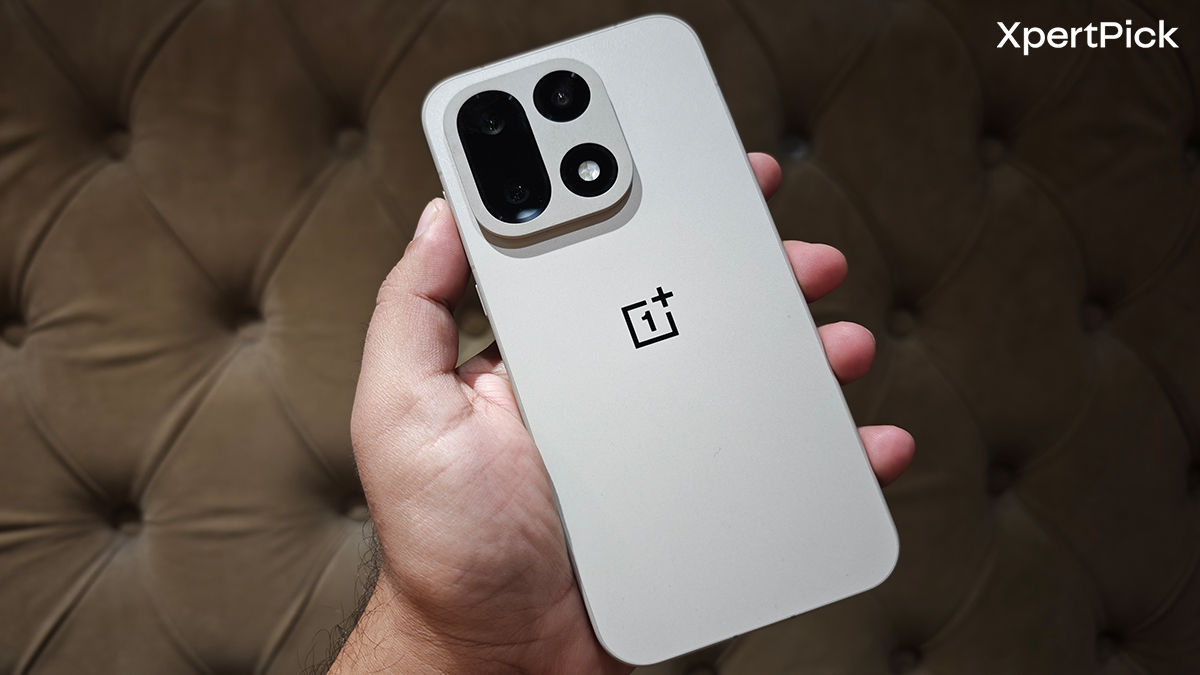
The OnePlus 15 is the endurance champion of this comparison, pairing the longest runtime here with flagship gaming performance.
Why We Picked It
The OnePlus 15 recorded 27 hours 13 minutes on PCMark, the longest of any phone I tested, and by a wide margin, from its 7,300mAh cell, then backed it with 120W wired charging that refills the phone far faster than most rivals. That endurance does not come at the cost of performance: it posted a 3,932,097 AnTuTu, the highest Geekbench GPU score here at 23,923, and a 119.4fps BGMI average. Its Genshin Impact 5% low of 34.3fps is softer than the iQOO’s, so it is not quite the gaming specialist, but as an all-day flagship that games well and charges fast, it is the easiest recommendation for heavy users.
OnePlus 15 Key Specifications
OnePlus 15 XP Lab Test Data
Pros
The longest battery life in this comparison by a wide margin, 120W fast charging, the highest GPU score here, and consistently high BGMI frame rates.
Cons
Softer Genshin Impact frame-time consistency than the iQOO 15, and a 43.8°C peak that runs on the warm side.
Who Should Buy It
Power users who want flagship performance without sacrificing battery life, especially for long sessions and heavy daily use.
Who Shouldn’t Buy It
Buyers who want the most consistent Genshin Impact frame pacing — the iQOO 15 is smoother in that title.
Expert Verdict: The best balance of performance and endurance here. If a flagship that comfortably lasts a full heavy day is the priority, this is the one.
Apple iPhone 17 — Best Compact Flagship & Best Value Flagship (tie)
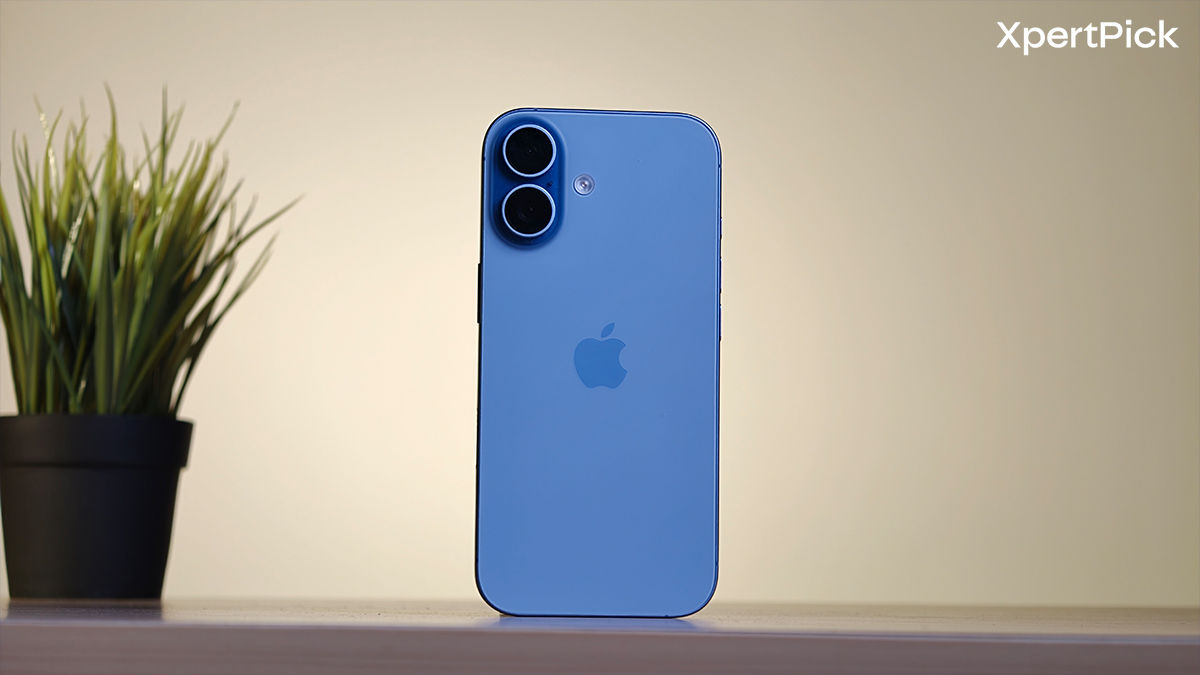
The iPhone 17 delivers the best sustained gaming in this comparison inside the smallest body, and shares the value award for undercutting the ultra flagships.
Why We Picked It
The iPhone 17 wins compact because it packs genuine flagship capability into a 6.27-inch, sub-150mm frame, and it does not compromise performance to do so. Its A19 chip posted the highest Geekbench GPU score in this comparison at 37,088 and delivered the best sustained gaming here: a pinned 60fps in Genshin Impact with a 58fps 5% low, the most stable result in that title of any phone tested, and 115fps in BGMI. It also ran the coolest of the entire group at 36.0°C. It shares the Best Value Flagship award because, at ₹82,900, it sits under ₹85,000 while offering iOS, the strongest single-title consistency here, and thermal behaviour nothing else matches, a different but equally valid value case to the iQOO 15’s raw-gaming-per-rupee. The trade-off is battery: its 3,692mAh cell is the smallest here, and I have no PCMark figure for it.
Apple iPhone 17 Key Specifications
- Price: ₹82,900
- Processor: Apple A19
- Display: 6.27-inch Super Retina XDR AMOLED, 120Hz ProMotion, 3,000 nits claimed
- Dimensions & Weight: 149.6 x 71.5 x 7.95 mm, 177g
- RAM: 8GB
- Storage: 256GB / 512GB
- Battery: 3,692 mAh
- Charging: Full charge in 68 minutes (measured) / 25W Wireless
- Rear Camera: 48MP Fusion + 12MP 2x Crop
- Front Camera: 18MP Center Stage
Apple iPhone 17 XP Lab Test Data
Pros
The best sustained gaming consistency in this comparison, the highest GPU and AI scores here, the coolest thermals of any phone tested, and a genuinely compact flagship body.
Cons
The smallest battery in this comparison at 3,692mAh, no PCMark battery figure on file, and lower AnTuTu/multi-core totals than the Android flagships.
Who Should Buy It
Buyers who want the fastest compact phone available, iOS, and the most stable frame pacing in demanding titles, and who are comfortable charging daily.
Who Shouldn’t Buy It
Anyone whose priority is battery endurance or the highest synthetic benchmark totals.
Expert Verdict: The compact flagship to beat, and a legitimate value pick despite its price — its thermals and single-title consistency are the best here. The small battery is the one real compromise.
Motorola Razr Fold — Best Foldable Flagship
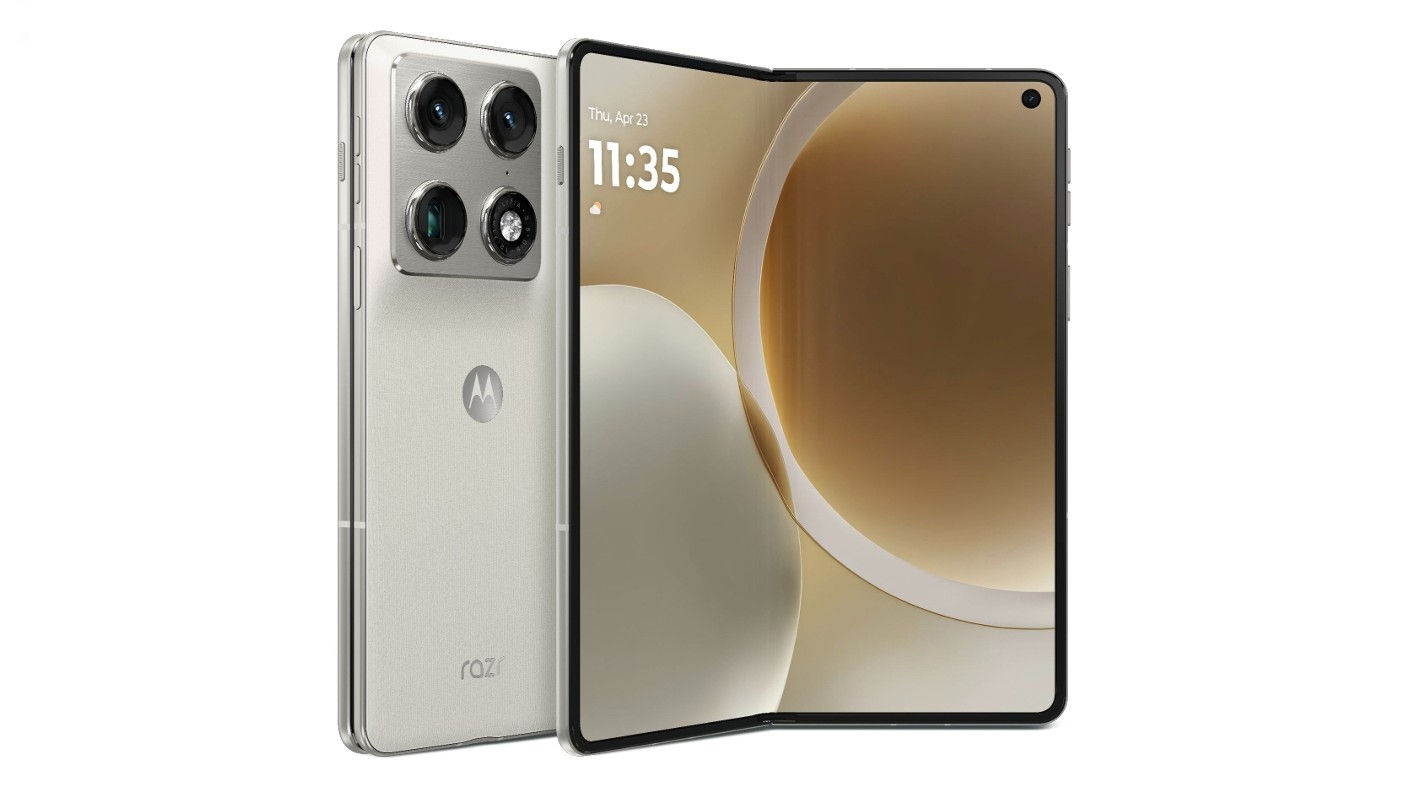
The Razr Fold is the only book-style foldable in this comparison, and it makes a strong case as a flagship in its own right.
Why We Picked It
The Razr Fold wins foldable uncontested here, but it earns the flagship label on merit rather than default. It posted a 3,169,973 AnTuTu and a 9,187 Geekbench multi-core, held a respectable 66.4% stress stability, and its inner 8.1-inch panel reaches a measured 2,410 nits with a claimed 6,200-nit peak, among the brightest foldable displays available. Its triple 50MP camera system scored competitively at DxOMark, unusual for a folding phone, and it offers seven years of OS updates. Gaming is where the foldable form factor shows its limits: 59.4fps average in BGMI is well below the slab flagships here, a consequence of the thermal and space constraints of a folding chassis. As a productivity-and-multitasking flagship, though, nothing else in this guide offers its large-screen versatility.
Motorola Razr Fold Key Specifications
Motorola Razr Fold XP Lab Test Data
Pros
A large, exceptionally bright inner display, a DxOMark-competitive triple 50MP camera unusual for a foldable, seven years of updates, and strong multitasking versatility.
Cons
Gaming performance well below the slab flagships here, a lower Geekbench GPU score, and a high price.
Who Should Buy It
Buyers who want a large-screen foldable for productivity and media without giving up a capable camera or bright display.
Who Shouldn’t Buy It
Gamers, and anyone who wants slab-flagship frame rates — the folding form factor cannot match them here.
Expert Verdict: The best foldable in this comparison and a credible flagship for multitaskers. Its gaming trails the slabs, but as a large-screen productivity device it stands alone here.
Xiaomi 17
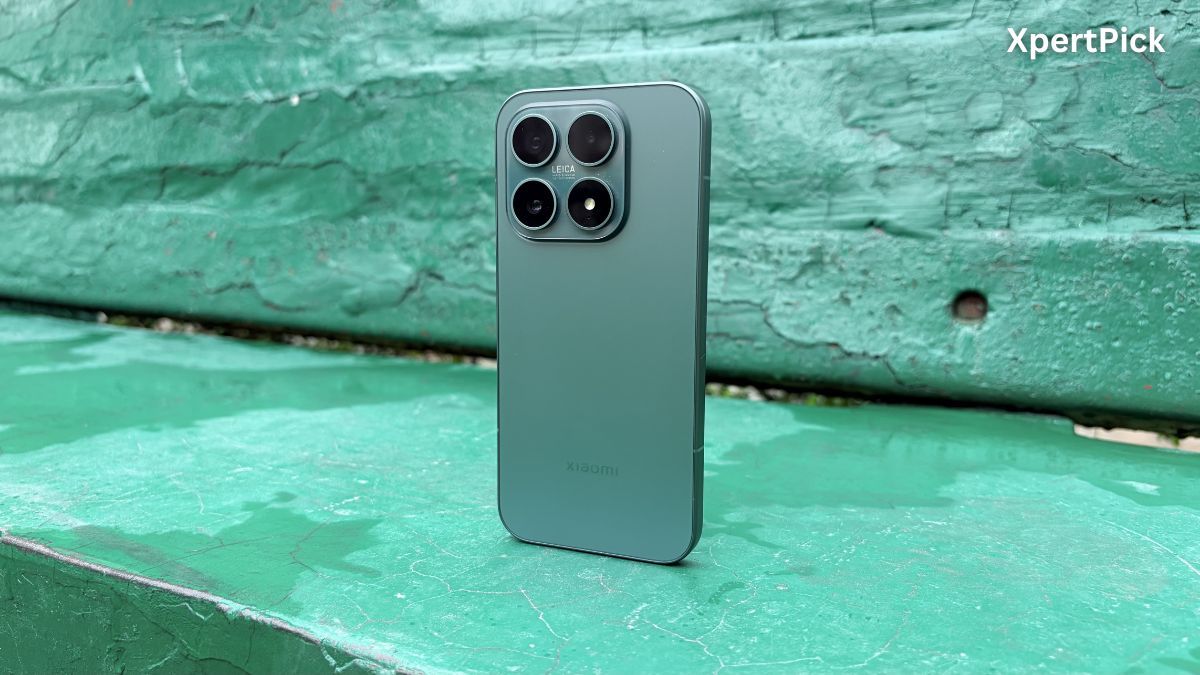
The Xiaomi 17 is a strong compact flagship that lands just behind the category winners rather than ahead of them.
Why We Didn’t Pick It
The Xiaomi 17 is a genuinely capable phone that missed an award mainly because the field is crowded. It posted a 3,457,958 AnTuTu and a 5,897 3DMark with excellent 72.0% stress stability, and its 2,760-nit measured brightness is among the better readings here. But it sits in the shadow of the iPhone 17 for the compact pick, the iPhone’s sustained gaming and thermals are stronger, and behind the iQOO 15 on value and gaming. Its 44.7°C peak is the joint-warmest in this comparison, and its Genshin Impact average of 39.4fps with a 24.6fps 5% low is one of the weaker sustained results here. It is a very good compact flagship; it is simply out-argued in each category it might have contested.
Xiaomi 17 Key Specifications
Xiaomi 17 XP Lab Test Data
Pros
Strong benchmark performance, excellent stress stability, a bright Leica-tuned display, and a compact form factor with a versatile triple camera.
Cons
The joint-warmest peak temperature here at 44.7°C, weak sustained Genshin Impact performance, and no category where it clearly beats the winners.
Who Should Buy It
Buyers who want a compact Leica-camera flagship and prefer Xiaomi’s HyperOS, and who value strong BGMI performance over Genshin consistency.
Who Shouldn’t Buy It
Anyone cross-shopping the iPhone 17, which offers better sustained gaming and thermals in the same compact bracket.
Expert Verdict: A strong compact flagship that arrived in a category the iPhone 17 already owns. Capable across the board, but never quite the best answer to any single question here.
Frequently Asked Questions (FAQs)
Which is the best flagship phone overall?
The Oppo Find X9 Ultra. It recorded the highest AnTuTu score in this comparison at 4,026,656, paired the strongest competitive-gaming consistency (119.7fps BGMI with a 116.5fps 5% low) with the coolest thermals of any top performer at 39.0°C, and carries a versatile 200MP quad-camera system. Its only real drawbacks are price and conservative Genshin tuning.
Which flagship is best for gaming?
The iQOO 15. It was the only phone to break past Genshin Impact’s usual cap, averaging 107.9fps where most rivals sat between 52 and 77fps, and it held a near-perfect 119.6fps in BGMI. It also posted the highest 3DMark score here. It runs warm at 44.2°C, but no other phone matches its frame rates.
Which flagship has the best battery life?
The OnePlus 15, which recorded 27 hours 13 minutes on PCMark — the longest result here by a wide margin — from its 7,300mAh cell, backed by 120W wired charging.
Do you really need to spend over ₹1 lakh for a flagship?
No. Both the iQOO 15 (₹76,999) and iPhone 17 (₹82,900) deliver genuine flagship performance under ₹85,000. The iQOO leads on raw gaming and battery; the iPhone leads on sustained frame-pacing consistency and thermals. The ultra flagships above ₹1.5 lakh add camera reach and build, not raw speed.
Is a foldable a real flagship?
The Motorola Razr Fold makes the case. It posted flagship-tier benchmarks, a DxOMark-competitive camera, and an exceptionally bright inner display. Its gaming trails the slab flagships because of the thermal constraints of a folding chassis, but for productivity and large-screen versatility it stands alone in this comparison.
Why Trust XpertPick
Every recommendation on this page comes from hands-on lab testing rather than manufacturer spec sheets or marketing claims. This comparison was built on retail units running shipping software.
Independent testing: All nine phones were tested in-house on retail units; no manufacturer-supplied performance data was used in the analysis.
Standardised conditions: Every device was tested at 28°C ambient, on the highest-specification variant available, using the same benchmark, stress, gaming and battery suites.
Layered methodology: Peak output, sustained load, logged real-world gaming and battery rundowns are measured for every phone, because at the flagship tier the same silicon behaves very differently across devices.