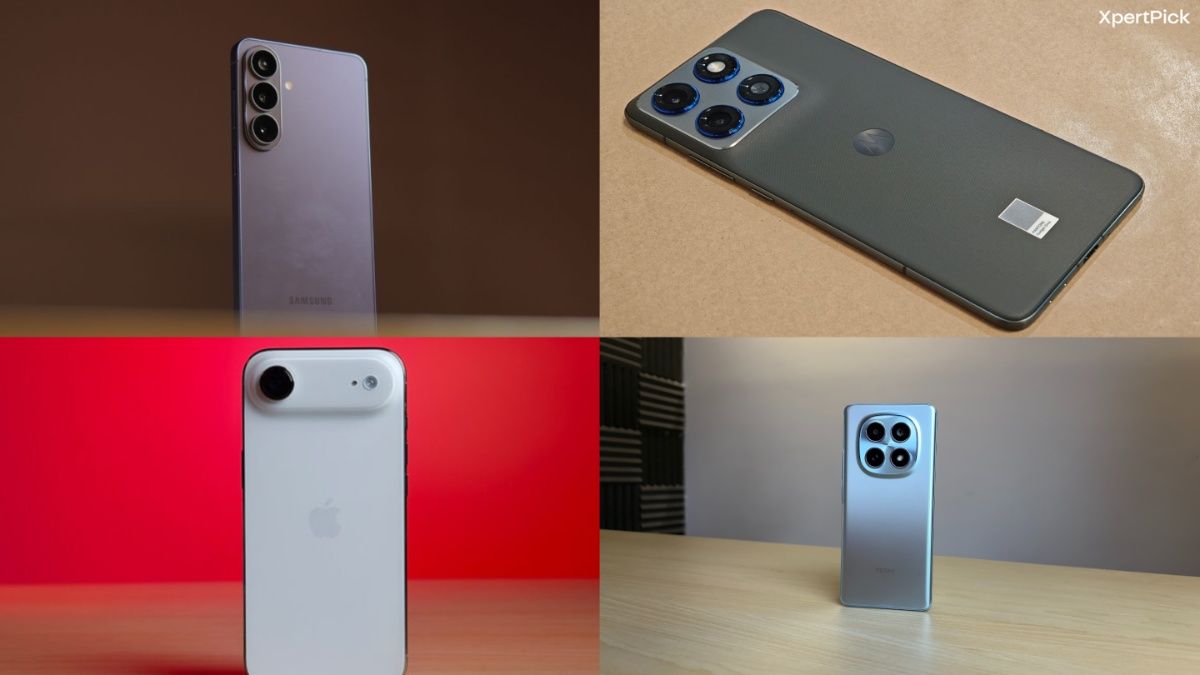
Thinness used to be a vanity metric that cost you battery. That has changed. The phones in this guide all measure 7.5mm or under, and several pair that slim profile with genuinely large cells, the Tecno Pova Curve 2 carries 8,000mAh at 7.42mm, a combination that would have been impossible two years ago. At the other extreme, the iPhone Air reaches 5.64mm by accepting a small battery, a reminder that slimness still involves trade-offs even if they are no longer automatic.
To find which slim phones hold up, I ran nine devices measuring 7.5mm or under through the full XP Lab suite: AnTuTu v10, Geekbench 6, 3DMark Wild Life Extreme with a twenty-loop stress run, a sustained gaming block, and a PCMark battery rundown. Thinness is the entry ticket here; what separates these phones is what they gave up to achieve it, and how much performance survives once the chassis has no room to shed heat.
Phones Considered
I evaluated nine slim smartphones spanning ₹24,882 to ₹1,19,900: the iPhone Air, Samsung Galaxy S26, Samsung Galaxy S26+, Motorola Signature, Moto Edge 70, Moto Edge 70 Fusion, Infinix Note Edge, Redmi Note 15 and Tecno Pova Curve 2.
Top Picks At A Glance
The recommendations below are based on in-house XP Lab testing and verified hardware specifications. Refer to the comparison table for a side-by-side view.
| Category | My Pick | Price | Why We Picked It |
|---|---|---|---|
| Best Overall Slim Phone | Samsung Galaxy S26 | ₹87,999 | Flagship performance and the strongest multi-core score here in a 7.2mm, 163g body with a full triple camera. |
| Best Slim Flagship | Samsung Galaxy S26+ | ₹99,999 | Near-identical silicon to the S26 with a larger battery and display, still only 7.3mm thick. |
| Best Slim With Big Battery | Tecno Pova Curve 2 | ₹25,387 | 8,000mAh at just 7.42mm, delivering 20h 28min on PCMark for a quarter of the flagship price. |
| Best Slim Camera Phone | iPhone Air | ₹1,19,900 | The strongest imaging pipeline in this group despite a single rear lens, backed by the fastest silicon here. |
| Best Lightweight Pick | Moto Edge 70 | ₹29,090 | The lightest phone in this guide at 159g and 6.0mm, with genuinely usable performance. |
| Best Value Slim Phone | Redmi Note 15 | ₹24,882 | The lowest price here, 99.5% stress stability, and a 17h 53min battery result at 7.35mm. |
Slim Specs And Benchmark Comparison
A 🏆 marks the category leader among the recommended phones. Thickness and weight lead the table because they define this category.
| Test / Metric | iPhone Air | Galaxy S26 | Galaxy S26+ | Tecno Pova Curve 2 | Moto Edge 70 | Redmi Note 15 |
|---|---|---|---|---|---|---|
| Thickness | 5.64mm 🏆 | 7.2mm | 7.3mm | 7.42mm | ~6.0mm | 7.35mm |
| Weight | 165g | ~167g | ~190g | 195g | 159g 🏆 | 178g |
| Display Size | 6.5″ | 6.2″ | 6.7″ | 6.78″ | 6.7″ | 6.77″ |
| AnTuTu Overall | 1,901,563 | 3,006,289 🏆 | 2,942,306 | 710,495 | 1,409,815 | 834,308 |
| Geekbench (Single) | 3,750 🏆 | 3,072 | 3,112 | 954 | 1,330 | 1,018 |
| Geekbench (Multi) | 9,565 | 10,739 🏆 | 10,657 | 2,814 | 4,155 | 2,964 |
| 3DMark Wild Life Extreme | 4,143 | 5,864 🏆 | 5,106 | 692 | 2,074 | 861 |
| 3DMark Stress Stability | 76.1% | 62.1% | 49.0% | 99.6% 🏆 | 64.1% | 99.5% |
| Peak Temperature | 36.1°C | 40.0°C | 39.6°C | N/A | 39.0°C | 36.6°C 🏆 |
| PCMark Battery | N/A | 13h 31min | 12h 57min | 20h 28min 🏆 | 12h 33min | 17h 53min |
| Battery Capacity | 3,149mAh | 4,300mAh | 4,900mAh | 8,000mAh 🏆 | 5,000mAh | 5,520mAh |
| Peak Brightness (measured) | 3,080 nits 🏆 | 1,998 nits | 1,920 nits | 2,790 nits | 2,220 nits | 1,335 nits |
How I Tested These Slim Smartphones
Thinness is easy to measure and hard to engineer around, so my testing focused on what each phone sacrificed to get there.
Test Conditions: All devices are retail units running publicly available software, tested at a controlled 28°C ambient temperature, on the highest-specification variant where one exists.
Performance: AnTuTu v10 and Geekbench 6 for CPU and GPU, run three times with a fifteen-minute cooldown and the median reported.
Sustained Load: 3DMark Wild Life Extreme across twenty consecutive loops, with chassis temperature logged by external probe. A slim chassis has less thermal mass, so this test matters more here than in a thicker phone.
Gaming: A sustained block across BGMI, Minecraft and Asphalt 9 at each title’s preset, with frame-time logging. Average FPS describes the session; the 5% Low describes its worst moments.
Battery: PCMark Work 3.0 at fixed brightness until shutdown.
Physical Measurement: Thickness and weight verified against manufacturer specifications, since a size-led guide cannot rely on unverified figures.
The Phones In Detail
Samsung Galaxy S26 — Best Overall Slim Phone
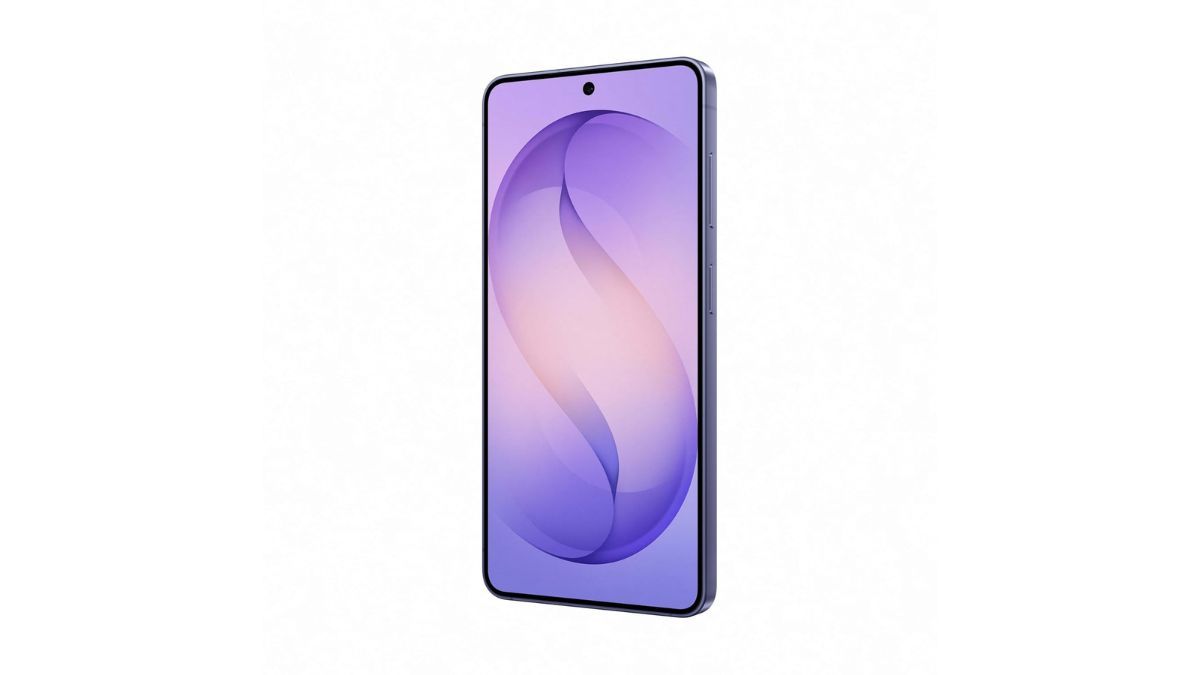
The Galaxy S26 is the phone that proves slim no longer means compromised, pairing the strongest CPU figures in this guide with a 7.2mm chassis.
Why We Picked It
The Galaxy S26 wins overall because it is the only phone here that is both genuinely slim and genuinely fast. Its 10,739 Geekbench multi-core score is the highest in this guide, its 5,864 3DMark Wild Life Extreme result leads the group, and it does this at 7.2mm and roughly 167g with a full triple camera behind it. It is not perfect — its 62.1% stress stability is mid-pack and it reached 40°C under load, the joint-warmest here — but no other phone combines this performance with this profile. Battery is the honest weakness: 13h 31min on PCMark from a 4,300mAh cell is unremarkable, and the Pova Curve 2 lasts half as long again.
Samsung Galaxy S26 Key Specifications
- Price: ₹87,999
- Processor: Qualcomm Snapdragon 8 Elite Gen 5 / Exynos 2600 (region-dependent)
- Display: 6.2-inch Dynamic LTPO AMOLED 2X, 120Hz refresh rate, 2,600 nits peak claimed
- Dimensions & Weight: 149.6 × 71.7 × 7.2 mm, 167g
- RAM: 12GB
- Storage: 256GB / 512GB
- Battery: 4,300mAh
- Charging: 25W wired / 15W wireless
- Rear Camera: 50MP main (OIS) + 10MP telephoto (3x) + 12MP ultra-wide
- Front Camera: 12MP
Samsung Galaxy S26 XP Lab Test Data
- Weight: 167g
- Phone Thickness: 7.2mm
- Battery Life (PCMark): 13h 31min
- Runtime per 1,000mAh: ~3h 9min
- AnTuTu Overall Score: 3,006,289
- Geekbench 6: 3,072 (Single-Core) | 10,739 (Multi-Core)
- Geekbench GPU Score: 24,759 (OpenCL)
- 3DMark Wild Life Extreme: 5,864
- 3DMark Stress Test Stability: 62.1%
- CPU Throttling Test Stability: 56%
- Temperature After Stress Test: 40.0°C
- BGMI Performance: 59.2fps average | 52fps 5% low
- Minecraft Performance: 40.6fps average | 26.1fps 5% low
Pros
The highest multi-core and 3DMark scores in this guide, a genuine triple camera with telephoto, a slim 7.2mm profile, and seven years of software support.
Cons
Mid-pack thermal stability, the joint-warmest peak temperature here, and modest battery endurance from a 4,300mAh cell.
Who Should Buy It
Users who want flagship performance and a proper camera system without carrying a thick or heavy phone.
Who Shouldn’t Buy It
Anyone whose priority is battery life — the Pova Curve 2 and Redmi Note 15 both last considerably longer.
Expert Verdict: The Galaxy S26 is the most complete slim phone I tested. Its battery is the one real compromise, and for most buyers the performance and camera more than offset it.
Samsung Galaxy S26+ — Best Slim Flagship
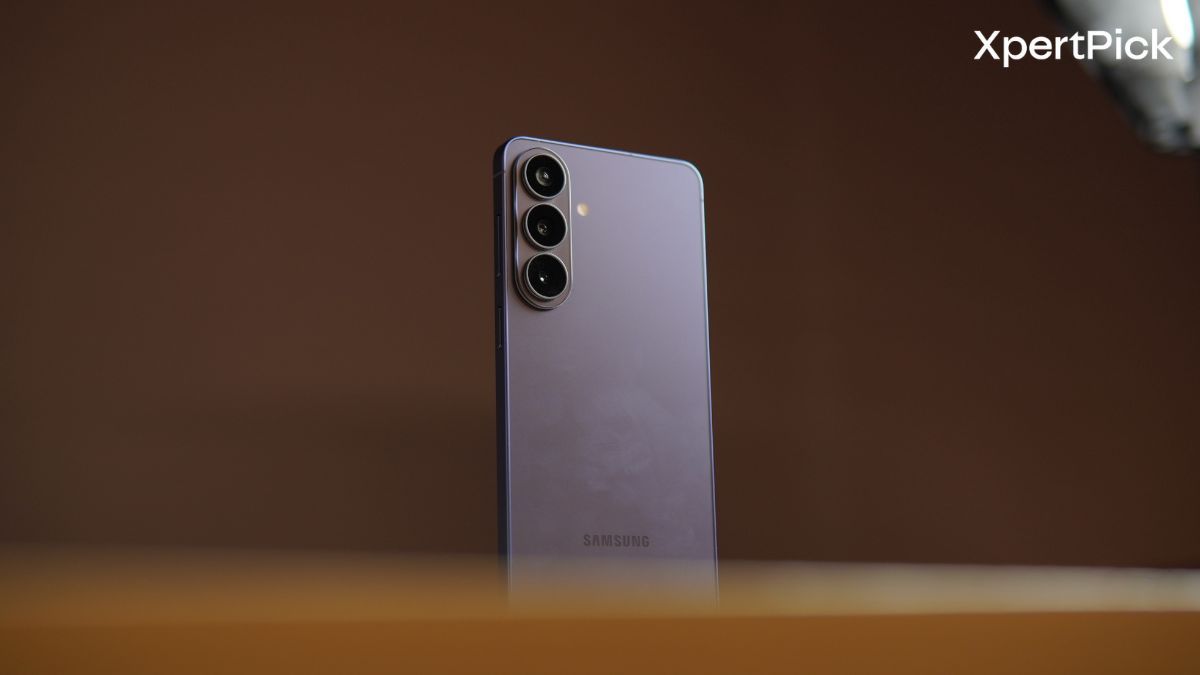
The S26+ is the S26 with more room, and it uses that room for a larger screen and battery rather than a thicker waistline.
Why We Picked It
The S26+ takes the flagship pick because it delivers essentially the same silicon as the S26, 3,112 single-core and 10,657 multi-core, both within a rounding error, in a body that is still only 7.3mm thick. The trade it asks for is size and weight: at roughly 190g it is 23g heavier than the S26. Its 3DMark stress stability of 49.0% is the weakest of the recommended phones, so sustained gaming is not its strength, but as a large-screen flagship that stays slim it is the most polished option here. Battery, oddly, is not much better than the smaller S26 at 12h 57min despite a 4,900mAh cell.
Samsung Galaxy S26+ Key Specifications
Samsung Galaxy S26+ XP Lab Test Data
Pros
Flagship-tier CPU performance in a 7.3mm body, a large 6.7-inch display, strong BGMI frame rates, and a faster 45W charging spec than the base S26.
Cons
The weakest stress stability of the recommended phones, unremarkable battery endurance for a 4,900mAh cell, and the second-heaviest phone in this guide.
Who Should Buy It
Buyers who want a large-screen flagship that stays slim and light for its size.
Who Shouldn’t Buy It
Sustained gamers, and anyone expecting the larger battery to translate into a clear endurance advantage over the S26.
Expert Verdict: A large-screen flagship that refuses to get fat. The battery result is disappointing for the capacity, but as a slim big-screen phone it is the best option here.
Tecno Pova Curve 2 — Best Slim With Big Battery
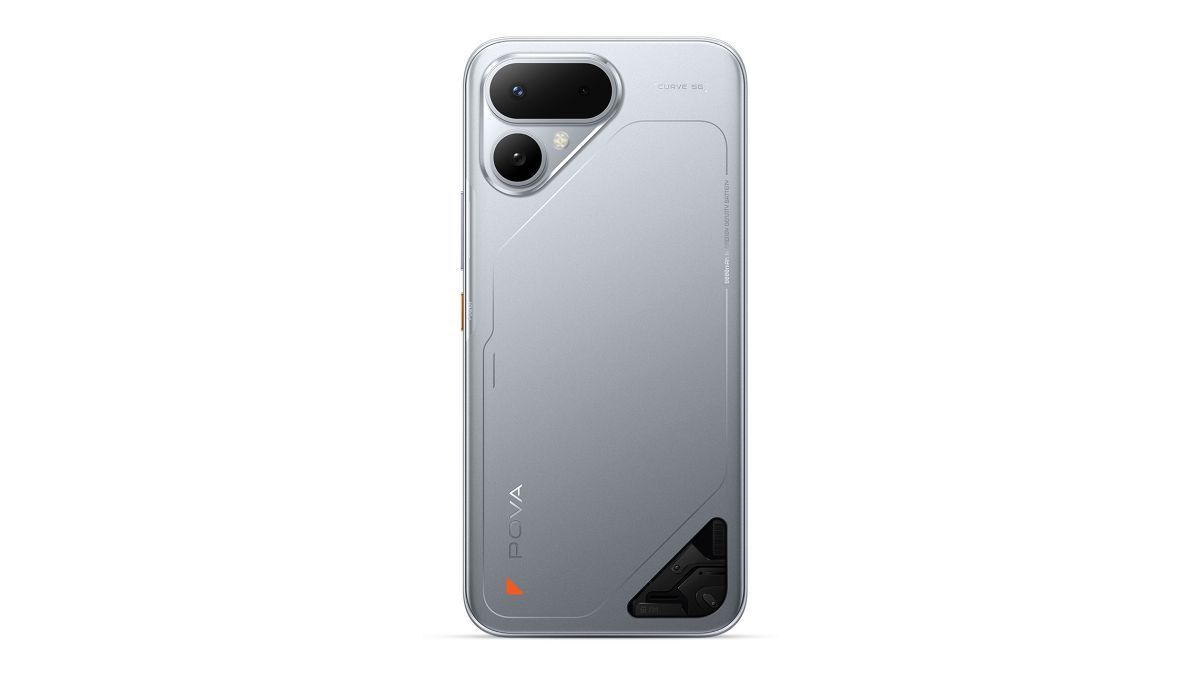
The Pova Curve 2 is the headline act of this category: an 8,000mAh battery inside a 7.42mm frame, which should not be possible.
Why We Picked It
Fitting 8,000mAh into 7.42mm is a genuine engineering achievement, and the battery result backs it up — 20h 28min on PCMark, the longest of any recommended phone here and beaten in the full lineup only by figures I have flagged as unreliable. It also posted 99.6% stress stability, the highest in this guide, meaning it holds its (modest) performance rather than collapsing. That performance is the catch: 710,495 on AnTuTu is the lowest here, and its Asphalt 9 result fell to a 10.8fps average with 3.3fps lows, a hard thermal-or-throttle collapse in that specific title. For everyday use and light gaming it is superb value; for demanding 3D games it is not the phone.
Tecno Pova Curve 2 Key Specifications
Tecno Pova Curve 2 XP Lab Test Data
Pros
An extraordinary 8,000mAh battery in a slim body, the longest verified runtime and highest stress stability in this guide, a bright measured display, and outstanding value.
Cons
The lowest benchmark figures here, a severe frame-time collapse in Asphalt 9, and no stress-test temperature recorded.
Who Should Buy It
Value buyers who want multi-day battery life in a phone that is still slim, and whose gaming is casual.
Who Shouldn’t Buy It
Anyone who plays demanding 3D titles, or who needs strong peak performance.
Expert Verdict: The most impressive battery-to-thickness ratio in this guide by a wide margin. Accept the modest chipset and it is remarkable value; expect flagship gaming and look elsewhere.
iPhone Air — Best Slim Camera Phone
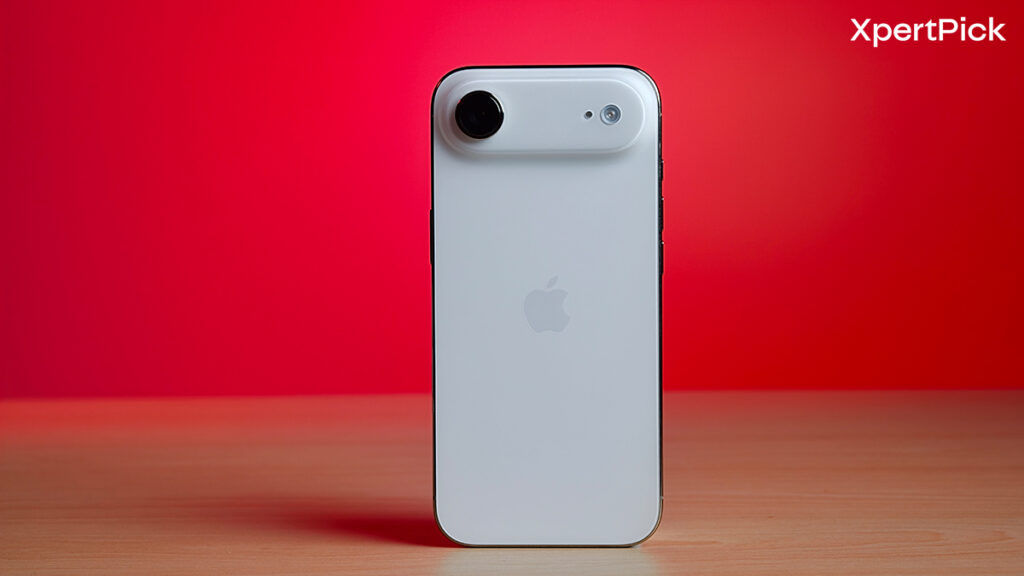
At 5.64mm the iPhone Air is the thinnest phone in this guide by a clear margin, and its camera pipeline is the best here despite a single rear lens.
Why We Picked It
This award goes to the Air on the strength of its imaging pipeline and the silicon driving it, rather than lens count — it has only one rear camera, but the A19 Pro’s processing, its 3,750 single-core score (highest in this guide) and its class-leading computational photography put its output ahead of the multi-lens Android phones here for stills. It is also the thinnest phone in the guide at 5.64mm and posts the brightest measured display at 3,080 nits. The compromise is structural and unavoidable: to reach 5.64mm, Apple fitted a 3,149mAh battery, the smallest here by far, and I have no PCMark figure for it — but a cell that size in a phone this powerful is the clear weak point.
iPhone Air Key Specifications
iPhone Air XP Lab Test Data
Pros
The thinnest phone in this guide, the strongest single-core and AI scores here, the brightest measured display, and the best still-image pipeline despite a single lens.
Cons
The smallest battery in this guide at 3,149mAh, no ultrawide or telephoto, and a price far above everything else here.
Who Should Buy It
Buyers who want the thinnest possible phone with the best point-and-shoot camera and are willing to pay for it — and to charge daily.
Who Shouldn’t Buy It
Anyone who needs zoom or ultrawide framing, or all-day battery without a top-up.
Expert Verdict: An engineering showcase with the best camera output and the thinnest body here. The 3,149mAh battery is the price of 5.64mm, and it is a real one.
Moto Edge 70 — Best Lightweight Pick
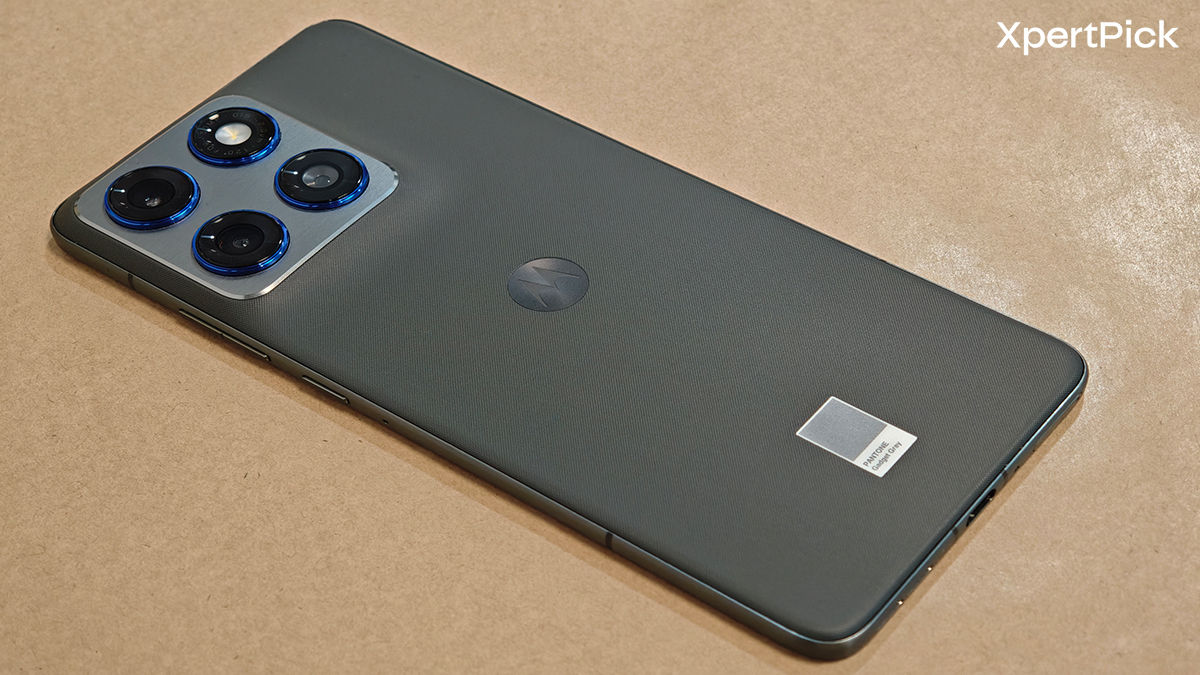
The Edge 70 is the lightest phone in this guide at 159g, and unlike most weight-loss exercises it stays usable.
Why We Picked It
At 159g and roughly 6.0mm the Edge 70 is the lightest and second-thinnest phone here, and Motorola achieved that without gutting the experience — its Snapdragon 7-series chip returned a 1,409,815 AnTuTu and a usable 114.7fps average in BGMI, and it managed a 12h 33min battery result from a 5,000mAh cell that is genuinely impressive for the thickness. It will not keep up with the flagships on raw power, and its 64.1% stress stability is mid-pack, but as a phone that all but disappears in the hand and pocket while still handling daily tasks and light gaming, nothing else here matches it.
Moto Edge 70 Key Specifications
Moto Edge 70 XP Lab Test Data
Pros
The lightest phone in this guide at 159g, a near-6mm profile, a strong BGMI average, and a 5,000mAh battery that belies its slimness.
Cons
Mid-pack performance and thermal stability, and no telephoto camera.
Who Should Buy It
Buyers who prioritise a phone that is barely noticeable to carry but still does everything a daily driver needs.
Who Shouldn’t Buy It
Users chasing peak performance or sustained 3D gaming.
Expert Verdict: Proof that a light phone need not be a hollow one. The Edge 70 trims weight and thickness without hollowing out the experience, and that balance earns it the lightweight pick.
Redmi Note 15 — Best Value Slim Phone
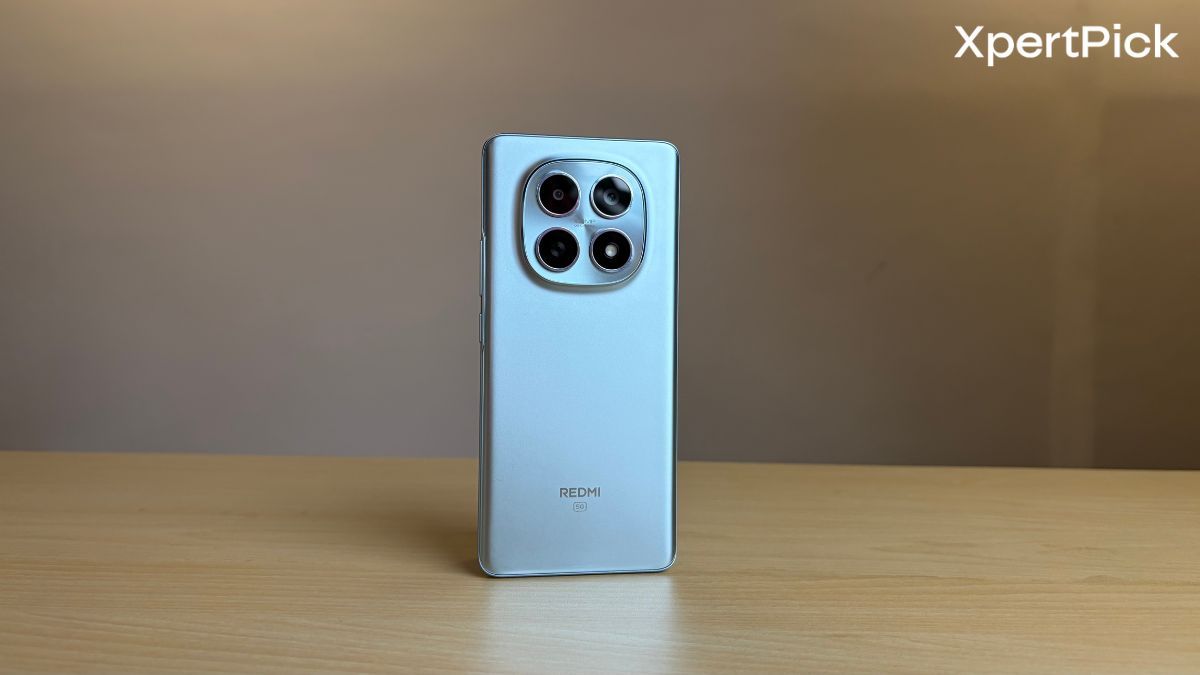
The Redmi Note 15 is the cheapest phone in this guide, and it holds its performance better than devices several times its price.
Why We Picked It
At ₹24,882 the Redmi Note 15 is the lowest price here, and the value case is straightforward. Its 99.5% stress stability is second only to the Pova Curve 2, its 36.6°C peak is the coolest of any recommended phone, and it returned a strong 17h 53min PCMark result from a 5,520mAh cell — all at 7.35mm. Its raw performance is modest, with an 834,308 AnTuTu placing it near the bottom of the group, but it never spikes and collapses the way pricier phones here do. For a buyer who wants a slim, cool-running, long-lasting phone and does not need flagship speed, it is the sensible pick.
Redmi Note 15 Key Specifications
- Price: ₹24,882
- Processor: Qualcomm Snapdragon 6-series
- Display: 6.77-inch AMOLED, 3,200 nits peak claimed
- Dimensions & Weight: 164 × 75.42 × 7.35mm, 178g
- RAM: 8GB
- Storage: 128GB / 256GB
- Battery: 5,520mAh
- Charging: Wired fast charging
- Rear Camera: 50MP main + secondary
- Front Camera: Selfie
Redmi Note 15 XP Lab Test Data
Pros
The lowest price in this guide, near-perfect stress stability, the coolest peak temperature of any recommended phone, and strong battery endurance at 7.35mm.
Cons
Modest raw performance, the dimmest measured display here at 1,335 nits, and a basic camera system.
Who Should Buy It
Budget buyers who want a slim, cool, dependable phone and do not need flagship speed.
Who Shouldn’t Buy It
Gamers, and anyone who spends a lot of time outdoors where the dim display will struggle.
Expert Verdict: The value pick of the guide. It gives up peak performance and screen brightness, but its stability, thermals and battery life at this price are hard to argue with.
Motorola Signature
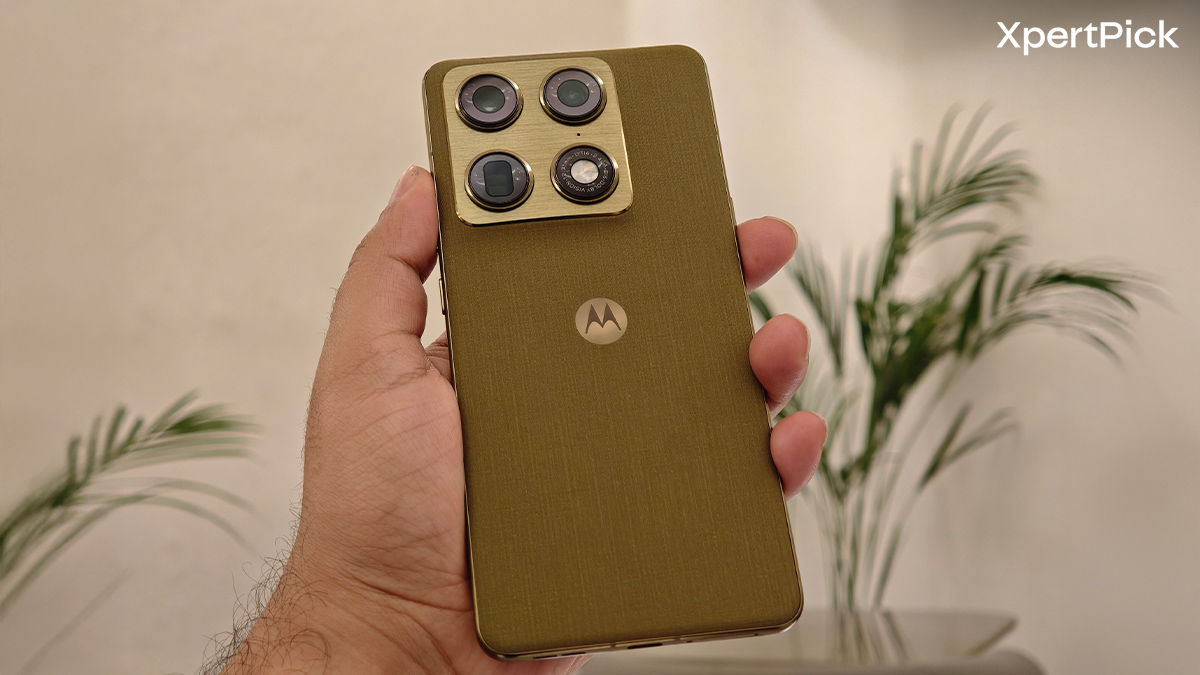
The Motorola Signature posts flagship peak numbers but cannot hold them, which undermines its case in a slim chassis with limited cooling.
Why We Didn’t Pick It
I didn’t recommend the Signature because its sustained behaviour contradicts its peak figures. It recorded a strong 3,044,435 AnTuTu and 118.3fps average in BGMI, but its 51% CPU throttling stability is the weakest in this comparison and it reached 44.7°C under load, the hottest here. Its Asphalt 9 5% low fell to 21.9fps against a 57.4fps average — the frame-time instability you feel as stutter. In a 6.99mm body there is little room to dissipate heat, and the results show it. As a fast phone for short bursts it is excellent; as a sustained performer it is the wrong pick.
Motorola Signature Key Specifications
Motorola Signature XP Lab Test Data
Pros
Strong peak performance, a bright 165Hz display on paper, a full triple camera with telephoto, and fast 90W charging.
Cons
The weakest CPU throttling stability here at 51%, the hottest peak temperature at 44.7°C, and severe frame-time instability in sustained gaming.
Who Should Buy It
Users who value peak responsiveness and clean software for short sessions rather than long gaming runs.
Who Shouldn’t Buy It
Sustained gamers, and anyone who runs demanding titles for extended periods.
Expert Verdict: A spec-sheet standout undone by thermals. In a slim body with little cooling headroom, its peak speed does not survive sustained load, and that keeps it off the recommended list.
Moto Edge 70 Fusion
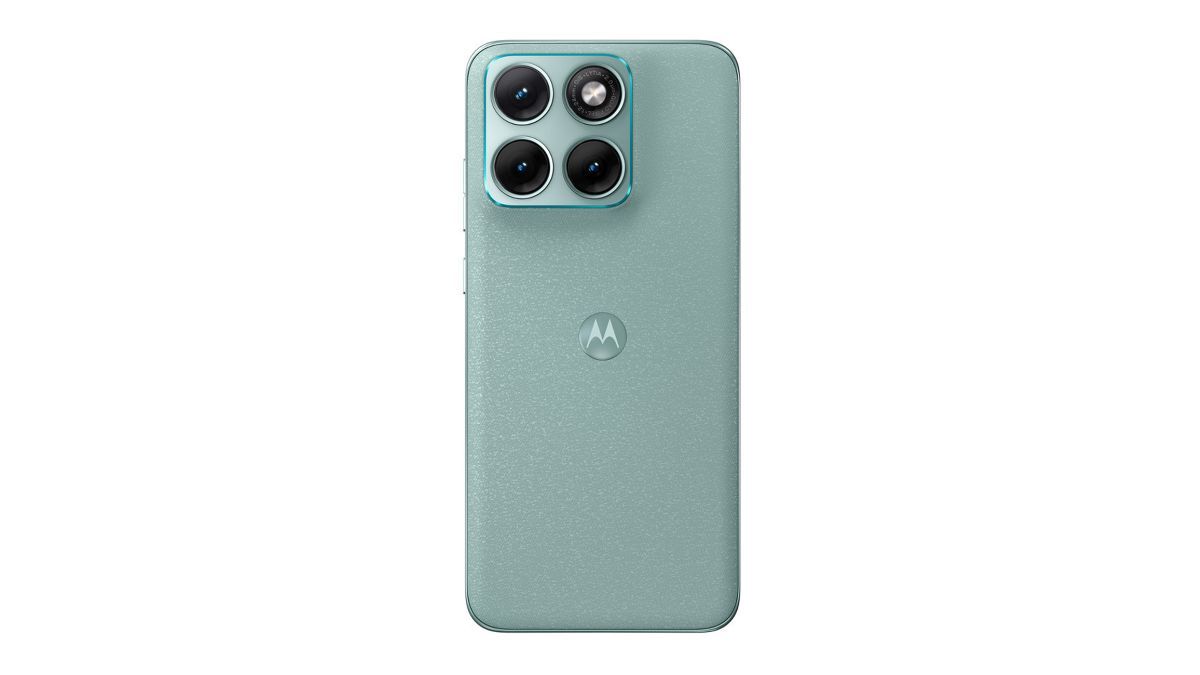
The Edge 70 Fusion is a strong slim phone only in one of its two variants, and the version that qualifies is not the one with the big battery.
Why We Didn’t Pick It
I didn’t recommend the Edge 70 Fusion because the slim variant and the long-battery variant are two different phones. The version that meets this guide’s 7.5mm cut-off is the 5,200mAh model at 7.21mm; the 7,000mAh model is 7.99mm and does not qualify. My battery figure of 22h on PCMark was recorded on the thicker, larger-cell version, so it cannot be credited to the slim one — a mismatch I have flagged rather than paper over. On performance the Fusion is mid-range at best, with a 1,156,810 AnTuTu, and its Asphalt 9 5% low of 7fps shows a hard collapse under GPU load. Good phone; wrong fit for a “slim with endurance” story.
Moto Edge 70 Fusion Key Specifications
Moto Edge 70 Fusion XP Lab Test Data
Pros
A slim 7.21mm profile in its base variant, high 99.3% stress stability, and cool 37.2°C running.
Cons
Variant confusion between the slim and long-battery models, mid-range performance, and a severe Asphalt 9 frame collapse.
Who Should Buy It
Buyers who specifically want the slim 5,200mAh variant and value stability over peak power.
Who Shouldn’t Buy It
Anyone buying on the strength of the 7,000mAh battery figure — that is the thicker phone.
Expert Verdict: A capable mid-ranger whose slim variant is genuinely thin but modest, and whose impressive battery belongs to the thicker sibling. The split identity keeps it off the list.
Infinix Note Edge
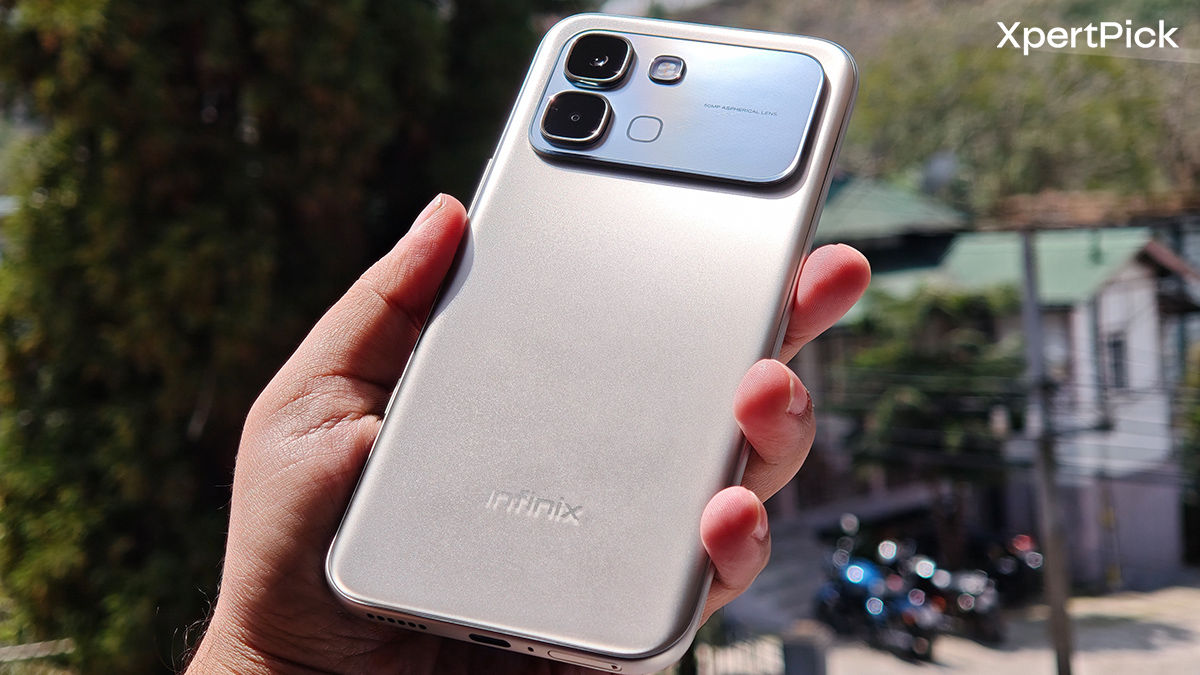
The Note Edge is exceptionally stable under load but too slow elsewhere to recommend at its price.
Why We Didn’t Pick It
I didn’t recommend the Infinix Note Edge because its performance sits at the bottom of this guide while its price does not. It posted the joint-lowest figures here — a 785,753 AnTuTu and 2,907 Geekbench multi-core — and although its 99.3% stress stability and coolest-in-class 34.2°C peak are genuinely excellent, there is little performance for that stability to protect. At ₹29,999 it is priced against the lighter, faster Moto Edge 70 and the cheaper, similarly stable Redmi Note 15, and it loses to both. Its 6,500mAh battery is a real strength, but a 14h 56min PCMark result does not lead the group the way the capacity suggests it should.
Infinix Note Edge Key Specifications
Infinix Note Edge XP Lab Test Data
Pros
Near-perfect stress stability, the coolest peak temperature in the entire lineup at 34.2°C, and a large 6,500mAh battery.
Cons
The joint-lowest performance in this guide, a battery result that underdelivers for its capacity, and a price that sits above better-rounded rivals.
Who Should Buy It
Buyers who want a cool, stable phone and are not sensitive to raw speed.
Who Shouldn’t Buy It
Anyone comparing it against the Moto Edge 70 or Redmi Note 15, both of which offer more for the money.
Expert Verdict: Superb thermals wrapped around modest hardware at a price that does not match. The stability is real, but the Redmi Note 15 offers most of it for less, and the Edge 70 offers more for similar money.
Frequently Asked Questions (FAQs)
Which slim phone has the best battery life?
The Tecno Pova Curve 2, and it is not close. Its 8,000mAh cell delivered 20h 28min on PCMark — the longest of any recommended phone here, inside a 7.42mm body. That capacity-to-thickness ratio is the standout achievement of this guide.
Does a thinner phone always mean a smaller battery?
No longer. The iPhone Air fits only 3,149mAh at 5.64mm, which fits the old assumption. But the Tecno Pova Curve 2 carries 8,000mAh at 7.42mm and the Redmi Note 15 holds 5,520mAh at 7.35mm. Silicon-carbon battery chemistry has largely broken the link between thinness and small cells.
Do slim phones overheat under load?
They can, because a thin chassis has less thermal mass to absorb heat. This guide shows it clearly: the 6.99mm Motorola Signature reached 44.7°C and threw away performance under sustained load, while the similarly slim Redmi Note 15 stayed at 36.6°C. Thinness alone does not determine thermals, tuning does, but it raises the stakes.
Is the thinnest phone the best one?
Not here. The iPhone Air is the thinnest at 5.64mm and wins the camera pick, but the Galaxy S26 takes best overall because it balances a slim 7.2mm profile with the strongest performance and a proper camera system. Thinness is the entry requirement in this guide, not the deciding factor.
Why Trust XpertPick
Every recommendation on this page comes from hands-on lab testing rather than manufacturer spec sheets or marketing claims. This comparison was built on retail units running shipping software.
Independent testing: All nine phones were tested in-house on retail units; no manufacturer-supplied performance data was used in the analysis.
Standardised conditions: Every device was tested at 28°C ambient, on the highest-specification variant available, using the same benchmark, stress, gaming and battery suites.
Layered methodology: Peak output, sustained load, logged real-world gaming and battery rundowns are measured for every phone, because in slim phones especially, spec sheets and measured behaviour diverge.
Physical verification: Thickness and weight are verified against official specifications rather than accepted from a spec sheet, and weighted alongside the benchmark data in the recommendations.