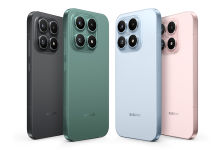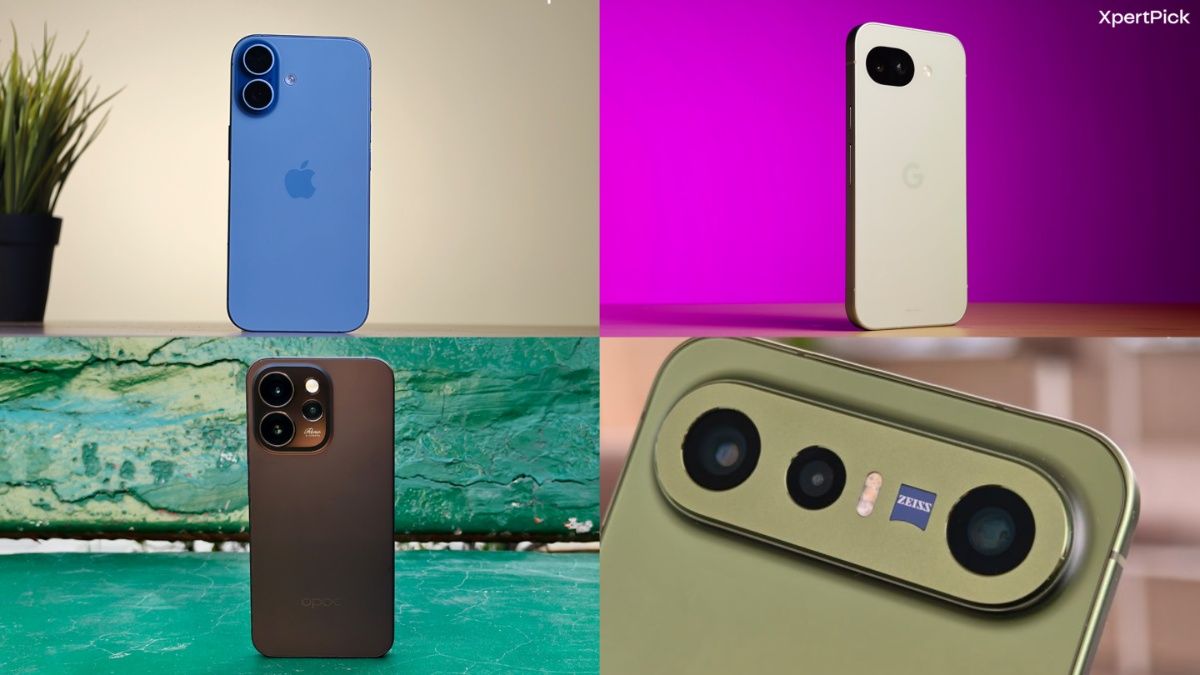
For years, buying a compact smartphone meant accepting compromises. Smaller phones typically came with reduced battery capacity, slower processors and fewer camera features than their larger counterparts. That is no longer necessarily the case. The Vivo X300 FE packs a 6,500 mAh battery into a 6.31-inch chassis, while the iPhone 17 can sustain 115 fps in BGMI during our extended gaming test. Compact smartphones are no longer defined by major hardware sacrifices.
To find the best options, we put nine smartphones with displays measuring 6.4 inches or smaller through the same XP Lab testing framework, including AnTuTu v10, Geekbench 6, 3DMark Wild Life Extreme stress testing, PCMark Work 3.0 where platform-compatible, and extended gaming tests. Tests that are unavailable on a platform or missing from an older test record are marked as N/A rather than inferred. Since portability is central to this category, our evaluation also considers physical dimensions and weight alongside raw benchmark results, because a compact phone should be genuinely comfortable to use with one hand, not simply smaller on paper.
Phones Considered
We evaluated nine compact smartphones across a range of price segments, including the Apple iPhone 17, Vivo X300 FE, Samsung Galaxy S25, Apple iPhone 17e, Apple iPhone 16e, Oppo Reno 15 Pro Mini, Google Pixel 10a, Google Pixel 9a and Apple iPhone 16.
Top Picks At A Glance
The recommendations below are based on our in-house XP Lab testing and verified hardware specifications. Refer to the comparison table for a side-by-side view.
| Category | My Pick | Why We Picked It |
|---|---|---|
| Best Overall Compact Phone (≤6.3″) | Apple iPhone 17 | Combines the highest Geekbench GPU score with the best sustained gaming results, 83% 3DMark stress stability and 3,000-nit measured brightness while staying under 150mm and 180g. |
| Best Compact Flagship | Apple iPhone 17 | Highest Geekbench GPU score in the group, class-leading sustained gaming, 83% 3DMark stress stability and a 3,000-nit measured panel. |
| Best Compact Mid-Range | Oppo Reno 15 Pro Mini | Strong everyday performance with an 18,173 PCMark Work score, a 4,063 3DMark result and a sharp 460ppi AMOLED for ₹59,999. |
| Best For One-Hand Use | Samsung Galaxy S25 | The narrowest and lightest phone here at 70.5mm wide and 162g, with a 6.2-inch display in a 146.9mm-tall chassis. |
| Best Compact Camera Phone | Vivo X300 FE | Its ZEISS-tuned 50MP main and 50MP 3× telephoto delivered strong daylight, portrait and low-light results in our camera testing. |
| Best Compact Battery Life | Vivo X300 FE | 24h 27min on PCMark, the longest verified battery result in this guide and 7h 47min ahead of the Pixel 10a. |
| Best Value Compact | Google Pixel 9a | Seven years of updates and Pixel camera processing at ₹42,500, the lowest price in this guide. |
Compact Specs And Benchmark Comparison
The table below compares five compact phones for which we have a directly comparable core XP Lab dataset. A 🏆 highlights the category leader; for dimensions, weight and temperature, lower is better. Other tested phones are covered in detail below.
| Test / Metric | Apple iPhone 17 | Vivo X300 FE | Samsung Galaxy S25 | Apple iPhone 16e | Oppo Reno 15 Pro Mini |
|---|---|---|---|---|---|
| Display Size | 6.27″ | 6.31″ | 6.2″ | 6.1″ 🏆 | 6.32″ |
| Dimensions (mm) | 149.6 x 71.5 x 7.95 | 150.8 x 71.8 x 8.2 | 146.9 x 70.5 x 7.2 🏆 | 146.7 x 71.5 x 7.8 | 151.2 x 72.4 x 8.0 |
| Weight | 177g | 190g | 162g 🏆 | 167g | 187g |
| AnTuTu Overall | 2,118,014 | 2,838,488 🏆 | 2,192,268 | 1,670,866 | 2,115,138 |
| Geekbench 6 (Single) | 3,351 | 2,789 | 2,686 | 3,370 🏆 | 1,630 |
| Geekbench 6 (Multi) | 8,591 | 8,864 | 9,561 🏆 | 8,441 | 6,406 |
| Geekbench GPU | 37,088 🏆 | 17,117 | 23,927 | 24,633 | 11,824 |
| 3DMark Wild Life Extreme | 5,047 | 3,986 | 6,515 🏆 | 3,372 | 4,063 |
| 3DMark Stress Stability | 83.0% 🏆 | 68.3% | 56.3% | 81.1% | 46.5% |
| Peak Temperature | 36.0°C | 38.2°C | 46°C | 35.8°C 🏆 | 43.0°C |
| BGMI (Avg / 5% Low) | 115 / 98 🏆 | 89.2 / 84.3 | 102 / 98 | 60 / 59 | 89.1 / 78.2 |
| Genshin Impact (Avg / 5% Low) | 60 / 58 🏆 | 39.5 / 27.2 | 60 / 51 | 59 / 55 | 49.0 / 13.7 |
| PCMark Work 3.0 | N/A | 15,163 | 20,742 🏆 | N/A | 18,173 |
| PCMark Battery | N/A | 24h 27min 🏆 | 15h 53min | N/A | 10h 38min* |
| Battery Capacity | 3,692mAh | 6,500mAh 🏆 | 4,000mAh | 4,005mAh | 6,200mAh |
| Peak Brightness (measured, auto) | 3,000 nits 🏆 | 2,830 nits | 1,395 nits | 799 nits | 2,520 nits |
| Sequential Read | 2,929.5 MB/s | 4,289.7 MB/s 🏆 | 2,250 MB/s | 1,498.5 MB/s | 704.6 MB/s |
The Reno 15 Pro Mini’s 10h 38min PCMark battery result is an anomalously low reading and remains under re-verification.
How I Tested These Smartphones
Every smartphone in this roundup was assessed using the same XP Lab framework. Where a benchmark is not available on a platform, or where an older test record does not contain a comparable result, it is marked as N/A rather than estimated.
- Test Conditions: All devices were retail units running publicly available software and tested at controlled ambient temperatures between 21°C and 24°C.
- Performance: CPU and GPU performance were measured using AnTuTu v10 and Geekbench 6, with three runs conducted for each benchmark and a 15-minute cooldown between passes. The median score was recorded.
- Thermals and Sustained Load: 3DMark Wild Life Extreme was run for 20 consecutive loops, with surface temperatures measured using an external thermal probe rather than onboard sensors.
- Gaming: The gaming suite covers BGMI, Minecraft, Genshin Impact and Asphalt 9 using standardised graphics presets, with average FPS and 5% Low FPS recorded where a complete test log is available.
- Battery Life: PCMark Work 3.0 is used on compatible Android devices at 59% display brightness until shutdown. PCMark is not available on iOS, so comparable iPhone battery results are marked N/A.
- Ergonomics: Physical dimensions, thickness and weight were assessed alongside display size, as a narrower handset often provides a more comfortable one-handed experience than a wider phone with a similar screen size.
Updated for September 2026 with the latest test data and prices available for this guide.
The Phones In Detail
Apple iPhone 17 — Best Overall Compact Phone & Best Compact Flagship
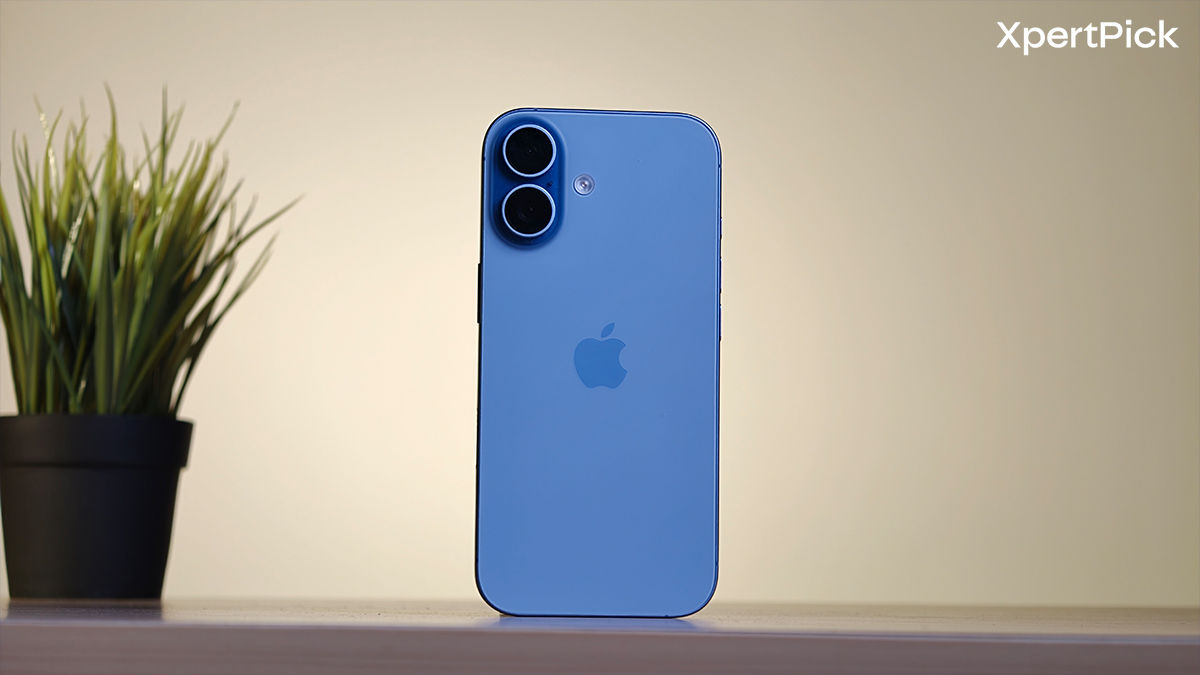
The iPhone 17 is the best compact smartphone we have tested, combining excellent sustained performance, strong gaming capabilities and a genuinely compact design without the compromises traditionally associated with smaller phones.
Why We Picked It
The iPhone 17 takes both headline awards because it combines strong peak graphics with the best sustained gaming results in the group. Its 5,047 score in 3DMark Wild Life Extreme trails the Galaxy S25’s higher raw score, but the iPhone pairs that performance with 83% stress-test stability and a peak temperature of just 36°C. It also recorded the highest Geekbench GPU score here at 37,088. In sustained gaming, it averaged 115fps in BGMI with 5% lows of 98fps, while the X300 FE managed 89.2fps and 84.3fps respectively. Genshin Impact ran at 60fps with 58fps lows, and its measured peak brightness of 3,000 nits was the highest we recorded.
The main caveat is battery capacity. At 3,692mAh, it has the smallest battery in this guide, and we do not have a comparable PCMark battery result for it. Our charging test recorded a full charge in 68 minutes. Buyers looking for a compact phone primarily for all-day battery life should consider the X300 FE before making a decision.
Apple iPhone 17 Key Specifications
- Price: ₹82,900 (256GB)
- Processor: Apple A19 (3 nm)
- Display: 6.27-inch Super Retina XDR AMOLED (1206 × 2622 resolution, 120Hz ProMotion, 3,000 nits claimed, 460ppi, Dolby Vision, and HDR10+)
- Dimensions & Weight: 149.6 × 71.5 × 7.95 mm, 177g
- RAM: 8GB LPDDR5X
- Storage: 256GB / 512GB Custom NVMe (Non-expandable)
- Battery: 3,692 mAh
- Charging: Wired full charge in 68 minutes (measured) / 25W Wireless
- IP Rating: IP68
Apple iPhone 17 XP Lab Test Data
- Display: 6.27-inch Super Retina XDR OLED, 120Hz, 1206 x 2622 pixels
- Weight: 177 g
- AnTuTu Overall Score: 2,118,014
- Geekbench 6: 3,351 (Single-Core) / 8,591 (Multi-Core)
- Geekbench GPU: 37,088
- Geekbench AI (NPU Quantized): 40,991
- 3DMark Wild Life Extreme: 5,047
- 3DMark Stress Test Stability: 83.0%
- CPU Throttling Test Stability: 83.9%
- Temperature After Stress Test: 36.0°C
- BGMI Performance: 115 Average FPS / 98 5% Low FPS
- Minecraft Performance: 60 Average FPS / 50 5% Low FPS
- Genshin Impact Performance: 60 Average FPS / 58 5% Low FPS
- Asphalt 9 Performance: 60 Average FPS / 60 5% Low FPS
- Measured Peak Brightness: 3,000 nits (Auto)
Pros
The highest Geekbench GPU score in this guide, excellent 83% 3DMark stress stability, class-leading sustained gaming, the brightest measured display here, a 120Hz ProMotion panel, and a sub-150mm chassis at 177g.
Cons
The smallest battery in this guide at 3,692mAh, no PCMark battery figure on file, and a ₹82,900 price that sits close to the X300 FE without matching its endurance or optical zoom.
Who Should Buy It
Users who want the strongest sustained gaming performance in a compact phone, or who shoot a lot of video, and who are comfortable charging daily.
Who Shouldn’t Buy It
Anyone whose priority is battery endurance, or who wants optical zoom in a small phone.
Expert Verdict
The iPhone 17 is the most capable compact phone we have tested. Its combination of the highest Geekbench GPU score, 83% 3DMark stress stability and class-leading sustained gaming makes it the strongest overall performer here. The 3,692mAh battery is the obvious compromise, and it is a real one.
Vivo X300 FE — Best Compact Camera Phone & Best Compact Battery Life
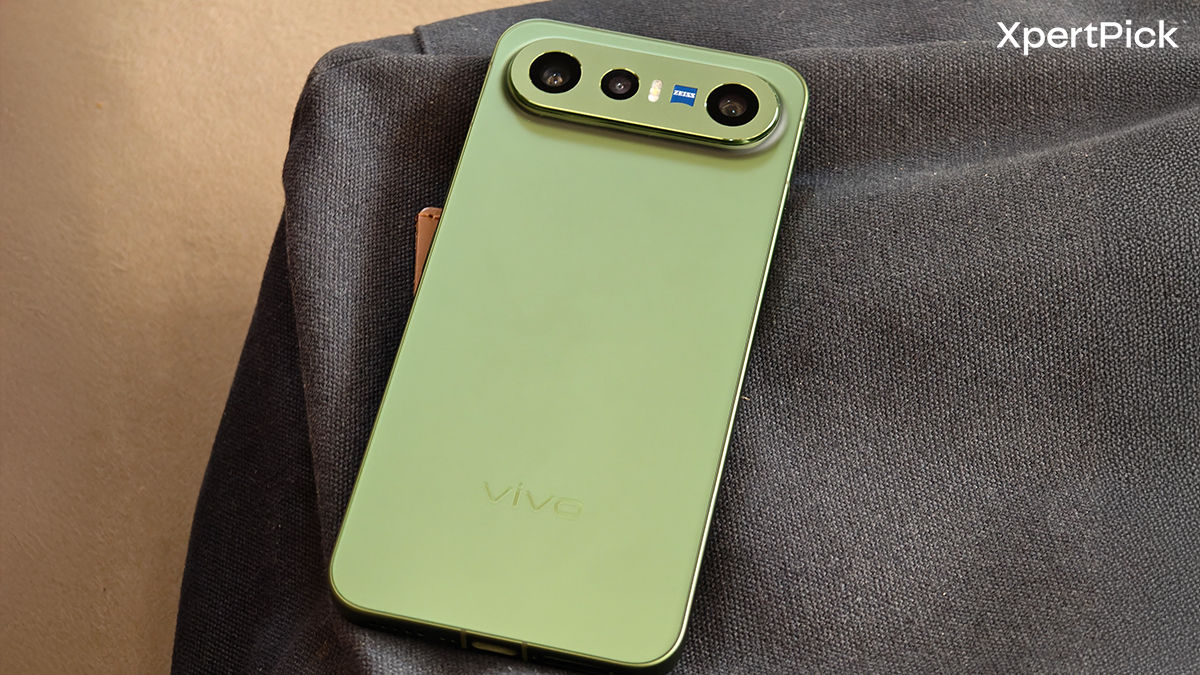
Vivo has achieved something in this chassis that much of the industry claimed was impossible, fitting a 6,500mAh battery and a dedicated optical telephoto camera into a handset measuring just 150.8mm tall.
Why We Picked It
The Vivo X300 FE earns top honours for battery life and camera versatility, making it the closest thing to an all-rounder in this comparison. Its PCMark battery runtime of 24 hours and 27 minutes is the longest verified result in this guide, finishing 7 hours and 47 minutes ahead of the Pixel 10a’s 16h 40min. It also achieved the highest AnTuTu score in the main comparison at 2,838,488. On the camera side, its ZEISS-tuned 50MP main camera and 50MP 3× telephoto delivered strong daylight, portrait and low-light results in our camera testing.
Where it falls behind the iPhone 17 is sustained graphics performance. Its 3DMark Wild Life Extreme score of 3,986 trails the iPhone’s 5,047, while its 68.3% stability is around 15 percentage points lower. In Genshin Impact, it averaged 39.5fps compared to the iPhone’s near-locked 60fps. If gaming is your priority, the iPhone 17 is the clear winner. However, if you want a compact phone with exceptional battery life and a true optical zoom camera, the X300 FE stands alone in this category.
Vivo X300 FE Key Specifications
- Price: ₹86,999 (12GB + 256GB)
- Processor: Qualcomm Snapdragon 8 Gen 5 (3 nm)
- Display: 6.31-inch LTPO AMOLED (1216 × 2640 resolution, 1-120Hz refresh rate, 5,000 nits peak claimed, 461ppi)
- Dimensions & Weight: 150.8 × 71.8 × 8.2 mm, 190g
- RAM: 12GB LPDDR5X
- Storage: 256GB / 512GB (Non-expandable)
- Battery: 6,500 mAh
- Charging: 90W Wired / 40W Wireless
- Rear Camera: 50MP Main (Sony IMX921, ƒ/1.57, OIS) + 50MP ZEISS Telephoto (Sony IMX882, ƒ/2.65, OIS) + 8MP Ultrawide (ƒ/2.2)
- Front Camera: 50MP Selfie (ƒ/2.0)
- IP Rating: IP68 / IP69
Vivo X300 FE XP Lab Test Data
- Display: 6.31-inch LTPO AMOLED, 120Hz, 1216 x 2640 pixels
- Weight: 190 g
- AnTuTu Overall Score: 2,838,488
- Geekbench 6: 2,789 (Single-Core) / 8,864 (Multi-Core)
- Geekbench GPU: 17,117
- Geekbench AI (NPU Quantized): 986
- PCMark Work 3.0: 15,163
- 3DMark Wild Life Extreme: 3,986
- 3DMark Stress Test Stability: 68.3%
- CPU Throttling Test Stability: 70%
- Temperature After Stress Test: 38.2°C
- Battery Life (PCMark): 24h 27min
- BGMI Performance: 89.2 Average FPS / 84.3 5% Low FPS
- Minecraft Performance: 51.4 Average FPS / 38.1 5% Low FPS
- Genshin Impact Performance: 39.5 Average FPS / 27.2 5% Low FPS
- Asphalt 9 Performance: 58.1 Average FPS / 44.1 5% Low FPS
- Sequential Read: 4,289.7 MB/s
- Measured Peak Brightness: 2,830 nits (Auto)
Pros
Class-leading battery endurance for a compact phone, a dedicated 50MP optical telephoto, the fastest storage here, 90W wired and 40W wireless charging, and IP68/IP69 rating.
Cons
The heaviest phone in this guide at 190g, sustained graphics well behind the iPhone 17, and a telephoto extender accessory that costs a further ₹15,999.
Who Should Buy It
Users who want a compact phone that genuinely lasts two days, and anyone who needs optical zoom without carrying a large device.
Who Shouldn’t Buy It
Weight-sensitive buyers, and gamers who would be better served by the iPhone 17.
Expert Verdict
The X300 FE is the endurance champion of this category and our camera-focused pick thanks to its 50MP telephoto hardware. It loses the overall award to the iPhone 17 on sustained graphics performance, but it is the better phone for anyone whose priority is battery life or optical zoom.
Oppo Reno 15 Pro Mini — Best Compact Mid-Range
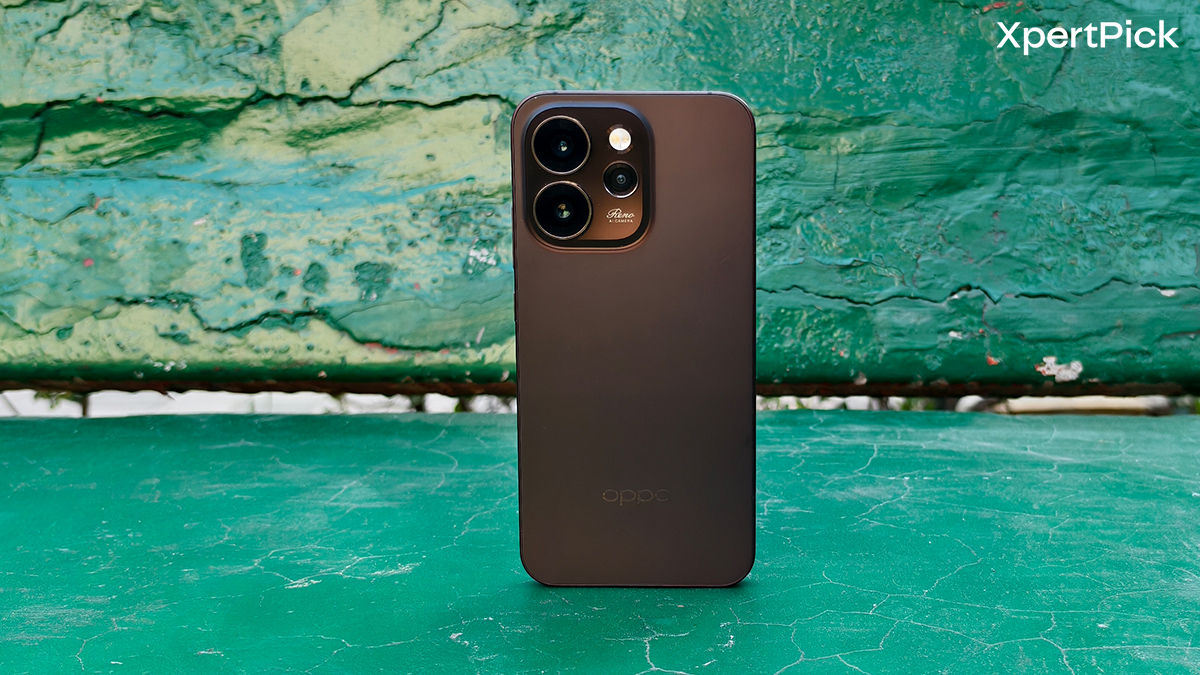
The Oppo Reno 15 Pro Mini delivers strong day-to-day responsiveness for its price, although its GPU stability under sustained workloads is the weakest of the phones in the main comparison.
Why We Picked It
The Oppo Reno 15 Pro Mini earns the Best Compact Mid-Range award because it delivers a strong mix of everyday performance and compact dimensions at ₹59,999. Its PCMark Work 3.0 score of 18,173 is the highest among the mid-range options in this guide, while its 3DMark Wild Life Extreme score of 4,063 also surpasses the Vivo X300 FE. The 6.32-inch AMOLED display with a pixel density of 460ppi is another highlight. Sustained GPU performance is its biggest weakness, however: 3DMark stress stability drops to 46.5%, the chassis reaches 43°C, and Genshin Impact falls to 13.7fps at 5% lows despite averaging 49.0fps. By comparison, the iPhone 17 maintained 60fps with 58fps 5% lows.
Oppo Reno 15 Pro Mini Key Specifications
- Price: ₹59,999 (12GB + 256GB)
- Processor: MediaTek Dimensity 8450
- Display: 6.32-inch AMOLED (2640 × 1216 resolution, 120Hz refresh rate, 1,800 nits claimed, 460ppi, HDR10+)
- Dimensions & Weight: 151.2 × 72.4 × 8.0 mm, 187g
- RAM: 12GB LPDDR5X
- Storage: 256GB / 512GB UFS 3.1 (Non-expandable)
- Battery: 6,200 mAh
- Charging: 80W Wired
- Rear Camera: 200MP Main + 50MP Telephoto + 50MP Ultra-Wide
- Front Camera: 50MP Selfie
- IP Rating: IP69
Oppo Reno 15 Pro Mini XP Lab Test Data
- Display: 6.32-inch AMOLED, 120Hz, 1216 x 2640 pixels
- Weight: 187 g
- AnTuTu Overall Score: 2,115,138
- Geekbench 6: 1,630 (Single-Core) / 6,406 (Multi-Core)
- Geekbench GPU: 11,824
- Geekbench AI (NPU Quantized): 10,352
- PCMark Work 3.0: 18,173
- 3DMark Wild Life Extreme: 4,063
- 3DMark Stress Test Stability: 46.5%
- CPU Throttling Test Stability: 83%
- Temperature After Stress Test: 43.0°C
- Battery Life (PCMark): 10h 38min (under re-verification)
- BGMI Performance: 89.1 Average FPS / 78.2 5% Low FPS
- Minecraft Performance: 44.1 Average FPS / 21.5 5% Low FPS
- Genshin Impact Performance: 49.0 Average FPS / 13.7 5% Low FPS
- Asphalt 9 Performance: 57.3 Average FPS / 13.2 5% Low FPS
- Measured Peak Brightness: 2,520 nits (Auto)
Pros
A strong 18,173 PCMark Work score, a strong raw 3DMark result, a sharp 460ppi AMOLED, and IP69 ingress protection at a mid-range price.
Cons
Worst 3DMark stress stability in the main comparison at 46.5%, a hot 43°C peak temperature, severe frame-time spikes under sustained gaming load, and an anomalously low PCMark battery result that remains under re-verification.
Who Should Buy It
Users who want flagship-adjacent responsiveness and a premium display without paying ₹80,000-plus, and whose usage is dominated by short bursts rather than long sessions.
Who Shouldn’t Buy It
Mobile gamers, and anyone expecting the 6,200mAh capacity to translate into endurance — it does not.
Expert Verdict
Superb in short bursts and genuinely quick at everyday tasks, but its sustained GPU stability is a weak point and the current PCMark battery result still requires re-verification. It remains the strongest mid-range compact pick here if you value responsiveness and display quality over long gaming sessions.
Samsung Galaxy S25 — Best For One-Hand Use
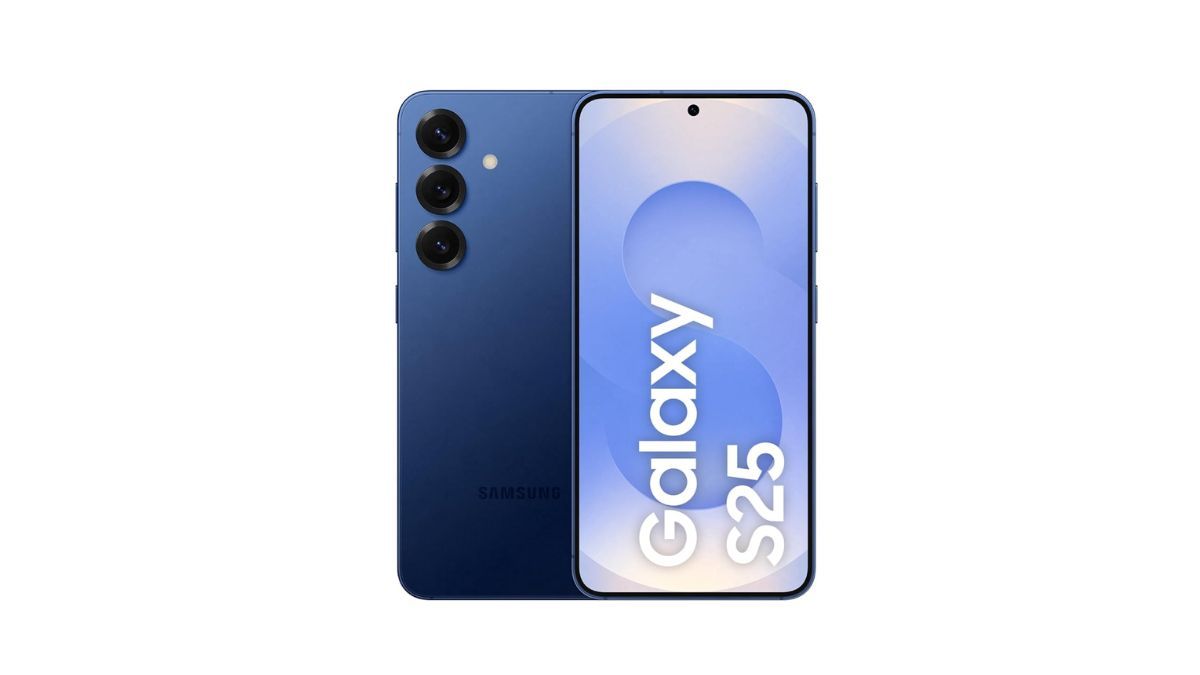
The Samsung Galaxy S25 is the smallest and lightest phone in this comparison by a comfortable margin. Its 70.5mm width, 162g weight and 7.2mm thickness make it the clearest choice for buyers who prioritise genuine one-handed ergonomics.
Why We Picked It
The Galaxy S25 takes the one-hand-use award because no other phone in this guide combines such a narrow body with such low weight. It measures 146.9 × 70.5 × 7.2mm and weighs 162g, making it narrower and lighter than the iPhone 16e despite using a larger 6.2-inch display. It also recorded the highest Geekbench 6 multi-core score in the main comparison at 9,561 and the highest raw 3DMark Wild Life Extreme score at 6,515.
The trade-off is sustained efficiency. Its 3DMark stress stability falls to 56.3%, the chassis reaches 46°C after the stress test, and its 15h 53min PCMark battery result trails the Vivo X300 FE’s 24h 27min. That keeps it from taking the overall compact-phone award, but for pure physical ergonomics it is the strongest option here.
Samsung Galaxy S25 Key Specifications
- Price: ₹61,999
- Processor: Qualcomm Snapdragon 8 Elite (3 nm)
- Display: 6.2-inch Dynamic LTPO AMOLED 2X (1080 × 2340 resolution, 120Hz refresh rate, 2,600 nits peak claimed, 416ppi)
- Dimensions & Weight: 146.9 × 70.5 × 7.2 mm, 162g
- RAM: 12GB LPDDR5X
- Storage: 128GB / 256GB / 512GB (Non-expandable)
- Battery: 4,000 mAh
- Charging: 25W Wired / 15W Wireless
- Rear Camera: 50MP Main (ƒ/1.8, OIS) + 10MP Telephoto (3× optical, OIS) + 12MP Ultrawide
- Front Camera: 12MP Selfie (ƒ/2.2)
Samsung Galaxy S25 XP Lab Test Data
- Display: 6.2-inch Dynamic AMOLED 2X, 120Hz, 1080 x 2340 pixels
- Weight: 162 g
- AnTuTu Overall Score: 2,192,268
- Geekbench 6: 2,686 (Single-Core) / 9,561 (Multi-Core)
- Geekbench GPU: 23,927
- PCMark Work 3.0: 20,742
- 3DMark Wild Life Extreme: 6,515
- 3DMark Stress Test Stability: 56.3%
- CPU Throttling Test Stability: 50%
- Temperature After Stress Test: 46.0°C
- Battery Life (PCMark): 15h 53min
- BGMI Performance: 102 Average FPS / 98 5% Low FPS
- Genshin Impact Performance: 60 Average FPS / 51 5% Low FPS
- Sequential Read: 2,250 MB/s
- Measured Peak Brightness: 1,395 nits (Auto)
Pros
The narrowest and lightest phone in this guide, the highest Geekbench multi-core and raw 3DMark scores in the main comparison, a dedicated 3× optical telephoto camera, and seven years of software support.
Cons
A 4,000mAh battery with endurance well behind the X300 FE, relatively slow 25W charging, 56.3% GPU stress stability, and the highest stress-test temperature in the main comparison at 46°C.
Who Should Buy It
Users for whom absolute physical size, weight and one-handed comfort outrank battery endurance, and who still want flagship-class CPU and GPU performance.
Who Shouldn’t Buy It
Buyers who prioritise the longest battery life or the coolest sustained gaming behaviour in a compact phone.
Expert Verdict
The Galaxy S25 is the ergonomic winner of this guide. Its raw CPU and GPU results are excellent for such a small chassis, but the trade-off is clear in sustained stability, temperature and battery life. For buyers who want the smallest genuinely flagship-class Android phone, those compromises may be worth making.
Google Pixel 9a — Best Value Compact
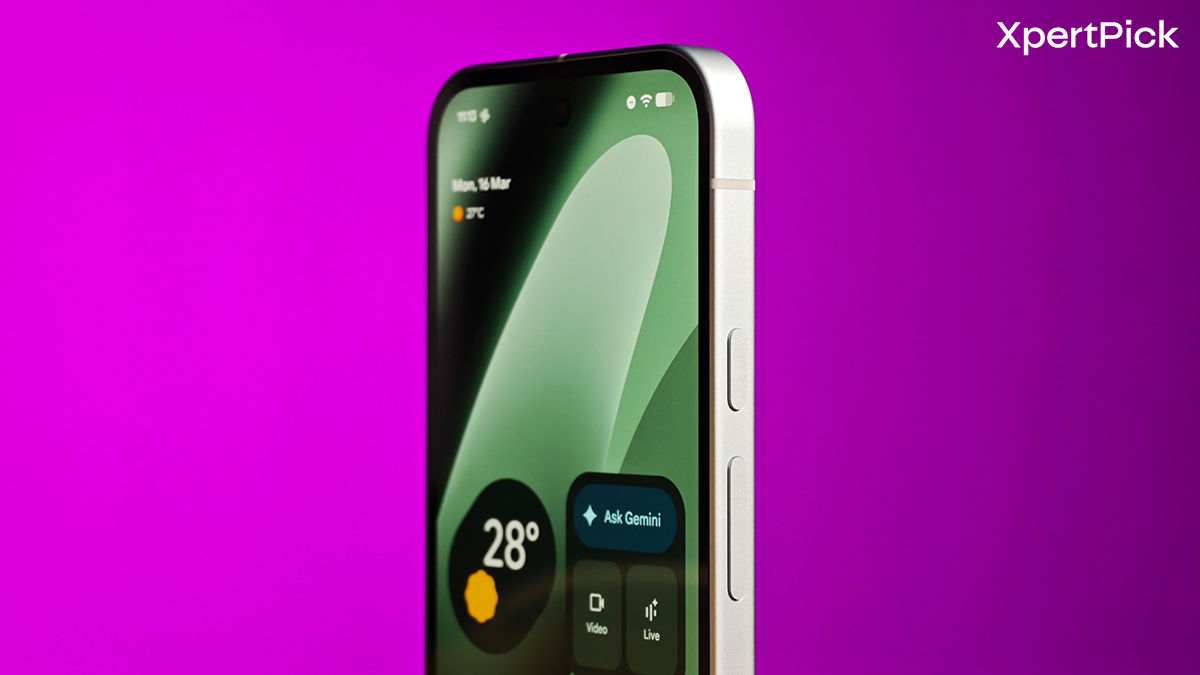
The Google Pixel 9a is the most affordable phone in this comparison, and its appeal is straightforward. It sacrifices peak performance in favour of a lower price, without giving up the features that matter most for everyday use.
Why We Picked It
At ₹42,500, the Google Pixel 9a is ₹7,499 cheaper than the next most affordable phone in this comparison and costs roughly half as much as the iPhone 17. Its 983,487 AnTuTu result is the lowest in the group, while its Geekbench 6 scores of 1,736 (single-core) and 4,494 (multi-core) also sit well below the flagship leaders. However, its 81.8% stress test stability means it maintains that level of performance consistently rather than delivering high peaks followed by significant throttling. In return, buyers get Google’s excellent image processing, seven years of OS and security updates, and a 5,100mAh battery. The trade-offs are slower charging speeds and limited gaming performance.
Google Pixel 9a Key Specifications
- Price: ₹42,500
- Processor: Google Tensor G4
- Display: 6.3-inch pOLED (1080 × 2424 resolution, 120Hz refresh rate)
- Dimensions & Weight: 154.7 × 73.3 × 8.9 mm, 186g
- RAM: 8GB LPDDR5X
- Storage: 128GB / 256GB UFS 3.1
- Battery: 5,100 mAh
- Charging: 23W Wired / 7.5W Qi Wireless
- Rear Camera: 48MP Main (ƒ/1.7, OIS) + 13MP Ultrawide (ƒ/2.2)
- Front Camera: 13MP Selfie (ƒ/2.2)
- Software Support: 7 years of OS and security updates
Google Pixel 9a XP Lab Test Data
- Display: 6.3-inch P-OLED, 120Hz, 1080 x 2424 pixels
- Weight: 186 g
- AnTuTu Overall Score: 983,487
- Geekbench 6: 1,736 (Single-Core) / 4,494 (Multi-Core)
- Geekbench GPU: 7,635
- Geekbench AI (NPU Quantized): 7,913 (TensorFlowLite NNAPI)
- 3DMark Wild Life Extreme: 2,381
- 3DMark Stress Test Stability: 81.8%
- CPU Throttling Test Stability: 62%
- Sustained Gaming: 60 FPS average in BGMI (capped per hardware limitations)
- Measured Peak Brightness: 2,700 nits (Peak), 1,930 nits (Measured auto)
Pros
The lowest price in this guide, Pixel camera processing, seven years of software support, and consistent performance under sustained load despite modest peak figures.
Cons
The weakest benchmark figures here, slow 23W charging, and the widest chassis in the group at 73.3mm.
Who Should Buy It
Almost everyone reading this guide should look here first. Anyone whose phone use is messaging, navigation, photography and video will not notice what they gave up.
Who Shouldn’t Buy It
Gamers, and users who charge in short bursts and need speed.
Expert Verdict
The sensible value purchase in this guide. Its peak benchmark numbers look modest next to the flagships, but the lower price, long software support and dependable everyday feature set make the trade-off easy to understand.
Apple iPhone 16e
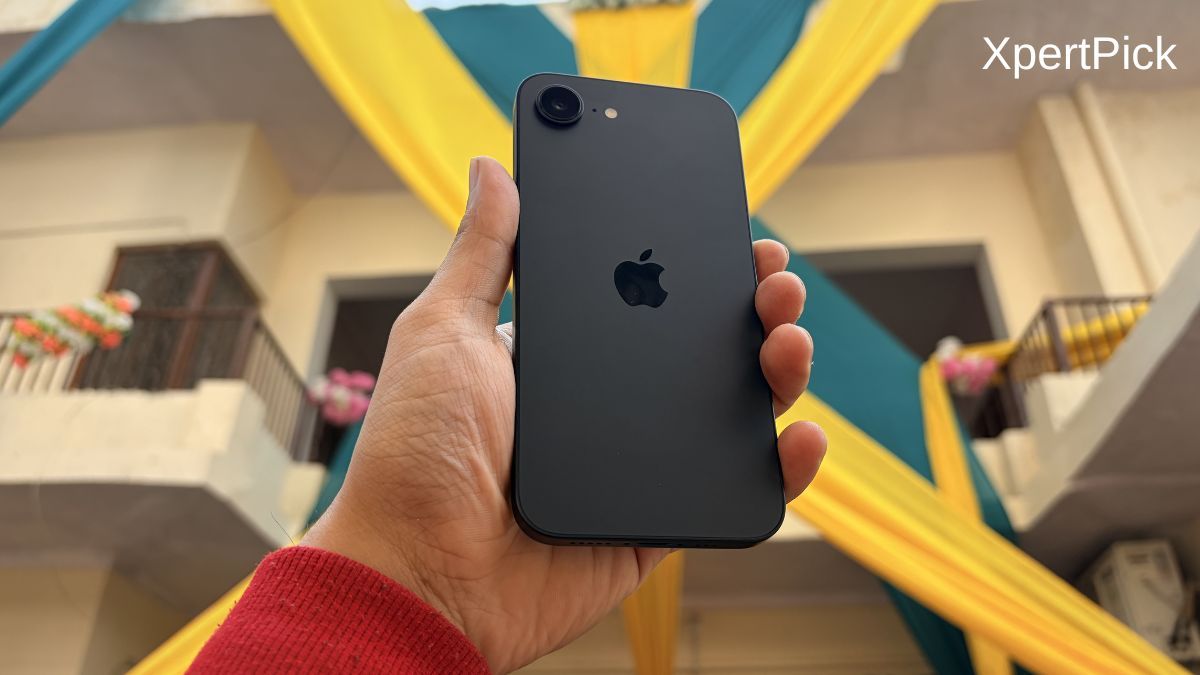
The Apple iPhone 16e is one of the easiest phones in this comparison to hold and delivered the coolest operating temperature of any device in the main comparison.
Why We Didn’t Pick It
The iPhone 16e remains genuinely compact at 71.5mm wide and 167g, and it recorded the lowest peak temperature in the main comparison at 35.8°C. Its 81.1% 3DMark stress stability is also strong. However, the Galaxy S25 is narrower at 70.5mm, lighter at 162g and thinner at 7.2mm, so it takes the one-hand-use award on physical ergonomics.
The iPhone 16e still has two practical advantages over the iPhone 17: it is 10g lighter and starts ₹26,410 lower. Buyers who prefer iOS and prioritise a cool-running, lightweight handset may still prefer it, but it is no longer the outright ergonomic leader in this group.
Apple iPhone 16e Key Specifications
- Price: ₹56,490
- Processor: Apple A18 Bionic
- Display: 6.1-inch Super Retina XDR OLED (1170 × 2532 resolution, 60Hz refresh rate, 460ppi)
- Dimensions & Weight: 146.7 × 71.5 × 7.8 mm, 167g
- RAM: 8GB
- Storage: 128GB / 256GB / 512GB (Non-expandable)
- Battery: 4,005 mAh
- Charging: 20W Wired / 7.5W Qi Wireless
- Rear Camera: 48MP Fusion (ƒ/1.6, OIS)
- Front Camera: 12MP Selfie (ƒ/1.9)
Apple iPhone 16e XP Lab Test Data
- Display: 6.1-inch Super Retina XDR OLED, 60Hz, 1170 x 2532 pixels
- Weight: 167 g
- AnTuTu Overall Score: 1,670,866
- Geekbench 6: 3,370 (Single-Core) / 8,441 (Multi-Core)
- Geekbench GPU: 24,633
- Geekbench AI (NPU Quantized): 44,983
- 3DMark Wild Life Extreme: 3,372
- 3DMark Stress Test Stability: 81.1%
- CPU Throttling Test: Data unavailable
- Temperature After Stress Test: 35.8°C
- BGMI Performance: 60 Average FPS / 59 5% Low FPS
- Genshin Impact Performance: 59 Average FPS / 55 5% Low FPS
- Measured Peak Brightness: 799 nits (Auto)
Pros
A compact 71.5mm-wide chassis, the coolest-running chassis of any phone tested, strong single-core performance, and excellent power efficiency relative to capacity.
Cons
A 60Hz display in 2026, a single rear camera with no ultrawide or telephoto, and slow 20W charging.
Who Should Buy It
Users for whom one-handed comfort is the deciding factor, and who value sustained consistency over peak numbers.
Who Shouldn’t Buy It
Anyone who wants a high-refresh display, camera versatility, or fast charging.
Expert Verdict
The iPhone 16e remains one of the most comfortable and coolest-running phones here, but the Galaxy S25 is both narrower and lighter. The 60Hz panel and single rear camera are real omissions at ₹56,490, and the iPhone 17 occupies nearly the same footprint if the budget stretches.
iPhone 17e
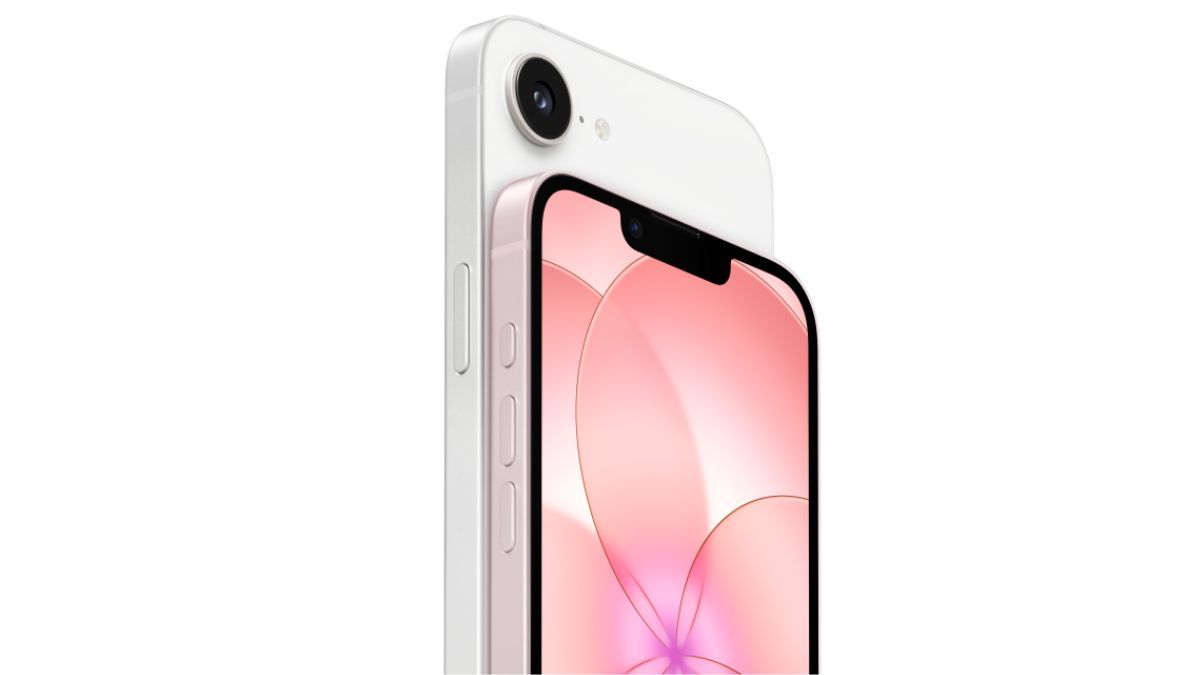
The Apple iPhone 17e is the most affordable way to experience Apple’s A19 chip, but compared to the iPhone 17, its display is the compromise that stands out most.
Why We Didn’t Pick It
We did not recommend the iPhone 17e because the iPhone 17 costs ₹18,000 more while offering meaningful upgrades in the areas that matter most. Its measured peak brightness of 1,560 nits is well below the iPhone 17’s 3,000-nit result, and it retains a 60Hz display whereas the iPhone 17 offers a smoother 120Hz ProMotion panel. Its 3DMark Wild Life Extreme score of 3,722 also trails the iPhone 17’s 5,047, while its Geekbench GPU score of 31,096 falls short of 37,088. The A19 remains a capable chipset, but the overall experience is held back by the display, and at ₹64,900, the price gap to the considerably better iPhone 17 is smaller than it first appears.
iPhone 17e Key Specifications
- Price: ₹64,900
- Processor: Apple A19
- Display: 6.1-inch Super Retina XDR OLED (1170 × 2532 resolution, 60Hz refresh rate, 460ppi, 1,200 nits peak claimed)
- Dimensions & Weight: 146.7 × 71.5 × 7.8 mm, 169g
- RAM: 8GB
- Storage: 256GB / 512GB (Non-expandable)
- Battery: 4,005 mAh
- Charging: 30W Wired / 25W MagSafe Wireless
- Rear Camera: 48MP Fusion Main (ƒ/1.6, OIS) with 12MP 2× Telephoto crop
- Front Camera: 12MP Selfie (ƒ/1.9)
iPhone 17e XP Lab Test Data
- Display: 6.1-inch Super Retina XDR OLED, 60Hz, 1170 x 2532 pixels
- Weight: 169 g
- AnTuTu Overall Score: 1,901,019
- Geekbench 6: 3,343 (Single-Core) / 8,408 (Multi-Core)
- Geekbench GPU: 31,096
- Geekbench AI (NPU Quantized): 48,313
- 3DMark Wild Life Extreme: 3,722
- 3DMark Stress Test Stability: 67.8%
- Temperature After Stress Test: 36.5°C
- CPU Throttling Test: Data unavailable
- Sustained Gaming: Data unavailable
- Measured Peak Brightness: 1,560 nits
Pros
Strong GPU and AI performance for the price, the highest NPU quantised score in this guide, a narrow 71.5mm chassis, and MagSafe wireless charging.
Cons
A substantially dimmer display than the iPhone 17 at 1,560 nits, a 60Hz refresh rate at ₹64,900, lower stability than the iPhone 17, and no dedicated telephoto or ultrawide lens.
Who Should Buy It
iOS users who want A19 performance at the lowest possible price and who rarely use their phone outdoors.
Who Shouldn’t Buy It
Anyone who can stretch to the iPhone 17, which is better in nearly every measured respect for ₹18,000 more.
Expert Verdict
Good silicon in a compromised shell. The 1,560-nit, 60Hz display is difficult to accept at ₹64,900 when the iPhone 17 exists, and the performance gap between them is wider than the price gap suggests.
Google Pixel 10a
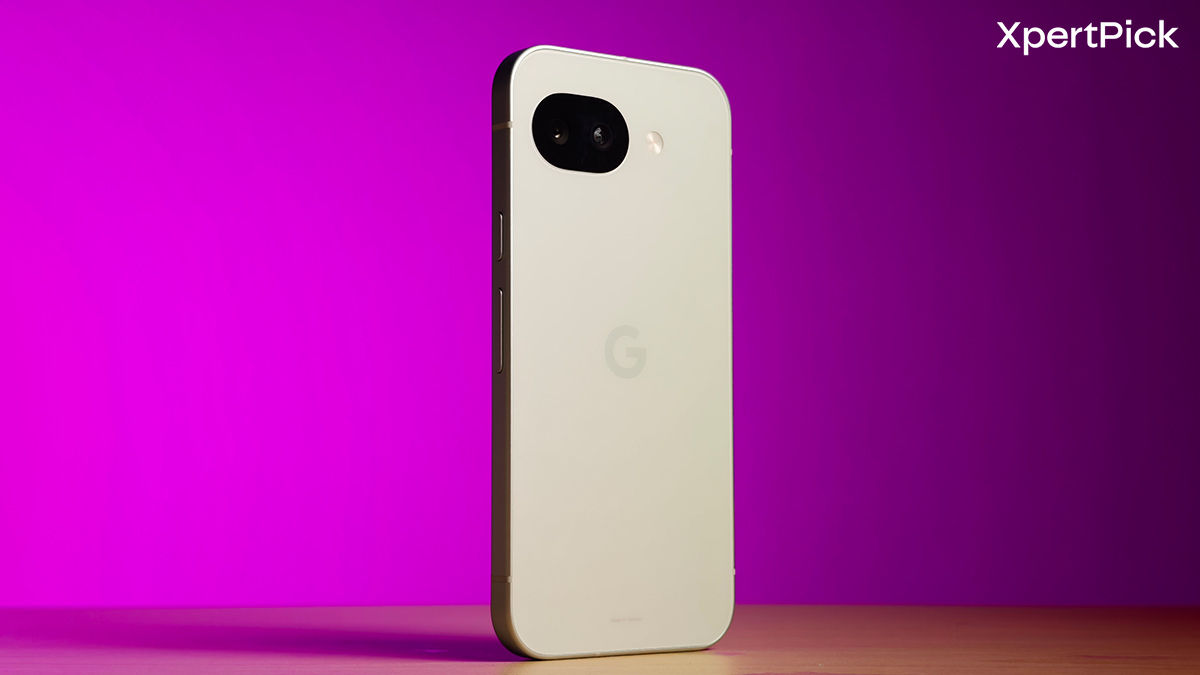
The Google Pixel 10a outperforms the Pixel 9a in almost every key area, but the ₹7,499 price premium makes it a far less compelling value proposition.
Why We Didn’t Pick It
We did not recommend the Google Pixel 10a over its predecessor because the improvements do not justify the ₹7,499 price increase. Its PCMark battery runtime of 16 hours and 40 minutes is a noticeable improvement over the Pixel 9a, while its AnTuTu score of 1,610,292 is also significantly higher. However, both phones use the same Tensor G4 chipset, the same 5,100mAh battery and the same camera hardware. Compared to the rest of the field, it also remains one of the weakest performers for gaming, averaging 59.6fps in BGMI, whereas the iPhone 17 managed 115fps. It is a capable smartphone, but its value proposition is overshadowed by its more affordable predecessor.
Google Pixel 10a Key Specifications
- Price: ₹49,999
- Processor: Google Tensor G4
- Display: 6.3-inch pOLED Actua (1080 × 2424 resolution, 60–120Hz refresh rate, 3,000 nits peak claimed, 422ppi)
- Dimensions & Weight: 153.9 × 73.0 × 9.0 mm, 183g
- RAM: 8GB LPDDR5X
- Storage: 128GB / 256GB UFS 3.1
- Battery: 5,100 mAh
- Charging: 45W Wired / 10W Qi Wireless
- Rear Camera: 48MP Main (ƒ/1.7, OIS) + 13MP Ultrawide (ƒ/2.2)
- Front Camera: 13MP Selfie (ƒ/2.2)
- Software Support: 7 years of OS and security updates
Google Pixel 10a XP Lab Test Data
- Display: 6.3-inch P-OLED, 120Hz, 1080 x 2424 pixels
- Weight: 183 g
- AnTuTu Overall Score: 1,610,292
- Geekbench 6: 1,711 (Single-Core) / 4,400 (Multi-Core)
- Geekbench GPU: 8,680
- Geekbench AI (NPU Quantized): 9,470
- PCMark Work 3.0: 15,583
- 3DMark Wild Life Extreme: 2,678
- 3DMark Stress Test Stability: 75.3%
- CPU Throttling Test Stability: 70%
- Battery Life (PCMark): 16h 40min
- BGMI Performance: 59.6 Average FPS / 57.7 5% Low FPS
- Minecraft Performance: 34.8 Average FPS / 27.2 5% Low FPS
- Genshin Impact Performance: 53.7 Average FPS / 35.6 5% Low FPS
- Asphalt 9 Performance: 53.9 Average FPS / 41.7 5% Low FPS
- Measured Peak Brightness: 2,540 nits (Auto)
Pros
Second-longest battery runtime in this guide, a bright 2,540-nit measured display with 120Hz, seven years of updates, and much faster 45W charging than the 9a.
Cons
Weakest gaming performance of any tested phone here, the thickest chassis in the guide at 9.0mm, and marginal gains over a predecessor that costs ₹7,499 less.
Who Should Buy It
Buyers who want the Pixel experience with meaningfully better charging and battery life than the 9a, and who plan to keep the phone long enough for the extra year of updates to matter.
Who Shouldn’t Buy It
Gamers, and anyone comparing it directly against the 9a on value grounds.
Expert Verdict
A better phone than the Pixel 9a in most measurable ways, and still hard to recommend over it while the price gap sits at ₹7,499. Strong battery life and a bright display are the reasons to stretch.
Apple iPhone 16
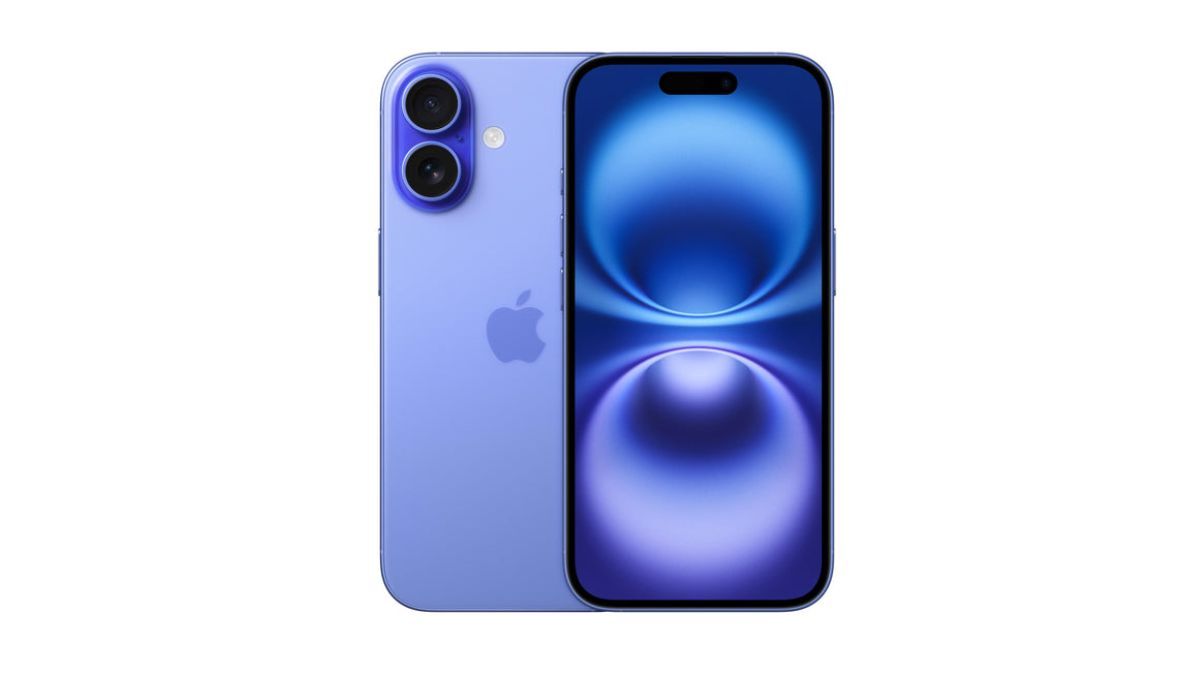
The Apple iPhone 16’s hardware limitations, most notably its outdated 60Hz display and awkward pricing, prevent it from competing favourably against the other smartphones in this comparison.
Why We Didn’t Pick It
We did not recommend the Apple iPhone 16 due to its restrictive hardware and awkward pricing within Apple’s range. Whilst our XP Lab testing confirmed formidable single-core processing and stable thermals, its outdated 60Hz display artificially caps its gaming potential and feels noticeably sluggish against similarly priced rivals. Furthermore, its ₹63,900 price tag places it in an awkward position; the iPhone 17e costs just ₹1,000 more whilst offering newer silicon, and the iPhone 17 sits ₹19,000 higher as the overall winner of this comparison. Consequently, it struggles to justify its place as a top recommendation.
Apple iPhone 16 Key Specifications
- Price: ₹63,900
- Processor: Apple A18
- Display: 6.1-inch Super Retina XDR OLED (1179 × 2556 resolution, 60Hz refresh rate, 460ppi)
- Dimensions & Weight: 147.6 × 71.6 × 7.8 mm, 170g
- RAM: 8GB
- Storage: 128GB / 256GB / 512GB
- Battery: 3,561 mAh
- Rear Camera: 48MP Fusion Main (ƒ/1.6, OIS) + 12MP Ultrawide (ƒ/2.2)
- Front Camera: 12MP Selfie (ƒ/1.9)
Apple iPhone 16 XP Lab Test Data
- Display: 6.1-inch Super Retina XDR OLED, 60Hz, 1179 x 2556 pixels
- Weight: 170 g
- AnTuTu Overall Score: 1,721,149
- Geekbench 6: 3,263 (Single-Core) / 7,929 (Multi-Core)
- Geekbench GPU: Data unavailable
- Geekbench AI (NPU): 44,751
- 3DMark Wild Life Extreme: 4,295 (78% GPU stability)
- CPU Throttling Test: 78% CPU stability
- Sustained Gaming: Data unavailable (capped per 60Hz hardware limitations)
- Measured Peak Brightness: 1,708 nits (Measured) / 2,000 nits (Claimed Peak)
Pros
Compact and lightweight design, flagship-level single-core and AI performance, decent thermal stability, a bright display, and reliable point-and-shoot cameras.
Cons
Outdated 60Hz display, awkward pricing within Apple’s lineup, limited gaming potential, and modest battery life with slow charging.
Who Should Buy It
Ideal for iOS users seeking a lightweight, affordable iPhone with Apple Intelligence, dependable cameras, and long-term software support who don’t mind a 60Hz display.
Who Shouldn’t Buy It
Not recommended for mobile gamers, users who prioritise a 120Hz display, or buyers seeking the best value within Apple’s current iPhone lineup.
Expert Verdict
The Apple iPhone 16 is an excellent choice for users who value a compact design, dependable day-to-day performance and Apple’s ecosystem. However, its 60Hz display, relatively modest battery life and awkward positioning within Apple’s current line-up make it difficult to recommend. Buyers looking for smoother performance or better overall value are better served by other iPhone models.
Frequently Asked Questions (FAQs)
Which compact phone is best for gaming?
The iPhone 17, and not narrowly. It averaged 115fps in BGMI with 5% lows of 98fps, and held a pinned 60fps in both Genshin Impact and Asphalt 9. The X300 FE was next at 89.2fps in BGMI, while the Oppo Reno 15 Pro Mini dropped to 13.7fps lows in Genshin despite a competitive average. Peak scores mislead in this category; the 5% low figures are where the difference shows.
Which compact phone has the best battery life?
The Vivo X300 FE, by a wide margin. It recorded 24 hours 27 minutes in the PCMark rundown, 7 hours 47 minutes longer than the Pixel 10a’s 16h 40min, which is the next-longest verified result in this guide.
Is a smaller screen always easier to use one-handed?
No, and this is the most common mistake in this category. Width and weight matter more than diagonal. The Galaxy S25 has a larger 6.2-inch display than the 6.1-inch iPhone 16e, yet at 70.5mm and 162g it is both narrower and lighter. The Pixel 9a’s 6.3-inch panel sounds compact but sits in a 73.3mm chassis, the widest here.
Do compact phones still compromise on cameras?
Less than they used to, though the gap has not closed entirely. The Vivo X300 FE, Oppo Reno 15 Pro Mini and Samsung Galaxy S25 all include dedicated optical telephoto cameras. The Vivo gets our compact-camera pick because its ZEISS-tuned main and 3× telephoto combination delivered strong results across daylight, portraits and low light in our testing.
Does a bigger battery mean longer runtime?
Not reliably. The current Reno 15 Pro Mini PCMark result is 10h 38min from a 6,200mAh battery, while the Pixel 10a recorded 16h 40min from 5,100mAh. However, the Reno result is anomalously low and is still under re-verification, so it should not be treated as a final efficiency ranking. Display technology, chipset efficiency and software tuning can matter as much as raw capacity.
Why Trust XpertPick
At XpertPick, we don’t rely on manufacturer spec sheets, marketing claims, or superficial hands-on impressions. Devices are assessed using a standardised XP Lab framework, with platform-specific or unavailable tests explicitly marked N/A rather than estimated.
Standardised Synthetic Benchmarking: We run multiple passes of AnTuTu v10, Geekbench 6 and 3DMark under controlled ambient temperatures, establishing true peak performance before thermal constraints take hold.
Sustained Load Testing: Twenty-loop stress runs and extended gaming blocks separate phones that post impressive peak scores from phones that hold them. In this guide, that distinction separated the Reno 15 Pro Mini from the iPhone 17 despite a gap of under 1,000 points in raw 3DMark.
Measured Rather Than Claimed Display Figures: We measure peak brightness ourselves. The iPhone 17e’s 1,560 nits and the iPhone 17’s 3,000 nits are our readings, not manufacturer specifications.
Physical Measurement: For a size-led category, we verify dimensions and mass rather than accepting spec-sheet figures, and weight them alongside benchmark data in our recommendations.