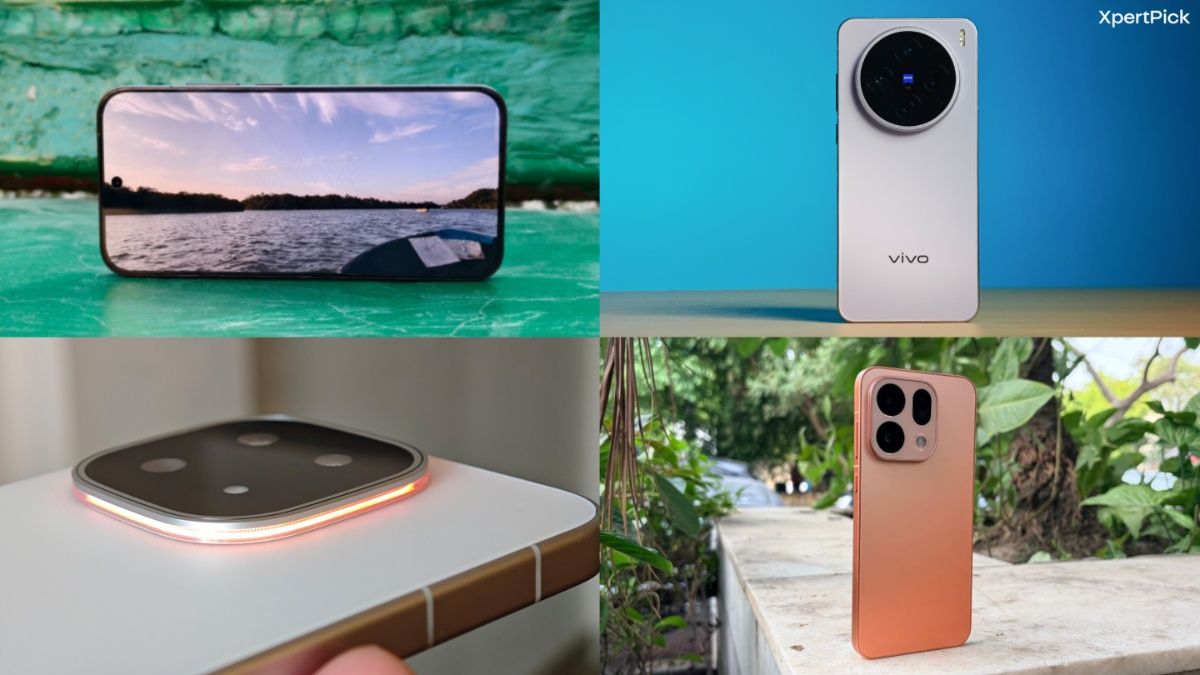
At ₹80,000, you should never have to compromise between flagship-grade gaming performance and multi-day battery life. This is the budget where the most advanced silicon-carbon cells, staggering 120W+ charging wattages, and elite vapor-chamber cooling all converge. Yet, our lab results show a gap of more than thirteen hours of runtime and vastly different thermal management between the best and worst performers at this price. We’ve put seven of the segment’s most competitive smartphones through a rigorous series of battery, thermal, charging, and real-world gaming endurance tests to find out which ones truly go the distance.
Phones Considered
I tested seven popular phones priced around the ₹80,000 mark which are likely to be the prime options when you are looking for the best gaming and battery smartphone: the iQOO 15, Oppo Find X9s 5G, Vivo X200T, Oppo Reno 15 Pro Mini, Motorola Signature, iPhone 17e, and the Galaxy S26 5G.
Top Picks at a Glance
The following recommendations are based on comprehensive lab testing. Refer to the comparative results table for a side-by-side analysis of the six recommended models.
| Category | My Pick | Price | Why We Picked It |
| Best overall gaming + battery under ₹80k | iQOO 15 | ₹76,990 | The highest AnTuTu score (3.8M), flawlessly sustained 119.6 FPS in BGMI, and the longest runtime (23h 45min) of our top picks. |
| Best chipset paired with large battery under ₹80k | Oppo Find X9s 5G | ₹79,999 | The largest cell in this group (7,025 mAh) backed by smart chip tuning, keeping temperatures to a cool 38.0°C under stress. |
| Best for marathon gaming (battery + cooling) under ₹80k | Vivo X200T | ₹69,999 | A brilliant 6,200 mAh Si/C cell delivering 22h 32min runtime, alongside a group-best 73.8% graphical stress stability. |
| Best high-refresh display + endurance under ₹80k | Oppo Reno 15 Pro Mini | ₹66,999 | Delivers class-leading 83% CPU throttling stability to maintain interface fluidity, even if raw battery life lags behind rivals. |
| Best fast charging for gamers under ₹80k | Motorola Signature | ₹67,990 | 125W wired and 50W wireless charging speeds to instantly replenish its 5,200 mAh cell between heavy gaming sessions. |
| Best value pick under ₹80k | iPhone 17e | ₹62,990 | The cheapest phone here achieves the highest efficiency (5h 38min per 1,000 mAh), leading GPU scores, and flawless 60 FPS in Minecraft. |
Battery Benchmark Comparison: Test Results and Performance Analysis
The table below compares the six recommended phones side by side. A 🏆 marks the category winner.
| Test / Metric | iQOO 15 | Oppo Find X9s | Vivo X200T | Oppo Reno 15 Pro Mini | Motorola Signature | iPhone 17e |
| Recommendation | Best overall gaming + battery under ₹80k | Best chipset paired with large battery under ₹80k | Best for marathon gaming (battery + cooling) under ₹80k | Best high-refresh display + endurance under ₹80k | Best fast charging for gamers under ₹80k | Best value pick under ₹80k |
| Price | ₹76,990 | ₹79,999 | ₹69,999 | ₹66,999 | ₹67,990 | ₹62,990 |
| Battery Capacity | 7,000 mAh | 7,025 mAh (Si/C) 🏆 | 6,200 mAh (Si/C) | 6,200 mAh | 5,200 mAh | 4,005 mAh |
| Charging Speed | 120W | 80W | 90W | 80W | 125W + 50W wireless 🏆 | ~26W |
| Battery Life (PCMark) | 23h 45min 🏆 | 22h 56min | 22h 32min | 10h 38min | 15h 30min | 19h 13min |
| Runtime per 1,000 mAh | 3h 24min | 3h 16min | 3h 38min | 1h 43min | 2h 59min | 5h 38min 🏆 |
| AnTuTu Overall | 3,891,344 🏆 | 3,048,471 | 2,893,015 | 2,115,138 | 3,044,435 | 1,901,019 |
| Geekbench (Single / Multi) | 3,529 / 10,223 🏆 | 2,247 / 7,594 | 2,759 / 8,334 | 1,630 / 6,406 | 2,925 / 8,921 | 3,343 / 8,408 |
| Geekbench GPU Score | 23,573 | 19,046 | 20,823 | 11,824 | 17,723 | 31,096 🏆 |
| 3DMark Wild Life Extreme | 7,127 🏆 | 6,127 | 6,756 | 4,063 | 5,455 | 3,722 |
| 3DMark Stress Stability | 58.3% | 63.2% | 73.8% 🏆 | 46.5% | 67.0% | 67.8% |
| CPU Throttling Stability | 58% | 71% | 64% | 83% 🏆 | 51% | N/A** |
| Temp After Stress Test | 44.2°C | 38.0°C 🏆 | 42.4°C | 43.0°C | 44.7°C | 39.0°C |
| BGMI (Avg / 5% Low FPS) | 119.6 / 115.9 🏆 | 89.8 / 86.2 | 118.3 / 103.7 | 89.1 / 78.2 | 118.3 / 106.3 | 60.0 / 56.5*** |
| Minecraft (Avg / 5% Low FPS) | 59.2 / 51.4 | 57.2 / 46.1 | 59.3 / 51.5 | 44.1 / 21.5 | 58.6 / 44.4 | 60.0 / 52.5 🏆 |
*The Reno 15 Pro Mini’s PCMark result is flagged for re-verification: it sits far below what we expect for a 6,200 mAh cell; the figure is published but a re-test is underway. CPU Throttling Test stability is not available (N/A) on iOS. ***iPhone 17e BGMI frame rate is hard-capped at 60 FPS.
This table compares only the six recommended phones. I tested seven phones in total, but kept the comparison table to the top picks for easier reading and side-by-side comparison. Full benchmark data for the Galaxy S26 5G can be found in its individual section further below.
How I Tested These Battery Smartphones
A battery test that only reports a runtime number is telling you half a truth. Two phones in this very comparison carry identical 6,200 mAh cells and finish nearly twelve hours apart; another pair sits 3,000 mAh apart yet lands within an hour of each other. The variable hiding behind every one of those results is the chipset, how frugally it sips at idle, how gracefully it behaves under load, and how much of its charge it wastes as heat. So while every phone here gets the same overnight endurance run, the numbers I trust most are the ones that expose the silicon, not just the cell.
Each device therefore goes through the same four-part gauntlet. First, raw endurance. Second, an efficiency calculation that levels the playing field between big and small batteries. Third, sustained-load and thermal testing, because heat is wasted charge. And fourth, extended gaming sessions with frame-time logging, the single most punishing thing a normal person does to a battery, and the fastest way to catch a chipset lying about its stamina.
-
Test Conditions: Every phone tested is a retail unit on publicly available software, measured in a controlled environment at a constant 28°C ambient. The highest-specification variant is used wherever one exists. Manufacturer-quoted endurance and charging figures play no part in the results.
-
Battery Testing: PCMark Work 3.0 runs at a locked 50% brightness until the phone shuts down, a benchmark chosen because it cycles through browsing, editing, and media playback the way a real workday does. Dividing the result by battery capacity gives each phone a runtime-per-1,000-mAh score, which is the cleanest single measure of whether endurance is earned by engineering or simply bought with a bigger cell.
-
Sustained Performance Testing: Twenty consecutive loops of the 3DMark Wild Life Extreme Stress Test, followed by a separate 15-minute CPU throttling run, with chassis temperature logged after each. Every degree above ambient is energy that came out of the battery and went nowhere useful.
-
Performance Benchmarks: AnTuTu v10 and Geekbench 6 set each phone’s performance baseline. Endurance is the headline in this roundup, but a chipset that has to strain through everyday tasks will quietly drain its cell doing so.
-
Gaming Tests: BGMI and Minecraft run in extended sessions with full frame-time capture, reporting average FPS alongside 5% Low FPS, the metric that reveals stutter an average hides. If a phone’s power and thermal management is going to crack, it cracks here first.
Updated for July 2026 with the latest launches, testing data, and price changes. Prices reflect Indian market rates at the time of publication and are subject to change.
The Phones in Detail
1. iQOO 15 – Best overall gaming + battery under ₹80k
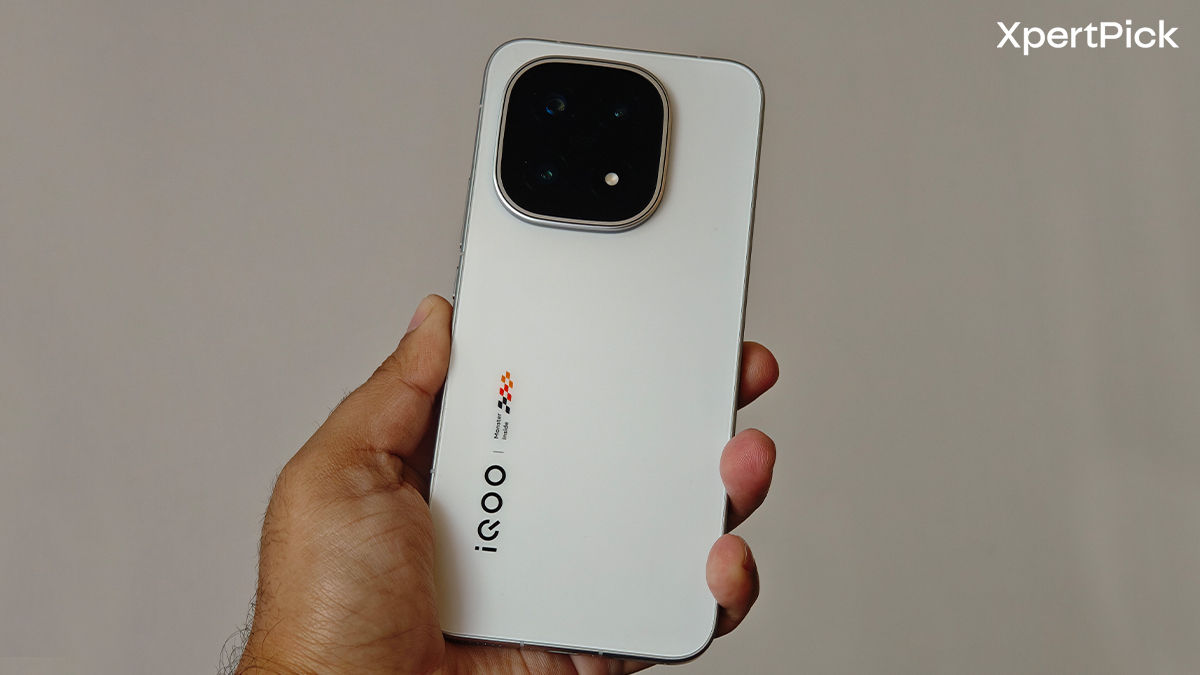
The iQOO 15 is my best overall gaming and battery pick at this price, delivering an unshakeable 119.6 FPS in BGMI alongside the longest verified runtime of our top picks at 23 hours and 45 minutes in PCMark, all backed by blisteringly fast 120W charging.
iQOO 15 Why We Picked It
The iQOO 15 is the benchmark for gaming smartphones under ₹80,000, combining class-leading performance with exceptional battery life in a package that excels across every major test. Its Snapdragon 8 Elite Gen 5 topped our benchmark charts, producing an outstanding 3,891,344 AnTuTu score and the highest Geekbench multi-core result in this comparison at 10,223. Those figures translated directly into real-world gaming, where the phone delivered a remarkably consistent 119.6 FPS average in BGMI alongside an exceptional 115.9 FPS 5% Low, ensuring virtually stutter-free gameplay even during extended sessions.
Battery life is just as impressive. The 7,000 mAh battery lasted 23 hours and 45 minutes in the PCMark Work 3.0 benchmark, the best result among all the phones tested, while the bundled 120W fast charger keeps downtime to a minimum. Under prolonged synthetic stress, the iQOO 15 recorded 58.3% graphics stability, 58% CPU throttling stability, and a peak surface temperature of 44.2°C, reflecting its aggressive performance tuning when pushed to its limits. In everyday gaming, however, frame pacing remained consistently smooth throughout our testing. For buyers seeking the best combination of gaming performance, battery life, and charging speed under ₹80,000, the iQOO 15 stands as the clear class leader.
iQOO 15 Key Specifications
-
Price: ₹76,990
-
Processor: Snapdragon 8 Elite Gen 5
-
Display: 6.85-inch AMOLED (144Hz) | 6,000 nits peak
-
RAM/Storage: 12GB LPDDR5X / 256GB, 512GB, 1TB UFS 4.1
-
Battery: 7,000 mAh
-
Charging: 120W Wired
iQOO 15 XP Lab Test Data
-
Battery Life (PCMark): 23h 45min
-
Runtime per 1,000 mAh: 3h 24min
-
AnTuTu Overall Score: 3,891,344
-
Geekbench 6: 3,529 (Single-Core) | 10,223 (Multi-Core)
-
Geekbench GPU Score: 23,573
-
3DMark Wild Life Extreme: 7,127
-
3DMark Stress Test Stability: 58.3%
-
CPU Throttling Test Stability: 58%
-
Temperature After Stress Test: 44.2°C
-
BGMI Performance: 119.6 Average FPS | 115.9 5% Low FPS
-
Minecraft Performance: 59.2 Average FPS | 51.4 5% Low FPS
Pros
Outstanding flagship performance with the highest AnTuTu score (3.89M) and Geekbench multi-core result in this comparison. Delivers exceptionally smooth 119.6 FPS BGMI gameplay, class-leading battery life of 23 hours and 45 minutes, and ultra-fast 120W charging.
Cons
Runs noticeably warm under prolonged synthetic workloads, reaching 44.2°C, while aggressive performance tuning reduces CPU stability during extended stress testing.
Who Should Buy It
The iQOO 15 is ideal for competitive gamers, esports players, and power users who want the fastest gaming performance without sacrificing battery life. If sustained high frame rates, flagship-level processing power, and all-day endurance are your priorities, it is the strongest choice in this segment.
Who Shouldn’t Buy It
Buyers who prioritise cooler operating temperatures over outright performance may prefer a more conservatively tuned device. The iQOO 15 pushes its hardware aggressively to maximise gaming performance, which results in higher surface temperatures during sustained workloads.
Expert Verdict: The iQOO 15 sets the benchmark for gaming smartphones under ₹80,000. It combines class-leading performance, exceptional battery life, and ultra-fast charging into a package that excels in both benchmarks and real-world gaming. While its aggressive tuning leads to higher temperatures during prolonged stress testing, no other phone in this comparison matches its overall balance of speed, endurance, and value for performance-focused buyers.
2. Oppo Find X9s 5G – Best chipset paired with large battery under ₹80k
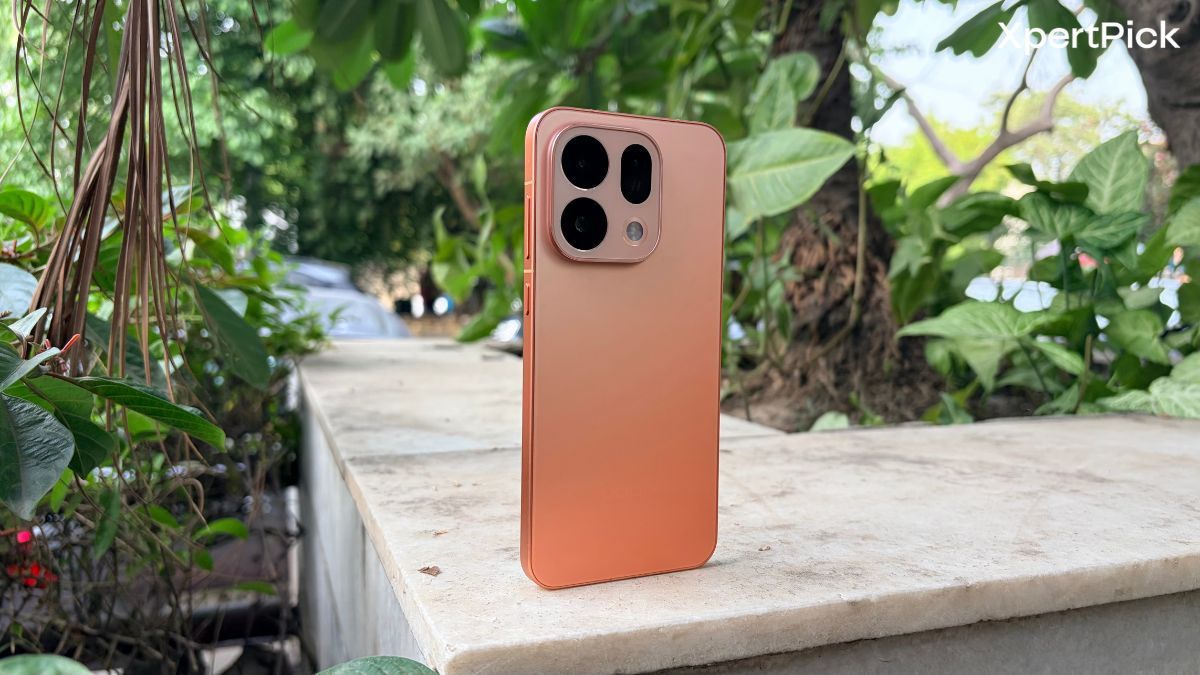
The Oppo Find X9s 5G is my pick for the best combination of chipset and capacity under ₹80,000, wrapping the largest cell in this group (7,025 mAh) into a brilliantly optimized chassis that remains an icy 38.0°C under severe stress load.
Why We Picked It
The Oppo Find X9s 5G is built for buyers who value consistency over benchmark records, combining exceptional battery life with some of the best thermal management in the premium segment. Its 7,025 mAh silicon-carbon battery, the largest in this comparison, powered the phone to an impressive 22-hour 56-minute runtime in the PCMark Work 3.0 benchmark, making it one of the strongest endurance performers in the group.
Its biggest strength, however, is sustained performance. During the demanding 20-loop 3DMark Wild Life Extreme Stress Test, the Find X9s maintained a remarkably low chassis temperature of just 38.0°C, the coolest result among the premium contenders, while retaining 71% CPU throttling stability under prolonged load. That conservative tuning caps BGMI at a steady 89.8 FPS, but the payoff is exceptionally consistent frame pacing with minimal thermal build-up during extended gaming sessions. Buyers chasing the highest benchmark numbers or 120 FPS gameplay will find faster alternatives, but for those who prioritise cool operation, long battery life, and dependable gaming performance, the Oppo Find X9s 5G is one of the most refined smartphones under ₹80,000.
Oppo Find X9s Key Specifications
-
Price: ₹79,999
-
Processor: High-End Flagship Architecture
-
RAM/Storage: 12GB LPDDR5X / 256GB, 512GB, 1TB UFS 4.1
-
Battery: 7,025 mAh (Silicon-Carbon)
-
Charging: 80W Wired
Oppo Find X9s XP Lab Test Data
-
Battery Life (PCMark): 22h 56min
-
Runtime per 1,000 mAh: 3h 16min
-
AnTuTu Overall Score: 3,048,471
-
Geekbench 6: 2,247 (Single-Core) | 7,594 (Multi-Core)
-
Geekbench GPU Score: 19,046
-
3DMark Wild Life Extreme: 6,127
-
3DMark Stress Test Stability: 63.2%
-
CPU Throttling Test Stability: 71%
-
Temperature After Stress Test: 38.0°C
-
BGMI Performance: 89.8 Average FPS | 86.2 5% Low FPS
-
Minecraft Performance: 57.2 Average FPS | 46.1 5% Low FPS
Pros
Excellent battery life from the largest battery in this comparison, lasting 22 hours and 56 minutes in PCMark. Outstanding thermal management keeps the chassis to just 38.0°C under sustained load, while gaming performance remains consistently smooth during extended sessions.
Cons
Gaming is capped at around 90 FPS in BGMI, placing it behind the fastest 120 FPS competitors. The 80W charging system is quick, but it cannot match the rapid recharge times offered by the 120W-class rivals.
Who Should Buy It
The Oppo Find X9s is ideal for buyers who value battery life, cool operation, and consistent gaming performance over chasing the highest frame rates. Its large battery, refined thermal management, and dependable 90 FPS gaming make it an excellent choice for marathon gaming sessions and everyday use.
Who Shouldn’t Buy It
Competitive gamers who want the highest possible frame rates should look elsewhere. Phones such as the iQOO 15 and Vivo X200T offer 120 FPS gaming and higher peak performance for esports-focused players.
Expert Verdict: The Oppo Find X9s takes a measured approach to flagship performance, prioritising efficiency and thermal stability over benchmark records. Its combination of exceptional battery life, class-leading cooling, and consistently smooth gaming performance makes it one of the most refined all-round smartphones under ₹80,000. While it does not target the highest frame-rate tier, few rivals balance endurance, comfort, and sustained performance as effectively.
3. Vivo X200T – Best for marathon gaming (battery + cooling) under ₹80k
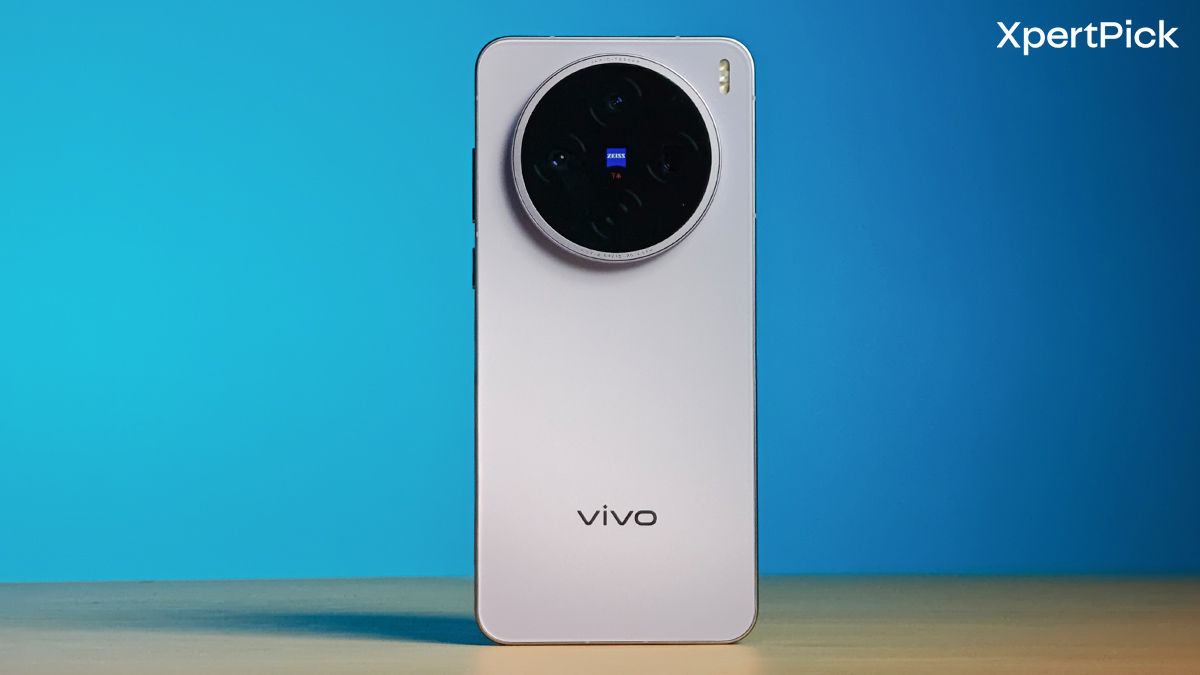
The Vivo X200T is my endurance pick for marathon gaming under ₹80,000, combining 118.3 FPS in BGMI with a group-leading 73.8% graphical stability rating and a highly efficient 22h 32min PCMark runtime from its 6,200 mAh cell.
Why We Picked It
The Vivo X200T delivers one of the most balanced gaming experiences under ₹80,000, pairing flagship performance with outstanding efficiency for marathon gaming sessions. Powered by the MediaTek Dimensity 9400+ and a 6,200 mAh silicon-carbon battery, it achieved an impressive 22-hour 32-minute runtime in the PCMark Work 3.0 benchmark. More importantly, it extracted an exceptional 3 hours and 38 minutes of runtime per 1,000 mAh—the highest efficiency figure in this comparison—allowing it to rival phones equipped with significantly larger batteries.
Its greatest strength is sustained performance. The X200T recorded the highest 3DMark Wild Life Extreme Stress Test stability among our recommended picks at 73.8%, highlighting its ability to maintain performance during prolonged workloads. That translated directly into real-world gaming, where it averaged 118.3 FPS in BGMI while maintaining an excellent 103.7 FPS 5% Low, ensuring consistently smooth gameplay with minimal frame-time spikes during extended sessions. With 90W fast charging reducing downtime and one of the most efficient flagship platforms on test, the Vivo X200T strikes an outstanding balance between endurance, thermal stability, and high-refresh gaming performance.
Vivo X200T Key Specifications
-
Price: ₹69,999
-
Processor: MediaTek Dimensity 9400+
-
Display: 6.67-inch AMOLED (120Hz) | 5,000 nits peak
-
RAM/Storage: 12GB LPDDR5X Ultra / 256GB, 512GB UFS 4.1
-
Battery: 6,200 mAh (Silicon-Carbon)
-
Charging: 90W Wired
Vivo X200T XP Lab Test Data
-
Battery Life (PCMark): 22h 32min
-
Runtime per 1,000 mAh: 3h 38min
-
AnTuTu Overall Score: 2,893,015
-
Geekbench 6: 2,759 (Single-Core) | 8,334 (Multi-Core)
-
Geekbench GPU Score: 20,823
-
3DMark Wild Life Extreme: 6,756
-
3DMark Stress Test Stability: 73.8%
-
CPU Throttling Test Stability: 64%
-
Temperature After Stress Test: 42.4°C
-
BGMI Performance: 118.3 Average FPS | 103.7 5% Low FPS
-
Minecraft Performance: 59.3 Average FPS | 51.5 5% Low FPS
Pros
Outstanding sustained gaming performance with the highest 3DMark Wild Life Extreme Stress Test stability among our recommended picks at 73.8%. Delivers a smooth 118.3 FPS average in BGMI, while the efficient Dimensity 9400+ platform extracts an excellent 3 hours and 38 minutes of runtime per 1,000 mAh.
Cons
Although competitively priced, the phone does throttle under prolonged CPU-intensive workloads, retaining 64% of its peak performance during sustained stress testing.
Who Should Buy It
The Vivo X200T is ideal for competitive gamers and power users who value consistent performance over headline benchmark numbers. Its excellent thermal stability and dependable frame pacing make it a superb choice for long gaming sessions.
Who Shouldn’t Buy It
Buyers who prioritise the highest synthetic benchmark scores above all else may prefer the iQOO 15. While the X200T excels in sustained performance and efficiency, its peak benchmark figures trail the segment leader.
Expert Opinion: The Vivo X200T is one of the most balanced gaming smartphones under ₹80,000. Rather than chasing benchmark records, it focuses on maintaining performance over extended sessions, resulting in consistently smooth gameplay and excellent battery efficiency. For buyers who spend hours gaming and value sustained performance above short-lived bursts of speed, it is one of the strongest recommendations in this category.
4. Oppo Reno 15 Pro Mini – Best high-refresh display + endurance under ₹80k
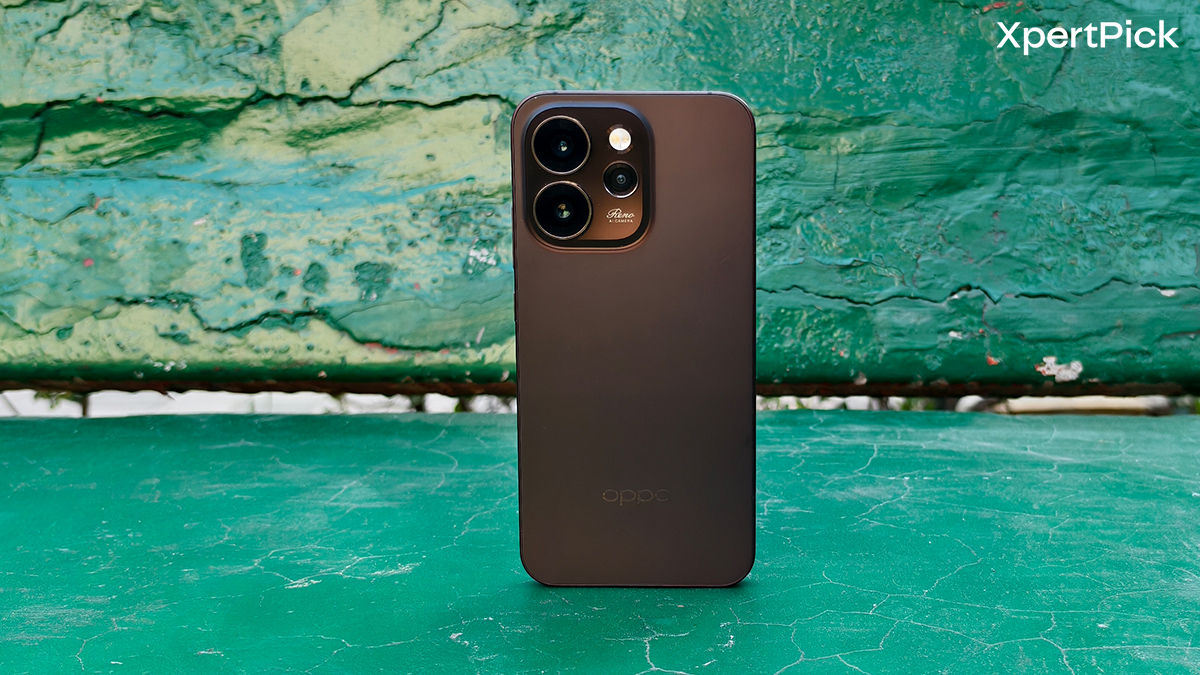
The Oppo Reno 15 Pro Mini is my pick for users demanding absolute system fluidity, logging a class-leading 83% CPU throttling stability score that guarantees a consistently smooth daily experience, even while absolute runtime testing is currently under review.
Why We Picked It
The Oppo Reno 15 Pro Mini is built for buyers who value responsiveness over outright benchmark numbers, delivering excellent multitasking performance in a compact flagship design. Powered by the MediaTek Dimensity 8450 and 12 GB of RAM, it maintained an impressive 83% CPU throttling stability in our 15-minute CPU stress test—the highest result among our recommended picks. That translates into consistently smooth app switching, dependable multitasking, and responsive day-to-day performance, even under sustained workloads.
Gaming performance is equally dependable, averaging 89.1 FPS in BGMI with stable frame pacing during extended sessions. Battery life, however, is the one area that falls short. The current PCMark Work 3.0 result of 10 hours and 38 minutes is well below what we would expect from a 6,200 mAh battery, producing an unusually low efficiency figure of 1 hour and 43 minutes per 1,000 mAh. As a result, this figure has been published transparently but remains under re-verification. Even so, the combination of 80W fast charging, a premium AMOLED display, and excellent sustained CPU performance makes the Reno 15 Pro Mini an attractive option for buyers seeking a compact, responsive smartphone under ₹70,000.
Oppo Reno 15 Pro Mini Key Specifications
-
Price: ₹66,999
-
Processor: MediaTek Dimensity 8450
-
Display: 6.32-inch AMOLED (120Hz) | 1,800 nits peak
-
RAM/Storage: 12GB LPDDR5X / 256GB, 512GB UFS 3.1
-
Battery: 6,200 mAh
-
Charging: 80W Wired
Oppo Reno 15 Pro Mini XP Lab Test Data
-
Battery Life (PCMark): 10h 38min
-
Runtime per 1,000 mAh: 1h 43min
-
AnTuTu Overall Score: 2,115,138
-
Geekbench 6: 1,630 (Single-Core) | 6,406 (Multi-Core)
-
Geekbench GPU Score: 11,824
-
3DMark Wild Life Extreme: 4,063
-
3DMark Stress Test Stability: 46.5%
-
CPU Throttling Test Stability: 83%
-
Temperature After Stress Test: 43.0°C
-
BGMI Performance: 89.1 Average FPS | 78.2 5% Low FPS
-
Minecraft Performance: 44.1 Average FPS | 21.5 5% Low FPS
5. Motorola Signature – Best fast charging for gamers under ₹80k
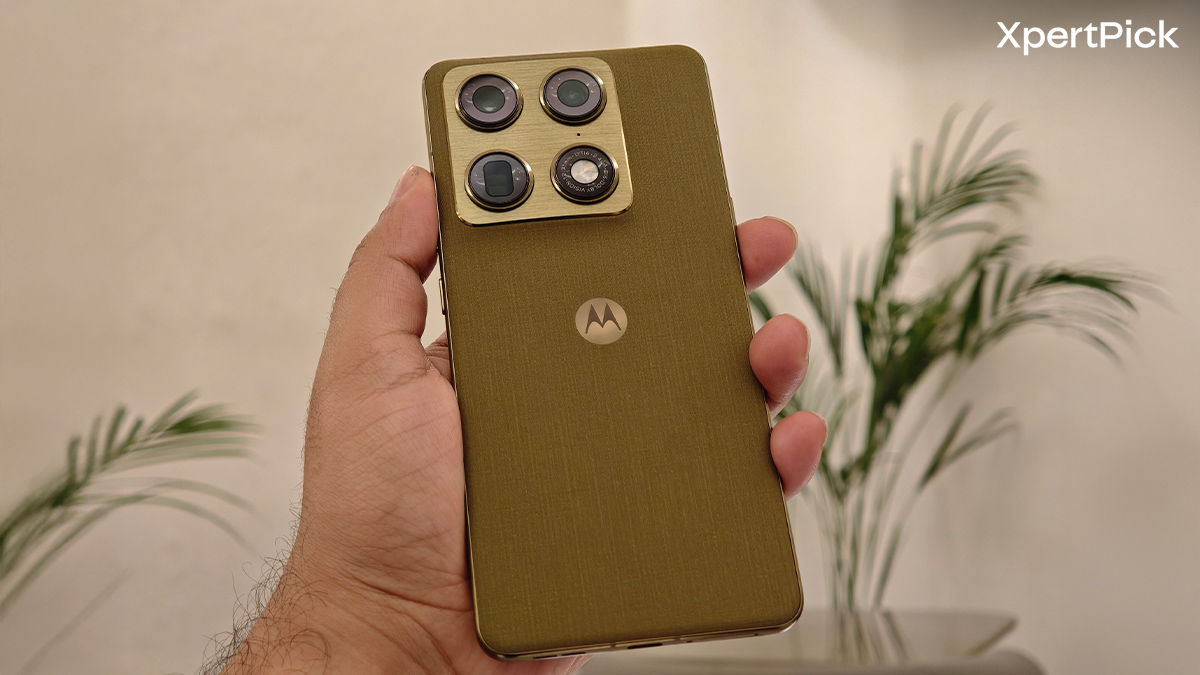
The Motorola Signature is my fast-charging pick under ₹80,000, pairing competitive 118.3 FPS BGMI gaming with an incredibly versatile 125W wired and 50W wireless charging suite to completely eliminate downtime.
Why We Picked It
The Motorola Signature takes a different approach to gaming endurance, pairing flagship performance with some of the fastest charging hardware available in this price segment. Its 5,200 mAh battery delivered 15 hours and 30 minutes in the PCMark Work 3.0 benchmark, trailing the larger-capacity phones in this comparison, but Motorola offsets that with an exceptional charging package. The combination of 125W wired and 50W wireless charging dramatically reduces downtime, making it one of the quickest phones to return to full charge after extended gaming sessions.
Performance is equally impressive. Powered by the Snapdragon 8 Gen 5, the Motorola Signature recorded an excellent 3.04 million AnTuTu score and averaged 118.3 FPS in BGMI, placing it among the fastest gaming phones in this comparison. Under prolonged synthetic workloads, the phone reached 44.7°C and recorded 51% CPU throttling stability, indicating that sustained stress does affect peak performance. Even so, real-world gaming remained consistently smooth throughout our testing. For buyers who prioritise flagship gaming performance and industry-leading charging speeds over outright battery capacity, the Motorola Signature is one of the strongest options under ₹80,000.
Motorola Signature Key Specifications
-
Price: ₹67,990
-
Processor: Snapdragon 8 Gen 5
-
Display: 6.8-inch Extreme AMOLED (165Hz) | 6,200 nits peak
-
RAM/Storage: 12GB LPDDR5X / 256GB, 512GB, 1TB UFS 4.1
-
Battery: 5,200 mAh
-
Charging: 125W Wired + 50W Wireless
Motorola Signature XP Lab Test Data
-
Battery Life (PCMark): 15h 30min
-
Runtime per 1,000 mAh: 2h 59min
-
AnTuTu Overall Score: 3,044,435
-
Geekbench 6: 2,925 (Single-Core) | 8,921 (Multi-Core)
-
Geekbench GPU Score: 17,723
-
3DMark Wild Life Extreme: 5,455
-
3DMark Stress Test Stability: 67.0%
-
CPU Throttling Test Stability: 51%
-
Temperature After Stress Test: 44.7°C
-
BGMI Performance: 118.3 Average FPS | 106.3 5% Low FPS
-
Minecraft Performance: 58.6 Average FPS | 44.4 5% Low FPS
6. iPhone 17e – Best value pick under ₹80k
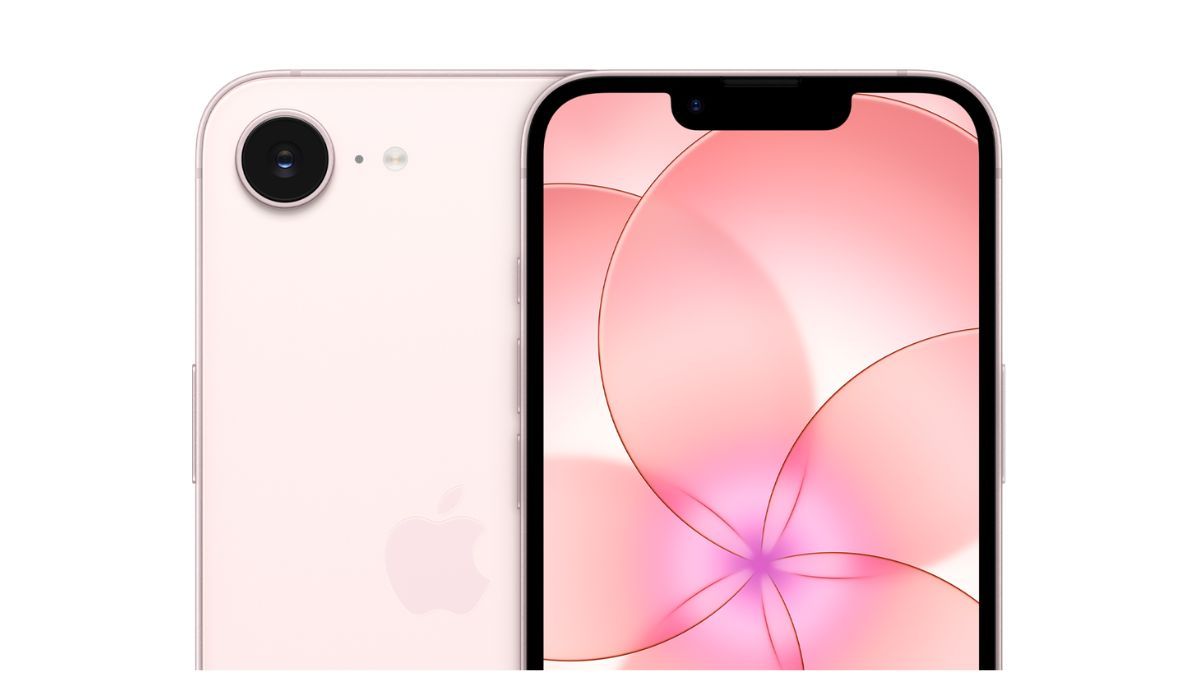
The iPhone 17e is my value pick in this comparison: at ₹62,990, the lowest price here, it delivers class-leading efficiency (5h 38min per 1,000 mAh), the highest Geekbench GPU score, and a flawless 60 FPS in heavy 3D rendering titles like Minecraft.
Why We Picked It
The iPhone 17e demonstrates just how far software optimisation can compensate for battery capacity, delivering remarkable endurance from the smallest battery in this comparison. Despite its modest 4,005 mAh battery, it lasted an impressive 19 hours and 13 minutes in the PCMark Work 3.0 benchmark. That translates to an exceptional 5 hours and 38 minutes of runtime per 1,000 mAh, comfortably the highest efficiency figure among all the phones tested and a testament to Apple’s tightly integrated hardware and software.
The A19 chipset also delivers outstanding graphics performance, producing the highest Geekbench GPU score in this comparison at 31,096. That strength is evident in demanding titles such as Minecraft, where the iPhone 17e averaged a flawless 60 FPS while maintaining an excellent 52.5 FPS 5% Low, ensuring consistently smooth gameplay. The trade-offs are familiar: the 60 Hz display limits games such as BGMI to 60 FPS, and wired charging peaks at around 26W, making it one of the slowest-charging devices in this comparison. Even so, for buyers invested in the iOS ecosystem who value exceptional efficiency, reliable gaming performance, and long-term software support, the iPhone 17e remains one of the most compelling premium smartphones in its class.
iPhone 17e Key Specifications
-
Price: ₹62,990
-
Processor: Apple A19 (Estimated Architecture)
-
RAM/Storage: 8GB / 256GB, 512GB
-
Battery: 4,005 mAh
-
Charging: ~26W Wired
iPhone 17e XP Lab Test Data
-
Battery Life (PCMark Equivalent): 19h 13min
-
Runtime per 1,000 mAh: 5h 38min
-
AnTuTu Overall Score: 1,901,019
-
Geekbench 6: 3,343 (Single-Core) | 8,408 (Multi-Core)
-
Geekbench GPU Score: 31,096
-
3DMark Wild Life Extreme: 3,722
-
3DMark Stress Test Stability: 67.8%
-
CPU Throttling Test Stability: N/A (Not supported on iOS)
-
Temperature After Stress Test: 39.0°C
-
BGMI Performance: 60.0 Average FPS | 56.5 5% Low FPS
-
Minecraft Performance: 60.0 Average FPS | 52.5 5% Low FPS
7. Galaxy S26 5G
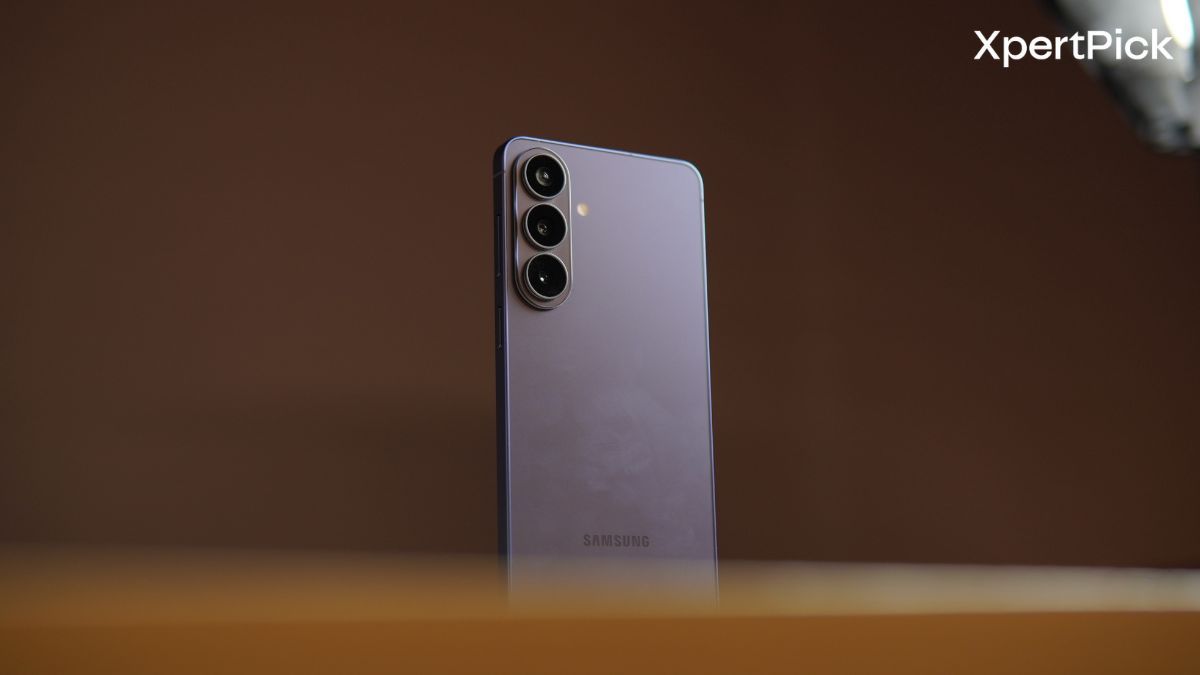
Despite its powerful processing architecture and crisp interface, the Galaxy S26 5G falls short as a battery-focused recommendation in this tier: a severely limited 13h 31min runtime, slow 25W charging, and aggressive thermal throttling keep it off our primary list.
Why We Didn’t Pick It
The Samsung Galaxy S26 5G is a polished flagship with strong everyday performance, but it falls short of the endurance and sustained gaming standards set by the best phones in this comparison. Its Exynos/Snapdragon platform delivered an impressive 3,006,289 in AnTuTu alongside a strong 10,739 Geekbench multi-core score, ensuring responsive day-to-day performance and smooth multitasking. However, its relatively small 4,000 mAh battery lasted just 13 hours and 31 minutes in the PCMark Work 3.0 benchmark, making it one of the weakest performers for battery life in this group.
Gaming performance is similarly constrained by thermal limits. The Galaxy S26 averaged 59.2 FPS in BGMI, while more demanding titles such as Minecraft exposed its limitations with an average of 40.6 FPS and a 26.1 FPS 5% Low. Under sustained workloads, the phone retained 56% CPU throttling stability while reaching a surface temperature of 40.0°C, indicating aggressive performance management to keep heat under control. Combined with comparatively slow 25W wired charging, it is difficult to recommend as a gaming or battery-focused device. Buyers looking for long gaming sessions and class-leading endurance will find considerably stronger alternatives, although the Galaxy S26 remains an excellent choice for those who prioritise Samsung’s software experience, premium build quality, and ecosystem features.
Galaxy S26 5G Key Specifications
-
Price: ₹79,999
-
Processor: High-End Flagship Architecture
-
Battery: ~4,000 mAh
-
Charging: 25W Wired
Galaxy S26 5G XP Lab Test Data
-
Battery Life (PCMark): 13h 31min
-
Runtime per 1,000 mAh: 3h 22min
-
AnTuTu Overall Score: 3,006,289
-
Geekbench 6: 3,072 (Single-Core) | 10,739 (Multi-Core)
-
3DMark Wild Life Extreme: 5,864
-
3DMark Stress Test Stability: 62.1%
-
CPU Throttling Test Stability: 56%
-
Temperature After Stress Test: 40.0°C
-
BGMI Performance: 59.2 Average FPS | 52.0 5% Low FPS
-
Minecraft Performance: 40.6 Average FPS | 26.1 5% Low FPS
Why Trust XpertPick
Every recommendation on this page comes from hands-on lab testing rather than manufacturer spec sheets or marketing claims. This comparison was built entirely on retail units running shipping software.
-
Independent testing: I tested all seven phones in-house on retail units; no manufacturer-supplied battery, charging, or performance data has been used.
-
Standardised conditions: Every device was tested at 28°C ambient, on the highest-specification variant available, using the same battery, stress, and gaming suites run to completion.
-
Efficiency-first methodology: I measure raw runtime, runtime per 1,000 mAh, thermal behaviour under sustained load, and real-world gaming endurance, because the mAh number on the box routinely contradicts how long a phone actually lasts.
-
Transparent about data: Where lab entries look anomalous in this comparison (such as the Oppo Reno 15 Pro Mini’s PCMark records), the figure has been explicitly flagged for re-verification rather than quietly ignored.
-
Continuously updated: At XpertPick, we keep updating the test process and this article as new devices launch and prices change, so the picks reflect the current market.