The common perception for an Indian market was that the semi-automatic machines catered to affordability-focused households, fully automatic top load machines became the convenience upgrade for everyday usage, and front load machines carried the premium positioning around fabric care, efficiency, and refinement.
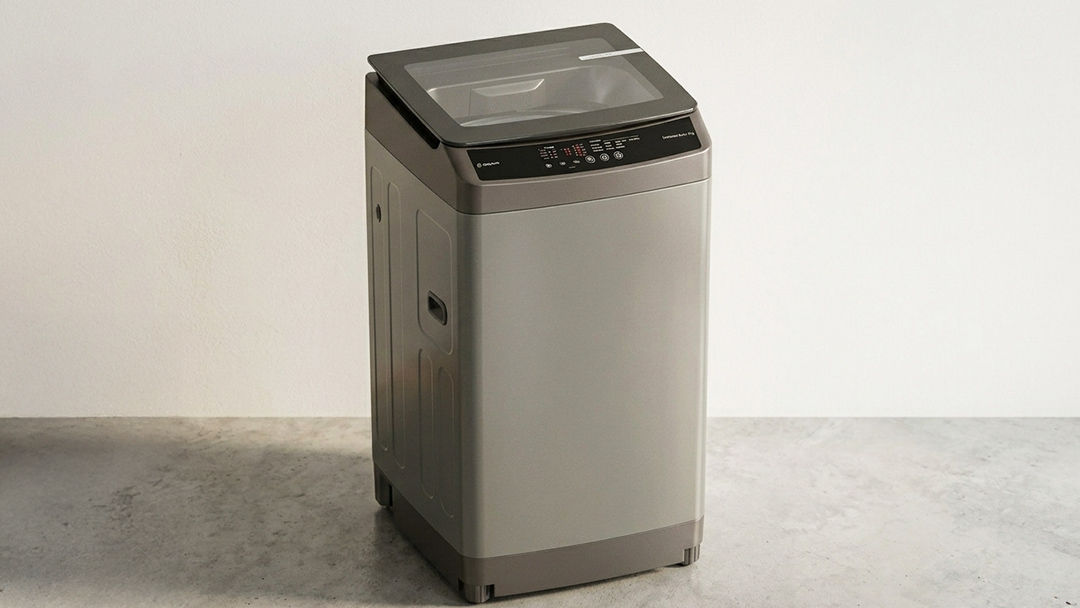
Bosch’s expanded top load washing machine range suggests brands now see far greater room inside the premium top load segment itself instead of treating it purely as a mass-market category. The new lineup spans capacities from 7kg to 12kg and includes features such as PowerWave Wash technology, Vario Drum systems, dual lint filters, tempered glass lids, redesigned interfaces, and multiple intelligent wash programs.
Indian Buyers Are Looking Beyond Basic Automation
Households upgrading from semi-automatic machines earlier focused almost entirely on reducing manual effort. The appeal of fully automatic washing machines revolved around convenience, easier operation, and avoiding the constant need to shift clothes between wash and spin tubs. Capacity, spin speed, and pricing dominated most buying decisions because the appliance itself was still viewed mainly as a functional household product.
Consumer priorities have broadened significantly as fully automatic washing machines have become more common across urban homes and increasingly accessible in Tier 2 and Tier 3 cities. Noise during spin cycles, vibration control, lint handling, drum movement with mixed fabrics, visibility of displays, ease of maintenance, responsiveness of controls, and overall day-to-day usability now influence purchase decisions much more strongly than before.
Mixed laundry habits inside Indian households make several of these factors more important in practical usage than specification sheets often suggest. Towels, bedsheets, denim, synthetic garments, cotton wear, and delicate fabrics are frequently washed together in the same cycle, placing greater stress on lint handling, wash consistency, and drum movement systems than controlled demonstration environments. Features such as dual lint filters or redesigned wash mechanisms therefore carry more practical value during long-term usage than they initially appear to on paper.
Premium Top Load Machines Are No Longer Competing Only With Other Top Loads
Design has also become a larger part of appliance buying behaviour across urban homes. Washing machines are no longer always hidden away in separate utility areas. In many apartments, especially across metro cities, these appliances now sit in visible balconies, open kitchens, or integrated utility spaces where premium finishes, tempered glass lids, display visibility, and ease of interaction directly affect buying perception.
Bosch’s broader positioning reflects how competitive the premium top load category has become over the last few years. Brands such as LG, Samsung, Whirlpool, Haier, and Panasonic have aggressively expanded their fully automatic top load portfolios across multiple price segments, especially during festive periods where replacement demand continues growing steadily.
Shrinking price gaps between premium top load and entry-level front load machines have also complicated the segment further. Buyers entering higher price brackets increasingly compare both categories simultaneously instead of limiting comparisons only to other top load models. Front load machines still retain stronger perceptions around water efficiency, fabric care, and overall wash sophistication, forcing premium top load machines to justify themselves through faster cycles, simpler usability, lower maintenance complexity, and smoother day-to-day ownership experience.
Bosch Appears to Be Targeting Upgrade Buyers Across Emerging Markets
Bosch appears to be targeting buyers who still prefer the practicality and familiarity of top load washing machines while expecting a far more premium ownership experience than the category traditionally offered. The company has also highlighted Tier 2 and Tier 3 markets as important growth areas where households continue transitioning from semi-automatic machines to fully automatic alternatives.
Reliability, straightforward usability, visible durability, and service confidence continue carrying greater importance in many of these markets than aggressive app-led smart features or heavily software-driven experiences. India’s fully automatic washing machine market is gradually moving beyond the idea that top load machines are simply affordable convenience appliances sitting below front loads in every possible way, and Bosch’s latest expansion reflects how brands increasingly believe the category can support a much more premium positioning than before.