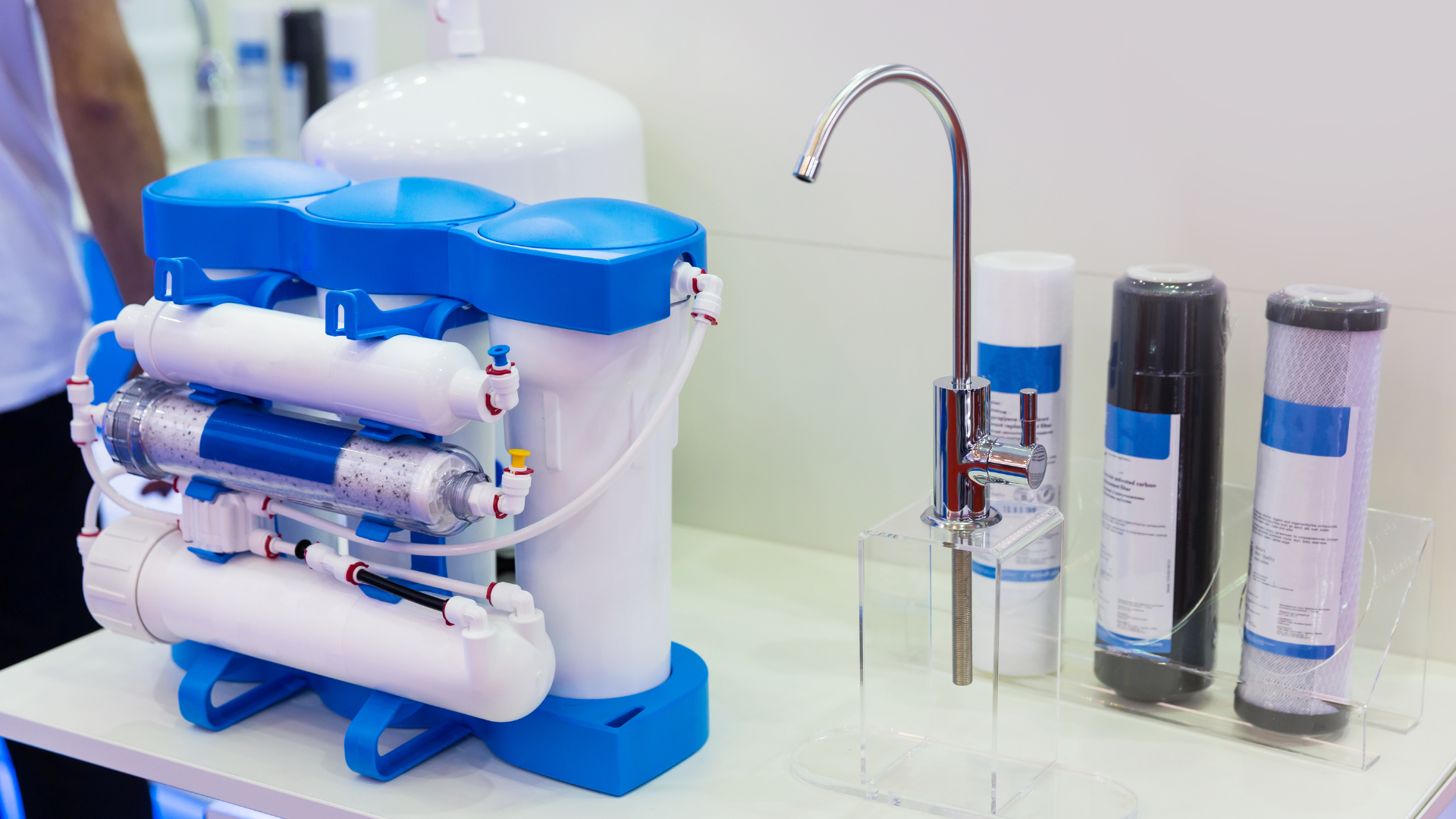
Right now, modular and minimal kitchens that conceal everything are trending. People prefer those over cluttered ones, where everything is out in the open. Storage goes behind panels, appliances get integrated, and countertops are kept as clean as possible.
If you are also getting a new kitchen made, or trying to upgrade your old one, then you might have also noticed that while it is easier to make shelves and hidden cabinets for most appliances, there’s one appliance that is tricky to settle in place while maintaining the aesthetics- the water purifier. In most Indian kitchens, it ends up mounted on the wall, with visible pipes and a tank that’s constantly refilling.
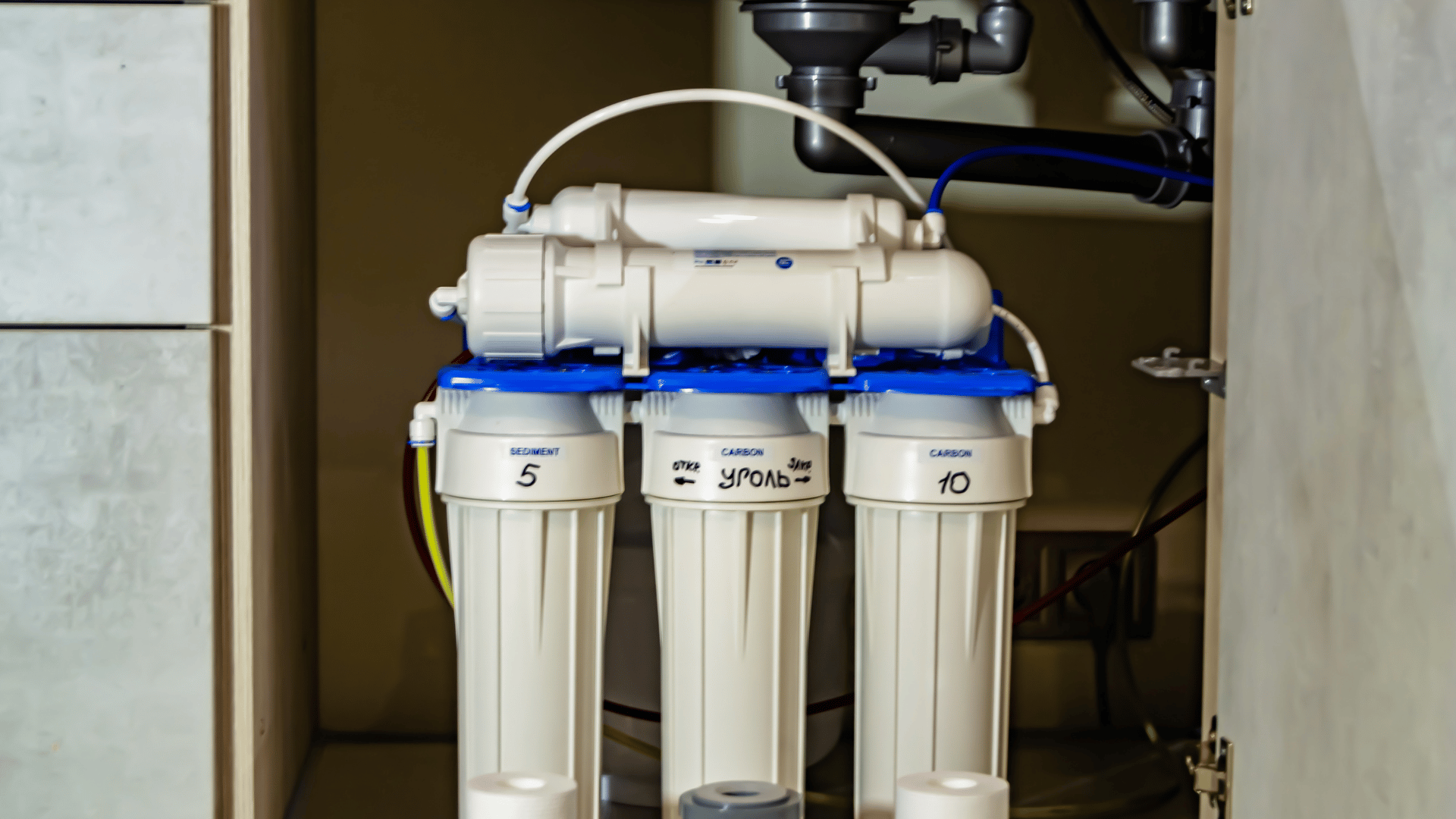
No matter how pretty the water purifier looks, it is difficult to blend it into the modern aesthetics that most of us are aiming for. That’s why under-sink water purifiers have started getting attention. They are tucked inside the cabinet and do the same job.
The biggest advantage of getting an under-sink purifier is pretty simple. It disappears and doesn’t ruin the aesthetics of your kitchen.
You’re left with just a small tap on the counter, mostly around the basin; everything else goes inside the cabinet. If you have a compact kitchen, this can make the space feel more open and less cluttered, and who hates that, right?
It might seem like a simple and easy upgrade. But in reality, you need to keep some things in mind before choosing an under-sink system over a wall-mounted one.
Looks Good, but You’ve Got To Consider This
See, under-sink RO systems depend heavily on consistent water pressure because, unlike your traditional RO, it’s working against gravity. This is something that not many people think about when choosing their purifier. However, it becomes important the moment you install it in your kitchen. Because in homes with overhead tanks or uneven supply, pressure isn’t always stable.
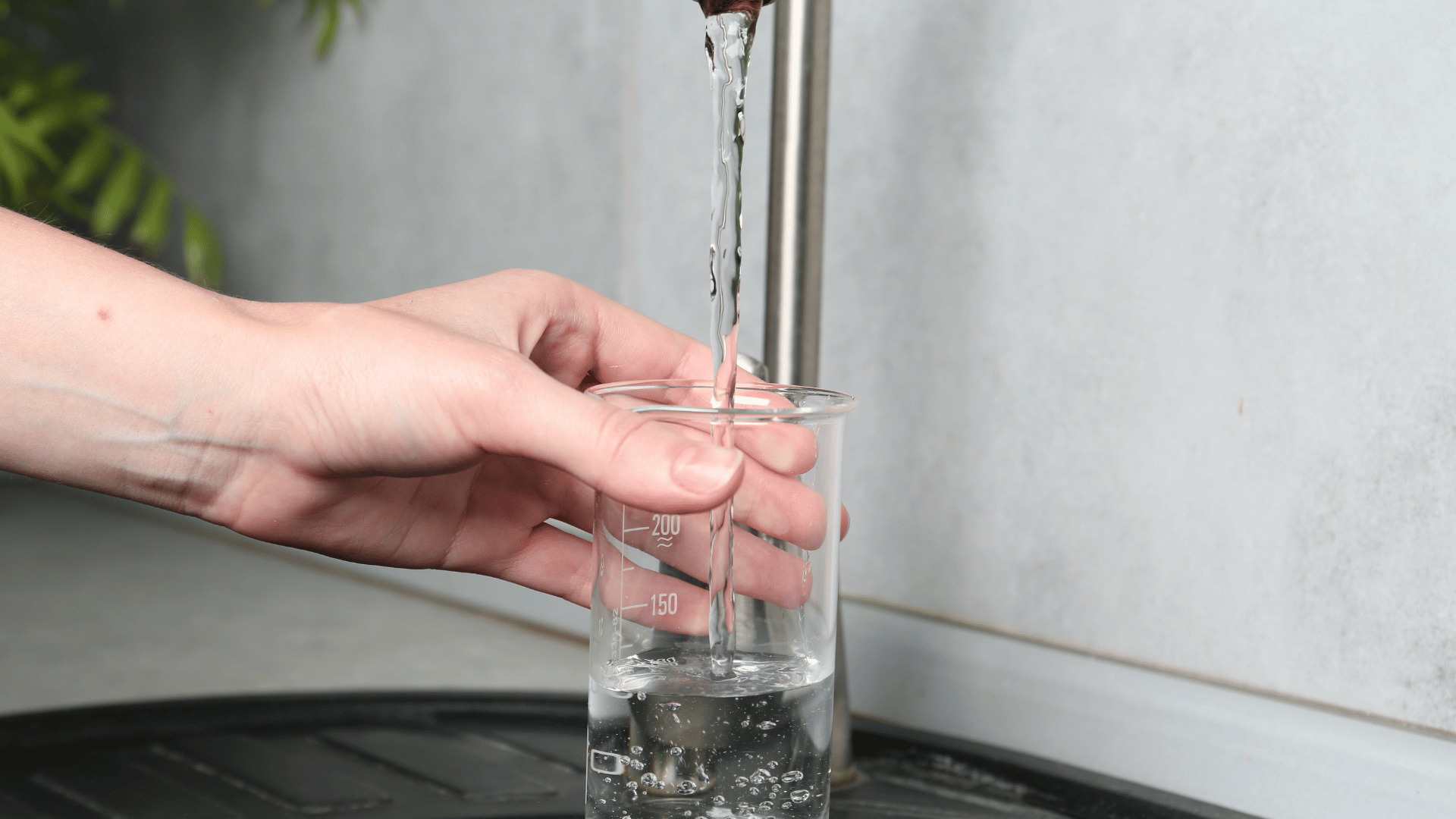
When the water pressure drops, the purifier slows down. The tank takes longer to fill, the flow feels weaker, and the overall experience starts to feel off. To fix this issue, a lot of people have to get an additional external pressure pump installed.
Seems like a simple fix, but you have to take into account the added costs, extra space that it takes up inside the cabinet, and then there’s another component that needs maintenance. So while the purifier is hidden, the setup behind it becomes more complex than expected.
Why the “Old” Setup Still Works
A wall-mounted purifier might not go with the aesthetics, but it is less demanding. See, it is easier to install, doesn’t need proper cabinet planning, and is far more forgiving when water pressure fluctuates. Also, everything is accessible: filters, indicators, service points. This makes day-to-day use and maintenance simpler.
Plus, it even fits into an Indian kitchen better. Let’s face it, water supply isn’t always consistent, and appliances that can adapt to that work better over time. So while it may not look as clean, it is often more dependable.
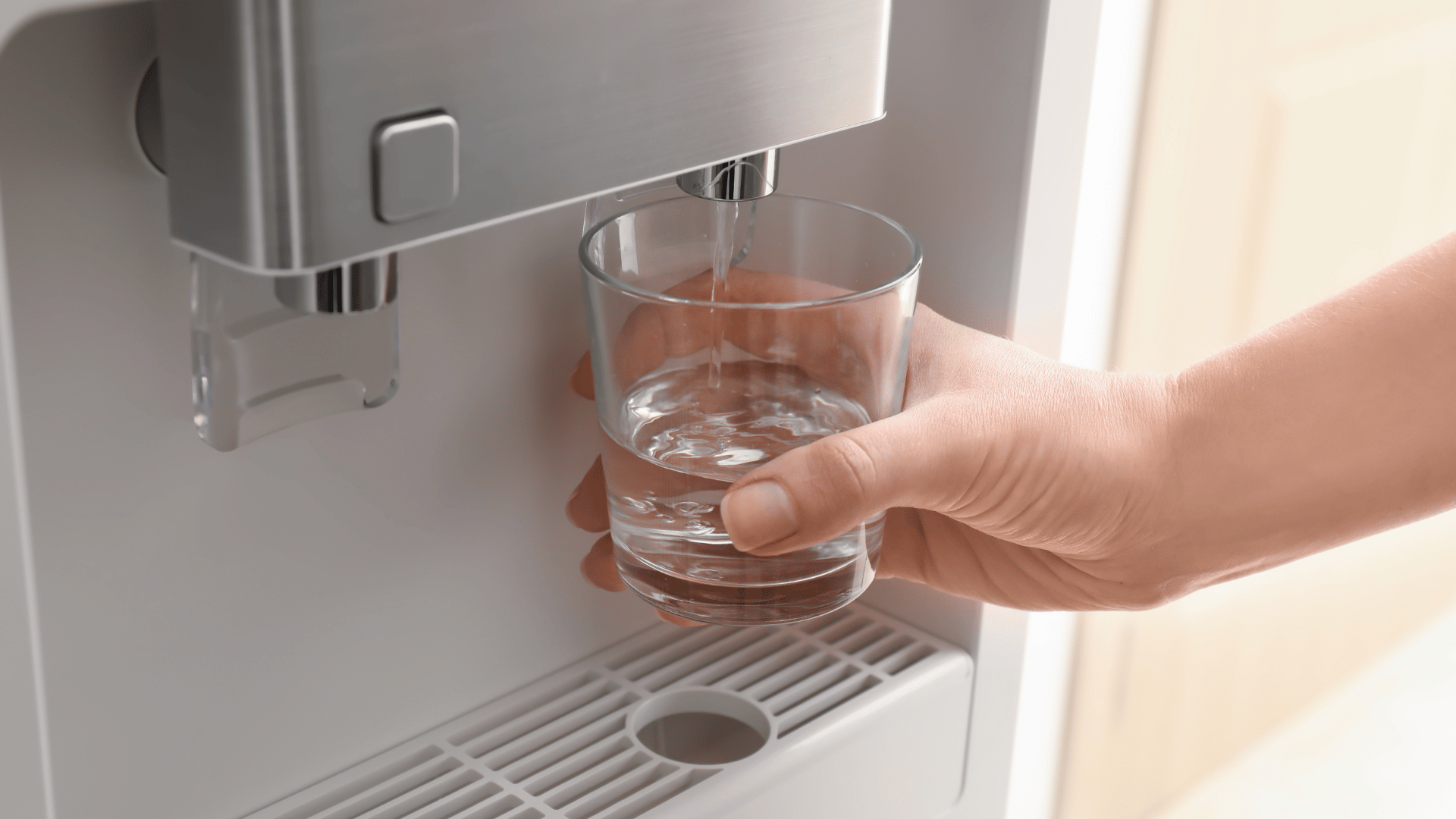
You can be smart about getting a wall-mounted purifier installed. For example, our carpenter suggested that we get an empty cabinet above our sink, which is hollow from the bottom. We can open it and fill our bottles, and our water purifier is also concealed.
Consider the Pros & Cons, Then Decide
The gap between expectation and reality with under-sink purifiers usually comes down to planning.
You need space inside the cabinet, and not just for the RO unit, but also for plumbing, wiring, and sometimes a pressure pump. You also need a power outlet inside, and then you need to install a separate tap on the counter. And when it’s time for servicing, you also need someone more experienced because everything is in a confined space that’s harder to access.
If you’re building a new kitchen and have accounted for all of these things in advance, then getting an under-sink system is a wise option. But if you’re trying to get an under-sink system installed in an already existing kitchen, then you will have to put in more effort than you expected- just a reality check.
So, What Should You Actually Choose?
In terms of purification, both systems are doing the same job. Modern purifiers, whether wall-mounted or under-sink, use multi-stage filtration to remove impurities and make water safe for consumption.
The main difference is not in how they purify but in how they fit into your kitchen and water supply conditions. If your priority is a clean, minimal look and you’re setting up your kitchen from scratch with proper planning, an under-sink purifier can work really well. Also, if you don’t mind spending extra on maintenance.
But if you want something that is easier to maintain and works reliably in any condition, then a wall-mounted unit still makes more sense