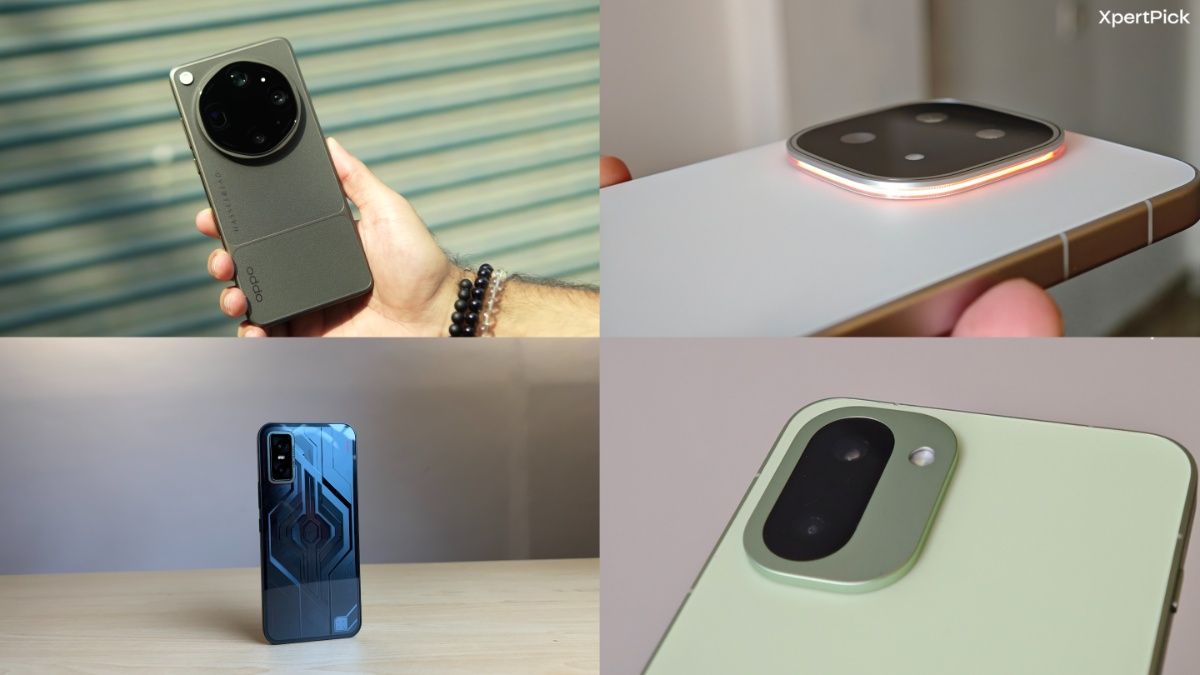
A flagship chipset no longer guarantees flagship gaming performance. In my testing, two phones using the same Snapdragon processor produced very different sustained results, while several cheaper models impressed with better thermal control than premium alternatives. To compare them fairly, I put nine smartphones priced between ₹20,000 and ₹1,70,000 through identical benchmark, gaming, stress, thermal, and battery tests.
Phones Considered
I tested nine phones that are likely to be on a buyer’s shortlist for gaming and performance: the iQOO 15, Oppo Find X9 Ultra, POCO X8 Pro Max, POCO X8 Pro, Infinix GT 30, OnePlus 15, Vivo X300 Ultra, OnePlus 15R, and Motorola Signature.
Top Picks at a Glance
The following recommendations are based on lab testing. Refer to the comparative results table for a side-by-side view of the six recommended models.
| Category | My Pick | Price | Why We Picked It |
| Best Overall Gaming Phone | iQOO 15 | ₹76,999 | Pushed past the 60 FPS cap to hit an uncapped 107.9 FPS in Genshin Impact, scoring 3.89M on AnTuTu with a 7,000 mAh battery. |
| Best Premium / Flagship Gaming Phone | Oppo Find X9 Ultra | ₹1,69,999 | Broke the 4-million AnTuTu barrier with a flawless 119.7 FPS in BGMI, peaking at just 39.0°C under heavy synthetic stress. |
| Best Mid-Range Gaming Phone | POCO X8 Pro Max | ₹46,999 | An exceptional balance of 118.6 FPS in BGMI and 37.8°C thermal control, backed by an 8,500 mAh battery. |
| Best Budget Gaming Phone | POCO X8 Pro | ₹38,990 | Dominated mid-range stability, holding 59.7 FPS in Genshin Impact with highly stable 54.0 FPS 5% lows. |
| Best Dedicated Gaming Phone | Infinix GT 30 | ₹21,999 | Built-in physical GT shoulder triggers and a cyber mecha design, delivering 82.4 FPS in BGMI for under ₹22,000. |
| Best for BGMI / COD Competitive | iQOO 15 | ₹83,999 | A rock-solid native 120 FPS lock (119.6 FPS avg / 115.9 FPS 5% lows); offers 99% of the Find X9 Ultra’s stability for half the price. |
| Best Battery + Cooling for Gaming | OnePlus 15 | ₹85,999 | A ridiculous 27 hours 13 minutes on PCMark paired with 119.4 FPS BGMI frame rates and a 7,300 mAh battery. |
Performance Test Comparison: Benchmarks and Test Results
The table below compares the six recommended phones side by side. A 🏆 marks the category leader.
| Test / Metric | iQOO 15 | Oppo Find X9 Ultra | POCO X8 Pro Max | POCO X8 Pro | Infinix GT 30 | OnePlus 15 |
| Recommendation | Best overall gaming / Best competitive | Best premium / flagship | Best mid-range gaming | Best budget gaming | Best dedicated gaming | Best battery + cooling |
| Price | ₹76,999 / ₹83,999 | ₹1,69,999 | ₹46,999 | ₹38,990 | ₹21,999 | ₹85,999 |
| AnTuTu Overall | 3,891,344 | 4,026,656 🏆 | 2,801,896 | 2,083,072 | 975,961 | 3,932,097 |
| Geekbench (Single / Multi) | 3,529 / 10,223 | 3,587 / 10,581 🏆* | 2,650 / 8,458 | 1,740 / 6,705 | 1,069 / 3,159 | 3,662 🏆* / 10,450 |
| Geekbench GPU Score | 23,573 | 23,890 | 19,544 | 14,055 | 3,043 | 23,923 🏆 |
| 3DMark Wild Life Extreme | 7,127 🏆 | 7,070 | 6,168 | 4,232 | 1,056 | 6,858 |
| 3DMark Stress Stability | 58.3% | 39.1% | 60.0% | 69.3% | 99.6% 🏆 | 65.6% |
| CPU Throttling Stability | 58% | 59% | 77% | 83% | 88% 🏆 | 61% |
| Temp After Stress Test | 44.2°C | 39.0°C | 37.8°C | 42.1°C | 34.0°C 🏆 | 43.8°C |
| Battery Life (PCMark) | 23h 45min | 22h 15min | 22h 40min | 16h 46min | 12h 23min | 27h 13min 🏆 |
| BGMI (Avg / 5% Low FPS) | 119.6 / 115.9 | 119.7 🏆 / 116.5 🏆 | 118.6 / 112.9 | 96.6 / 58.5 | 82.4 / 57.5 | 119.4 / 110.5 |
| Genshin (Avg / 5% Low FPS) | 107.9 🏆 / 82.1 🏆 | 59.3 / 43.4 | 60.1 / 58.7 | 59.7 / 54.0 | 37.6 / 21.9 | 77.5 / 34.3 |
*The single-core trophy sits with the OnePlus 15 (3,662) and the multi-core trophy with the Oppo Find X9 Ultra (10,581).
This table compares only the six recommended phones. I tested nine in total, but kept the table to the picks for easier reading. Full benchmark data for the Vivo X300 Ultra, OnePlus 15R, and Moto Signature can be found in their individual sections further below.
How I Tested These Gaming and Performance Smartphones
A chipset only tells me what hardware a phone uses. Testing shows how well that hardware has been implemented. In this comparison, I found flagship phones with the same processor delivering noticeably different 5% Low frame rates in BGMI, while another phone paired the lowest benchmark score with the highest stress-test stability. Those are differences no specification sheet can explain. Software tuning, cooling, and performance profiles ultimately determine how a phone behaves under load, which is why I test every device using the same methodology.
I begin with synthetic benchmarks to measure peak performance, then move on to sustained-load tests to see how well that performance holds up over time. From there, I log gaming sessions to record real-world frame rates, frame pacing, and thermals before finishing with a battery rundown. Taken together, these tests provide a much clearer picture of gaming performance than benchmark scores alone.
-
Test Conditions: All devices are retail units running publicly available software, tested at a controlled 28°C ambient temperature. The highest-specification variant is used where one exists. No manufacturer-supplied performance figures are used in the analysis.
-
Performance Benchmarks: AnTuTu v10 for overall system output, Geekbench 6 for CPU single-core and multi-core scores, and Geekbench’s GPU test alongside 3DMark Wild Life Extreme for graphics. Together these establish each phone’s peak processing ceiling.
-
Sustained Performance Testing: The 3DMark Wild Life Extreme Stress Test runs for 20 consecutive loops, followed by a 15-minute CPU throttling test, with chassis temperature recorded after the stress run. These results show how much performance each phone retains as heat builds.
-
Gaming Tests: BGMI at the lowest graphics preset and Genshin Impact at the High + 60FPS preset, each run in extended sessions with frame-time logging. Average FPS is reported alongside 5% Low FPS — the average describes the session; the 5% Low describes its most demanding moments.
-
Battery Testing: PCMark Work 3.0 runs at a fixed 50% brightness until shutdown, simulating a mixed workload of browsing, editing, and media playback rather than a video loop.
Updated for July 2026 with the latest launches, testing data, and price changes. Prices reflect Indian market rates at the time of publication and are subject to change.
The Phones in Detail
iQOO 15 – Best Overall Gaming Phone & Best for BGMI / COD Competitive
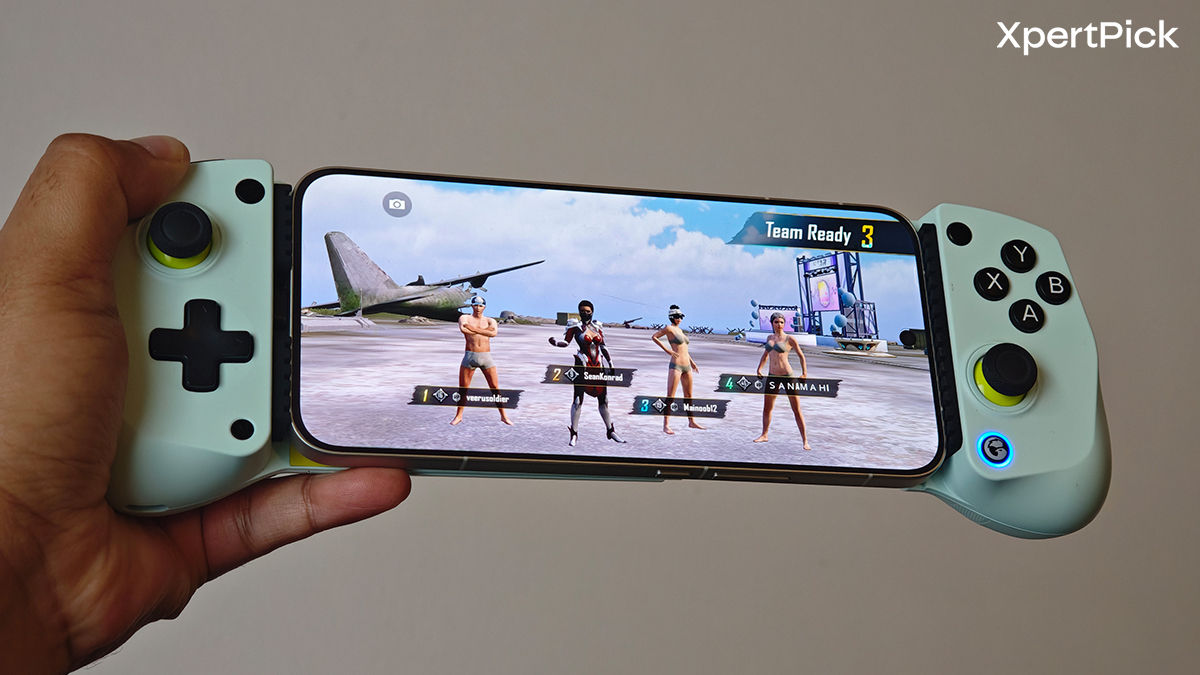
The iQOO 15 takes the crown for both overall gaming and competitive esports. It is the only device here to shatter the standard frame rate limits, achieving an astonishing 107.9 FPS in Genshin Impact, powered by a Snapdragon 8 Elite Gen 5 and a 7,000 mAh battery.
Why We Picked It
If competitive shooters are your priority, the iQOO 15 is the phone I would choose. In my BGMI testing, it averaged 119.6 FPS with a 115.9 FPS 5% Low, making it one of the most consistent performers in this comparison. While the Oppo Find X9 Ultra recorded a marginally higher 116.5 FPS 5% Low, the difference is negligible in practice, especially considering the Oppo costs more than twice as much. At ₹83,999, or ₹76,999 for the base variant, the iQOO 15 delivers flagship gaming performance without the flagship price.
The iQOO 15 also stood out in GPU-intensive games. Its dedicated Q3 supercomputing chip helped it average 107.9 FPS in Genshin Impact, comfortably ahead of every other phone I tested, most of which remained in the 60 to 77 FPS range. For demanding mobile games, it consistently produced the strongest real-world results in this comparison.
iQOO 15 Key Specifications
-
Price: ₹76,999
-
Processor: Snapdragon 8 Elite Gen 5
-
Display: 6.85-inch AMOLED (3168 x 1440 resolution), 144Hz refresh rate, 6000 nits peak brightness
-
RAM: 12GB / 16GB LPDDR5X
-
Storage: 256GB / 512GB / 1TB UFS 4.1
-
Battery: 7000 mAh
-
Charging: 100W Wired FlashCharge + 40W Wireless
-
Rear Camera: 50MP Sony VCS True Color (Main) + 50MP Sony 3X Periscope Telephoto + 50MP Ultra-Wide
-
Front Camera: 32MP Selfie
iQOO 15 XP Lab Test Data
-
AnTuTu Overall Score: 3,891,344
-
Geekbench 6: 3,529 (Single-Core) | 10,223 (Multi-Core)
-
Geekbench GPU Score: 23,573
-
3DMark Wild Life Extreme: 7,127
-
3DMark Stress Test Stability: 58.3%
-
CPU Throttling Test Stability: 58% (Recorded as 0.58)
-
Temperature After Stress Test: 44.2°C
-
Battery Life (PCMark): 23h 45min
-
BGMI Performance (Lowest Graphics): 119.6 Average FPS | 115.9 5% Low FPS
-
Minecraft Performance (Highest Graphics): 59.2 Average FPS | 51.4 5% Low FPS
Oppo Find X9 Ultra – Best Premium / Flagship Gaming Phone
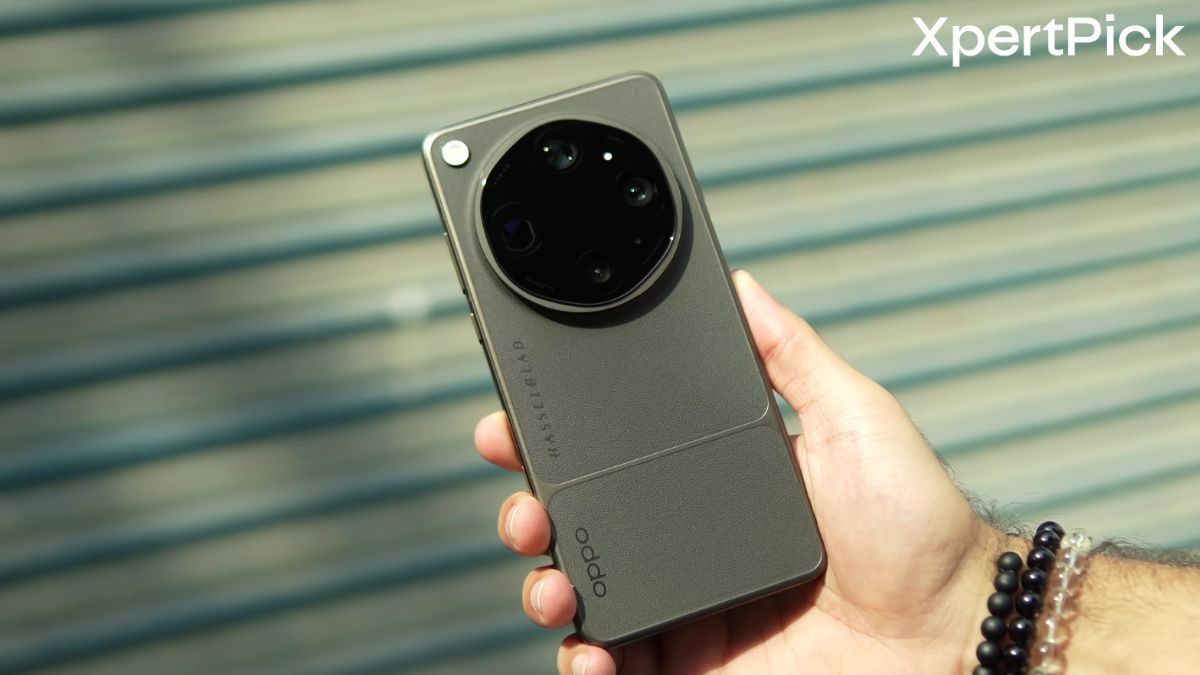
The Oppo Find X9 Ultra is the ultimate luxury gaming device: it broke the 4-million mark on AnTuTu and delivered a flawless 119.7 FPS in BGMI, all while maintaining a remarkably cool 39.0°C under heavy stress.
Why We Picked It
If budget isn’t a concern, the Oppo Find X9 Ultra delivered the strongest overall flagship performance in my testing. It recorded the highest AnTuTu score in this comparison at 4,026,656, alongside the best Geekbench 6 multi-core result of 10,581. Gaming performance was equally impressive, with BGMI averaging 119.7 FPS and a 116.5 FPS 5% Low, making it one of the most consistent phones I tested.
What impressed me most, however, was its thermal performance. Despite producing some of the highest benchmark and gaming results in this comparison, the Find X9 Ultra reached just 39.0°C after my stress testing, making it the coolest-running premium flagship in the lineup. It is one of the few phones here that combines top-tier performance with equally strong thermal control.
Oppo Find X9 Ultra Key Specifications
-
Price: ₹1,69,999
-
Processor: Snapdragon 8 Elite Gen 5
-
Display: 6.82-inch LTPO AMOLED (1440 x 3168 resolution), 144Hz adaptive refresh rate, 3600 nits peak brightness
-
RAM: 12GB LPDDR5X
-
Storage: 512GB UFS 4.1
-
Battery: 7050 mAh
-
Charging: 100W SUPERVOOC Wired + 50W AIRVOOC Wireless
-
Rear Camera: 200MP (Main) + 200MP (3x Telephoto) + 50MP (10x Telephoto) + 50MP (Ultra-Wide) + 3.2MP (Monochrome)
-
Front Camera: 50MP
Oppo Find X9 Ultra XP Lab Test Data
-
AnTuTu Overall Score: 4,026,656
-
Geekbench 6: 3,587 (Single-Core) | 10,581 (Multi-Core)
-
Geekbench GPU Score: 23,890
-
3DMark Wild Life Extreme: 7,070
-
3DMark Stress Test Stability: 39.1%
-
CPU Throttling Test Stability: 59%
-
Temperature After Stress Test: 39.0°C
-
Battery Life (PCMark): 22h 15min
-
BGMI Performance (Lowest Graphics): 119.7 Average FPS | 116.5 5% Low FPS
-
Minecraft Performance (Highest Graphics): 60 Average FPS (Logged as “60 Too hot”) | 56.9 5% Low FPS
POCO X8 Pro Max – Best Mid-Range Gaming Phone
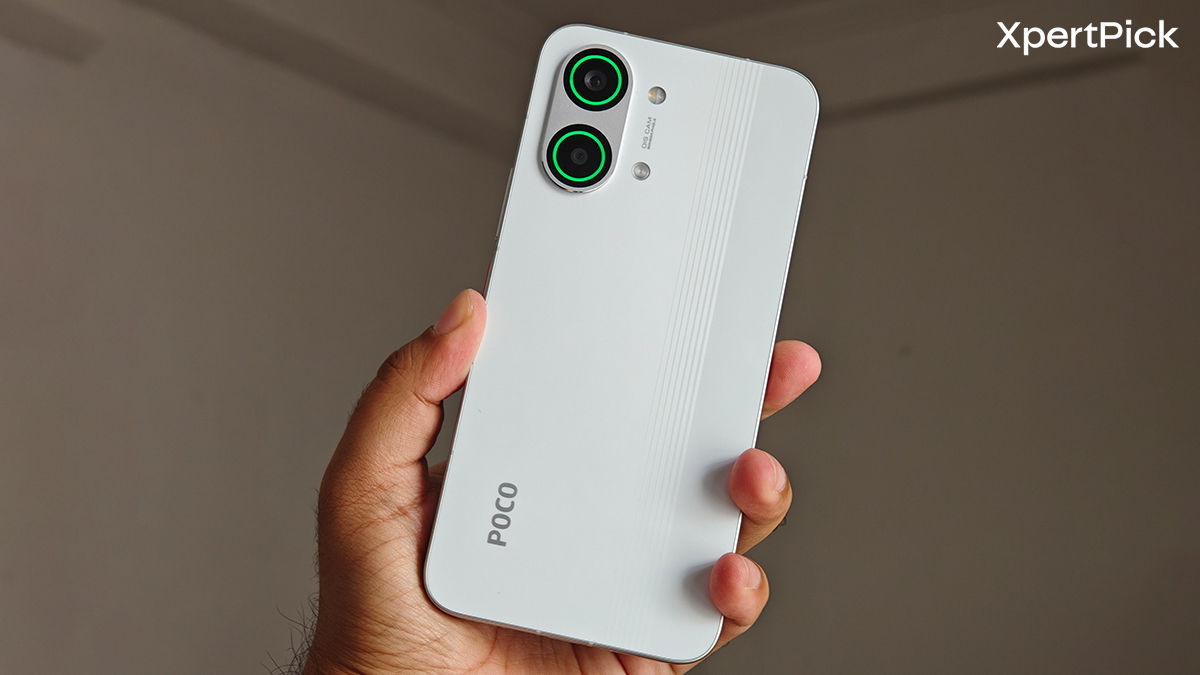
The POCO X8 Pro Max dominates the sub-₹50K bracket, balancing 118.6 FPS in BGMI with a cool 37.8°C thermal ceiling and a massive 8,500 mAh battery.
Why We Picked It
If you’re shopping in the mid-range segment, the X8 Pro Max is one of the easiest phones for me to recommend. It recorded an AnTuTu score of 2,801,896 and averaged 118.6 FPS in BGMI, putting it close to far more expensive flagship devices. What stood out most in my testing, however, was its thermal performance.
Even under sustained synthetic load, the X8 Pro Max peaked at just 37.8°C, the second-lowest temperature I recorded in this comparison. Combined with its 8,500 mAh battery, which lasted 22 hours and 40 minutes in the PCMark Work 3.0 test, it is well suited to long gaming sessions without frequent charging or excessive heat.
POCO X8 Pro Max Key Specifications
-
Price: ₹46,999
-
Processor: MediaTek Dimensity 9500s (3nm)
-
Display: 6.83-inch 1.5K AMOLED (2772 x 1280 resolution), 120Hz refresh rate, 3,500 nits peak brightness
-
RAM: 12GB LPDDR5X
-
Storage: 256GB / 512GB UFS 4.1
-
Battery: 8500 mAh
-
Charging: 100W HyperCharge Wired + 27W Reverse Wired Charging
-
Rear Camera: 50MP Main + 8MP Ultra-Wide
-
Front Camera: 20MP Selfie
POCO X8 Pro Max XP Lab Test Data
-
AnTuTu Overall Score: 2,801,896
-
Geekbench 6: 2,650 (Single-Core) | 8,458 (Multi-Core)
-
Geekbench GPU Score: 19,544
-
3DMark Wild Life Extreme: 6,168
-
3DMark Stress Test Stability: 60%
-
CPU Throttling Test Stability: 77%
-
Temperature After Stress Test: 37.8°C
-
Battery Life (PCMark): 22h 40min
-
BGMI Performance (Lowest Graphics): 118.6 Average FPS | 112.9 5% Low FPS
-
Minecraft Performance (Highest Graphics): 59.8 Average FPS | 52.5 5% Low FPS
4. POCO X8 Pro – Best Budget Gaming Phone
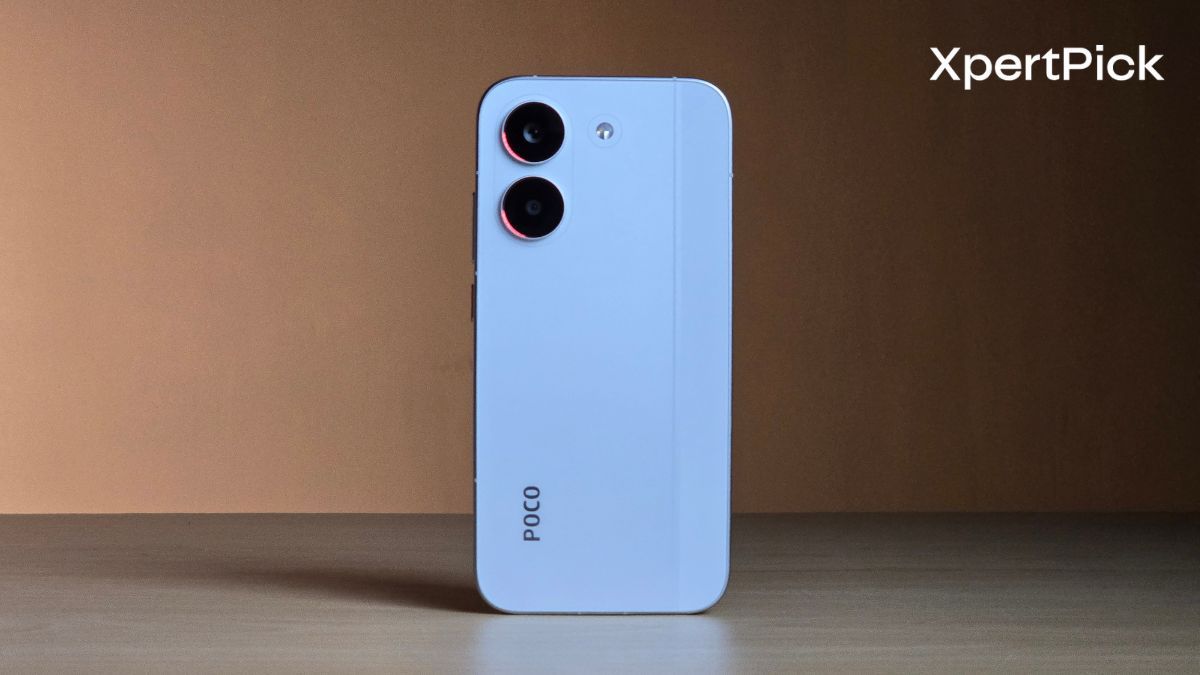
The POCO X8 Pro redefines budget stability, holding a rock-solid 59.7 FPS in Genshin Impact with 54.0 FPS 5% lows, outperforming phones twice its price in sustained open-world gaming.
Why We Picked It
The POCO X8 Pro stands out for how well it sustains performance at its price. In my BGMI testing, it averaged 96.6 FPS, trailing the flagship phones, but its results in Genshin Impact were far more impressive. I recorded an average of 59.7 FPS with a 54.0 FPS 5% Low, one of the strongest sustained results in this comparison.
Those numbers point to effective software tuning rather than raw hardware alone. Even in one of the most demanding Android games available, the POCO X8 Pro maintained stable frame times with very little stutter. If you play GPU-intensive titles more often than competitive shooters, it offers some of the best gaming performance I tested in this price segment.
POCO X8 Pro Key Specifications
-
Price: Starts at ₹36,999 (for the 8GB/256GB variant).
-
Processor: MediaTek Dimensity 8500-Ultra (4nm).
-
Display: 6.59-inch 1.5K AMOLED with a 120Hz refresh rate and up to 3,500 nits peak brightness.
-
RAM: 8GB or 12GB LPDDR5X.
-
Storage: 256GB UFS 4.1.
-
Battery: 6,500 mAh.
-
Charging: 100W Fast Charging (Wired).
-
Rear Camera: 50MP Primary (with OIS) + 8MP Ultra-wide.
-
Front Camera: 20MP.
POCO X8 Pro XP Lab Test Data
-
AnTuTu Overall Score: 2,083,072
-
Geekbench 6: 1,740 (Single-Core) | 6,705 (Multi-Core)
-
Geekbench GPU Score: 14,055
-
3DMark Wild Life Extreme: 4,232
-
3DMark Stress Test Stability: 69.3%
-
CPU Throttling Test Stability: 83%
-
Temperature After Stress Test: 42.1°C
-
Battery Life (PCMark): 16h 46min
-
BGMI Performance (Lowest Graphics): 96.6 Average FPS | 58.5 5% Low FPS
-
Minecraft Performance (Highest Graphics): 58.7 Average FPS | 42.7 5% Low FPS
Pros
Excellent sustained GPU performance, strong Genshin Impact frame-time consistency, and impressive overall performance for its price.
Cons
Its BGMI 5% Low of 58.5 FPS shows more noticeable frame drops than the strongest phones for competitive gaming.
Who Should Buy It
Gamers who spend more time in demanding open-world titles than competitive shooters and want flagship-like GPU performance on a mid-range budget.
Who Shouldn’t Buy It
Competitive BGMI players looking for the most stable high-refresh experience. Other phones in this comparison deliver more consistent frame pacing.
Expert Verdict
The POCO X8 Pro offers some of the best GPU performance I tested in its price segment. If your gaming library revolves around demanding open-world titles, it delivers exceptional value despite trailing the top performers in competitive shooters.
5. Infinix GT 30 – Best Dedicated Gaming Phone
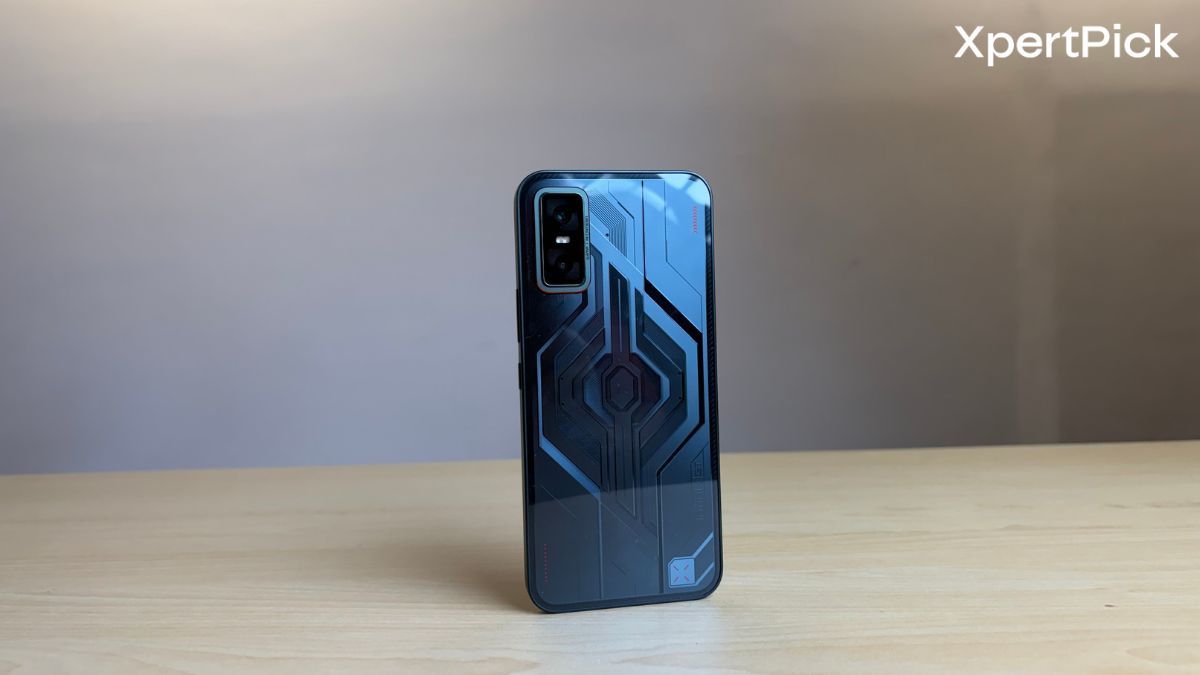
The Infinix GT 30 brings dedicated hardware features to the masses: built-in physical GT shoulder triggers, a cyber mecha design, and 82.4 FPS in BGMI, all for just ₹21,999.
Why We Picked It
Very few budget phones are built with gamers as the primary audience. The Infinix GT 30 is one of them. In my testing, its Dimensity 7400 produced an AnTuTu score of 975,961, while dedicated shoulder triggers added a feature normally reserved for far more expensive gaming phones.
The standout result, however, was sustained performance. The GT 30 recorded 99.6% in the 3DMark Stress Test, the highest stability I measured in this comparison, and peaked at just 34.0°C, making it the coolest-running phone in the lineup. Those results make it an easy recommendation for buyers who want gaming-focused hardware without paying flagship prices.
Infinix GT 30 Key Specifications
-
Price: ₹21,999
-
Processor: MediaTek Dimensity 7400
-
Display: 6.78-inch LTPS AMOLED (1224 x 2720 resolution), 144Hz refresh rate, 4,500 nits peak brightness
-
RAM: 8GB LPDDR5X
-
Storage: 128GB / 256GB UFS 2.2
-
Battery: 5500 mAh
-
Charging: 45W Wired Fast Charging + 10W Wireless Charging
-
Rear Camera: 64MP Main
-
Front Camera: 8MP Selfie
Infinix GT 30 XP Lab Test Data
-
AnTuTu Overall Score: 975,961
-
Geekbench 6: 1,069 (Single-Core) | 3,159 (Multi-Core)
-
Geekbench GPU Score: 3,043
-
3DMark Wild Life Extreme: 1,056
-
3DMark Stress Test Stability: 99.6%
-
CPU Throttling Test Stability: 88%
-
Temperature After Stress Test: 34.0°C
-
Battery Life (PCMark): 12h 23min
-
BGMI Performance (Lowest Graphics): 82.4 Average FPS | 57.5 5% Low FPS
-
Minecraft Performance (Highest Graphics): 27.5 Average FPS | 19.3 5% Low FPS
Pros
Dedicated shoulder triggers, excellent thermal performance, bypass charging, and outstanding value make it one of the most gaming-focused phones in its price segment.
Cons
Its processing power trails the higher-end phones in this comparison, and demanding games such as Genshin Impact expose those limitations.
Who Should Buy It
Budget-conscious gamers who primarily play competitive shooters and want dedicated gaming hardware without spending flagship money.
Who Shouldn’t Buy It
Players who spend most of their time in GPU-intensive titles at the highest graphics settings. More powerful alternatives deliver a noticeably smoother experience.
Expert Verdict
The Infinix GT 30 is one of the most purpose-built gaming phones I tested. It sacrifices peak performance, but its physical gaming features, exceptional thermals, and aggressive pricing make it an easy recommendation for budget gamers.
6. OnePlus 15 – Best Battery + Cooling for Gaming
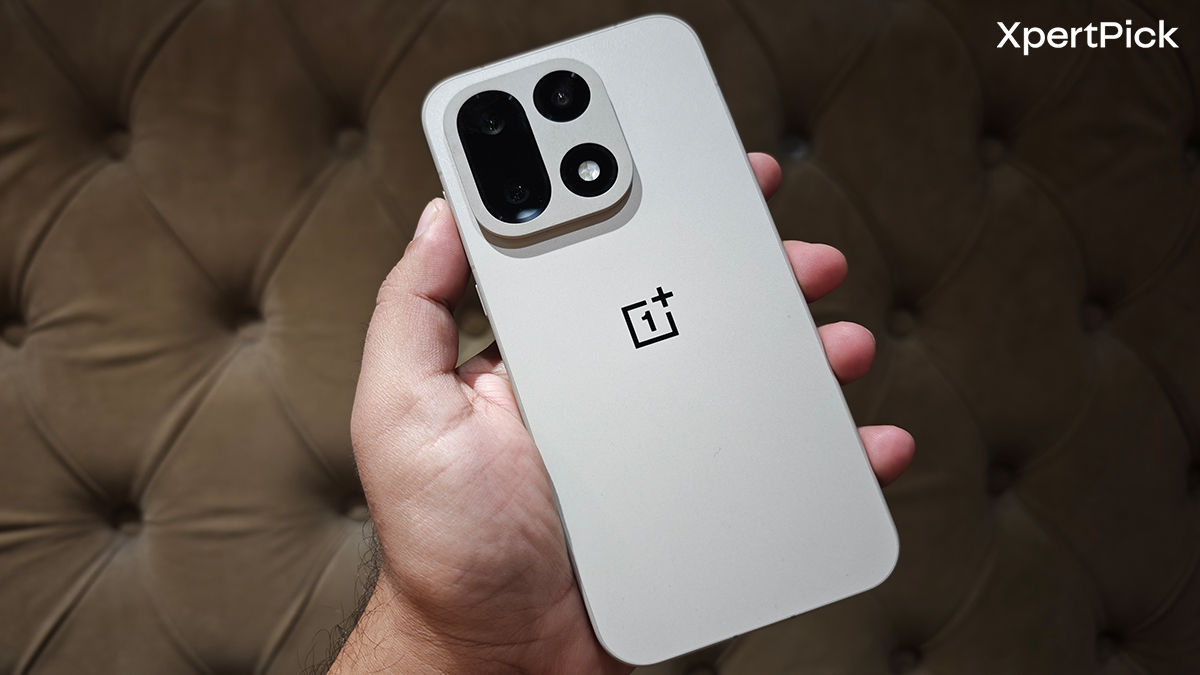
The OnePlus 15 is a marathon powerhouse, delivering a ridiculous 27 hours and 13 minutes on PCMark alongside 119.4 FPS BGMI frame rates and a 7,300 mAh battery.
Why We Picked It
The OnePlus 15 is the easiest flagship for me to recommend if you spend long hours gaming. It recorded an AnTuTu score of 3,932,097 and the highest Geekbench GPU score in this comparison at 23,923, translating into 119.4 FPS in BGMI and 77.5 FPS in Genshin Impact. Its biggest advantage, however, is endurance. The 7,300 mAh battery lasted more than 27 hours in my PCMark Work 3.0 test, the longest result of any phone I tested.
OnePlus 15 Key Specifications
-
Price: ₹85,999
-
Processor: Snapdragon 8 Elite Gen 5
-
Display: 6.78-inch LTPO AMOLED (2772 x 1272 resolution), 120Hz refresh rate, 3600 nits peak brightness
-
RAM: 12GB / 16GB LPDDR5X
-
Storage: 256GB / 512GB UFS 4.1
-
Battery: 7300 mAh
-
Charging: 120W FlashCharge Wired + 50W Wireless
-
Rear Camera: 50MP (Main) + 50MP (Telephoto) + 50MP (Ultra-Wide)
-
Front Camera: 32MP
OnePlus 15 XP Lab Test Data
-
AnTuTu Overall Score: 3,932,097
-
Geekbench 6: 3,662 (Single-Core) | 10,450 (Multi-Core)
-
Geekbench GPU Score: 23,923
-
3DMark Wild Life Extreme: 6,858
-
3DMark Stress Test Stability: 65.6%
-
CPU Throttling Test Stability: 61%
-
Temperature After Stress Test: 43.8°C
-
Battery Life (PCMark): 27h 13min
-
BGMI Performance (Lowest Graphics): 119.4 Average FPS | 110.5 5% Low FPS
-
Minecraft Performance (Highest Graphics): 67.4 Average FPS | 53.7 5% Low FPS
Pros
Outstanding battery life, flagship GPU performance, and consistently high frame rates across demanding games make it one of the strongest all-round gaming phones I tested.
Cons
Frame-time consistency in Genshin Impact isn’t as strong as the very best performers, with the 5% Low dropping to 34.3 FPS during sustained GPU-heavy workloads.
Who Should Buy It
Power users who want flagship gaming performance without sacrificing battery life. The OnePlus 15 is particularly well suited to long gaming sessions and heavy daily use.
Who Shouldn’t Buy It
Gamers who prioritise perfectly consistent frame times in Genshin Impact. In my testing, the iQOO 15 delivered the smoother experience in that specific title.
Expert Verdict
The OnePlus 15 strikes one of the best balances between performance and endurance that I tested. If I wanted a flagship gaming phone that could comfortably last through extended use without frequent charging, this would be one of my top picks.
Vivo X300 Ultra
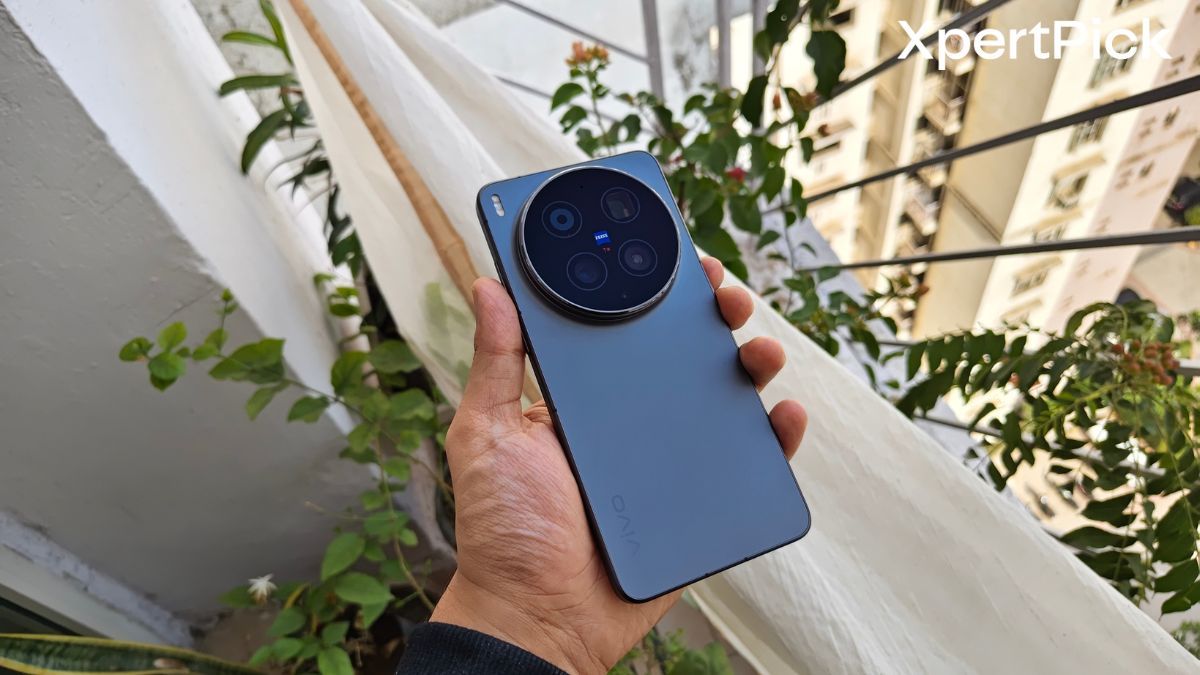
Despite its flagship chipset, I found the Vivo X300 Ultra to be a disappointing gaming phone. Whether I was playing BGMI or Minecraft, its gaming performance simply didn’t justify its price tag of over ₹1 lakh.
Why We Picked It
The Vivo X300 Ultra did not make my recommendation list. While it impressed in synthetic benchmarks with an AnTuTu score of 3,850,404 and remained relatively cool at 39.5°C during stress testing, those numbers did not translate into consistent gaming performance.
In my BGMI testing, the phone averaged 107.6 FPS, but its 21.7 FPS 5% Low was one of the weakest results in this comparison. That large gap points to severe frame-time inconsistency and noticeable stuttering during gameplay. For a phone in this price segment, I expect far more consistent performance, which is why I cannot recommend it over the alternatives.
Vivo X300 Ultra Key Specifications
-
Price: ₹159,999
-
Processor: Snapdragon 8 Elite Gen 5
-
Display: 6.82-inch 2K LTPO AMOLED (1440 x 3168 resolution), 144Hz adaptive refresh rate, 4500 nits peak brightness
-
RAM: 12GB / 16GB
-
Storage: 256GB / 512GB
-
Battery: 6600 mAh
-
Charging: 100W FlashCharge Wired + 40W Wireless
-
Rear Camera: 200MP ZEISS Main + 200MP ZEISS APO Telephoto + 50MP ZEISS Ultra-Wide
-
Front Camera: 50MP
Vivo X300 Ultra XP Lab Data
-
AnTuTu Overall Score: 3,850,404
-
Geekbench 6: 3,634 (Single-Core) | 10,510 (Multi-Core)
-
Geekbench GPU Score: 23,270
-
3DMark Wild Life Extreme: 6,824
-
3DMark Stress Test Stability: 60.9%
-
CPU Throttling Test Stability: 59%
-
Temperature After Stress Test: 39.5°C
-
Battery Life (PCMark): 23h 2min
-
BGMI Performance (Lowest Graphics): 107.6 Average FPS | 21.7 5% Low FPS
-
Minecraft Performance (Highest Graphics): 59.8 Average FPS | 54.1 5% Low FPS
OnePlus 15R
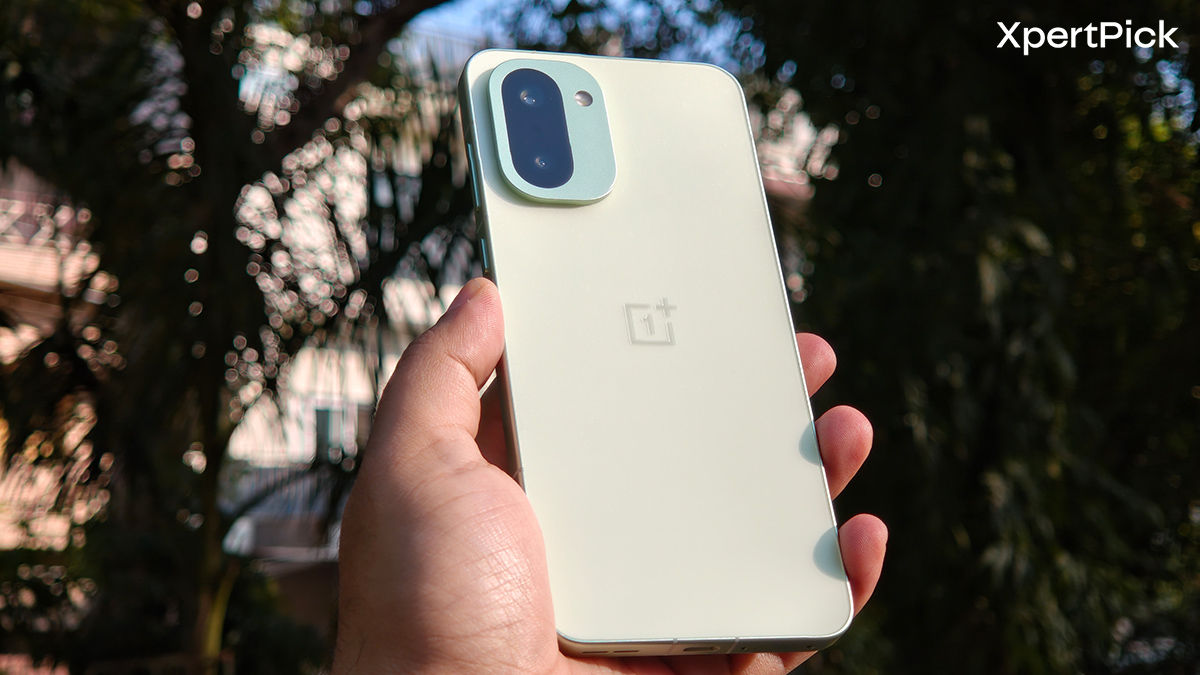
The OnePlus 15R is a highly capable device, scoring 2,682,109 on AnTuTu and pushing 113.9 FPS in BGMI. However, it sits in a highly competitive price bracket. It was ultimately overshadowed by the POCO X8 Pro Max, which offers a larger battery, cooler thermals (37.8°C vs 40.7°C), and slightly better BGMI frame rates for a similar mid-range investment.
Why It Missed the Cut
The OnePlus 15R narrowly missed my recommendation list. Its 113.9 FPS average in BGMI is still an excellent result, but the POCO X8 Pro Max delivers similar gaming performance while running cooler in my testing (37.8°C versus 40.7°C) and pairing that with a substantially larger 8,500 mAh battery. For buyers focused on gaming, the POCO offers the stronger overall package.
OnePlus 15R Key Specifications
-
Price: ₹59,999
-
Processor: Snapdragon 8 Gen 5
-
Display: 6.83-inch 1.5K AMOLED (1272 x 2800 resolution), 165Hz refresh rate
-
RAM: 12GB / 16GB LPDDR5X Ultra
-
Storage: 256GB / 512GB UFS 4.1
-
Battery: 7400 mAh
-
Charging: 80W SUPERVOOC Wired
-
Rear Camera: 50MP Sony IMX906 (Main) + 8MP (Ultra-Wide)
-
Front Camera: 32MP
OnePlus 15R XP Lab Data
-
AnTuTu Overall Score: 3,932,097
-
Geekbench 6: 3,662 (Single-Core) | 10,450 (Multi-Core)
-
Geekbench GPU Score: 23,923
-
3DMark Wild Life Extreme: 6,858
-
3DMark Stress Test Stability: 65.6%
-
CPU Throttling Test Stability: 61%
-
Temperature After Stress Test: 43.8°C
-
Battery Life (PCMark): 27h 13min
-
BGMI Performance (Lowest Graphics): 119.4 Average FPS | 110.5 5% Low FPS
-
Minecraft Performance (Highest Graphics): 67.4 Average FPS | 53.7 5% Low FPS
Motorola Signature
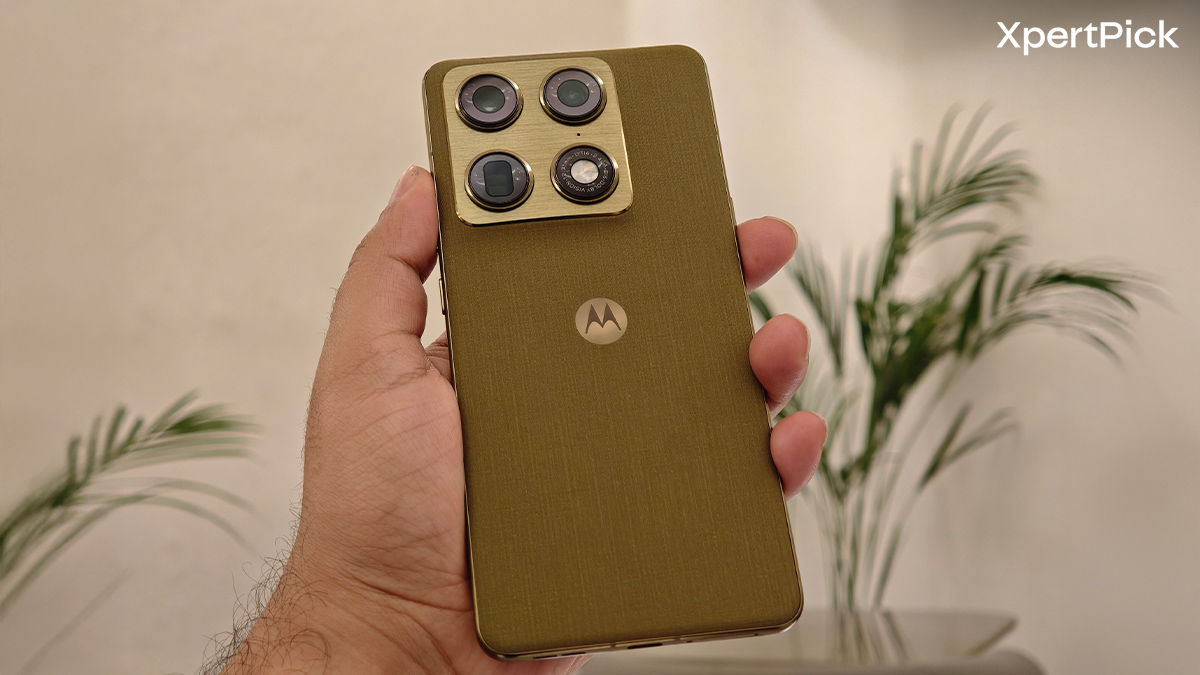
The Motorola Signature is the definition of a raw spec-sheet monster that struggles with sustained reality. It offers blazing-fast peak speeds right out of the box, but its poor thermal management makes it a highly volatile choice for competitive gaming.
Why It Missed the Cut
The Motorola Signature impressed in my peak-performance tests, recording an AnTuTu score of 3,044,435 and averaging 118.3 FPS in BGMI. Those numbers, however, did not hold up under sustained workloads. It recorded the lowest CPU throttling stability in this comparison at 51% and reached 44.7°C during stress testing, indicating that performance drops noticeably as the phone heats up. If you regularly play long gaming sessions, there are more consistent options.
Motorola Signature Key Specifications
-
Price: ₹57,499 (for the 12GB/256GB base variant on Flipkart/Motorola India)
-
Processor: Snapdragon 8 Gen 5
-
Display: 6.8-inch Extreme AMOLED LTPO (1264 x 2780 resolution), 165Hz refresh rate, up to 6,200 nits peak brightness
-
RAM: 12GB / 16GB LPDDR5X
-
Storage: 256GB / 512GB / 1TB UFS 4.1
-
Battery: 5,200 mAh Silicon-Carbon battery
-
Charging: 90W TurboPower Wired + 50W TurboPower Wireless
-
Rear Camera: 50MP Sony LYTIA 828 (Main) + 50MP (Ultra-Wide) + 50MP (3x Periscope Telephoto)
-
Front Camera: 50MP Sony LYTIA 500
Motorola Signature XP Lab Data
-
Price: ₹57,499 (for the 12GB/256GB base variant on Flipkart/Motorola India)
-
Processor: Snapdragon 8 Gen 5
-
Display: 6.8-inch Extreme AMOLED LTPO (1264 x 2780 resolution), 165Hz refresh rate, up to 6,200 nits peak brightness
-
RAM: 12GB / 16GB LPDDR5X
-
Storage: 256GB / 512GB / 1TB UFS 4.1
-
Battery: 5,200 mAh Silicon-Carbon battery
-
Charging: 90W TurboPower Wired + 50W TurboPower Wireless
-
Rear Camera: 50MP Sony LYTIA 828 (Main) + 50MP (Ultra-Wide) + 50MP (3x Periscope Telephoto)
-
Front Camera: 50MP Sony LYTIA 500
Frequently Asked Questions (FAQs)
What Is the Best Gaming Phone Overall?
The iQOO 15 (₹76,999) offers the most uncapped, aggressive gaming performance, pushing Genshin Impact to 107.9 FPS and holding a native 120 FPS lock in BGMI, backed by a 7,000 mAh battery.
Which Phone Has the Highest AnTuTu Score?
The Oppo Find X9 Ultra, at 4,026,656 — the highest score of the nine phones tested, dominating synthetic benchmarks while staying exceptionally cool.
Which Phone Delivers the Best Battery Life for Gaming?
The OnePlus 15, which recorded an incredible 27 hours and 13 minutes in the PCMark test from its 7,300 mAh cell — the longest result of the comparison by a wide margin.
Are Dedicated Gaming Triggers Worth It?
Yes, if you play shooters. The Infinix GT 30 (₹21,999) features physical shoulder triggers that provide a distinct tactical advantage and console-like control without requiring external accessories.
Why Trust Us
Every recommendation on this page comes from hands-on lab testing rather than manufacturer spec sheets or marketing claims. This comparison was built entirely on retail units running shipping software.
-
Independent testing: All nine phones were tested in-house on retail units; no manufacturer-supplied performance data has been used in the analysis.
-
Standardised conditions: Every device was tested at 28°C ambient, on the highest-specification variant available, using the same benchmark, stress, gaming, and battery suites.
-
Layered methodology: Peak output, sustained load, logged real-world gaming, and battery rundowns are measured for every phone, because spec sheets and measured behaviour frequently diverge.
-
Transparent about data: Where results were anomalous in this comparison — such as the Vivo X300 Ultra’s severe frame drops despite high benchmark scores — the data is explicitly flagged to protect buyers.
-
Continuously updated: We keep updating the test process and this article as new devices launch and prices change, so the picks reflect the current market.