Buyers who want a great camera under ₹50,000 have come to the right place. This is the price bracket where optical zoom stops being a rarity and starts being expected, where 4K 60fps becomes standard rather than a headline feature, and where the gap between a good camera phone and a merely adequate one is widest. If you are upgrading and want a tested guide rather than marketing claims, this article cuts through the noise.
We tested every camera phone in this segment in our lab, comparing real-world performance across daylight photos, human portraits, telephoto zoom, front-camera output, video recording and low-light conditions. Four devices came out on top: the Oppo Reno 16C, Motorola Edge 70 Pro+, POCO X8 Pro Max and Nothing Phone (4a) Pro.
Every rating below comes from our own XP Lab camera scoring sheet, where each device is scored out of 10 across daylight, low light, portrait, telephoto, front camera, ultrawide and video. Ratings move in steps of 0.5. Anything from 7 to 8 is good; 8.5 and above is excellent.
The Oppo Reno 16C is our best overall camera phone by a clear margin, posting the highest scores we have recorded in this bracket and taking video outright. The Motorola Edge 70 Pro+ wins low light and portraits with the most complete camera hardware in the guide, three 50MP sensors plus a 50MP selfie camera, all shooting 4K 60fps. The POCO X8 Pro Max takes daylight detail and the value award at ₹42,999. The Nothing Phone (4a) Pro is the cheapest route to a periscope telephoto lens.
How the Phones Ranked
| Category | Winner | Price | Why it wins |
|---|---|---|---|
| Best overall camera | Oppo Reno 16C | ₹46,999 | 8.57 average, the highest scorecard in the segment |
| Best low-light / night | Motorola Edge 70 Pro+ | ₹47,999 | 8.0, joint-highest, with OIS on both main and telephoto |
| Best daylight / detail | POCO X8 Pro Max | ₹42,999 | 8.5 daylight from a stabilised Light Fusion 600 sensor |
| Best portrait & selfie | Motorola Edge 70 Pro+ | ₹47,999 | 8.0 portrait with an 8.0 50MP autofocus front camera |
| Best video / vlogging | Oppo Reno 16C | ₹46,999 | 9.0 video, a full point clear of anything else here |
| Best zoom / telephoto | Nothing Phone (4a) Pro | ₹43,285 | 8.0 from a 50MP periscope lens, at the segment’s lowest price |
| Best value camera pick | POCO X8 Pro Max | ₹42,999 | Cheapest phone here and third-highest average |
Camera Score Comparison
Scores out of 10. A dash means the device does not have that camera. 🏆 marks the category winner.
| Oppo Reno 16C | Motorola Edge 70 Pro+ | POCO X8 Pro Max | Nothing Phone (4a) Pro | |
|---|---|---|---|---|
| Price | ₹46,999 | ₹47,999 | ₹42,999 | ₹43,285 |
| Daylight | 9.0 | 8.5 | 8.5 🏆 | 8.0 |
| Low light | 7.5 | 8.0 🏆 | 7.5 | 7.0 |
| Portrait | 9.0 | 8.0 🏆 | 8.0 | 7.5 |
| Telephoto | 9.0 | 8.5 | – | 8.0 🏆 |
| Front camera | 8.5 | 8.0 | 7.0 | 7.0 |
| Ultrawide | 8.0 | 8.5 | 7.0 | 6.5 |
| Video | 9.0 🏆 | 8.0 | 8.0 | 7.0 |
| Average | 8.57 | 8.21 | 7.67 | 7.29 |
The Reno 16C leads five of the seven columns outright. Where the trophy sits elsewhere, it is because that phone already holds another award, the raw leader is noted in each section below.
Key Specs and Hardware
| Specification | Oppo Reno 16C | Motorola Edge 70 Pro+ | POCO X8 Pro Max | Nothing Phone (4a) Pro |
|---|---|---|---|---|
| Price | ₹46,999 | ₹47,999 | ₹42,999 | ₹43,285 |
| Best For | Best Overall Camera & Video | Best Low Light & Portrait/Selfie | Best Daylight Detail & Value | Best Zoom & Telephoto |
| Display | 6.57″ AMOLED, 120Hz | 6.8″ Extreme AMOLED, 144Hz, 1.5K | 6.83″ AMOLED, 120Hz, 1.5K | 6.83″ AMOLED, 144Hz, 1.5K |
| Measured peak brightness | 1,350 nits | 1,998 nits | 1,480 nits | 1,850 nits |
| Processor | Dimensity 7300 | Dimensity 8500 Extreme | Dimensity 9500s | Snapdragon 7 Gen 4 |
| Main camera | 50MP Sony LYT-600, OIS | 50MP Sony LYTIA-710, f/1.8, OIS | 50MP Light Fusion 600, OIS | 50MP Samsung GN9, f/1.88, OIS |
| Telephoto | 50MP, 3.5x optical | 50MP periscope, 3.5x optical, OIS, 81mm | None | 50MP periscope Samsung JN5, f/2.88, OIS |
| Ultrawide | 8MP | 50MP, 122°, autofocus, macro | 8MP | 8MP Sony IMX355, 120° |
| Front camera | 50MP | 50MP Quad Pixel, autofocus | 20MP | 32MP, f/2.2 |
| Max video | 4K | 4K 60fps on all four cameras | 4K | 4K |
| Battery / Charging | 7,000mAh / 80W | 6,500mAh / 90W + 15W wireless | 9,000mAh / 100W | 5,400mAh / 50W |
| Storage | 128GB or 256GB, microSD | 256GB, UFS 4.1 | 256GB or 512GB, UFS 4.1 | 128GB or 256GB |
| Durability | IP66/68/69/69K | IP68/IP69, MIL-STD-810H | IP66/68/69/69K | IP65 |
How I Tested These Camera Phones
I don’t judge camera phones by megapixel counts or sensor names alone. Four phones in this guide have 50MP main cameras, yet their daylight scores range from 8.0 to 9.0. Sensor size, lens quality and image processing all play a major role. I shot every phone against the same set of scenes, back to back in the same lighting, and compared the results at full size and 100% crop.
Test Conditions: All phones are retail units running consumer-ready software. I used the stock camera app with default settings, including auto HDR and scene detection. No Pro mode, manual exposure or third-party apps were used. Every sample was verified through EXIF data, and marketing samples were excluded.
What I Tested: Daylight tests covered detail, colour accuracy, exposure and highlight control. Portraits assessed skin tones, facial detail, depth separation and edge detection, while selfies were checked for colour and facial detail, with autofocus behaviour noted separately. Low-light tests measured shadow detail, highlight control, noise and sharpening.
For telephoto cameras, I compared native optical zoom with an equivalent crop from the main sensor, while AI zoom was assessed separately. Ultrawide cameras were tested for detail, dynamic range, colour consistency and edge distortion. Video was recorded at each phone’s maximum supported resolution and frame rate, with front and rear cameras tested separately where their capabilities differed.
Scoring: Each phone receives a score out of 10 in 0.5-point steps across daylight, low light, portrait, telephoto, front camera, ultrawide and video. Scores of 1–5 are poor, 5.5–6.5 average, 7–8 good, and 8.5–9.5 excellent. Any score above 8.5 or below 6 requires written justification.
This guide was updated in September 2026 with the latest devices, testing results and pricing available at publication.
Oppo Reno 16C – Best Overall Camera and Best for Video
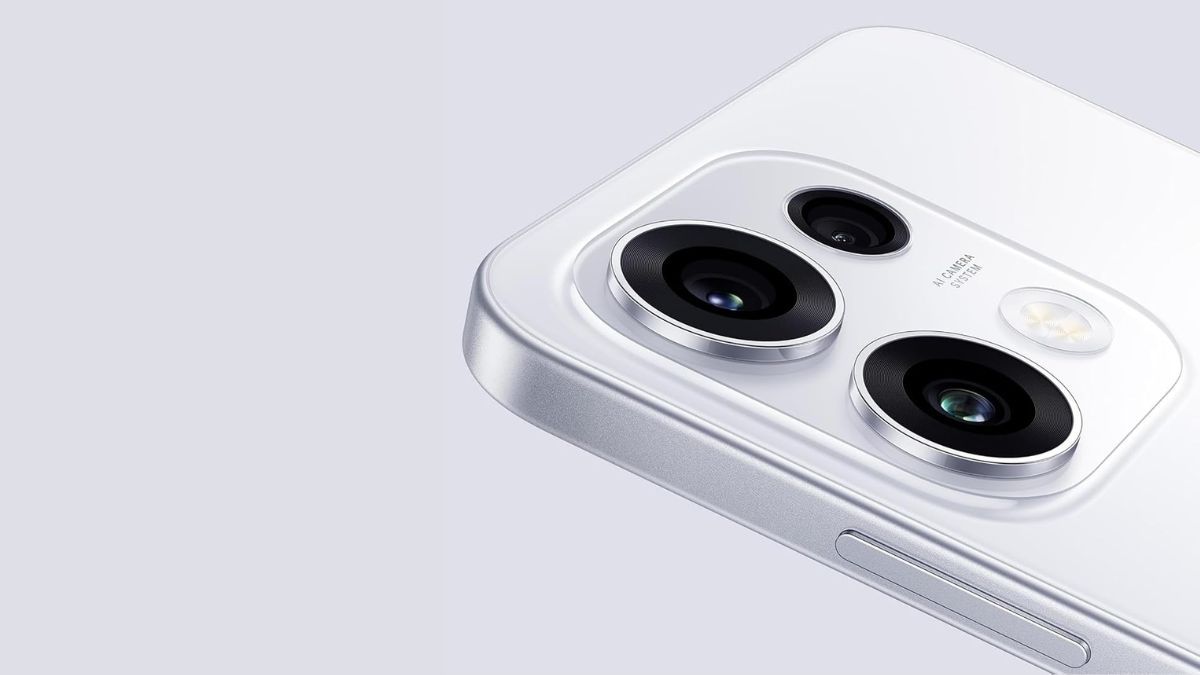
The Oppo Reno 16C is my best overall camera pick under ₹50,000 and by some distance the highest-scoring device we have tested in this bracket, with an 8.57 average built on 9.0 ratings for daylight, portrait, telephoto and video, plus 8.5 for the front camera.






Why We Picked It
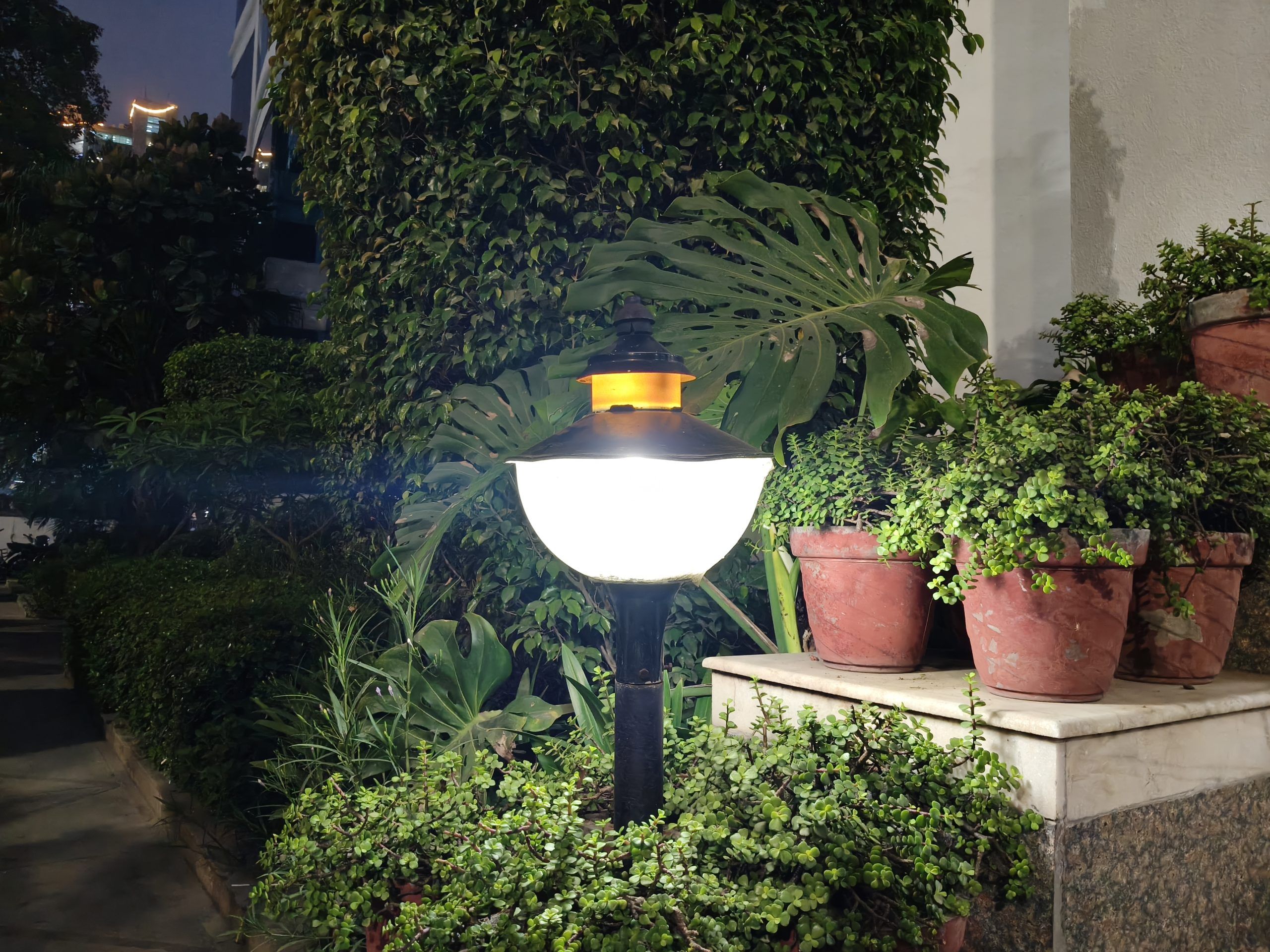
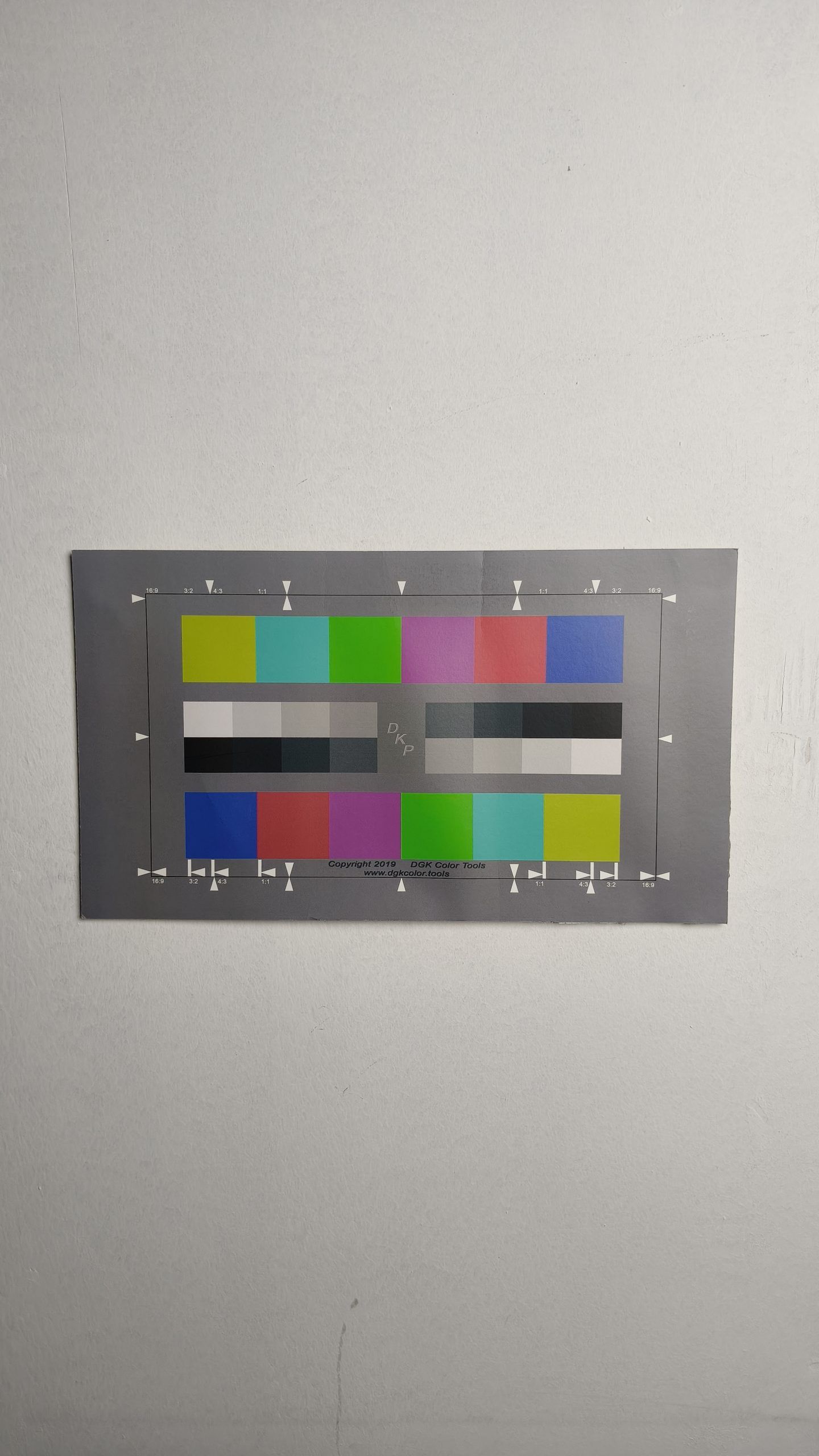
No other phone in this segment comes close to the Reno 16C’s camera scores. It leads in daylight, portrait, telephoto and video, while losing only in two areas: low light, where the Motorola scores 8.0 compared with the Reno 16C’s 7.5, and ultrawide, where the Motorola’s 50MP camera outperforms the Reno 16C’s 8MP sensor. The Reno 16C also has four 9.0 scores, something we have not seen on any other phone tested in the under-₹30,000, under-₹40,000 or under-₹50,000 segments.
Its camera hardware helps explain these results. The 50MP Sony LYT-600 main camera comes with OIS and is used across Oppo’s Reno 16 series. It is paired with a 50MP 3.5x telephoto camera designed for portraits. This gives the phone a real optical zoom lens at a flattering focal length, helping create natural background separation without relying heavily on software.
Video is another major strength. The Reno 16C scores 9.0, which is one point higher than the Motorola and POCO at 8.0, and two points ahead of the Nothing Phone (4a) Pro.
The weaker areas are mainly in the supporting hardware. Its 8MP ultrawide camera is a clear step down from the Motorola’s 50MP unit. The Dimensity 7300 is also the slowest processor among the four phones in our picks by a wide margin. Its 1,350-nit peak brightness is the lowest here as well, which can make framing and reviewing photos outdoors more difficult.
The phone has a 7,000mAh battery and lasted 23 hours 40 minutes in our PCMark loop. It is also the only phone among our picks whose battery test started from a full charge, making this the only battery figure in the guide that can be directly compared with the other results we publish.
Key Specifications
| Specification | Detail |
|---|---|
| Price | ₹46,999 (launch); ₹49,999 current |
| Processor | MediaTek Dimensity 7300 |
| Display | 6.57″ AMOLED, 120Hz (1,350 nits measured) |
| Main camera | 50MP Sony LYT-600, OIS |
| Telephoto | 50MP, 3.5x optical zoom |
| Ultrawide | 8MP |
| Front camera | 50MP |
| Max video | 4K |
| Battery / Charging | 7,000mAh / 80W SuperVOOC |
| RAM / Storage | 8GB or 12GB / 128GB or 256GB, microSD expandable |
| Durability | IP66 / IP68 / IP69 / IP69K |
XP Lab Test Data
| Test / Metric | Result |
|---|---|
| Daylight | 9.0 (highest in segment) |
| Low light | 7.5 |
| Portrait | 9.0 (highest in segment) |
| Telephoto | 9.0 (highest in segment) |
| Front camera | 8.5 (highest in segment) |
| Ultrawide | 8.0 |
| Video | 9.0 (highest in segment) |
| Camera score average | 8.57 (highest in segment) |
| Measured peak brightness | 1,350 nits |
| Battery Life (PCMark) | 23h 40min |
Pros
The strongest scorecard we have recorded in this price bracket, leading five of seven camera categories. A genuine 50MP 3.5x optical telephoto tuned for portraits, which is what its 9.0 portrait and telephoto ratings rest on. A 9.0 video rating, a full point clear of the field. A 7,000mAh battery with 80W charging, comprehensive IP66/68/69/69K protection, microSD expansion and a 3.5mm headphone jack, all rare at this price.
Cons
The dimmest display among our picks at 1,350 nits measured, which makes outdoor framing and review harder than on any rival here. An 8MP ultrawide that sits well below the rest of the system. The slowest processor of our four picks by a considerable margin. No NFC, so tap-to-pay is unavailable. Its scores are currently unverifiable against sample images.
Who Should Buy It
Anyone who wants the best camera available under ₹50,000 and is willing to accept a mid-tier chipset to get it. It is a particularly strong fit if you shoot portraits and video, since it leads both categories, and if you want optical zoom without paying for a flagship.
Who Shouldn’t Buy It
Buyers who need performance alongside their camera, the POCO X8 Pro Max is ₹4,000 cheaper with a vastly quicker Dimensity 9500s. Anyone who shoots outdoors constantly will fight the 1,350-nit panel, and anyone who relies on UPI tap-to-pay should note the missing NFC.
Expert Verdict: This is comfortably the best camera phone under ₹50,000. The 50MP LYT-600 with OIS and genuine 3.5x optical telephoto give it a serious camera setup at ₹46,999, and its verified 9.0 scores put it clearly ahead of the competition. If camera performance is your priority, this is the phone to buy.
Motorola Edge 70 Pro+ – Best Low-Light and Best Portrait & Selfie
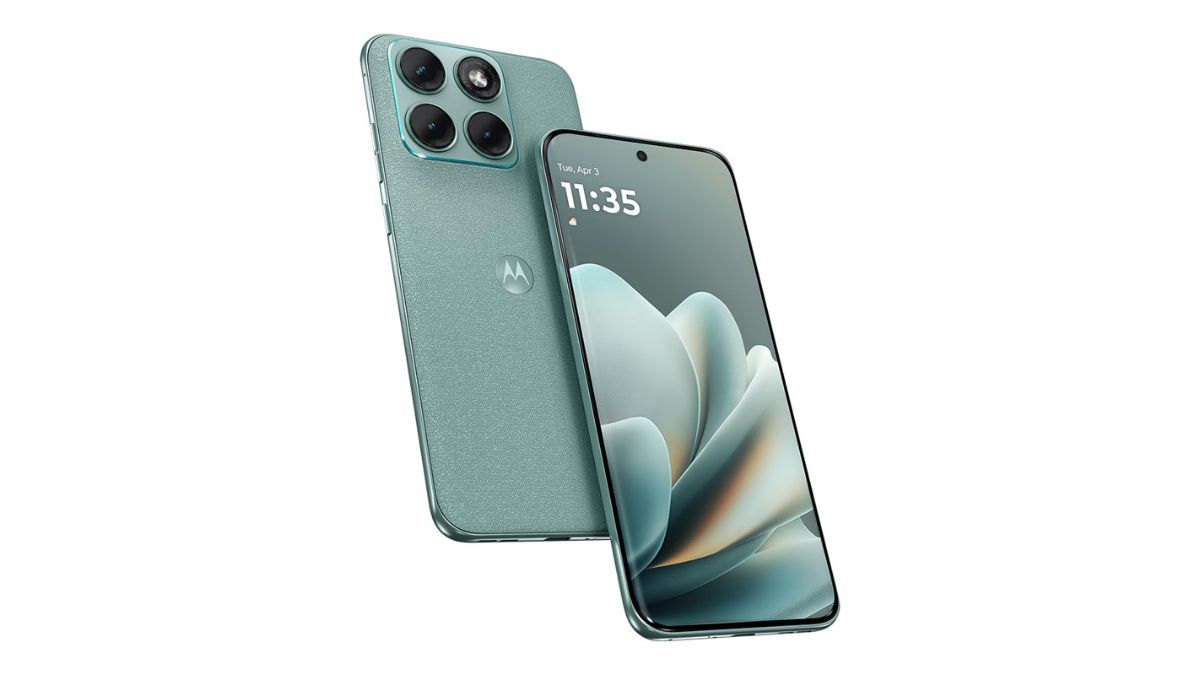
The Motorola Edge 70 Pro+ takes two categories on an 8.21 average, the second-highest here, and it does it with the most complete camera hardware in this guide: three 50MP rear sensors plus a 50MP autofocus front camera, every one of them recording 4K 60fps.







Why We Picked It
Low light is where the Edge 70 Pro+ stands out, scoring 8.0, ahead of the Reno 16C and POCO at 7.5 and the Nothing Phone (4a) Pro at 7.0. Its 50MP Sony LYTIA-710 main camera has an f/1.8 aperture and OIS, while the periscope telephoto also gets OIS, a major advantage for steady zoom shots at night.
It also earns a joint portrait and selfie award, with 8.0 scores in both. The 50MP front camera has autofocus, helping keep faces sharp at different distances. Its 50MP 122° ultrawide is the best here at 8.5, with autofocus and macro support, and it holds up better against the main camera than its rivals.
All four cameras can record 4K at 60fps with Video HDR. Motorola also adds Horizon Lock 360-degree and Adaptive Stabilisation, although its 8.0 video score trails the Reno 16C’s 9.0.
Its main weakness is daylight, where its 8.5 score is 0.5 points behind the Reno 16C. Its 16h 23min PCMark battery result is also the shortest among our picks, though the test started at 80%, so it is not directly comparable with full-charge results.
Key Specifications
| Specification | Detail |
|---|---|
| Price | ₹47,999 (12GB/256GB, single variant) |
| Processor | MediaTek Dimensity 8500 Extreme |
| Display | 6.8″ Extreme AMOLED, 1.5K, 144Hz, 10-bit (1,998 nits measured) |
| Main camera | 50MP Sony LYTIA-710, f/1.8, OIS |
| Telephoto | 50MP periscope, 3.5x optical, 81mm equivalent, f/2.8, OIS |
| Ultrawide | 50MP, 122°, autofocus, macro |
| Front camera | 50MP Quad Pixel, autofocus |
| Max video | 4K 60fps on all four cameras, Video HDR |
| Battery / Charging | 6,500mAh silicon-carbon / 90W wired, 15W wireless |
| RAM / Storage | 12GB LPDDR5X / 256GB UFS 4.1 |
| Durability | IP68 / IP69, MIL-STD-810H |
XP Lab Test Data
| Test / Metric | Result |
|---|---|
| Daylight | 8.5 |
| Low light | 8.0 (highest in segment) |
| Portrait | 8.0 |
| Telephoto | 8.5 |
| Front camera | 8.0 |
| Ultrawide | 8.5 (highest in segment) |
| Video | 8.0 |
| Camera score average | 8.21 |
| Measured peak brightness | 1,998 nits |
| Battery Life (PCMark) | 16h 23min |
Pros
The best low-light score in the segment at 8.0, backed by OIS on both the main and telephoto lenses. The most complete camera hardware in this guide, four 50MP sensors, all recording 4K 60fps. The best ultrawide here at 8.5, and the only one above 8MP, with autofocus and macro. The brightest display among our picks at 1,998 nits measured. Wireless charging and MIL-STD-810H certification, neither of which any rival here offers.
Cons
Half a point behind the Reno 16C on daylight detail. A single 12GB/256GB configuration with no storage options and no expansion. Its 8.0 video rating trails the Reno 16C despite the superior hardware, which is worth understanding before you buy it primarily for video. Its battery result is not comparable, since the test did not start from full.
Who Should Buy It
Anyone who shoots at night, photographs people, or uses the ultrawide camera regularly, it is the only phone here that is strong in all three. Content creators should also look hard at it: 4K 60fps on four separate lenses with 360-degree stabilisation is the most flexible video rig in this guide even though it does not win the video category.
Who Shouldn’t Buy It
Buyers who want the highest image quality per rupee, since the Reno 16C leads it on five of seven scores for ₹1,000 less. Also skip it if you need more than 256GB of storage, because there is no larger variant and no card slot.
Expert Verdict: This is the safest pick for buyers who want no weak link. Nothing scores below 8.0, and its 50MP autofocus ultrawide and OIS-stabilised periscope give it the most complete camera hardware here. It misses the top spot only because another phone scores higher, but its results are fully backed by samples, making it the more dependable recommendation.
POCO X8 Pro Max – Best Daylight and Detail, and Best Value
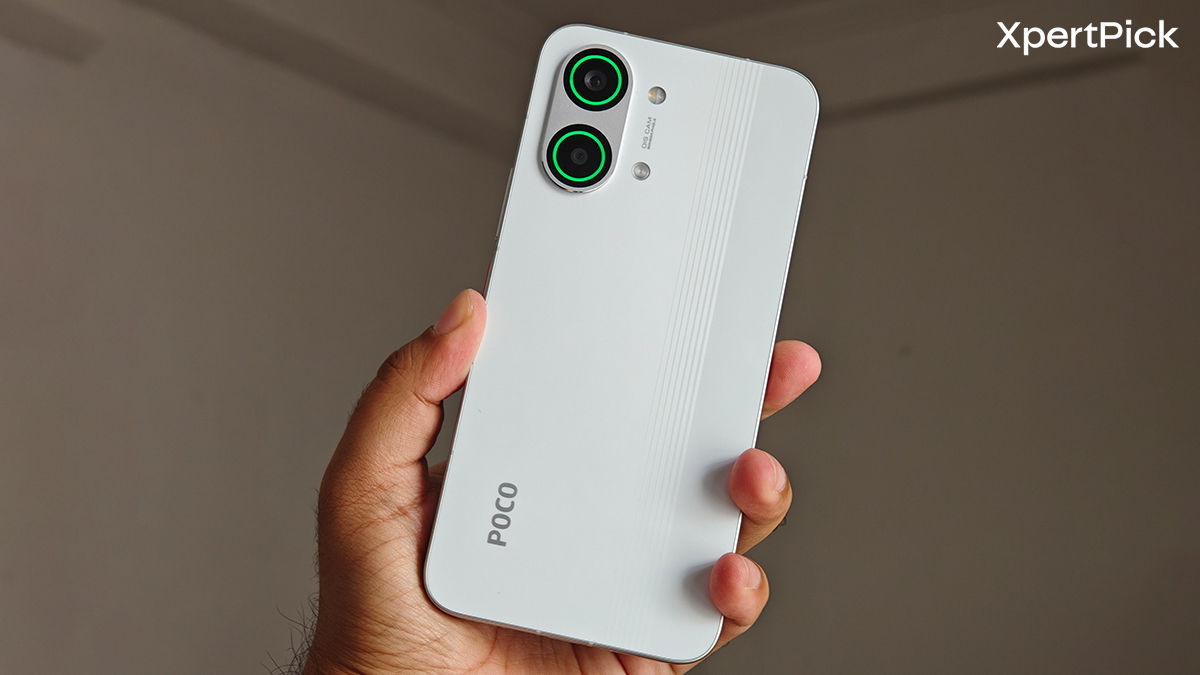
The POCO X8 Pro Max is the cheapest phone in this guide at ₹42,999 and takes daylight detail on an 8.5 rating, alongside the fastest chipset here and a 9,000mAh battery, the largest we have tested in any segment.





Why We Picked It
Its 8.5 daylight rating is joint-second in the segment, behind only the Reno 16C’s 9.0 and level with the Motorola, at ₹4,000 to ₹5,000 less than either. The main camera is a 50MP Light Fusion 600 with optical stabilisation, and it is the one part of this phone’s camera system that genuinely competes with devices costing more.
The value case is broader than one score. Its 7.67 average puts it third of four here, but it undercuts the Reno 16C by ₹4,000 and the Motorola by ₹5,000 while beating both on performance by a wide margin, the Dimensity 9500s is a flagship-tier chipset and the fastest silicon in this guide. Add UFS 4.1 storage, a 9,000mAh battery with 100W charging that returned 22h 40min in our loop, and IP66/68/69/69K protection, and the specification sheet reads well above its price.
Its 8.0 portrait and 8.0 video ratings are both respectable, matching or beating the Motorola on video and matching it on portraits.
Where it falls short is everything beyond the main sensor. There is no telephoto camera, so zoom is a digital crop, and unlike the 200MP devices in the ₹40,000 bracket, a 50MP sensor does not leave much room to crop into. Its 8MP ultrawide rates 7.0 and its 20MP front camera also rates 7.0, both the lowest scores among our picks alongside the Nothing. This is a phone with one strong camera and two that are clearly there to fill the specification.
Its measured peak brightness of 1,480 nits is also modest against a claimed 3,500, and second-lowest among our picks.
Key Specifications
| Specification | Detail |
|---|---|
| Price | ₹42,999 (launch); ₹48,999 current |
| Processor | MediaTek Dimensity 9500s |
| Display | 6.83″ AMOLED, 1.5K, 120Hz (1,480 nits measured) |
| Main camera | 50MP Light Fusion 600, OIS |
| Ultrawide | 8MP |
| Front camera | 20MP |
| Max video | 4K |
| Battery / Charging | 9,000mAh / 100W wired, 27W reverse |
| RAM / Storage | 12GB LPDDR5X / 256GB or 512GB, UFS 4.1 |
| Durability | IP66 / IP68 / IP69 / IP69K |
XP Lab Test Data
| Test / Metric | Result |
|---|---|
| Daylight | 8.5 |
| Low light | 7.5 |
| Portrait | 8.0 |
| Telephoto | No telephoto camera |
| Front camera | 7.0 |
| Ultrawide | 7.0 |
| Video | 8.0 |
| Camera score average | 7.67 |
| Measured peak brightness | 1,480 nits |
| Battery Life (PCMark) | 22H 40min |
Pros
Joint-second daylight rating at 8.5, from a stabilised Light Fusion 600 sensor, at the lowest price in this guide. By far the fastest processor here in the Dimensity 9500s, paired with UFS 4.1 storage. A 9,000mAh battery with 100W charging, the largest capacity we have tested in any price bracket. Full IP66/68/69/69K protection and a 512GB storage option.
Cons
No telephoto camera at all, and a 50MP main sensor does not offer much crop headroom to compensate. The 8MP ultrawide and 20MP front camera both rate 7.0, the joint-lowest among our picks. Measured brightness of 1,480 nits falls well short of the claimed 3,500. At 218g it is heavy.
Who Should Buy It
Buyers who want strong daylight photography without paying ₹47,000 for it, and who value performance and battery life as much as the camera. If you shoot mostly landscapes, streets and objects in good light and play games or run heavy apps, nothing here offers a better combination for the money.
Who Shouldn’t Buy It
Anyone who wants optical zoom, since there is none and the Nothing Phone (4a) Pro adds a periscope lens for roughly the same money. Also skip it if you take a lot of selfies or ultrawide shots, where 7.0 is a real step behind the Motorola’s 8.0 and 8.5.
Expert Verdict: This is the value pick, with the case for it extending beyond the camera. Its main sensor competes with phones ₹5,000 more expensive, while its chipset, battery and storage are also impressive for the price. The trade-off is its single-camera setup, especially when two rivals offer genuine optical zoom at similar prices.
Nothing Phone (4a) Pro – Best Zoom and Telephoto
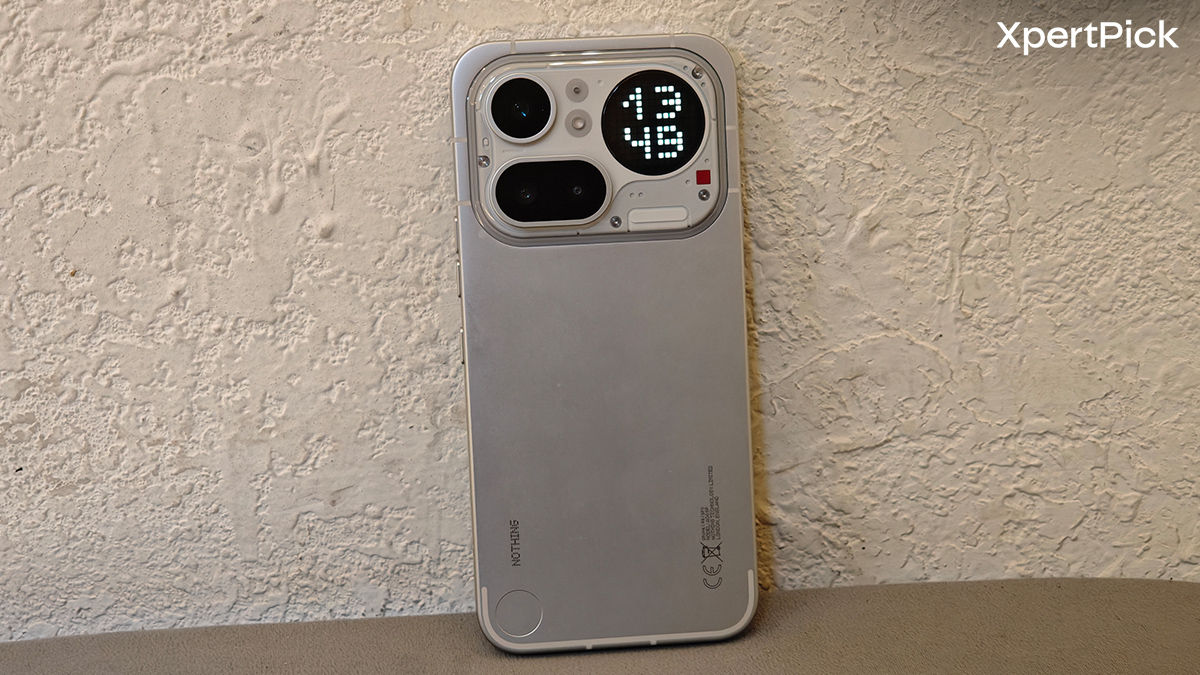
The Nothing Phone (4a) Pro is the cheapest route to a periscope telephoto lens in this guide, pairing a 50MP Samsung JN5 periscope with OIS and up to 140x ultra zoom, rated 8.0.




Why We Picked It
Three of our four picks have optical zoom, and this is the least expensive of them. Its 50MP periscope camera is a genuine article, a Samsung JN5 sensor with optical stabilisation, f/2.88, and Nothing’s 140x ultra zoom stack layered on top for the long end. The 8.0 rating puts it behind the Reno 16C’s 9.0 and the Motorola’s 8.5, but both of those already hold two awards each, and neither is available at ₹43,285.
Its 8.0 daylight rating is solid, and its 50MP Samsung GN9 main sensor with f/1.88 and OIS is capable hardware. Its 6.83-inch 144Hz AMOLED is the second-brightest panel among our picks at 1,850 nits measured, which makes outdoor framing easier than on either the Reno 16C or the POCO.
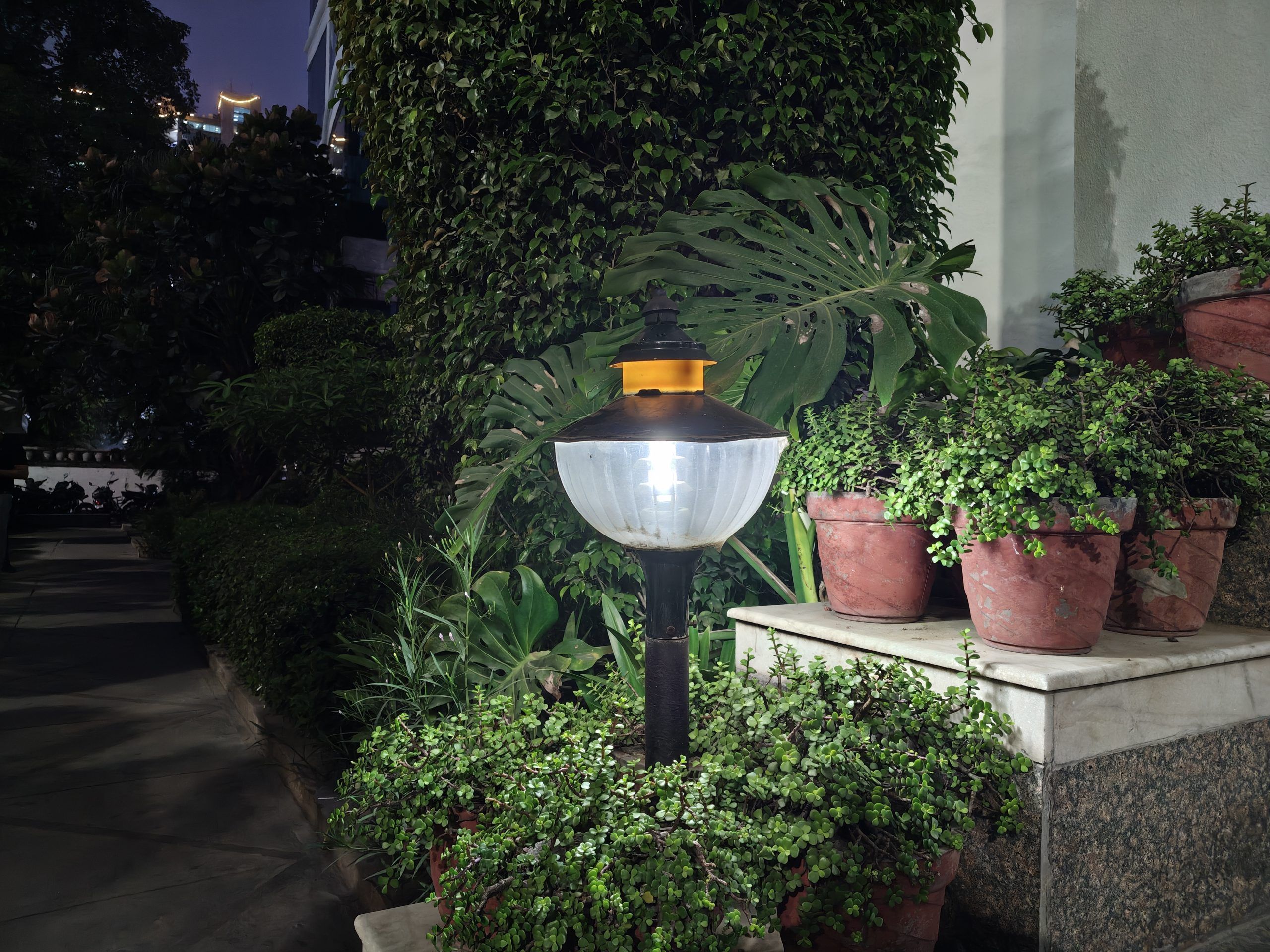
But this is the weakest scorecard among our four winners at 7.29, and the gaps are real. Its 6.5 ultrawide rating is the lowest score anywhere in this guide, from an 8MP Sony IMX355. Its 32MP front camera rates 7.0, and its 7.0 video rating is a full two points behind the Reno 16C. Low light also rates 7.0, the lowest among our picks, and independent reviewers have noted that the stock camera app applies aggressive post-processing that degrades low-light photos and night portraits specifically.
Its 5,400mAh battery is also by far the smallest here, the POCO carries a cell two-thirds larger, and its 50W charging is the slowest in the guide, as is its IP65 rating.
Key Specifications
| Specification | Detail |
|---|---|
| Price | ₹43,285 (sheet); ₹39,999–₹45,999 by variant |
| Processor | Qualcomm Snapdragon 7 Gen 4 |
| Display | 6.83″ AMOLED, 1.5K, 144Hz (1,850 nits measured) |
| Main camera | 50MP Samsung GN9, f/1.88, OIS |
| Telephoto | 50MP periscope Samsung JN5, f/2.88, OIS, up to 140x ultra zoom |
| Ultrawide | 8MP Sony IMX355, f/2.2, 120° |
| Front camera | 32MP, f/2.2 |
| Max video | 4K |
| Battery / Charging | 5,400mAh / 50W wired, 7.5W reverse |
| RAM / Storage | 8GB or 12GB / 128GB or 256GB |
| Durability | IP65 |
XP Lab Test Data
| Test / Metric | Result |
|---|---|
| Daylight | 8.0 |
| Low light | 7.0 |
| Portrait | 7.5 |
| Telephoto | 8.0 |
| Front camera | 7.0 |
| Ultrawide | 6.5 (lowest in guide) |
| Video | 7.0 |
| Camera score average | 7.29 |
| Measured peak brightness | 1,850 nits |
| Battery Life (PCMark) | 18Hr 10min |
Pros
The cheapest periscope telephoto in this guide, with a stabilised 50MP Samsung JN5 sensor and 140x ultra zoom. A capable 50MP GN9 main camera with OIS backing an 8.0 daylight rating. The second-brightest display among our picks at 1,850 nits, on a 144Hz panel. The Glyph Matrix interface and Nothing’s transparent design are genuine differentiators if you want a phone that looks unlike anything else.
Cons
The weakest overall scorecard of our four winners at 7.29. A 6.5 ultrawide rating, the lowest score anywhere in this guide. Video rates 7.0, two full points behind the Reno 16C. The smallest battery here at 5,400mAh with the slowest charging at 50W, and the weakest durability rating at IP65. Reviewers report the stock camera app over-processes low-light and night portrait shots.
Who Should Buy It
Buyers who want optical zoom as their priority and are working to a tighter budget than the Reno 16C or Motorola require. It is also the pick if design matters to you as much as image quality, since nothing else in this segment looks remotely like it.
Who Shouldn’t Buy It
Anyone who shoots ultrawide, where 6.5 is the weakest result in this guide by half a point. Anyone who shoots video seriously, given the two-point gap to the Reno 16C. And anyone who needs all-day battery from a heavy shooting session, since 5,400mAh is well behind every rival here.
Expert Verdict: This wins on availability rather than outright performance. It is the cheapest phone in the guide with optical zoom, making it the right choice if zoom is a priority and ₹47,999 is too much. However, the Motorola Edge 70 Pro+ offers better zoom, stronger overall performance and better build quality, with the real-world gap smaller than their average scores suggest.
FAQ
Which phone under ₹50,000 has the best camera overall? The Oppo Reno 16C, on an 8.57 average, the highest scorecard we have recorded in this bracket. It leads daylight, portrait, telephoto and video, all at 9.0, and its front camera at 8.5 is also the best here.
Do phones under ₹50,000 have proper telephoto cameras? Three of our four picks do, which is a marked change from the brackets below. The Oppo Reno 16C and Motorola Edge 70 Pro+ both have 50MP 3.5x optical lenses, and the Nothing Phone (4a) Pro has a 50MP periscope. The POCO X8 Pro Max is the exception and zooms by digital crop.
Which one should I buy for Instagram and Reels? The Oppo Reno 16C on image quality, since its 9.0 video rating is a full point clear of everything else. But the Motorola Edge 70 Pro+ is the better rig if you shoot across focal lengths, it records 4K 60fps on all four of its cameras with 360-degree stabilisation, which no rival here matches.
What is the best camera phone under ₹45,000? The POCO X8 Pro Max at ₹42,999 if you shoot mostly in daylight and want performance to match, or the Nothing Phone (4a) Pro at ₹43,285 if optical zoom matters more to you than anything else.
Is a bigger battery worth trading camera quality for? The POCO X8 Pro Max’s 9,000mAh cell is the largest we have tested anywhere, and it does not cost you daylight quality, its 8.5 rating matches the Motorola. What it costs you is the telephoto lens and a competitive ultrawide, which is a more specific trade than a straight quality drop.
Which phone here has the best ultrawide camera? The Motorola Edge 70 Pro+ by a clear margin, at 8.5. It is the only ultrawide in this guide above 8MP, a 50MP sensor with autofocus and macro. The others use 8MP units rating 6.5 to 8.0, and the gap is visible.
Realme GT 7

The Realme GT 7 Dream Edition posts the weakest camera scorecard in this segment, averaging 7.0 across our tests, and it does so while carrying more camera hardware than any of our winners except the Motorola. At ₹47,999 that is the most expensive disappointment in this guide.






Why We Didn’t Pick It
This is the most puzzling phone in the group. On paper, its camera hardware looks strong: a 50MP Sony IMX906 main sensor with OIS, a 50MP 2x telephoto with OIS, an 8MP ultrawide and 4K 60fps Dolby Vision recording. Yet the results are consistently mediocre, with scores of 7.5 for daylight, 7.0 for low light, portrait, telephoto, selfie and video, and 6.5 for ultrawide.
The gap is especially clear against the Oppo Reno 16C, which scores 9.0 in four categories, and the cheaper Nothing Phone (4a) Pro, which scores a full point higher for telephoto. This suggests the issue lies more with Realme’s image processing than its camera hardware, and a software update may not fully solve it.
At ₹47,999, however, the phone offers flagship-level hardware elsewhere, including the Dimensity 9400e, 16GB LPDDR5X RAM and 512GB UFS 4.0 storage. It also gets a 7,000mAh battery with 120W charging, a 6.78-inch LTPO AMOLED display, IP66/IP68/IP69 protection and an Aston Martin Aramco F1 co-designed Racing Green finish with a collector’s box. It is a compelling phone overall, but not the right choice for camera-focused buyers.
Key Specifications
| Specification | Detail |
|---|---|
| Price | ₹47,999 (16GB/512GB, single variant) |
| Best For | Performance, battery and design, not photography |
| Processor | MediaTek Dimensity 9400e |
| Display | 6.78″ LTPO AMOLED, 1.5K, 120Hz (1,865 nits measured) |
| Main camera | 50MP Sony IMX906, 1/1.56″, f/1.8, OIS |
| Telephoto | 50MP, 2x optical, f/2.0, OIS |
| Ultrawide | 8MP OmniVision OV08D10, f/2.2 |
| Front camera | 32MP |
| Max video | 4K 60fps Dolby Vision |
| Battery / Charging | 7,000mAh / 120W |
| RAM / Storage | 16GB LPDDR5X / 512GB UFS 4.0 |
| Durability | IP66 / IP68 / IP69 |
XP Lab Test Data
| Test / Metric | Result |
|---|---|
| Daylight | 7.5 |
| Low light | 7.0 |
| Portrait | 7.0 |
| Telephoto | 7.0 |
| Front camera | 7.0 |
| Ultrawide | 6.5 (joint-lowest in guide) |
| Video | 7.0 |
| Camera score average | 7.0 (lowest in segment) |
| Measured peak brightness | 1,865 nits |
| Battery Life (PCMark) | 20h 52min |
Pros
The most generous configuration in this guide at 16GB LPDDR5X and 512GB UFS 4.0, paired with a flagship-tier Dimensity 9400e. A 7,000mAh battery with 120W charging, the fastest here by a wide margin. An LTPO AMOLED panel that varies its refresh rate for efficiency, IP66/68/69 protection, and a genuinely distinctive Aston Martin F1 design with collector packaging.
Cons
The lowest camera average in the segment at 7.0, despite hardware that should compete for awards, a processing problem rather than a sensor one. Nothing on its scorecard rises above 7.5. Its 6.5 ultrawide rating is joint-lowest in this guide. At ₹47,999 it costs ₹5,000 more than the POCO X8 Pro Max, which beats it in every camera category we can compare.
Who Should Buy It
Performance buyers, gamers and heavy multitaskers who want 16GB and 512GB as standard and treat the camera as adequate rather than important. If you want the fastest charging in this bracket and a phone that looks like nothing else on the shelf, it delivers both.
Who Shouldn’t Buy It
Anyone reading a camera buying guide. There is no camera category in which this phone is the right answer at ₹47,999, and several devices costing ₹5,000 less beat it comprehensively.
Expert Verdict: This is the most frustrating phone here because processing holds back its capable camera hardware. Its stabilised IMX906 and 50MP telephoto score only 7.5. Buy it for the chipset, fast charging and Aston Martin finish. For photography, the Oppo Reno 16C is ₹1,000 cheaper and scores 1.57 points higher on average.
Samsung A37

The Samsung Galaxy A37 averages 7.5 at ₹41,999, and while its 8.0 front camera is genuinely strong, its rear system is a 50MP main sensor supported by an 8MP ultrawide and a 5MP macro lens that does very little.




Why We Didn’t Pick It
Two of its camera scores are good. Daylight and the front camera both score 8.0, with the selfie camera joint-second in the segment behind the Oppo Reno 16C despite using a 12MP sensor. Samsung’s selfie processing clearly does a good job.
The rest are weaker. Portrait and video score 7.5, while low light and ultrawide score 7.0. There is no telephoto, and the 5MP macro camera adds little practical value.
The POCO X8 Pro Max costs ₹1,000 more at ₹42,999 and beats the A37 in daylight, portrait and video. It also has a much faster chipset, nearly twice the battery capacity and UFS 4.1 storage, making the A37 difficult to recommend at this price.
The A37 also has the smallest 5,000mAh battery, the least protective IP67 rating and the shortest PCMark result at 13 hours 29 minutes, although that test did not start from a full charge.
Samsung’s main advantage is long-term support, with six OS upgrades and a Gorilla Glass Victus+ back. That makes it a good choice for longevity, but not for camera performance.
Key Specifications
| Specification | Detail |
|---|---|
| Price | ₹41,999 (8GB/128GB) |
| Best For | Selfies and long software support — not rear-camera photography |
| Processor | Samsung Exynos 1480 |
| Display | 6.7″ FHD+ Super AMOLED, 120Hz (1,597 nits measured) |
| Main camera | 50MP |
| Ultrawide | 8MP |
| Third rear camera | 5MP macro |
| Front camera | 12MP |
| Max video | 4K 30fps, front and rear |
| Battery / Charging | 5,000mAh / 45W |
| RAM / Storage | 8GB or 12GB / 128GB or 256GB |
| Durability | IP67, Gorilla Glass Victus+ |
XP Lab Test Data
| Test / Metric | Result |
|---|---|
| Daylight | 8.0 |
| Low light | 7.0 |
| Portrait | 7.5 |
| Telephoto | No telephoto camera |
| Front camera | 8.0 |
| Ultrawide | 7.0 |
| Video | 7.5 |
| Camera score average | 7.5 |
| Measured peak brightness | 1,597 nits |
| Battery Life (PCMark) | 13Hr 29min |
Pros
An 8.0 front camera, joint-second in the segment, from a 12MP sensor — Samsung’s selfie processing is doing real work here. A solid 8.0 daylight rating. Six OS upgrades, the longest software commitment in this guide, plus Gorilla Glass Victus+ and a light 196g body.
Cons
No telephoto camera, and a 5MP macro lens that contributes little beyond the camera count. Low light and ultrawide both rate 7.0. The smallest battery in this guide at 5,000mAh, the weakest ingress rating at IP67, and the shortest PCMark result in the segment. The POCO X8 Pro Max beats it on three of five comparable camera scores for ₹1,000 more.
Who Should Buy It
Selfie-first buyers who want a phone that will still be receiving updates in six years, and who value Samsung’s software experience and resale value. As a long-term daily phone with a good front camera, it is a reasonable purchase.
Who Shouldn’t Buy It
Anyone whose photography points outward rather than at themselves. There is no zoom lens, the ultrawide is ordinary, and the macro camera is filler. At ₹41,999 the POCO X8 Pro Max is the better camera for almost the same money.
Expert Verdict: The A37 is the strongest option among the phones we don’t recommend. Its front camera is genuinely good, and it has the best software support here. However, its rear setup has just one proper camera, an average ultrawide and a filler macro lens, which is hard to justify at ₹41,999. Buy it for selfies and six years of updates. For rear-camera photography, there are better options.
Frequently Asked Questions (FAQ)
Which phone under ₹50,000 has the best camera overall?
The Oppo Reno 16C, on an 8.57 average, the highest scorecard we have recorded in this bracket. It leads daylight, portrait, telephoto and video, all at 9.0, and its front camera at 8.5 is also the best here.
Do phones under ₹50,000 have proper telephoto cameras?
Three of our four picks do, which is a marked change from the brackets below. The Oppo Reno 16C and Motorola Edge 70 Pro+ both have 50MP 3.5x optical lenses, and the Nothing Phone (4a) Pro has a 50MP periscope. The POCO X8 Pro Max is the exception and zooms by digital crop.
Which one should I buy for Instagram and Reels?
The Oppo Reno 16C on image quality, since its 9.0 video rating is a full point clear of everything else. But the Motorola Edge 70 Pro+ is the better rig if you shoot across focal lengths, it records 4K 60fps on all four of its cameras with 360-degree stabilisation, which no rival here matches.
What is the best camera phone under ₹45,000?
The POCO X8 Pro Max at ₹42,999 if you shoot mostly in daylight and want performance to match, or the Nothing Phone (4a) Pro at ₹43,285 if optical zoom matters more to you than anything else.
Which camera phones under ₹50,000 should I avoid?
The Realme GT 7 Dream Edition, Vivo S2 and Samsung Galaxy A37. The Realme posts the weakest camera average in the segment at 7.0 despite carrying two stabilised lenses, a processing problem, not a hardware one. The Vivo S2 has no ultrawide, no telephoto and no OIS. The Samsung has a strong selfie camera but a rear system of one real lens plus filler.
Is a bigger battery worth trading camera quality for?
The POCO X8 Pro Max’s 9,000mAh cell is the largest we have tested anywhere, and it does not cost you daylight quality, its 8.5 rating matches the Motorola. What it costs you is the telephoto lens and a competitive ultrawide, which is a more specific trade than a straight quality drop.
Which phone here has the best ultrawide camera?
The Motorola Edge 70 Pro+ by a clear margin, at 8.5. It is the only ultrawide in this guide above 8MP, a 50MP sensor with autofocus and macro. The others use 8MP units rating 6.5 to 8.0, and the gap is visible.
Why Trust XpertPick
Nothing on this page comes from a press release or a manufacturer’s claimed figure. Every number was measured on a device in our hands.
Independent testing: Every phone in this guide was benched in-house on a retail unit running shipping software. No manufacturer-supplied performance data was used in the analysis.
Standardised conditions: Identical benchmark, stress, gaming and battery suites at 28°C ambient on the top variant of each device, which is what allows a ₹27,999 phone and a ₹1,59,999 phone to appear in the same table honestly.
Layered methodology: Peak scores, twenty-loop sustained load, logged frame times across four titles and full battery rundowns. The peak is the least informative figure we collect, which is why every device is also measured under heat and over time.
Transparent about data: Every failed test, missing figure and anomalous reading in this guide is listed above under its own heading. Gaps are reported as gaps, never estimated.