If you have shifted homes in recent times, you would realise water doesn’t taste the same everywhere. And while people might argue that water has no taste, hence the taste can’t differ. But it actually happens, water tastes different across cities, neighbourhoods, and even apartment buildings, because the source water changes. If you’re getting water from a borewell, tanker, or municipal pipeline, the water won’t taste the same.
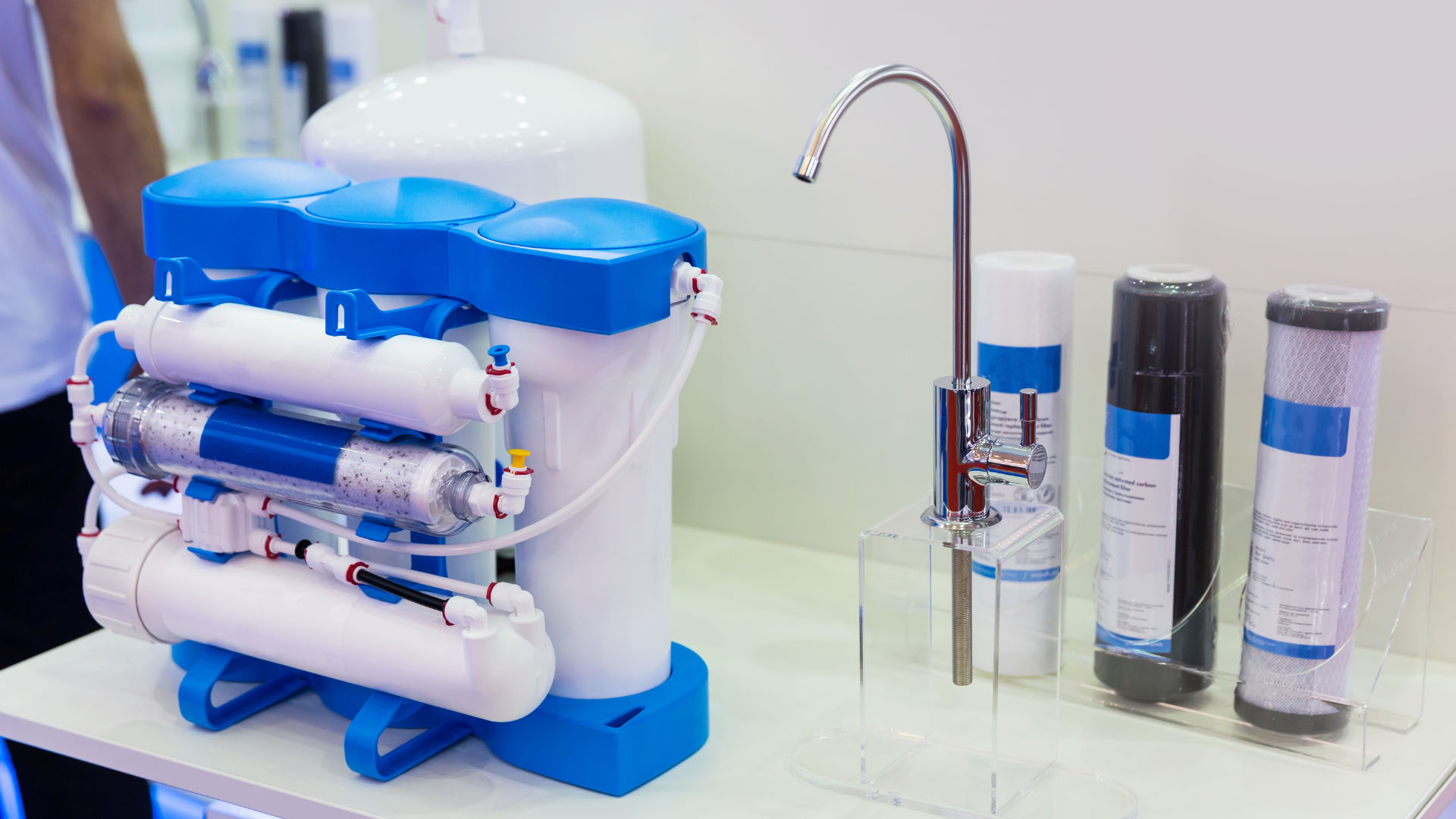
If you use an RO purifier, the difference becomes even more noticeable. And that’s when purifier jargon enters the chat: MTDS controller, mineraliser, taste adjuster, alkaline booster, active copper. They sound complicated, but they’re not once you understand what problem they’re trying to solve.
Why Pure RO Water Sometimes Tastes Bitter
First, let’s understand why the RO water sometimes tastes bitter. RO purifiers have a straightforward task of removing dissolved impurities. But they don’t just remove harmful contaminants and reduce TDS; at the same time, they also strip water of minerals like calcium and magnesium that give water its natural taste. So, very pure RO water can taste flat, metallic, or slightly bitter.
When TDS drops too low, water can taste flat, metallic, or slightly bitter because it no longer has the mineral balance our palate is used to.
And this is exactly what brands call the “bitter water” problem. And thus features like MTDS controllers and mineralisers were introduced. These features are not aimed at treating unsafe water; they are added to make water taste familiar.
What is MTDS Technology?
MTDS stands for Manual Total Dissolved Solids Controller, also called a TDS regulator. This is not a filtration stage; it balances things out. How it works is that a controlled amount of source water bypasses the RO membrane and blends with fully purified RO water. This controlled mixing allows some natural minerals, mainly calcium, magnesium, and potassium, to stay in the final output.
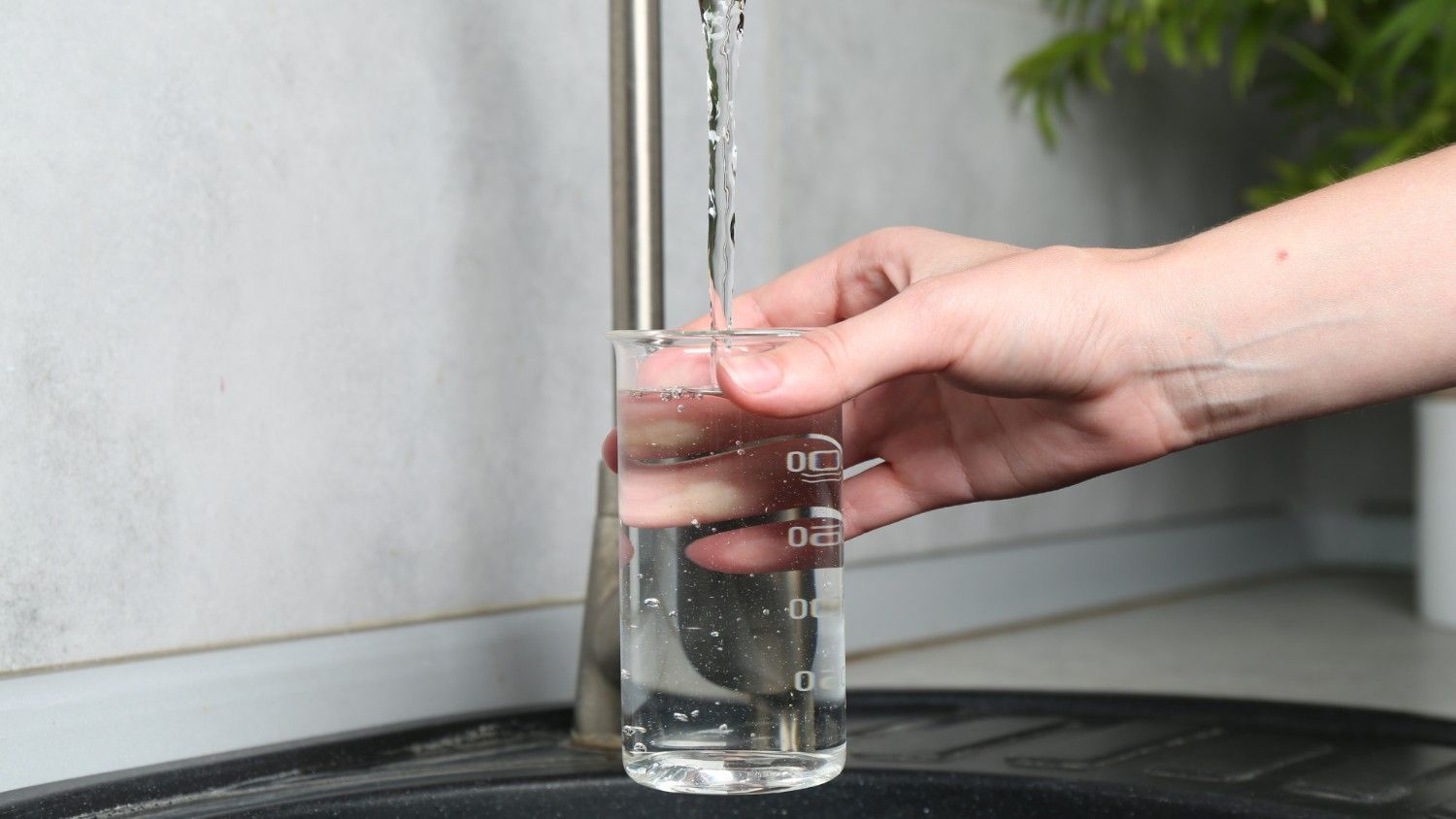
In practical terms, MTDS retains roughly 10–30% of original mineral content, depending on settings. The advantage? You preserve the natural mineral profile of your source water instead of adding artificial minerals later.
When do you need MTDS technology:
– You get high-TDS borewell water
– You use fluctuating tanker supply
– There’s seasonal mineral variation
However, MTDS depends on the quality of your source water. If your input water is mineral-poor or heavily contaminated, it cannot improve that; it only rebalances what’s already there.
What is a Taste Adjuster?
See, a taste adjuster is usually a common name for MTDS or similar mineral-adjusting features. As I mentioned earlier, it doesn’t purify water; RO, UV, and UF handle that. A taste adjuster regulates mineral levels so the water tastes consistent wherever you live.
Mineraliser vs MTDS: What’s the Difference?
Things might get a little confusing here as MTDS controllers and mineralisers are often used interchangeably in marketing, even though they work differently. A TDS controller keeps some of the minerals already present in the source water by mixing bypass water with purified RO water. A mineraliser, on the other hand, adds minerals after purification. This is done by using cartridges filled with mineral stones or mineral-rich media.
So, which one to use when?
If your water source already has a good mineral profile, MTDS is good enough, as it prevents over-purification while maintaining taste. But if your source water is naturally very soft or mineral-deficient, a mineraliser may be more useful. It will add predictable levels of minerals regardless of input water quality.
On average, mineralisers can increase TDS by 50-150 ppm, depending on the cartridge and flow rate. They may also slightly increase pH, which is why some purifiers advertise alkaline water. Now, MTDS systems usually keep pH closer to neutral because they keep the natural mineral balance instead of changing it.
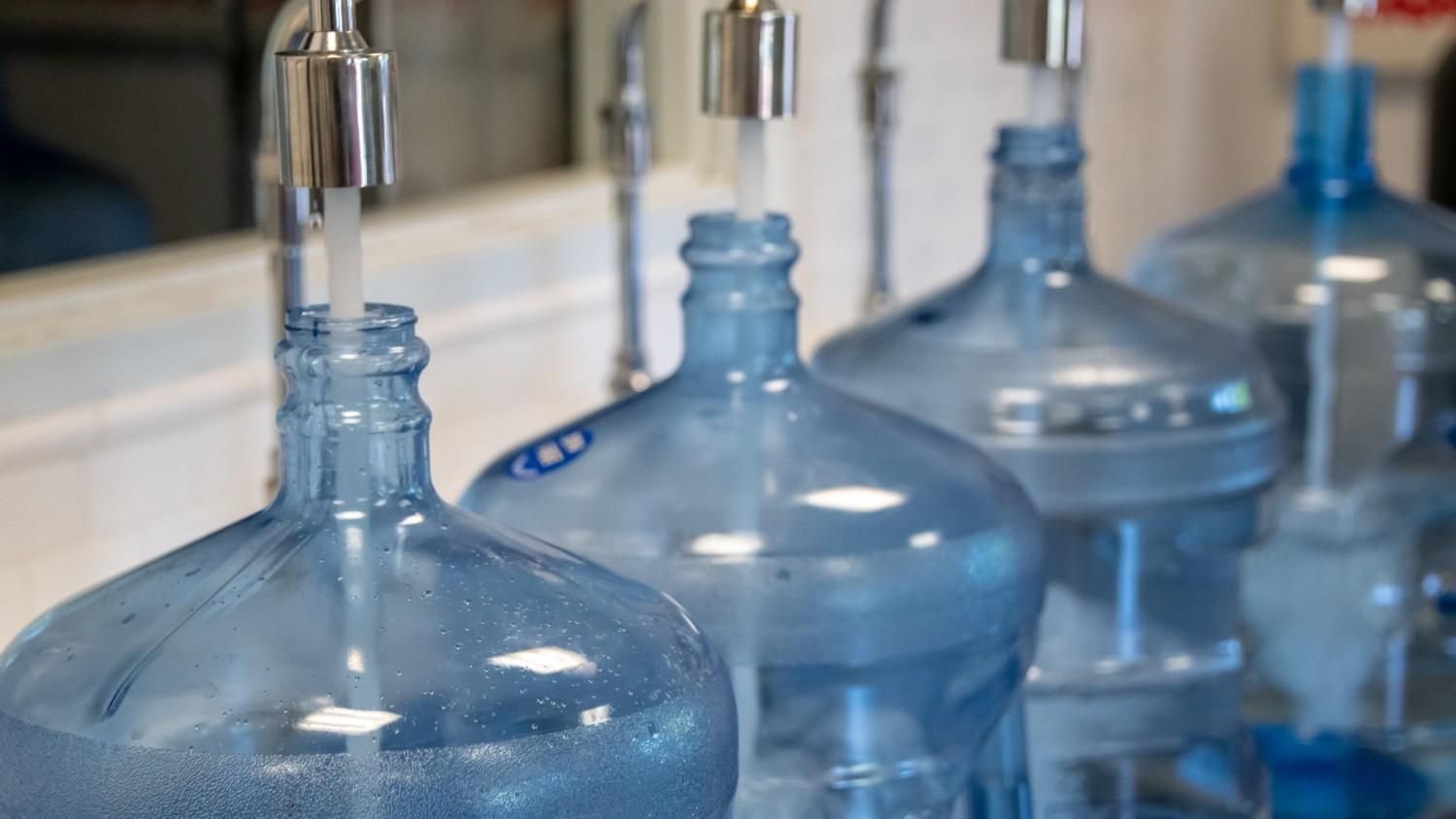
But then mineralisers come with some maintenance costs. The cartridges need replacement every 6–12 months, depending on usage. Over time, this can add ₹2,500–3,000 in extra servicing costs compared to a TDS controller, because that doesn’t really need any part replacement.
Does MTDS Improve Health?
There is a common misconception that MTDS or mineralisers make water healthier. But what they actually do is maintain desirable TDS levels so water doesn’t become totally demineralised. They improve taste and even help avoid scaling inside the purifier by managing hardness levels, but they don’t replace nutrition from food.
And just so you know, the minerals added or retained are very little compared to what you get from a balanced diet. And it doesn’t even remove contaminants, RO, UV and UF do that job.
What are Alkaline Boosters and Active Copper?
You might have even heard in ads “alkaline water” or “copper-infused water”. Alkaline boosters increase pH slightly, which slightly changes the taste. But right now, strong claims about major health benefits from alkaline water don’t have consistent scientific backing.
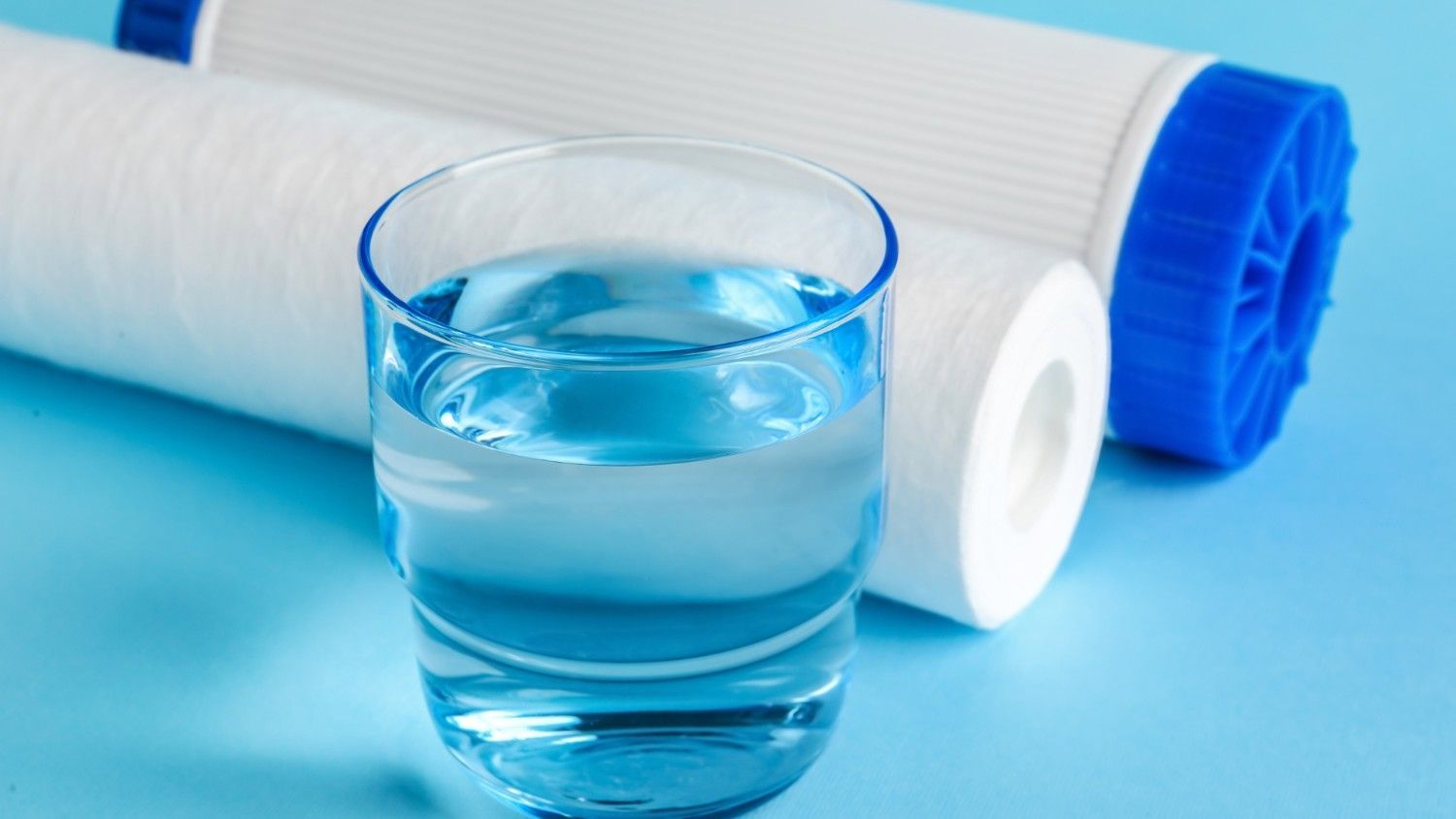
On the other hand, active copper technology adds trace copper ions into water. Copper is an essential micronutrient, but most people already get enough from food. These features are safe in moderation, but they’re optional extras, not really essential for the purification process.
Which Features Do You Really Need?
It is pretty easy to get confused by all the marketing jargon, but before you start looking for a new purifier, start with your actual water source and a basic water test report. You don’t need an RO purifier if you get low TDS water; it can lead to over-purification, flat-tasting water, and unnecessary water wastage. UV or UF purifiers are enough here.
On the other hand, borewell or tanker water usually has high TDS, and comes with hardness and contamination risks. That’s where RO with MTDS or mineral balancing makes sense. But remember, more features sometimes also mean higher maintenance costs.
In the end, most of these buzzwords address one issue: RO removes minerals along with impurities, and ends up changing the taste. MTDS preserves minerals, mineralisers add them back, and taste adjusters balance levels, while alkaline or copper features are optional extras. So if your water has a different taste after you have switched homes or the supply has changed, it is most likely because the mineral profile has changed.