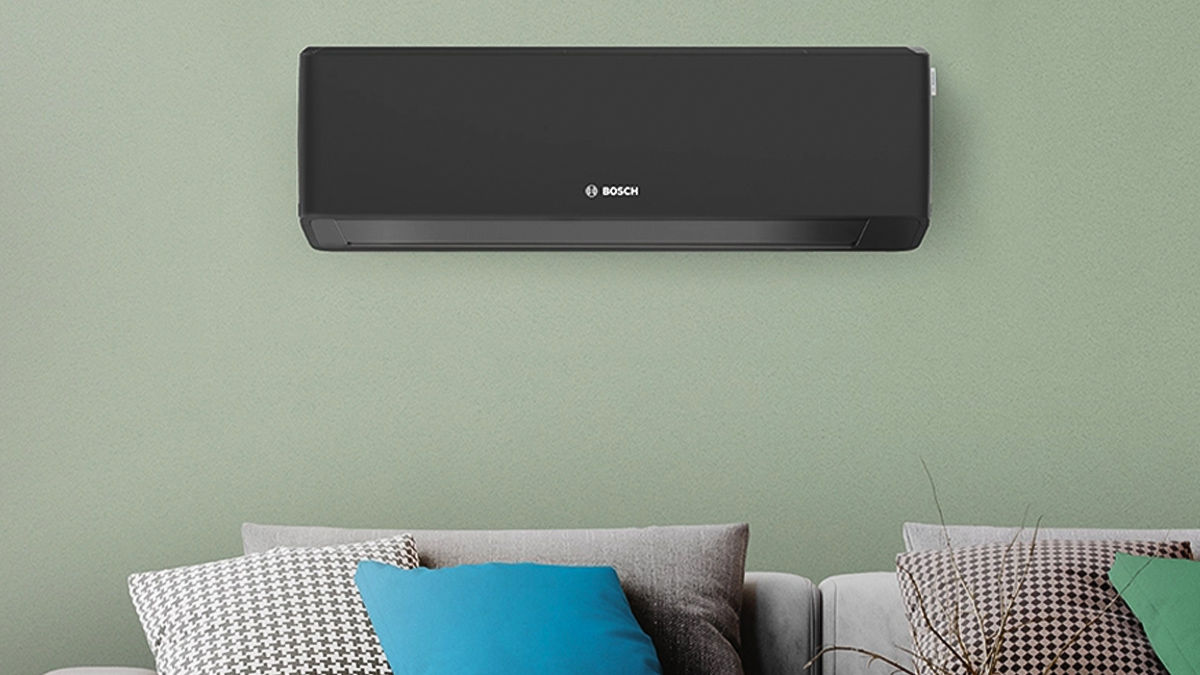
Bosch is exploring a direct entry into India’s air conditioner market with its own brand, but this isn’t a clean break from what exists today. Instead, the company is likely to pursue a dual-brand strategy, where Bosch and Hitachi co-exist rather than replace each other.
There’s no confirmed launch timeline yet, but the direction signals a deeper shift in how Bosch wants to position itself in one of India’s fastest-growing appliance categories.
This Isn’t a New Entry, It’s Control Becoming Visible
On the surface, this looks like Bosch stepping into a new category. In reality, it is already entrenched.
Following its acquisition of a controlling stake in the Johnson Controls–Hitachi Air Conditioning business, Bosch effectively owns the backend of Hitachi’s AC operations in India. What we are seeing now is the next logical step: bringing that ownership to the front through its own brand.
Hitachi, however, is not being phased out. It continues to operate under a long-term licensing agreement and remains a known, trusted name with an established dealer network and installed base. Dropping it would mean rebuilding distribution and credibility from scratch, which is rarely a smart move in a category driven heavily by channel strength and service reach.
Why Two Brands Make More Sense Than One
The more interesting question is not whether Bosch will launch ACs, but how it will position them alongside Hitachi.
A dual-brand approach allows Bosch to expand without disrupting what already works. Hitachi can continue to play the role it does today: a performance-first, reliable brand with strong recall in the mid-to-premium segment. Bosch, on the other hand, gets the flexibility to build a more global, possibly premium-led identity, without being constrained by legacy perception.
This is a familiar playbook globally, but relatively underused in India’s AC market. It gives Bosch room to target different buyer cohorts, price bands, and retail strategies without direct cannibalisation.
Why Timing Matters More Than the Launch Itself
The backdrop here is critical. The AC market is entering a phase where costs are rising and efficiency norms are tightening.
New energy standards in 2026 are becoming more stringent, while input costs across logistics and components continue to climb. This creates pressure on pricing across the board. In that environment, introducing a Bosch-branded lineup could serve a clear purpose: absorb higher pricing under a more premium positioning, while keeping Hitachi anchored in its current value perception.
In other words, this is as much a margin strategy as it is a brand strategy.
What Should Buyers Read Into This
For now, there is no immediate impact on purchase decisions. Hitachi ACs will continue to be available, backed by Bosch’s manufacturing and engineering capabilities.
If Bosch does launch its own AC range, the real change will be in how the market is segmented. You are likely to see more differentiation in branding and positioning, even if the underlying platforms or technologies overlap. That typically translates into clearer good-better-best ladders across price points.
A Structural Shift, Not a Product Moment
This is not a launch story yet, and it doesn’t change what you should buy today. But it is an early signal of how the category could evolve.
Bosch is playing a long game here. First secure backend control, then strengthen the existing brand, and only then introduce a parallel identity when the timing is right. If executed well, this gives it a credible path to challenge established players like Daikin, Voltas, and Blue Star over time.
For now, this is one to track closely rather than act on.