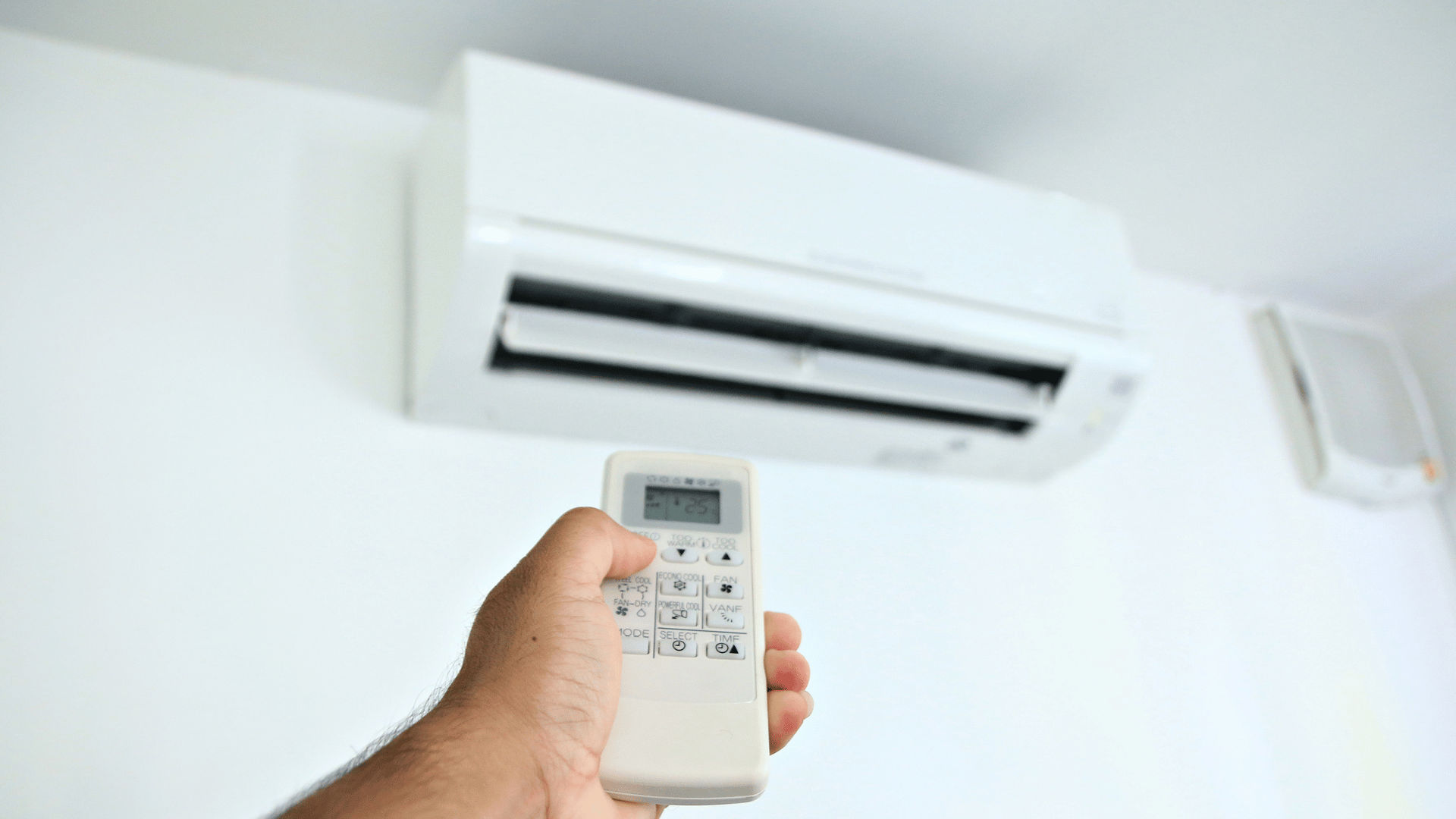
With the temperatures rising suddenly, all of us have been reaching for our AC remotes. It is the most used appliance in our homes during the hot months and also the most blamed one when the monthly electricity bill comes. We are quick to assume that more AC usage means higher electricity bills. Well, that’s not entirely true.
In many cases, two households using a similar AC setup for the same number of hours can end up with very different electricity bills. The difference isn’t because of the machine but because of how the room is set up around it, and how the AC is being used within that space. Most of us are unknowingly making our ACs work harder than they need to, and end up with increased bills.
Cooling Isn’t Just About the AC
We turn on the AC and assume that the job is done. Right? Wrong! The room itself often works against the cooling process.
If sunlight is entering through the windows, warm air is leaking in through small gaps, and even the heat retained by walls and furniture all contribute to raising the temperature continuously. Your AC then has to compensate for this heating, instead of just simply maintaining a comfortable level.
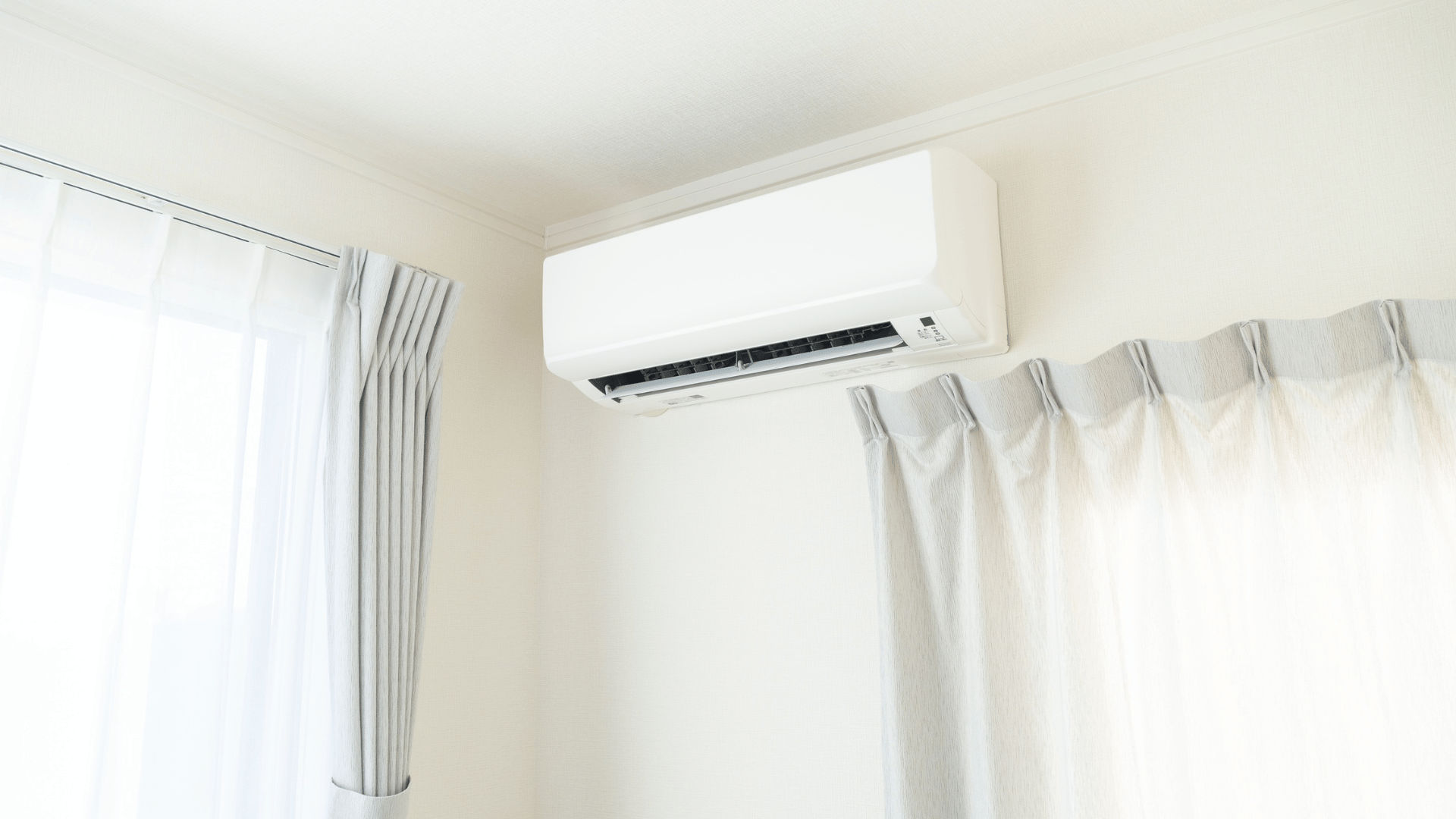
The logic is simple: the more heat your room retains or lets in, the harder your AC has to work. It runs for a longer time without reaching a stable point.
Lower Temperature Does Not Mean Faster Cooling
Many people treat the temperature settings of their ACs as speed control. They might think that setting the AC at 16°C should cool the room faster, but instead, it only extends how long the compressor runs. The cooling speed remains the same; only the workload increases.
Your AC is running more aggressively this way. 24°C, in most cases, is the ideal temperature setting. It not only keeps your room cool, but also doesn’t stress the AC too much.
Air Movement Changes Everything
The main purpose of turning on your AC is to feel comfortable, right? And the comfort is just as much about how air moves as it is about how cold it gets. You must have noticed that if your AC is turned on and you also turn on the fan at its lowest speed, the room feels better.
Still air tends to feel warmer, even at lower temperatures, because the body doesn’t lose heat as efficiently. Once air starts moving, even slightly, the same temperature begins to feel more comfortable.
And that’s why rooms with better air circulation often feel cooler even when the AC is set higher.
Take Care of Your Appliances!
Most of the time, people install a device and forget about it. But taking care of it regularly ends up saving you a lot of money over time. This goes for your ACs as well.
A slightly clogged filter, a minor airflow restriction, or dust buildup inside the unit doesn’t immediately stop the AC from working. It still cools, just not as efficiently. Also, the system then draws more power and takes longer to achieve the same result.
So if you service your AC on time, clean its filters, you will not have to run it for as long, and you won’t feel the need to lower the temperatures either, eventually saving money.
Your Cooling Needs Change, Your AC Doesn’t
There’s also a mismatch between how our cooling needs change and how we use the AC. At night, for example, the external temperature drops and the body requires less cooling. But we run our AC at the same intensity as we would in the afternoon. We’ll use blankets, but not change the temperature settings.
This creates unnecessary load, and not because your AC is inefficient, but because it is being used in a static way in a dynamic environment. So this means overcooling and also unnecessary usage of energy.
It’s Not About Using Less, It’s About Being Smarter
The idea that you need to “use the AC less” to save electricity isn’t entirely true. I mean, it does make sense. If you won’t use the appliance, you’ll obviously save on some units. What I am trying to say is that you can still do that by being smart about your AC usage.
Once you reduce external heat load, improve airflow, and avoid forcing the AC to work harder than necessary, the same usage begins to feel lighter on your electricity bill. An air conditioner becomes expensive when it is made to work against the room, against inefficient settings, and against small issues that build up over time.