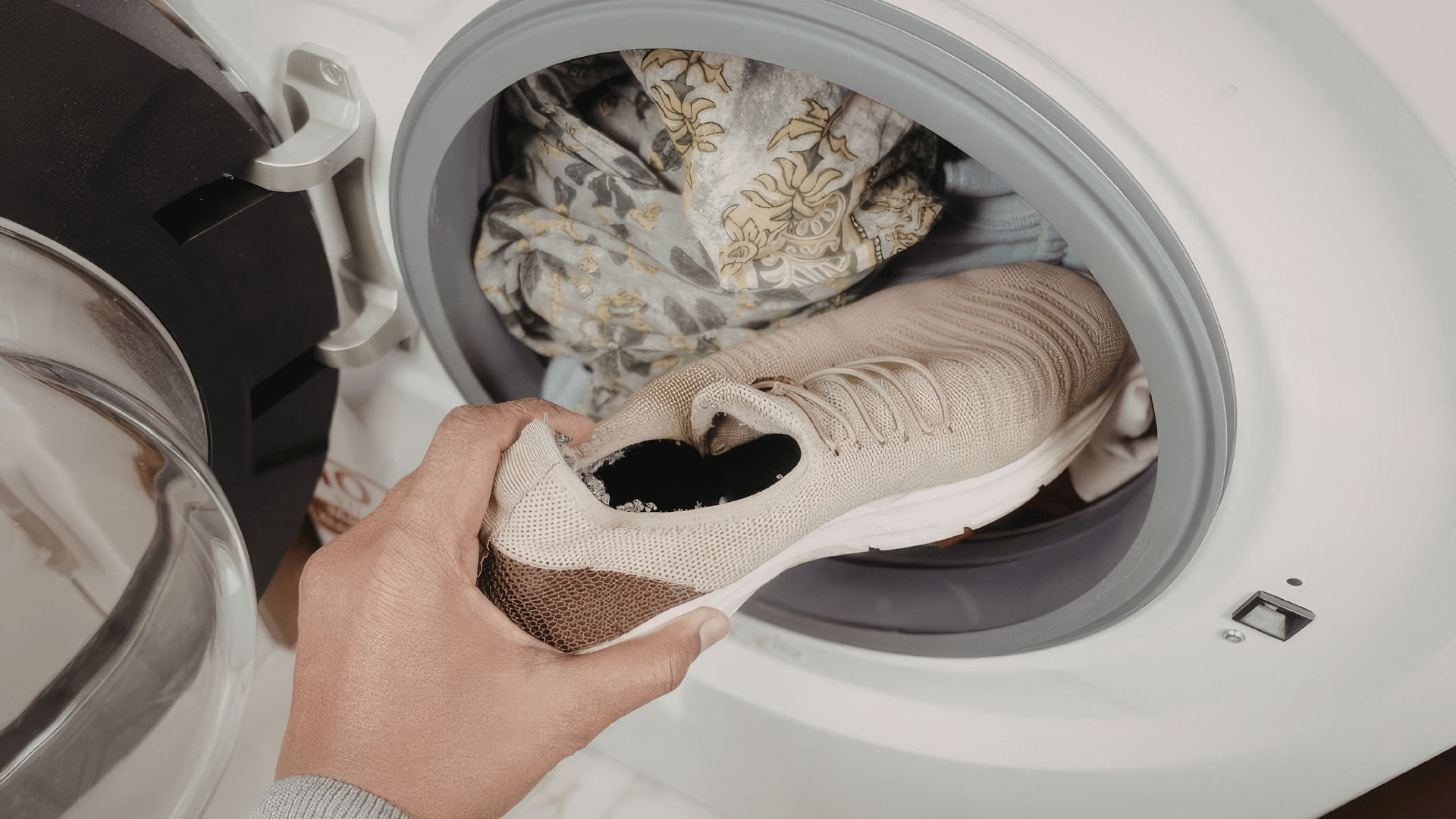
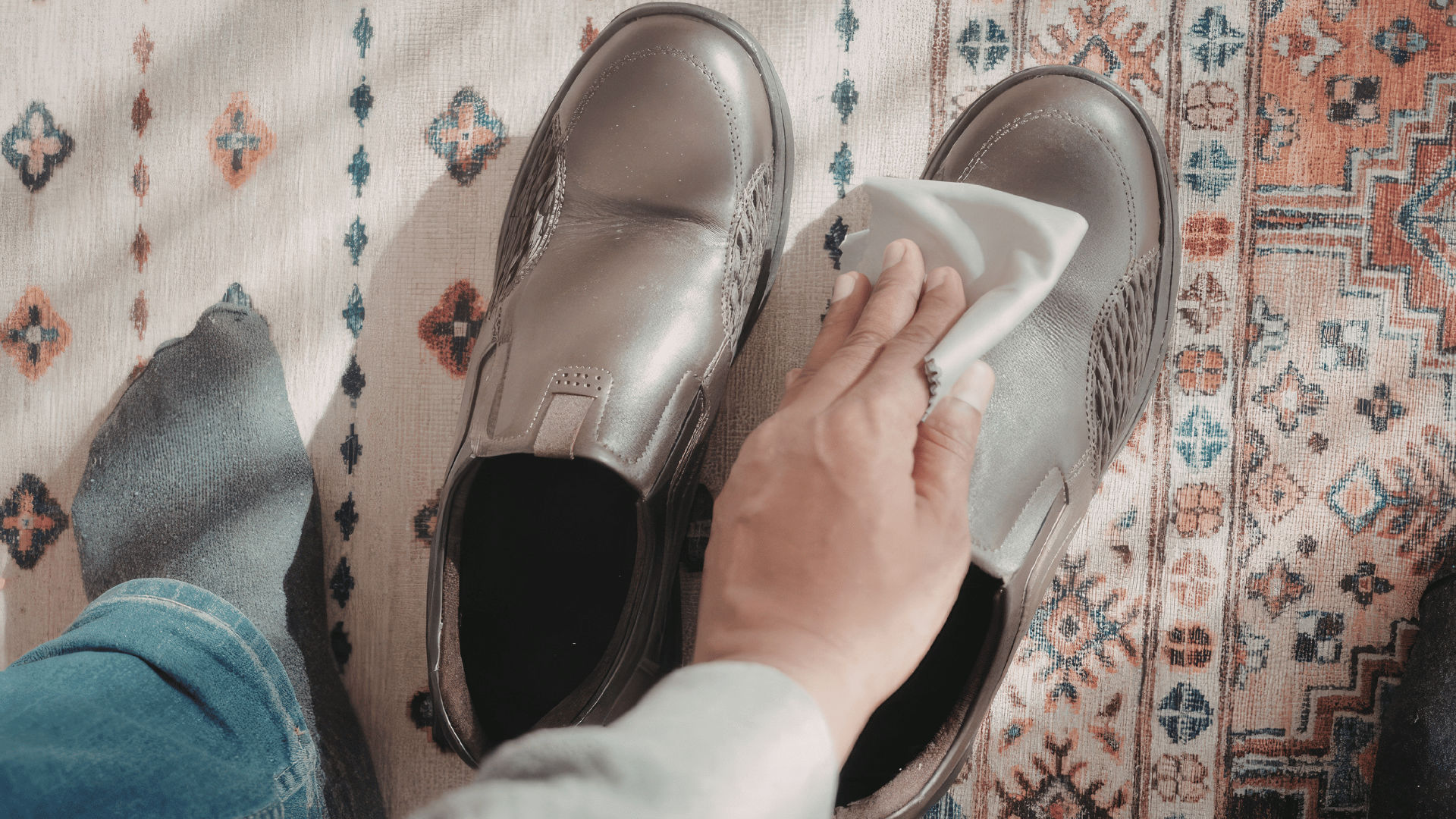
At some point, every pair of shoes reaches a stage when a wipe with a wet cloth isn’t enough. The sole collects dust and mud, the fabric starts looking pale, and it just doesn’t look clean, no matter how much you wipe it. One option is to get the shoes dry-cleaned, which is not possible regularly. Someone has to come and collect them, or you have to go to the laundry house, drop them off, and wait for a while. I sometimes feel like just tossing my dirty sneakers in the washing machine, just like my clothes.
I am sure that feeling is mutual, but the problem is that shoes are not built like clothes, and if you treat them the same way in a washing machine, then chances are that it will end up doing more harm than good. Trust me, I have made that mistake.
Look, washing sneakers in a washing machine is not entirely wrong. In fact, for certain types of shoes, it can work really well. It’s just that you have to be careful and smart about how you’re getting the job done.
Start With the Shoe Material, Not the Machine
PSA: Not every type of shoe can be cleaned in a washing machine, and not every kind of shoe should be put in a washing machine either. Now that I have warned you, let’s begin.
Before you even think about tossing your sneakers in the washing machine, it is very important to evaluate the type of shoe and material you are dealing with. Lightweight sneakers, running shoes, and mesh-based shoes are generally safe to wash in a washing machine because they are designed to handle moisture and flexibility. The washing machine tosses and turns things inside a bit aggressively, and these types of shoes can handle that movement and water exposure without losing their structure.
Just don’t even think about tossing your premium leather shoes and sneakers in a washing machine. Water can strip away their finish, cause stiffness, and in some cases, permanently alter their shape. The same is true for suede and any other delicate materials. It is not just a risk; it will most definitely ruin your shoes.
So, you need to check whether the material is wash-friendly or not at all times.
Why Shoes and Washing Machines Don’t Naturally Get Along
If you have ever washed shoes in a washing machine without any preparation, you must have noticed how aggressively they move inside the drum; sometimes, they even create a loud noise. This is because, unlike clothes, which distribute weight evenly, shoes are bulky and uneven. As the drum spins, the shoes hit against the sides repeatedly, and this impact can easily damage them.
Your shoes can lose their structure, glued parts can get weak, and the material can get damaged because of excessive water. You don’t wear certain kinds of shoes to treks or in the rain, either, right? Now imagine the kind of damage a washing machine can do.
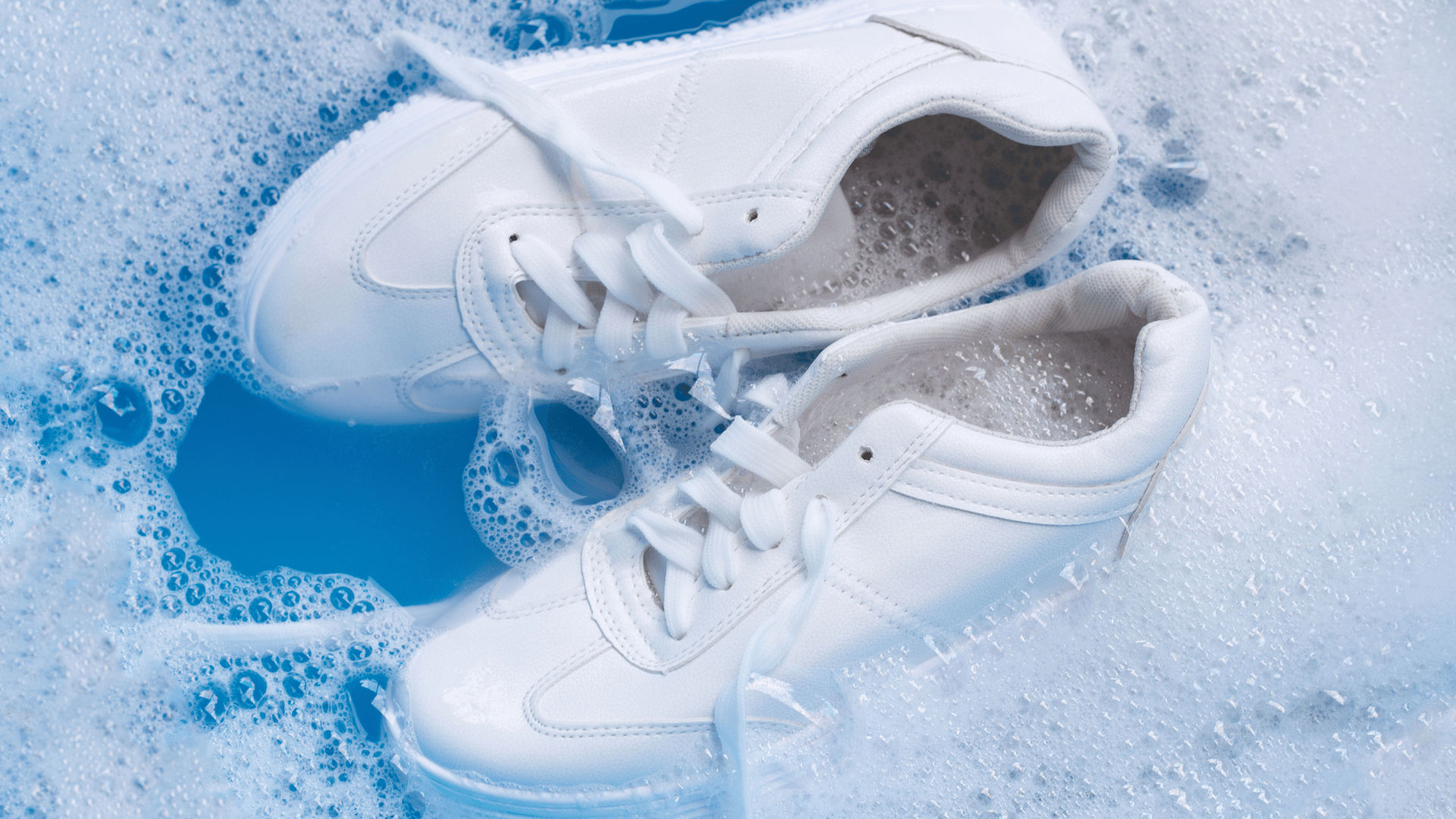
It’s not just the shoes; if you are constantly washing shoes in the washing machine, over time, that constant impact can stress the drum, scratch the inner surface, and, in front-load machines, even affect the glass door.
The “Towel Buffer” Trick That Actually Makes a Difference
If you have to wash shoes in a washing machine, then the simplest and most effective way to reduce damage is by adding a buffer inside the drum. So, instead of placing your shoes directly into the washing machine, you can wrap them in old towels or add a few thick towels along with them in the drum.
The cushioning from the towels absorbs the impact during the spin cycle and prevents the shoes from banging against the drum. These days, you can even buy washing machine bags for shoes on Amazon; that’s an even better option.
This small hack lets the machine run quieter, the load feels more balanced, and the chances of damage to both the shoes and the appliance drop significantly.
Choosing the Right Settings Matters
The next step is to make sure that the wash cycle itself is not too aggressive. A standard heavy wash is not meant for footwear. A gentle or delicate cycle works far better because it reduces the intensity of the spin and therefore the stress on the sneakers.
Cold or slightly warm water is a safer choice, as high temperatures can weaken adhesives and affect the sole’s structure. Also, don’t use too much detergent. Using too much detergent can leave residue trapped inside the fabric, especially in thicker material, which gets a little difficult to rinse off.
Drying Is Where Most Mistakes Happen
Don’t get fooled that you’ve followed these steps and washed your shoes, and now you’re done. We’re only halfway done. Drying is where most long-term damage actually occurs.
Please don’t use the dry mode or a dryer to speed up the process. The heat can warp soles, loosen glue, and shrink certain materials. Air drying is the best and safest option. I know it’s slow, but it won’t damage your shoes.
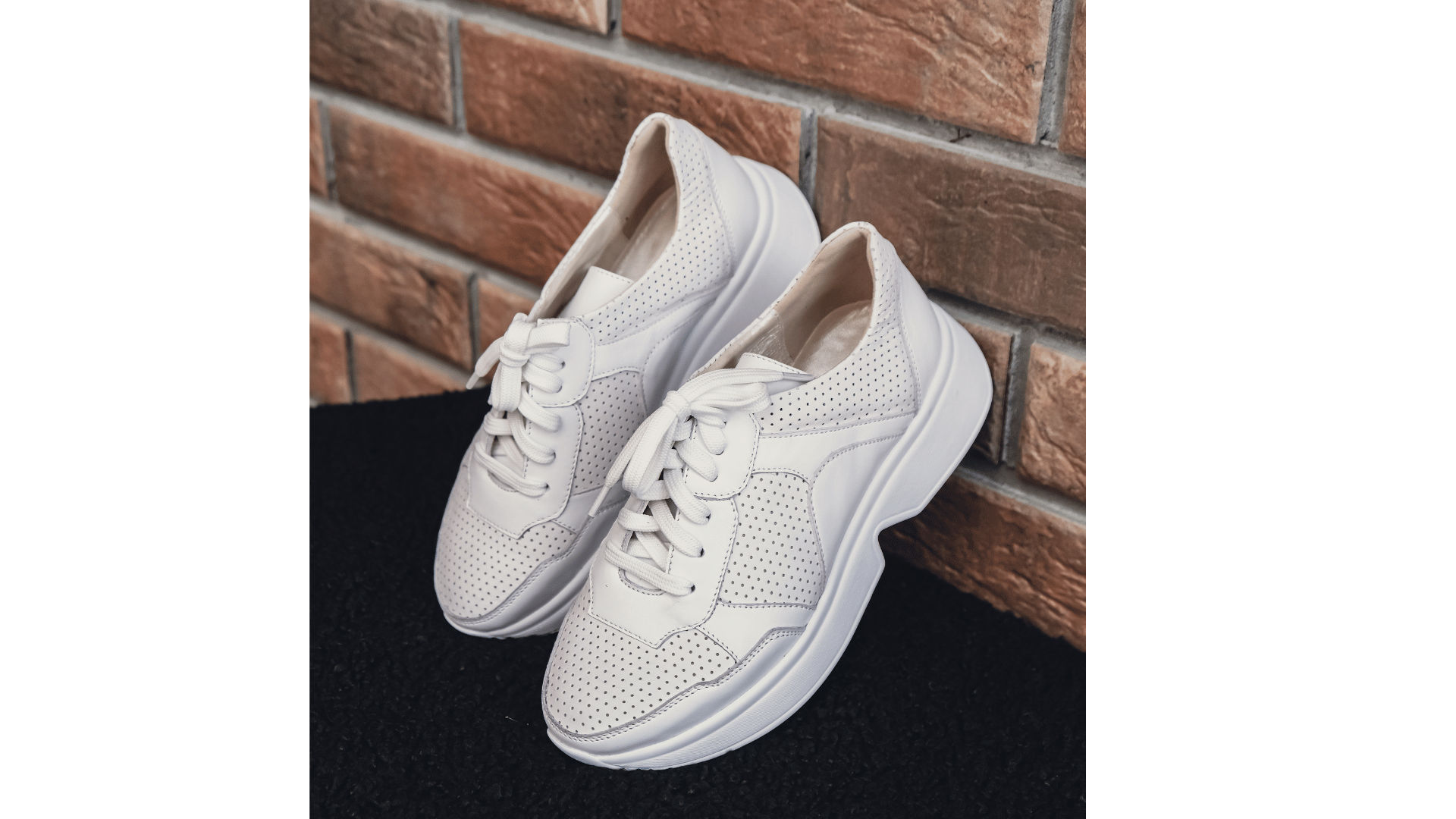
While drying, you can stuff the sneakers with paper or cloth to help them retain their shape. Place them in a ventilated area, and not under direct sunlight, to ensure proper drying.
So, to sum it all up, washing sneakers in a machine is less about whether you can do it and more about how you do it. You need to consider the material, balance the load properly, choose the right settings, and also dry them out properly. Just remember, not every shoe is meant to go in that washing machine drum.