The Rs 30,000 price segment is a hot one right now. While Nothing was able to dominate this space in the past with its unique design and user experience, it now needs to bring more to the table. Mainly because, at around Rs 32,000, you have the Poco X8 Pro, a performance-focused option that also has a unique design element in the form of RGB lighting around the rear camera lens.
Apart from that, we also have the Moto Edge 70, a fairly well-rounded smartphone with a slim profile and the much-loved Material You Android software experience. So, at a price tag of Rs 31,999, what does the Nothing Phone (4a) have to offer? Well, here’s my answer.
Price and Variants: 128GB Feels Hard to Justify
First of all, I want to talk about the pricing of the Nothing Phone (4a). It comes in three variants:
- 8GB / 128GB: Rs 31,999
- 8GB / 256GB: Rs 34,999
- 12GB / 256GB: Rs 37,999
The starting 128GB variant feels like an outlier in this price range, mainly because the other smartphones I mentioned in the Rs 30,000 segment offer 256GB storage as standard. Moreover, in 2026, 256GB seems to have become the default storage option for most mid-range to high-end smartphones.
Currently, with bank offers, the 8GB / 256GB variant of the Nothing Phone (4a) can be had for as low as Rs 31,999, which is basically the current price of the 8GB / 128GB variant. And I think, and as you’ll later see in the video, this is the most amount you should spend on the Nothing Phone (4a).
Design and Build Quality: New Glyph Bar, Stronger Build, and a Confident Big-Screen Feel
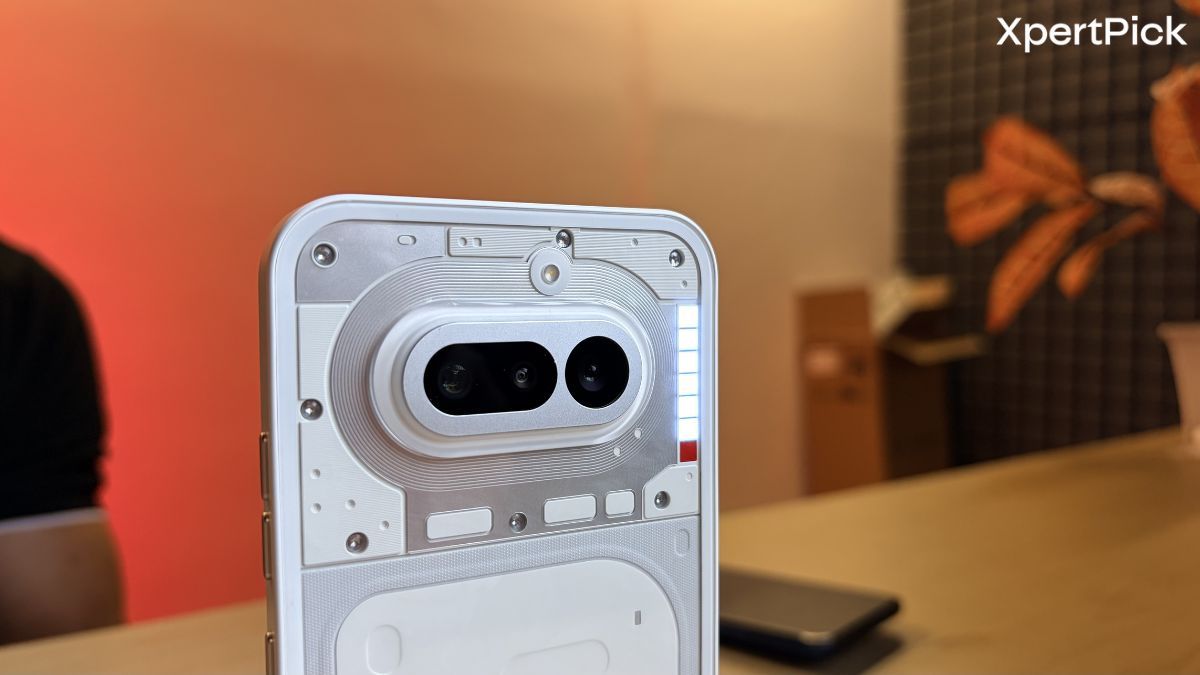
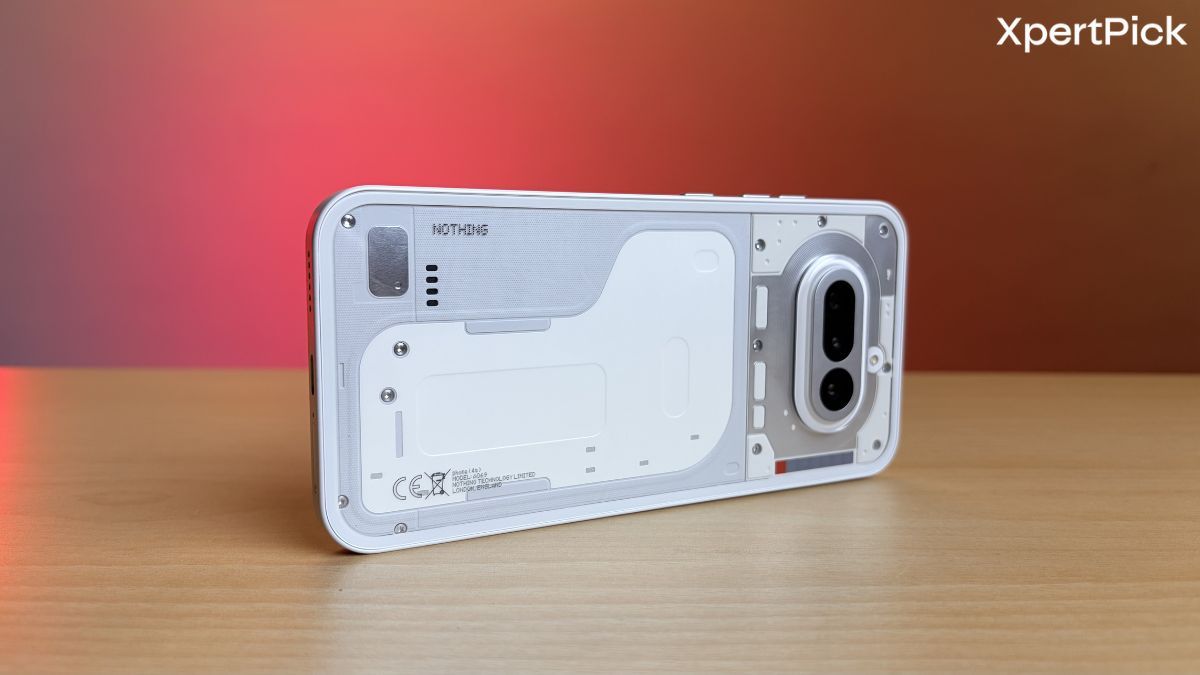
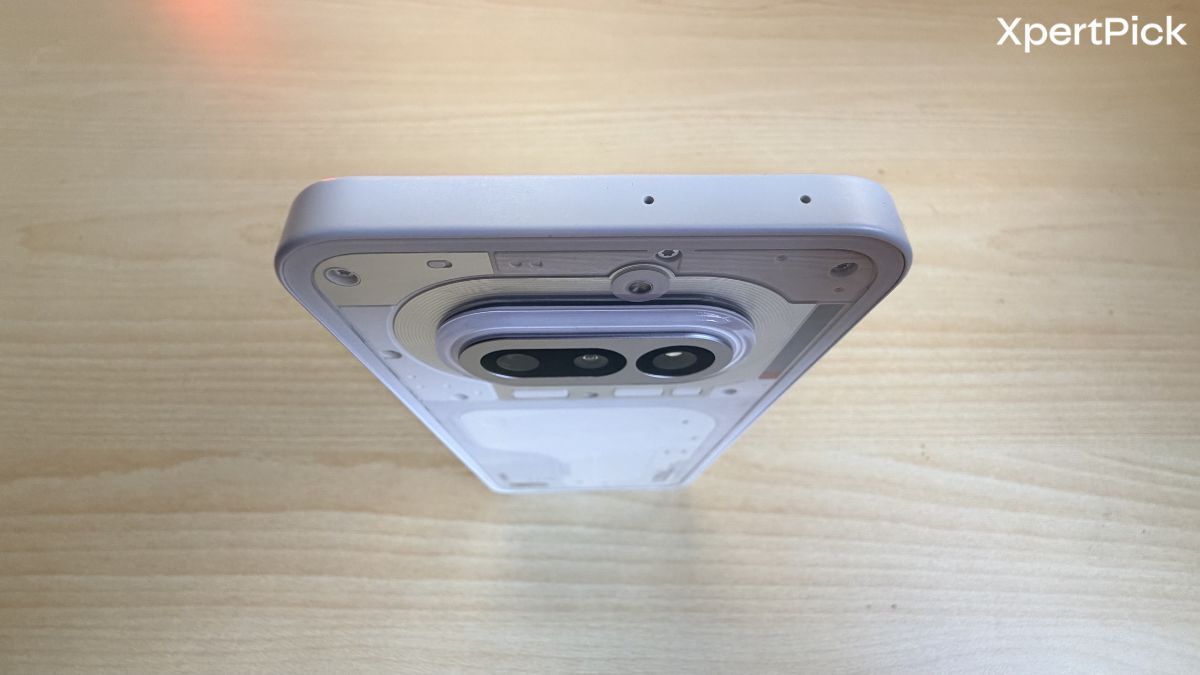
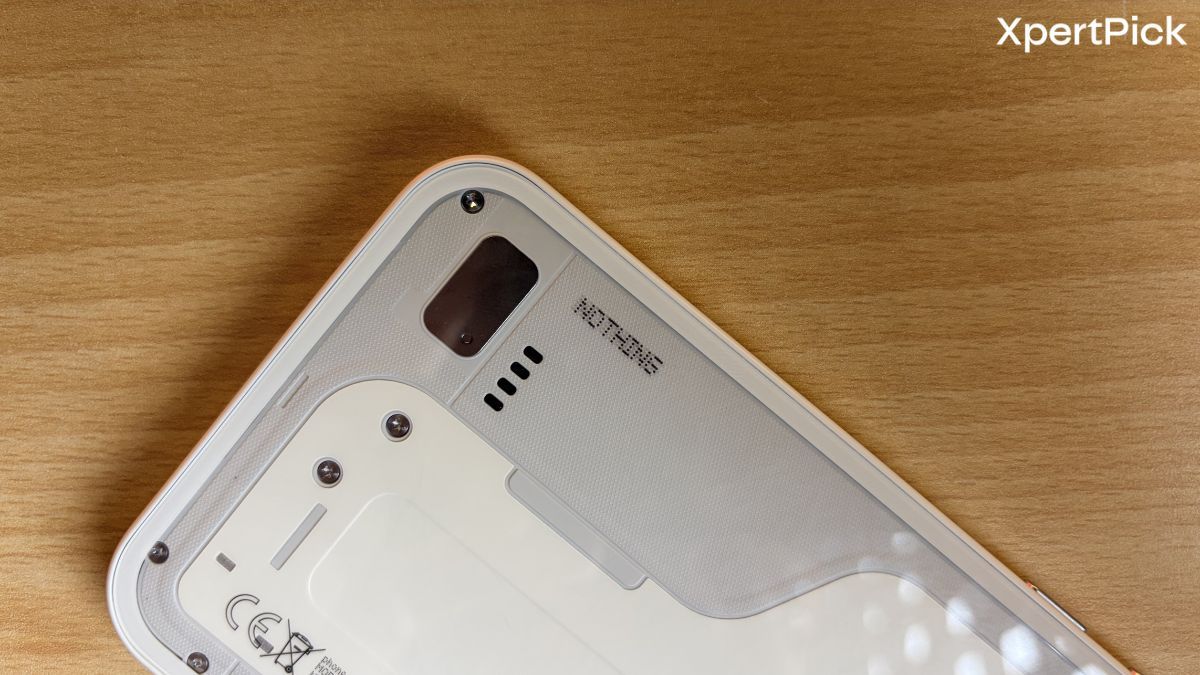
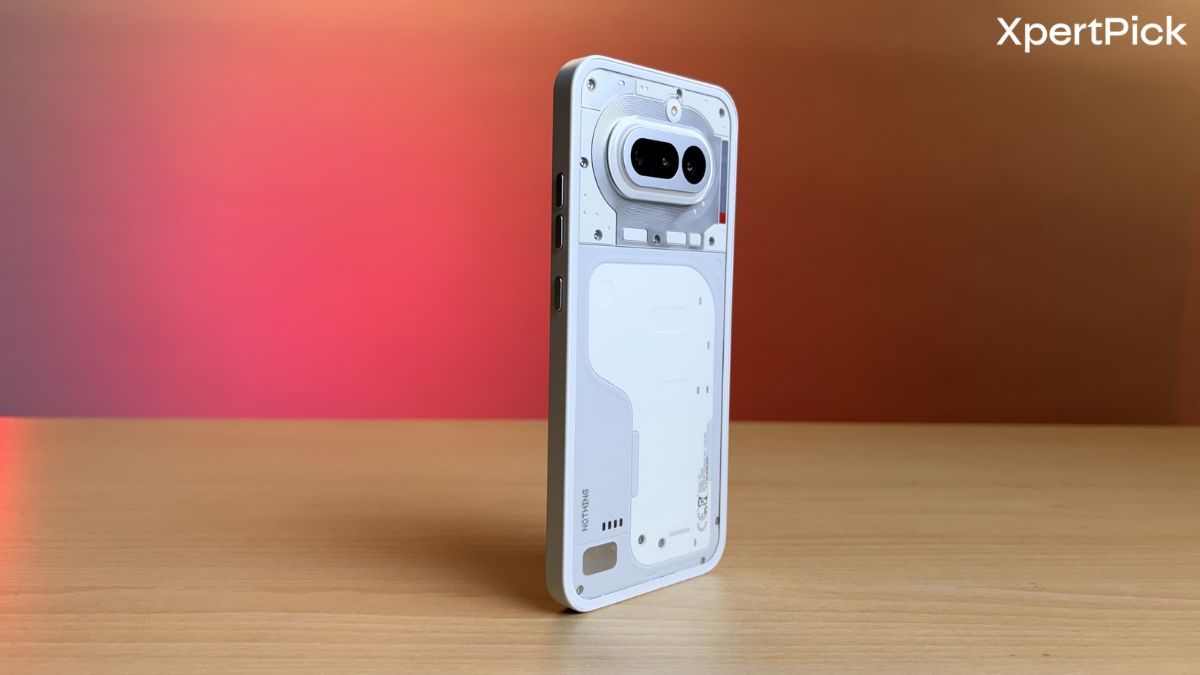
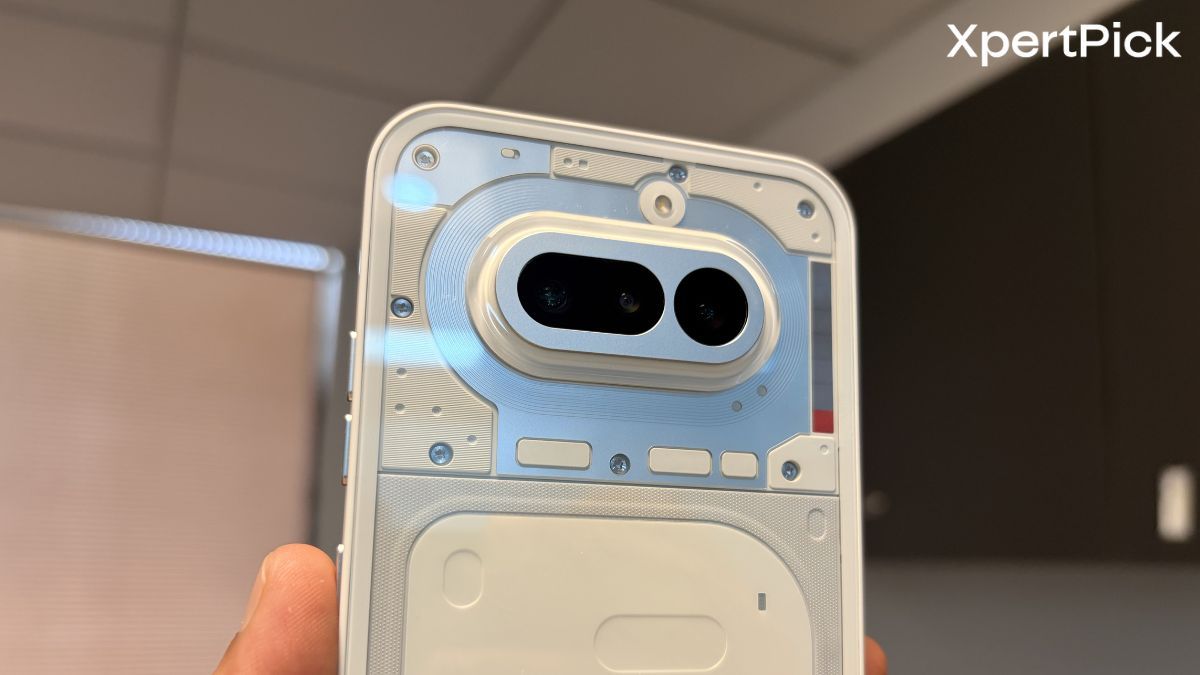
The most striking visual change in the Phone (4a) is the transition from the old Glyph Interface to the new Glyph Bar. Instead of the sprawling LED segments seen on the Phone (2a) or Phone (3), the (4a) features a concentrated strip of 63 mini-LEDs across the upper back.
Nothing says that this new bar is roughly 40% brighter than previous models, reaching up to 3,500 nits, making notifications visible even in direct sunlight. The dual-camera module remains centered in a “pill” shape, but the internal “coil” plates have been redesigned to look more like a precision-engineered engine than a collection of parts.
Nothing has stepped up the “toughness” of their mid-range line with the (4a), addressing previous criticisms regarding bend resistance and scratch susceptibility.
The front is protected by Corning Gorilla Glass 7i, while the back uses high-grade Panda Glass. This combination provides a claimed 34% improvement in bend resistance compared to the Phone (3a). The (4a) utilises a reinforced plastic frame with a matte finish.
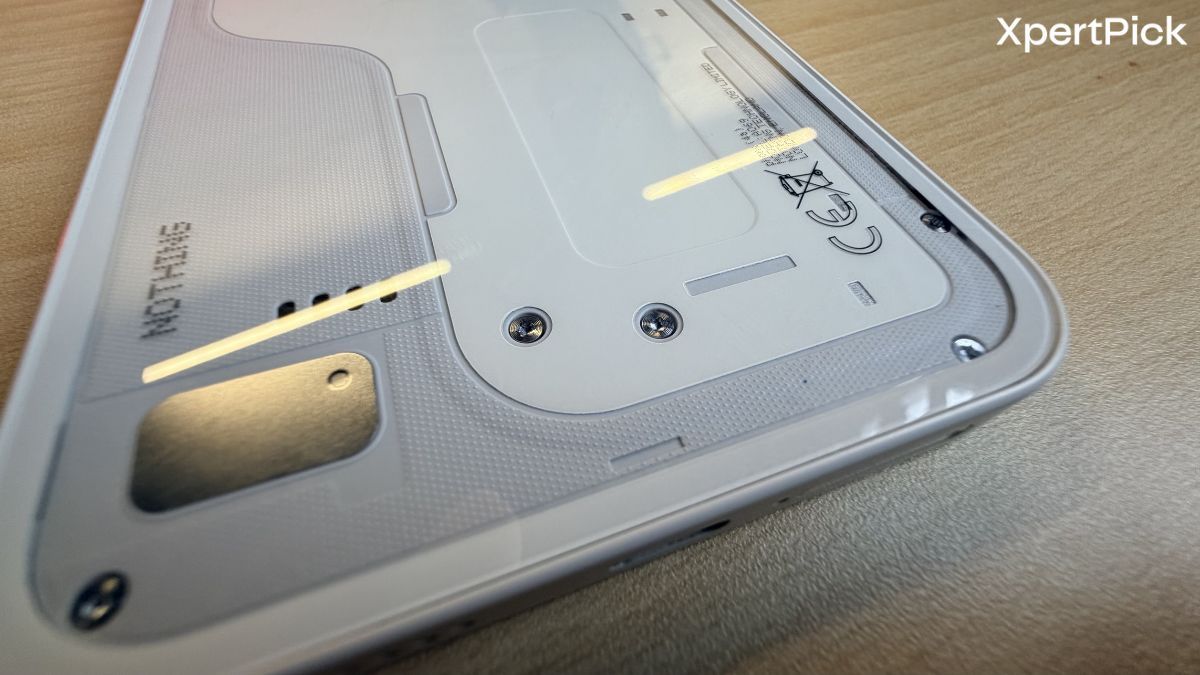
This choice keeps the cost down compared to the Pro model’s metal unibody, but the matte texture provides excellent grip and effectively hides fingerprints on the side rails. The device is mostly dust-tight, but I did spot a couple of dirt particles inside the glass. It is also splash-resistant, and while it is not designed for deep-water submersion, the IP rating suggests it should be able to handle rain or accidental spills.
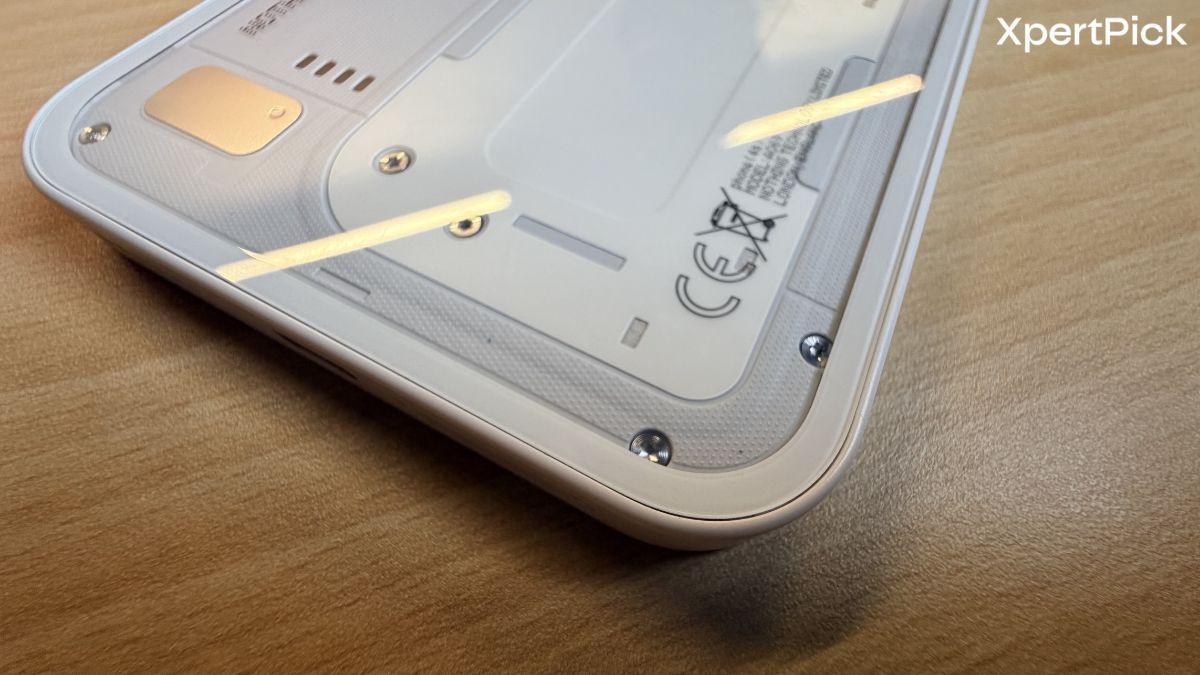
In terms of dimensions, it is clearly a large phone. It weighs 204.5 grams, measures 8.5mm thick, and includes a 6.78-inch display. Without a case, the Phone (4a) feels similar to using an iPhone 17 with a protective case. I used that specific example because I daily an iPhone 17 with the same setup, and the Nothing Phone (4a), despite its larger size and heavier body, felt almost similar in hand.
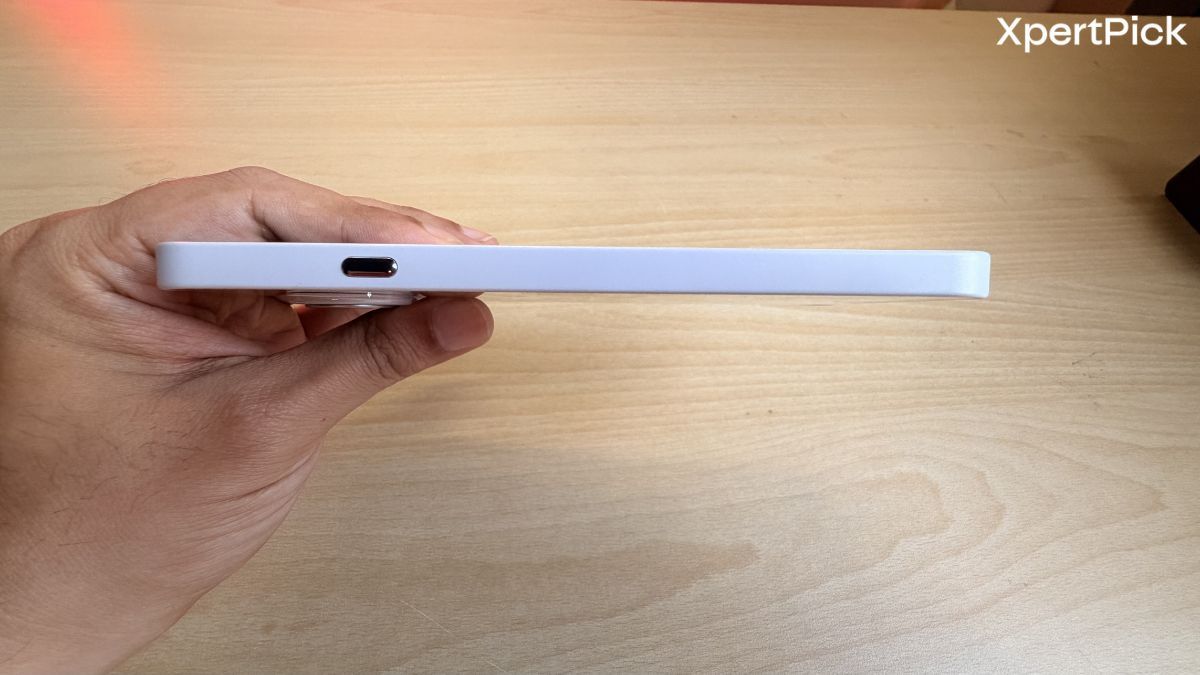
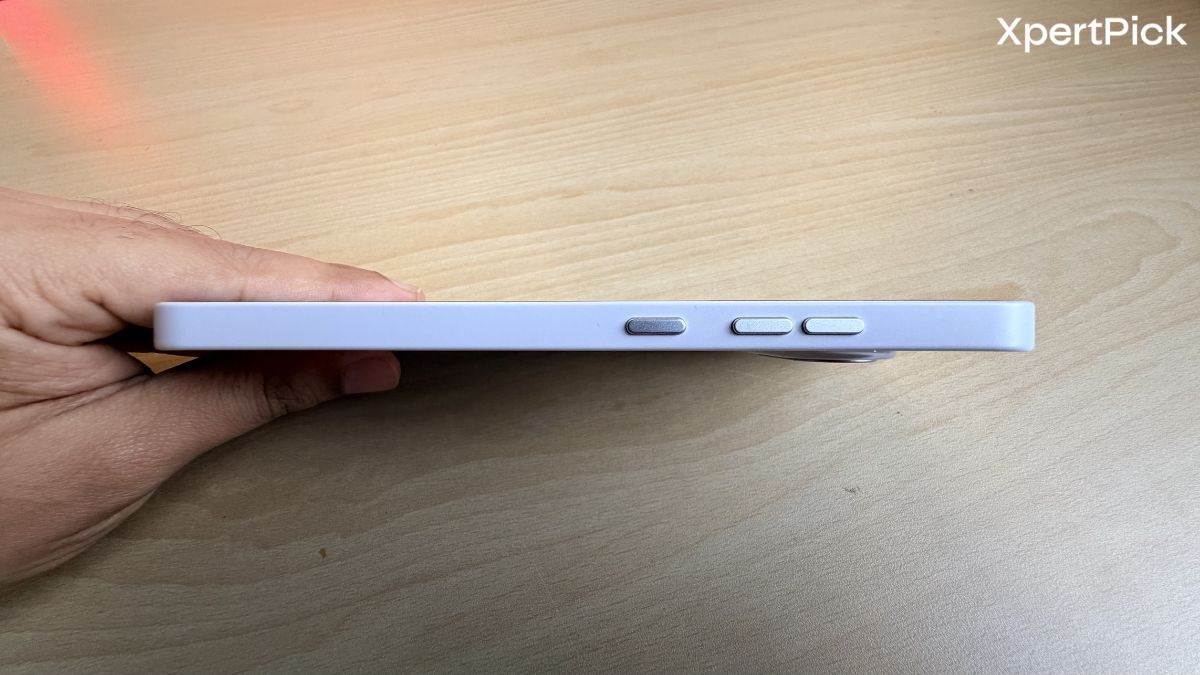
Based on user feedback, Nothing has relocated the Essential Key to the left edge. This prevents the common accidental screenshot or volume mishap that occurred with previous layouts. It works pretty well too. If you hold the smartphone in your right hand while using it, the Essential Key remains fairly out of reach. For left-handed users, your thumb will likely sit slightly below the Essential Key now, but I think it is still manageable.
The Nothing Phone (4a) does not sit perfectly flat on a table, but because of its centrally placed, slightly rectangular camera housing, it does not wobble. Even with the included transparent case, the phone still does not lie completely flat because the camera module protrudes slightly.
This is not meant as either criticism or praise of the design, because you can easily change how your phone sits on a table by using any of the near-infinite variety of smartphone cases available.
In terms of colours, while Nothing started as a Black/White brand, the Phone (4a) expands the palette with Black and White featuring the signature transparent tint.
Nothing also introduced Blue and a standout Pink variant. The Pink version has been particularly well-received for its soft, understated tone that avoids looking “toy-like” by maintaining the industrial transparency underneath.
Display: Sharper 1.5K AMOLED with Excellent Outdoor Visibility
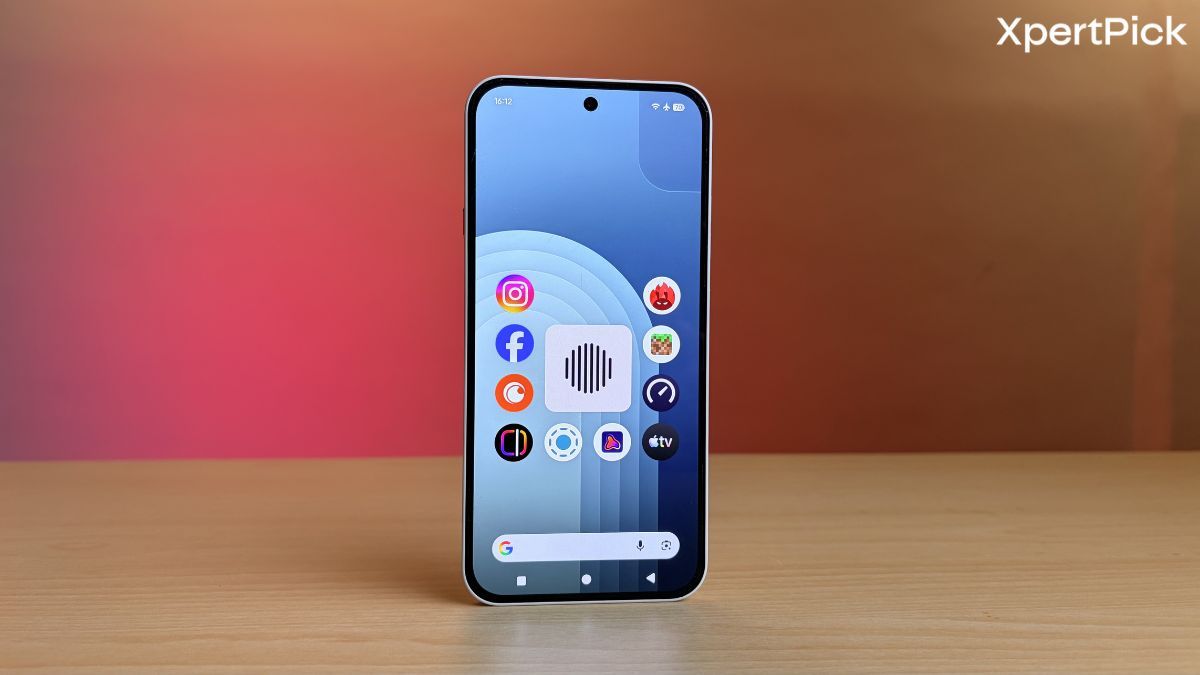
Nothing has finally moved beyond the standard Full HD+ resolution seen on its earlier “a” series devices. The (4a) features a 6.78-inch Flexible AMOLED panel with a 1.5K resolution (1224 x 2720 pixels). This results in a crisp 440 PPI (pixels per inch), making text and system icons look substantially sharper, particularly when using Nothing’s dot-matrix font.
It supports 10-bit color depth, capable of displaying over 1.07 billion colors. This ensures smooth gradients in skyboxes or shadows, virtually eliminating the “banding” issues often found in cheaper OLED panels.
The (4a) boasts some of the highest brightness figures in its price bracket for 2026.
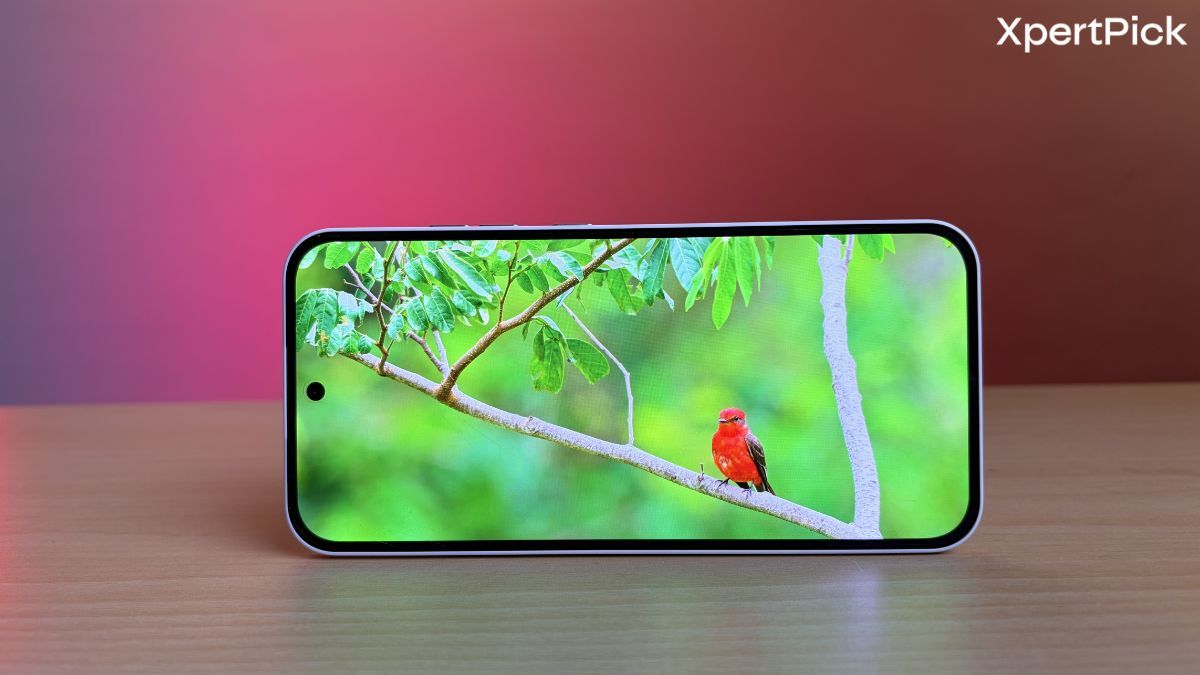
In our test, its peak auto brightness came out to be around 2,160 nits, while its manual peak everyday brightness came out to be 780 nits. Sunlight visibility for the smartphone is pretty good, and you will face absolutely no issues while using this phone in direct harsh sunlight.
While it does not get the 144Hz panel of the Phone (4a) Pro, I found that the 120Hz refresh rate on the Nothing Phone (4a) is good enough. The refresh rate holds well during scrolling, swiping, and general usage.
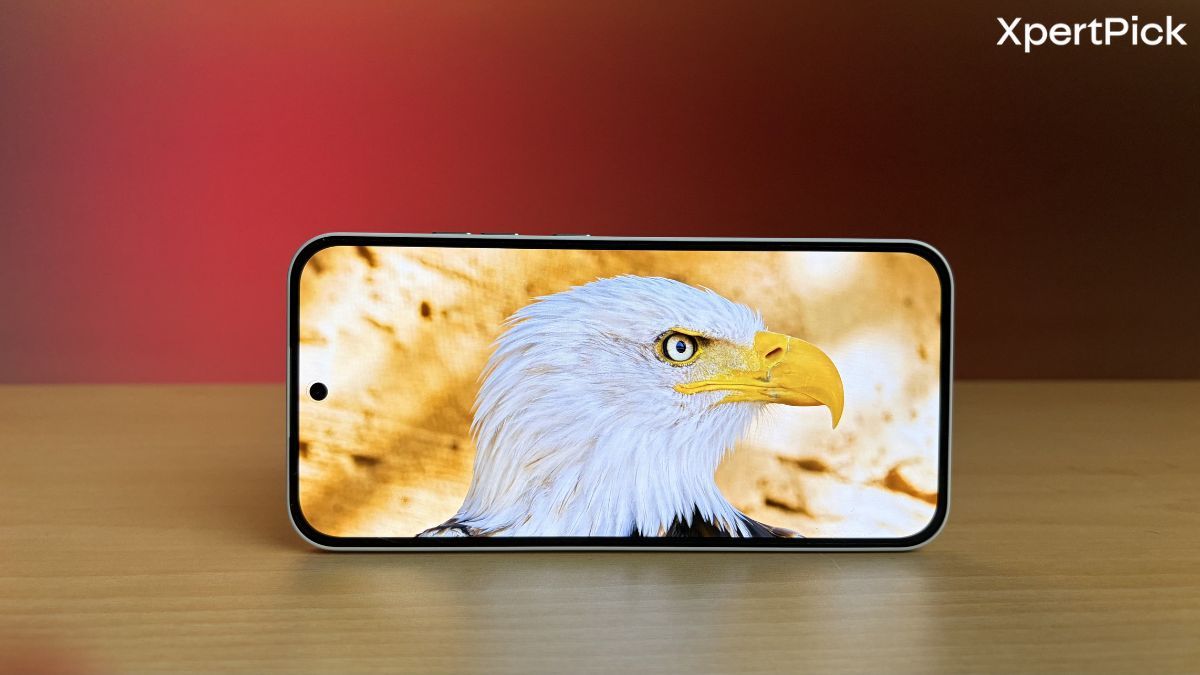
The panel also uses LTPS technology, allowing it to scale dynamically between 30Hz and 120Hz. This can help improve battery life, although I kept the display locked at 120Hz for most of my usage. For gaming, the display also features a 480Hz touch sampling rate, which ramps up to 2,500Hz when Gaming Mode is engaged. That is good news if you like playing eSports titles.
Nothing has also used 2,160Hz high-frequency PWM dimming here. This is particularly useful at low brightness levels, as it helps reduce eye strain and headaches during late-night scrolling. The panel is protected by Corning Gorilla Glass 7i as well, which is a major upgrade over the Panda Glass used on the front of the Phone (3a), offering significantly better scratch resistance and drop protection.
Speakers: Clean Stereo Output with Excellent Haptics
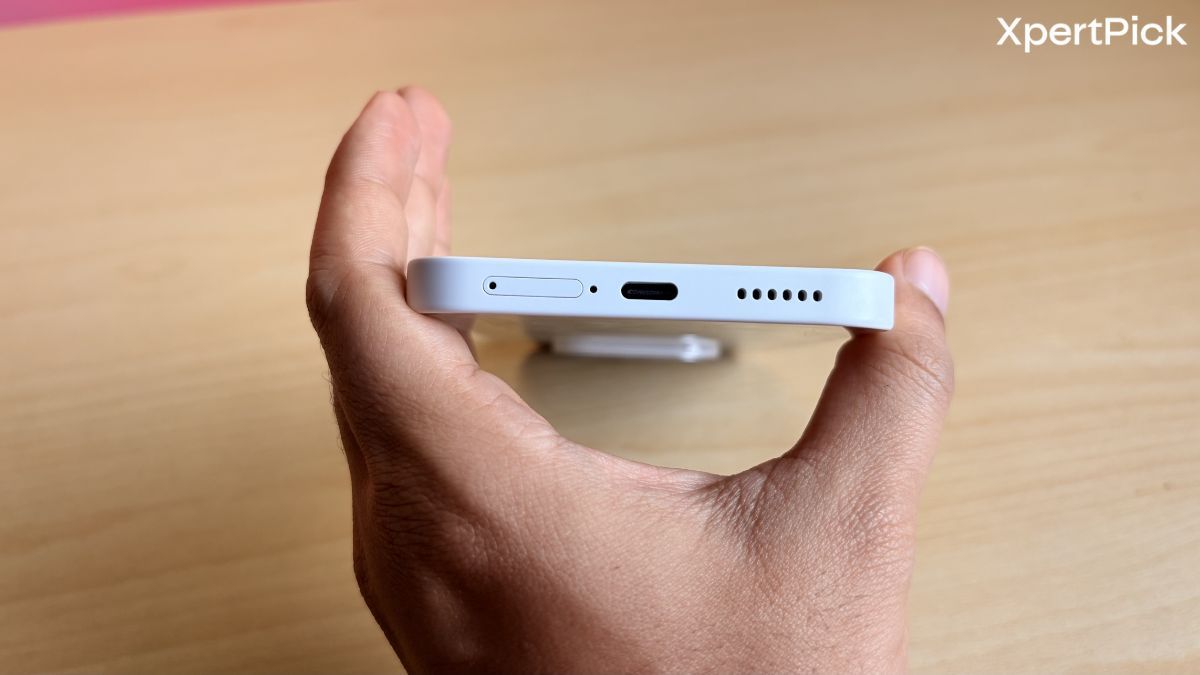
The Nothing Phone (4a) uses a hybrid stereo speaker setup, with a dedicated bottom-firing speaker and the earpiece acting as the second channel. In my usage, this setup felt fairly well balanced, especially when watching videos or playing games in landscape mode.
Nothing has also improved the earpiece output this time, and the extra volume does help the stereo effect feel more even compared to the previous Phone (3a). For calls and voice recordings, the phone also gets two HD microphones with Clear Voice Technology, which is designed to isolate your voice and reduce background noise.
In terms of sound quality, I found the Phone (4a) to have a fairly neutral and crisp sound signature. It performs particularly well with mids and highs, so podcasts, vocals, acoustic tracks, and YouTube videos sound clean and clear. Even at higher volumes, the speakers do not sound overly tinny.
The bass is present, but it is still quite restrained. It is good enough for casual gaming, reels, and everyday media playback, but it does not have the deeper low-end presence you might expect from the Pro model’s metal chamber design. The speakers get reasonably loud too, reaching around 83dB, although I did notice some minor high-frequency distortion once the volume crossed the 90% mark.
What adds more character to the experience is the new linear X-axis haptic motor. With Nothing OS 4.1, the haptics feel closely tied to the sound and Glyph Bar patterns.
Every vibration feels sharp and well timed, especially with Nothing’s own ringtones and notification sounds. It makes the phone feel more tactile in daily use, and that small layer of physical feedback adds to the overall personality of the device.
Camera: Good Photos, Average Ultrawide, and Surprising Video Performance
The Nothing Phone (4a) comes with a triple-camera setup at the back. The main camera is a 50MP wide sensor with an f/1.9 aperture, a 24mm focal length, PDAF, and optical image stabilisation. It uses a fairly large 1/1.57-inch sensor with 1.0µm pixels, which should help with detail and low-light performance. Alongside that, there is a 50MP periscope telephoto camera with an f/2.9 aperture, PDAF, OIS, and 3.5x optical zoom.
This uses a smaller 1/2.75-inch sensor and gives the phone proper long-range zoom flexibility. The third camera is an 8MP ultrawide lens with an f/2.2 aperture, a 15mm focal length, and a 120-degree field of view. For features, the camera system supports LED flash, panorama, and Ultra XDR processing.
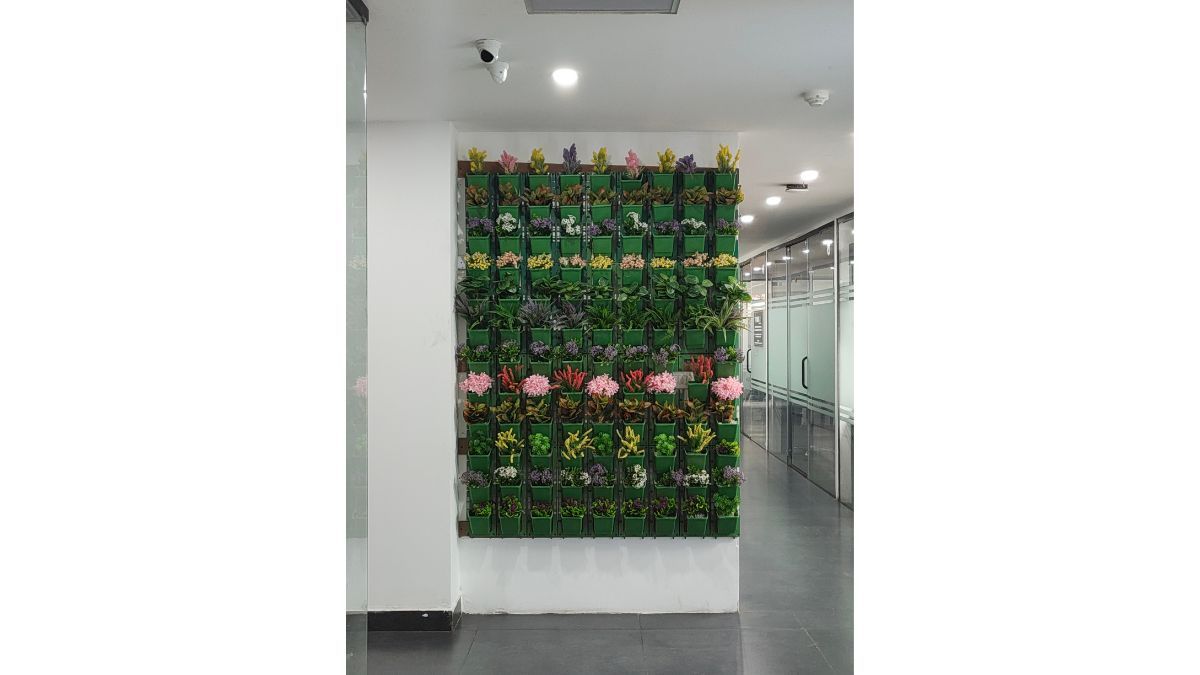
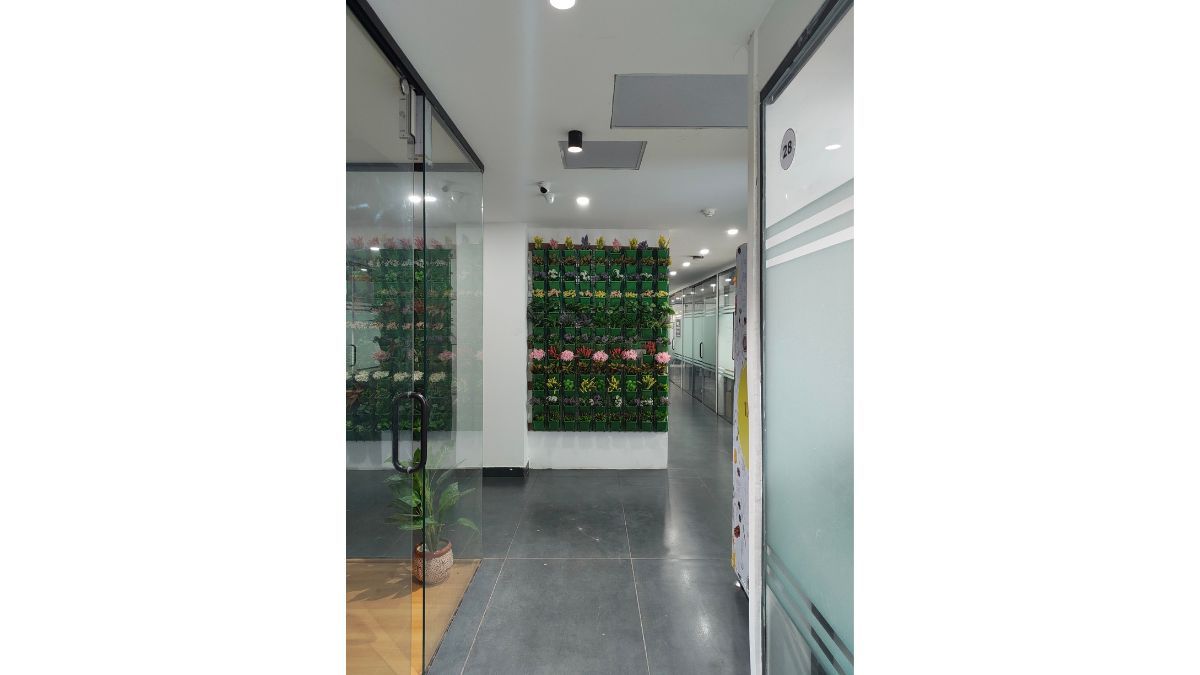
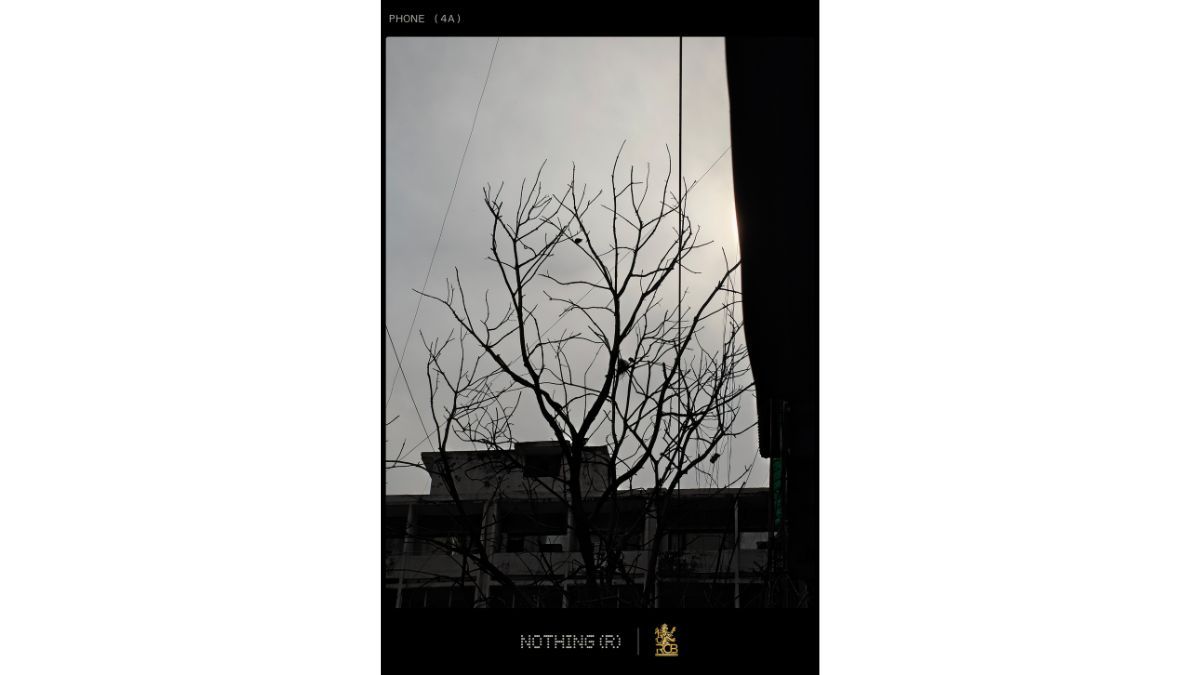
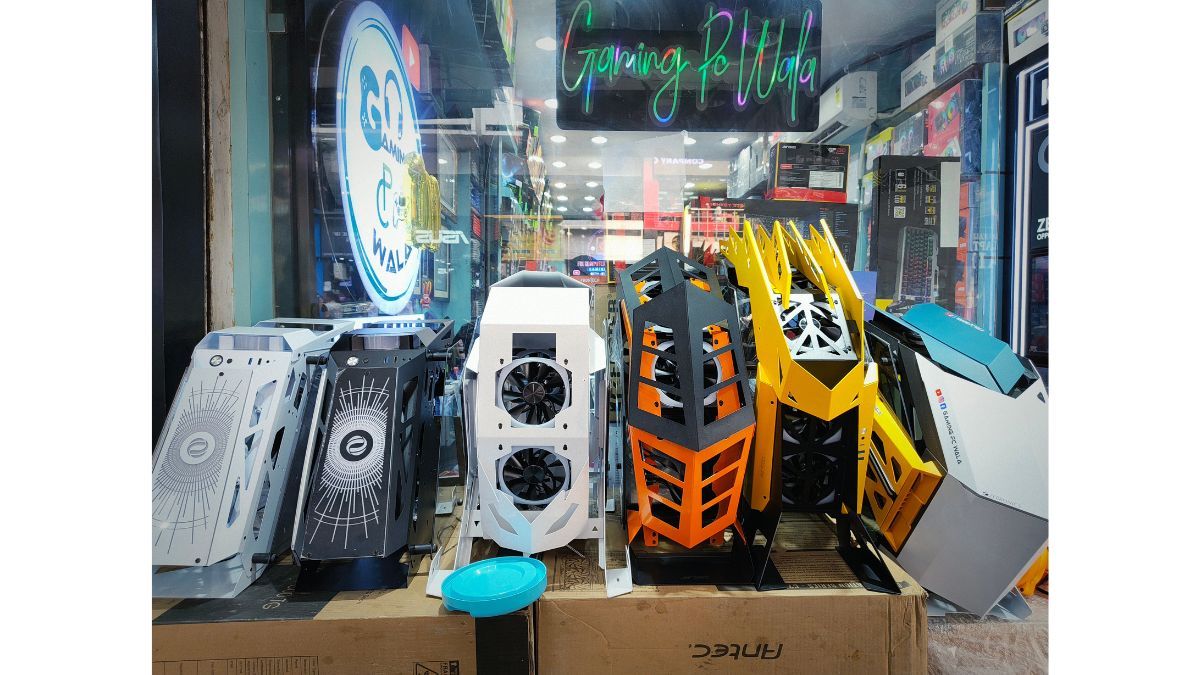
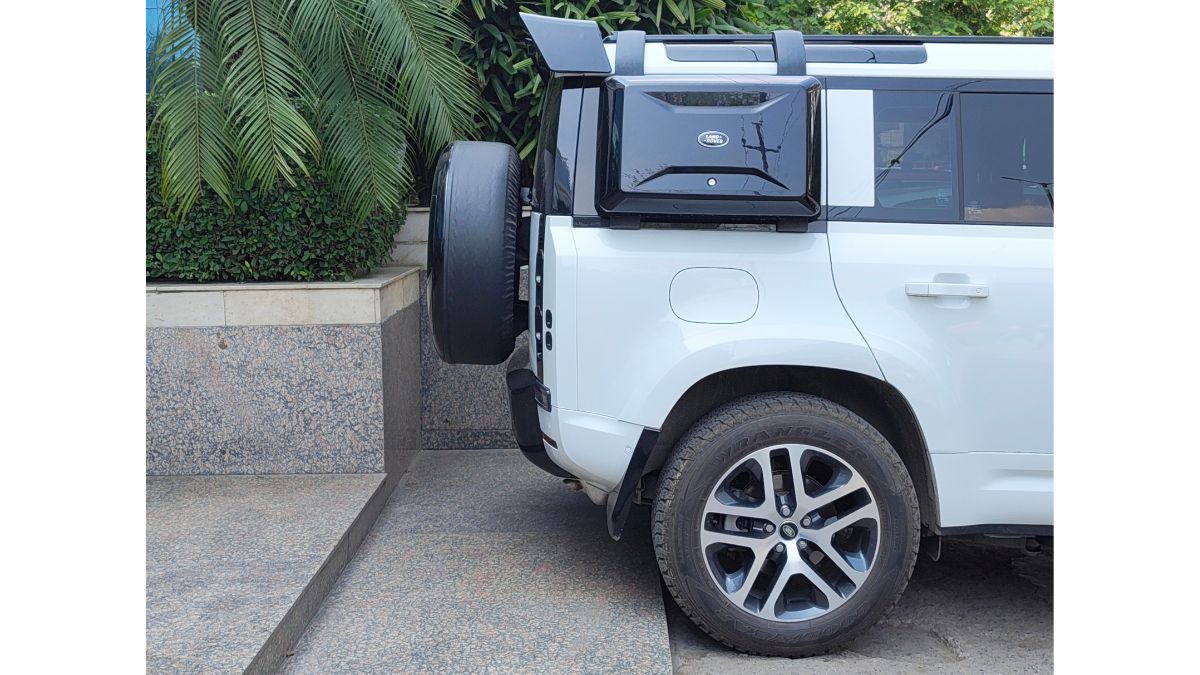
The camera setup on the Nothing Phone (4a) is pretty solid but also very basic. Firstly, in terms of photos, the 50 MP wide and the 50 MP 3.5x lens take pretty detailed shots. The shots from both phones have slightly boosted colours with slightly cooler tones.
Likewise, both suffer from the same problem: taking close-up shots of objects. The camera on the Nothing Phone (4a) struggled the most when shooting flowers, leaves, and twigs up close. At a certain distance, which the camera clearly indicates, it captures some really good and detailed shots. But move in a little too close, and it starts missing both detail and focus on the subject.
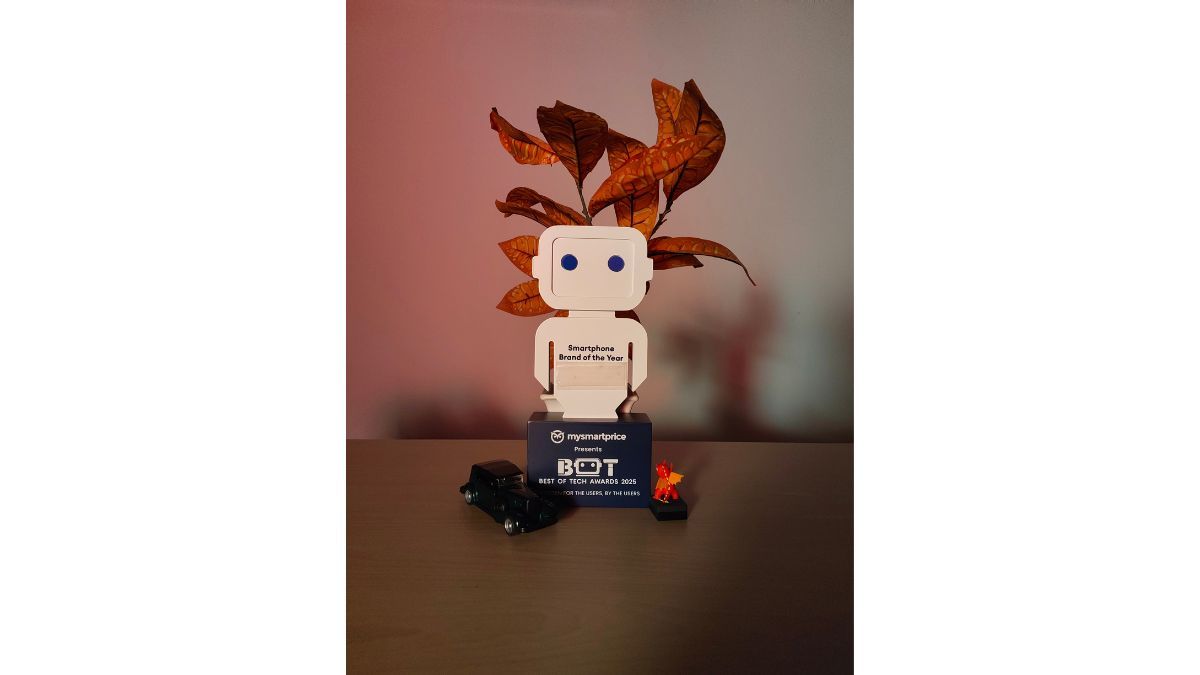
Low-light performance is decent. The camera does not introduce any noticeable noise in low light, but it does soften the image a bit.
In terms of portrait too, the Nothing Phone (4a) gets the job done by capturing messed up hair strands and clothes fibres quiet clearly. However, the portrait mode still struggles with portrait shots of objects with depth, like a car’s orvm side mirror. But overall, the portrait shots are good and consistent.
Video performance is where things get a bit interesting. The Nothing Phone (4a) can only switch between all three modes, 0.6x, 1x, and 3.5x, while recording at 1080p 30fps. Although the phone can record up to 4K 30fps, the 3.5x optical zoom becomes digital zoom in that mode. Lastly, the 8MP 0.6x ultrawide lens, at 1080p 30fps, simply is not able to capture the required detail and ends up softening the image quite a bit.
However, the 1x wide and 3.5x telephoto cameras capture a good amount of detail and can be used for basic content creation.
I would not consider lens switching fast or seamless. It is workable at best. Sometimes, the lens jitters quite noticeably when going from 1x to 3.5x, especially if the lighting conditions change. However, during static recording, the lens switching is relatively smooth.
Performance and Gaming: Built for Consistency Over Peak Power
| Device |
Processor |
Single-Core Score |
Multi-Core Score |
| Nothing Phone (4a) |
Snapdragon 7s Gen 4 |
1,276 |
3,364 |
| Motorola Edge 70 |
Snapdragon 7 Gen 4 |
1,331 |
4,131 |
| Poco X8 Pro |
Dimensity 8500-Ultra |
1,708 |
6,297 |
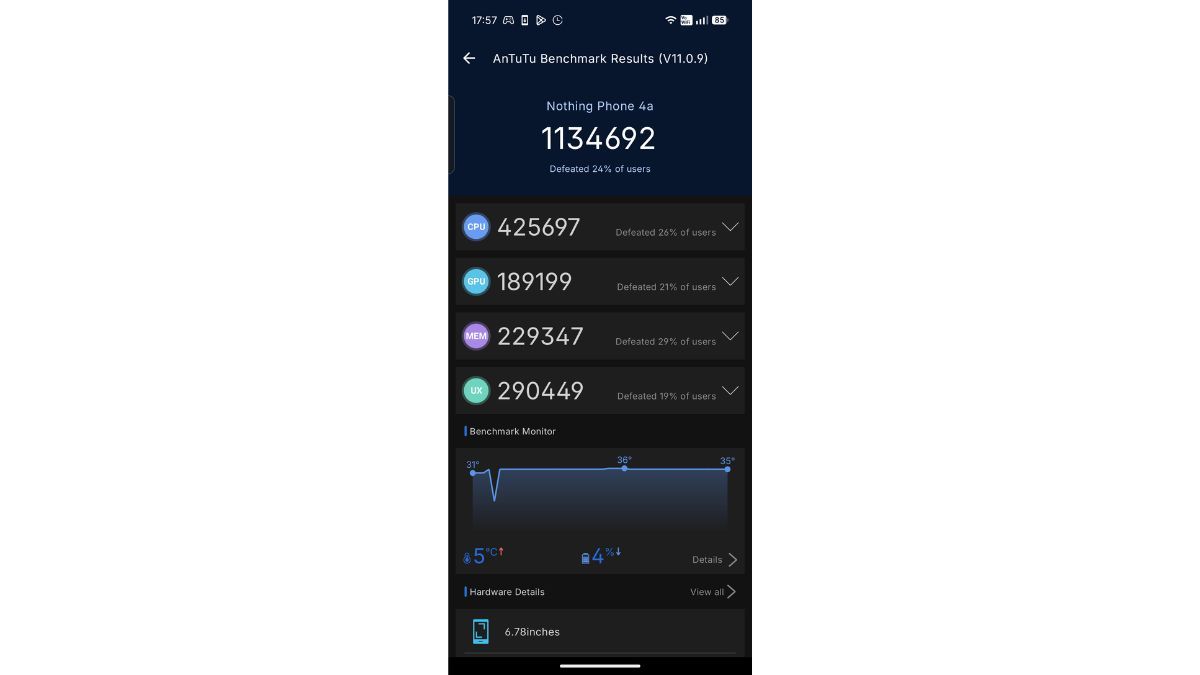
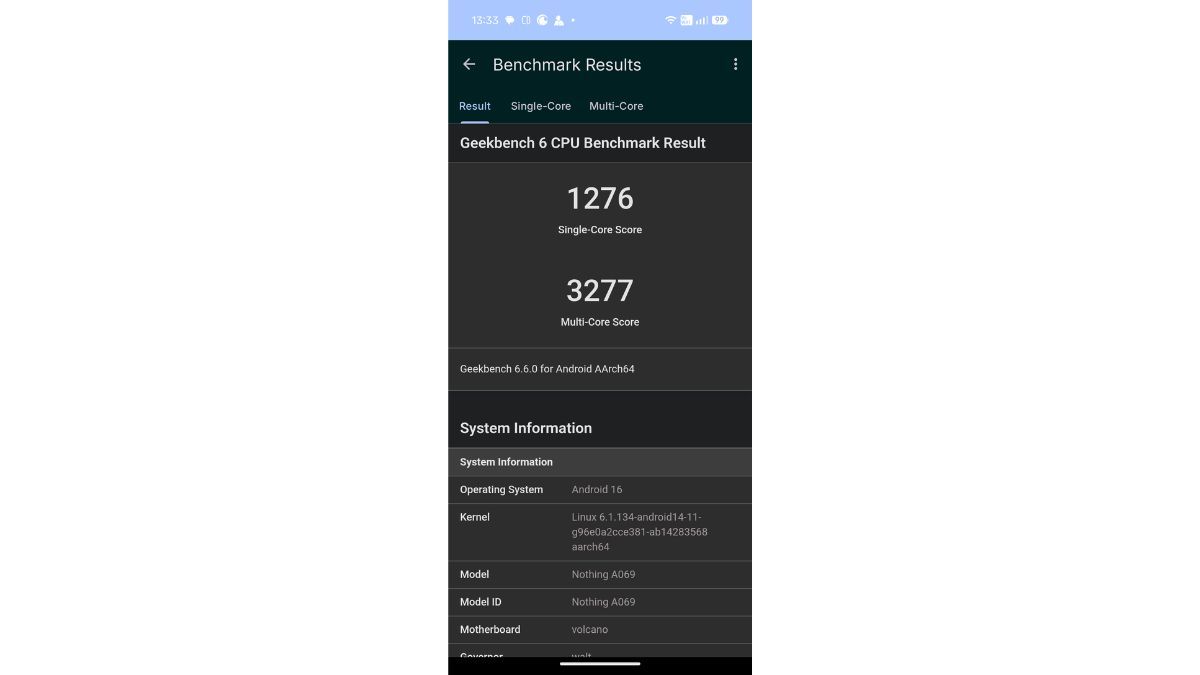
The Geekbench results make the positioning quite clear. The Nothing Phone (4a), with the Snapdragon 7s Gen 4, scores 1,276 in single-core and 3,364 in multi-core. That puts it close to the Motorola Edge 70 in single-core performance, but noticeably behind in multi-core performance.
The Poco X8 Pro is in a different league here. Its Dimensity 8500-Ultra scores 1,708 in single-core and 6,297 in multi-core, making it much faster than both Snapdragon 7-series phones. Compared to the Nothing Phone (4a), the Poco has around 34% higher single-core performance and nearly 87% higher multi-core performance. That is a large gap, especially for gaming, video editing, heavy multitasking, and long-term performance headroom.
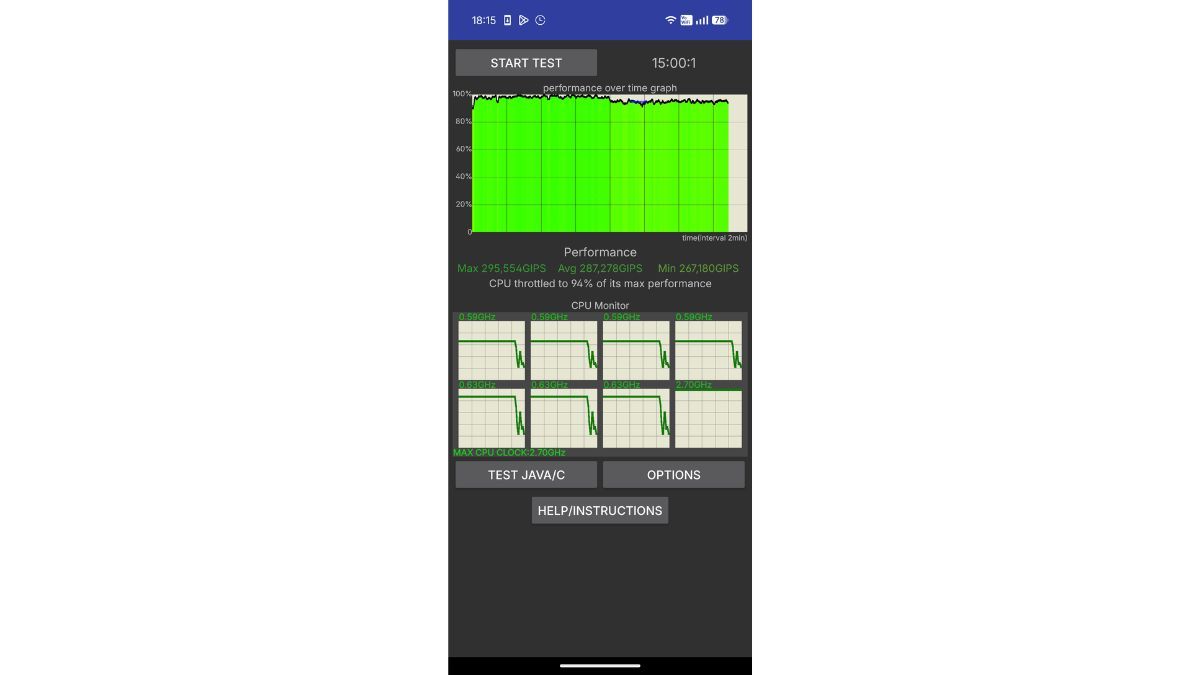
| Device |
CPU Throttling Performance |
| Nothing Phone (4a) |
84% |
| Moto Edge 70 |
89% |
| Poco X8 Pro |
83% |
From the Nothing Phone (4a)’s perspective, the CPU throttling result is fairly reassuring. It retains 84% of its peak performance under sustained load, which means the Snapdragon 7s Gen 4 is not being pushed to the point of heavy thermal drop-off. For everyday usage, long browsing sessions, social media, camera use, and casual gaming, this level of stability should be more than acceptable.
That said, the Moto Edge 70 does better here with 89% stability. So, if we are looking purely at sustained CPU behaviour, the Nothing Phone (4a) is not the strongest in this comparison. The gap is not massive, but it does show that Motorola’s thermal tuning is slightly more consistent under longer workloads.
The Poco X8 Pro scores slightly lower than the Nothing Phone (4a), at 83%, but it also starts from a much higher performance baseline. That means even after throttling, the Poco is likely still delivering stronger raw performance. So, while the Nothing Phone (4a) technically holds its performance a little better than the Poco in percentage terms, it does not necessarily make it the faster phone.
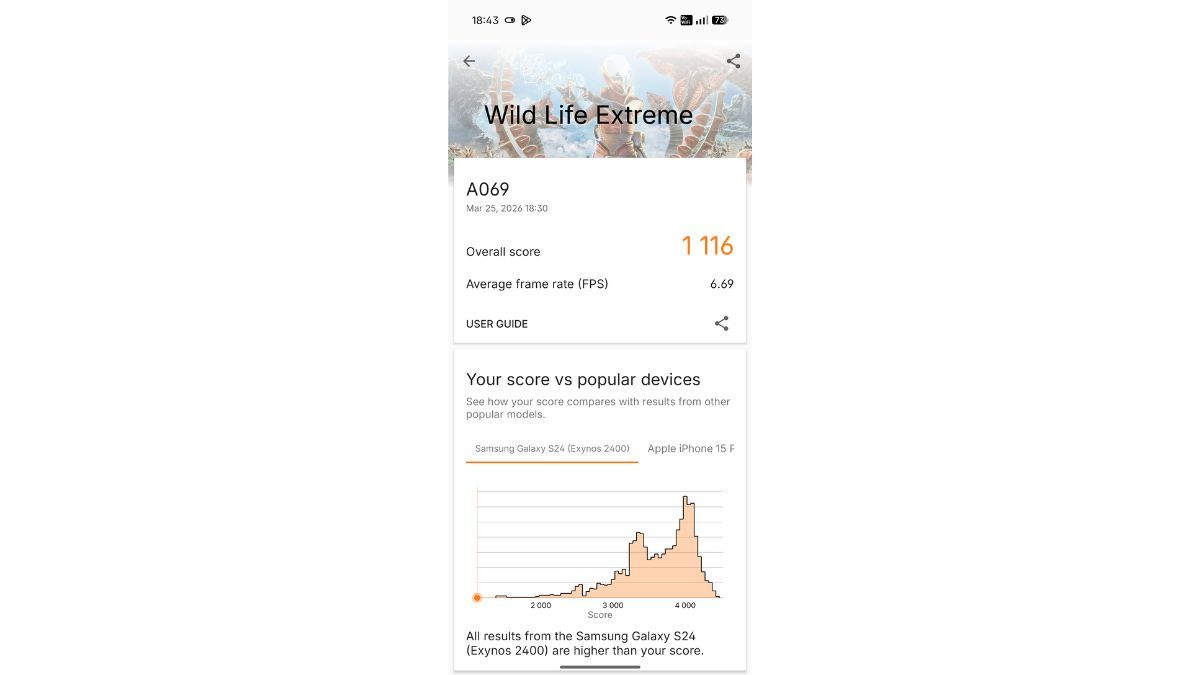
| Device |
3DMark Wild Life Extreme Score |
Frame Stability (Stress Test) |
| Nothing Phone (4a) |
2,093 |
99.3% |
| Moto Edge 70 |
2,074 |
64.1% |
| Poco X8 Pro |
4,232 |
69.3% |
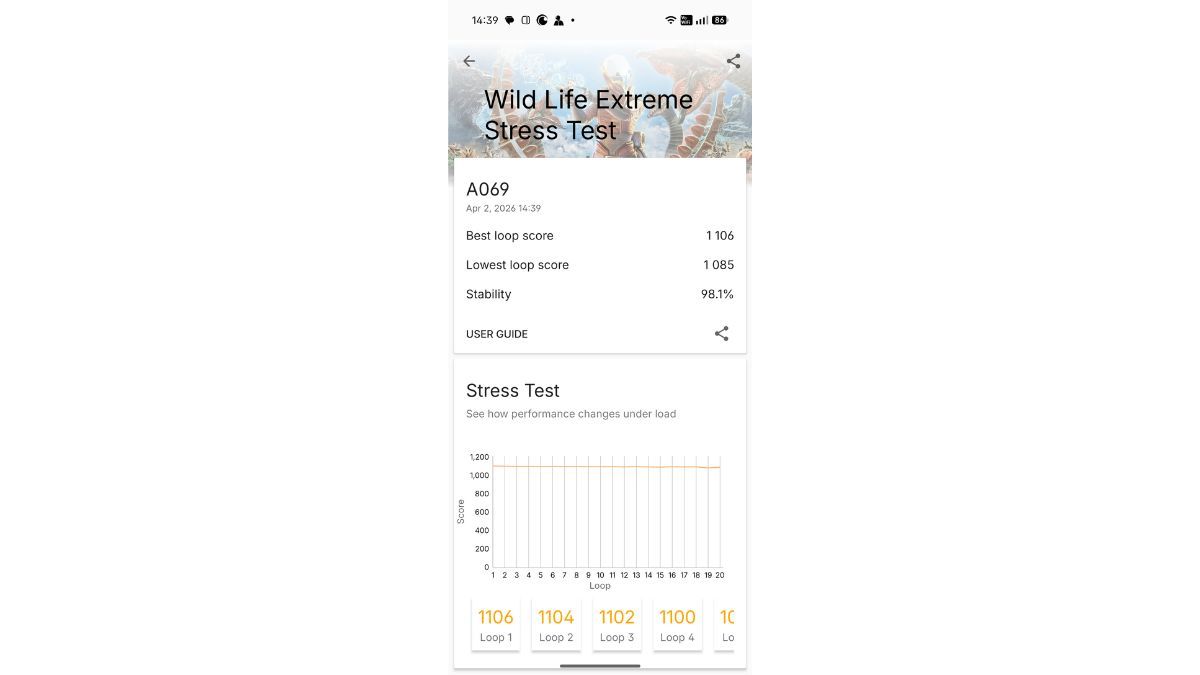
From the Nothing Phone (4a)’s perspective, the 3DMark result is quite interesting. Its Wild Life Extreme score of 2,093 is only slightly ahead of the Moto Edge 70’s 2,074, so in terms of peak GPU performance, both phones are operating in the same range. However, the real win for Nothing is frame stability. At 99.3%, the Phone (4a) is far more consistent than both the Moto Edge 70 and Poco X8 Pro in this stress test.
That means the Phone (4a) is not the most powerful gaming phone here, but it is very steady under sustained GPU load. The Moto Edge 70, despite having a similar peak score, drops to 64.1% stability, which suggests more aggressive throttling during longer gaming sessions. The Poco X8 Pro is clearly much faster with a score of 4,232, almost double the Nothing Phone (4a), but its 69.3% stability shows that it cannot hold that peak as cleanly.
So, the Nothing Phone (4a) does not beat the Poco X8 Pro in raw graphics performance, but it does look better tuned for consistency. For casual gaming and longer sessions at realistic settings, that 99.3% stability is a strong sign.
| Game |
Metric |
Nothing Phone (4a) |
Moto Edge 70 |
Poco X8 Pro |
| BGMI |
Average FPS |
105.8 |
114.7 |
96.6 |
|
5% Low FPS |
82.4 |
60.7 |
58.5 |
| Minecraft |
Average FPS |
35.1 |
35.7 |
58.7 |
|
5% Low FPS |
19.2 |
24.7 |
42.7 |
From the Nothing Phone (4a)’s perspective, the BGMI result is quite solid. It averages 105.8 FPS at the lowest settings, which is behind the Moto Edge 70’s 114.7 FPS, but ahead of the Poco X8 Pro’s 96.6 FPS. More importantly, the Phone (4a) has the strongest 5% low FPS here at 82.4 FPS. That means even though the Moto has the higher average, the Nothing Phone (4a) should feel more stable during fights, quick movement, and crowded areas.
Minecraft is where the Phone (4a) looks more average. At the highest settings, it manages 35.1 FPS on average with a 19.2 FPS low, which puts it close to the Moto Edge 70 in average frame rate but slightly behind in frame stability. The Poco X8 Pro is clearly much stronger here, averaging 58.7 FPS with a 42.7 FPS low.
So, for BGMI, the Nothing Phone (4a) actually makes a good case for itself because of its stronger frame consistency. But in heavier GPU-bound games like Minecraft at max settings, it does not have the same headroom as the Poco X8 Pro. It is better seen as a stable casual-to-competitive gaming phone rather than a raw graphics powerhouse.
Battery Life: Poco X8 Pro Leads, But Nothing Phone 4a Makes Better Use of Its Battery
| Smartphone |
PCMark 10 Battery Life |
Battery Capacity |
| Poco X8 Pro |
16 hours 46 minutes |
6,500 mAh |
| Nothing Phone 4a |
15 hours 52 minutes |
5,400 mAh |
| Moto Edge 70 |
12 hours 33 minutes |
5,000 mAh |
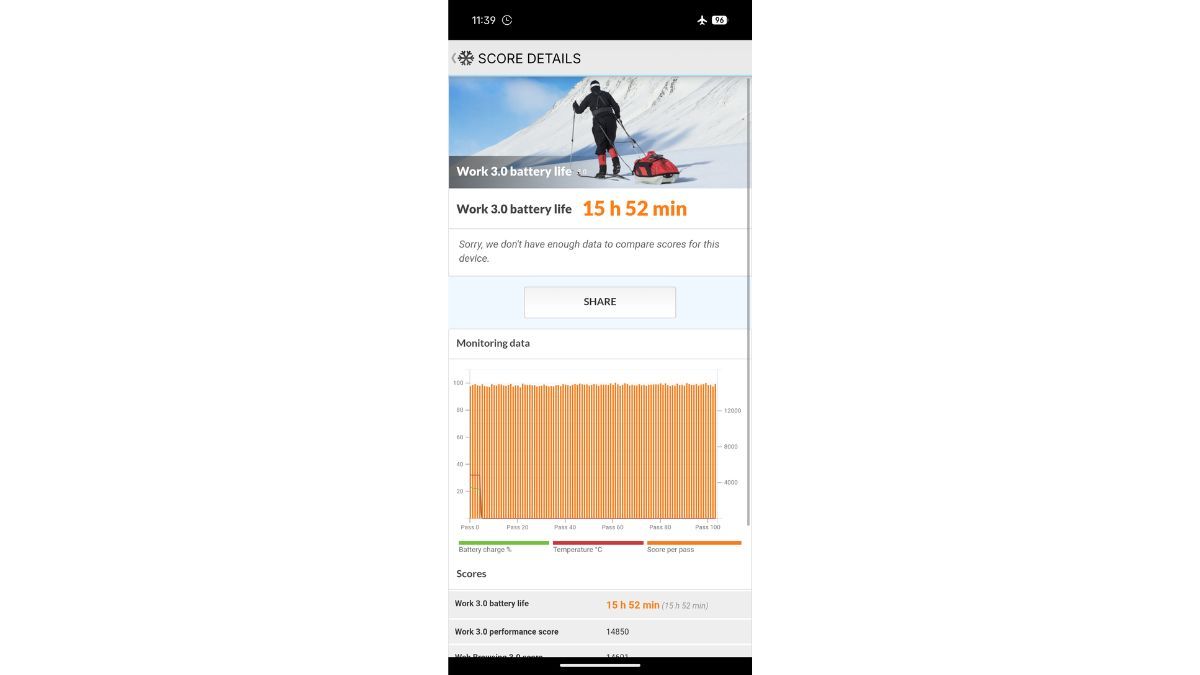
The Poco X8 Pro leads the PCMark 10 battery test with 16 hours and 46 minutes, helped by its large 6,500mAh battery. More importantly, it uses that capacity well, making it the strongest option here for long screen-on time and fewer charging breaks.
The Nothing Phone 4a is the more efficient result. It lasts 15 hours and 52 minutes despite having a smaller 5,400mAh battery, finishing less than an hour behind the Poco. That suggests better battery tuning relative to capacity.
The Moto Edge 70 comes in last at 12 hours and 33 minutes with its 5,000mAh battery. It is still enough for a regular day, but the gap is significant.
Overall, the Poco X8 Pro wins on endurance, while the Nothing Phone 4a looks stronger on efficiency.
Verdict: Buy the 256GB Variant, but Only at the Right Price
Overall, the Nothing Phone (4a) feels like a phone that knows exactly what it wants to be, but the pricing makes that positioning slightly tricky. At Rs 31,999 for the 128GB variant, it is hard to recommend outright, mainly because rivals in this segment are already offering 256GB storage as standard. However, if you can get the 8GB / 256GB variant for around Rs 31,999 with bank offers, the value equation becomes a lot more sensible.
The biggest strengths of the Phone (4a) are its design, display, haptics, and overall consistency. The new Glyph Bar gives the phone a more focused identity, the 1.5K AMOLED display is genuinely strong for outdoor usage, and the haptic feedback adds a layer of polish that many phones in this segment still miss. The main and telephoto cameras are also capable enough for regular photography and basic content creation, though the ultrawide camera and lens switching still feel like weak points.
So, should you buy the Nothing Phone (4a)? Yes, but only at the right price and in the right variant. If you want the absolute best performance for around Rs 30,000, the Poco X8 Pro makes more sense. If you want a slim, balanced Android phone, the Moto Edge 70 is worth considering. But if you care about a sharper display, distinctive design, clean software, strong haptics, stable gaming, and a camera setup with a useful 3.5x telephoto lens, the Nothing Phone (4a) is a solid choice. Just skip the 128GB variant and try to get the 256GB model as close to Rs 31,999 as possible.
Pros
- Distinctive design with the new Glyph Bar and improved build quality.
- Excellent 1.5K AMOLED display with strong outdoor brightness and 120Hz refresh rate.
- Clean software experience with sharp haptics that make daily use feel polished.
- Strong battery efficiency, lasting nearly 16 hours despite a smaller 5,400mAh battery.
- Good main and 3.5x telephoto cameras for regular photos and basic content creation.
Cons
- The 128GB base variant feels overpriced at Rs 31,999.
- Raw performance is behind the Poco X8 Pro, especially in CPU and GPU-heavy workloads.
- Ultrawide camera is weak and video lens switching is not very smooth.