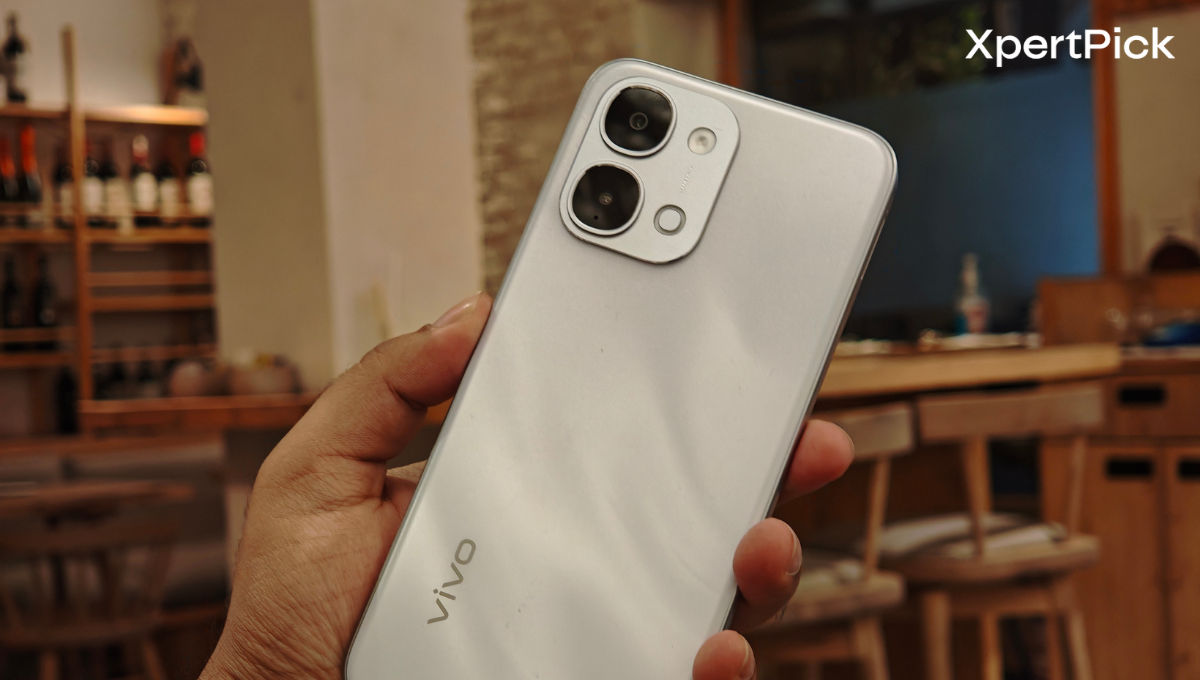
With the Vivo X300 Ultra and Vivo X300 FE grabbing most of the attention, there was another phone that quietly arrived much earlier at the opposite end of Vivo’s portfolio. The Vivo T5x recently debuted as the latest entry in the brand’s budget lineup.
At this price, Vivo is sticking to the basics. You’re not getting flagship-grade performance, premium build materials, or cameras that’ll make you forget your main phone. What you are getting is a device that handles the essentials, lasts a long time, and gives you a large screen to work with. It may not be the most exciting phone in this segment, but its price is clearly the big hook here. For under Rs 20,000, it gives you most of what an average user would realistically need. The real question is whether “just enough” is actually enough.
Design: A Simple Build with a Little RGB Flair
Vivo’s latest budget phone doesn’t do much to stand out visually. Unlike something like the Infinix Note Edge 5G, which at least tries to make an impression with its slimmer body and slightly more stylish silhouette, the Vivo T5x plays things relatively safe. There’s a plastic frame on the sides, a plastic rear panel, and an overall design language that feels practical rather than ambitious.
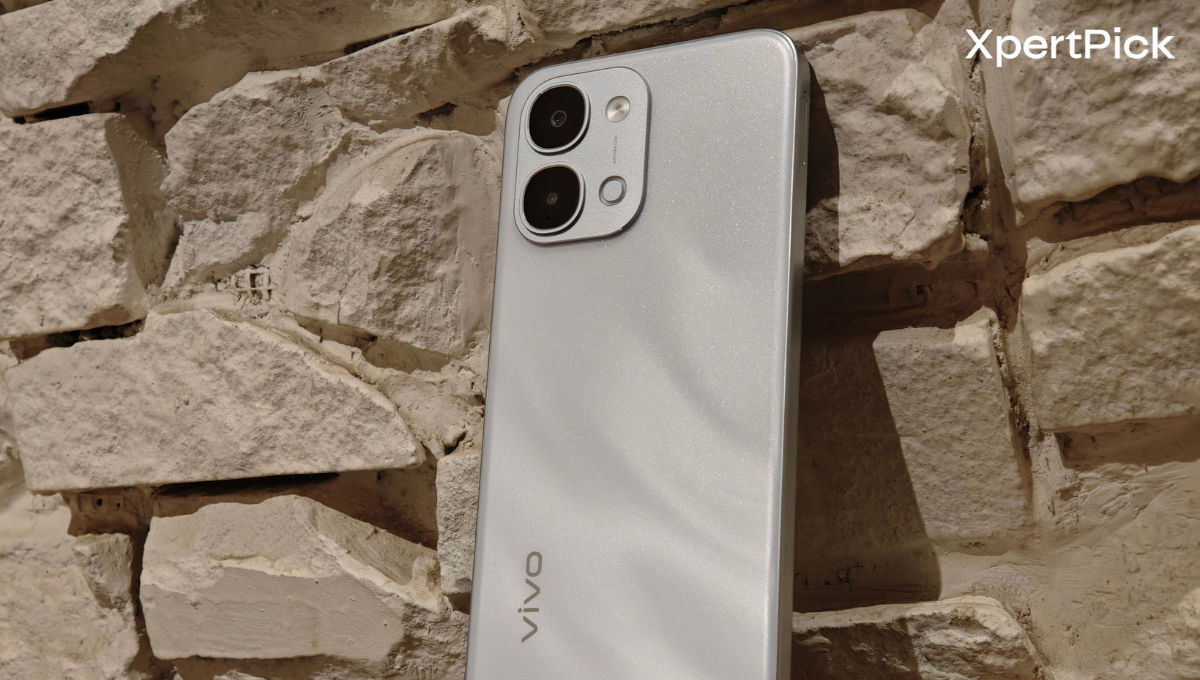
That said, Vivo does throw in a bit of visual texture to stop it from looking completely plain. The Star Silver unit I reviewed is mostly white, but the rear has these flowing patterns that shimmer when it catches the light. It’s subtle, but it helps.
The more functional design highlight is the customisable ring LED light. It lights up for incoming calls, notifications, music playback, charging, and even battery level indications. That may sound gimmicky on paper, but it actually ends up being one of the more useful little touches on the phone.
Where the Vivo gets some points back is durability. You get MIL-STD-810H certification and an IP68 + IP69 rating, which is pretty impressive at this price. Vivo also includes a clear case in the box, which is one less thing to buy separately.
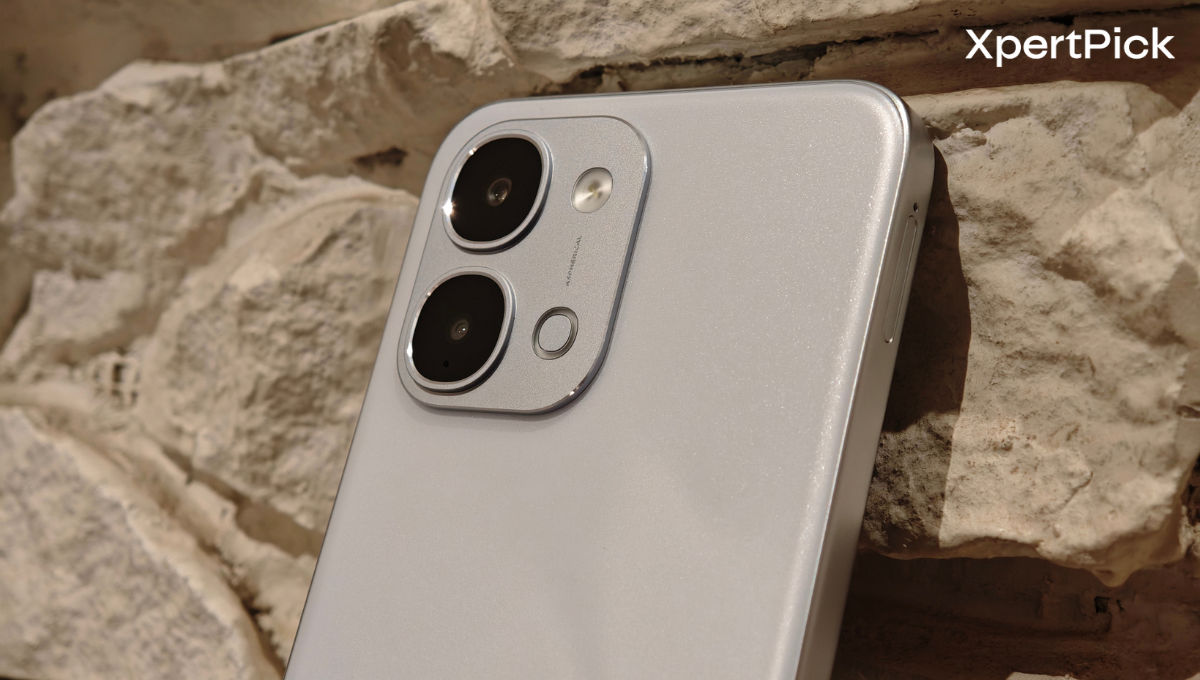
The downside is the weight. At 219 grams, this is not a light phone, and you do feel it during longer use. The plastic body is also more prone to scratches, so even with the included case, it doesn’t quite escape the usual budget build compromises.
Display: Decently Bright, but the LCD Panel is a Miss
For the price, no one is expecting a premium panel with ultra-thin bezels, crazy brightness, and an ultrasonic fingerprint scanner. But even then, the LCD panel here feels like one of the phone’s weakest compromises.
It becomes especially clear when you compare it to the Infinix Note Edge, which costs a bit more but gives you a noticeably better AMOLED panel. On the Vivo T5x, you get a 6.76-inch IPS LCD with FHD+ resolution, 120Hz refresh rate, and 1200 nits peak brightness.
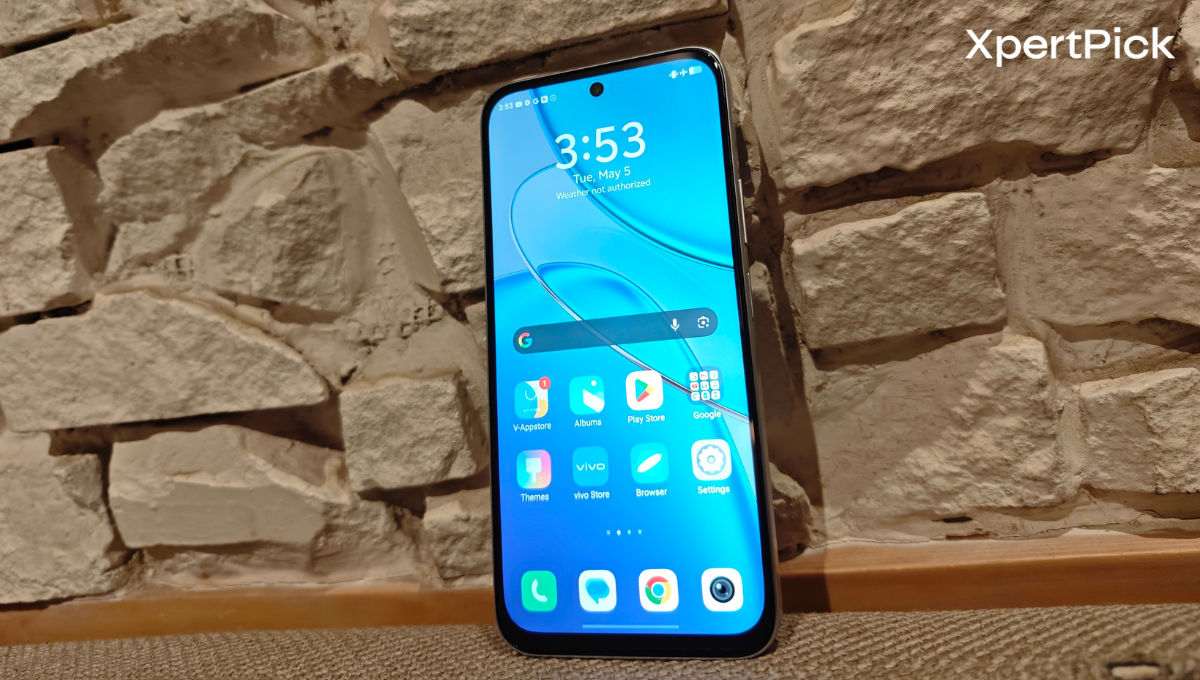
The good news is that the resolution is sharp enough, and the 120Hz refresh rate helps the phone feel smooth in daily use. The panel is also serviceable indoors and under normal lighting conditions.
The problem is that it never really feels impressive. Under direct sunlight, the screen can look a little dim. More importantly, it misses out on the deeper contrast, punchier colours, and proper blacks you’d expect from an OLED panel. Add in some of the thickest bezels I’ve seen on a recent phone—especially the bottom chin—and the front of the T5x starts looking very budget very quickly.
Performance: It Can Handle More Than Just Your Daily Tasks
Performance is actually one of the more pleasant surprises here. The MediaTek Dimensity 7400 Turbo is a solid chip for this price, and my review unit came with 8GB of LPDDR4X RAM and 256GB of UFS 3.1 storage, which helps the phone feel more capable than the price tag suggests.
Synthetic benchmarks:
- AnTuTu – 954,883
- AnTuTu (CPU) – 335,469
- AnTuTu (GPU) – 150,400
- Geekbench: 1,060 (single) / 2,715 (multi)
In day-to-day use, the processor doesn’t really struggle. The overall experience is mostly smooth, aside from the occasional micro-stutter. And that’s kind of the point here. The phone was clearly built for the average buyer—someone who wants decent speed, a bit of multitasking, and a phone that doesn’t feel annoying every five minutes.
Casual gaming, some light multitasking, and regular app switching aren’t a problem. BGMI ran reasonably well, averaging close to 59fps on the lowest settings, with 5% lows of 51fps. That’s not amazing, but it is very playable for the segment. More demanding workloads tell a different story. In Minecraft at max settings, the average frame rate dropped to 28.7fps, with the lows dipping as far down as 16.9fps, so this is definitely not a phone you buy for serious gaming.
Still, compared to the Oppo K14x and the Infinix Note Edge, the Vivo T5x is clearly the better performer. The K14x felt more basic and less responsive overall, while the Note Edge had a better display but weaker consistency once you started pushing it. That makes the T5x feel more balanced among these budget options. It’s not trying to be fast in a flashy way, but it handles more than the other two once you move beyond basic use.
Battery Life: The T5x Can Easily Last You Through More than a Day
Battery life is easily one of the Vivo T5x’s strongest qualities. Vivo packs this phone with a 7,200mAh battery, and that immediately changes the way you use it. With moderate use, this is very comfortably a near-two-day phone. And even if you push it a little harder, the battery still gives you enough confidence to stop worrying about where your charger is.
My average screen-on time hovered around 8 hours, which is very solid for a phone in this range. Of course, gaming and camera use drain it faster, but not to an alarming extent.
Charging comes via 44W wired charging, which is not exactly slow, but with a battery this large, it still takes over an hour and a half to fully top up. That’s the trade-off. Great endurance, but a slightly longer wait when you finally do need to charge.
Cameras: Not Very Reliable For Photography
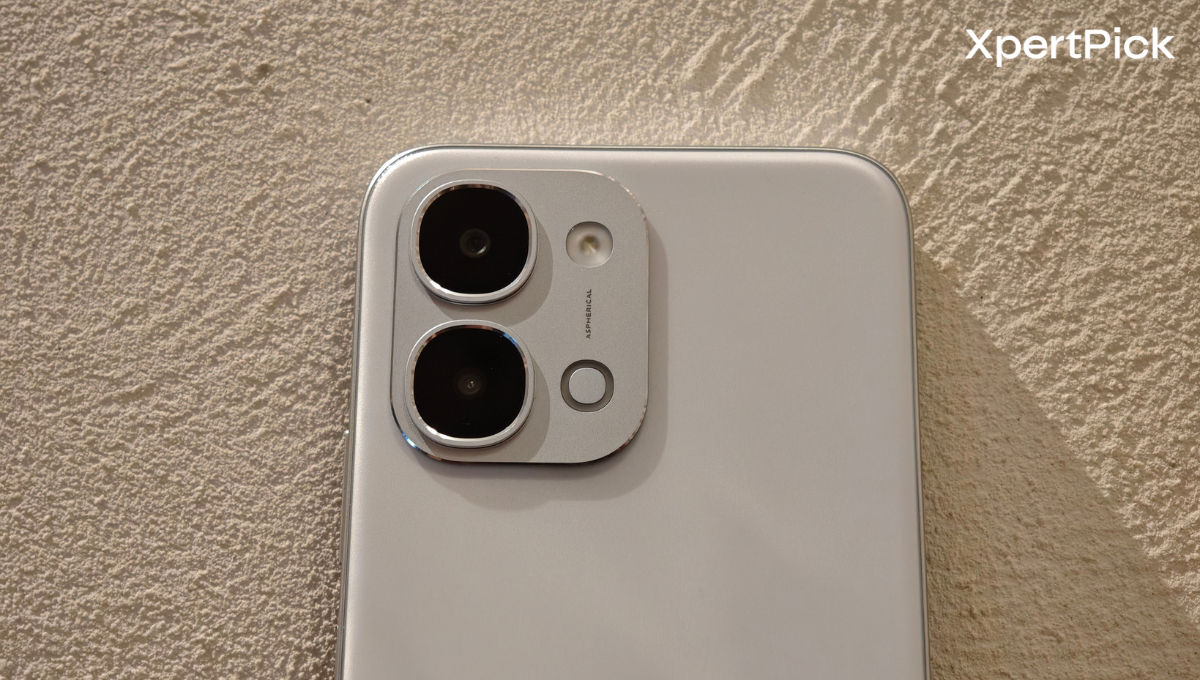
Like most phones around this price, the Vivo T5x gives you a dual camera setup on the back, but only one of them really matters.
Camera hardware:
- 50MP 1/2.93″ Sony IMX852 main camera (f/1.8)
- 2MP portrait sensor (f/2.4)
- 32MP selfie camera (f/2.45)
Despite the small main sensor, the Vivo T5x does a surprisingly decent job in daylight. Photos look vibrant, retain a fair amount of detail, and generally lean towards cooler colour tones. Since there’s no real zoom option, the 2x mode is just a digital crop, and that’s where the softness becomes easier to notice.
HDR scenes are mostly handled well, though some shots can come out darker than expected. Portrait mode is also hit or miss, largely because Vivo relies heavily on software blur to fake the background separation.










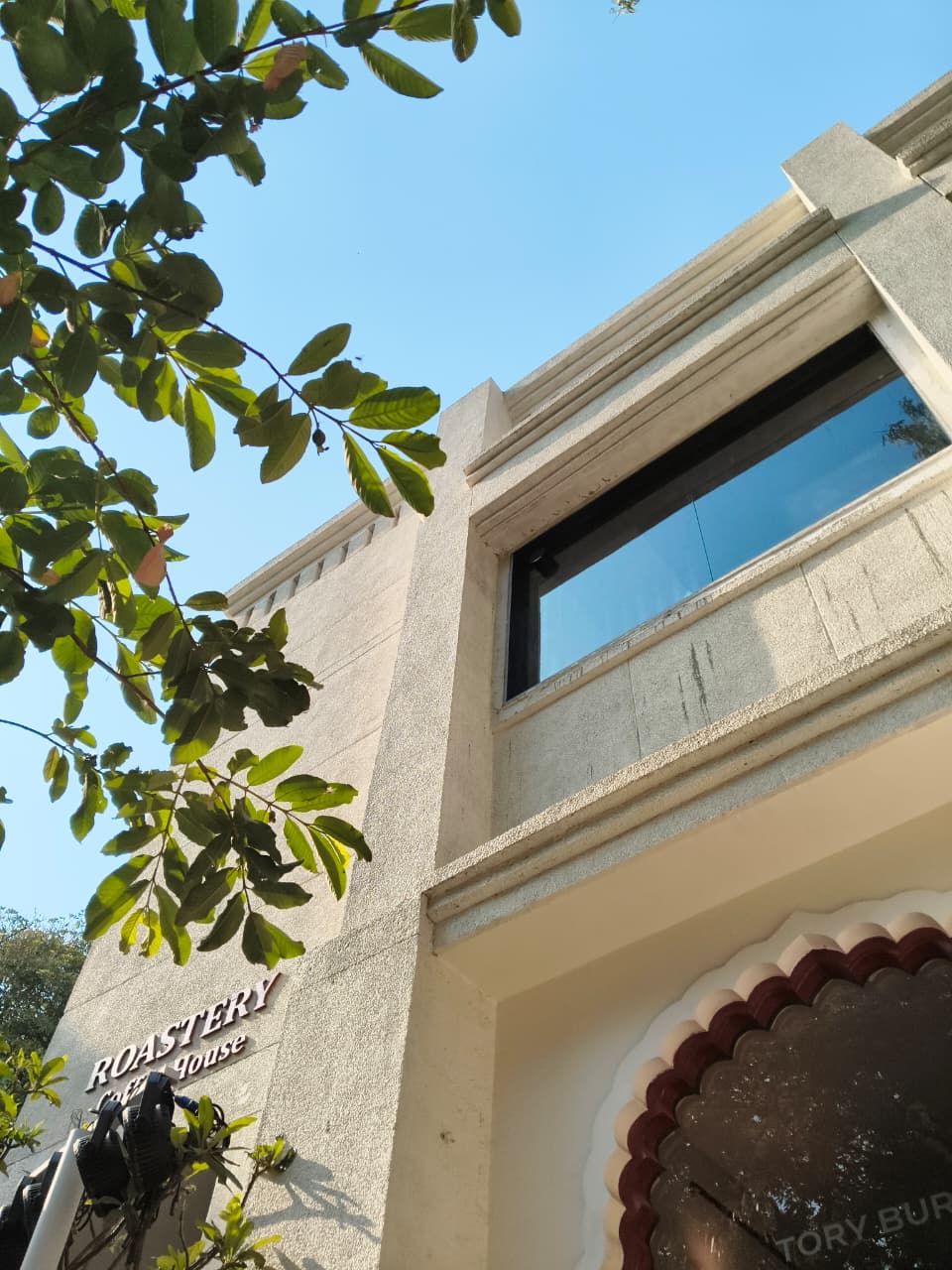

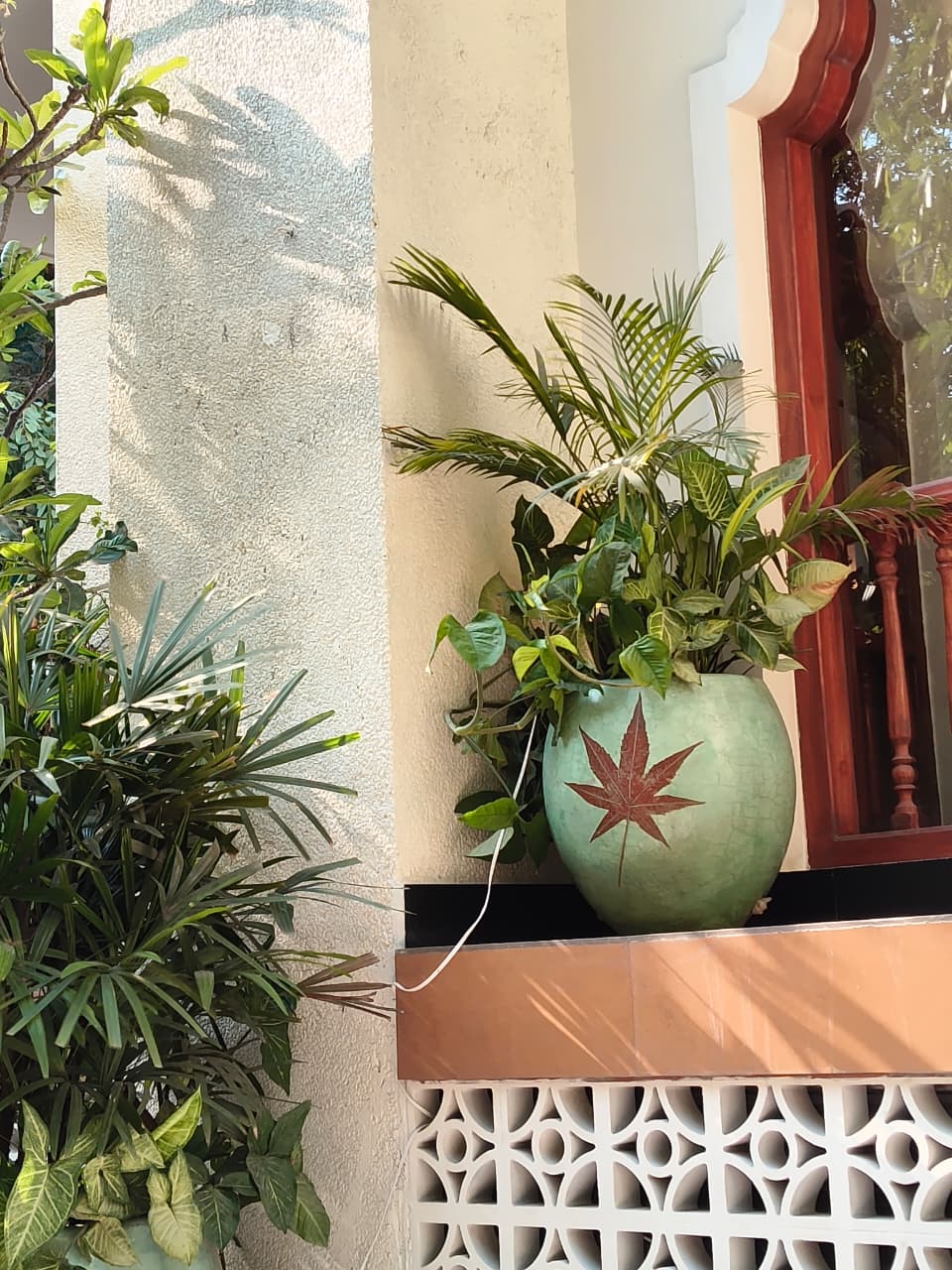




Low light is where things break down quickly. Indoor and artificial lighting still produce usable results, but once you move into genuinely darker scenes, the phone struggles to focus properly, images go soft, and the lack of OIS becomes very obvious. Night mode is there, but it only works well if your hands are very steady.
The selfie camera is decent enough. It captures vibrant selfies, though skin tones can look a little washed out at times. Video quality is fine for the price, but again, you feel the lack of stabilisation once you start moving. The rear camera supports 4K30fps, which is nice on paper, but the actual output remains very budget in feel.
Even with those weaknesses, the Vivo T5x still does a better overall job than the Infinix Note Edge and Oppo K14x in this price bracket. That doesn’t suddenly make it a camera phone, but it does make it easier to live with than some of its similarly priced rivals.
Software: OriginOS is Good on Features, But Flat in Design
Vivo’s move to OriginOS did a lot to modernise its software experience. It finally gave the company a cleaner, more polished visual identity than what FunTouchOS used to offer. Yes, the iOS inspiration is still obvious, but at least there’s enough customisation here to make the phone feel a bit more personal.
Functionality isn’t really the issue. Vivo still gives you the expected AI tools, cross-ecosystem connectivity, and plenty of features that stop the software from feeling stripped down.
The bigger problem is that OriginOS still doesn’t feel as cohesive or as polished as the latest ColorOS, OxygenOS, or even HyperOS. Those skins feel more alive and better stitched together overall, while OriginOS still comes across as a little flat in places.
And then there’s the usual budget phone tax with preloaded apps, a few ads, and enough extra clutter to make the phone feel cheaper than it should. So while the functionality is all there, the experience doesn’t always feel as refined as the best Android skins right now.
Verdict
Overall, the Vivo T5x feels like a phone that knows exactly what it wants to be, and thankfully, it mostly sticks to that role well. At Rs 18,999, it isn’t trying to wow you with premium materials, a cutting-edge display, or flagship-like cameras. It sticks to the basics and provides value where it matters with reliable everyday performance, excellent battery life, strong durability, and a functional main camera that is good enough for casual use. The LCD panel is a clear compromise, and the weight doesn’t do it any favours either, but the phone still manages to feel like a sensible, dependable budget package.
So, should you buy the Vivo T5x? If your priority is getting a balanced phone under Rs 20,000 that lasts a long time and performs better than most of the obvious alternatives, then yes, it makes a lot of sense. You can also go for the Infinix Note Edge, which looks more modern and offers a better display, but gives up some of that raw horsepower and practicality. The Vivo T5x may not be the most exciting phone in this segment, but as an all-rounder at the right price, it’s one of the easier ones to recommend.
Pros
- Strong battery life
- Better performance than most direct rivals
- Durable build with high ingress protection
- Smooth 120Hz display
- Case included in the box
Cons
- LCD panel with thick bezels feels underwhelming
- Mediocre camera performance
- Software still feels a step behind other Android skins