Owning an air conditioner in most North Indian states is no longer considered a luxury but a necessity. People now need an AC in each room of their house to survive the intense summer months. But multiple ACs can also result in high electricity bills. So, we try to save money in whatever ways we can. That’s why, while purchasing a new air conditioner, we face many dilemmas. One of the most common ones is whether to spend more on an inverter AC or save money upfront with a non-inverter model.
If you haven’t done your research well, then the difference can feel confusing. Both cool the room; major brands offer both kinds of air conditioners, and in many cases, the design also looks almost identical. Yet the price gap between the two kinds of ACs can often range from a few thousand rupees to significantly more, depending on capacity and star rating.
So naturally, you find yourself asking: Is the extra money for an inverter AC actually worth paying? For many Indian households, the answer depends on how often the AC will be used, how long it is likely to stay in service, and whether the focus is on upfront affordability or long-term running costs.
What Makes an Inverter AC Different
Contrary to what the name suggests, an inverter AC has nothing to do with power backup systems. The term here refers to compressor technology.
A non-inverter AC uses a fixed-speed compressor, and once the room reaches the set temperature, the compressor switches off. When the room starts getting warm again, it restarts. This start-stop cycle continues throughout the time your AC is running.
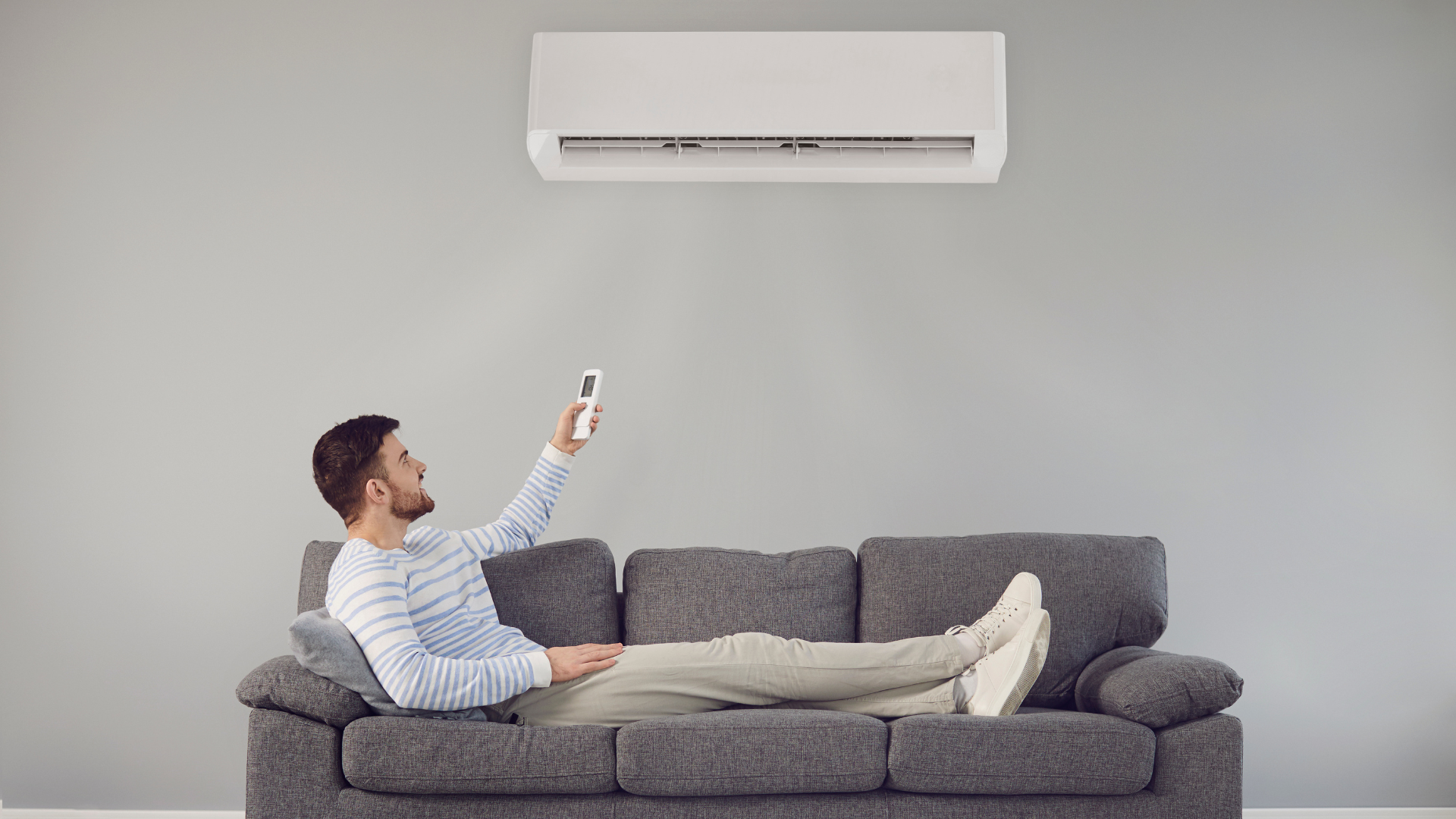
An inverter AC, on the other hand, works differently. Instead of shutting off repeatedly, it adjusts the compressor speed depending on how much cooling is needed. Once the room hits the target temperature, it slows down and maintains cooling more steadily. This variable-speed process is the main reason why inverter ACs are considered more power efficient.
Where the Electricity Savings Come In
The biggest reason many buyers choose inverter ACs is lower power consumption during regular use. Since the compressor does not restart at full load every few minutes, inverter ACs tend to consume less electricity over extended hours of being on. Several industry estimates and studies suggest that inverter ACs can reduce energy consumption by around 20% to 40%, depending on usage conditions, room insulation, and the efficiency rating of the unit.
During Indian summers, ACs can run for six to ten hours daily in most households, especially in bedrooms at night. Hence, in such cases, monthly savings on electricity bills can neutralise the higher purchase price of an inverter AC.
Comfort and Noise Are Also Different
In a comparison between inverter and non-inverter ACs, the electricity bill is the most discussed point, but daily comfort is another important difference.
Since inverter ACs modulate the compressor’s speed instead of turning it fully off and on again and again, they tend to maintain more stable room temperatures. That means that there are fewer moments when the room suddenly feels too cold, so you need to wrap yourself up like a burrito in a blanket, but a few moments later, the room becomes warmer before the compressor restarts.
Inverter ACs also feel quieter when they are on, particularly at night, since the compressor often runs at lower speeds once cooling is achieved. Non-inverter ACs can sound louder and create more noticeable noise when the compressor cuts in and out.
When a Non-Inverter AC Still Makes Sense
With that said, it absolutely does not mean that non-inverter ACs are a bad buy. If your use is going to be occasional or not as frequent, then the lower upfront cost is more practical. For example, if you’re buying a new AC for a guest room, or for any space that isn’t used too much, the savings from inverter technology may take much longer to recover.
For budget-conscious buyers who need immediate cooling at the lowest purchase cost, a good non-inverter model can still be a sensible option.
How Much More Do Inverter ACs Cost?
In the current Indian market, inverter ACs are commonly priced higher than comparable non-inverter models. This gap can vary by brand and energy rating as well. In most mainstream categories, the difference can roughly range from Rs 3,000 to Rs 8,000 or more.
That extra money can feel significant at the time of purchase, but spread over several years of usage, it often becomes easier to justify, especially for regular users.
So, What’s Better For You?
If you are going to be running the new AC daily during the summers, especially in bedrooms or living rooms for long hours, then an inverter AC is the smarter long-term purchase. Lower electricity consumption, steadier cooling, and quieter operation make the premium worthwhile for many homes. On the other hand, if your usage is going to be limited, irregular, or you want something under a budget, then a non-inverter AC is a better option to go for.