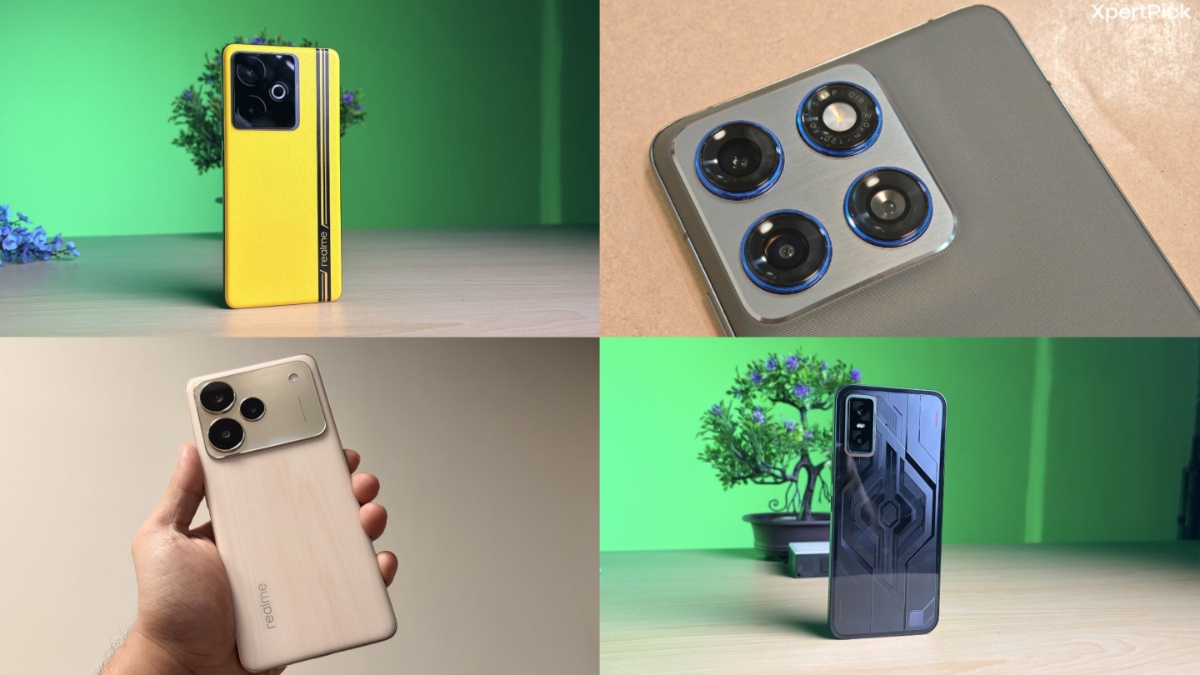
If you’re hunting for the ultimate gaming smartphone around the ₹30,000 price point, you’ve come to the right place. We’ve put the most competitive devices in this segment through a rigorous series of performance, thermal, and real-world gaming tests to find out which ones truly deserve your hard-earned money.
Phones Tested
To find the best gaming-focused smartphone under ₹30,000, we put seven devices through an extensive series of gaming, benchmark, thermal, battery and sustained performance tests. The comparison includes the Realme GT 7T, Moto Edge 70, Realme P4 Pro, Redmi Note 15, OnePlus Nord CE6 Lite, Infinix GT 30 and Realme 16T. Rather than relying solely on specifications or synthetic benchmark scores, this roundup evaluates how each smartphone performs in demanding real-world gaming workloads to determine the strongest option in each category.
Our Top Picks at a Glance
| Category | My Pick | Price | Why We Picked It |
|---|---|---|---|
| Best Overall Gaming | Realme GT 7T | ₹29,499 | Combines the MediaTek Dimensity 8400-Max with a 2.12 million AnTuTu score and delivers a smooth 96.5 FPS average in BGMI. |
| Best Chipset for High-FPS | Moto Edge 70 | ₹29,999 | Uses the Snapdragon 7 Gen 4 to deliver an impressive 114.7 FPS average in BGMI, making it ideal for competitive gaming. |
| Best High-Refresh Display | Realme P4 Pro | ₹28,999 | Features a 144 Hz AMOLED display, excellent 99.3% graphics stability, and a large 7,000 mAh battery for extended gaming sessions. |
| Best Cooling / Sustained Performance | Redmi Note 15 | ₹22,999 | Prioritises thermal efficiency with an outstanding 99.5% stability rating while keeping peak temperatures to just 36.6°C under load. |
| Best Battery for Long Sessions | OnePlus Nord CE6 Lite | ₹22,999 | Packs a 7,000 mAh battery that achieved a class-leading 24-hour PCMark runtime, complemented by fast UFS 3.1 storage. |
| Best Value Gaming Pick | Infinix GT 30 | ₹23,999 | Delivers excellent thermal stability with a 99.6% stability rating, a cool 34°C operating temperature, and bypass charging at an aggressive price. |
Gaming Benchmark Comparison: Test Results and Performance Analysis
| Test / Metric | Realme GT 7T | Moto Edge 70 | Realme P4 Pro | Infinix GT 30 | Redmi Note 15 | OnePlus Nord CE6 Lite |
| Recommendation | Best overall gaming under ₹30k | Best chipset for high-FPS (BGMI) under ₹30k | Best high-refresh display for gaming under ₹30k | Best value gaming pick under ₹30k | Best cooling / sustained performance under ₹30k | Best battery for long sessions under ₹30k |
| Price | ₹29,499 | ₹29,999 | ₹28,999 | ₹23,999 | ₹22,999 | ₹22,999 |
| AnTuTu Overall | 2,127,058 🏆 | 1,409,815 | 1,009,232 | 975,961 | 834,308 | 1,001,250 |
| Geekbench (Single-Core) | 1,595 🏆 | 1,330 | 1,193 | 1,069 | 1,018 | 1,009 |
| Geekbench (Multi-Core) | 6,248 🏆 | 4,155 | 3,506 | 3,159 | 2,964 | 2,974 |
| Geekbench GPU Score | 10,895 🏆 | 4,779 | 4,536 | 3,043 | 2,093 | 2,869 |
| 3DMark Wild Life Extreme | 4,094 🏆 | 2,074 | 1,813 | 1,056 | 861 | 1,017 |
| 3DMark Stress Stability | 73.3% | 64.1% | 99.3% | 99.6% 🏆 | 99.5% | 99.4% |
| CPU Throttling Stability | 68% | 89% | 87% | 88% | 94% 🏆 | 86% |
| BGMI (Avg FPS) | 96.5 | 114.7 🏆 | 73.0 | 82.4 | 58.2 | 59.5 |
| BGMI (5% Low FPS) | 81.2 🏆 | 60.7 | 61.2 | 57.5 | 50.2 | 55.0 |
| Minecraft (Avg FPS) | 58.1 🏆 | 35.7 | 43.5 | 27.5 | 37.0 | 34.7 |
| Minecraft (5% Low FPS) | 39.7 🏆 | 24.7 | 23.9 | 19.3 | 19.7 | 16.7 |
| Battery Life (PCMark) | 18h 22min | 12h 33min | 19h 14min | 12h 23min | 17h 53min | 24h 00min 🏆 |
This table highlights our six recommended gaming smartphones, each selected for a specific performance category. While we tested eleven smartphones in total, this comparison focuses on the devices that emerged as the top performers under the ₹30,000 price limit. Detailed benchmark results, full specifications, and a breakdown of each phone’s strengths and limitations are provided in the dedicated sections below.
How I Tested These Gaming Smartphones
After years of testing smartphones, one thing has become clear to me: specifications rarely tell the full story. A phone can post impressive benchmark numbers and still deliver a disappointing experience once temperatures rise. Some devices are tuned to maximise battery life, others are designed to achieve high benchmark scores for a few minutes, and some are simply held back by software optimisation. In fact, I have often seen phones with less powerful hardware outperform seemingly stronger rivals because they make better use of the resources available.
That is why I do not rely on benchmark scores alone. For every smartphone I test, I look at three key areas: peak performance, sustained performance, and real-world gaming. This approach helps reveal how a phone behaves after 20 minutes of gaming, during prolonged workloads, or when the battery starts to drain. In many cases, the results differ significantly from what the specifications suggest.
Test Conditions: All testing is conducted on retail units running publicly available software in a controlled environment with an ambient temperature of 28°C. Wherever possible, I use the highest-specification variant available. No manufacturer-supplied performance data is included in my analysis.
Performance Benchmarks: To measure peak performance, I use AnTuTu v10 and Geekbench 6. These benchmarks provide insight into overall system performance, CPU capabilities, GPU performance, and AI processing power, helping establish each device’s maximum performance potential.
Sustained Performance Testing: Peak performance only tells part of the story. To understand how a phone behaves under continuous load, I run the 3DMark Wild Life Extreme Stress Test for 20 loops and a dedicated 15-minute CPU throttling test. These tests reveal how much performance a device can maintain once temperatures begin to rise.
Gaming Tests: Gaming performance is evaluated using BGMI and Minecraft, each run for extended sessions while logging frame-time data. Alongside average FPS, I also record 5% low FPS figures, which provide a better indication of gameplay smoothness during demanding moments and help identify stutters that average frame rates often hide.
Battery Testing: Battery life is measured using PCMark Work 3.0 at a fixed 50% screen brightness. Unlike simple video playback tests, this benchmark simulates a realistic mix of productivity, browsing, and media workloads, offering a more accurate picture of day-to-day battery endurance.
This testing methodology reflects the latest smartphone launches, software updates, benchmark results, and Indian market pricing available as of June 2026. Prices are subject to change over time.
Realme GT 7T – Best Overall Gaming Under ₹30k
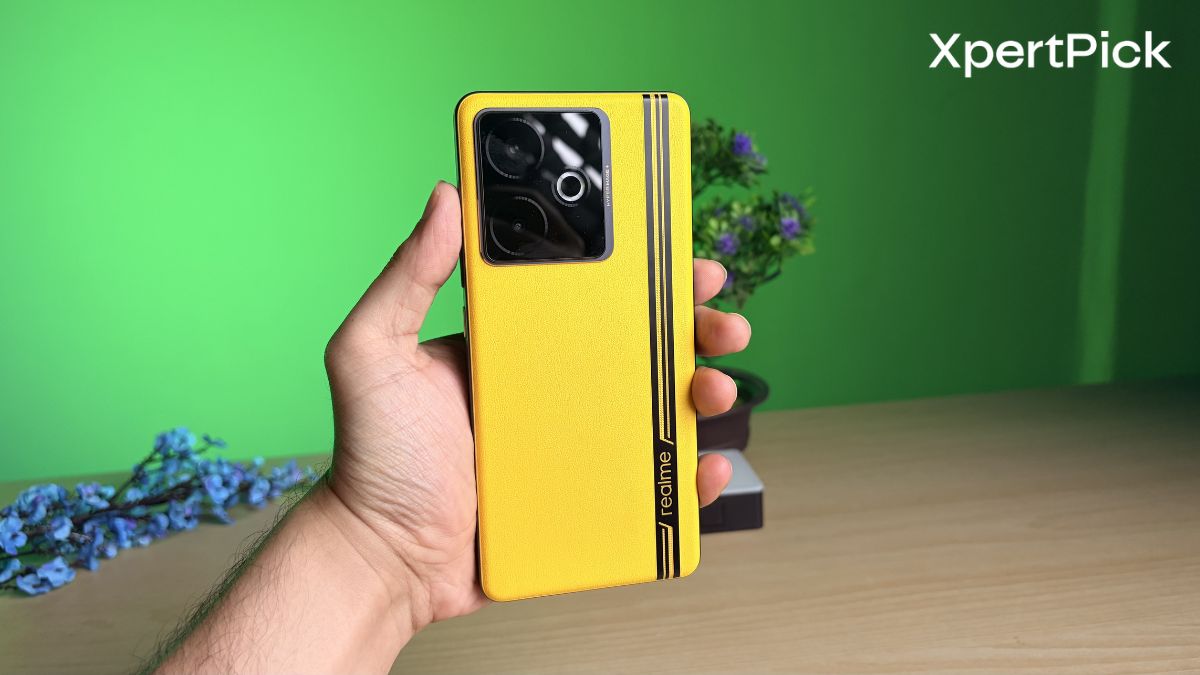
The Realme GT 7T delivers flagship-level gaming performance at an aggressive price, earning our recommendation as the best overall gaming smartphone under ₹30,000.
Why We Picked It
When gaming performance takes priority over every other consideration, the Realme GT 7T is the clear standout in the sub-₹30,000 segment. Equipped with the MediaTek Dimensity 8400-Max, it achieved an exceptional AnTuTu score of 2,127,058, comfortably outperforming every other device in this comparison.
That performance advantage carries over into demanding games. In BGMI, the GT 7T delivered the highest frame rates and maintained an excellent 81.2 FPS at the 5% Low mark, resulting in consistently smooth gameplay even during graphically intensive scenes. The trade-off is thermal performance. During sustained stress testing, the phone reached 42.8°C, making it one of the warmer devices in this price bracket. Even so, for buyers seeking the highest possible gaming performance under ₹30,000, the Realme GT 7T sets the standard.
Realme GT 7T Key Specifications
-
Starting Price: ₹31,639
-
Processor: MediaTek Dimensity 8400-Max
-
Display: 6.8-inch AMOLED (120Hz) | 2800 x 1280 resolution | 453 PPI | 6000 Nits Peak Brightness | HDR10+ and Dolby Vision Support
-
RAM: 8GB / 12GB LPDDR5X
-
Storage: 256GB / 512GB UFS 4.0
-
Battery: 7,000 mAh
-
Charging: 120W SUPERVOOC Fast Charging
-
Dimensions & Weight: 162.4 x 76 x 8.3 mm | 202g
-
Rear Camera: 50MP Main (Sony IMX896 with OIS) + 8MP Ultra-Wide
-
Front Camera: 32MP Selfie (Sony IMX615)
-
Durability: IP68 and IP69 absolute dust and water resistance, reinforced by ArmorShell Glass and an internal airbag chassis design
Realme GT 7T XP Lab Data
-
AnTuTu Overall Score: 2,127,058
-
Geekbench 6 Score: 1,595 (Single-Core) / 6,248 (Multi-Core)
-
Geekbench GPU Score: 10,895
-
3DMark WildLife Extreme Score: 4,094
-
3DMark Stress Test Stability: 73.3%
-
Temperature After Stress Test: 42.8°C
-
BGMI Performance (Lowest Graphics): 96.5 Average FPS / 81.2 5% Low FPS
-
Minecraft Performance (Highest Graphics): 58.1 Average FPS / 39.7 5% Low FPS
Realme GT 7T Pros & Cons
-
Pros: Dominant processing and graphical power with a 2.12M AnTuTu score. Delivers the most stable frame rates in the segment, maintaining a spectacular 81.2 5% Low in BGMI with virtually zero stutter.
-
Cons: Pushed slightly past the strict ₹30,000 budget and runs warmer than the rest, peaking at 42.8°C under extended loads.
Who Should Buy It
The Realme GT 7T is ideal for gamers who want flagship-level performance without spending flagship money. Its powerful Dimensity 8400 Max chipset, excellent frame consistency, 7,000 mAh battery, and 120W fast charging make it a superb choice for competitive gaming and long gaming sessions.
Who Shouldn’t Buy It
If you want a phone that stays cool under sustained workloads or have a strict ₹30,000 budget, there are better options. The GT 7T runs noticeably warm during extended gaming sessions, and its price sits just above this category’s budget ceiling.
Expert Verdict: The Realme GT 7T delivers the best gaming experience in this category. Its flagship-grade chipset, excellent frame pacing, large battery, and ultra-fast charging combine to create a remarkably complete package for gamers. Although it generates more heat than some rivals under sustained load, its real-world gaming performance remains among the strongest in its class, making it an easy recommendation for buyers willing to stretch their budget slightly.
Moto Edge 70 – Best Chipset for High-FPS (BGMI/COD) Under ₹30k
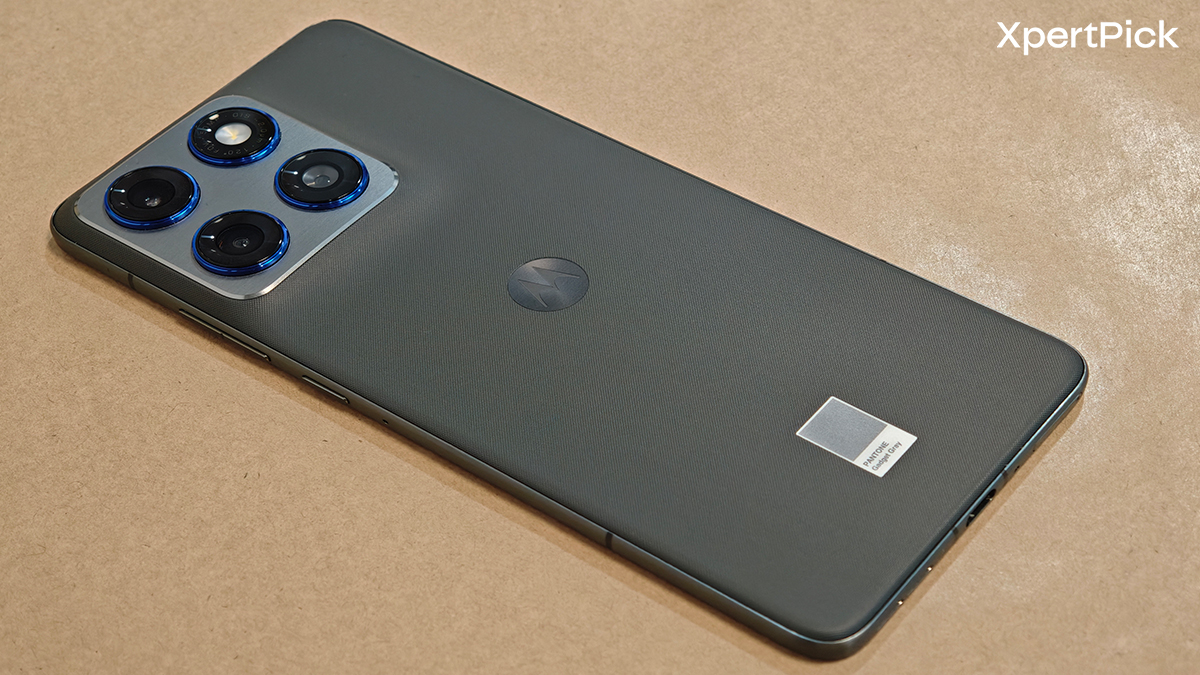
The Moto Edge 70 is built for competitive gamers, earning our recommendation for the highest frame-rate gaming under ₹30,000. Its Snapdragon 7 Gen 4 chipset and smooth 144 Hz display deliver one of the fastest gaming experiences in this segment.
Why We Picked It
Peak frame rate and sustained performance are not always the same thing, and the Moto Edge 70 is a good example of that trade-off. Powered by the Snapdragon 7 Gen 4, the device achieved an impressive average frame rate of 114.7 FPS in BGMI, making it the highest-performing option in this comparison for players seeking the maximum possible frame rates.
The emphasis on peak performance does come at the expense of long-term stability. During our 20-loop stress test, the Moto Edge 70 recorded a 64.1% stability score as thermal throttling reduced performance under sustained load. As temperatures increased, the 5% Low FPS dropped to 60.7 FPS during demanding gameplay. Even so, for competitive players who prioritise the highest possible frame rates over marathon gaming sessions, the Moto Edge 70 remains the strongest choice in this category.
Moto Edge 70 Key Specifications
-
Starting Price: ₹29,999
-
Processor: Qualcomm Snapdragon 7 Gen 4
-
Display: 6.7-inch Extreme AMOLED (120Hz)
-
RAM: 8GB LPDDR5X
-
Storage: 256GB UFS 3.1
-
Battery: 5,000 mAh
-
Charging: 68W TurboPower (with 15W Wireless Charging)
-
Rear Camera: 50MP Main (OIS) + 50MP Ultra-Wide
-
Front Camera: 50MP
-
Durability: IP68 and IP69 dust/water resistance, MIL-STD-810H compliant (Ultra-thin 5.99mm chassis)
Moto Edge 70 XP Lab Data
-
AnTuTu Overall Score: 1,409,815
-
Geekbench 6 Score: 1,330 (Single-Core) / 4,155 (Multi-Core)
-
Geekbench GPU Score: 4,779
-
3DMark WildLife Extreme Score: 2,074
-
3DMark Stress Test Stability: 64.1%
-
BGMI Performance (Lowest Graphics): 114.7 Average FPS / 60.7 5% Low FPS
-
Minecraft Performance (Highest Graphics): 35.7 Average FPS / 24.7 5% Low FPS
Moto Edge 70 Pros & Cons
-
Pros: Unlocks an elite, ultra-high peak frame rate of 114.7 FPS in BGMI, giving competitive players incredible fluidity.
-
Cons: Struggles significantly with sustained graphics stability, achieving just 64.1% stability, resulting in noticeable drops in 5% Low frame rates during intense team fights.
Who Should Buy It
The Moto Edge 70 is ideal for competitive gamers who prioritise high frame rates and a lightweight design. Its Snapdragon 7 Gen 4 chipset, 144 Hz AMOLED display, and ultra-slim chassis deliver an excellent esports experience, while the IP68/IP69 rating and MIL-STD-810H certification add everyday durability.
Who Shouldn’t Buy It
If you regularly play demanding games for extended periods, there are better options. The ultra-thin design limits cooling performance, leading to noticeable throttling during prolonged gaming sessions. Buyers seeking stable performance in demanding titles should consider alternatives such as the Realme GT 7T.
Expert Verdict: The Moto Edge 70 takes a different approach to gaming by combining flagship-like frame rates with one of the slimmest designs in its class. It excels in competitive games, where its high refresh rate and responsive display shine. However, its compact chassis cannot dissipate heat as effectively as bulkier rivals, making it less suitable for marathon gaming. For buyers who value peak gaming performance in a sleek, premium design, it remains one of the most compelling options under ₹30,000.
Realme P4 Pro – Best High-Refresh Display for Gaming Under ₹30k
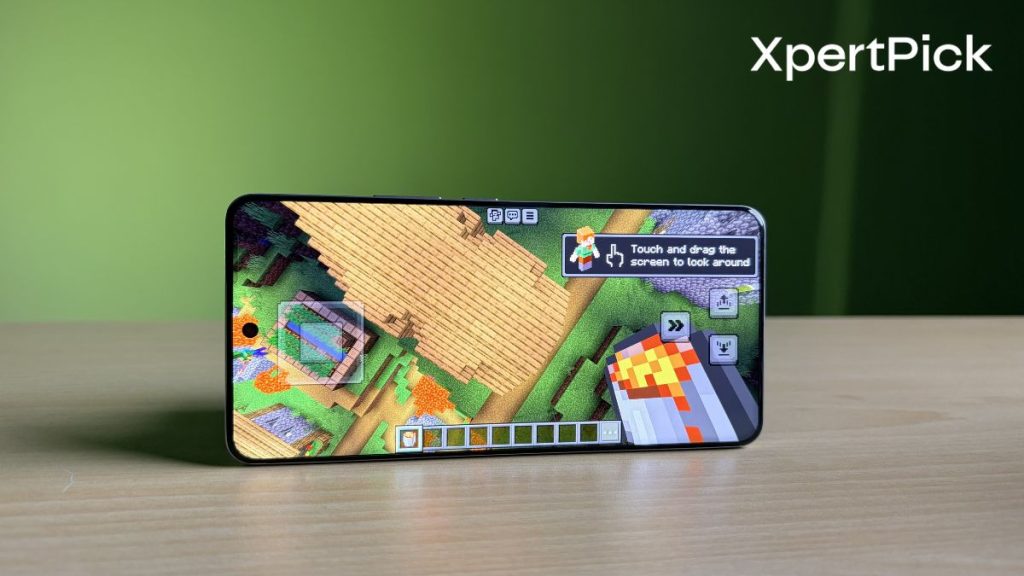
The Realme P4 Pro delivers one of the best display experiences for gaming under ₹30,000. Its 144 Hz AMOLED panel, excellent thermal stability, and large battery make it our top recommendation for display-focused gamers.
Why We Picked It
A high-refresh-rate display is only as good as the hardware driving it, and the Realme P4 Pro delivers one of the most consistent gaming experiences in this price segment. Its 6.8-inch AMOLED display refreshes at up to 144 Hz, providing smooth animations, responsive camera movement and fluid menu navigation across supported games.
The display is backed by equally impressive stability under sustained load. Powered by the Snapdragon 7 Gen 4, the P4 Pro achieved an outstanding 99.3% stability score in the 3DMark Wild Life Extreme Stress Test, indicating minimal performance degradation during extended gaming sessions. While its average frame rate in BGMI peaked at 73 FPS, lower than the fastest gaming-focused devices in this comparison, it maintained consistent frame delivery throughout testing. Combined with its 7,000 mAh battery, the Realme P4 Pro is the strongest choice under ₹30,000 for gamers who prioritise display quality, long-term stability and battery endurance over maximum frame rates.
Realme P4 Pro Key Specifications
-
Starting Price: ₹28,999
-
Processor: Qualcomm Snapdragon 7 Gen 4
-
Display: 6.8-inch AMOLED (144Hz)
-
RAM: 8GB / 12GB LPDDR4X
-
Storage: 128GB / 256GB / 512GB UFS 3.1
-
Battery: 7,000 mAh
-
Charging: 80W SUPERVOOC Fast Charging (with Bypass Charging and 10W reverse wired)
-
Rear Camera: 50MP Main (Sony IMX896 with OIS) + 8MP Ultra-Wide
-
Front Camera: 50MP
-
Durability: IP65 and IP66 dust and water resistance
Realme P4 Pro XP Lab Data
-
AnTuTu Overall Score: 1,009,232
-
Geekbench 6 Score: 1,193 (Single-Core) / 3,506 (Multi-Core)
-
Geekbench GPU Score: 4,536
-
3DMark WildLife Extreme Score: 1,813
-
3DMark Stress Test Stability: 99.3%
-
Temperature After Stress Test: 40.8°C
-
BGMI Performance (Lowest Graphics): 73.0 Average FPS / 61.2 5% Low FPS
-
Minecraft Performance (Highest Graphics): 43.5 Average FPS / 23.9 5% Low FPS
Realme P4 Pro Pros & Cons
-
Pros: Good graphical consistency with 99.3% stability ensures a highly reliable gaming experience and handles demanding workloads such as Minecraft better than the Moto Edge 70.
-
Cons: BGMI average frame rate is limited to 73 FPS, which may feel underwhelming to high-refresh-rate purists.
Who Should Buy It
The Realme P4 Pro is ideal for buyers who value consistency over peak frame rates. Its 144 Hz AMOLED display, excellent thermal stability, 7,000 mAh battery, and bypass charging make it a great choice for long gaming sessions, media consumption, and everyday use.
Who Shouldn’t Buy It
If you want the highest possible frame rates in competitive shooters, there are better options. The Realme P4 Pro prioritises thermal efficiency over outright performance, limiting gaming to around 73 FPS in BGMI. Competitive players will find stronger alternatives in the Moto Edge 70 or Realme GT 7T.
Expert Verdict: The Realme P4 Pro takes a measured approach to gaming by focusing on stability, battery life, and thermal efficiency rather than chasing benchmark records. Its excellent sustained performance, large battery, and premium display make it a dependable choice for extended gaming sessions. While it cannot match the frame rates of the fastest gaming phones under ₹30,000, it remains one of the most well-rounded options for buyers who value consistency and endurance.
Redmi Note 15 – Best Cooling and Sustained Performance Under ₹30k
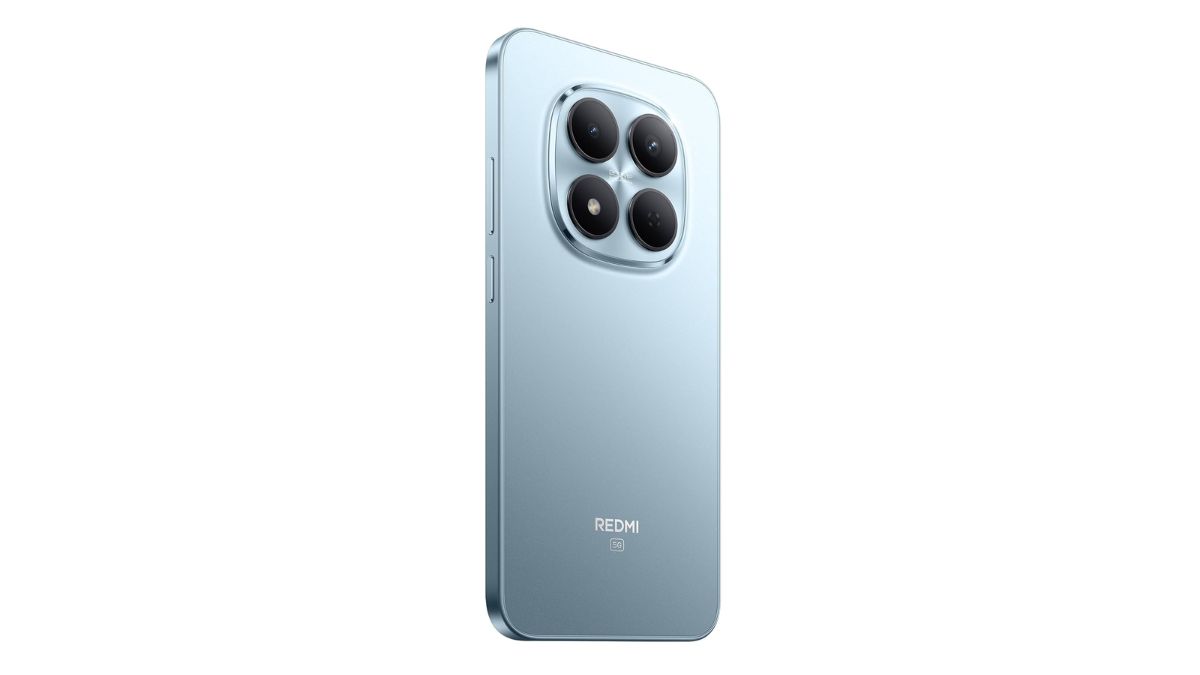
The Redmi Note 15 prioritises stability over peak benchmark numbers, earning our recommendation for the best sustained gaming performance under ₹30,000. Its excellent thermal management and dependable frame consistency make it an ideal choice for extended gaming sessions.
Why We Picked It
The Redmi Note 15 is built for the pragmatic gamer whose biggest frustration is a phone that turns into a pocket heater after a single match. Redmi has prioritised thermal efficiency over headline benchmark figures, resulting in one of the most thermally stable phones in this price bracket. During the 3DMark Wild Life Extreme Stress Test, it maintained an exceptional 99.5% stability score while reaching a peak temperature of just 36.6°C.
It achieves this level of efficiency with the Snapdragon 6 Gen 3, which retained 94% of its CPU performance even under sustained load. With minimal thermal throttling, gameplay remains consistent and free from noticeable frame drops. It will not set performance records in demanding open-world titles, but it delivers a stable 58.2 FPS average in BGMI while remaining comfortable to hold during extended gaming sessions.
Redmi Note 15 Key Specifications
-
Price: ₹22,999
-
Processor: Qualcomm Snapdragon 6 Gen 3
-
Display: 6.77-inch AMOLED, 120Hz
-
Battery: 5,520mAh
-
Charging: 45W Turbo Charging
-
Camera: 108MP Main (OIS) + 8MP Ultra-Wide, 20MP Selfie
-
RAM & Storage: 8GB LPDDR4X / 128GB or 256GB (UFS 2.2)
Redmi Note 15 XP Lab Test Data
-
AnTuTu Overall Score: 834,308
-
Geekbench 6: 1,018 (Single-Core) | 2,964 (Multi-Core)
-
3DMark Stress Test Stability: 99.5%
-
CPU Throttling Test Stability: 94%
-
BGMI Performance (Lowest Graphics): 58.2 Average FPS | 50.2 5% Low FPS
-
Minecraft Performance (Highest Graphics): 37.0 Average FPS | 19.7 5% Low FPS
-
Battery Life (PCMark): 17h 53min
Redmi Note 15 Pros & Cons
-
Pros: Excellent thermal efficiency, achieving a 99.5% stability rating while reaching a maximum temperature of just 36.6°C. It also delivers consistent performance in optimised games such as BGMI without generating excessive heat.
-
Cons: Limited GPU performance and slower UFS 2.2 storage reduce gaming performance in demanding titles, leading to noticeable stutters and sub-40fps averages in heavier 3D workloads. It also falls behind many rivals in overall processing performance.
Who Should Buy It
The Redmi Note 15 is ideal for buyers who value consistent performance over peak frame rates. Its excellent thermal management, stable gaming performance, vibrant 120 Hz AMOLED display, and efficient battery life make it a great choice for casual gamers and users who spend long hours on their phones.
Who Shouldn’t Buy It
If you play demanding 3D games or want the highest possible gaming performance, there are better options. The Redmi Note 15 lacks the GPU power and fast storage needed for graphics-intensive titles, making rivals such as the Realme GT 7T and Moto Edge 70 better suited to serious gaming.
Expert Verdict: The Redmi Note 15 takes a sensible approach to gaming by prioritising thermal efficiency and sustained performance over benchmark numbers. It stays remarkably cool under load and delivers consistently smooth gameplay in popular titles without aggressive throttling. Although it lacks the graphics performance required for demanding games, it remains an excellent choice for buyers who value reliability, comfort, and stable everyday gaming under ₹30,000.
OnePlus Nord CE6 Lite – Best Battery for Long Gaming Sessions Under ₹30k
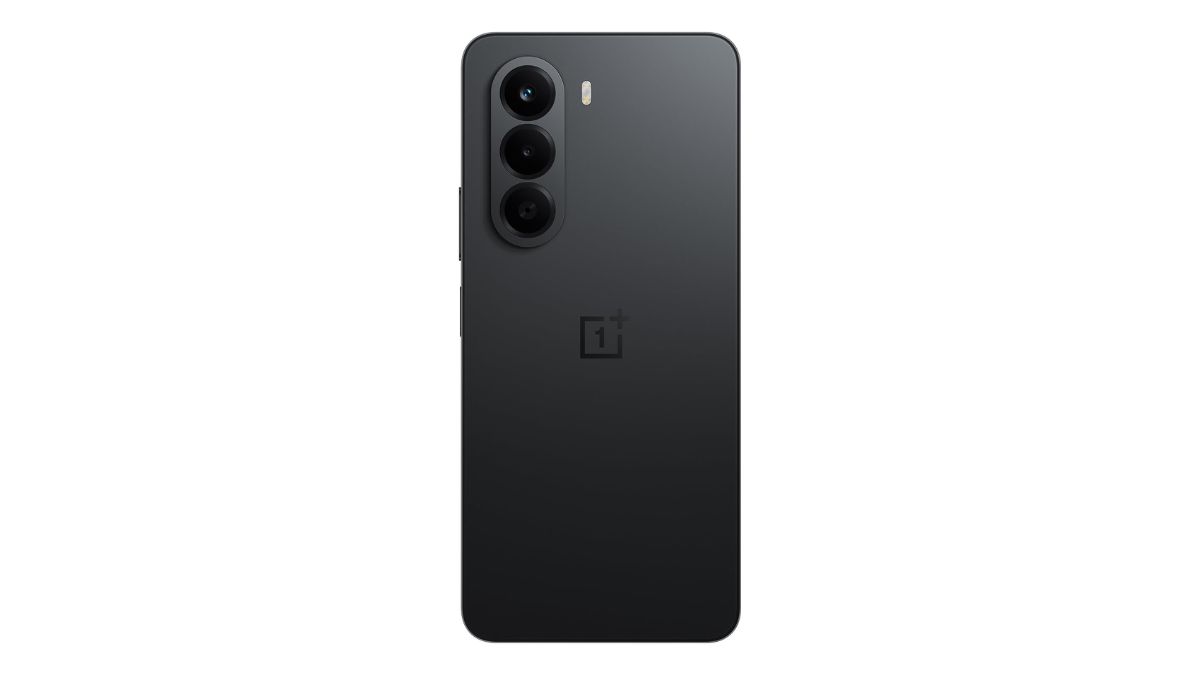
OnePlus Nord CE6 Lite Key Specifications
-
Price: ₹22,999
-
Processor: MediaTek Dimensity 7400 Apex
-
Display: 6.72-inch FHD+ LCD, 144Hz
-
Battery: 7,000mAh
-
Charging: 45W SUPERVOOC (with 10W wired reverse charging)
-
Camera: 50MP Main (OmniVision OV50D40) + 2MP Depth, 8MP Selfie
-
RAM & Storage: 6GB or 8GB / 128GB or 256GB (UFS 3.1)
OnePlus Nord CE6 Lite XP Lab Test Data
-
AnTuTu Overall Score: 1,001,250
-
Geekbench 6: 1,009 (Single-Core) | 2,974 (Multi-Core)
-
3DMark Stress Test Stability: 99.4%
-
CPU Throttling Test Stability: 86%
-
BGMI Performance (Lowest Graphics): 59.5 Average FPS | 55.0 5% Low FPS
-
Minecraft Performance (Highest Graphics): 34.7 Average FPS | 16.7 5% Low FPS
-
Battery Life (PCMark): 24h 0min
OnePlus Nord CE6 Lite Pros & Cons
-
Pros: Exceptional battery life, lasting over 24 hours in the PCMark battery test. Fast UFS 3.1 storage helps keep app launches and file transfers responsive, while well-optimised games such as BGMI run smoothly with consistent frame rates and minimal stuttering.
-
Cons: Graphics performance falls behind key rivals in this segment, resulting in sub-40fps averages and noticeable stuttering in demanding games such as Minecraft. The phone also exhibits moderate thermal throttling under sustained workloads, retaining 86% of its peak performance as temperatures rise to 39.6°C.
Who Should Buy It
The OnePlus Nord CE6 Lite is ideal for buyers who value battery life above everything else. Its massive 7,000 mAh battery, efficient chipset, and dependable everyday performance make it a great choice for long gaming sessions, frequent travellers, and anyone who spends extended periods away from a charger.
Who Shouldn’t Buy It
If you regularly play graphically demanding games or want the highest gaming performance, there are better options. The Nord CE6 Lite is tuned for efficiency rather than outright speed, making rivals such as the Realme GT 7T better suited to intensive 3D gaming and high-refresh gameplay.
Expert Verdict: The OnePlus Nord CE6 Lite is built with endurance in mind. Its combination of a highly efficient chipset, fast UFS 3.1 storage, and a huge 7,000 mAh battery delivers class-leading battery life while keeping temperatures under control during extended gaming sessions. Although it lacks the graphics performance required for demanding 3D titles, it remains one of the best choices under ₹30,000 for buyers who prioritise long battery life, dependable performance, and everyday reliability.
Infinix GT 30 – Best Value Gaming Pick Under ₹30k
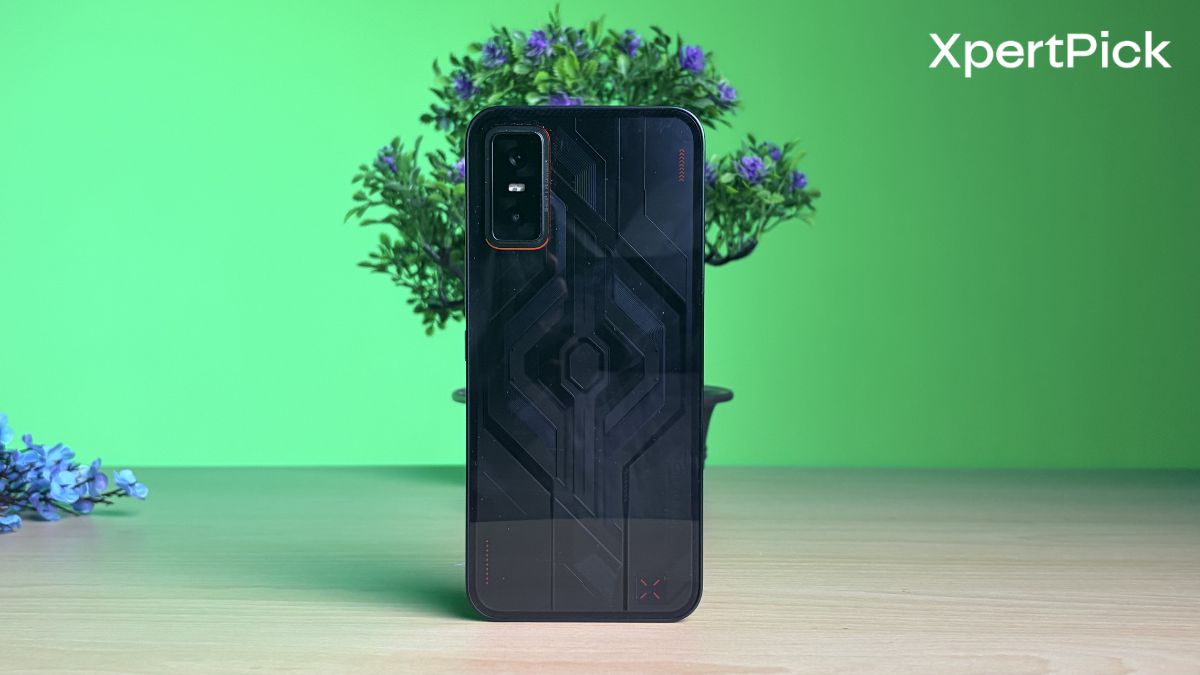
Infinix GT 30 Key Specifications
-
Starting Price: ₹23,999
-
Processor: MediaTek Dimensity 7400
-
Display: 6.78-inch LTPS AMOLED (144Hz)
-
RAM: 8GB LPDDR5X
-
Storage: 128GB / 256GB UFS 2.2
-
Battery: 5,500 mAh
-
Charging: 45W Wired Fast Charging (with Bypass Charging and 10W reverse wired)
-
Rear Camera: 64MP Main (Sony IMX682) + 8MP Ultra-Wide
-
Front Camera: 13MP
-
Durability: IP64 dust and splash resistance, Cyber Mecha Design 2.0 with RGB LEDs
Infinix GT 30 XP Lab Data
-
AnTuTu Overall Score: 975,961
-
Geekbench 6 Score: 1,069 (Single-Core) / 3,159 (Multi-Core)
-
Geekbench GPU Score: 3,043
-
3DMark WildLife Extreme Score: 1,056
-
3DMark Stress Test Stability: 99.6%
-
Temperature After Stress Test: 34°C
-
BGMI Performance (Lowest Graphics): 82.4 Average FPS / 57.5 5% Low FPS
-
Minecraft Performance (Highest Graphics): 27.5 Average FPS / 19.3 5% Low FPS
Infinix GT 30 Pros & Cons
-
Pros: Unrivaled thermal efficiency, keeping a cool 34°C posture under full load with a flawless 99.6% stability rating. Exceptional pricing makes it the smart budget pick.
-
Cons: Lower raw GPU power restricts maximum frame ceiling; Minecraft struggles at just 27.5 FPS on highest settings.
Who Should Buy It
The Infinix GT 30 is ideal for budget-conscious gamers who want a phone built with gaming in mind. Its 144 Hz AMOLED display, excellent thermal management, bypass charging, and gaming-focused design make it a great choice for extended BGMI sessions without spending close to ₹30,000.
Who Shouldn’t Buy It
If you regularly play graphically demanding games or want the highest possible gaming performance, there are better options. The GT 30 lacks the GPU power needed for demanding titles, while its UFS 2.2 storage also falls behind faster rivals such as the Realme GT 7T.
Expert Verdict: The Infinix GT 30 proves that a great gaming phone does not need flagship hardware. Its focus on thermal efficiency, stable gaming performance, and thoughtful gaming features creates a remarkably dependable experience for mainstream mobile gamers. While it cannot match the raw performance of more expensive rivals, its cool-running design, gaming-first features, and aggressive pricing make it one of the best value gaming phones under ₹30,000.
Realme 16T
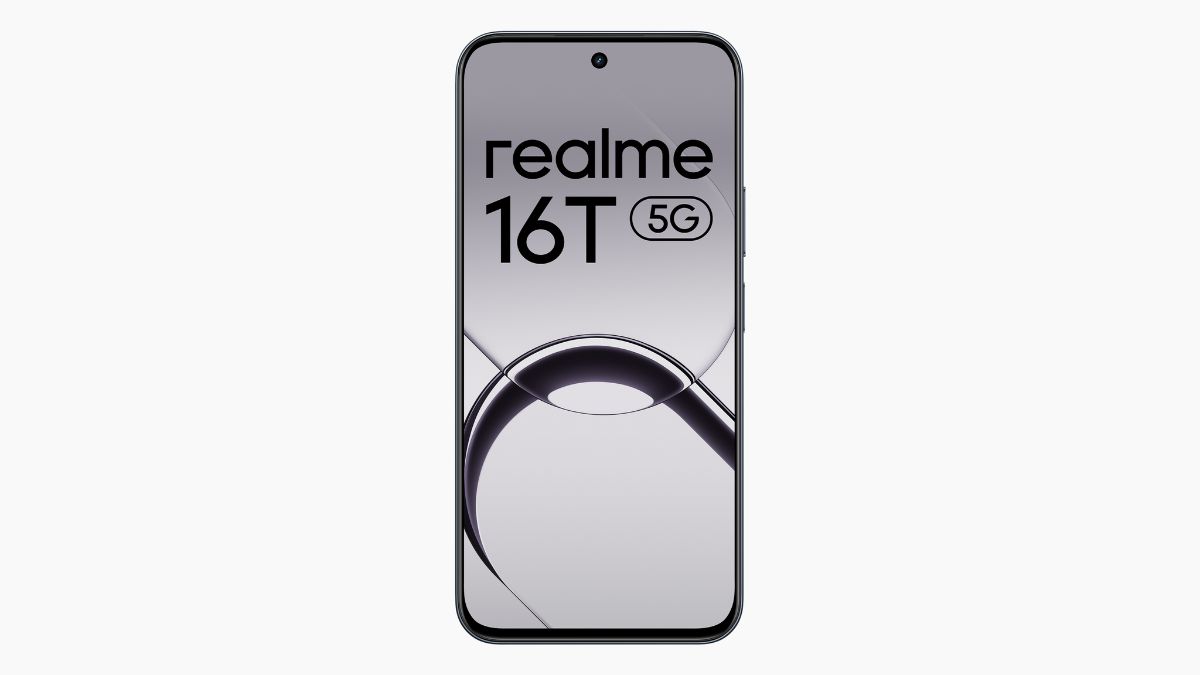
The Realme 16T is not one of our recommended gaming phones under ₹30,000. While it offers excellent battery life and dependable everyday performance, its limited graphics hardware leaves it well behind the strongest gaming-focused rivals.
Why We Didn’t Pick It
The Realme 16T did not make my final recommendation list because its graphics performance falls well behind the other phones in this comparison. While it can handle lighter games comfortably, it struggled in demanding titles such as Minecraft, where frame rates were too low for an enjoyable gaming experience.
That said, the phone performs well in areas that support longer gaming sessions. It stayed cool during testing, maintained stable performance under load, and delivered 21 hours and 26 minutes in the PCMark Work 3.0 battery test. If your gaming consists mainly of lighter or well-optimised titles and battery life is a higher priority than raw performance, the Realme 16T is still worth considering.
Realme 16T Key Specifications
-
Price: ₹25,999
-
Processor: MediaTek Dimensity 6300
-
Display: 6.81-inch HD+ LCD, 144Hz
-
Battery: 8,000mAh
-
Charging: 45W SUPERVOOC (with Bypass Charging and 10W Reverse Wired Charging)
-
Camera: 50MP Main (Sony IMX852) + 2MP Monochrome, 16MP Selfie
-
RAM & Storage: 6GB or 8GB LPDDR4X / 128GB or 256GB (UFS 2.2)
Realme 16T XP Lab Test Data
-
AnTuTu Overall Score: 614,835
-
Geekbench 6: 784 (Single-Core) | 1,997 (Multi-Core)
-
3DMark Stress Test Stability: 99.2%
-
CPU Throttling Test Stability: 91%
-
BGMI Performance (Lowest Graphics): 59.1 Average FPS | 51.3 5% Low FPS
-
Minecraft Performance (Highest Graphics): Unplayable (Averaged ~8 FPS)
-
Battery Life (PCMark): 21h 26min
Realme 16T Pros & Cons
-
Pros: Excellent battery life, with its 8,000mAh battery lasting more than 21 hours in PCMark testing. Strong thermal management also helps the phone remain cool under sustained workloads, reaching just 33.2°C during testing and maintaining stable performance in optimised 60fps BGMI sessions.
-
Cons: Limited processing and graphics performance for its price segment, with the lowest AnTuTu score among the phones tested. It struggles in demanding 3D games such as Minecraft, while the slower UFS 2.2 storage also results in longer app loading times and reduced overall responsiveness.
Who Should Buy It
The Realme 16T is ideal for buyers who value battery life and durability over gaming performance. Its huge 8,000 mAh battery, cool-running chassis, bypass charging, and rugged design make it a dependable choice for everyday use, travel, and casual gaming.
Who Shouldn’t Buy It
If gaming is your priority, there are far better options in this price range. The Dimensity 6300 struggles in demanding games, making phones such as the Realme GT 7T and Moto Edge 70 much better suited to high-refresh gaming and intensive workloads.
Expert Verdict: The Realme 16T is built for endurance rather than performance. Its exceptional battery life, efficient thermal management, and durable design make it an excellent everyday companion for buyers who prioritise reliability. However, its modest chipset and limited graphics performance leave it well behind the leading gaming phones under ₹30,000, making it difficult to recommend for performance-focused buyers.
Frequently Asked Questions (FAQs)
What Is the Best Gaming Smartphone Under ₹30,000?
If gaming is your main priority, the Moto Edge 70 is a strong option thanks to its high BGMI frame rates. However, if you are willing to spend slightly more, the Realme GT 7T offers stronger overall performance, better benchmark results, and more consistent gaming performance across a wider range of workloads.
Which Phone Delivers the Highest FPS in BGMI Under ₹30,000?
The Moto Edge 70 recorded the highest average frame rate in BGMI among the phones tested. That makes it a good choice for players who want the highest possible frame rates. If you value long-term stability over peak performance, devices such as the Realme GT 7T and Realme P4 Pro offer a more consistent experience during extended gaming sessions.
Which Gaming Phone Has the Best Thermal Performance?
The Infinix GT 30 delivered the most consistent thermal performance in this comparison. It maintained excellent stability during stress testing and stayed relatively cool under sustained workloads, making it a reliable choice for longer gaming sessions.
Which Performance-Focused Phone Has the Best Battery Life?
The OnePlus Nord CE6 Lite delivered the longest battery life among the phones tested, lasting 24 hours in the PCMark Work 3.0 battery test. The Realme 16T also performed well, while the Realme P4 Pro offered a good balance between battery life and gaming performance.
What Is the Best Gaming Phone Under ₹25,000?
The Infinix GT 30 is a strong option for buyers on a tighter budget. It offers reliable gaming performance, good thermal management, and stable frame rates, making it well suited to competitive games such as BGMI.
Can the Redmi Note 15 and OnePlus Nord CE6 Lite Handle Gaming?
Yes, both phones can run games such as BGMI smoothly at around 60fps. However, they are less suited to demanding 3D titles. In my testing, both devices struggled to maintain high frame rates in games such as Minecraft, making them better suited to casual gaming than heavy gaming workloads.