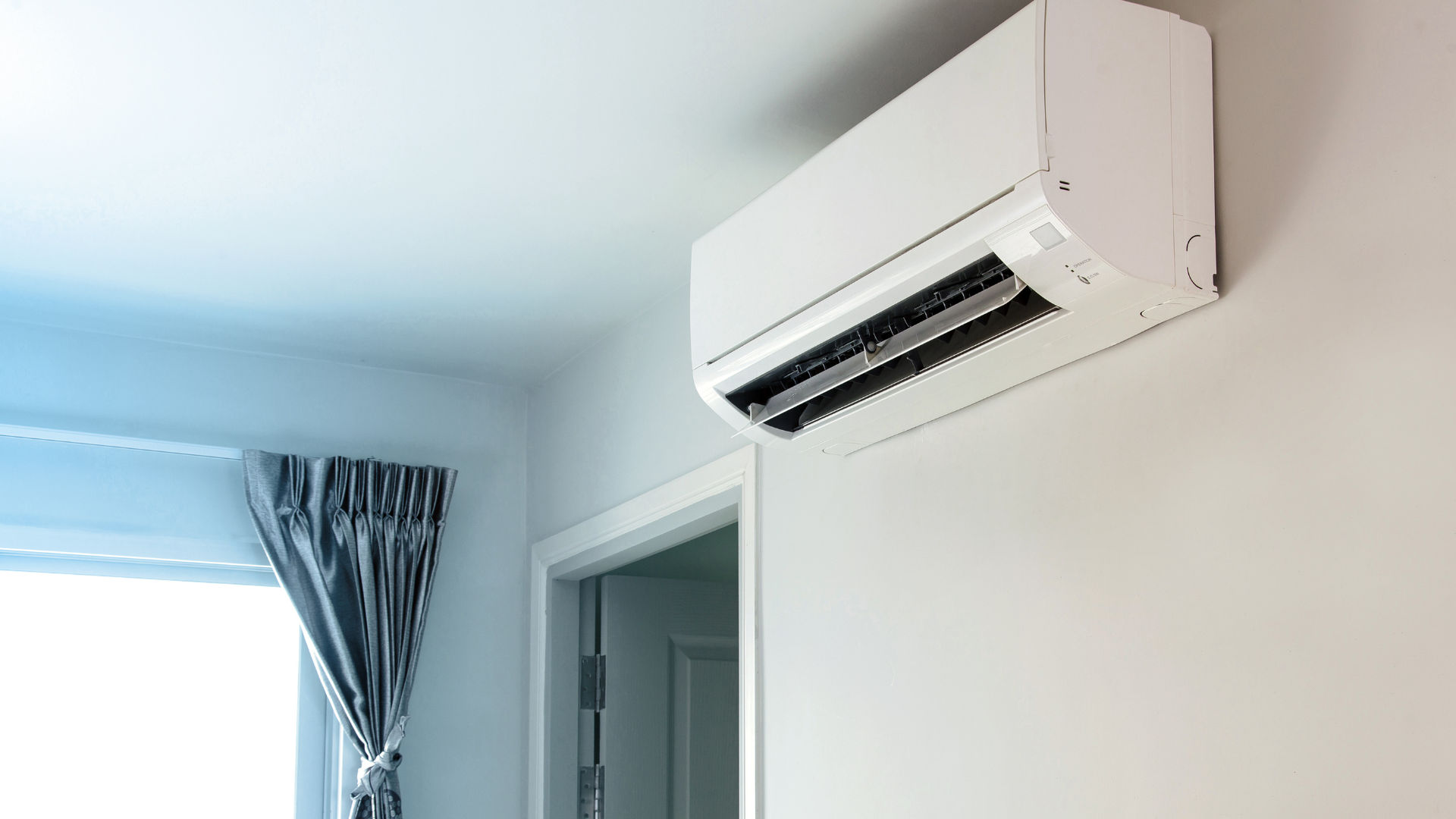
If you are planning to buy a new AC, online or offline, you have probably come across one of those room-size charts or someone saying:
100 sq. ft.? Buy a 1-ton AC.
150 sq. ft.? Buy a 1.5-ton AC.
Large room? Go for a 2-ton model.
Simple enough, right?
It sounds simple, but actually isn’t. A lot of people think that you decide the tonnage of your AC depending on the size of your room, well that’s not entirely true.
In fact, one of the most common mistakes that people make while buying an AC is that they spend weeks comparing brands, star ratings, inverter technologies, and fancy AI features while giving very little thought to the one thing that will ultimately determine whether the AC feels effective or not: cooling capacity.
This is also why when two people, having a similar-sized room, buy the same AC, they rarely have the same cooling experience. The difference has less to do with the AC and more to do with the room. Let me explain.
What Does AC Tonnage Mean?
1-ton AC doesn’t weigh one ton. Yeah, that’s true.
The word “ton” here measures the cooling capacity. It has a historical context to it. It comes from the amount of heat required to melt one ton of ice over a 24-hour period. So, for us higher the tonnage, the greater the amount of heat an air conditioner can remove from a room.

Now, where people go wrong is that they assume that tonnage and room size are the same thing. They aren’t. Tonnage is a measure of how much cooling an AC can provide, while room size is just one of the many factors that determine how much cooling is required.
To explain it better, imagine that you are trying to empty water from a tank using a bucket. The size of the bucket will tell you how much water you can remove from the tank at a time. That’s exactly what your AC’s tonnage is.
To be able to empty the tank on time you will also have to make sure that the water supply is off so that new water isn’t coming into the tank. If water is pouring in continuously, you’ll need a larger bucket to keep up.
That’s just how your AC works too. If heat keeps entering through the walls, windows, roof, appliances, and even the people sitting inside, the room gets hotter, that’s more heat that the AC has to remove. That’s why cooling capacity matters.
Your AC will have to keep removing the heat in the room, which means that the real question isn’t how big the room is. The real question is how much heat that room is dealing with.
Why Measuring the Room Size Isn’t Enough
To understand this, let’s take two bedrooms that are both 120 sq. ft. One is located on a middle floor, receives limited sunlight, and remains shaded for most of the day. The other sits directly below a terrace, has a large west-facing window, and spends every summer afternoon absorbing heat from the sun.

On paper, in size, these rooms are identical but to an air conditioner, the challenges to cooling are different. So, if I were to recommend an AC to you, I would suggest you to not only measure your room but also consider sunlight exposure, ceiling height, insulation, number of occupants, window placement, floor level, and even the city you’re living in. Delhi would have a different cooling requirement during a hot summer month compared to Bengaluru.
We have to calculate something called the cooling load, which is the total amount of heat an AC needs to remove from a room to keep it comfortable.
Which Tonnage is Better
Here’s a little breakdown for you:
1-Ton AC:
A 1-Ton AC is usually suitable for smaller bedrooms that have a relatively lower floor. If your room is compact, doesn’t receive excessive sunlight, isn’t directly below a terrace, and is occupied by one or two people, a modern inverter-based 1-ton AC can cool it comfortably.
Not every small room means a 1-ton AC is good enough. A small room exposed to direct sunlight throughout the day can sometimes require more cooling than a larger shaded room.
1.5-Ton AC:
This category is the most popular in India. A lot of Indian urban bedrooms fall into a category where the 1.5-ton AC is both practical and provides enough cooling capacity. It can easily deal with moderate sunlight exposure, multiple occupants, and the increasingly harsh summers that many Indian cities experience.
A lot of people recommend a 1.5-ton model because it is the safest bet for a wide range of homes.
2-Ton AC:
A 2-ton AC is designed mainly for those rooms that have higher cooling loads. It could be a big bedroom, living room, a room with high ceilings, open layout, exposed to sunlight, or a top-floor apartment that absorbs heat throughout the day.
Bigger Isn’t Always Better
Also, let me warn you, a 2-ton AC doesn’t always mean that it is the best. Some people end up buying it just because they don’t want to compromise on quality. They just end up buying more than needed, and end up paying extra.
If your room is constantly absorbing heat through an exposed roof, poorly insulated walls, or large windows, simply buying a bigger AC may not completely solve the problem. The AC will still be fighting the same heat load.
Here some simple hacks can help you out. You can use blackout curtains, reflective films, better insulation, or terrace cooling treatments.
So, before deciding the tonnage of your room, don’t just measure its size, also check the other factors than can impact cooling.