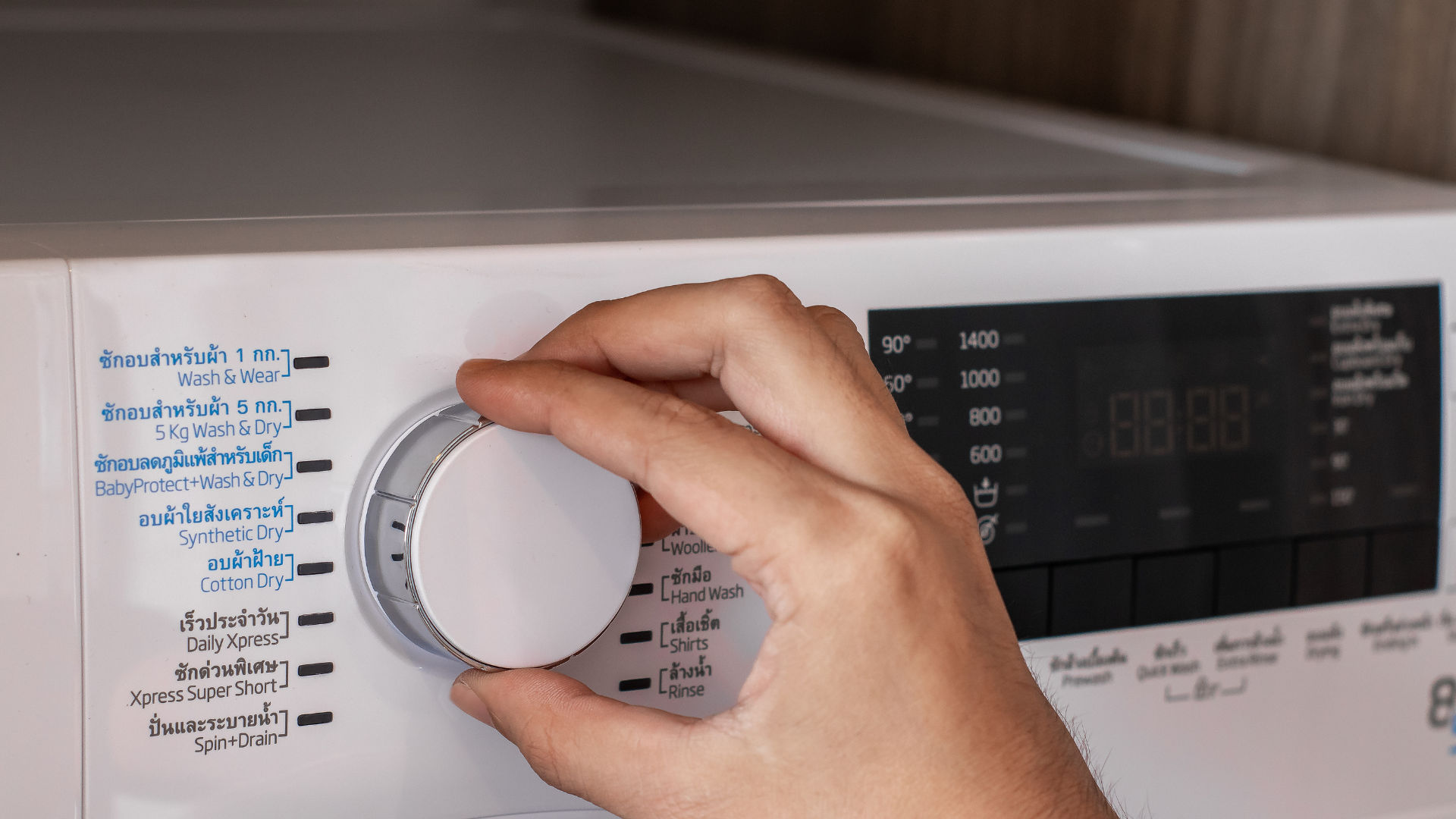
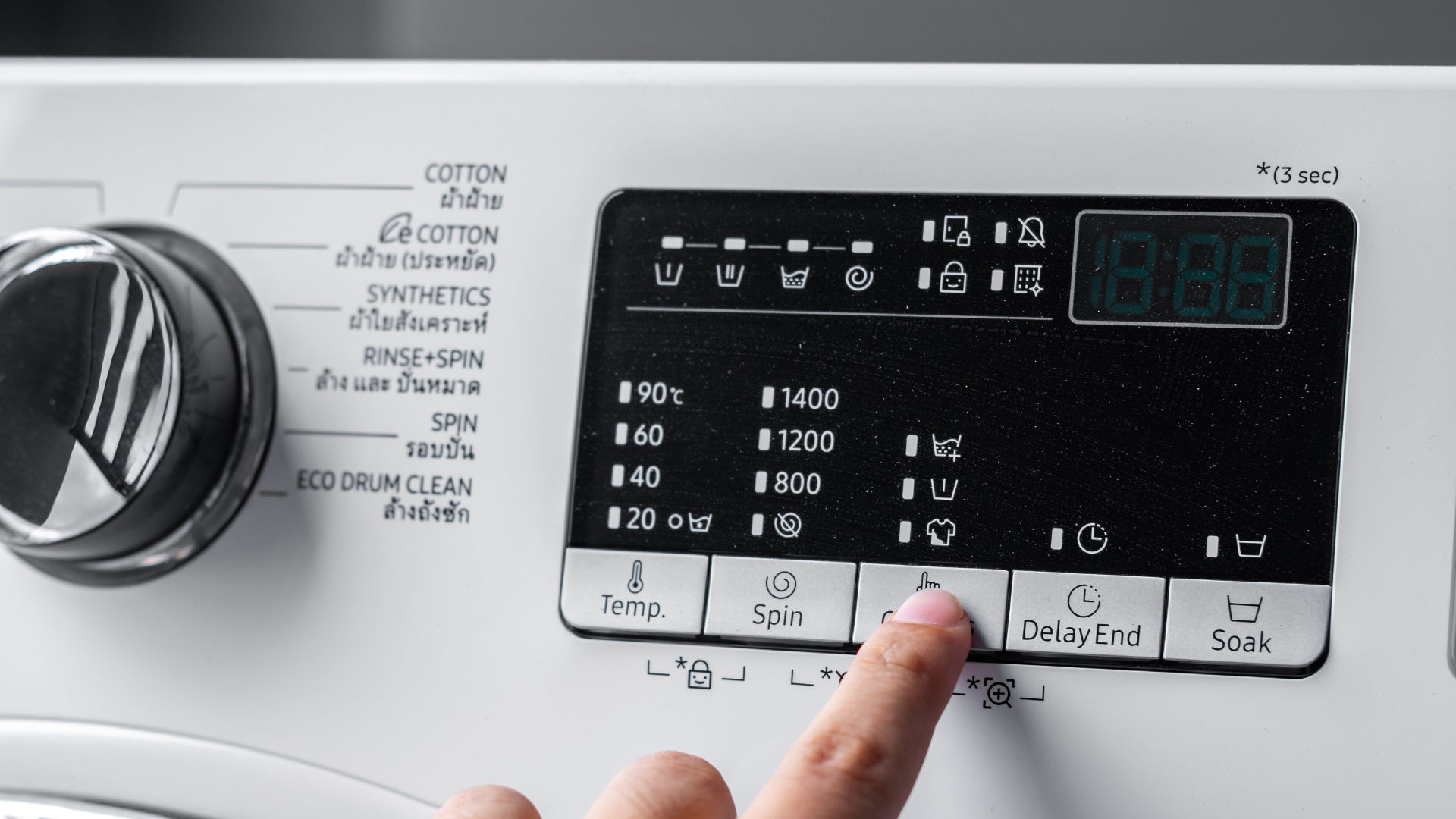
Go and take a look at your washing machine for a minute. It probably offers a bunch of wash modes- Delicate, Wool, Quick Wash, Eco, Bedding, Sportswear, Baby Care, and then some washing machines even have Steam Wash, Allergy Care, Stain Removal, and these days even AI wash.
But tell me honestly, how many of these features do you actually use?
A lot of people would stick to the basic 1 or 2 settings that they are comfortable with, despite having spent tens of thousands of rupees on getting those extra features, a fully-automatic washing machine, or a smart machine.
It’s basic human nature, we get into a routine, we get lazy, want to just get the job done, so we throw the clothes into the drum, quickly press the same button every day, and leave the rest to the machine.
While this is okay, the problem is that not all laundry is the same. A dirty bedsheet and a sweat-soaked gym t-shirt have different cleaning needs. Treating them exactly the same is not the most effective way to clean them and over time can also damage the fabric.
Why Washing Machines Have So Many Cycles
We think that brands keep adding additional features to market their product better. While that can be true to a certain extent, that’s not the whole truth. Most of the features on your control panel are there for a certain reason.
Let’s get the basics cleared first. Every cycle changes a combination of factors such as water temperature, drum movement, spin speed, and wash duration. The machine adjusts these variables depending on the type of fabric and the kind of dirt it is expected to remove.
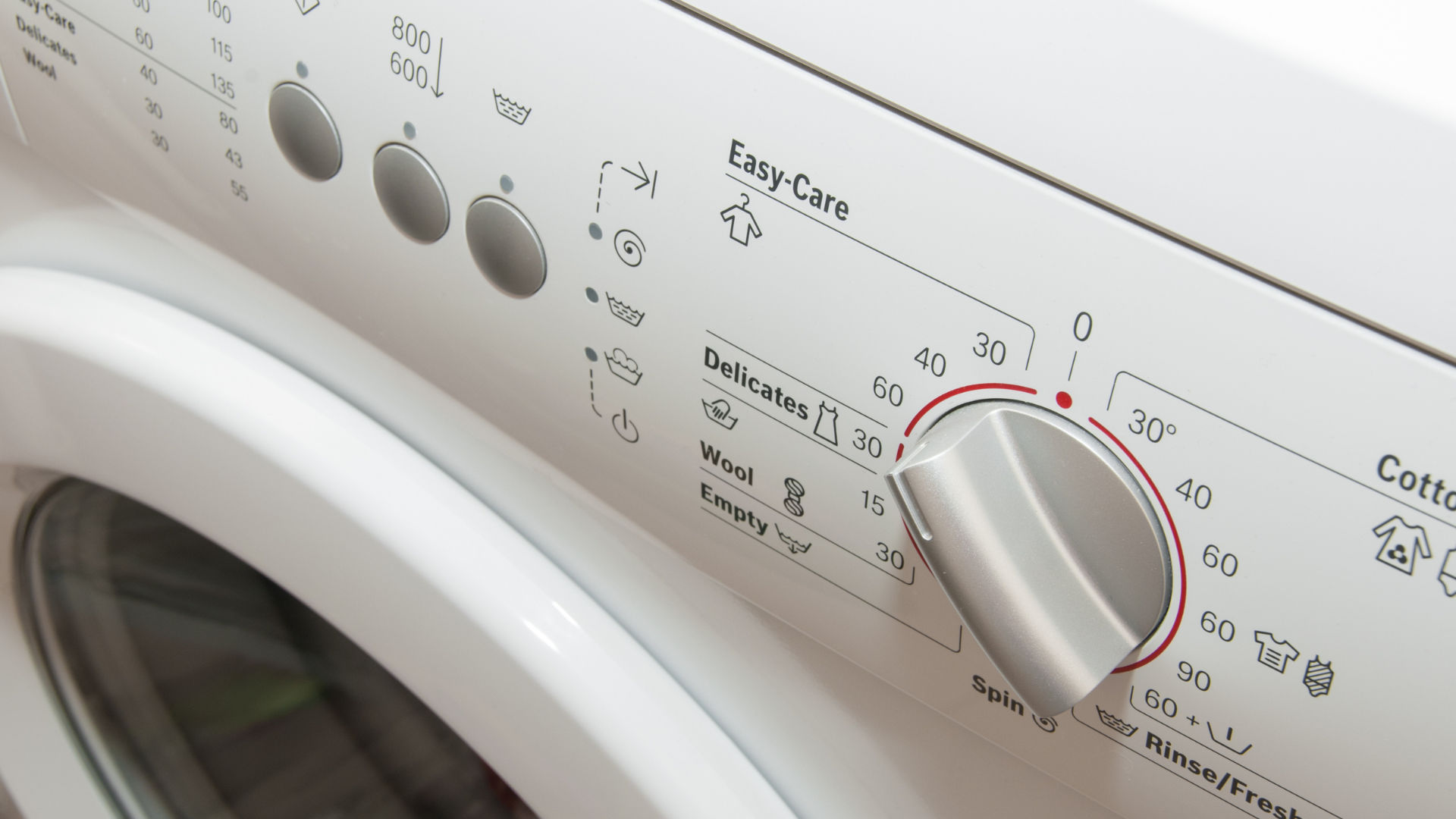
That is why a delicate cycle is gentler than a cotton cycle and also why quick wash finishes much faster than a regular cycle.
This helps in cleaning clothes effectively while reducing unnecessary wear and tear.
Everyday Clothes: The Default Choice
For your everyday cotton clothes, t-shirts, shirts, pyjamas, and most daily wear, the standard cotton or mixed-fabric cycle is the safest choice.
This cycle is designed to handle normal dirt, body oils, and bacteria. It provides enough agitation to clean them thoroughly. This is also why most people end up using this cycle for almost everything. Most of the time it can work, but sometimes it doesn’t.
Towels Need More Than a Quick Wash
Towels absorb moisture, collect dead skin cells, and often spend hours hanging in damp bathrooms while they are damp as well. Despite that, many people wash them exactly the same way they wash their daily-wear clothes.
For towels, a longer wash-cycle with adequate rinsing is a better choice because if detergent residue is left trapped inside the towel fibres, it can make the towels feel stiff and less absorbent. I am sure you must have noticed how the towels feel hard and rough after coming out of the washing machine.
Also, don’t overcrowd the drum while washing towels. They become extremely heavy when wet and need enough room to move around during the wash.
Bedsheets Are a Different Story
From the face of it, even a week old bedsheet doesn’t look too dirty, but it collects sweat, body oils, dust, and skin cells every single night which isn’t really visible to the naked eye.
That’s why they need a longer cycle than what is used for daily clothing. Also, you need to consider the material of the bedsheets. Cotton sheets can generally handle a regular cycle, while delicate materials may require gentler settings to prevent any damage.
Again, don’t stuff too many bedsheets into the drum at once, it will give an uneven result because water and detergent will not be able to circulate properly through the load.
Quick Wash & Eco Mode
Quick wash is one of the most popular features on modern washing machines, and for a good reason: it saves time. It doesn’t, however, replace every other wash cycle.
Quick Wash works best for lightly worn clothes that aren’t heavily stained or dirty. If you’re dealing with gym clothes, bedsheets, towels, or a week’s worth of accumulated laundry, then a quick wash won’t clean as efficiently.
For most people, Eco mode is the most practical. I know that a lot of people avoid it because it takes a lot of time. What you don’t realise is that it is designed to save water and electricity by washing differently rather than washing harder.
If your clothes are mildly soiled, then Eco mode will deliver the correct amount of cleaning and also use less water and electricity. You just have to wait for a bit longer.
So, just carefully go through your control panel, you will find dedicated modes for most of your cleaning needs, just try using that, and you will definitely see the results.