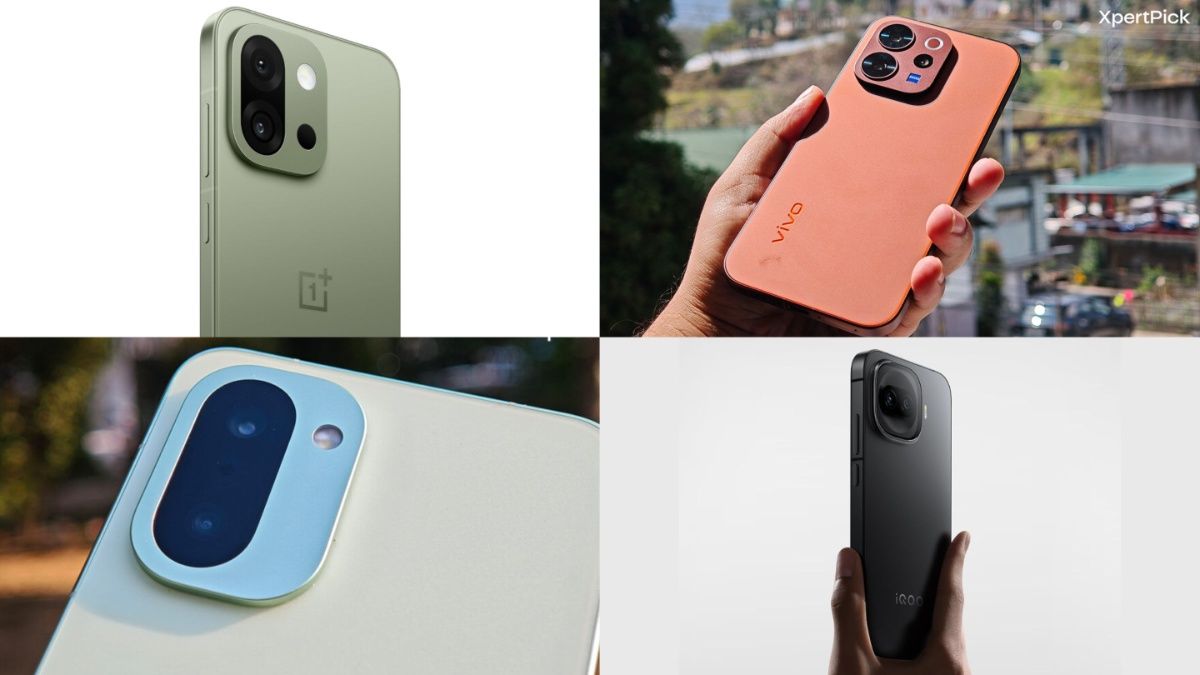
If ₹60,000 is your ceiling, you are shopping in a fascinating, sometimes frustrating, sweet spot. This is the price tier where smartphones start adopting genuine flagship-grade camera hardware, while manufacturers still have to make some tough choices to keep prices below the premium bracket.
We put seven of the most popular options through our rigorous XP Lab camera protocol, scoring each on a 10-point scale across daylight, low light, portraits, telephoto, selfies, ultrawide and video.
The results reveal a mix of calculated compromises and unexpected strengths. One phone drops the ultrawide camera altogether to make room for a flagship-grade 2x optical telephoto lens. Another packs a huge 7,000mAh battery but falls behind when it comes to basic digital zoom. At the top sits a handset that earns an “excellent” 9.0 in two optical categories, putting more expensive rivals under pressure.
Megapixel counts alone do not tell the full story here. Read on to see how all seven phones perform under the microscope, and which one deserves your money based on what you actually shoot.
Our top picks at a glance
| Award | Winner | Price | Why it wins |
|---|---|---|---|
| Best overall camera under ₹60k | Vivo V70 | ₹59,999 | Highest or joint-highest score in six of seven test categories |
| Best low-light / night camera | OnePlus 15R | ₹59,999 | 8.0 low-light score, tied with the V70 – our pick for a second-opinion night shooter |
| Best daylight / detail | OnePlus 15R | ₹59,999 | 8.5 daylight score, tied with the V70 |
| Best portrait & selfie | Vivo V70 | ₹59,999 | 9.0 portrait and 8.0 front-camera – the top marks in both |
| Best video / vlogging | iQOO 15R | ₹60,000 | 8.0 video score, joint-best in the group |
| Best zoom / telephoto | Vivo V70 | ₹59,999 | 9.0 telephoto – the only phone here scoring above 7.0 on zoom |
| Best value camera pick | Nothing Phone (3) | ₹51,999 | Cheapest scored phone, 7.0–8.0 across every category including telephoto |
Not ranked: OnePlus 13s (₹59,999) and Realme 15 Pro (₹55,999) have no camera scores recorded in the current XP Lab sheet, so they are listed but not placed in any category. See Data integrity notes at the end.
XP Lab camera score comparison
Scores out of 10. 🏆 marks the top score in each column; ties share the trophy. A dash means the phone was not scored in that category (typically because it lacks a dedicated telephoto lens).
| Phone | Price | Daylight | Low light | Portrait | Telephoto | Front camera | Ultrawide | Video |
|---|---|---|---|---|---|---|---|---|
| Vivo V70 | ₹59,999 | 8.5 🏆 | 8.0 🏆 | 9.0 🏆 | 9.0 🏆 | 8.0 🏆 | 7.5 | 8.0 🏆 |
| OnePlus 15R | ₹59,999 | 8.5 🏆 | 8.0 🏆 | 8.0 | – | 7.5 | 7.0 | 7.5 |
| iQOO 15R | ₹60,000 | 8.0 | 7.0 | 8.5 | – | – | 7.0 | 8.0 🏆 |
| Nothing Phone (3) | ₹51,999 | 8.0 | 7.0 | 7.5 | 7.0 | 7.5 | 7.0 | 7.5 |
| Motorola Edge 70 Max | ₹54,999 | 7.5 | 7.0 | 7.0 | – | 7.0 | 8.0 🏆 | 7.5 |
| OnePlus 13s | ₹59,999 | n/a | n/a | n/a | n/a | n/a | n/a | n/a |
| Realme 15 Pro | ₹55,999 | n/a | n/a | n/a | n/a | n/a | n/a | n/a |
Reading the numbers: on the XP Lab scale, 7.0–8.0 is “good” and 8.5–9.5 is “excellent”. Every scored phone in this list clears the “good” bar in every category it was tested in – the differences are about which one is excellent where.
How We Tested These Smartphones
I don’t judge camera phones by megapixel counts or sensor names alone. Almost every phone in this under-₹60,000 guide features a 50MP main camera, yet their daylight scores range from 7.5 to 8.5, and their portrait results swing from 7.0 all the way to 9.0. Sensor size, lens quality, optical focal length, and computational image processing all play a major role. I shot every phone against the same set of scenes, back to back in the same lighting, and compared the results at full size and 100% crop.
Test Conditions: All phones are retail units running consumer-ready software. I used the stock camera app with default settings, including auto HDR and scene detection. No Pro mode, manual exposure, or third-party apps were used. Every sample was verified through EXIF data, and marketing samples were excluded.
What I Tested: Daylight tests covered resolving detail, colour accuracy, exposure, and highlight control. Portraits assessed skin tones, facial detail, depth separation, and edge detection, while selfies were checked for colour and facial detail, with autofocus behaviour noted separately. Low-light tests measured shadow detail, highlight control, noise, and sharpening.
For telephoto cameras, I compared native optical zoom with an equivalent crop from the main sensor, while digital zoom degradation was assessed separately. Ultrawide cameras were tested for corner sharpness, dynamic range, colour consistency with the main sensor, and edge distortion. Video was recorded at each phone’s maximum supported resolution and frame rate, with front and rear cameras tested separately where their capabilities differed.
Scoring: Each phone receives a score out of 10 in 0.5-point steps across daylight, low light, portrait, telephoto, front camera, ultrawide, and video. Scores of 1–5 are poor, 5.5–6.5 average, 7–8 good, and 8.5–9.5 excellent. Any score above 8.5 or below 6 requires written justification.
This guide was updated in September 2026 with the latest devices, testing results, and pricing available at publication.
Vivo V70 – Best overall, best portrait & selfie, best zoom
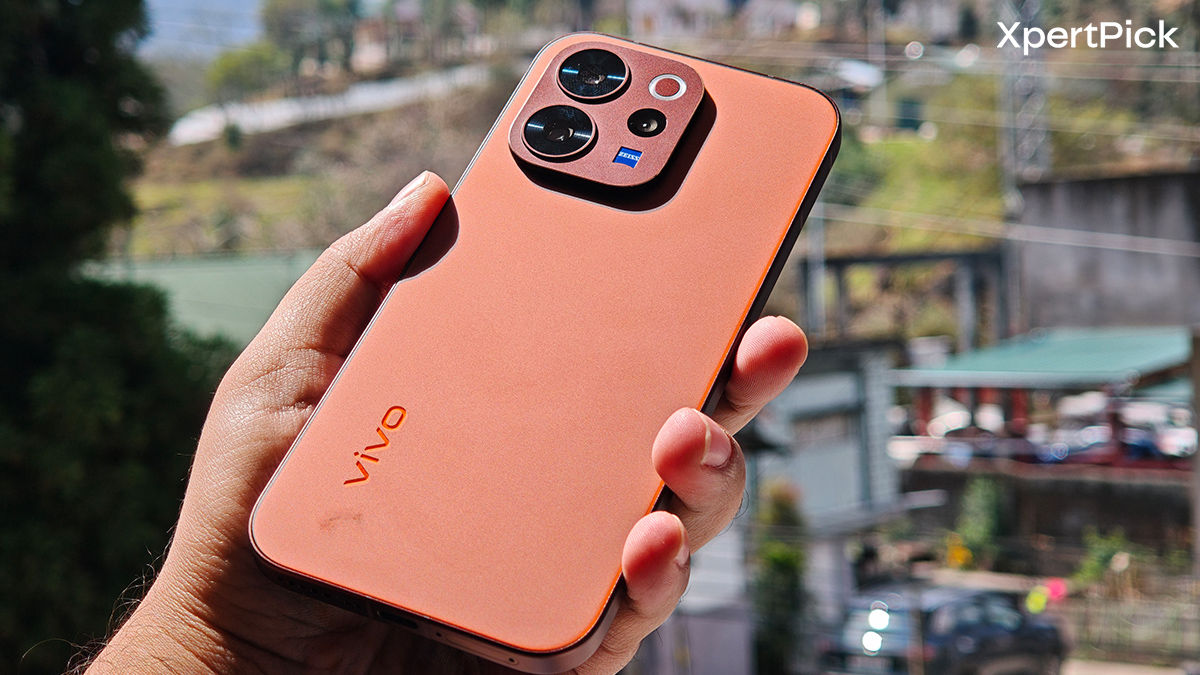
The Vivo V70, priced at ₹59,999, is the most complete camera system under ₹60,000 in our lab. It is the only phone in this group to earn an “excellent” 9.0 in two categories, portrait and telephoto, while never scoring below 7.5 in any other category. That consistency, rather than a single standout strength, is what earns it our overall award.









Why We Picked It
The V70 dominates portrait and telephoto photography by a clear margin. Its class-leading 9.0 for portraits is backed by our outdoor pathway test shots, where subject separation is exceptionally clean. The software handles complex edges around hair and clothing with impressive precision, avoiding the artificial cut-out effect seen on some phones. It also produces convincing optical-style background compression, with creamy, circular bokeh highlights appearing through the dense foliage. Skin tones remain natural, with facial textures preserved without excessive computational smoothing.
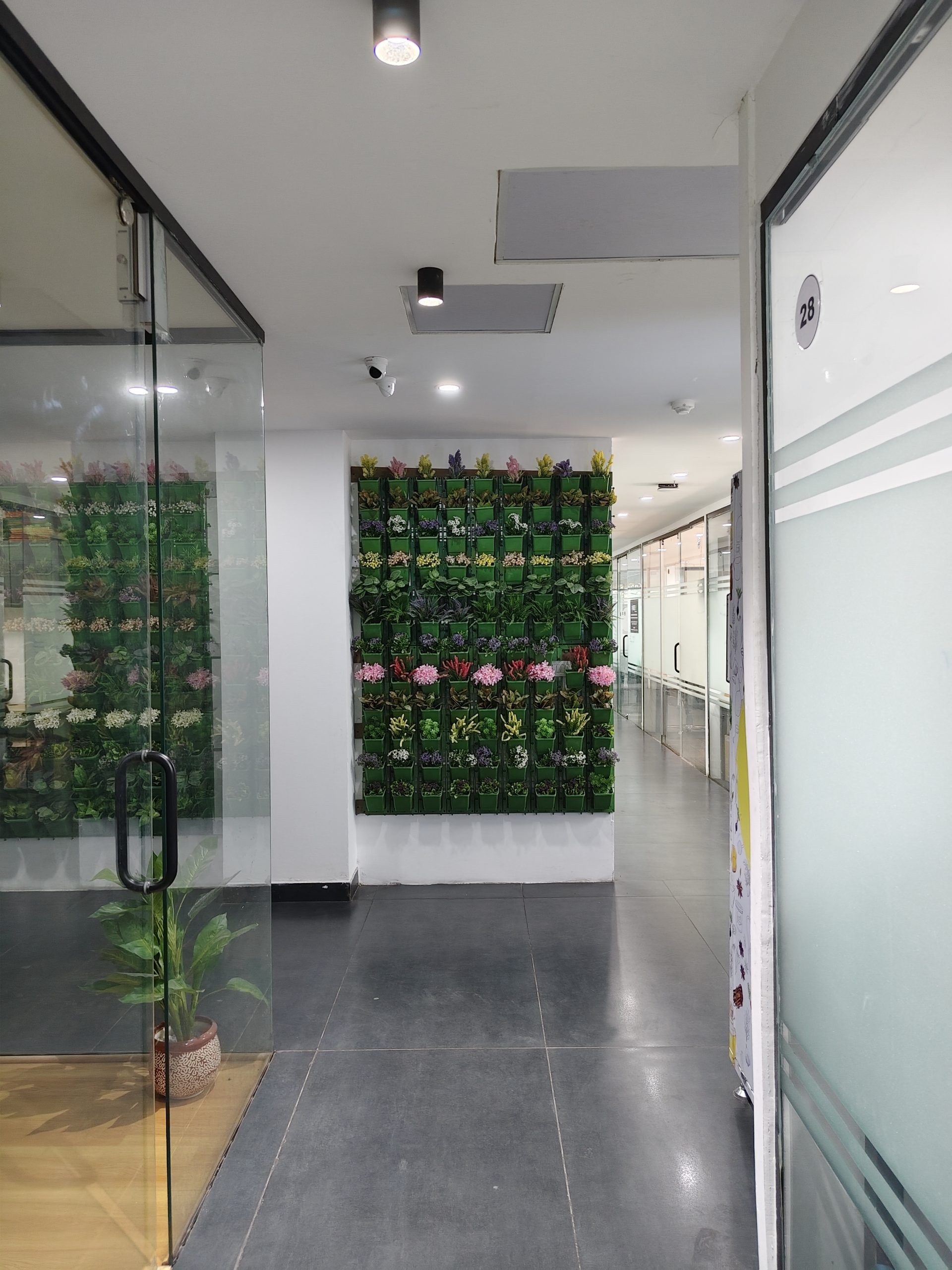
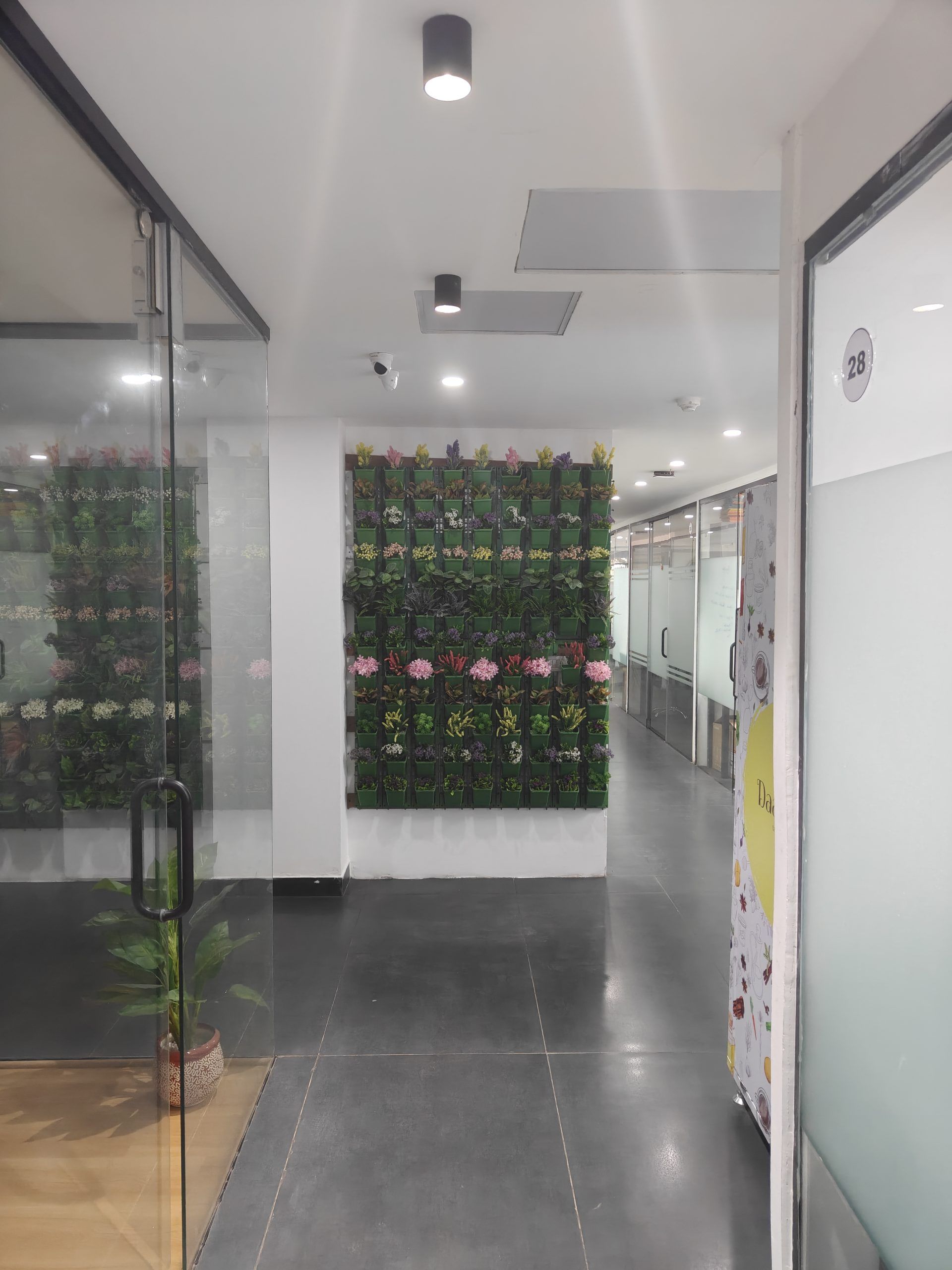
Its dedicated 3x optical telephoto camera also earns a 9.0, making it the only phone in the group to deliver a genuinely strong zoom performance. In our indoor vertical garden progression tests, the lens resolves fine detail across the purple and pink floral clusters, individual leaf veins and the horizontal ridges on the green hanging pots. Distant textures remain crisp and well defined, without the watercolour-like smearing or excessive sharpening that can accompany digital zoom.
For everyday shooting, the V70 ties for the top spot in both daylight (8.5) and low light (8.0). In our dimly lit trophy benchmark, the main camera maintains excellent detail and exposure stability. The “Smartphone Brand of the Year” and “BOT Best of Tech Awards” lettering remains sharp, while shadow recovery is particularly clean. The deep amber tones and intricate veins of the dried leaves in the background are retained without introducing obvious grain or noise into the grey backdrop. Combined with its segment-leading 50MP autofocus front camera, which scores 8.0, the V70 is a formidable stills performer.
Its weaknesses are largely confined to the margins. The 8MP ultrawide is perfectly capable, but its 7.5 score falls short of the Motorola Edge 70 Max’s 8.0. Video is another strength, with the V70 scoring a joint-best 8.0, although it shares that top position rather than taking it outright.
Key Specifications
| Specification | Detail |
|---|---|
| Price | ₹59,999 |
| Processor | Qualcomm Snapdragon 7 Gen 4 |
| Display | 6.59″ AMOLED, 120Hz (5,000 nits peak claimed) |
| Main camera | 50MP Sony LYT-700V, OIS |
| Telephoto | 50MP, 3x optical zoom |
| Ultrawide | 8MP |
| Front camera | 50MP ZEISS, autofocus |
| Max video | 4K 60fps |
| Battery / Charging | 6,500mAh / 90W |
| RAM / Storage | 8GB / 256GB |
Vivo V70 XP Lab Data
| Test / Metric | Result |
|---|---|
| Daylight | 8.5 🏆 |
| Low light | 8.0 🏆 |
| Portrait | 9.0 🏆 |
| Telephoto | 9.0 🏆 |
| Front camera | 8.0 🏆 |
| Ultrawide | 7.5 |
| Video | 8.0 🏆 |
Pros
The Vivo V70 achieves the highest portrait score in the comparison at 9.0, delivering excellent edge separation and convincing background bokeh. It also has the segment’s best telephoto camera, scoring 9.0 while preserving optical detail on distant subjects without the smudging associated with digital zoom. Its main camera performance is equally dependable, with joint-best scores of 8.5 in daylight and 8.0 in low light. Rounding out the package is a top-tier 50MP autofocus selfie camera, which scores 8.0 and makes the V70 a particularly strong choice for people-focused photography.
Cons
The 8MP ultrawide camera scores 7.5, making it merely good and slightly behind the Motorola Edge 70 Max’s 8.0. Its 8.0 video score matches the iQOO 15R, but does not surpass it, meaning the V70 falls short of outright dominance in video recording.
Who Should Buy It
Buyers who want the safest, most capable all-round camera choice under ₹60,000. If you shoot a lot of portraits, selfies, or rely heavily on zoomed shots, its consistency across every focal length makes it an unmatched stills package at this price point.
Who Shouldn’t Buy It
Dedicated landscape photographers who prioritise ultra-wide-angle quality above all else, where the Motorola Edge 70 Max edges it out, or budget-conscious buyers willing to compromise slightly for the cheaper ₹51,999 Nothing Phone (3).
Expert Verdict: The Vivo V70 is the most complete camera system under ₹60,000 in our lab. By combining a flagship-grade 3x optical telephoto lens with class-leading portrait processing and a stellar front camera, it delivers top-tier results where it matters most. While its ultrawide is relatively standard, its unmatched consistency across all other metrics makes it the easiest recommendation in this bracket.
OnePlus 15R – Best daylight / detail, best low-light / night
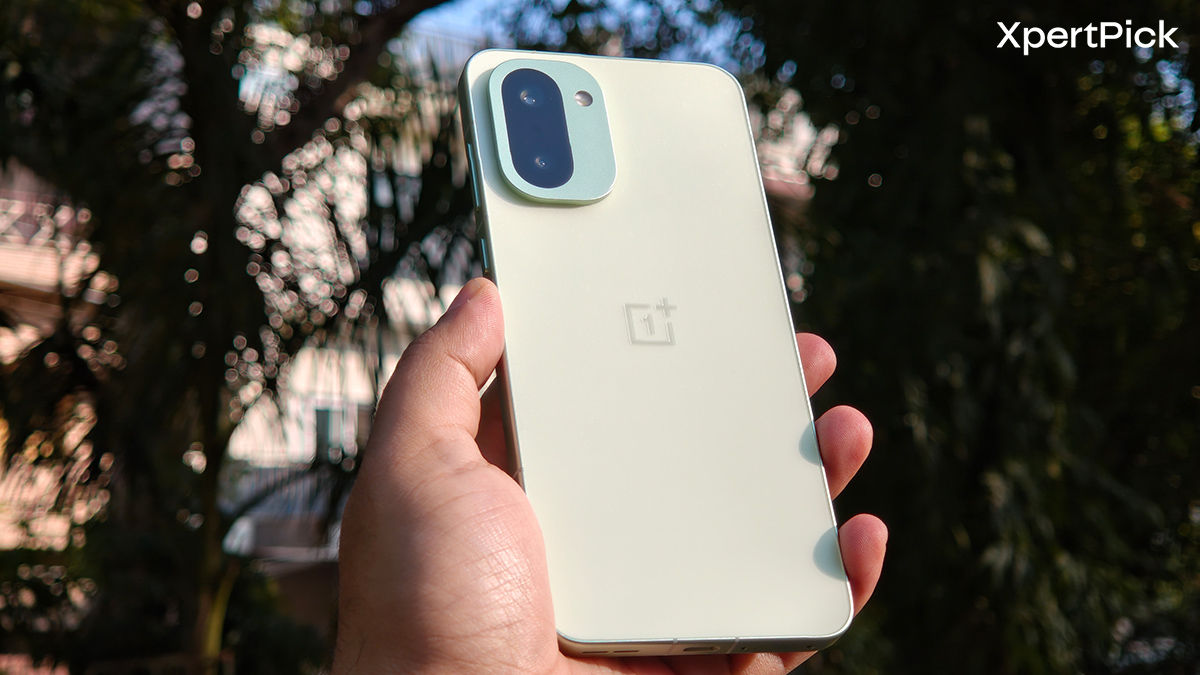
The OnePlus 15R, priced at ₹59,999, matches the Vivo V70 exactly on the two most fundamental tests: daylight (8.5) and low light (8.0). With the V70 taking the overall award, the 15R is our named pick for both daylight and night shooting, establishing itself as a formidable co-winner for primary-sensor photography.




Why We Picked It
The 15R is built around an excellent main camera. Tying for the highest daylight score at 8.5, its 50MP Sony IMX906 sensor captures impressive detail and exposure in good light. Our outdoor pathway portraits demonstrate this well: the camera preserves the fine, tactile weave of the pink kurta and produces natural-looking skin tones without excessive computational smoothing. Its 8.0 portrait score is a point behind the Vivo V70’s class-leading performance, but it still delivers clean subject separation and a pleasing, if more conventional, software-generated background blur.
Low-light photography is another clear strength, with the primary camera earning a joint-best score of 8.0. In our dimly lit trophy benchmark, the combination of a wide f/1.8 aperture and optical image stabilisation (OIS) delivers strong results. The “Smartphone Brand of the Year” plaque lettering remains sharp, while the directional warm lighting is handled well without blown highlights. More importantly, the camera retains the deep amber tones and subtle veins in the dried leaves, while keeping shadow areas relatively clean rather than allowing them to descend into digital noise.
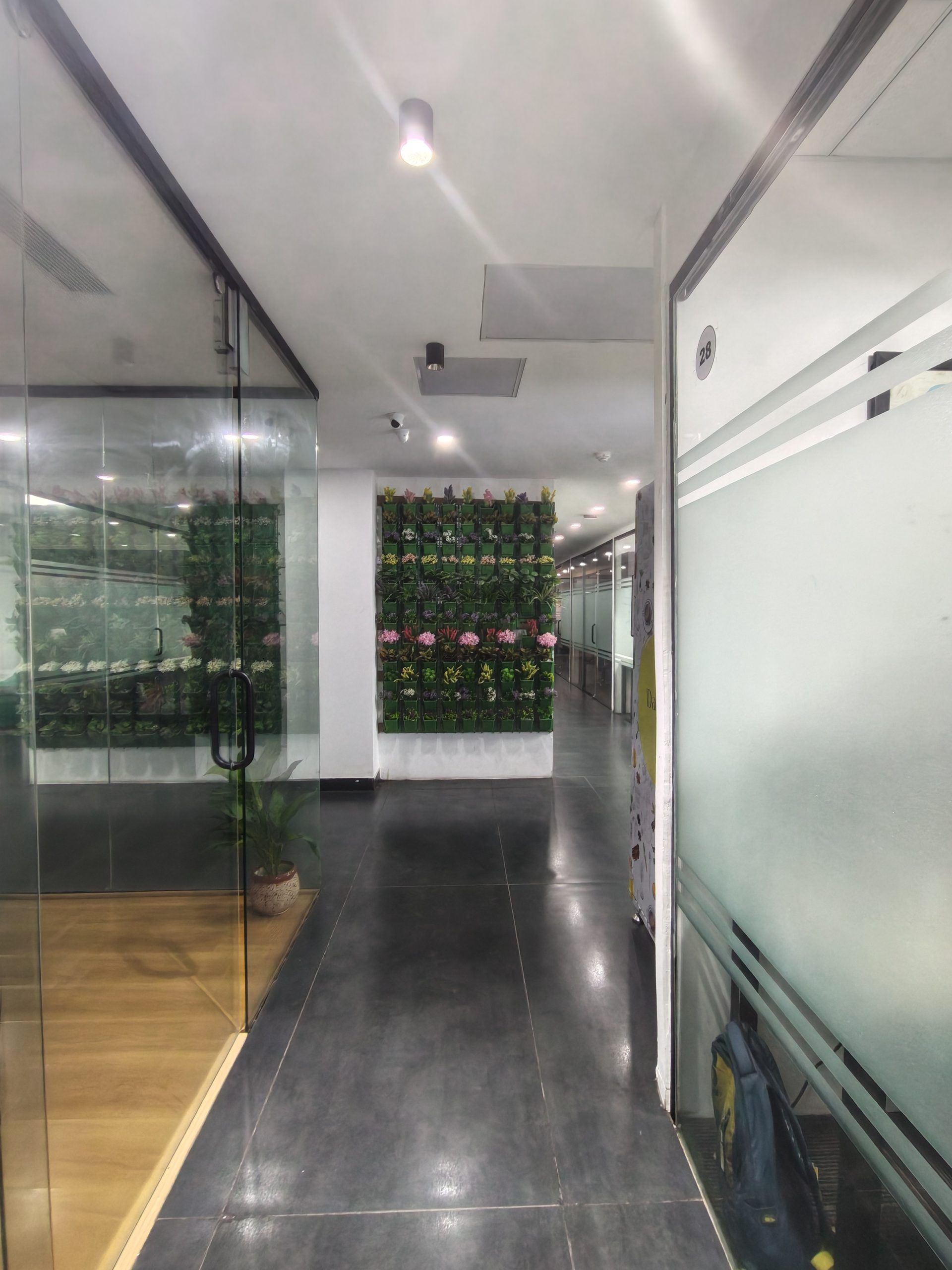
The compromises are concentrated around the secondary cameras. The 8MP ultrawide scores 7.0 and is functional rather than exceptional, with noticeable softness towards the edges of the frame in our indoor corridor tests. There is also no dedicated telephoto camera, so zoom relies on digital cropping. In our vertical garden test, central details remain reasonably well defined at 2x, but delicate flower petals and the seams on the green pots lose the optical clarity delivered by phones with dedicated telephoto lenses.
Video is another area where the 15R falls behind the leaders, with a 7.5 score placing it firmly in the “good” category. Even so, its flagship-grade Snapdragon 8 Gen 5 processor and 7,400mAh battery make it a highly capable all-rounder for main-camera shooting. The battery also delivered an impressive 21 hours 36 minutes in our PCMark Work 3.0 battery life test, adding to its appeal as a reliable everyday camera phone.
Key Specifications
| Specification | Detail |
| Price | ₹59,999 |
| Processor | Qualcomm Snapdragon 8 Gen 5 |
| Display | 6.83″ AMOLED, 165Hz |
| Main camera | 50MP Sony IMX906, f/1.8, OIS |
| Telephoto | None |
| Ultrawide | 8MP |
| Front camera | 32MP |
| Max video | 4K 120fps |
| Battery / Charging | 7,400mAh / 80W |
| RAM / Storage | 12GB / 256GB or 512GB |
OnePlus 15R XP Lab Data
| Test / Metric | Result |
| Daylight | 8.5 🏆 |
| Low light | 8.0 🏆 |
| Portrait | 8.0 |
| Telephoto | No telephoto camera |
| Front camera | 7.5 |
| Ultrawide | 7.0 |
| Video | 7.5 |
| Camera score average | 7.75 |
| Battery life (PCMark Work 3.0) | 21h 36min |
Pros
The OnePlus 15R ties for the top daylight score at 8.5, capturing excellent main-camera detail while maintaining natural skin tones and fabric textures. Its joint-best low-light rating of 8.0 also reflects strong performance in challenging conditions, with clean shadow detail and sharp text reproduction without excessive noise. Beyond the cameras, the 7,400mAh battery delivers phenomenal endurance, while the flagship-tier Snapdragon 8 Gen 5 and ultra-fast 165Hz AMOLED display make it a particularly capable performer.
Cons
The OnePlus 15R has no dedicated telephoto camera, leaving zoom reliant on digital cropping that visibly softens fine details. Its 8MP ultrawide is also a step down, with noticeable softness towards the edges of the frame. Video and selfie performance, both scoring 7.5, also trails the front-runners in this ₹60,000 price bracket.
Who Should Buy It
Buyers whose photography heavily relies on the main camera—capturing landscapes, street scenes, and evening shots, and who value outright processor speed and multi-day battery endurance over focal versatility.
Who Shouldn’t But It
Photographers who frequently use optical zoom to capture distant subjects, or those who prioritise top-tier video recording and ultra-wide-angle architectural photography, where the Vivo V70 and Motorola Edge 70 Max offer superior performance.
Expert Verdict: The OnePlus 15R is a master of the primary sensor. By tying for the top scores in both daylight and low-light categories, it proves itself to be a formidable point-and-shoot camera. While you sacrifice dedicated telephoto reach and accept an average ultrawide lens, its elite core performance and class-leading battery life make it an outstanding choice for main-camera purists.
iQOO 15R – Best video / vlogging
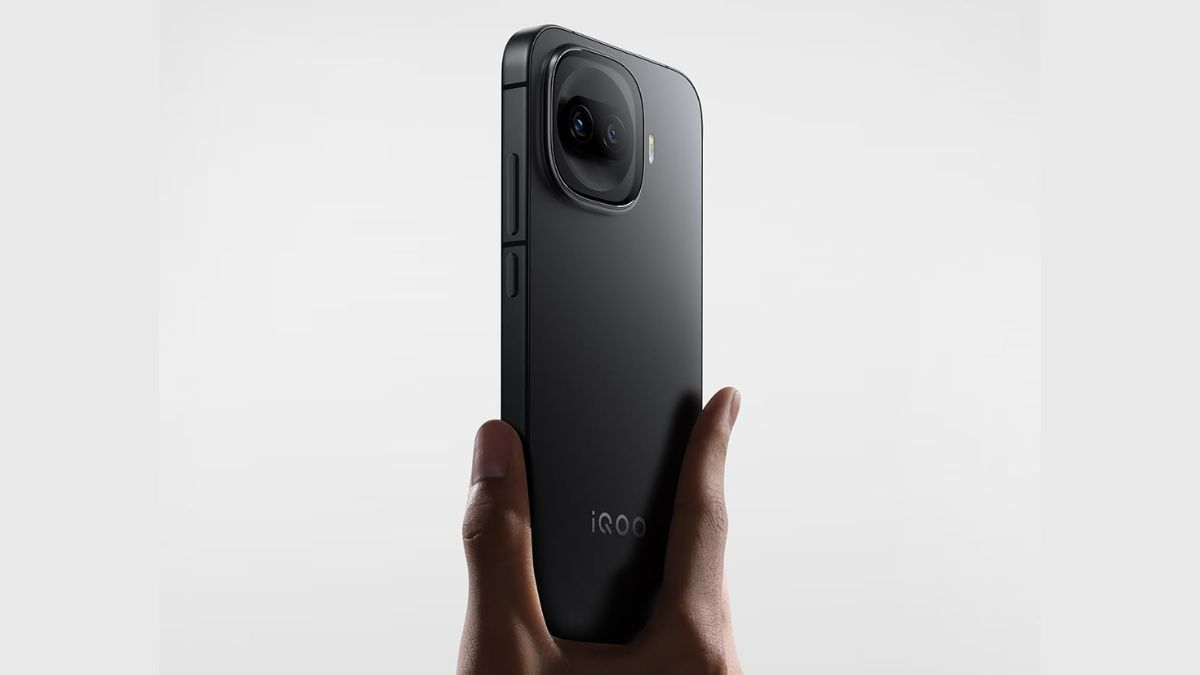
The iQOO 15R secures our vlogging and video award by tying the Vivo V70 for the segment’s best video score (8.0), while also posting an excellent 8.5 for portrait stills. At ₹60,000, it operates as a highly effective two-trick pony rather than a versatile all-rounder.






Why We Picked It
The iQOO 15R earns its place through excellent rear-camera video recording, scoring 8.0, alongside top-tier portrait performance at 8.5, placing it just behind the Vivo V70 in the latter category.
Our real-world test shots show why its portrait mode scores so highly. In our outdoor pathway tests, the camera creates a convincing depth-of-field map, separating the subject from complex background foliage with impressive accuracy. Skin tones are attractive, striking a good balance between retaining natural facial texture and applying a subtle, flattering finish. The background blur is also smooth and gradual, avoiding the harsh, artificial effect that can undermine weaker portrait modes.
For standard daylight photography, the primary camera scores 8.0 and handles bright, complex scenes competently. In our close-up test of dense outdoor shrubbery, it captures vibrant greens while retaining good surface texture across the leaves. In our indoor vertical garden tests, the primary lens also resolves colourful floral clusters well, although it lacks the edge-to-edge sharpness of the OnePlus 15R, which scores 8.5 in daylight.
The compromises become more apparent as lighting falls or shooting at different focal lengths. Low light is the iQOO 15R’s main stills weakness, with a joint-lowest score of 7.0 in this group. In our dimly lit trophy benchmark, the camera struggles to recover detail from shadows. The deep amber dried leaves lose their intricate veins and become noticeably murkier, while aggressive noise reduction leaves the overall image looking softer.
The camera system also lacks optical zoom, leaving telephoto shots dependent on digital cropping. There is no front-camera score in the current XP Lab dataset either, which is worth bearing in mind given the phone’s strength in vlogging. Its rear-camera video stabilisation and colour processing are class-leading at 8.0, but buyers interested heavily in selfie video should verify those capabilities before choosing it. With a performance-focused processor and a battery that lasted 17 hours 45 minutes in our PCMark Work 3.0 battery life test, the iQOO 15R is a particularly strong choice for users whose priorities centre on portraits and rear-camera video.
Key Specifications
| Specification | Detail |
| Price | ₹60,000 |
| Processor | Qualcomm Snapdragon 8 Gen 4 |
| Display | 6.78″ AMOLED, 144Hz |
| Main camera | 50MP, OIS |
| Telephoto | None |
| Ultrawide | 8MP |
| Front camera | 16MP |
| Max video | 4K 60fps |
| Battery / Charging | 6,000mAh / 120W |
| RAM / Storage | 12GB / 256GB |
iQOO 15R XP Lab Test Data
| Test / Metric | Result |
| Daylight | 8.0 |
| Low light | 7.0 |
| Portrait | 8.5 |
| Telephoto | No telephoto camera |
| Front camera | Not yet scored |
| Ultrawide | 7.0 |
| Video | 8.0 🏆 |
| Battery life (PCMark Work 3.0) | 17h 45min |
Pros
The iQOO 15R earns a joint-best video score of 8.0, making it an excellent choice for recording rear-camera footage. Its portrait mode is another standout, scoring 8.5 thanks to accurate edge detection, flattering skin tones and smooth background blur. Daylight photography is also solid, with the main camera scoring 8.0 while delivering punchy, vibrant colours. Beyond the cameras, blistering 120W fast charging and high-end processing power add to its appeal.
Cons
The iQOO 15R records a joint-lowest low-light score of 7.0, with weaker shadow recovery and detail retention in dim conditions. Front-camera performance remains unverified by XP Lab, which is a significant caveat for dedicated vloggers. Its camera system also relies on a basic 8MP ultrawide, scoring 7.0, and lacks a dedicated optical telephoto lens, leaving zoom dependent on digital cropping.
Who Should Buy It
Users whose primary focus is recording high-quality rear-camera video or shooting social-media-ready portraits, and who also value extreme performance and ultra-fast charging speeds over extreme camera versatility.
Who Shouldn’t Buy It
Vloggers who strictly use the front-facing camera (until the lab scores verify its quality), buyers who take a lot of low-light night shots, or anyone who regularly needs to zoom in optically on distant subjects.
Expert Verdict: The iQOO 15R is a specialist tool. It excels brilliantly at rear-camera video and portrait photography, but its lack of an optical telephoto lens, average low-light performance, and unverified selfie camera prevent it from being an all-rounder. If its two main strengths align with how you shoot, it is a fantastic buy; otherwise, the Vivo V70 offers a more complete package.
Nothing Phone (3) – Best value camera pick
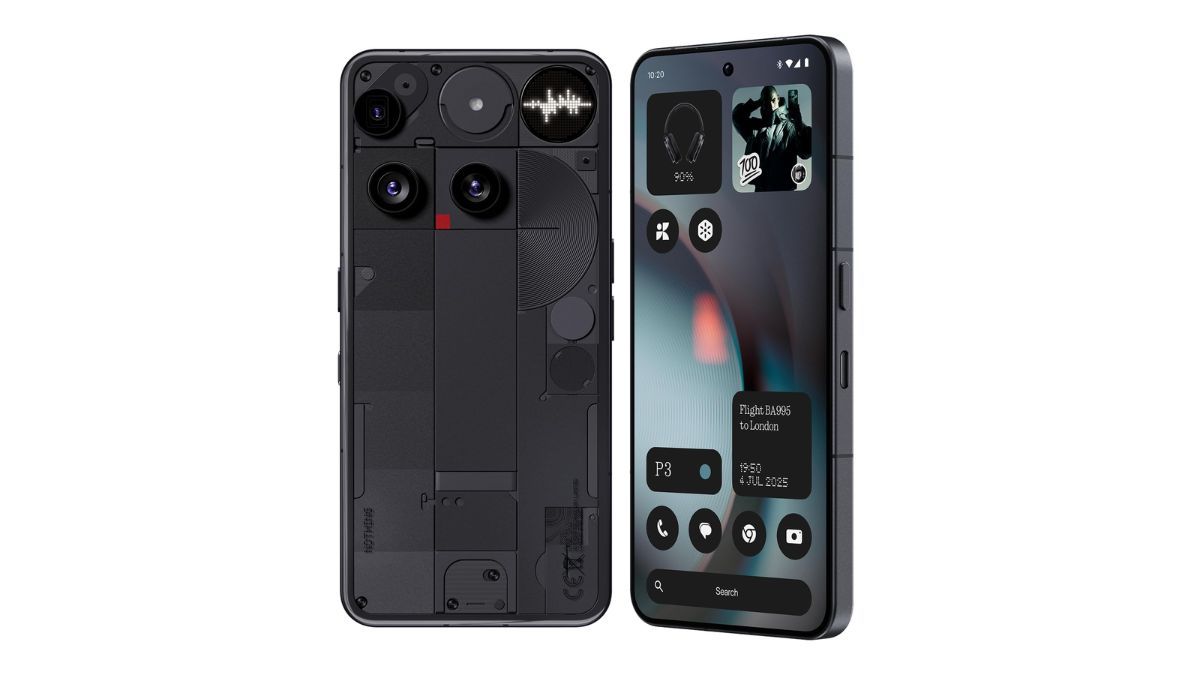
At ₹51,999, the Nothing Phone (3) sits comfortably below the ₹60,000 threshold, yet it is the only handset in this sub-₹55,000 bracket to post a complete set of scores across all seven XP Lab camera categories. While it does not claim the top spot in any single metric, it never drops below a 7.0, making it an incredibly balanced and reliable value proposition.







Why We Picked It
We awarded the Nothing Phone (3) our value pick because it offers greater focal-length versatility than its rivals. It is the cheapest phone in this guide to feature a dedicated telephoto camera, giving buyers useful optical reach at a lower price.
That versatility proves valuable in real-world shooting. In our indoor vertical garden zoom progression, the 7.0-rated telephoto lens brings the pink and purple floral clusters closer while retaining respectable detail. It cannot match the razor-sharp optical performance of the Vivo V70, with some softness visible around the edges of the green hanging pots and leaf veins at full crop, but it remains highly usable and preserves considerably more detail than a purely digital crop.
The primary camera also performs well, scoring 8.0 in daylight. Our wide indoor corridor and vertical garden shots show accurate exposure and vibrant, natural-looking greens without the oversaturated, neon-like processing that is common on some phones at this price.
Its 7.5 portrait score reflects similarly dependable performance. In our outdoor pathway portrait sequence, the software separates the subject from the background effectively, mapping around hair and clothing to produce a smooth, gradual blur. Skin tones have a natural, slightly cool character, although edge detection is a little less precise than the 8.5 and 9.0 scores achieved by the iQOO 15R and Vivo V70 respectively.
Low-light performance, rated 7.0, is competent but more conservative. In our dimly lit trophy benchmark, the camera handles warm directional lighting well and keeps the “BOT Best of Tech Awards” lettering clearly legible. However, its deeper, higher-contrast shadow treatment causes some of the fine vein detail in the dried background leaves to disappear into darkness rather than being cleanly resolved.
A capable processor, distinctive transparent design and a 5,000mAh battery that lasted 16 hours 25 minutes in our PCMark Work 3.0 battery life test round out the package. For buyers working within a tighter budget, the Nothing Phone (3) makes a convincing case by offering useful optical versatility without making major sacrifices to its everyday camera performance.
Key Specifications
| Specification | Detail |
| Price | ₹51,999 |
| Processor | Qualcomm Snapdragon 8s Gen 3 |
| Display | 6.7″ LTPO OLED, 120Hz |
| Main camera | 50MP, OIS |
| Telephoto | 50MP |
| Ultrawide | 50MP |
| Front camera | 32MP |
| Max video | 4K 60fps |
| Battery / Charging | 5,000mAh / 45W wired, 15W wireless |
| RAM / Storage | 8GB or 12GB / 256GB or 512GB |
Nothing Phone (3) XP Lab Test Data
| Test / Metric | Result |
| Daylight | 8.0 |
| Low light | 7.0 |
| Portrait | 7.5 |
| Telephoto | 7.0 |
| Front camera | 7.5 |
| Ultrawide | 7.0 |
| Video | 7.5 |
| Camera score average | 7.36 |
| Battery life (PCMark Work 3.0) | 16h 25min |
Pros
The Nothing Phone (3) offers exceptional value as the only phone under ₹55,000 in this guide with a dedicated telephoto lens that has received a full XP Lab score. Its camera system is also remarkably consistent, with no individual camera score falling below 7.0. Daylight performance is solid at 8.0, producing vibrant, natural colours without excessive sharpening. The clean, bloat-free software experience and distinctive hardware design further strengthen its appeal.
Cons
The Nothing Phone (3) is a jack of all trades, master of none, as it does not lead the pack in any individual photographic category. Its low-light performance is conservative at 7.0, with deeper shadows often losing fine texture and detail. The telephoto camera and portrait mode also produce noticeably softer edge definition than the leading phones in the ₹60,000 class.
Who Should Buy It
Buyers who want a competent, fully fleshed-out camera system, including a dedicated optical zoom lens, but would rather keep ₹8,000 in their pocket than stretch their budget to the absolute limit. It is the perfect choice for users who value balance and consistency over singular flagship features.
Who Shouldn’t Buy It
Pixel-peepers who demand class-leading portrait edge detection, flawless night photography, or the absolute crispest telephoto reach. If you are willing to spend the full ₹60,000 budget, the Vivo V70 is a tangible step up in optical quality.
Expert Verdict: The Nothing Phone (3) is a triumph of sensible budgeting. By delivering a complete array of highly usable focal lengths, including a dedicated telephoto camera, and ensuring not a single lens falls into the “average” or “poor” tiers, it secures its place as the undisputed value champion of this guide. It won’t beat the ₹60k flagships in a direct shootout, but at ₹51,999, it doesn’t have to.
Motorola Edge 70 Max – Best ultrawide (honourable mention)

The Motorola Edge 70 Max does not take one of the primary headline awards, but it earns a well-deserved honourable mention: its 8.0 ultrawide score is the best in the entire group, placing it ahead of even the flagship-tier Vivo V70. At ₹54,999, it is an architectural and landscape photographer’s specialist tool.





Why We Picked It
The Edge 70 Max earns its place primarily through its class-leading ultrawide performance. In our architectural test shots of a curved modern commercial building, the wide lens captures sweeping lines with excellent edge-to-edge geometry and minimal barrel distortion. Dynamic range is equally impressive, with dark glass reflections and bright concrete edges remaining sharply defined against the blue sky. Corner softness is also well controlled, making this one of the strongest ultrawide cameras in the group.
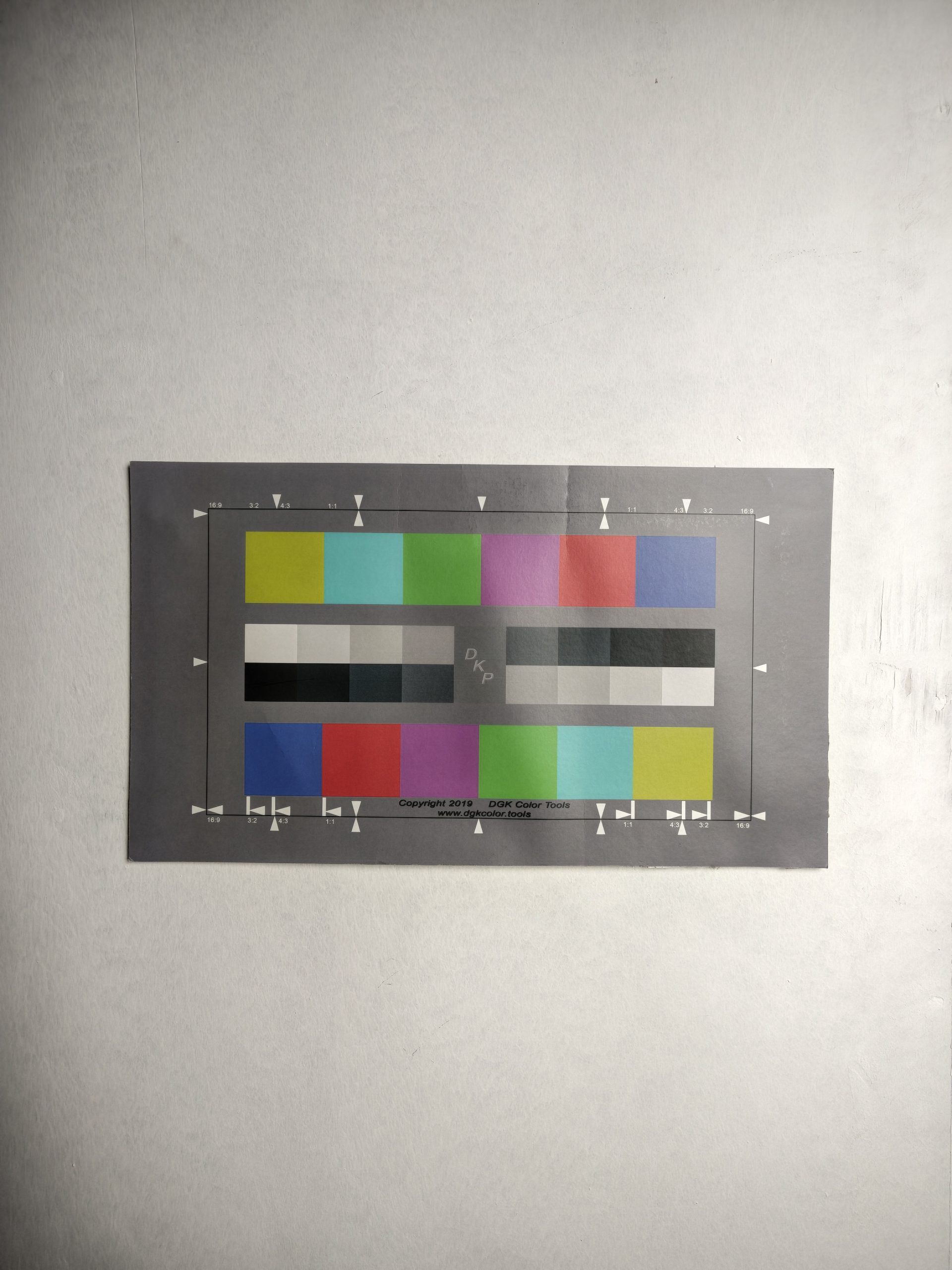
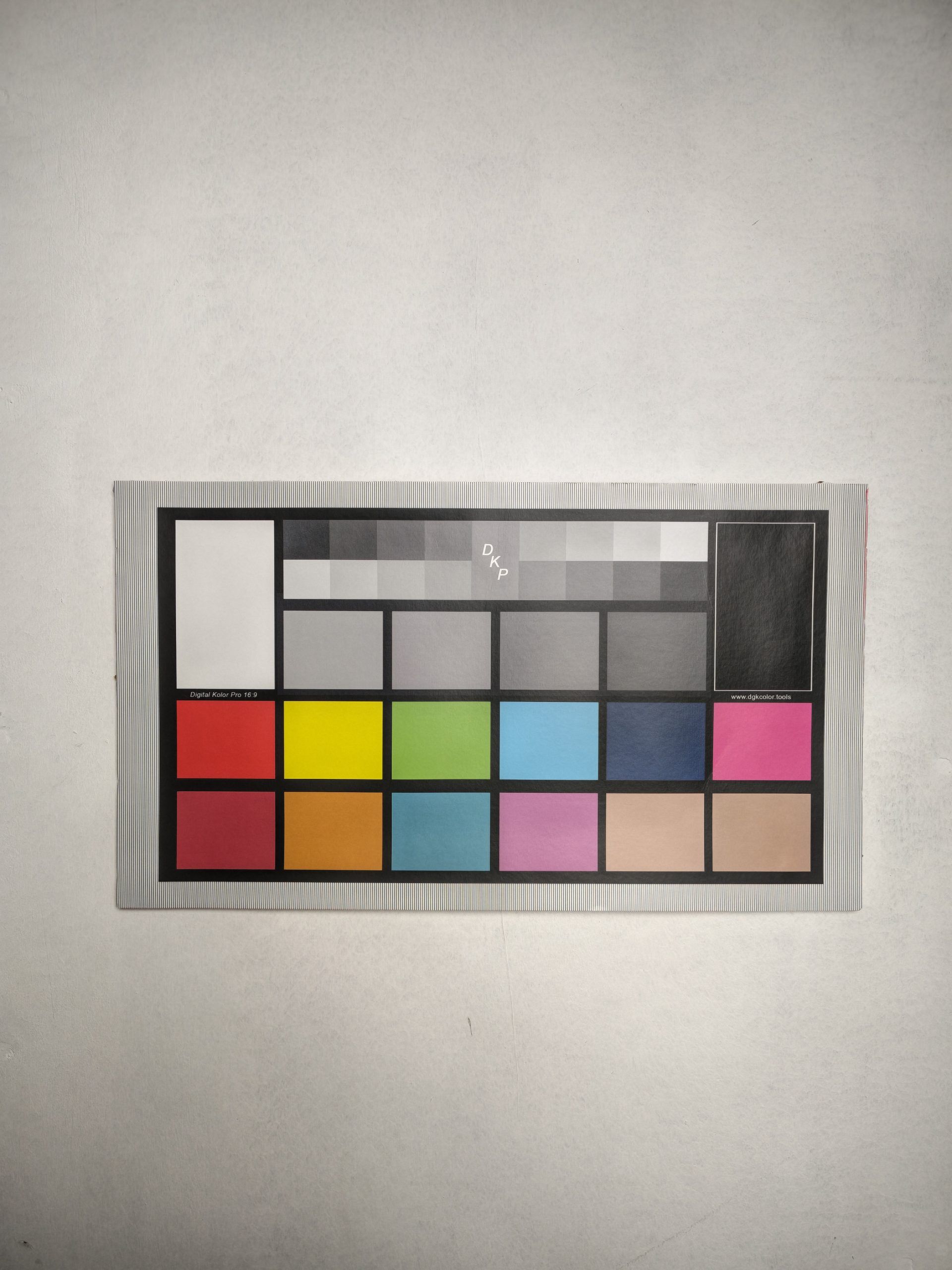
Its primary 50MP Sony LYT-710 sensor is capable, if somewhat conservative, earning a 7.5 daylight score. In our indoor vertical garden progression tests, the standard focal lengths produce accurate exposures and neutral colours, a result supported by our studio colour chart analysis, which found excellent white balance and naturally saturated colour patches. However, the lack of a dedicated optical telephoto camera means zoom relies on digital cropping. At 2x, delicate flower petals, leaf edges and the seams of the green pots lose definition, taking on a noticeably softer, digitally processed appearance.
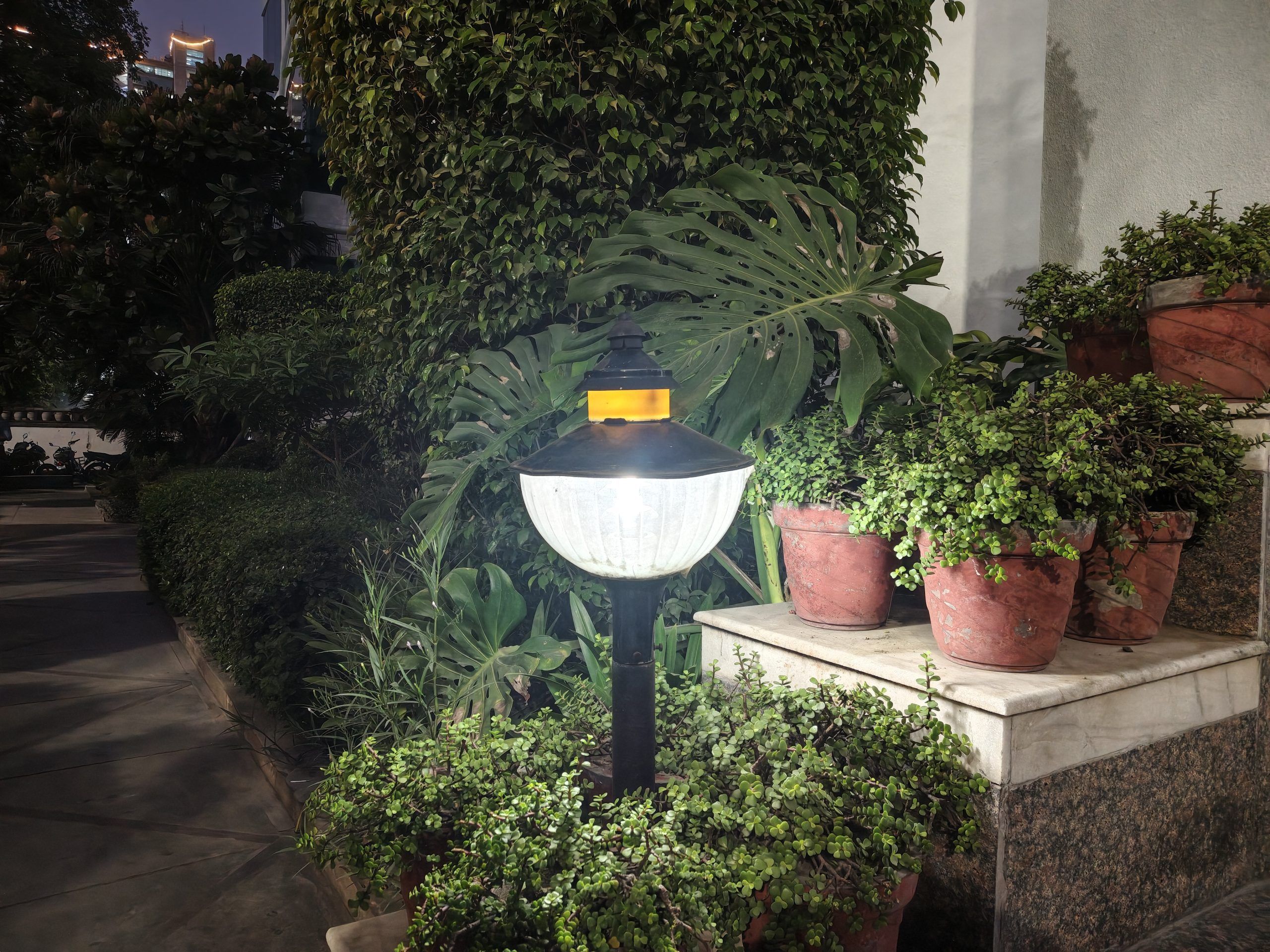
Night photography, rated 7.0, requires more modest expectations. In our outdoor architectural tests, the camera controls highlight blooming effectively, keeping the glowing red “LOGIX PARK” signage well exposed against the dark sky. The dusk garden globe lamp is similarly handled cleanly. Shadow areas around these light sources tell a different story, with heavy noise reduction stripping fine detail from the jade plant foliage. The same issue appears in our dimly lit trophy benchmark, where the plaque text remains legible but the deeper shadows behind the dried leaves look muddy and crushed.
Portrait and front-camera performance are the Edge 70 Max’s weakest areas, both scoring 7.0. Subject separation is softer than on the leading phones, while the portrait mode lacks the convincing optical-style compression produced by the best telephoto systems. Even so, the combination of a powerful Snapdragon 8 Gen 5 processor and a 7,100mAh battery, which lasted an impressive 20 hours 42 minutes in our PCMark Work 3.0 battery life test, makes it a formidable long-lasting device. Its ultrawide camera is the real reason to consider it.
Key Specifications
| Specification | Detail |
| Price | ₹54,999 |
| Processor | Qualcomm Snapdragon 8 Gen 5 |
| Display | 6.82″ QHD+ LTPO AMOLED, 144Hz (7,000 nits claimed peak) |
| Main camera | 50MP Sony LYTIA 710, f/1.8, OIS |
| Telephoto | None |
| Ultrawide | 8MP |
| Front camera | 32MP |
| Max video | 4K 60fps |
| Battery / Charging | 7,100mAh / 90W wired, 25W wireless |
| RAM / Storage | 8GB or 12GB / 256GB, UFS 4.1 |
Motorola Edge 70 Max XP Lab Test Data
| Test / Metric | Result |
| Daylight | 7.5 |
| Low light | 7.0 |
| Portrait | 7.0 |
| Telephoto | No telephoto camera |
| Front camera | 7.0 |
| Ultrawide | 8.0 🏆 |
| Video | 7.5 |
| Camera score average | 7.33 |
| Battery life (PCMark Work 3.0) | 20h 42min |
Pros
The Motorola Edge 70 Max delivers the top ultrawide result in this comparison at 8.0, producing crisp images with well-controlled distortion across landscape and architectural scenes. Its massive 7,100mAh silicon-carbon battery provides class-leading endurance, while the Snapdragon 8 Gen 5 chipset and 144Hz QHD+ LTPO display offer plenty of performance and multitasking headroom. Daylight colour reproduction is also highly accurate, and the camera handles bright neon lighting at night particularly well, keeping highlights under control without excessive blooming.
Cons
The Motorola Edge 70 Max records the lowest portrait and front-camera scores in this group, with both rated at 7.0. Low-light photography is also held back by deep shadows, where aggressive noise reduction can leave fine textures looking muddy. There is no dedicated telephoto lens either, so digital zoom noticeably softens fine details, particularly in foliage and other complex textures.
Who Should Buy It
Photographers who primarily shoot wide landscapes, street geometry, and architecture, and are more than happy to trade absolute portrait and selfie quality to get the best ultrawide lens in this bracket. It is also an exceptional buy for power users who demand flagship-tier battery life and extreme processing speeds.
Who Shouldn’t Buy It
Buyers who rely on optical zoom, frequently shoot human subjects and selfies, or require pristine low-light shadow recovery. If your photography focuses on people rather than places, the Vivo V70 or the Nothing Phone (3) will serve you far better.
Expert Verdict: The Motorola Edge 70 Max is an architectural shooter’s delight wrapped inside a gaming phone’s chassis. While it does not claim the versatility of the Vivo V70 or the sheer value of the Nothing Phone (3), its ultrawide camera outperforms everything else in the sub-₹60,000 tier. If you shoot wide and prioritise massive battery life above portrait fidelity, it earns a highly specialised recommendation.
OnePlus 13s
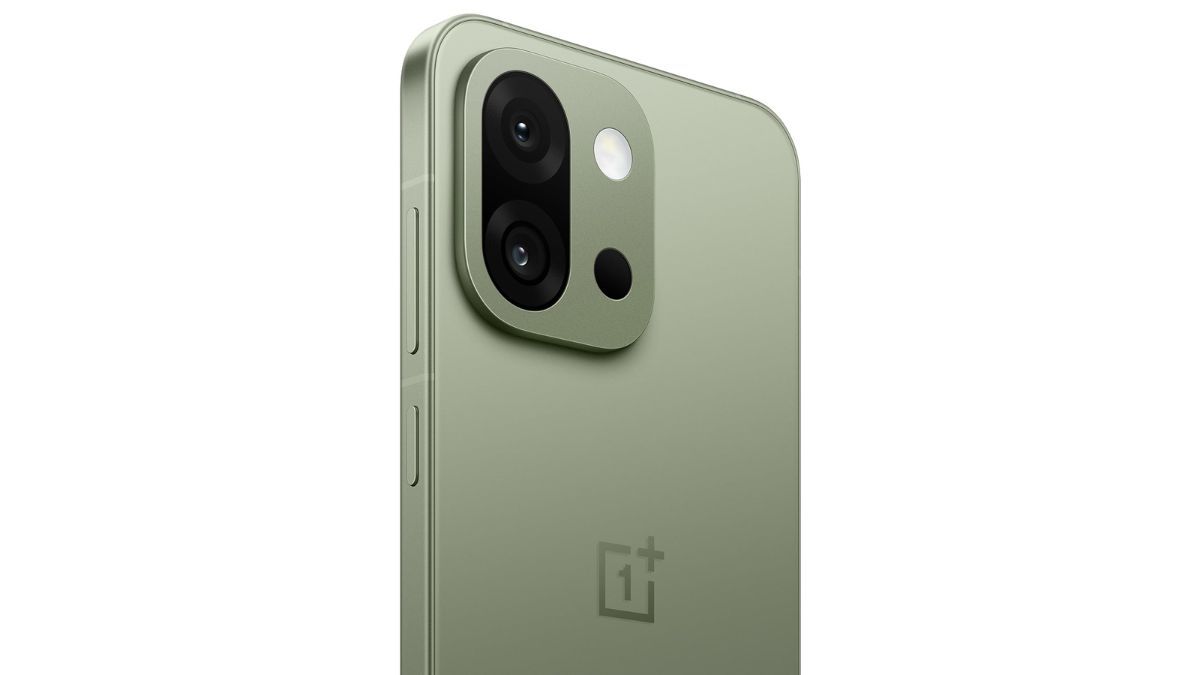
The OnePlus 13s enters the under-₹60,000 tier with an unorthodox camera configuration that ultimately keeps it from securing a category win. While it delivers a genuinely impressive 8.5 telephoto rating from a dedicated 50MP 2x optical lens, the complete omission of an ultrawide camera and a scorecard that trails the Vivo V70 across the board prevents it from taking a top award.




Why We Didn’t Pick It
The OnePlus 13s misses out on an award because the category winners outperform it in every area where the two overlap. The Vivo V70 has the edge in optical zoom (9.0 vs 8.5) and portrait photography (9.0 vs 8.0), while the OnePlus 15R leads in daylight detail (8.5 vs 8.0) and low-light performance (8.0 vs 7.5).
More importantly, OnePlus has omitted an ultrawide camera altogether. In a price bracket spanning roughly ₹55,000 to ₹60,000, the inability to shoot wide-angle architecture, interiors or expansive landscapes is a significant compromise in versatility. None of the other phones in this group imposes the same limitation.
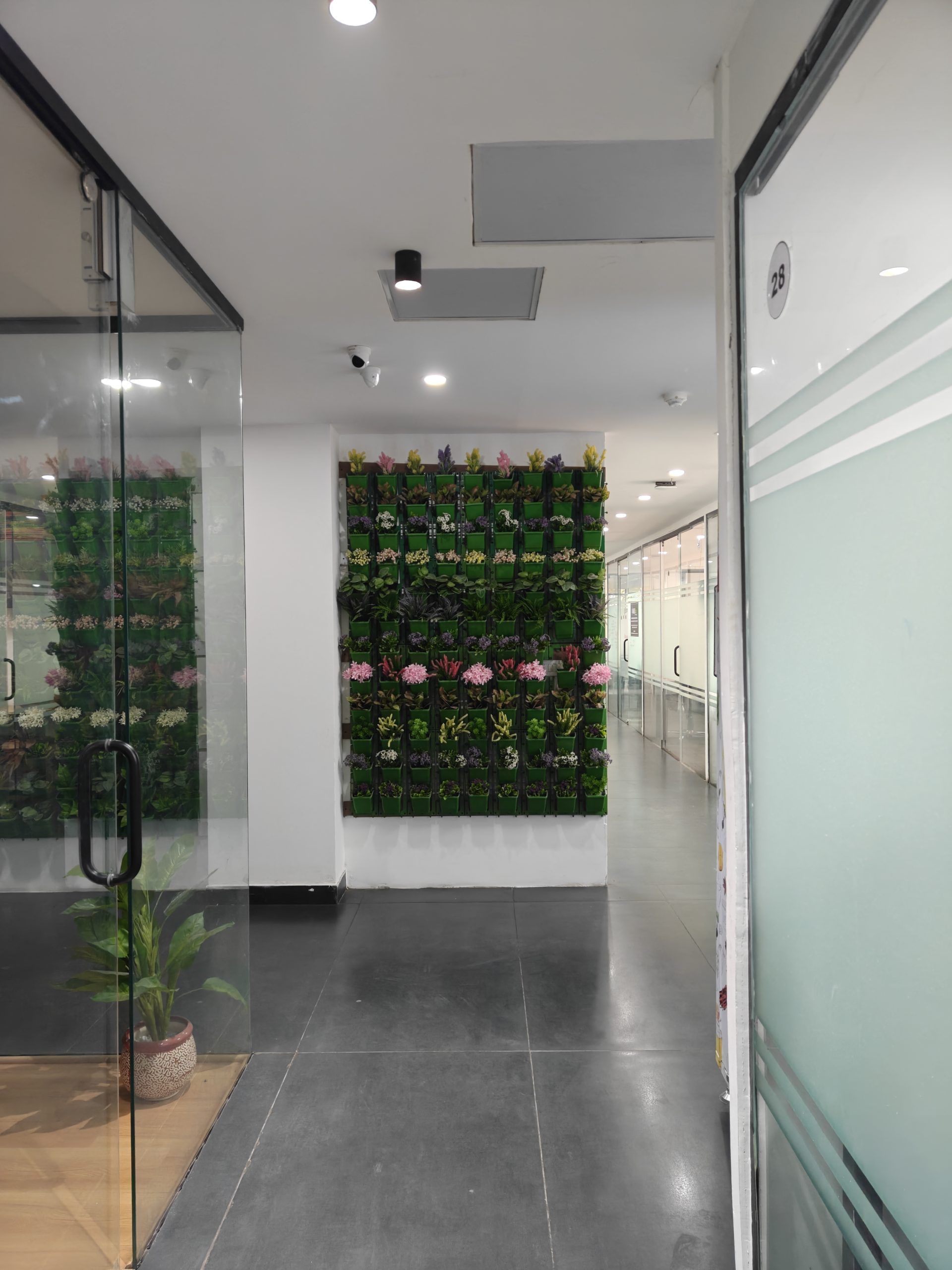
Within its narrower remit, however, the dedicated camera hardware is highly capable. In our indoor vertical garden tests, the 50MP 2x optical telephoto camera scores 8.5, resolving fine foliage veins, textured purple flower clusters and the horizontal ridges of the plastic pots without the digital smudging or excessive sharpening associated with digital crops on rivals such as the OnePlus 15R.
The same 2x camera also handles portrait photography, scoring 8.0. In our outdoor pathway tests, its 50mm-equivalent focal length provides flattering subject compression. Skin tones are natural and warm, the rippled texture of the maroon T-shirt remains well defined, and the background blur transitions smoothly while maintaining clean separation around hair and shoulders.
The 50MP main camera is dependable in good light, earning an 8.0 daylight score with balanced exposures and natural colour across our corridor test shots. Low-light performance is respectable at 7.5 in our dimly lit trophy benchmark. Optical image stabilisation (OIS) keeps the plaque lettering sharp, although stronger noise reduction in shadow areas smooths away some of the finer vein detail in the dried background leaves.
With a Snapdragon 8 Elite chipset and a 5,850mAh battery that lasted 17 hours 12 minutes in our PCMark Work 3.0 battery life test, the OnePlus 13s is a formidable compact performance phone. As a camera all-rounder, though, the missing ultrawide focal length is too significant to overlook.
Key Specifications
| Specification | Detail |
| Price | ₹54,999 |
| Processor | Qualcomm Snapdragon 8 Elite |
| Display | 6.32″ LTPO AMOLED, 120Hz (1,600 nits HBM) |
| Main camera | 50MP Sony LYT-700, f/1.8, OIS |
| Telephoto | 50MP, 2x optical zoom |
| Ultrawide | None |
| Front camera | 32MP, autofocus |
| Max video | 4K 60fps |
| Battery / Charging | 5,850mAh / 80W |
| RAM / Storage | 12GB / 256GB or 512GB |
OnePlus 13s XP Lab Test Data
| Test / Metric | Result |
| Daylight | 8.0 |
| Low light | 7.5 |
| Portrait | 8.0 |
| Telephoto | 8.5 |
| Front camera | 7.5 |
| Ultrawide | No ultrawide camera |
| Video | 7.5 |
| Camera score average | 7.83 (excluding ultrawide) |
| Battery life (PCMark Work 3.0) | 17h 12min |
Pros
The OnePlus 13s has a superb 50MP 2x optical telephoto camera, scoring 8.5 and capturing fine textures with impressive sharpness without the smudging associated with digital crops. Its portrait performance is also strong at 8.0, with flattering 50mm-equivalent compression, natural skin tones and clean subject separation. The 50MP primary camera delivers reliable daylight performance at 8.0, with balanced exposures and natural colours. Beyond photography, the phone packs top-tier Snapdragon 8 Elite performance into an ergonomic, pocketable 6.32-inch form factor, while its battery endurance is particularly impressive for such a compact device.
Cons
The OnePlus 13s has no ultrawide camera whatsoever, severely limiting its versatility for landscapes, architecture and interiors. It also loses the zoom category to the Vivo V70, whose 9.0-rated periscope system offers greater reach and superior detail. Low-light performance is another weakness, with its 7.5 score reflecting aggressive noise reduction that smooths away delicate background textures. Its video and selfie scores also trail the leading phones in this price tier.
Why You Should Buy It
Buyers looking for a compact, pocketable flagship who shoot almost exclusively portraits, pets, and zoomed-in details, and who genuinely never use an ultrawide camera.
Who Shouldn’t Buy It
Anyone who shoots landscapes, architecture, cityscapes, or group shots where an ultrawide lens is essential. If you want a complete, versatile camera package, the Vivo V70 or Nothing Phone (3) are far more flexible options.
Expert Verdict: The OnePlus 13s is a specialised compact device rather than a complete camera system. Its 50MP 2x telephoto lens produces sharp zoom shots and flattering portraits, but omitting an ultrawide camera is an enormous concession at ₹54,999. Because the Vivo V70 outscores it on zoom and covers every focal length, the 13s remains an interesting niche alternative rather than an award-winning recommendation.
Realme 15 Pro
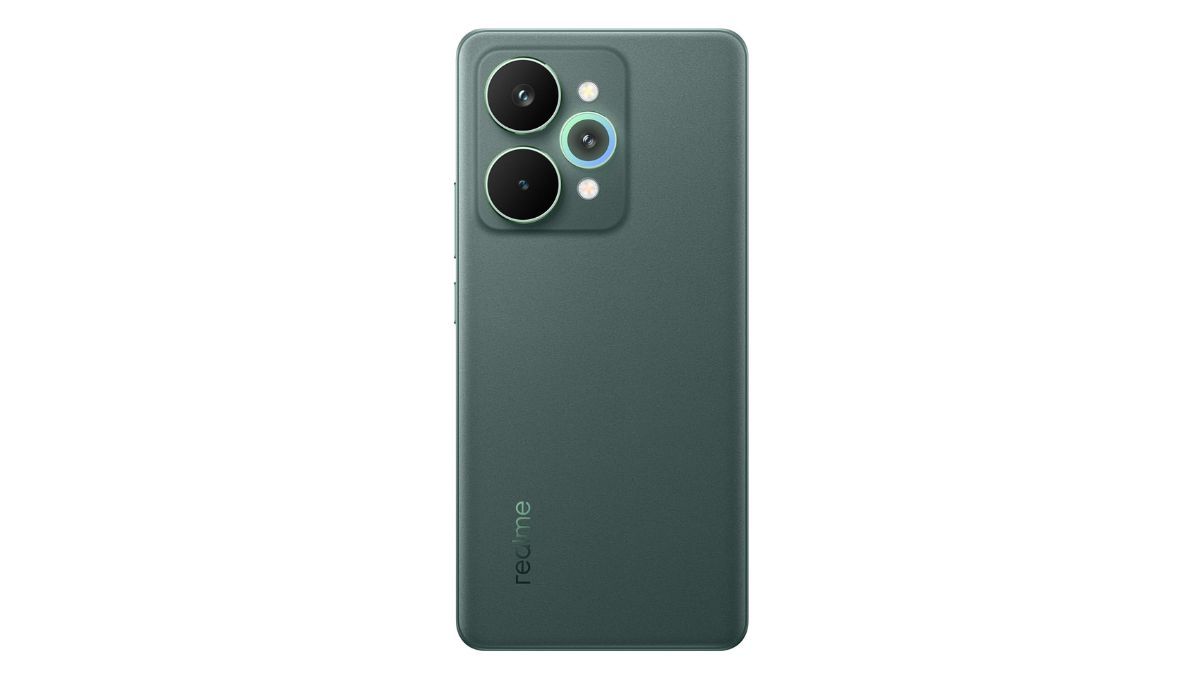
The Realme 15 Pro rounds out the ₹60,000 category with an emphasis on sheer endurance rather than optical supremacy. Asking ₹55,999, it packs an enormous 7,000mAh battery and a high-resolution 50MP ultrawide camera, but its omission of a dedicated telephoto lens limits its versatility compared to the top performers in this bracket.





Why We Didn’t Pick It
The Realme 15 Pro misses out on a category win because it is a capable generalist in a field led by more specialised camera systems. It cannot match the Vivo V70’s optical zoom and portrait performance, nor does it deliver the level of daylight detail achieved by the OnePlus 15R.
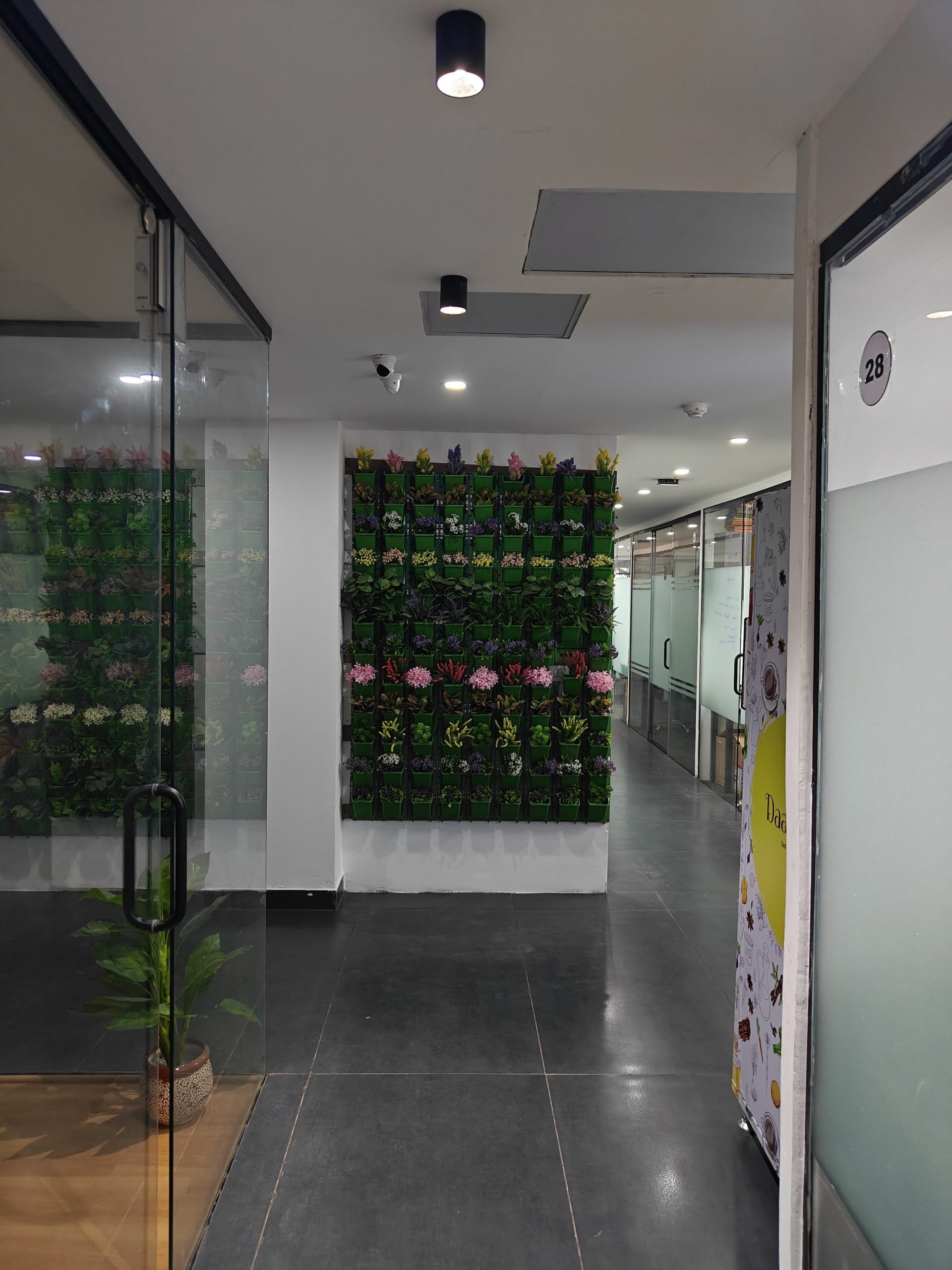
The lack of a dedicated telephoto camera is its most obvious limitation. In our indoor vertical garden tests, digital zoom from the main sensor results in noticeable image degradation. Zooming in softens the delicate purple and pink flower clusters, while the sharp horizontal ridges of the green plastic pots lose definition and take on the characteristic watercolour-like appearance of software cropping.
For portraits, the phone relies entirely on its primary camera. In our outdoor pathway tests, it handles the vibrant pink kurta well and produces pleasing, natural-looking skin tones. However, its 7.5 portrait score reflects the limitations of its computational processing. Edge detection around hair and shoulders can look slightly artificial, while the background blur lacks the gradual, optical character of the Vivo V70’s 50mm-equivalent telephoto camera.
In daylight, the 50MP main camera is highly dependable, scoring 8.0. Our close-up shots of outdoor shrubbery show vibrant, well-saturated colours and solid texture retention across dense foliage, while the indoor corridor test demonstrates good dynamic range under bright overhead lighting.
Low-light performance is similarly competent at 7.5. In our dimly lit trophy benchmark, optical image stabilisation (OIS) keeps the “Smartphone Brand of the Year” plaque lettering sharp. However, aggressive noise reduction in darker areas strips away fine detail. The deep amber dried leaves in the background lose their intricate veins and become muddy as shadow areas are processed more heavily.
The capable Snapdragon 7 Gen 4 processor and enormous 7,000mAh battery, which lasted an impressive 22 hours 15 minutes in our PCMark Work 3.0 battery life test, make the Realme 15 Pro an endurance champion. Its camera system is solid across the board, but the hardware limitations leave it just short of award-winning territory.
Key Specifications
| Specification | Detail |
| Price | ₹55,999 |
| Processor | Qualcomm Snapdragon 7 Gen 4 |
| Display | 6.8″ AMOLED, 144Hz (6,500 nits claimed peak) |
| Main camera | 50MP Sony IMX896, f/1.8, OIS |
| Telephoto | None |
| Ultrawide | 50MP |
| Front camera | 50MP |
| Max video | 4K 30fps |
| Battery / Charging | 7,000mAh / 80W |
| RAM / Storage | 8GB or 12GB / 128GB, 256GB, or 512GB (UFS 3.1) |
Realme 15 Pro XP Lab Test Data
| Test / Metric | Result |
| Daylight | 8.0 |
| Low light | 7.5 |
| Portrait | 7.5 |
| Telephoto | No telephoto camera |
| Front camera | 7.5 |
| Ultrawide | 7.5 |
| Video | 7.5 |
| Camera score average | 7.58 (excluding unequipped telephoto) |
| Battery life (PCMark Work 3.0) | 22h 15min |
Pros
The Realme 15 Pro delivers phenomenal battery life from its immense 7,000mAh cell. Its highly reliable 50MP main camera scores 8.0, capturing punchy, vibrant colours while retaining solid detail in daylight. It also features a high-resolution 50MP ultrawide camera, giving it a hardware advantage over the basic 8MP ultrawide sensors found on several rivals. An ultra-bright 144Hz AMOLED display rounds out the package.
Cons
The omission of a dedicated optical telephoto lens limits zoom clarity, with digital cropping causing visible smudging on distant subjects. Portrait performance is also held back by slightly computational and artificial-looking edge detection, reflected in its 7.5 score compared with the leading phones in this tier. Low-light performance is similarly affected by aggressive shadow noise reduction, which strips away fine background textures. Rear video recording is capped at 4K 30fps, leaving it behind competitors that support 4K at 60fps.
Who Should Buy It
Power users whose absolute top priority is multi-day battery life, and who want a dependable main and ultrawide camera setup for general daylight shooting without needing to zoom in frequently.
Who Shouldn’t Buy It
Photographers who frequently shoot portraits or rely on optical zoom to capture distant subjects. Additionally, vloggers and content creators should look elsewhere, as the 4K 30fps video cap is restrictive at the ₹56,000 price point.
Expert Verdict: The Realme 15 Pro is an endurance monster that delivers perfectly competent, though unexceptional, photography. While its 50MP main and ultrawide cameras are reliable daylight shooters, its lack of optical zoom and slightly artificial portrait processing prevent it from standing out in a highly competitive ₹60,000 camera bracket.
FAQ
Which phone under ₹60,000 has the best camera overall?
The Vivo V70. It scored highest or joint-highest in six of the seven XP Lab camera categories and was the only phone to post a 9.0 in any category – doing so twice, in portrait and telephoto.
Which is better for night photography, the Vivo V70 or the OnePlus 15R?
They tied at 8.0 in our low-light test, and also tied at 8.5 in daylight. Pick between them on the other categories: the V70 for portraits, selfies and zoom; the 15R if you only care about the main camera.
Is there a good camera phone under ₹55,000?
Yes – the Nothing Phone (3) at ₹51,999 scores 7.0–8.0 in every category and is the cheapest phone here with a scored telephoto camera.
Which phone is best for vlogging under ₹60k?
The iQOO 15R ties for the best video score (8.0). Note that it has no front-camera score in our sheet, so for selfie-video specifically the Vivo V70 (8.0 video, 8.0 front camera) is the more fully verified option.
Why aren’t the OnePlus 13s and Realme 15 Pro ranked?
Neither has camera scores in the current XP Lab data. We only rank on lab-tested numbers.
Why Trust XpertPick
Nothing on this page comes from a press release or a manufacturer’s claimed figure. Every number was measured on a device in our hands.
Independent testing: Every phone in this guide was benched in-house on a retail unit running shipping software. No manufacturer-supplied performance data was used in the analysis.
Standardised conditions: Identical benchmark, stress, gaming and battery suites at 28°C ambient on the top variant of each device, which is what allows a ₹27,999 phone and a ₹1,59,999 phone to appear in the same table honestly.
Layered methodology: Peak scores, twenty-loop sustained load, logged frame times across four titles and full battery rundowns. The peak is the least informative figure we collect, which is why every device is also measured under heat and over time.
Transparent about data: Every failed test, missing figure and anomalous reading in this guide is listed above under its own heading. Gaps are reported as gaps, never estimated.