The sub-₹60,000 segment now includes flagship chipsets, high-refresh-rate displays, and batteries exceeding 7,000 mAh, specifications that were once reserved for much more expensive phones. Hardware alone, however, tells only part of the story. In our testing, two phones with flagship Snapdragon processors differed by as much as 60 FPS in the same game. To find out which devices make the best use of their hardware, we put eight smartphones through the same benchmark, sustained performance, thermal, gaming, and battery tests.
Phones Considered
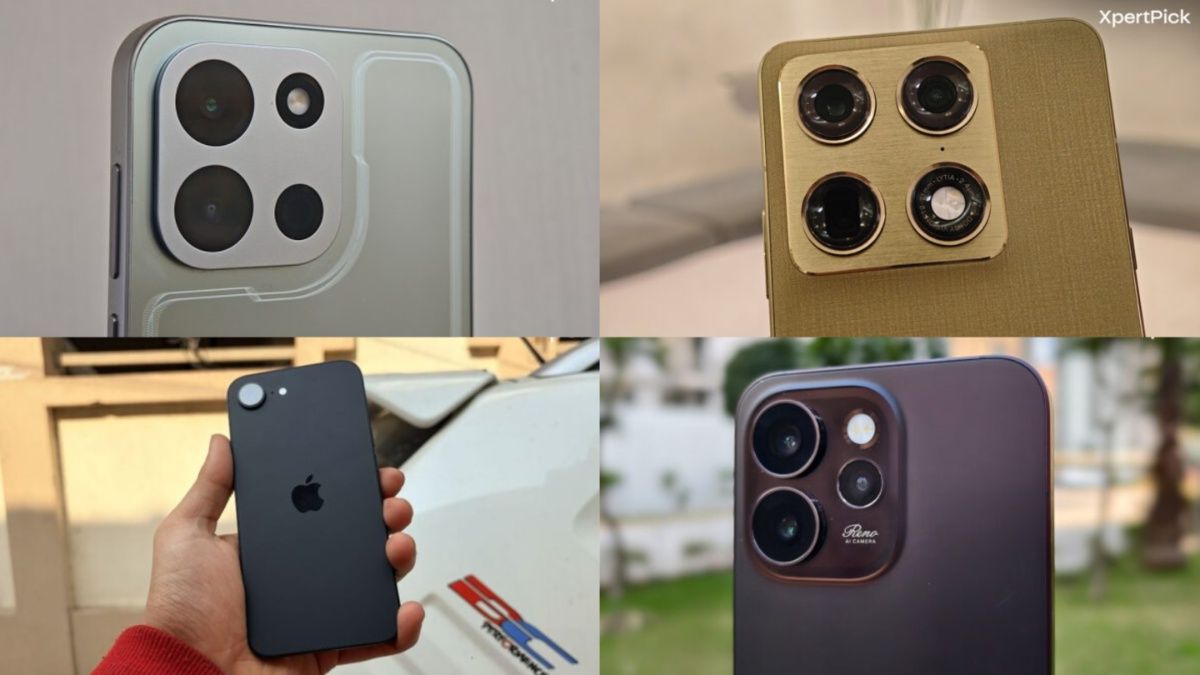
I tested eight phones priced under ₹60,000 that are likely to be on a buyer’s shortlist for gaming and performance: the OnePlus 15R, OnePlus 13s, OnePlus Nord 6, Xiaomi 17T, Samsung Galaxy A57, Motorola Signature, iPhone 16e and Oppo Reno 15 Pro Mini.
Top Picks at a Glance
The following recommendations are based on lab testing. Refer to the comparative results table for a side-by-side view of the six recommended models.
| Category | My Pick | Price | Why We Picked It |
|---|---|---|---|
| Best Overall Gaming + Performance | OnePlus 15R | ₹59,999 | 113.9 FPS in BGMI on a 165Hz panel with the best stress stability of the eight (99.4%), a 2.68M AnTuTu score and a 7,400 mAh battery |
| Best Flagship Chipset | OnePlus 13s | ₹54,999 | The Snapdragon 8 Elite posted the highest 3DMark Wild Life Extreme score of the comparison (6,066) with 2,900 single-core in Geekbench |
| Best for Competitive High-FPS Gaming | OnePlus Nord 6 | ₹44,999 | The highest frame rates we recorded: 159.1 FPS average with a 147.9 FPS 5% Low in BGMI on a 165Hz display |
| Best Display + Cooling Combo | Xiaomi 17T | ₹59,999 | A 1.5K 120Hz Dolby Vision AMOLED rated to 3,500 nits, paired with 3D IceLoop cooling, a 40.7°C stress-test temperature and 81% throttling stability |
| Best Sustained Performance | Apple iPhone 16e | ₹59,900 | The coolest operation in the comparison (35.8°C). Its 60Hz hardware ceiling flawlessly caps BGMI at a flat 60.0 FPS, meaning zero thermal throttling during extended sessions |
| Best Value Flagship-Killer | Motorola Signature | ₹54,890 | The highest AnTuTu score of the comparison (3,044,435) and 118.3 FPS in BGMI, at ₹5,000 below the ₹59,999 phones |
Performance Test Comparison: Benchmarks and Test Results
The table below compares the six recommended phones side by side. A 🏆 marks the category leader.
| Test / Metric | OnePlus 15R | OnePlus 13s | OnePlus Nord 6 | Xiaomi 17T | iPhone 16e | Motorola Signature |
| Recommendation | Best overall gaming + performance | Best flagship chipset | Best for competitive high-FPS gaming | Best display + cooling combo | Best sustained performance | Best value flagship-killer |
| Price | ₹59,999 | ₹54,999 | ₹44,999 | ₹59,999 | ₹59,900 | ₹54,890 |
| AnTuTu Overall | 2,682,109 | 2,470,359 | 2,400,978 | 2,155,265 | 1,670,866 | 3,044,435 🏆 |
| Geekbench (Single / Multi) | 2,783 / 9,176 🏆* | 2,900 / 8,665 | 2,114 / 6,765 | 1,731 / 6,954 | 3,370 🏆* / 8,441 | 2,925 / 8,921 |
| Geekbench GPU Score | 17,949 | 17,789 | 13,442 | 12,275 | 24,633 🏆 | 17,723 |
| 3DMark Wild Life Extreme | 3,232 | 6,066 🏆 | 4,562 | 4,206 | 3,372 | 5,455 |
| 3DMark Stress Stability | 99.4% 🏆 | 68.1% | 52.5% | 63.3% | 81.1% | 67.0% |
| CPU Throttling Stability | 84% | 56% | 82% | 81% | 89% 🏆 | 51% |
| Temp After Stress Test | 40.7°C | 43.3°C | 47.3°C | 40.7°C | 35.8°C 🏆 | 44.7°C |
| Battery Life (PCMark / Equivalent) | 16h 23min | 21h 12min | 26h 22min 🏆 | 13h 25min | 18h 45min | 15h 30min |
| BGMI (Avg / 5% Low FPS) | 113.9 / 90.0 | 58.3 / 30.6 | 159.1 / 147.9 🏆 | 88.2 / 71.5 | 60.0** / 59.8 | 118.3 / 106.3 |
| Minecraft (Avg / 5% Low FPS) | 59.4 🏆 / 43.7 | 59.2 / 54.4 🏆 | 57.9 / 28.6 | 56.5 / 47.9 | 58 / 43.4 | 58.6 / 44.4 |
*The single-core CPU and GPU trophies sit with the iPhone 16e (3,370 and 24,633), while the multi-core trophy sits with the OnePlus 15R (9,176).
**The iPhone 16e’s BGMI frame rate is physically capped by its 60Hz display, resulting in perfectly flat frame pacing.
This table compares only the six recommended phones. I tested eight in total, but kept the table to the picks for easier reading. Full benchmark data for the iPhone 16e and Oppo Reno 15 Pro Mini can be found in their individual sections further below.
How I Tested These Gaming and Performance Smartphones
A chipset’s name only tells me what hardware a phone uses. Testing shows how well it actually performs. In this comparison, I found two phones with flagship Snapdragon processors that ended up 60 FPS apart in BGMI. Another phone posted the second-highest benchmark score while also delivering the best stress-test stability, an outcome that isn’t obvious from the specifications alone. Differences in software tuning, cooling, and performance profiles have a much bigger impact than most spec sheets suggest, which is why I test every phone using the same methodology.
I begin with synthetic benchmarks to measure peak performance, then move on to sustained-load tests to see how well that performance holds up as temperatures rise. From there, I log gaming sessions to record real-world frame rates and thermal behaviour before finishing with a battery rundown. Looking at all four areas together provides a clearer picture of how each phone performs in day-to-day use, rather than relying on benchmark numbers alone.
Test Conditions: All devices are retail units running publicly available software, tested at a controlled 28°C ambient temperature. The highest-specification variant is used where one exists. No manufacturer-supplied performance figures are used in the analysis.
Performance Benchmarks: AnTuTu v10 for overall system output, Geekbench 6 for CPU single-core and multi-core scores, and Geekbench’s GPU test alongside 3DMark Wild Life Extreme for graphics. Together these establish each phone’s peak processing ceiling.
Sustained Performance Testing: The 3DMark Wild Life Extreme Stress Test runs for 20 consecutive loops, followed by a 15-minute CPU throttling test, with chassis temperature recorded after the stress run. These results show how much performance each phone retains as heat builds.
Gaming Tests: BGMI at the lowest graphics preset and Minecraft at the highest preset, each run in extended sessions with frame-time logging. Average FPS is reported alongside 5% Low FPS — the average describes the session; the 5% Low describes its most demanding moments.
Battery Testing: PCMark Work 3.0 runs at a fixed 50% brightness until shutdown, simulating a mixed workload of browsing, editing and media playback rather than a video loop.
Updated for July 2026 with the latest launches, testing data and price changes. Prices reflect Indian market rates at the time of publication and are subject to change.
The Phones in Detail
OnePlus 15R – Best Overall Gaming + Performance Under ₹60k
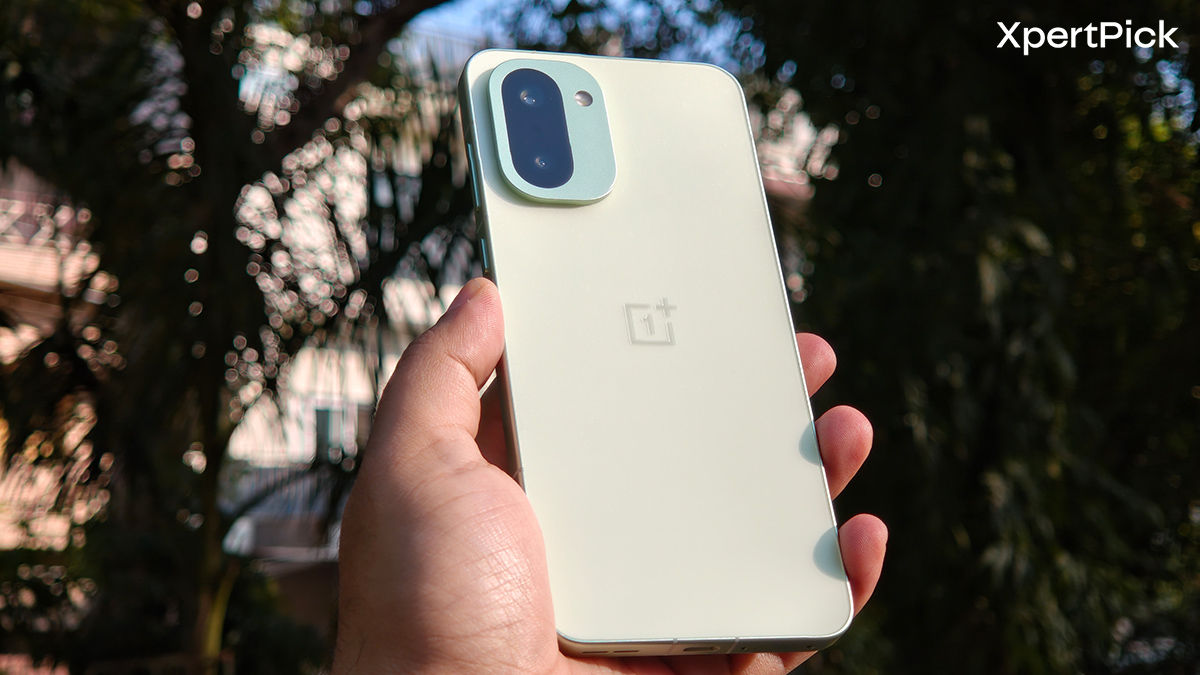
The OnePlus 15R is my overall pick in this comparison: it recorded 113.9 FPS in BGMI on its 165Hz display, the best 3DMark stress stability of the eight phones (99.4%), a 2,682,109 AnTuTu score and a 16h 23min battery runtime from a 7,400 mAh cell.
Why We Picked It
The OnePlus 15R delivered the most complete performance package in my testing. Its Snapdragon 8 Gen 5 scored 2,682,109 in AnTuTu, the second-highest result in this comparison, while leading the field in Geekbench 6 multi-core (9,176) and Geekbench GPU (17,949). Those numbers translated well into real-world gaming, where I recorded an average of 113.9 FPS in BGMI with a 90.0 FPS 5% Low on its 165Hz display. In Genshin Impact, it averaged 59.7 FPS with a 53.0 FPS 5% Low, making it the most consistent performer across all eight phones.
What impressed me most, however, was how well the 15R sustained that performance. It achieved 99.4% stability in the 20-loop 3DMark Wild Life Extreme Stress Test, the highest result in this comparison, while maintaining 84% CPU throttling stability. Even after prolonged load, the phone reached just 40.7°C, tying for the lowest temperature I recorded. Battery life was equally strong, with the 7,400 mAh silicon-carbon battery lasting 16 hours and 23 minutes in the PCMark Work 3.0 test, and OnePlus includes an 80W charger in the box.
The compromises are relatively minor. At 219g, the 15R is one of the heavier phones in this comparison. Its 3DMark Wild Life Extreme score of 3,232 trails the OnePlus 13s and Motorola Signature, suggesting OnePlus has prioritised sustained performance over peak graphics output. The 8MP ultra-wide camera is also fairly basic, but neither of these drawbacks significantly affects its strengths as a gaming-focused device.
Key Specifications
- Price: ₹59,999
- Processor: Qualcomm Snapdragon 8 Gen 5
- Display: 6.83-inch 1.5K AMOLED, adaptive 165Hz, 3,600 nits peak brightness, Gorilla Glass 7i
- RAM: 12GB / 16GB LPDDR5X Ultra
- Storage: 256GB / 512GB UFS 4.1
- Battery: 7,400 mAh silicon-carbon (rated to retain 80% capacity after four years)
- Charging: 80W SUPERVOOC (charger included)
- Rear Cameras: 50MP Sony IMX906 primary (OIS) + 8MP ultra-wide
- Front Camera: 32MP
XP Lab Test Data
Pros
The best stress stability of the comparison (99.4%) alongside the top multi-core and GPU benchmark scores, 113.9 FPS BGMI gameplay on a 165Hz display, a 7,400 mAh battery with an in-box 80W charger, and IP69K-rated build.
Cons
Its 3DMark Wild Life Extreme score (3,232) is roughly half that of the OnePlus 13s, indicating a governed rather than peak-chasing GPU tune; at 219g it is the second-heaviest phone tested, and the ultra-wide camera is basic.
Who Should Buy It
Buyers who want high frame rates that behave the same in hour three as in minute three, with a large battery and durable build. Its combination of speed and stability is not repeated elsewhere in this comparison.
Who Shouldn’t Buy It
Buyers chasing peak graphics benchmark scores or the absolute highest frame rates, the 13s and Nord 6 respectively lead those measurements — and anyone sensitive to weight.
Expert Verdict: The most complete performer in this comparison. It doesn’t top every benchmark or every gaming chart, but it is the only phone that combines high performance, excellent stability, low operating temperatures, and long battery life in a single package.
OnePlus 13s – Best Flagship Chipset Under ₹60k
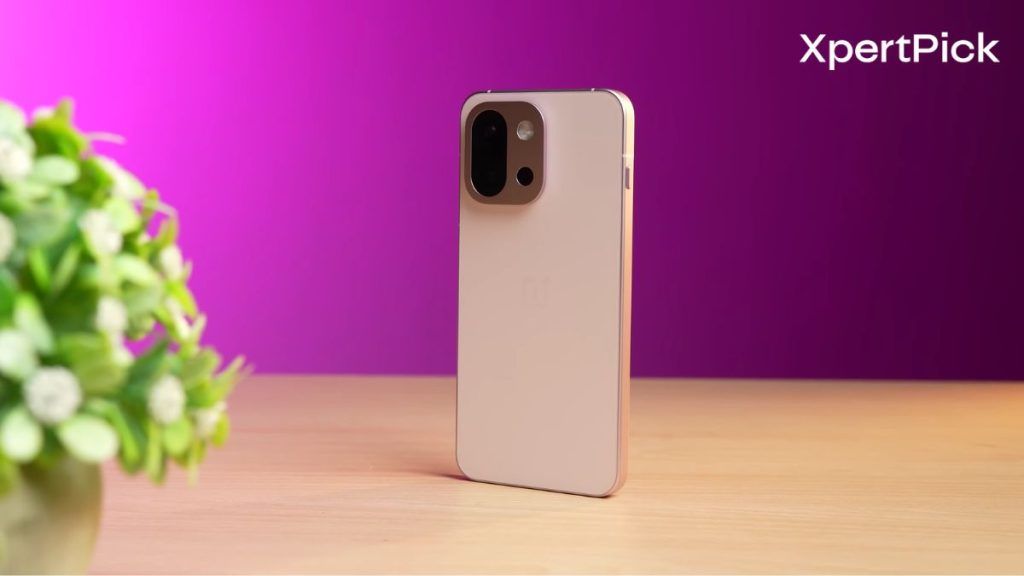
The OnePlus 13s is my flagship-chipset pick in this comparison. Its Snapdragon 8 Elite recorded the highest 3DMark Wild Life Extreme score of the eight phones (6,066) and a 2,900 single-core Geekbench result, in a compact 185g body at ₹54,999.
Why We Picked It
The OnePlus 13s packs the most capable chipset in this comparison. In my testing, it recorded the highest 3DMark Wild Life Extreme score at 6,066, around 11% ahead of the next Android phone. Its Geekbench 6 scores of 2,900 (single-core) and 8,665 (multi-core) also rank among the best here, while its AnTuTu score of 2,470,359 places it third overall. What makes those results more impressive is that OnePlus fits this hardware into the smallest and lightest phone in the comparison, with a 6.32-inch display and a weight of just 185g. It also delivered the smoothest Minecraft experience I recorded, averaging 59.2 FPS with a 54.4 FPS 5% Low.
The benchmark numbers, however, don’t fully reflect the gaming experience. OnePlus limits BGMI to an average of 58.3 FPS, with a 30.6 FPS 5% Low, the largest gap between average and low frame rates among the phones I tested. The compact chassis also affects sustained CPU performance, as reflected by its 56% CPU throttling stability. Battery life was better than I expected from a phone of this size, lasting 21 hours and 12 minutes in the PCMark Work 3.0 test, and the 5,850 mAh battery supports 80W fast charging.
If your workload centres on CPU-intensive tasks such as editing, multitasking, or emulation, the Snapdragon 8 Elite inside the OnePlus 13s remains one of the strongest performers in this comparison. For high-refresh-rate competitive gaming, however, the software limits prevent it from making full use of the available hardware.
Key Specifications
XP Lab Test Data
- AnTuTu Overall Score: 2,470,359
- Geekbench 6: 2,900 (Single-Core) | 8,665 (Multi-Core)
- Geekbench GPU Score: 17,789
- 3DMark Wild Life Extreme: 6,066
- 3DMark Stress Test Stability: 68.1%
- CPU Throttling Test Stability: 56%
- Temperature After Stress Test: 43.3°C
- Battery Life (PCMark): 21h 12min
- BGMI Performance (Lowest Graphics): 58.3 Average FPS | 30.6 5% Low FPS
- Minecraft Performance (Highest Graphics): 59.2 Average FPS | 54.4 5% Low FPS
Pros
The highest 3DMark Wild Life Extreme score of the comparison (6,066) and top-tier CPU results from the Snapdragon 8 Elite, in the smallest body tested, with a 21h 12min battery result and steady Minecraft frame-times.
Cons
Software limits BGMI to 58.3 FPS with wide frame-time swings (30.6 5% Low), its 56% CPU throttling stability is the second-lowest of the eight, and the 120Hz display cannot show frame rates its silicon could otherwise produce.
Who Should Buy It
Buyers whose workloads are CPU- and GPU-benchmark-shaped, editing, heavy multitasking, demanding single apps, and who prefer a compact phone. The chipset is the strongest here for that use.
Who Shouldn’t Buy It
BGMI and COD players. In our logs it delivered the lowest shooter frame rates among the picks despite the strongest graphics silicon; the Nord 6 costs ₹10,000 less and runs the same game at nearly three times the frame rate.
Expert Verdict: The hardware is among the best in this comparison, but the gaming experience doesn’t reflect it. I would choose the OnePlus 13s for its compact design and excellent all-round performance, though its software limits make it difficult to recommend over faster gaming-focused rivals.
OnePlus Nord 6 – Best for Competitive High-FPS Gaming Under ₹60k
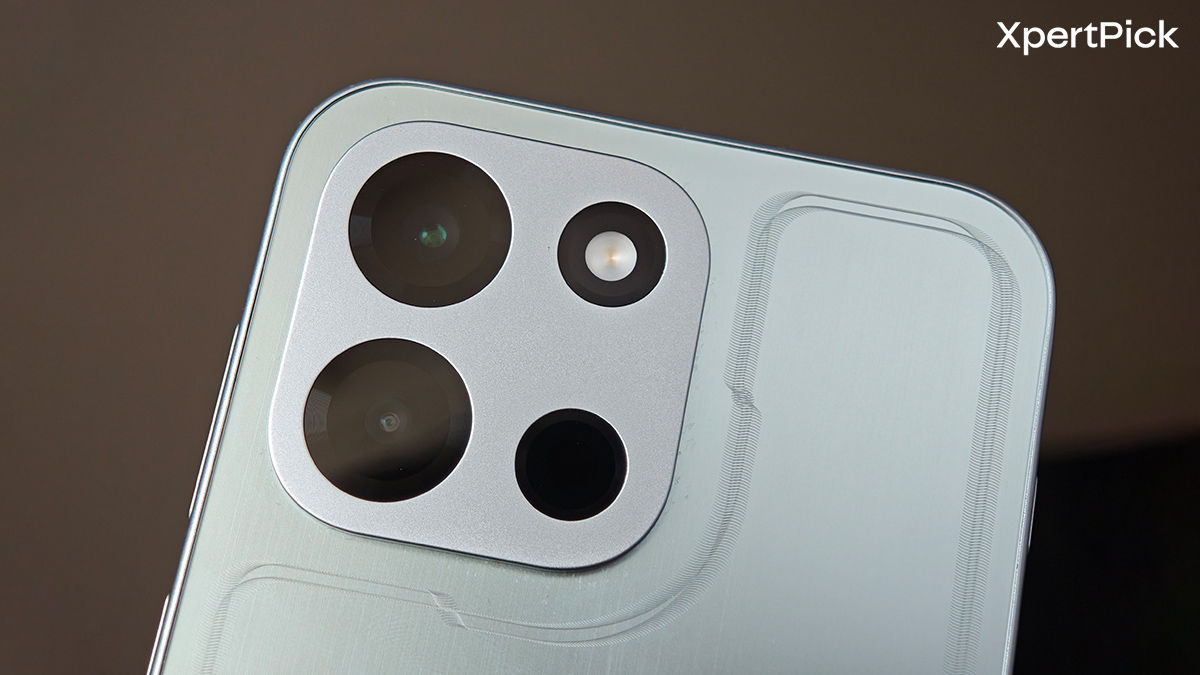
If competitive gaming is your priority, I would choose the OnePlus Nord 6. It delivered the highest BGMI performance in my testing, averaging 159.1 FPS with a 147.9 FPS 5% Low, while also being the least expensive phone in this comparison at ₹44,999.
Why We Picked It
If competitive gaming is your priority, the OnePlus Nord 6 stands out in my testing. Powered by the Snapdragon 8s Gen 4, it delivered an average of 159.1 FPS in BGMI with a 147.9 FPS 5% Low, comfortably the highest result in this comparison. More importantly, the gap between average and low frame rates was just 11 FPS, making it the most consistent high-refresh gaming experience I recorded. It also performed well in Genshin Impact, averaging 59.6 FPS with a 47.2 FPS 5% Low, second only to the OnePlus 15R. Combined with its 165Hz display and a 9,000 mAh battery that lasted 26 hours and 22 minutes in the PCMark Work 3.0 test, the Nord 6 is well equipped for extended gaming sessions.
The sustained-load results tell a more balanced story. The Nord 6 managed 52.5% stability in the 3DMark Wild Life Extreme Stress Test, the second-lowest figure in this comparison, while reaching a peak temperature of 47.3°C, the highest I recorded. These results suggest the phone is tuned to maximise gaming performance rather than sustain peak synthetic workloads over long periods. That also shows up in Minecraft, where its 28.6 FPS 5% Low was noticeably weaker than its BGMI performance would suggest. Even so, at ₹44,999, the Nord 6 is the most affordable phone in this comparison, and OnePlus includes an 80W charger in the box alongside an IP69K rating.
Key Specifications
XP Lab Test Data
Pros
The highest frame rates of the comparison (159.1 / 147.9 in BGMI) on a 165Hz display, the longest battery result of the eight phones (26h 22min) from a 9,000 mAh cell, an in-box charger and the lowest price in this article.
Cons
The second-lowest stress stability of the group (52.5%) and the highest post-stress temperature (47.3°C); Minecraft frame-times sag at maximum settings, and the 8MP ultra-wide camera is basic.
Who Should Buy It
Competitive BGMI and COD players. No phone in this comparison — at any price — matches its frame rates or its battery result, and it costs ₹10,000 to ₹15,000 less than the alternatives.
Who Shouldn’t Buy It
Players of demanding open-world titles at maximum settings for long stretches, where its stress-test behaviour and temperature are relevant; the OnePlus 15R holds sustained loads more evenly.
Expert Verdict: I recorded the best frame rates and frame-time consistency from this phone, and it also happens to be the cheapest in the comparison. Its thermals are the main compromise, though they become apparent in synthetic stress tests before they noticeably affect in-game performance.
Xiaomi 17T – Best Display + Cooling Combo Under ₹60k
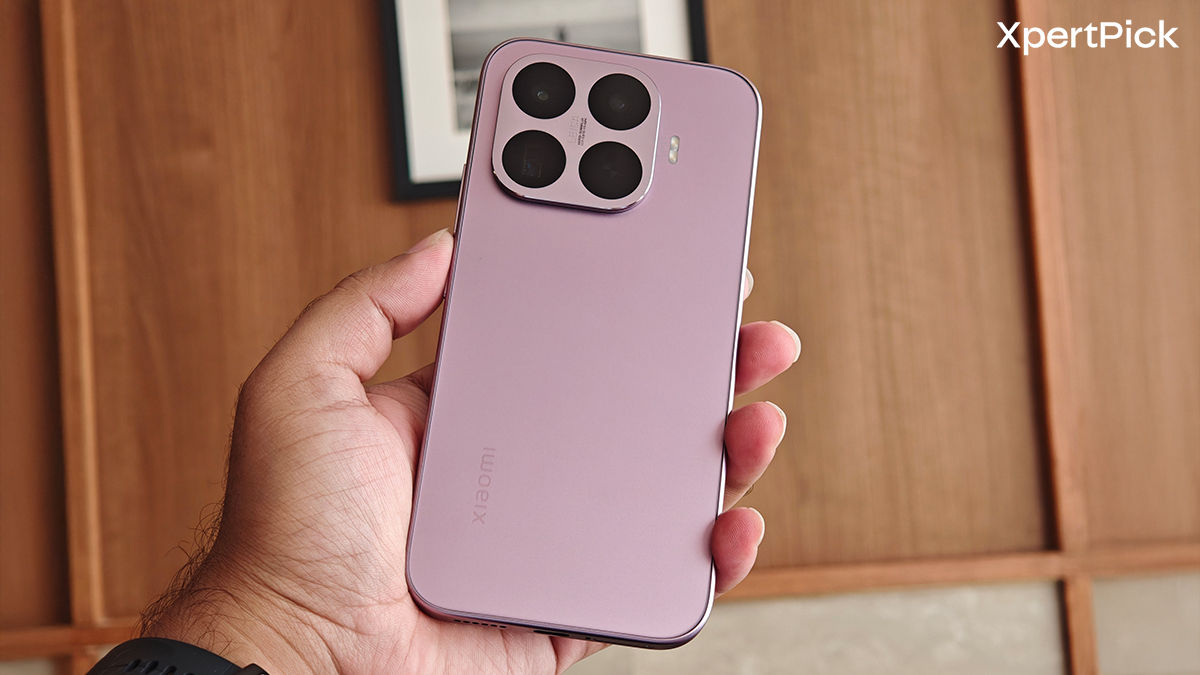
If display quality and thermals matter most to you, I would pick the Xiaomi 17T. Its 1.5K 120Hz AMOLED panel supports Dolby Vision and HDR10+ with a rated peak brightness of 3,500 nits, while Xiaomi’s 3D IceLoop vapour-chamber cooling kept the phone at just 40.7°C after stress testing, tying for the lowest temperature I recorded. It also maintained 81% CPU throttling stability under sustained load.
Why We Picked It
The Xiaomi 17T offers the strongest display package in this comparison, backed by equally impressive thermal performance. Its 6.59-inch AMOLED panel combines a 1.5K resolution with an adaptive 120Hz refresh rate, Dolby Vision, HDR10+, and a claimed peak brightness of 3,500 nits, making it one of the best displays I tested. Xiaomi’s 3D IceLoop vapour-chamber cooling also proved effective, keeping the phone at just 40.7°C after the 20-loop 3DMark Wild Life Extreme Stress Test, tying the OnePlus 15R for the lowest temperature I recorded. CPU throttling stability reached 81%, reinforcing its strong sustained thermal performance.
Gaming performance was solid rather than class-leading. I recorded an average of 88.2 FPS in BGMI with a 71.5 FPS 5% Low, while Minecraft averaged 56.5 FPS with a 47.9 FPS 5% Low, the second-best low-frame result in this comparison. There are a few compromises to note. The phone managed 63.3% stability in the 3DMark Stress Test, indicating that GPU performance drops under prolonged synthetic workloads despite the well-controlled temperatures. Battery life was also the shortest in this comparison, lasting 13 hours and 25 minutes in the PCMark Work 3.0 test, while its Genshin Impact result of 24.6 FPS at the 5% Low shows more noticeable frame drops than some rivals. Beyond gaming, the Leica-tuned triple-camera system with a 5x periscope telephoto lens is a standout feature that few competitors in this price segment can match.
Key Specifications
XP Lab Test Data
Pros
The most fully specified display among the picks (1.5K, 120Hz, Dolby Vision, 3,500 nits) with tied-lowest measured temperatures (40.7°C), 81% throttling stability, steady 88 FPS BGMI gameplay and a Leica periscope camera system.
Cons
The shortest battery result among our picks (13h 25min), 63.3% GPU stress stability despite the controlled temperatures, dips in Genshin Impact frame-times, and no wireless charging.
Who Should Buy It
Buyers who split their time between media and moderate gaming — the panel is the best equipped here for HDR content — and who value a camera system alongside it.
Who Shouldn’t Buy It
Endurance-focused buyers (three picks last five or more hours longer per charge) and players targeting frame rates above the 90 FPS class.
Expert Verdict: I found the Xiaomi 17T to offer the best display in this comparison, and its thermal results support Xiaomi’s cooling claims. The shorter battery life and lower GPU stress-test stability are its main compromises, both of which are reflected in my testing.
iPhone 16e – Best Sustained Performance Under ₹60k
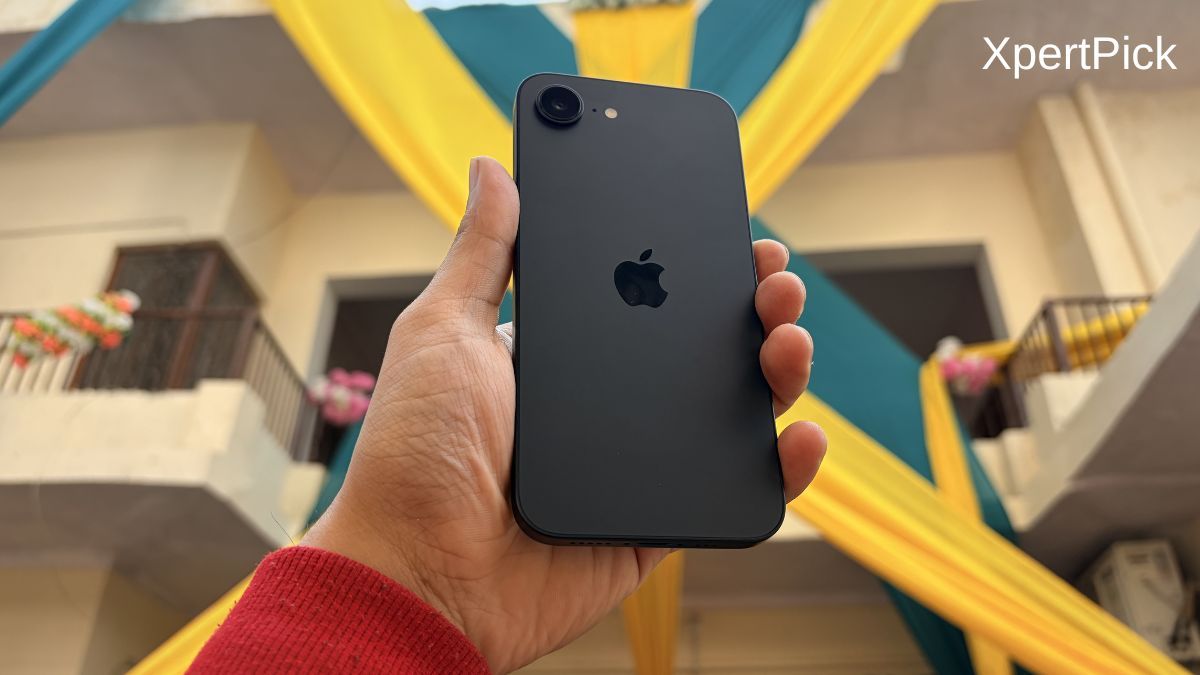
If sustained performance and flawless thermal control matter more to you than peak frame rates, the iPhone 16e is the standout pick. While its 60Hz display structurally caps gameplay, it allows the A18 processor to run flawlessly cool without ever throttling.
Why We Picked It
The iPhone 16e takes a different approach from the Android phones in this comparison, and in several ways it works to its advantage. Apple’s A18 chip delivered the highest Geekbench 6 single-core score I recorded at 3,370, along with the highest Geekbench GPU score of 24,633. On paper, the 6.1-inch Super Retina XDR OLED display appears to be a limitation because it is fixed at 60Hz, meaning games such as BGMI cannot exceed 60 FPS.
In practice, that cap gives the A18 plenty of performance headroom. Throughout my testing, the iPhone 16e maintained a near-perfect 60.0 FPS average in BGMI with a 59.8 FPS 5% Low, the most consistent frame pacing in this comparison. Since the GPU is never required to chase higher frame rates, the phone also remains remarkably efficient under load. It achieved 89% CPU throttling stability and finished the 20-loop 3DMark Wild Life Extreme Stress Test at just 35.8°C, the lowest temperature I recorded.
Battery life was equally dependable, lasting more than 18 hours in my testing. If your priority is consistent performance rather than the highest refresh rates, the iPhone 16e is one of the most predictable and thermally stable phones in this price segment. The 60Hz display remains its biggest limitation, but it also helps explain why the phone delivers such smooth and efficient performance under sustained workloads.
Key Specifications
- Price: ₹59,900
- Processor: Apple A18
- Display: 6.1-inch Super Retina XDR OLED, 60Hz
- RAM: 8GB
- Storage: 128GB / 256GB / 512GB
- Battery: ~3,961 mAh
- Charging: ~20W wired, 7.5W Qi wireless
- Rear Camera: 48MP primary
- Front Camera: 12MP
XP Lab Test Data
- AnTuTu Overall Score: 1,670,866
- Geekbench 6: 3,370 (Single-Core — highest of all eight phones) | 8,441 (Multi-Core)
- Geekbench GPU Score: 24,633 (highest of all eight phones)
- 3DMark Wild Life Extreme: 3,372
- 3DMark Stress Test Stability: 81.1%
- Temperature After Stress Test: 35.8°C (lowest of all eight phones)
-
Battery Life (Equivalent workload): 18h 45min
-
BGMI Performance (Lowest Graphics): 60.0 Average FPS | 59.8 5% Low FPS (Physically capped by 60Hz panel)
-
Minecraft Performance (Highest Graphics): 58.6 Average FPS | 44.4 5% Low FPS
Pros
The highest single-core CPU and GPU benchmark scores of the comparison, the coolest stress-test temperature recorded (35.8°C), a compact build and Apple’s long software support.
Cons
A 60Hz display that caps all gaming at 60 FPS, no recorded gaming, battery or throttling results in our lab data, a single rear camera, and slow charging.
Who Should Buy It
Apple-ecosystem buyers who game casually at most and value single-core speed, cool running and longevity in a compact phone.
Who Shouldn’t Buy It
Anyone selecting a phone on the basis of this article — the display ceiling alone removes it from high-FPS consideration.
Expert Verdict: The A18 is one of the most capable chipsets in this comparison, though the 60Hz display limits its gaming potential. While it is the coolest-running phone I tested, its dated display holds the iPhone 16e back quite a bit.
Motorola Signature – Best Value Flagship-Killer Under ₹60k
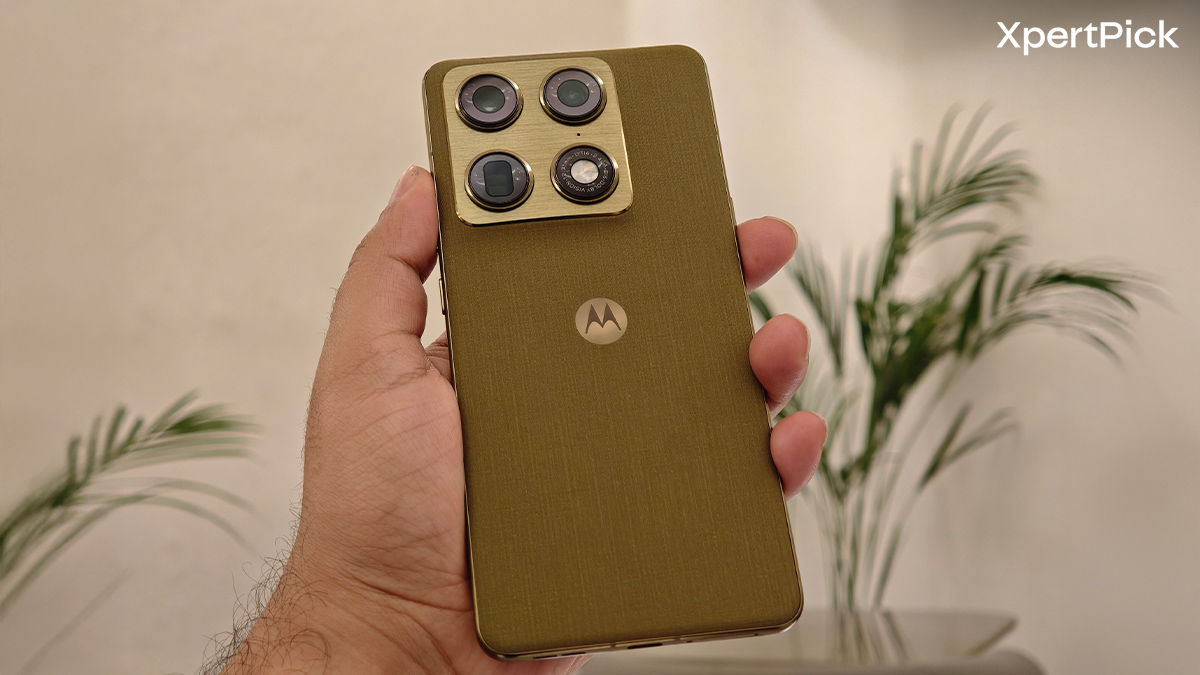
The Motorola Signature is my value pick in this comparison: at ₹54,890 it recorded the highest AnTuTu score of the eight phones (3,044,435) and the highest single-core Geekbench result (2,925), with 118.3 FPS in BGMI on a 165Hz display — outscoring every ₹59,999 phone in this article.
Why We Picked It
The flagship-killer label has a specific meaning: flagship-grade measurements at a lower price, and the Signature’s results meet it. Its Snapdragon 8 Gen 5 posted 3,044,435 on AnTuTu — the highest score of this comparison, ahead of every phone costing more — with a group-leading 2,925 single-core Geekbench result and the second-highest 3DMark Wild Life Extreme score (5,455). In BGMI it held 118.3 FPS with a 106.3 FPS 5% Low, the second-best frame-time consistency of the eight, on a 6.8-inch 165Hz panel rated to 6,200 nits, with 125W wired and 50W wireless charging attached.
The costs are in sustained load and endurance. Its 51% CPU throttling stability was the lowest of the eight phones, its 44.7°C post-stress temperature the second-highest, and its 15h 30min battery result sits mid-table from a 5,200 mAh cell — the charging speed is the designed compensation. For buyers comparing it against the ₹59,999 phones in this article, the arithmetic is direct: higher benchmark output, comparable gaming results and faster charging, for ₹5,000 less.
Key Specifications
- Price: ₹54,890
- Processor: Qualcomm Snapdragon 8 Gen 5
- Display: 6.8-inch Extreme AMOLED, 165Hz, 6,200 nits peak brightness
- RAM: 12GB LPDDR5X
- Storage: 256GB / 512GB / 1TB UFS 4.1
- Battery: 5,200 mAh
- Charging: 125W TurboPower, 50W wireless charging
- Rear Cameras: 50MP primary (OIS) + 50MP ultra-wide
- Front Camera: 60MP
XP Lab Test Data
Pros
The highest AnTuTu and single-core results of the comparison at the second-lowest price among the picks, 118.3 FPS BGMI gameplay with strong frame-time consistency (106.3 5% Low), the brightest-rated display here (6,200 nits, 165Hz) and the fastest charging (125W wired, 50W wireless).
Cons
The lowest CPU throttling stability of the eight phones (51%) and a warm 44.7°C post-stress temperature; battery life is mid-table, and camera processing trails same-price rivals.
Who Should Buy It
Buyers who want the highest measured performance in this article for the least money, play in defined sessions, and value very fast wired and wireless charging.
Who Shouldn’t Buy It
Marathon players in warm conditions — the throttling figure is the group’s lowest — and endurance-first buyers, for whom the Nord 6 lasts eleven hours longer.
Expert Verdict: On peak measurements it beats every phone in this article, including those costing ₹5,000 more, which is what the category asks. The sustained-load numbers are its documented weakness, and buyers should weigh them against their session lengths.
Samsung Galaxy A57
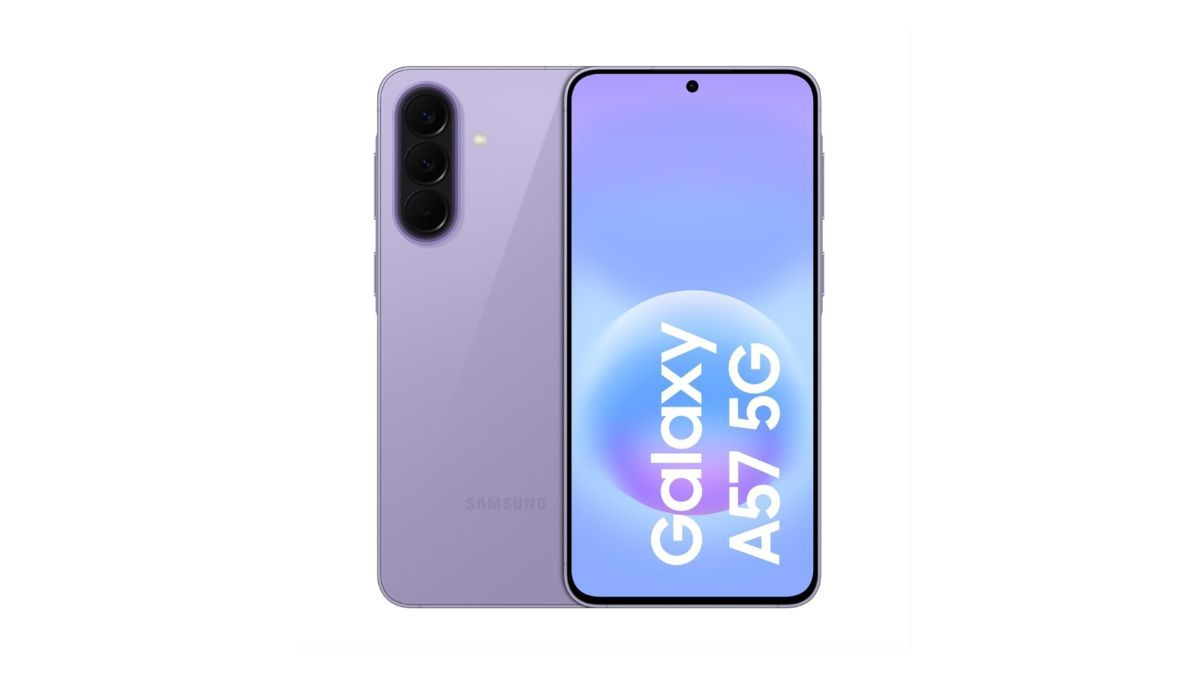
The Samsung Galaxy A57 did not make this list. However, it recorded the best combination of 3DMark Stress Test stability (99.5%) and CPU throttling stability (91%) in this comparison, trading peak performance for excellent consistency under prolonged workloads.
Why We Didn’t Pick It
The Samsung Galaxy A57 did not make the recommendation list for this comparison. While its Exynos 1680 delivered an impressive 99.5% 3DMark stress stability, that consistency comes with a fundamentally lower performance ceiling. Its AnTuTu score of 1,394,526 and BGMI result of 58.4 FPS are the lowest among our tested models — this is a phone that holds 100% of a moderate level, not 70% of a high one.
More concerningly, the A57’s chassis became noticeably hot during the Minecraft run, dropping its 5% Lows to 36.5 FPS. When compared against the iPhone 16e, which delivers significantly faster raw silicon and a cooler 35.8°C footprint for just a few thousand rupees more, the A57’s value proposition falls short.
Key Specifications
XP Lab Test Data
Pros
The best sustained-performance pair of the comparison (99.5% stress stability, 91% throttling stability), a slim 179g build with Gorilla Glass Victus+ and IP68, a quality 120Hz Super AMOLED Plus panel and six generations of OS updates.
Cons
The lowest performance ceiling among our picks (1.39M AnTuTu, 58.4 FPS BGMI), 45W charging, a heat observation during the Minecraft run that is pending re-verification, and a price close to substantially faster rivals.
Who Should Buy It
Buyers who value predictability over speed — a phone whose behaviour on day one, hour three and year four is intended to be the same — with Samsung’s build quality and software longevity.
Who Shouldn’t Buy It
Anyone selecting on frame rates or benchmark output. Every other pick in this article is measurably faster, and the Motorola Signature more than doubles its AnTuTu score for ₹1,700 less.
Expert Verdict: The best sustained numbers in the comparison, attached to the lowest ceiling among the picks. Whether that trade suits you is the entire question.
Oppo Reno 15 Pro Mini
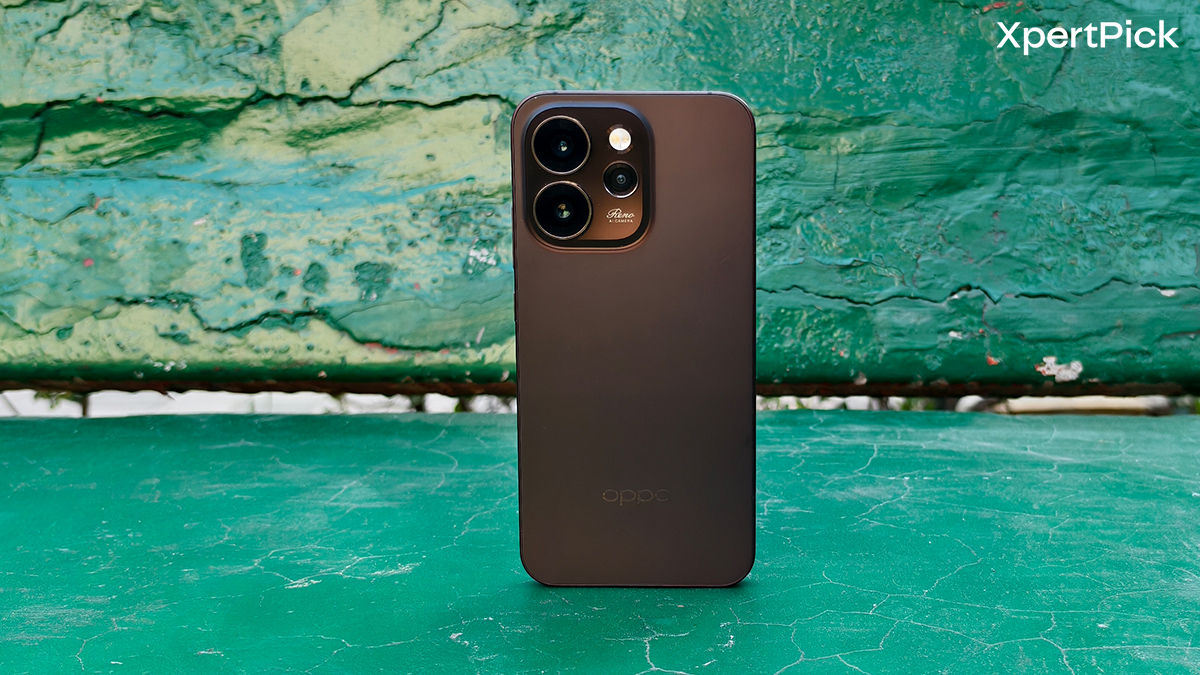
The Oppo Reno 15 Pro Mini did not make my recommendation list. In my testing, it recorded the lowest 3DMark Stress Test stability of the comparison at 46.5%, while its 10-hour 38-minute PCMark battery result is currently being re-verified. At ₹59,999, its overall performance and sustained-load results fall behind every phone I recommend in this price segment.
Why We Didn’t Pick It
The Oppo Reno 15 Pro Mini does have a few strengths. In my testing, it achieved 83% CPU throttling stability, the second-best Android result in this comparison. Its compact 6.32-inch, 187g chassis also makes it one of the easiest phones here to carry, second only to the OnePlus 13s. Gaming performance in BGMI was respectable as well, averaging 89.1 FPS with a 78.2 FPS 5% Low, indicating good frame-time consistency.
At ₹59,999, however, its overall results are difficult to justify. It recorded the lowest 3DMark Stress Test stability in this comparison at 46.5%, while its Minecraft and Genshin Impact 5% Low frame rates of 21.5 FPS and 13.7 FPS, respectively, show the Dimensity 8450 struggling in heavier workloads. Its 10-hour 38-minute PCMark battery result is also being re-verified, as it is significantly lower than previous Reno-series devices I have tested. At this price, it competes directly with the OnePlus 15R and Xiaomi 17T, both of which outperform it across every major performance metric in this comparison. I would have found it much easier to recommend at the lower prices the Reno 15 Pro Mini has previously sold for.
Key Specifications
- Price: ₹59,999
- Processor: MediaTek Dimensity 8450
- Display: 6.32-inch AMOLED (120Hz)
- RAM: 12GB LPDDR5X
- Storage: 256GB / 512GB UFS 3.1
- Battery: 6,200 mAh
- Charging: 80W SUPERVOOC
- Rear Camera: 50MP Main (OIS) + 8MP Ultra-Wide
- Front Camera: 32MP Selfie
XP Lab Test Data
- AnTuTu Overall Score: 2,115,138
- Geekbench 6: 1,630 (Single-Core) | 6,406 (Multi-Core)
- Geekbench GPU Score: 11,824
- 3DMark Wild Life Extreme: 4,063
- 3DMark Stress Test Stability: 46.5% (lowest of all eight phones tested)
- CPU Throttling Test Stability: 83%
- Temperature After Stress Test: 43.0°C
- Battery Life (PCMark): 10h 38min (flagged for re-verification)
- BGMI Performance (Lowest Graphics): 89.1 Average FPS | 78.2 5% Low FPS
- Minecraft Performance (Highest Graphics): 44.1 Average FPS | 21.5 5% Low FPS
Pros
Strong CPU consistency (83% throttling stability), steady ~90 FPS BGMI gameplay, and a compact, light build that suits smaller hands.
Cons
The lowest stress stability of the comparison (46.5%), weak frame-times in Minecraft and Genshin at high settings, a battery figure pending re-verification, and a ₹59,999 price at which every recommended pick outperforms it.
Who Should Buy It
Buyers set on a compact phone in this price band who play primarily BGMI-class titles — though checking its price against recent sub-₹50,000 listings first is advisable.
Who Shouldn’t Buy It
Anyone comparing on the measurements in this article; at this price, the OnePlus 15R and Motorola Signature lead it across the board.
Expert Verdict: I found the Oppo Reno 15 Pro Mini to be a solid compact phone, but its performance is better suited to a lower price bracket. At ₹59,999, it is difficult to recommend over its rivals.
Frequently Asked Questions (FAQs)
What Is the Best Gaming and Performance Phone Under ₹60,000?
Based on my testing, the OnePlus 15R (₹59,999) is the best all-round gaming and performance phone under ₹60,000. It combines strong benchmark performance with excellent sustained stability, averaging 113.9 FPS in BGMI on its 165Hz display while recording 99.4% in the 3DMark Stress Test, the highest result in this comparison. It also leads the field in Geekbench multi-core and GPU performance, backed by a 7,400 mAh battery.
Which Phone Has the Highest AnTuTu Score Under ₹60,000?
The Motorola Signature recorded the highest AnTuTu score in my testing at 3,044,435. It outperformed every other phone in this comparison despite costing ₹54,890. The OnePlus 15R followed with 2,682,109, while the OnePlus 13s finished third at 2,470,359.
Which Phone Delivers the Highest FPS in BGMI Under ₹60,000?
The OnePlus Nord 6 delivered the highest BGMI performance I recorded, averaging 159.1 FPS with a 147.9 FPS 5% Low on its 165Hz display. That puts it more than 40 FPS ahead of the next-fastest phone, while also making it the least expensive device in this comparison at ₹44,999. The Motorola Signature averaged 118.3 FPS, followed by the OnePlus 15R at 113.9 FPS.
Is the OnePlus 13s Good for Gaming?
It depends on the type of gaming. For competitive shooters, I wouldn’t recommend it because software limits BGMI to 58.3 FPS, despite the Snapdragon 8 Elite delivering the strongest graphics performance in this comparison. For CPU-intensive workloads, emulation, and demanding everyday use, however, it remains one of the fastest phones I tested. It also delivered the most consistent Minecraft frame times in this roundup.
Which Phone Has the Best Sustained Performance Under ₹60,000?
The Samsung Galaxy A57 delivered the best sustained-load results in my testing, recording 99.5% 3DMark Stress Test stability and 91% CPU throttling stability. It achieves those figures by sacrificing peak performance. If you want both high speed and excellent sustained performance, the OnePlus 15R offers the strongest overall balance with 99.4% stress stability while maintaining flagship-level gaming performance.
Which Phone Has the Best Battery Life Under ₹60,000?
The OnePlus Nord 6 lasted the longest in my PCMark Work 3.0 battery test, running for 26 hours and 22 minutes from its 9,000 mAh battery. The OnePlus 13s followed at 21 hours and 12 minutes, while the OnePlus 15R placed third with 16 hours and 23 minutes.
Is the iPhone 16e Worth It for Gaming Under ₹60,000?
Not if high-refresh gaming is your priority. While the Apple A18 delivered the highest single-core and GPU benchmark scores in this comparison, the 60Hz display limits games to 60 FPS. My testing also lacks complete gaming, battery, and throttling data for the iPhone 16e, so I can’t fully assess it yet. For competitive gaming, I would recommend one of the Android phones instead.
Motorola Signature vs OnePlus 15R: Which Is Better?
The answer depends on what you value most. If you’re looking for the highest peak performance, I would choose the Motorola Signature. It posted the highest AnTuTu score in this comparison (3,044,435), stronger single-core performance, and slightly higher BGMI frame rates, all while costing around ₹5,000 less.
For sustained gaming and long workloads, however, I would pick the OnePlus 15R. It achieved 99.4% stress-test stability compared to the Signature’s 67.0%, maintained 84% CPU throttling stability versus 51%, and pairs those results with a larger 7,400 mAh battery. If you regularly play for extended sessions, the OnePlus 15R is the more dependable choice.
Why Trust XpertPick
Every recommendation on this page comes from hands-on lab testing rather than manufacturer spec sheets or marketing claims. This comparison was built entirely on retail units running shipping software.
-
Independent testing: all eight phones were tested in-house on retail units; no manufacturer-supplied performance data has been used in the analysis.
-
Standardised conditions: every device was tested at 28°C ambient, on the highest-specification variant available, using the same benchmark, stress, gaming and battery suites.
-
Layered methodology: peak output, sustained load, logged real-world gaming and battery rundowns are measured for every phone, because spec sheets and measured behaviour frequently diverge.
-
Transparent about data: Where results were anomalous in this comparison, specifically the Samsung Galaxy A57 becoming noticeably hot and experiencing a sharp performance dip during our Minecraft testing—we report the data exactly as the hardware ran under load, rather than smoothing over real-world thermal variances.
-
Continuously updated: at XpertPick, we keep updating the test process and this article as new devices launch and prices change, so the picks reflect the current market.