On paper, the seven phones in this comparison have more in common than they have separating them. All use 120 Hz HD+ LCD displays, while five have 50 MP main cameras and batteries ranging from 5,000 to 7,000 mAh. Prices span ₹12,499 to ₹19,999, although four models sit within ₹2,000 of each other towards the top of the bracket. On a typical specifications page, there is therefore little to distinguish one from another.
The lab results tell a different story. Measured display brightness ranges from 390 to 940 nits, while 3DMark Wild Life Extreme scores span 157 to 383, a 2.4x difference. PCMark battery runtimes are further apart still, ranging from 11h 56min to 29h 33min. The phone with the longest runtime also costs ₹2,900 less than the model that finished fourth. At this price, several of the differences that matter most are difficult to see from the specification sheet alone.
I put all seven devices through the same sequence of synthetic benchmarks, 20-loop stress tests, thermal logging, frame-time captures across four games and full battery rundowns. The results show where each phone actually stands.
Phones Considered
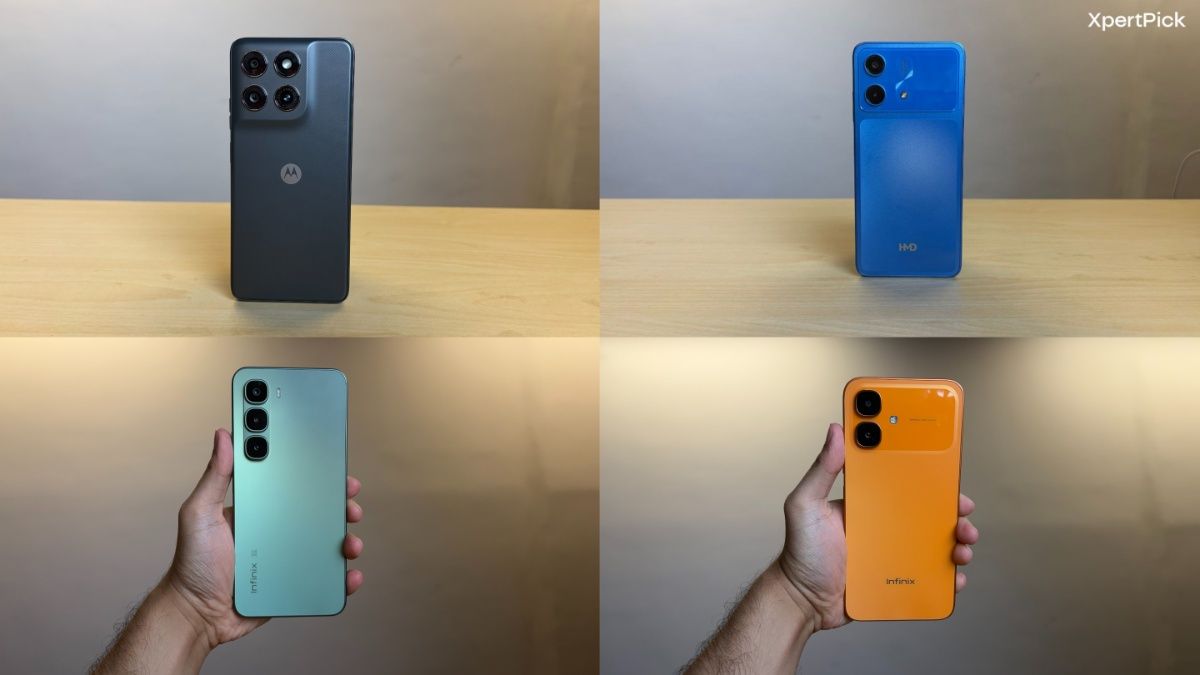
The seven phones tested for this guide: the iQOO Z11 Lite, Moto g37 power, Redmi 15C, Infinix Hot 60, HMD Vibe 2, Infinix Smart 20 and Tecno Spark Go 3.
Top Picks At A Glance
Each award below is anchored to an XP Lab measurement or a verified hardware specification. Full numbers follow in the comparison table.
| Category | My Pick | Price | Why We Picked It |
|---|---|---|---|
| Best Overall Under ₹20k | iQOO Z11 Lite | ₹19,902 | Nearly double the battery life of anything else here, alongside a top-two AnTuTu score and the second-brightest panel. |
| Best Camera Under ₹20k | Moto g37 power | ₹19,999 | A 50MP Quad Pixel main sensor and the only front camera here that records at 2K. |
| Best Gaming / Performance Under ₹20k | Moto g37 power | ₹19,999 | The highest GPU and 3DMark results in this group, plus the best BGMI frame floor at 54.2fps. |
| Best Battery & Charging Under ₹20k | iQOO Z11 Lite | ₹19,902 | 29h 33min on PCMark, 12 hours clear of second place, and 4h 33min per 1,000 mAh. |
| Best Display (High-Refresh) Under ₹20k | Redmi 15C | ₹19,649 | 940 measured nits across a 6.9-inch 120Hz panel, the brightest and largest screen here. |
| Best Value-For-Money Under ₹20k | Infinix Hot 60 | ₹17,999 | The fastest CPU in this comparison at the lowest price among the ₹17k-plus devices. |
On the display category: every phone in this guide uses an LCD panel, and every one of them is HD+ rather than Full HD+. AMOLED does not exist at this price in the current market, so the award goes to the best-measured high-refresh screen rather than to a panel technology none of these devices offer. Two of the seven — the Infinix Smart 20 and Tecno Spark Go 3 — are also 4G-only, which is worth knowing before you shortlist them.
Under-₹20k Specs And Benchmark Comparison
A 🏆 marks the leader in each row.
| Test / Metric | iQOO Z11 Lite | Moto g37 power | Redmi 15C | Infinix Hot 60 | HMD Vibe 2 |
|---|---|---|---|---|---|
| AnTuTu Overall | 579,955 | 572,175 | 574,213 | 619,535 🏆 | 514,639 |
| Geekbench (Single) | 730 | 825 | 732 | 928 🏆 | 699 |
| Geekbench (Multi) | 1,917 | 1,354 | 1,888 | 2,341 🏆 | 1,744 |
| Geekbench GPU | 1,412 | 1,451 🏆 | 1,397 | N/A | 1,360 |
| 3DMark Wild Life Extreme | 366 | 383 🏆 | 361 | N/A | 314 |
| 3DMark Stress Stability | 99.5% 🏆 | 99.5% 🏆 | 98.4% | N/A | 98.7% |
| Peak Temperature | 31.2°C 🏆 | 33.6°C | 30.4°C 🏆 | N/A | 32.3°C |
| PCMark Battery | 29h 33min 🏆 | 16h 12min | 14h 01min | N/A | 11h 56min |
| Runtime per 1,000 mAh | 4h 33min 🏆 | 2h 19min | 2h 20min | N/A | 1h 59min |
| Peak Brightness (measured, auto) | 820 nits | 526 nits | 940 nits 🏆 | N/A | 780 nits |
| BGMI (Avg / 5% Low) | 58.9 / 47.8 | 59.3 / 54.2 🏆 | 58.6 / 43.6 | 39.5 / 37.1 | 57.1 / 44.0 |
Note that the Redmi 15C posted the coolest peak temperature of the five phones above at 30.4°C, marginally ahead of the Z11 Lite’s 31.2°C.
How I Tested These Smartphones
The same procedure, applied identically to every unit, so the numbers describe hardware rather than circumstances.
Test Conditions: Retail devices on publicly released firmware, benched at a controlled 28°C ambient, on the highest-specification variant available for each model.
Performance: AnTuTu v10 and Geekbench 6 for CPU, GPU and on-device AI throughput. Three passes each with a fifteen-minute cooldown between them; the median result is what gets published.
Sustained Load: Twenty consecutive 3DMark Wild Life Extreme loops, with chassis temperature captured by external probe across the run.
Gaming: BGMI, Minecraft, Genshin Impact and Asphalt 9 over extended sessions with frame times logged. The average describes the session as a whole; the 5% low describes how far it fell at its worst.
Battery: PCMark Work 3.0 looped at a fixed brightness until shutdown. Runtime per 1,000 mAh is derived from that figure and the rated capacity, which separates efficiency from raw cell size.
The Phones In Detail
iQOO Z11 Lite — Best Overall & Best Battery Under ₹20k
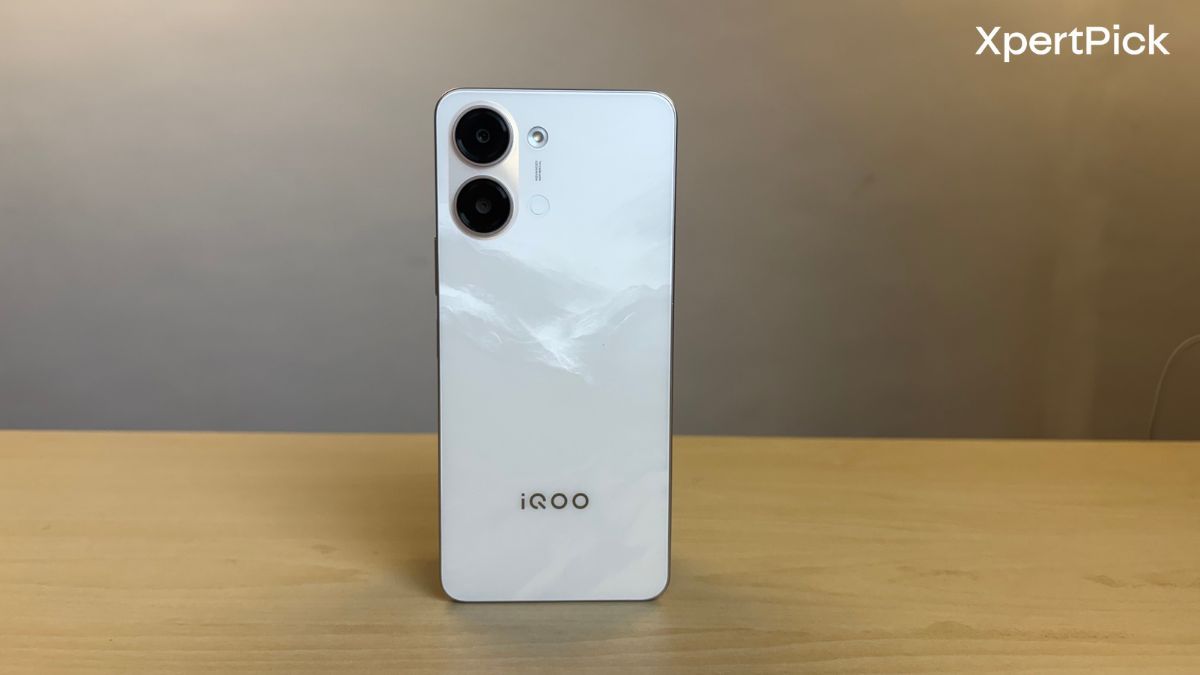
One result on the iQOO Z11 Lite is so far ahead of the field that it decides both awards on its own.
Why We Picked It
The iQOO Z11 Lite’s 29h 33min PCMark result is in a different class to the rest of this group. The next-longest result, from the Tecno Spark Go 3, is 17h 13min, leaving a gap of more than 12 hours, or roughly 72% less runtime. The Z11 Lite achieves this from a 6,500 mAh battery that is not the largest here, making its 4h 33min per 1,000 mAh efficiency figure particularly notable. None of the other phones clears 3h 30min, while the least efficient manages less than two hours. Its 44W charger is included in the box and is also considerably faster than the 15W to 30W charging speeds offered elsewhere in this group.
Battery life alone would make the Z11 Lite a strong option, but its other results are consistently solid. Its AnTuTu score of 579,955 is the second-highest here and within 7% of the leader. It maintained 99.5% stability through the 20-loop stress test, matching the best result in the group, while reaching only 31.2°C. Its measured display brightness of 820 nits is also the second-highest among the seven phones.
Geekbench AI provides another useful data point. The suite covers workloads such as computational photography, on-device editing and assistant features. The Z11 Lite scored 567 in GPU Half Precision and 381 in the NPU Quantised test. The latter is the highest NPU result in this comparison, ahead of 122 for the Moto g37 power and 202 for the Redmi 15C. The result needs some context, however: the Nord CE6 Lite from the next price bracket reaches 5,535 in the same NPU test. AI performance at this price is therefore relative rather than class-leading.
The compromises are mainly in the display and cameras. The 6.74-inch HD+ panel has a relatively low pixel density and looks softer than higher-resolution screens. Its 50 MP Sony IMX852 rear camera is the only explicitly named higher-end sensor in this guide, but it is paired with a 5 MP front camera, the lowest-resolution selfie camera here by a considerable margin.
The test record also has some gaps. The CPU throttling test produced no usable result, while Genshin Impact and Asphalt 9 were not captured. The Minecraft run was also affected by chunk-rendering failures, as noted in the test data, so it cannot be compared directly with the other phones.
iQOO Z11 Lite Key Specifications
- Price: ₹19,902
- Processor: MediaTek Dimensity 6300 (6nm)
- Display: 6.74-inch HD+ (720 × 1600) LCD, 120Hz refresh rate, 1,200 nits claimed HBM brightness
- Dimensions & Weight: 167.4 × 77.1 × 8.39 mm, 209g
- RAM: 4GB / 6GB LPDDR4X
- Storage: 128GB / 256GB (expandable up to 1TB via microSD)
- Battery: 6,500 mAh
- Charging: 44W FlashCharge
- Rear Camera: 50MP primary (Sony IMX852, f/1.8) + 0.08MP secondary
- Front Camera: 5MP
- IP Rating: IP65 (MIL-STD-810H certified)
iQOO Z11 Lite XP Lab Test Data
- Battery Life (PCMark): 29h 33min
- Runtime per 1,000 mAh: 4h 33min
- AnTuTu Overall Score: 579,955
- Geekbench 6: 730 (Single-Core) | 1,917 (Multi-Core)
- Geekbench GPU Score: 1,412
- Geekbench AI Half Precision Score (GPU): 567
- Geekbench AI Quantised Score (NPU): 381
- PCMark Work 3.0 Score: 9,811
- PCMark Storage Score: 15,727
- 3DMark Wild Life Extreme: 366
- 3DMark Stress Test Stability: 99.5%
- CPU Throttling Test Stability: Not available
- Temperature After Stress Test: 31.2°C
- Peak Brightness (measured, auto): 820 nits
- BGMI (Lowest Graphics): 58.9 Average FPS | 47.8 5% Low FPS
- Minecraft (Highest Graphics): 56.6 Average FPS | 31.5 5% Low FPS
Pros
Battery life 72% longer than anything else in this guide, easily the best efficiency here, the fastest charging of the seven, joint-best stress stability, cool operation and the highest NPU score in the group.
Cons
Only a 5MP selfie camera, an HD+ panel, and three incomplete lab results.
Who Should Buy It
Anyone who charges irregularly, travels, or simply does not want to think about a power bank. Nothing else at this price comes close.
Who Shouldn’t Buy It
Buyers who take a lot of selfies, and anyone whose priority is gaming frame rates.
Expert Verdict: The endurance figure alone would justify a purchase, and the rest of the phone is solid enough that it takes the overall award too. The 5MP front camera is the one specification that will annoy people daily.
Moto g37 power — Best Gaming / Performance & Best Camera Under ₹20k
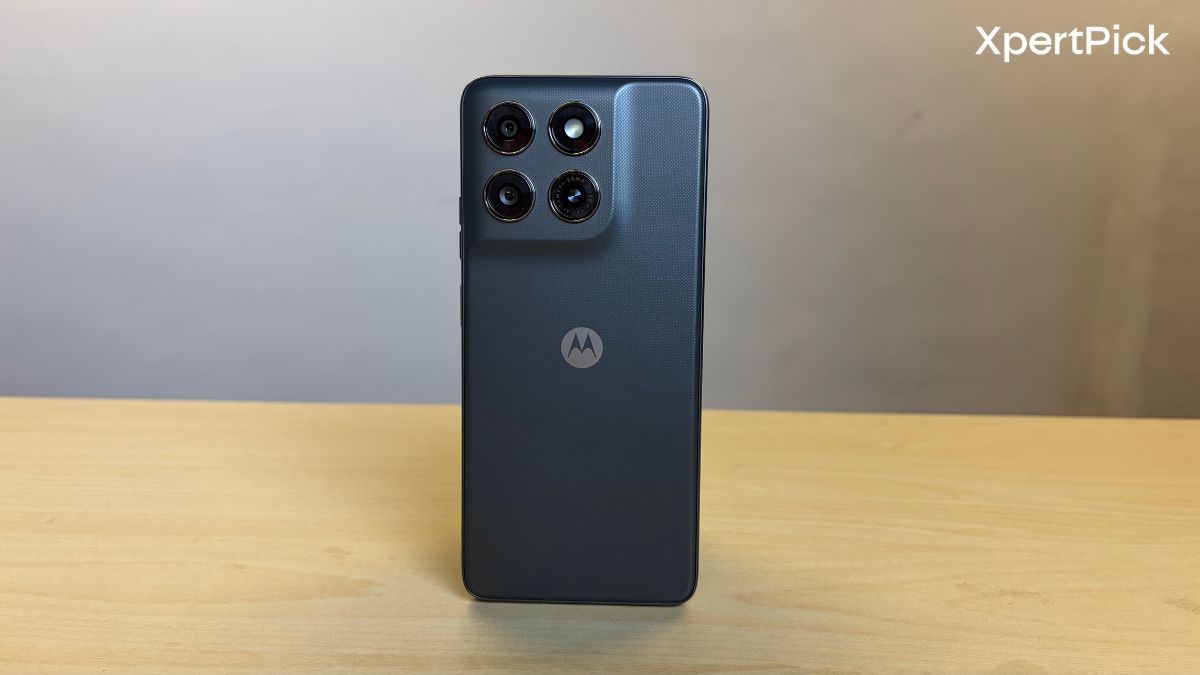
Motorola’s budget device leads the graphics results here and pairs the most capable camera setup in the guide with a screen that undersells it badly.
Why We Picked It
The Moto g37 power is the strongest gaming phone in this comparison when frame-rate consistency matters. Its Geekbench GPU score of 1,451 and 3DMark Wild Life Extreme result of 383 are both the highest recorded here, while it maintained 99.5% stability through 20 consecutive stress loops and reached 33.6°C. BGMI produced an average of 59.3 fps with a 5% low of 54.2 fps, giving it a frame floor 6.4 fps ahead of the next phone and the most consistent gaming result in the guide.
Its camera hardware is also more balanced than most of the field. The 50 MP Quad Pixel main sensor supports video recording up to 2K, as does the 8 MP front camera. It is the only phone here where both cameras reach 2K recording. That gives it an advantage over the devices using 8 MP or 13 MP main cameras, while the iQOO Z11 Lite’s 5 MP front camera is another weak point in this comparison. Motorola’s relatively restrained colour processing also works in its favour.
The hardware package is more substantial than most of the phones here, with Gorilla Glass 7i, MIL-STD-810H certification, IP64 protection, stereo speakers with Dolby Atmos and an IR blaster.
The display is a significant compromise. Motorola rates the panel at 1,050 nits, but I measured just 526 nits with auto brightness enabled. That is less than half the claimed figure and the second-lowest reading in this comparison, so outdoor visibility is likely to be limited. Its Geekbench 6 multi-core score of 1,354 is also unusually low relative to its 825 single-core result. This points towards conservative multi-threaded tuning rather than a problem with the chipset itself, and the same behaviour appears in third-party testing of the model.
Performance falls further in more demanding games. Genshin Impact averaged 27.9 fps, with a 5% low of 5.4 fps, while Asphalt 9 recorded a 3.8 fps average and a 4.5 fps 5% low. Its 16h 12min PCMark battery result from a 7,000 mAh cell also works out to just 2h 19min per 1,000 mAh, the lowest efficiency among the phones here that produced a valid battery result.
Moto g37 power Key Specifications
- Price: ₹19,999
- Processor: MediaTek Dimensity 6400
- Display: 6.67-inch HD+ (1604 × 720) LCD, 120Hz refresh rate, 1,050 nits claimed HBM brightness, Gorilla Glass 7i
- Dimensions & Weight: 166.23 × 76.50 × 8.89 mm, 215g
- RAM: 4GB / 8GB (up to 16GB virtual)
- Storage: 128GB (expandable up to 1TB via microSD)
- Battery: 7,000 mAh
- Charging: 30W TurboPower (6W reverse wired supported)
- Rear Camera: 50MP primary (Quad Pixel), up to 2K video
- Front Camera: 8MP, up to 2K video
- IP Rating: IP64 (MIL-STD-810H certified)
Moto g37 power XP Lab Test Data
- Battery Life (PCMark): 16h 12min
- Runtime per 1,000 mAh: 2h 19min
- AnTuTu Overall Score: 572,175
- Geekbench 6: 825 (Single-Core) | 1,354 (Multi-Core)
- Geekbench GPU Score: 1,451
- Geekbench AI Half Precision Score (GPU): 581
- Geekbench AI Quantised Score (NPU): 122
- PCMark Work 3.0 Score: 12,574
- PCMark Storage Score: 21,891
- 3DMark Wild Life Extreme: 383
- 3DMark Stress Test Stability: 99.5%
- CPU Throttling Test Stability: Not documented
- Temperature After Stress Test: 33.6°C
- Peak Brightness (measured, auto): 526 nits
- BGMI (Lowest Graphics): 59.3 Average FPS | 54.2 5% Low FPS
- Genshin Impact (High + 60fps): 27.9 Average FPS | 5.4 5% Low FPS
- Asphalt 9 (Highest Graphics): 52.1 Average FPS | 3.8 5% Low FPS
Pros
The highest GPU and 3DMark scores here, the best BGMI frame floor by a clear margin, the only 2K-capable camera pairing in this guide, Gorilla Glass 7i, stereo Dolby Atmos audio, and the second-best PCMark Work score.
Cons
A measured 526 nits against a 1,050-nit claim, the weakest battery efficiency of any valid result here, a low multi-core score, and heavy-game frame floors under 6fps.
Who Should Buy It
BGMI players, and buyers who want the most complete camera setup and the toughest build at this price.
Who Shouldn’t Buy It
Anyone who uses their phone outdoors in daylight, and anyone playing demanding 3D titles.
Expert Verdict: The best gaming and camera hardware under ₹20,000, wrapped around a display that measured barely half its claimed brightness. That one number is the reason this is not the overall pick.
Redmi 15C — Best Display (High-Refresh) Under ₹20k
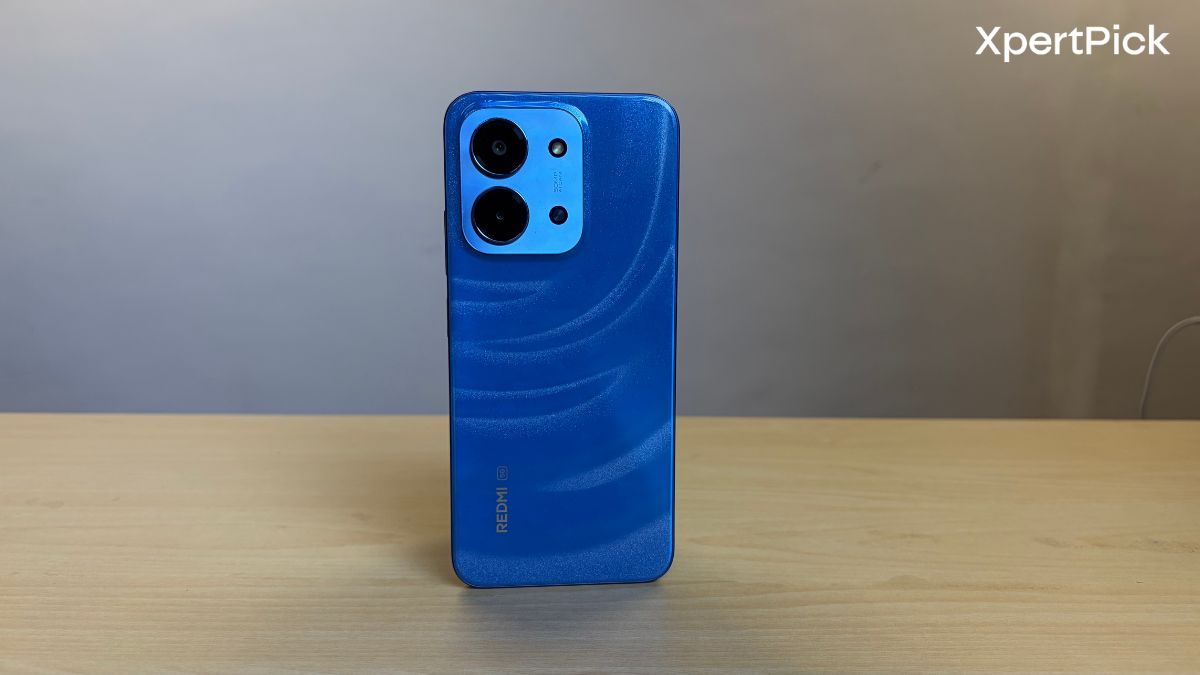
The 15C wins the display award on the two things you can actually see: it is the brightest panel here and the largest.
Why We Picked It
At 940 nits measured with auto brightness enabled, the Redmi 15C is 120 nits brighter than the iQOO Z11 Lite in second place and 414 nits brighter than the Moto g37 power. Its 6.9-inch panel is also the largest in this comparison and runs at 120 Hz, making it the most practical option here for video, reading and use in brighter surroundings. It also reached just 30.4°C after the stress loop, the lowest temperature recorded among the seven phones, while its 95% CPU throttling stability was the best in the group.
Performance elsewhere is more ordinary. Its AnTuTu score of 574,213 places it third here and close enough to the leaders that the difference should be limited in everyday use. Geekbench AI, which covers workloads such as computational photography and on-device intelligence, produced scores of 561 in GPU Half Precision and 202 in the NPU Quantised test. Both sit around the middle of a group where none of the phones is particularly strong in AI workloads.
Battery life is a more significant weakness. Its 14h 01min PCMark result is the second-shortest here, while the 6,000 mAh battery manages only 2h 20min per 1,000 mAh. The large display therefore comes with a measurable hit to endurance. The panel is also HD+ rather than higher resolution, giving the 6.9-inch screen roughly 254 pixels per inch, the lowest pixel density in this comparison. It is bright and large, but fine details look noticeably soft.
Gaming exposes another limitation. Genshin Impact averaged 31.3 fps, but the 5% low fell to just 1.4 fps, representing a complete stall rather than a normal frame-rate drop. Charging is also relatively slow, with the quoted 33W rate the lowest among the phones in this comparison that specify a charging speed.
Redmi 15C Key Specifications
- Price: ₹19,649
- Processor: MediaTek Dimensity 6300
- Display: 6.9-inch HD+ (720 × 1600) IPS LCD, 120Hz refresh rate, 810 nits claimed HBM brightness
- Dimensions & Weight: 171.56 × 79.49 × 7.99 mm, 211g
- RAM: 4GB / 6GB / 8GB LPDDR4X
- Storage: 128GB UFS 2.2 (expandable up to 1TB via microSD)
- Battery: 6,000 mAh
- Charging: 33W wired
- Rear Camera: 50MP AI dual camera
- Front Camera: 8MP
- IP Rating: IP64
Redmi 15C XP Lab Test Data
- Battery Life (PCMark): 14h 01min
- Runtime per 1,000 mAh: 2h 20min
- AnTuTu Overall Score: 574,213
- Geekbench 6: 732 (Single-Core) | 1,888 (Multi-Core)
- Geekbench GPU Score: 1,397
- Geekbench AI Half Precision Score (GPU): 561
- Geekbench AI Quantised Score (NPU): 202
- PCMark Work 3.0 Score: 9,470
- PCMark Storage Score: 15,967
- 3DMark Wild Life Extreme: 361
- 3DMark Stress Test Stability: 98.4%
- CPU Throttling Test Stability: 95%
- Temperature After Stress Test: 30.4°C
- Peak Brightness (measured, auto): 940 nits
- BGMI (Lowest Graphics): 58.6 Average FPS | 43.6 5% Low FPS
- Minecraft (Highest Graphics): 39.0 Average FPS | 17.9 5% Low FPS
- Genshin Impact (High + 60fps): 31.3 Average FPS | 1.4 5% Low FPS
- Asphalt 9 (Highest Graphics): 56.6 Average FPS | 19.7 5% Low FPS
Pros
The brightest measured panel and the largest screen in this guide, the coolest phone here at 30.4°C, the best CPU throttling stability at 95%, and expandable storage.
Cons
The second-shortest battery life here, weak efficiency, a 254ppi panel that is soft at 6.9 inches, slow 33W charging, and a 1.4fps Genshin frame floor.
Who Should Buy It
Buyers who watch a lot of video, read on their phone, or need outdoor legibility, and who charge every night without complaint.
Who Shouldn’t Buy It
Anyone who wants the screen to be sharp as well as bright, or who needs the phone to last past a long day.
Expert Verdict: The best screen at this price on the measurements that matter most outdoors, undercut by low pixel density and a battery result near the bottom of the guide.
Infinix Hot 60 — Best Value-For-Money Under ₹20k
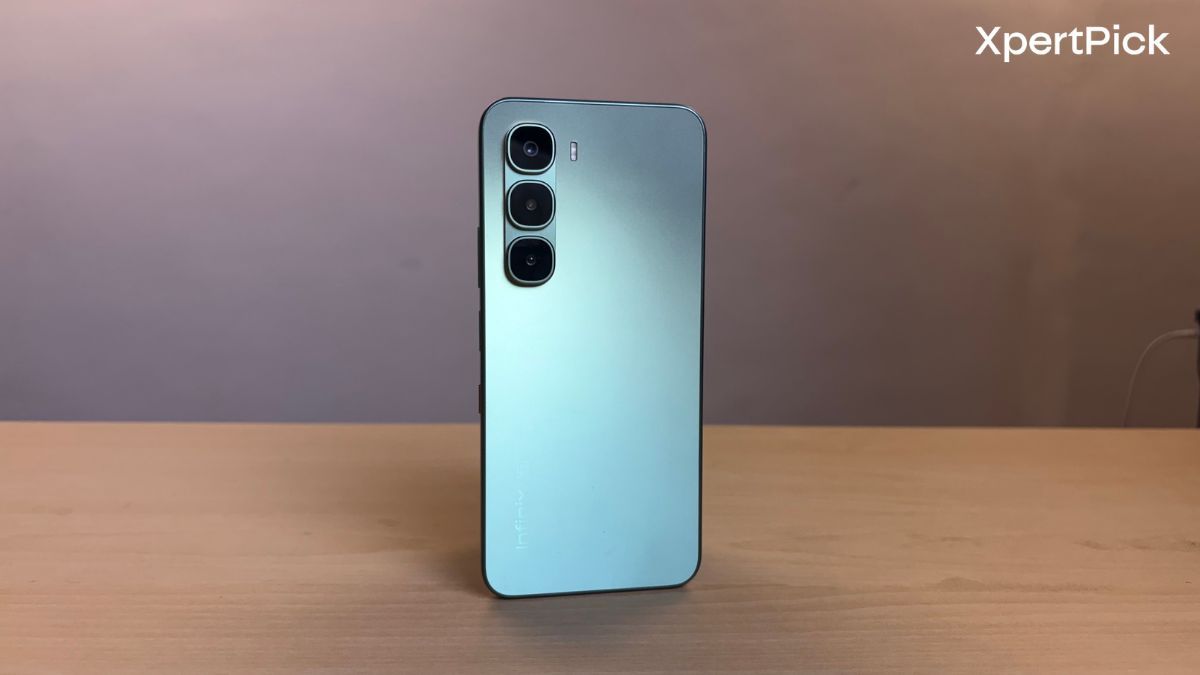
The cheapest phone in the upper half of this guide is also the fastest one on the CPU side, which is where the value case begins and ends.
Why We Picked It
The Dimensity 7020 gives the Infinix Hot 60 the strongest CPU performance in the comparison. Its AnTuTu score of 619,535 is the highest here, while Geekbench 6 scores of 928 in single-core and 2,341 in multi-core lead the group by 12% and 22% respectively over the next-best results. The chip is also paired with LPDDR5X memory, while every other phone here uses LPDDR4X. Its AnTuTu sequential read speed of 1,071.6 MB/s is another clear lead, making storage performance a particular strength.
At ₹17,999, that puts it ₹1,650 to ₹2,000 below the three phones it outperforms in CPU testing. For everyday workloads such as messaging, browsing, social media and light multitasking, it therefore offers a strong performance-to-price ratio. Geekbench AI is less impressive, with GPU and NPU scores of 245 and 211 respectively, so the Dimensity 7020’s advantage does not carry over to on-device AI workloads such as computational photography and assistant features.
The bigger issue is the amount of missing test data. 3DMark Wild Life Extreme would not run on this unit, leaving no sustained-load result or stress stability figure. Its Geekbench GPU score of 157 was also considered implausible for this chipset and has therefore been withheld, as noted in the test data. The PCMark battery test produced no result, no post-stress temperature was recorded and measured display brightness was not documented. That leaves five significant gaps in the lab record.
The available gaming results are not particularly strong either. BGMI averaged 39.5 fps, compared with 57 to 59 fps for the other phones tested here, while Genshin Impact reached a 5% low of just 7.7 fps. Its 5,200 mAh battery is also joint-smallest in this comparison. These results make it difficult to recommend the phone as an all-rounder, despite its clear CPU and storage advantages.
Infinix Hot 60 Key Specifications
- Price: ₹17,999
- Processor: MediaTek Dimensity 7020
- Display: 6.7-inch HD+ (720 × 1600) IPS LCD, 120Hz refresh rate, 700 nits claimed brightness
- Dimensions & Weight: 166 × 76.8 × 7.8 mm, 193g
- RAM: 6GB LPDDR5X
- Storage: 128GB UFS 2.2 (expandable up to 2TB via microSD)
- Battery: 5,200 mAh
- Charging: 18W wired (bypass and reverse wired charging supported)
- Rear Camera: 50MP wide + depth sensor
- Front Camera: 8MP, up to 2K video
- IP Rating: IP64
Infinix Hot 60 XP Lab Test Data
- Battery Life (PCMark): Not recorded
- Runtime per 1,000 mAh: Not available
- AnTuTu Overall Score: 619,535
- Geekbench 6: 928 (Single-Core) | 2,341 (Multi-Core)
- Geekbench GPU Score: Withheld — anomalous reading (see notes)
- Geekbench AI Half Precision Score (GPU): 245
- Geekbench AI Quantised Score (NPU): 211
- PCMark Work 3.0 Score: 10,790
- PCMark Storage Score: 17,659
- 3DMark Wild Life Extreme: Not supported on this device
- 3DMark Stress Test Stability: Not supported on this device
- CPU Throttling Test Stability: 85%
- BGMI (Lowest Graphics): 39.5 Average FPS | 37.1 5% Low FPS
- Minecraft (Highest Graphics): 35.4 Average FPS | 22.4 5% Low FPS
- Genshin Impact (High + 60fps): 35.4 Average FPS | 7.7 5% Low FPS
- Asphalt 9 (Highest Graphics): 55.1 Average FPS | 11.0 5% Low FPS
Pros
The highest AnTuTu and Geekbench CPU scores in this guide, the only LPDDR5X memory here, the fastest sequential storage reading, the lightest body at 193g, and the lowest price of the four picks.
Cons
The most incomplete lab record in this guide, a BGMI average nearly 20fps behind the field, joint-smallest battery, and slow 18W charging.
Who Should Buy It
Buyers who want the fastest chip they can get for under ₹18,000 and whose usage is everyday apps rather than games.
Who Shouldn’t Buy It
Gamers, and anyone who wants a verified battery figure before committing.
Expert Verdict: The most CPU performance per rupee under ₹20,000, sold with the caveat that five of its lab tests produced nothing usable. Buy it for speed on everyday tasks; do not buy it expecting frame rates or measured endurance.
Tecno Spark Go 3
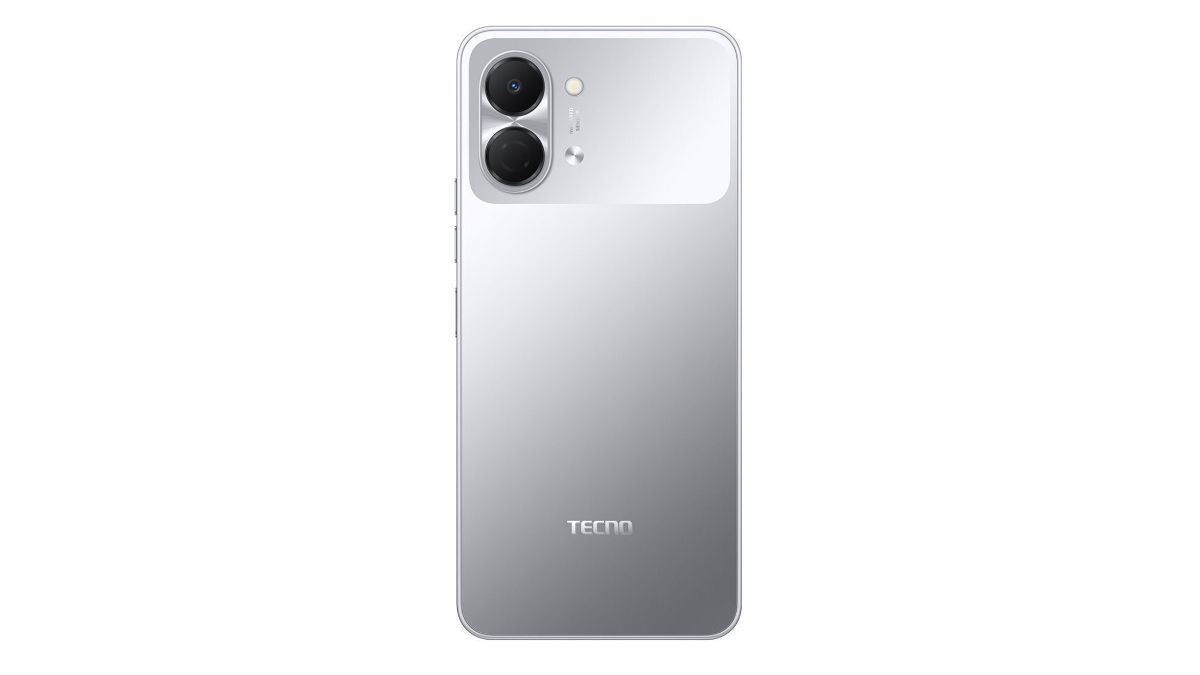
The cheapest phone here posted the second-longest battery result in the guide, and almost nothing else worth reporting.
Why We Didn’t Pick It
The Tecno Spark Go 3’s strongest result is its battery efficiency. It managed 17h 13min in PCMark from a 5,000 mAh battery, the smallest cell in this comparison, which works out to 3h 27min per 1,000 mAh. Only the iQOO Z11 Lite is more efficient, while every other phone here falls behind. At ₹12,499, it is also the cheapest phone in the group and the lightest at 182.6 g.
Performance is where the compromises become clear. Its AnTuTu score of 374,210 and Geekbench 6 results of 437 single-core and 1,434 multi-core place it near the bottom of the comparison. Its 3DMark Wild Life Extreme score of 157 is the lowest recorded here and less than half the Moto g37 power’s result. Geekbench AI follows the same pattern, with a GPU Half Precision score of 281 and an NPU Quantised result of 202, putting its capability for on-device photo processing and assistant workloads firmly in the entry-level tier.
The display is another weakness. Its measured brightness of 421 nits is the second-lowest in the group, making outdoor visibility difficult in direct sunlight. It also reached 38°C during testing, the highest temperature recorded here, while its 96.9% stress stability was the lowest.
Gaming performance is similarly limited. BGMI averaged 29.4 fps, roughly half the frame rate achieved by most of the other phones in this comparison, while Minecraft fell to a 10.8 fps 5% low. Neither Genshin Impact nor Asphalt 9 produced a valid result. The hardware is also basic elsewhere, with a single 13 MP rear camera, eMMC 5.1 storage instead of UFS and 4G connectivity only.
For ₹12,499, the Spark Go 3’s battery efficiency, low weight and price are genuine strengths. The benchmark and gaming results make clear, however, that those advantages come with substantial limitations elsewhere.
Tecno Spark Go 3 Key Specifications
- Price: ₹12,499
- Processor: Unisoc T7250
- Display: 6.7-inch HD+ (720 × 1600) LCD, 120Hz refresh rate, 580 nits claimed brightness
- Dimensions & Weight: 167.79 × 77.97 × 8.19 mm, 182.6g
- RAM: 4GB LPDDR4X
- Storage: 64GB eMMC 5.1 (expandable via microSD)
- Battery: 5,000 mAh
- Charging: 15W wired
- Rear Camera: 13MP primary
- Front Camera: 8MP
- IP Rating: IP64
- Connectivity: 4G only
Tecno Spark Go 3 XP Lab Test Data
- Battery Life (PCMark): 17h 13min
- Runtime per 1,000 mAh: 3h 27min
- AnTuTu Overall Score: 374,210
- Geekbench 6: 437 (Single-Core) | 1,434 (Multi-Core)
- Geekbench GPU Score: 709
- Geekbench AI Half Precision Score (GPU): 281
- Geekbench AI Quantised Score (NPU): 202
- PCMark Work 3.0 Score: 8,370
- PCMark Storage Score: 8,619
- 3DMark Wild Life Extreme: 157
- 3DMark Stress Test Stability: 96.9%
- CPU Throttling Test Stability: 87%
- Temperature After Stress Test: 38.0°C
- Peak Brightness (measured, auto): 421 nits
- BGMI (Lowest Graphics): 29.4 Average FPS | 27.6 5% Low FPS
- Minecraft (Highest Graphics): 23.5 Average FPS | 10.8 5% Low FPS
Pros
The second-best efficiency in this guide, the lowest price here, and the lightest body of the seven.
Cons
The lowest 3DMark score in the guide, the hottest peak temperature, the weakest stress stability, a 421-nit panel, eMMC storage, a 13MP camera, and no 5G.
Who Should Buy It
First-time buyers and secondary-device shoppers who need long runtime and nothing else, at the lowest possible price.
Who Shouldn’t Buy It
Anyone who plays games, uses the phone outdoors, or expects to keep it as their primary device for several years.
Expert Verdict: A genuinely efficient entry-level phone at ₹12,499 and nothing more. The absence of 5G alone should give most buyers pause at this point in the cycle.
HMD Vibe 2
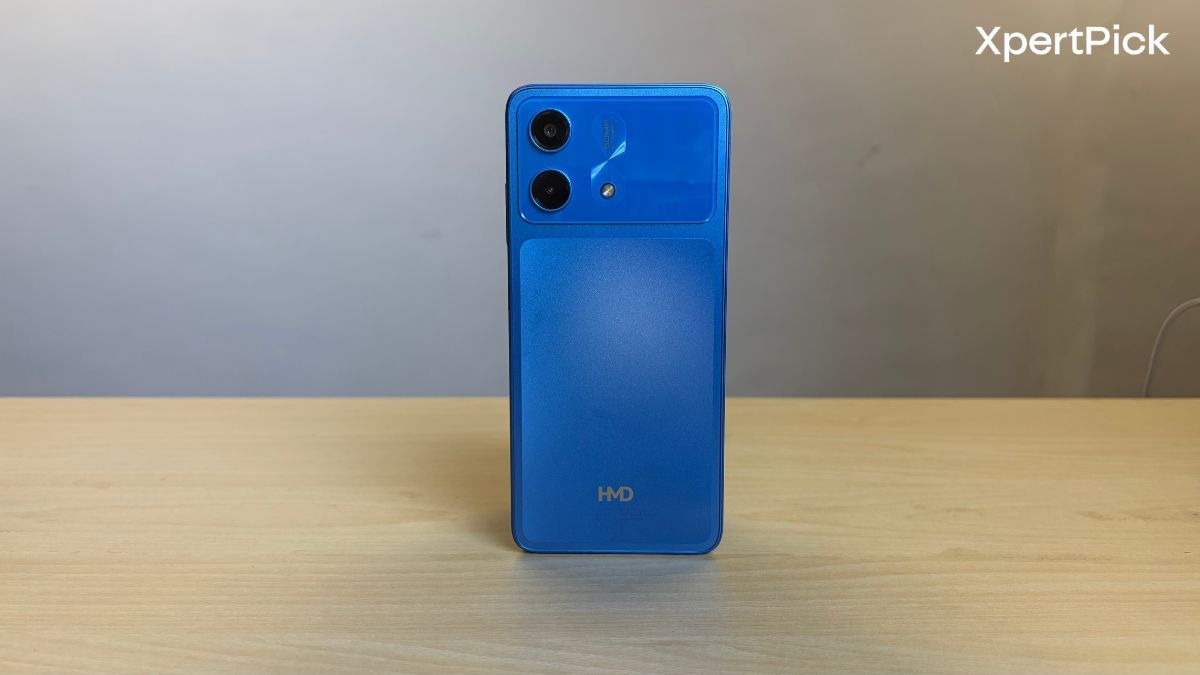
Decent brightness and a large battery, undone by the shortest runtime in this entire guide.
Why We Didn’t Pick It
The HMD Vibe 2’s biggest weakness is battery efficiency. Its 11h 56min PCMark result is the shortest in this comparison, despite using a 6,000 mAh battery that is joint-third-largest here. That works out to just 1h 59min per 1,000 mAh, making it the only phone in the guide below two hours and less than half as efficient as the iQOO Z11 Lite. With such a large battery producing the weakest runtime, the result points towards the efficiency of the Unisoc T8200 as a limiting factor.
Performance is generally in the entry-level range. Its AnTuTu score of 514,639 and 3DMark Wild Life Extreme result of 314 both sit in the lower half of the comparison, while its Geekbench 6 multi-core score of 1,744 is 34% behind the Infinix Hot 60. Geekbench AI is a partial exception. The HMD Vibe 2 scored 485 in GPU Half Precision and 364 in the NPU Quantised test, with the latter second-highest in this comparison. That is the one AI measurement where it outperforms most of the field.
There are some more convincing results elsewhere. Its measured brightness of 780 nits is the third-highest here, while the phone reached 32.3°C after the stress test and maintained 98.7% stability. BGMI averaged 57.1 fps with a 44 fps 5% low, putting it in line with some more expensive phones. Its PCMark Work 3.0 score of 13,241 is also the highest in the comparison, suggesting that everyday application workloads are handled better than its synthetic performance results might indicate.
Gaming performance is less consistent. Asphalt 9 produced a 5% low of just 2.1 fps, while Genshin Impact could not be tested because the review unit did not have enough storage available. The Minecraft session was limited to a 12-chunk render distance, so its result cannot be compared directly with the other phones in this guide. Charging is also relatively slow at 18W.
HMD Vibe 2 Key Specifications
- Price: ₹16,999
- Processor: Unisoc T8200 (6nm)
- Display: 6.745-inch HD+ (720 × 1600) IPS LCD, 120Hz refresh rate
- Dimensions & Weight: 168 × 77.7 × 8.6 mm, 210g
- RAM: 4GB / 6GB LPDDR4X
- Storage: 64GB / 128GB (expandable up to 1TB via microSD)
- Battery: 6,000 mAh
- Charging: 18W wired
- Rear Camera: 50MP primary + secondary sensor
- Front Camera: 8MP
- IP Rating: IP64
HMD Vibe 2 XP Lab Test Data
- Battery Life (PCMark): 11h 56min
- Runtime per 1,000 mAh: 1h 59min
- AnTuTu Overall Score: 514,639
- Geekbench 6: 699 (Single-Core) | 1,744 (Multi-Core)
- Geekbench GPU Score: 1,360
- Geekbench AI Half Precision Score (GPU): 485
- Geekbench AI Quantised Score (NPU): 364
- PCMark Work 3.0 Score: 13,241
- PCMark Storage Score: 12,169
- 3DMark Wild Life Extreme: 314
- 3DMark Stress Test Stability: 98.7%
- CPU Throttling Test Stability: 95%
- Temperature After Stress Test: 32.3°C
- Peak Brightness (measured, auto): 780 nits
- BGMI (Lowest Graphics): 57.1 Average FPS | 44.0 5% Low FPS
- Asphalt 9 (Highest Graphics): 42.9 Average FPS | 2.1 5% Low FPS
Pros
The highest PCMark Work score in this guide, a solid 780-nit panel, cool thermals, 95% CPU throttling stability, and a competitive BGMI result.
Cons
The shortest battery life and worst efficiency of the seven, a 2.1fps Asphalt frame floor, slow 18W charging, and two tests that could not be completed.
Who Should Buy It
Buyers who want a large, reasonably bright screen and responsive everyday performance, and who are near a charger through the day.
Who Shouldn’t Buy It
Anyone comparing runtime figures — this phone is last in the guide on the measurement most people in this bracket care about most.
Expert Verdict: Better at day-to-day responsiveness than its benchmark scores suggest, but a 6,000 mAh battery producing under 12 hours is a hard result to argue past at ₹16,999.
Infinix Smart 20
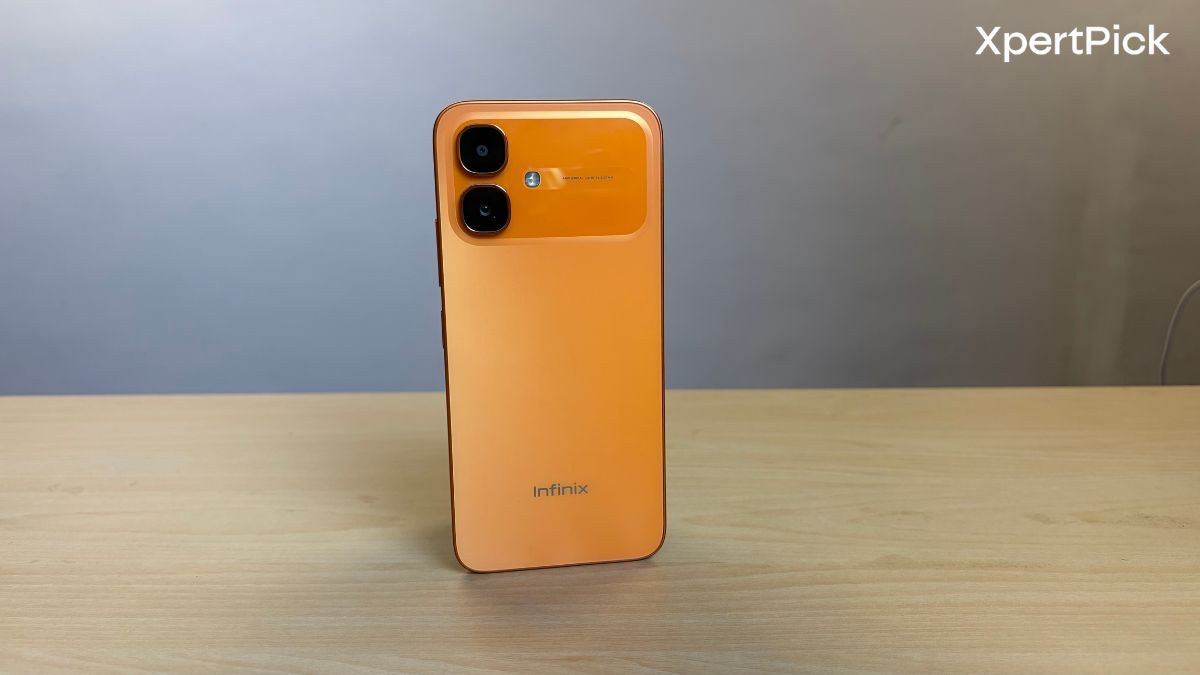
The Smart 20 sits at the bottom of most tables here and carries the weakest camera hardware in the guide.
Why We Didn’t Pick It
The Infinix Smart 20 struggles across most of the performance tests. Its AnTuTu score of 349,690 is the lowest in this comparison, as are its Geekbench 6 results of 443 single-core and 1,339 multi-core. Its 3DMark Wild Life Extreme score of 169 is also the second-lowest here. Geekbench AI follows the same pattern, with a GPU Half Precision score of 289 and an NPU Quantised result of 142, the second-lowest NPU score in the group.
The display and camera hardware are further limitations. Its 8 MP main camera is well behind the 50 MP sensors used by most phones in this price range and is the weakest imaging hardware in this comparison. The display is similarly compromised, reaching just 390 nits with auto brightness enabled, the lowest measured brightness among the seven phones. That makes visibility difficult in bright indoor environments and outdoors. The phone is also limited to 4G connectivity.
There are a couple of measurable positives. It reached 30.7°C after the stress test, the second-lowest temperature here, while maintaining 98.8% stability. Its 12h 42min PCMark battery result from a 5,200 mAh cell is weak compared with the better-performing phones, but it is not the shortest result in the group.
The storage results are harder to interpret. Its PCMark storage score of 35,780 is the highest in the entire comparison, yet its AnTuTu storage results are the lowest, including a random read speed of just 75.5 MB/s, also the slowest recorded here. The two sets of measurements point in opposite directions, and the discrepancy is therefore noted in the test data rather than used to draw a firm conclusion about its storage performance.
Infinix Smart 20 Key Specifications
- Price: ₹13,499
- Processor: MediaTek Helio G81 Ultimate
- Display: 6.78-inch HD+ IPS LCD, 120Hz refresh rate
- RAM: 4GB LPDDR4X (up to 4GB additional via MemFusion)
- Storage: 64GB / 128GB (expandable up to 2TB via microSD)
- Battery: 5,200 mAh
- Charging: 15W wired (5W reverse wired supported)
- Rear Camera: 8MP primary + auxiliary sensor
- Front Camera: 8MP
- IP Rating: IP64
- Connectivity: 4G only
Infinix Smart 20 XP Lab Test Data
- Battery Life (PCMark): 12h 42min
- Runtime per 1,000 mAh: 2h 27min
- AnTuTu Overall Score: 349,690
- Geekbench 6: 443 (Single-Core) | 1,339 (Multi-Core)
- Geekbench GPU Score: 1,015
- Geekbench AI Half Precision Score (GPU): 289
- Geekbench AI Quantised Score (NPU): 142
- PCMark Work 3.0 Score: 8,357
- PCMark Storage Score: 35,780 (inconsistent with AnTuTu storage results — see notes)
- 3DMark Wild Life Extreme: 169
- 3DMark Stress Test Stability: 98.8%
- CPU Throttling Test Stability: 85%
- Temperature After Stress Test: 30.7°C
- Peak Brightness (measured, auto): 390 nits
- BGMI (Lowest Graphics): 39.0 Average FPS | 31.1 5% Low FPS
- Asphalt 9 (Highest Graphics): 46.0 Average FPS | 1.9 5% Low FPS
Pros
Cool operation at 30.7°C, 98.8% stress stability, storage expandable to 2TB, and NFC plus an IR blaster at an entry-level price.
Cons
The lowest AnTuTu and Geekbench scores in this guide, an 8MP main camera, the dimmest panel here at 390 nits, a 1.9fps Asphalt frame floor, and no 5G.
Who Should Buy It
Buyers who need a large 120Hz screen and basic functionality at the lowest possible outlay and will never photograph anything important.
Who Shouldn’t Buy It
Anyone who takes photos, uses the phone in bright light, or wants 5G — the Tecno Spark Go 3 is cheaper and lasts longer, and the Infinix Hot 60 is far faster for ₹4,500 more.
Expert Verdict: Last or near-last on most measurements in this guide, with an 8MP camera that is difficult to justify at ₹13,499 in the current market.
Frequently Asked Questions (FAQs)
Which is the best phone under ₹20,000 overall?
The iQOO Z11 Lite. It ran for 29 hours 33 minutes on PCMark — 72% longer than anything else tested — while also posting the second-highest AnTuTu score, the second-brightest panel and joint-best stress stability. Its 5MP front camera is the main thing to weigh against that.
Which phone under ₹20,000 is best for gaming?
The Moto g37 power. It leads this guide on Geekbench GPU (1,451) and 3DMark Wild Life Extreme (383), and its BGMI 5% low of 54.2fps is 6.4fps clear of second place. Demanding 3D titles are still beyond it — Genshin dropped to a 5.4fps floor.
Which phone under ₹20,000 has the best battery life?
The iQOO Z11 Lite, at 29h 33min. The nearest result is the Tecno Spark Go 3 at 17h 13min, and the shortest is the HMD Vibe 2 at 11h 56min. This is the widest performance gap anywhere in this comparison.
Does a bigger battery mean a longer-lasting phone at this price?
Not remotely. The HMD Vibe 2’s 6,000 mAh cell produced the shortest runtime here, and the Moto g37 power’s 7,000 mAh — the largest in the guide — returned 16h 12min, well behind the 6,500 mAh iQOO Z11 Lite. Chipset efficiency decides this, not capacity.
Can you get an AMOLED or Full HD display under ₹20,000?
Not among the seven phones tested here. Every one uses an HD+ LCD panel. The brightest is the Redmi 15C at 940 measured nits across 6.9 inches, but at roughly 254 pixels per inch it is soft — bright and sharp are not available together at this price.
Are all phones at this price 5G?
No. The Infinix Smart 20 and Tecno Spark Go 3 are 4G-only, which is worth checking before you buy at any price in 2026. The other five phones in this guide all support 5G.
Why Trust XpertPick
Nothing on this page comes from a specification sheet or a press release. Every figure was measured on a device in our hands.
Independent testing: All seven phones were benched in-house on retail units running shipping software. No manufacturer-supplied performance data was used anywhere in the analysis.
Standardised conditions: Identical benchmark, stress, gaming and battery suites, run at 28°C ambient on the top variant of each device, so that the comparison between them means something.
Layered methodology: Peak scores, twenty-loop sustained load, logged frame times across four titles and full battery rundowns — because two phones on the same chipset can behave completely differently once heat and time are involved.
Transparent about data: Every failed test, missing figure and implausible reading in this guide is listed above under its own heading. Gaps are reported as gaps and never filled with estimates.