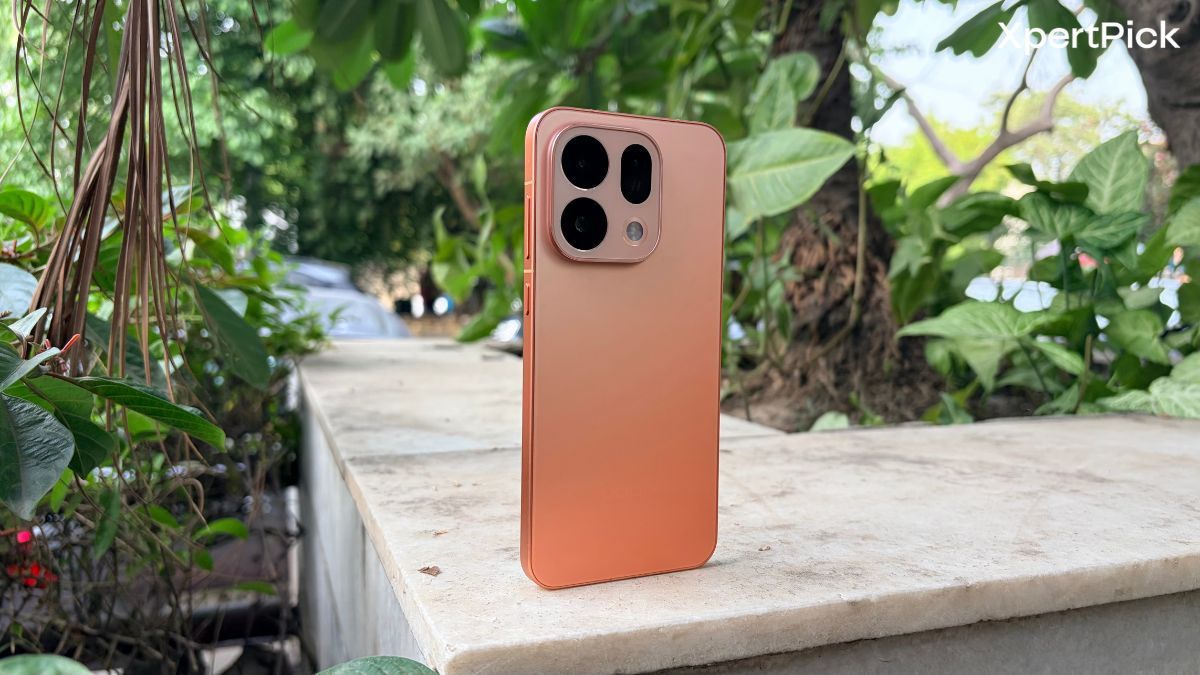
The OPPO Find X9s is OPPO’s latest attempt at a flagship that doesn’t ask you to empty your wallet. It’s smaller, more affordable, and built for people who want premium features without the premium sting.
At Rs 79,999 for the 12GB + 256GB variant, the Find X9s has to earn the “Find” name through smart choices rather than a bloated spec sheet. And on paper, those choices look strong. You get a 6.59-inch 120Hz AMOLED display, the 3nm MediaTek Dimensity 9500s chip, and a triple 50MP Hasselblad-tuned camera system, all backed by a large 7,025mAh battery with 80W fast charging. In other words, it’s a compact phone that refuses to feel like a compromise.
So does the Find X9s actually deliver flagship value at this price? I’ve been testing it for over a week. Here’s my full review.
OPPO Find X9s Specifications
- Processor (CPU): MediaTek Dimensity 9500s, octa-core
- Graphics (GPU): Arm Immortalis-G925 MC12 @ 1612 MHz
- RAM: 12 GB LPDDR5X
- Storage: 256 GB / 512 GB UFS 4.1 (no microSD support, USB OTG supported)
- Operating System: ColorOS 16 (based on Android 16)
- Display: 6.59-inch AMOLED, FHD+ (2760 × 1256), 460 PPI, up to 120 Hz refresh rate, 240 Hz touch sampling, 10-bit colour (1.07 billion colours), 100% DCI-P3, 800 nits typical / 1800 nits HBM brightness
- Build & Design: ~156.98 × 73.93 × 7.99 mm, ~202 g, Corning Gorilla Glass 7i, IP66 + IP68 + IP69 dust and water resistance
- Colours: Midnight Grey, Lavender Sky, Sunset Orange
- Cameras (Rear): 50 MP wide (f/1.8, 84° FOV, AF, 2-axis OIS) + 50 MP ultra-wide (f/2.0, 120° FOV, AF) + 50 MP telephoto (f/2.6, 33° FOV, AF, 2-axis OIS) with Hasselblad tuning
- Front: 32 MP (f/2.4, 90° FOV)
- Zoom: Up to 3× optical and 18× digital zoom
- Video: Rear up to 4K at 60/30 fps, 1080p SLO-MO at 240 fps, 720p SLO-MO at 480 fps, HDR video | Front up to 4K at 60/30 fps with HDR
- Battery: 7,025 mAh (typical) with 80 W SUPERVOOC wired fast charging
- Audio: Dual stereo speakers
- Connectivity: Wi-Fi 7, Bluetooth 6.1 (LDAC, aptX HD, LHDC 5.0), NFC, Infrared remote control
- Biometrics: In-display ultrasonic fingerprint sensor, facial recognition
- Ports: USB Type-C, supports OTG and Type-C digital headphones, no 3.5 mm jack
- SIM: Dual Nano-SIM with dual standby, eSIM supported
Design and Build Quality: Familiar Footprint, Bolder Colours, and Flagship-Grade Durability
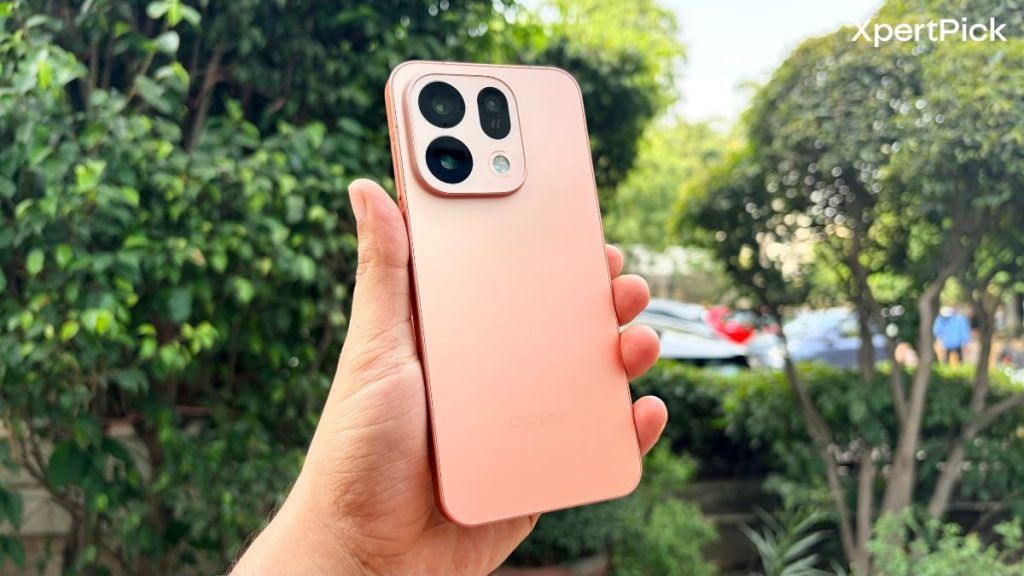
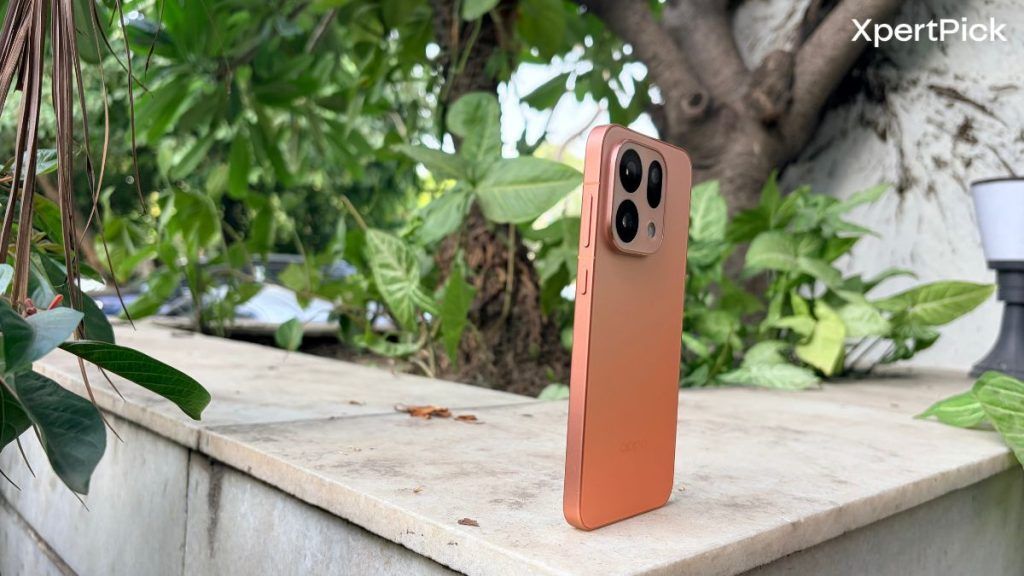
While both the OPPO Find X9 and OPPO Find X9s share a very similar structural footprint, occupying a relatively compact form factor with 6.59-inch flat displays and incredibly slim bezels, they differ subtly in their design aesthetics, colour treatments, and a few premium material choices.
In terms of colour choices the OPPO Find X9 tilts toward a sophisticated, understated, and mature look. It is available in finishes like Titanium Grey and Velvet Red alongside standard Space Black. Meanwhile, The X9s leans into a much more vibrant, energetic colour palette intended to stand out. It features eye-catching colours like Sunset Orange and Lavender Sky.
Visual changes aren’t limited to colours. The Hasselblad branding has shifted from the center of the camera module to the top edge above the lenses. Additionally, the OPPO Find X9s lacks the distinctive ring LED flash found on the standard Find X9. Aside from these minor visual tweaks, the Find X9s isn’t radically different from the standard Find X9, at least from a design standpoint.
For I/O, the Find X9s features dual speakers, one in the earpiece grille, one on the bottom, and a USB 2.0-based Type-C port for charging and data transfer. It also includes a dual SIM tray supporting two physical Nano-SIM cards with dual standby. eSIM functionality is supported as well. You can store multiple profiles, but only two networks can be active simultaneously, either two physical SIMs or one physical SIM and one eSIM.
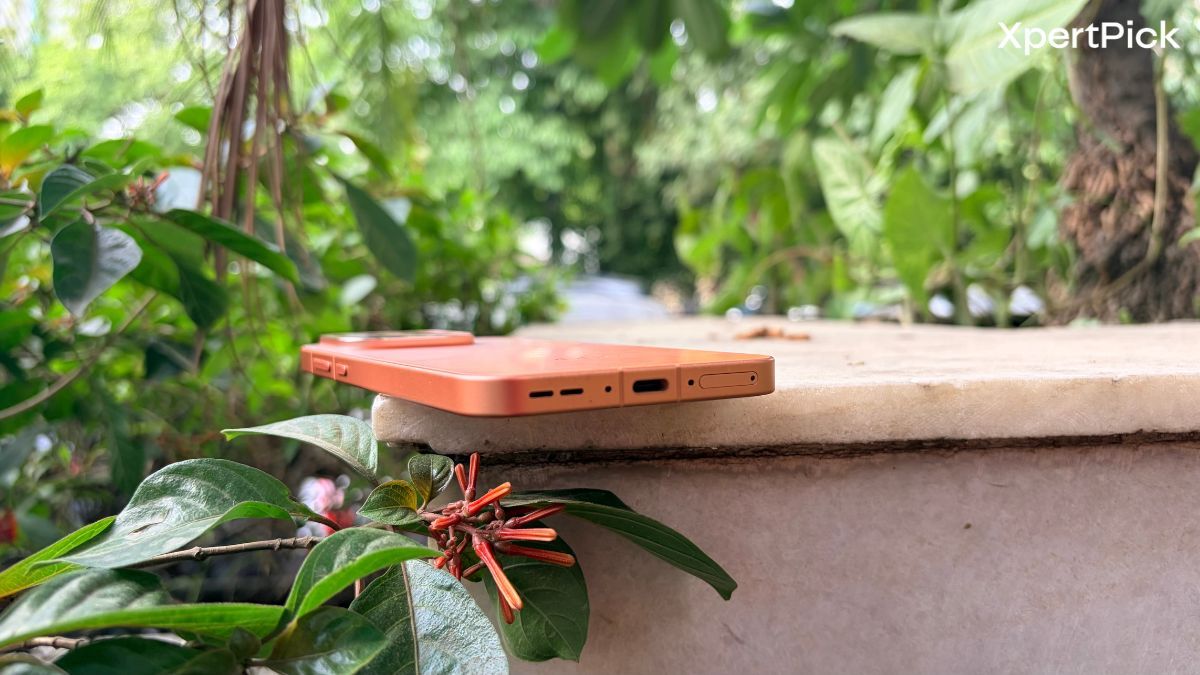
Now, when it comes to structural ruggedness, the OPPO Find X9s is just as good as the Find X9. It features a strong aluminium frame with a near-perfect fit and finish. Additionally, the Find X9s utilises Corning Gorilla Glass 7i to protect its flat display and rear panel. While incredibly tough against impacts, it is not as strong as the ultra-premium Gorilla Glass Victus 2 found on the ‘Pro’ and ‘Ultra’ models in the family, though performance is still excellent for scratch resistance.
The IP rating on the OPPO Find X9s is a comprehensive IP66, IP68, and IP69 triple certification, giving it some of the highest dust and water protection available on a modern smartphone. Additionally, the phone also has a 5-star SGS drop-resistance certification meaning meaning they are highly resilient against accidental concrete drops, OPPO claims.
We haven’t been able to test this specific drop-resistance feature, however, so we can’t verify how well it protects the device in real-world scenarios.
Software and Features: ColorOS 16, A Long Update Promise, and Plenty of AI
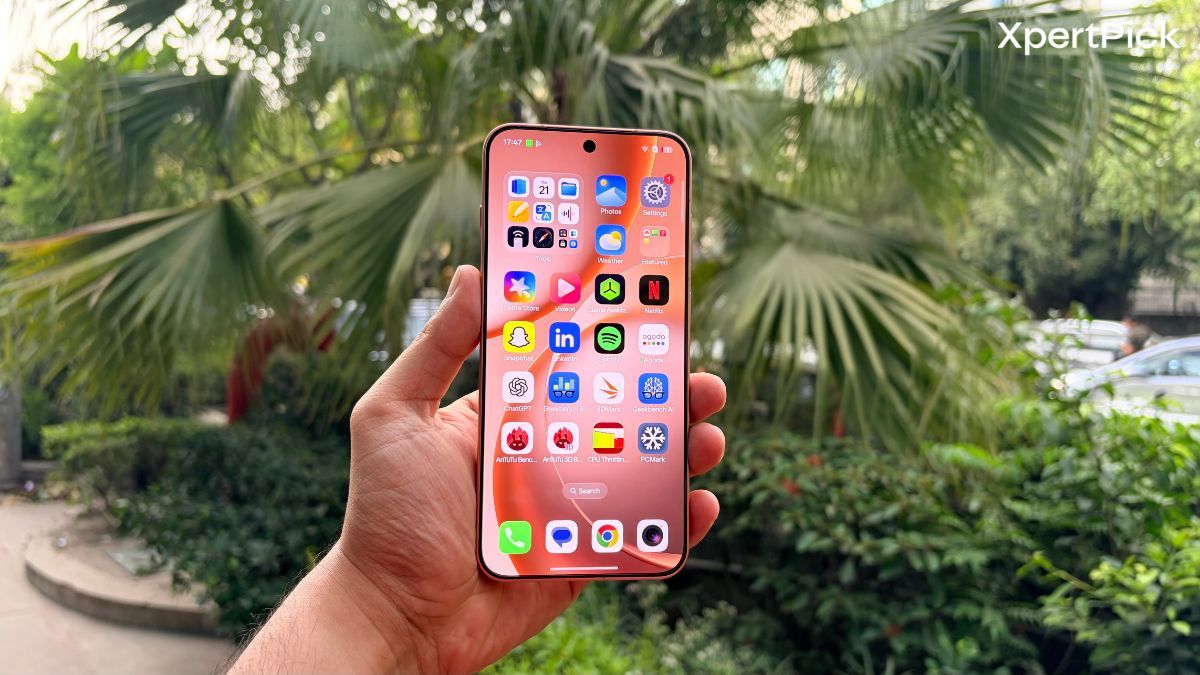
The Find X9s runs ColorOS 16, built on top of Android 16. OPPO promises five major OS version updates alongside six years of ongoing security patches, matching the industry’s top tiers and trailing only Samsung and Google’s seven-year commitment.
During my time with the X9s, animations did feel remarkably fluid and visually appealing, with no abrupt transitions. It shows a real level of polish, and you can even adjust the speed of app-opening animations to be slower and smoother or faster and snappier.
On the AI side, the phone features OPPO’s ‘AI Mind Pilot’ ecosystem, which integrates tools from both OPPO and Google Gemini. This includes ‘AI Mind Space’ for capturing notes and media, ‘AI Recording’ for live transcription, and ‘AI Writer’ for text generation.
However, advanced tools like the AI Studio app, which uses cloud-based generative AI to create photorealistic portraits of yourself, along with highly specialised enterprise features, remain exclusive to the Pro version.
Camera Performance: Same 50MP Trio, but the Find X9 Has the Stronger Hardware
Both the OPPO Find X9 and the Find X9s feature a 50MP main camera, but the hardware underneath is entirely different. The Find X9 utilises Sony’s LYT-808 sensor, boasting a wide f/1.6 aperture and a relatively large 1/1.4-inch sensor size.
The Find X9s, on the other hand, switches to a smaller 1/1.56-inch Sony LYT-700 sensor paired with a narrower f/1.8 aperture. This smaller footprint means the X9s pulls in less light, which translates to slightly worse low-light performance.
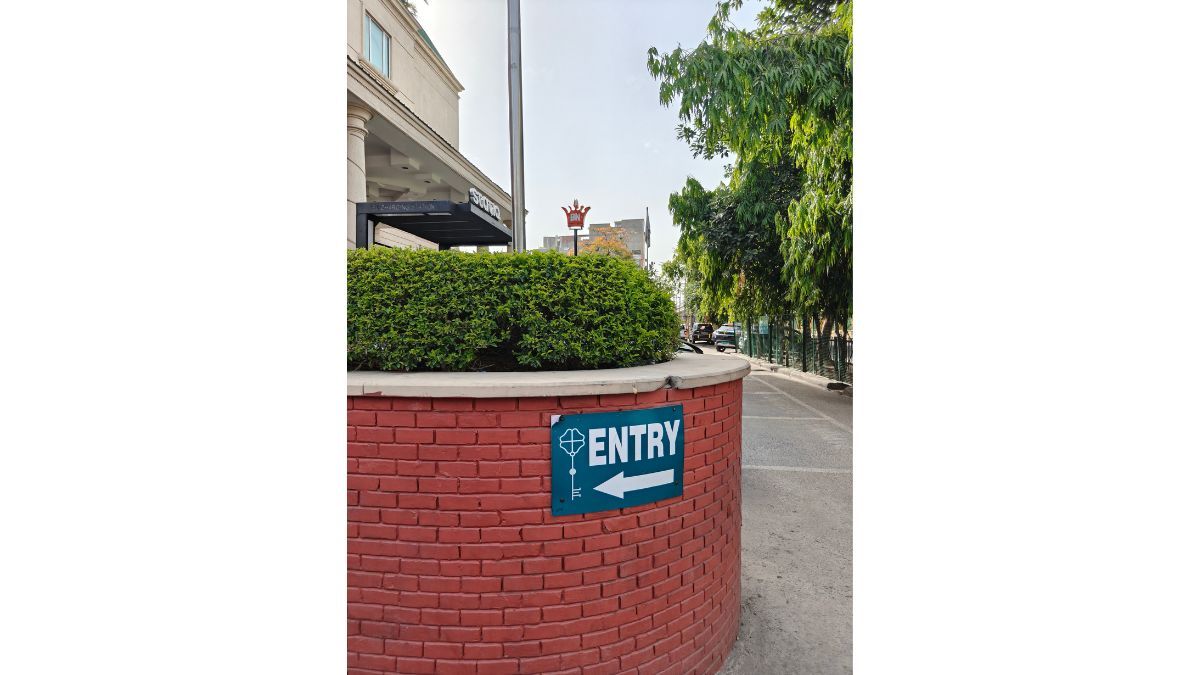
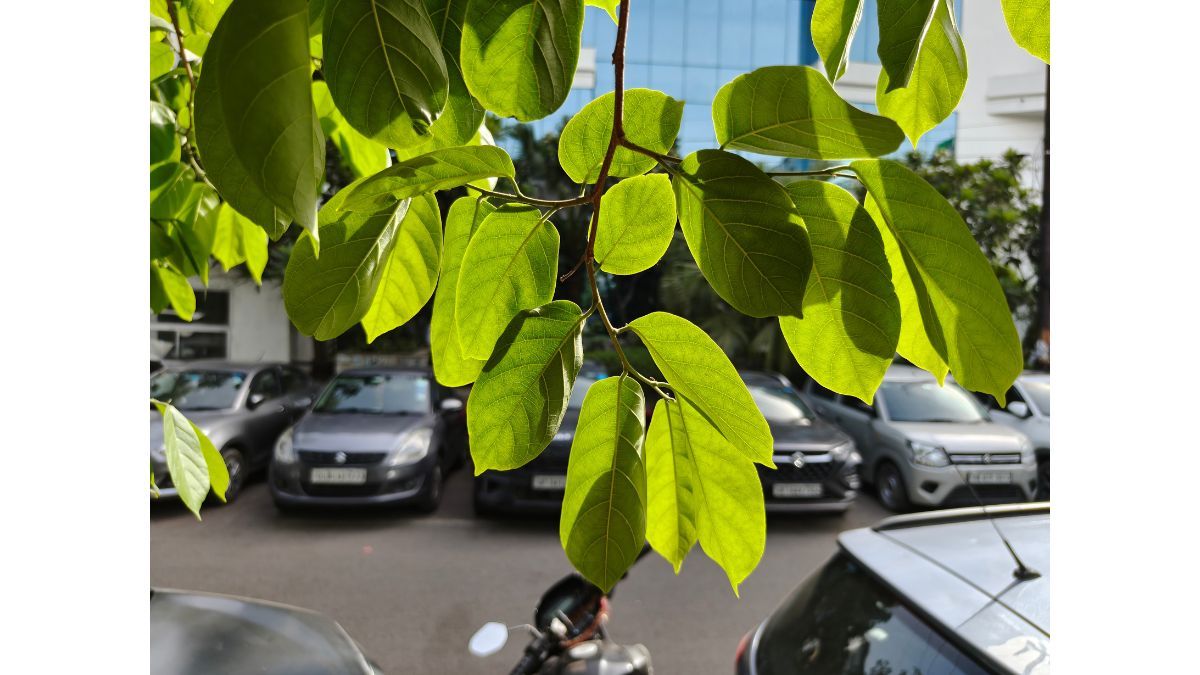
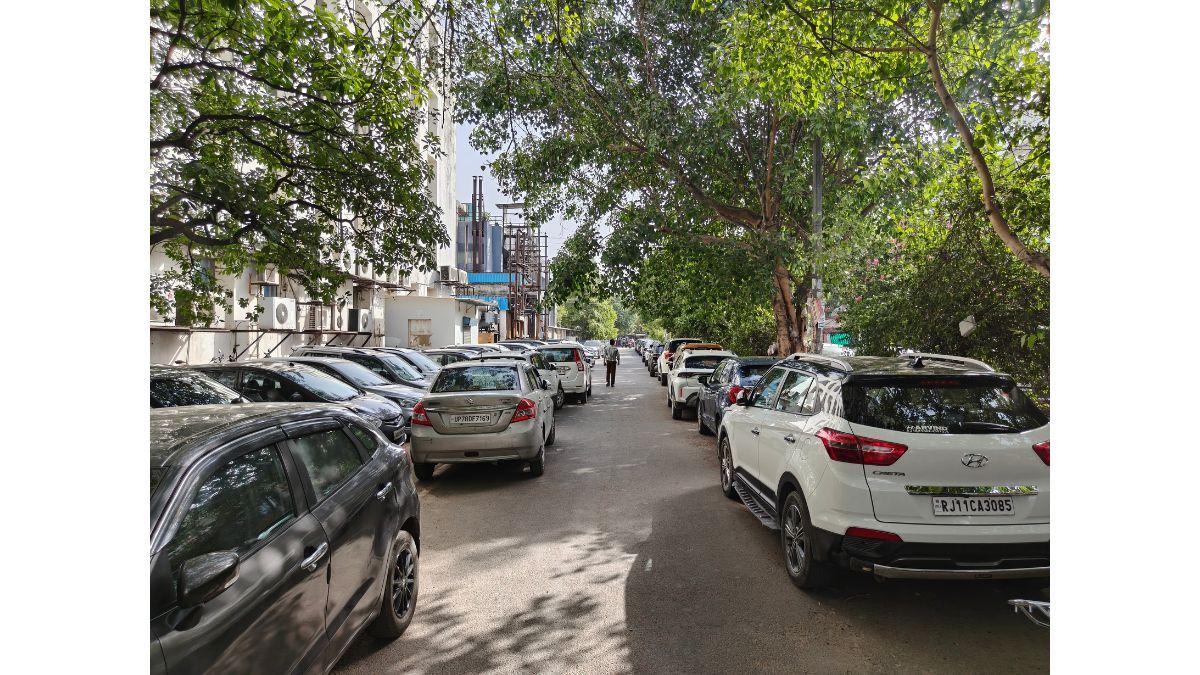
During my testing, the OPPO Find X9s captured beautiful daylight shots with its 50MP main lens. While it attempts to keep colours as natural as possible, it still adds a subtle warm tint to the overall image.
Furthermore, the dynamic range is highly impressive. It doesn’t blow out bright highlights, nor does it let shadows fade to black in challenging, high-contrast scenes with mixed lighting.







The onboard selfie camera also works really well. While it does apply some skin smoothing to my face, it’s not aggressive enough to make it look as smooth as a balloon. One area where it truly excels is edge detection, capturing loose strands of hair perfectly without adding any weird digital artifacts.



Portrait mode continues to be a strong suit across almost all OPPO smartphones, and that remains true here. It isolates the subject beautifully, even in challenging scenes with a lot of clutter in the foreground or background. Moreover, it creates a convincing, pronounced bokeh effect without clipping or blurring out details on the subject.



Lastly, the 3x optical telephoto lens is the real highlight here. It captures incredibly detailed shots from a distance without throwing in aggressive smoothing or artificial AI processing. Even complex subjects, like a small, dried-up plant with a chaotic mess of bare branches, come out looking sharp and clean.



The separation continues across the auxiliary lenses. While both phones carry a 50MP ultra-wide lens at f/2.0 and a 50MP telephoto camera at f/2.6 with OIS, it is the standard Find X9 that retains the premium periscope unit, offering up to 3x optical zoom and a 120x super zoom.
Moreover, the Find X9 includes a 2MP monochrome sensor and a specialised spectral colour sensor, both of which the X9s leaves out. While losing the spectral sensor (which aids in white balance) should theoretically hurt colour consistency, the Find X9s has still managed to capture remarkably consistent colours and accurate skin tones in my testing so far.
When it comes to video production, the Find X9 remains the superior tool. It supports 4K video recording at a fluid 120 FPS and features a professional 4K 120 FPS Log mode tailored for cinematic colour grading.
Fortunately, both phones benefit from OPPO’s Hasselblad partnership. This includes Hasselblad Portrait Mode for natural bokeh simulation, Hasselblad Master Mode with 16 customisable presets, and the classic Hasselblad XPAN interface for widescreen panoramas. They also share handy AI tools like AI Perfect Shot, which automatically opens closed eyes in group photos, and AI Clear Face for enhancing facial sharpness.
Ultimately, though, the OPPO Find X9s takes a small step back to the standard Find X9 as a pure camera phone. The older model remains the more serious, enthusiast-grade imaging package. The X9s successfully preserves the triple-50MP setup and the signature Hasselblad experience, but its smaller main sensor, narrower aperture, and omitted secondary sensors mean it will inevitably fall a bit behind the X9 in challenging lighting conditions.
Display and Speakers: A Brilliant 1.5K AMOLED Let Down by Average Audio
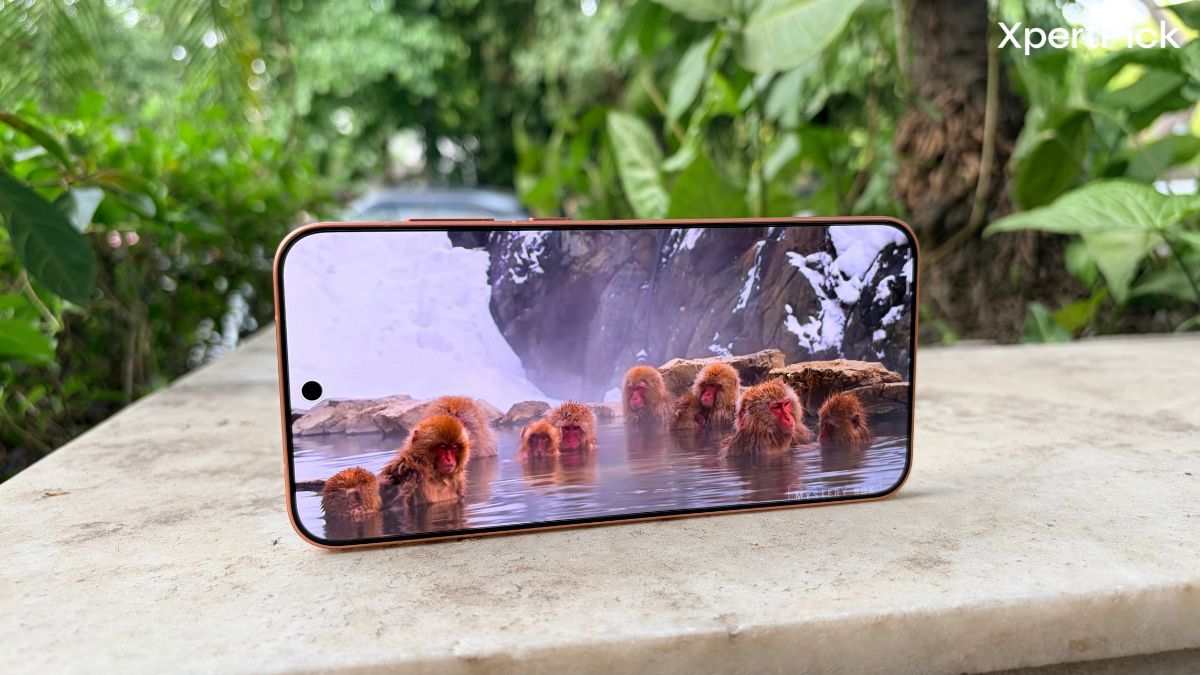
OPPO didn’t cut corners on the display. The Find X9s comes with a 6.59-inch 1.5K AMOLED panel that strikes a great balance between sharpness and battery efficiency, thanks to its 460 PPI pixel density. The completely flat screen is framed by symmetrical, razor-thin 1.15mm bezels, a design choice that flat-screen fans will love.
Outdoor visibility is just as impressive. The panel handles direct sunlight with ease, offering an 1800-nit high-brightness mode that jumps to a massive 3600 nits during HDR playback. For motion and responsiveness, it pairs a smooth 120Hz refresh rate with a snappy 240Hz touch sampling rate, keeping gaming ultra-responsive.
The screen also supports 10-bit colour depth, Dolby Vision, and HDR10+, making content on Netflix or YouTube look rich and true to life.
Compared to the Oppo Find X9, the display is identical. Both phones are using the same panel down to the very last pixel.
Meanwhile, the audio remains a tough sell for this smartphone. The speakers sound a bit hollow at times, especially at high volume, and the bass lacks punch too compared to my iPhone 17. That said, the overall loudness is pretty good, it can reach up to 89.7 dB while playing Katy Perry’s “Roar,” which is loud enough to stay audible even with a fan running at full speed in the background. However, the speakers do offer good clarity and a good sound stage.
Benchmarks, Thermals, and Gaming: Cooler Running but Clearly Slower Than the Find X9
| Smartphone | Geekbench 6 Single-Core Score | Geekbench 6 Multi-Core Score |
| OnePlus 15 | 3,662 | 10,450 |
| OPPO Find X9 | 3,267 | 9,328 |
| OPPO Find X9s | 2,247 | 7,594 |
When it comes to performance, the OPPO Find X9s becomes a bit tricky to figure out. It scored 2,247 and 7,594 in the single-core and multi-core tests respectively, notably slower than the OPPO Find X9, which scored 3,267 and 9,328 in the same Geekbench 6 CPU tests.
| Smartphone | Geekbench 6 GPU Score |
| OnePlus 15 | 23,923 |
| OPPO Find X9 | 23,082 |
| OPPO Find X9s | 19,046 |
| Smartphone | 3DMark WildLife Extreme Score | Stress Test Stability (%) |
| OnePlus 15 | 6,858 | 65.6% |
| OPPO Find X9 | 6,853 | 54.9% |
| OPPO Find X9s | 6,127 | 63.2% |
Again, in the GPU department, the OPPO Find X9s ranks last, scoring 19,046 in the Geekbench 6 GPU test, while the OPPO Find X9 scored 23,082. Moreover, the Find X9 scored 6,853 with 54.9% stability in the 3DMark Wild Life Extreme test, while the Find X9s scored 6,127 with 63.2% stability.
| Smartphone | CPU Throttling Stability (%) |
| OPPO Find X9 | 75% |
| OPPO Find X9s | 71% |
| OnePlus 15 | 61% |
One area where the OPPO Find X9s gains some ground is in terms of CPU throttling stability. It scores around 71%, which, although better than the Snapdragon 8 Elite Gen 5-powered OnePlus 15, falls short of the standard OPPO Find X9’s higher 75% stability rating.
So far, the OPPO Find X9s appears to have a weaker CPU and GPU, offset by slightly better thermals for its class. However, it ultimately puts out lower overall performance figures compared to other smartphones in this price range.
| Smartphone BGMI Test | Average FPS | 5% Low FPS |
| OnePlus 15 | 119.4 | 110.5 |
| OPPO Find X9 | 115.5 | 35.2 |
| OPPO Find X9s | 89.8 | 86.2 |
Lastly, we see a similar trend play out in gaming: the standard OPPO Find X9 holds a commanding lead over the Find X9s in our BGMI test. The Find X9 hits an average of 115.5 FPS, while the Find X9s delivers just 89.8 FPS.
However, thanks to its superior thermal management, the Find X9s manages to secure a much better 5% low frame rate compared to the Find X9.
| Smartphone | Average FPS | 5% Low FPS |
| OnePlus 15 | 67.4 | 53.7 |
| OPPO Find X9 | 59.9 | 53.7 |
| OPPO Find X9s | 57.2 | 46.1 |
Unfortunately, this lead doesn’t hold up when testing a more demanding title like Minecraft. Here, the standard OPPO Find X9 averages 59.9 FPS with a 5% low of 53.7 FPS, while the Find X9s trails slightly behind at 57.2 FPS with a 5% low of 46.1 FPS.
Ultimately, the Find X9s appears to be slower than its peers while offering a slight advantage in CPU and GPU thermal stability. However, the performance gap between it and its closest competitors is simply too substantial to ignore.
Battery Life: A Massive 7,025 mAh Cell Held Back by Weaker Optimisation
| Smartphone | Battery Capacity (Claimed) | PCMark Battery Life Test (Run Overnight) |
| OnePlus 15 | 7,300 mAh | 27 hours 13 minutes |
| Oppo Find X9 | 7,025 mAh | 24 hours 10 minutes |
| Oppo Find X9s | 7,025 mAh | 22 hours 56 minutes |
Despite sharing the exact same physical footprint and massive 7,025 mAh battery capacity as the standard Find X9, the X9s drops the ball slightly on optimisation. It trails its standard sibling by 1 hour and 14 minutes in active loop testing.
This indicates that while the X9s manages to keep the ultra-dense flagship battery size, the standard Find X9 features superior display power gating or cleaner system-level efficiency on its chipset.
When looking at the broader competitor landscape, the X9s is completely outpaced by the OnePlus 15. The OnePlus leverages a slightly larger 7,300 mAh cell to stream well past both phones, delivering a daunting 4 hours and 17 minutes of additional uptime compared to the X9s’s 22-hour, 56-minute result.
Verdict: A Capable Flagship That’s Hard to Recommend Over the Cheaper Find X9
Let’s be clear about one thing first, the OPPO Find X9s is a genuinely good phone. It delivers a true flagship experience, it’s well-built and well-rounded, and for most people, day-to-day life with it will be a real pleasure. Nothing here is a dealbreaker, and OPPO deserves credit for packing this much into a compact package.
The only thing worth pausing on is the price. At ₹79,999, the Find X9s sits a little higher than the standard Find X9, even though it trims a few features and isn’t quite as powerful overall. It’s a small wrinkle in an otherwise likeable phone, and honestly, it’s not really OPPO’s doing. The Find X9s lands in the same tricky spot as the Vivo X300 FE: a lovely device caught behind a price shaped by forces well beyond any single brand. Global geopolitics, supply-chain pressures, and a tougher market have nudged flagship prices upward across the board, and OPPO is simply navigating the same headwinds as everyone else.
Seen that way, the Find X9s isn’t a misstep at all, it’s OPPO doing its best to keep its flagship spirit alive in a genuinely difficult moment. So here’s my friendly suggestion rather than a hard rule: if you can still find the standard OPPO Find X9 online or in stores, it’s worth a look, since it stretches your money a bit further right now. But if the Find X9s is the one in front of you, rest easy, you’re getting a lovely phone, and you won’t be disappointed.
Pros
- Excellent 6.59-inch 1.5K AMOLED display with high brightness (1800 nits, peaking at 3600 nits), Dolby Vision, and HDR10+, identical to the Find X9
- Strong, versatile cameras with natural daylight colors, great portrait mode, and a genuinely impressive 3x optical telephoto lens
- Polished ColorOS 16 software with fluid animations, useful AI tools, and a long 5 OS update / 6-year security commitment
- Better thermal stability than the Find X9 and OnePlus 15, with steadier sustained performance under load
Cons
- More expensive than the standard Find X9 (₹79,999) despite being the weaker device overall
- Noticeably slower CPU and GPU than both the Find X9 and OnePlus 15 in benchmarks and gaming
- Downgraded camera hardware: smaller main sensor, narrower aperture, and no monochrome or spectral sensors
- It trails behind the Find X9 by over an hour despite the same 7,025 mAh cell