The sub-₹50,000 bracket has quietly become the most competitive segment in the market. It is where flagship silicon trickles down, where battery capacities have ballooned past 6,000mAh, and where the gap to a ₹1 lakh flagship is now measured in camera polish and build materials rather than raw speed. In my testing, a ₹47,000 phone posted a 3DMark score within touching distance of devices twice its price, and another lasted more than 28 hours on a single charge. Choosing well here means knowing which corners each phone cut, because every one of them cut something.
To find which phones genuinely earn a place on a ₹50,000 shortlist, I ran nine devices through identical benchmark, gaming, stress, thermal and battery tests. The awards below reflect where each phone’s real strengths lie, not its spec sheet.
Phones Considered
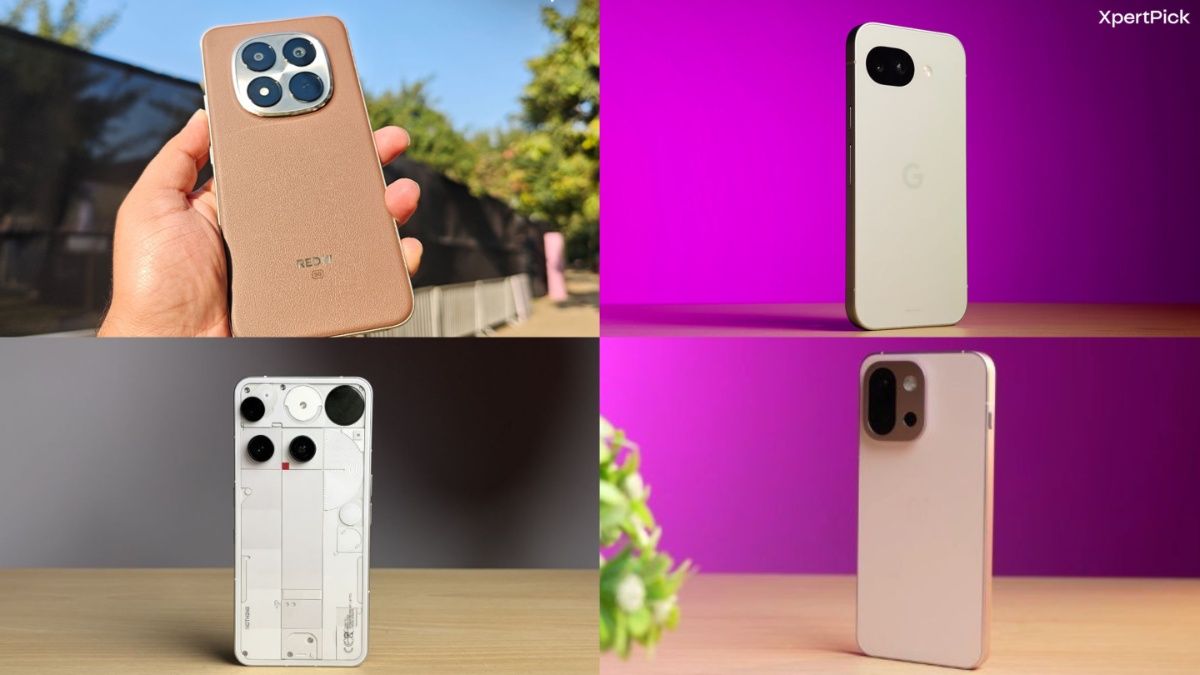
I tested nine phones at or near the ₹50,000 mark: the POCO X8 Pro Max, Google Pixel 10a, iQOO 15R, Vivo V70 FE, OnePlus Nord 6, Nothing Phone 3, Nothing Phone 4a, Redmi Note 15 Pro+, and the OnePlus 13s as a slightly-above-budget option worth considering.
Top Picks At A Glance
The recommendations below are based on in-house XP Lab testing and verified hardware specifications. Refer to the comparison table for a side-by-side view.
| Category | My Pick | Price | Why We Picked It |
|---|---|---|---|
| Best Overall Under ₹50k | POCO X8 Pro Max | ₹46,999 | The highest AnTuTu and 3DMark here, cool 37.8°C thermals, and a huge battery — the most complete package. |
| Best Camera Under ₹50k | Google Pixel 10a | ₹49,999 | Google’s computational photography and seven years of updates, still the reference point at this price. |
| Best Gaming / Performance | iQOO 15R | ₹49,999 | The best sustained-load stability of the fast phones here at 85.5%, with the strongest Genshin frame floor. |
| Best Battery & Charging | Vivo V70 FE | ₹46,999 | 28h 13min on PCMark — the longest result in this entire comparison. |
| Best Display (AMOLED / High-Refresh) | iQOO 15R | ₹49,999 | The brightest measured panel here at 2,760 nits with a 144Hz AMOLED. |
| Best Value-For-Money | OnePlus Nord 6 | ₹44,999 | Flagship-adjacent performance, a class-leading battery result, and 165fps gaming support at the lowest flagship-tier price here. |
| Best For Clean Software & Updates | Google Pixel 10a | ₹49,999 | Stock Android and seven years of OS and security updates — unmatched in this bracket. |
| Best Compact Flagship (slightly over budget) | OnePlus 13s | ₹54,999 | A genuine flagship in a 6.32-inch body; worth the stretch for those who can spend a little more. |
Under-₹50k Specs And Benchmark Comparison
A 🏆 marks the category leader. The OnePlus 13s is included for reference despite sitting just above budget.
| Test / Metric | POCO X8 Pro Max | Google Pixel 10a | iQOO 15R | Vivo V70 FE | OnePlus Nord 6 |
|---|---|---|---|---|---|
| AnTuTu Overall | 2,801,896 🏆 | 1,610,292 | 2,355,785 | 986,300 | 2,400,978 |
| Geekbench (Single) | 2,650 | 1,711 | 2,803 🏆 | 1,019 | 2,114 |
| Geekbench (Multi) | 8,458 | 4,400 | 8,943 🏆 | 3,050 | 6,765 |
| Geekbench GPU | 19,544 🏆 | 8,680 | 17,279 | 2,516 | 13,442 |
| 3DMark Wild Life Extreme | 6,168 🏆 | 2,678 | 3,369 | 869 | 4,562 |
| 3DMark Stress Stability | 60.0% | 75.3% | 85.5% 🏆 | 99.4% | 52.5% |
| Peak Temperature | 37.8°C | N/A | N/A | 34.8°C 🏆 | 47.3°C |
| PCMark Battery | 22h 40min | 16h 40min | 26h 40min | 28h 13min 🏆 | 26h 22min |
| Peak Brightness (measured, auto) | 1,480 nits | 2,540 nits | 2,760 nits 🏆 | N/A | 2,320 nits |
| Genshin Impact (Avg / 5% Low) | 60.1 / 58.7 🏆 | 53.7 / 35.6 | 59.1 / 43.2 | 49.9 / 26.2 | 59.6 / 47.2 |
How I Tested These Smartphones
Every phone was tested using the same methodology, so results reflect real behaviour rather than marketing claims.
Test Conditions: All devices are retail units running publicly available software, tested at a controlled 28°C ambient temperature, on the highest-specification variant where one exists.
Performance: AnTuTu v10 and Geekbench 6 for CPU and GPU, run three times with a fifteen-minute cooldown and the median reported.
Sustained Load: 3DMark Wild Life Extreme across twenty consecutive loops, with chassis temperature logged by external probe.
Gaming: BGMI, Minecraft, Genshin Impact and Asphalt 9 in extended sessions with frame-time logging. Average FPS describes the session; 5% Low describes its worst moments.
Battery: PCMark Work 3.0 at fixed brightness until shutdown.
The Phones In Detail
POCO X8 Pro Max — Best Overall Under ₹50k
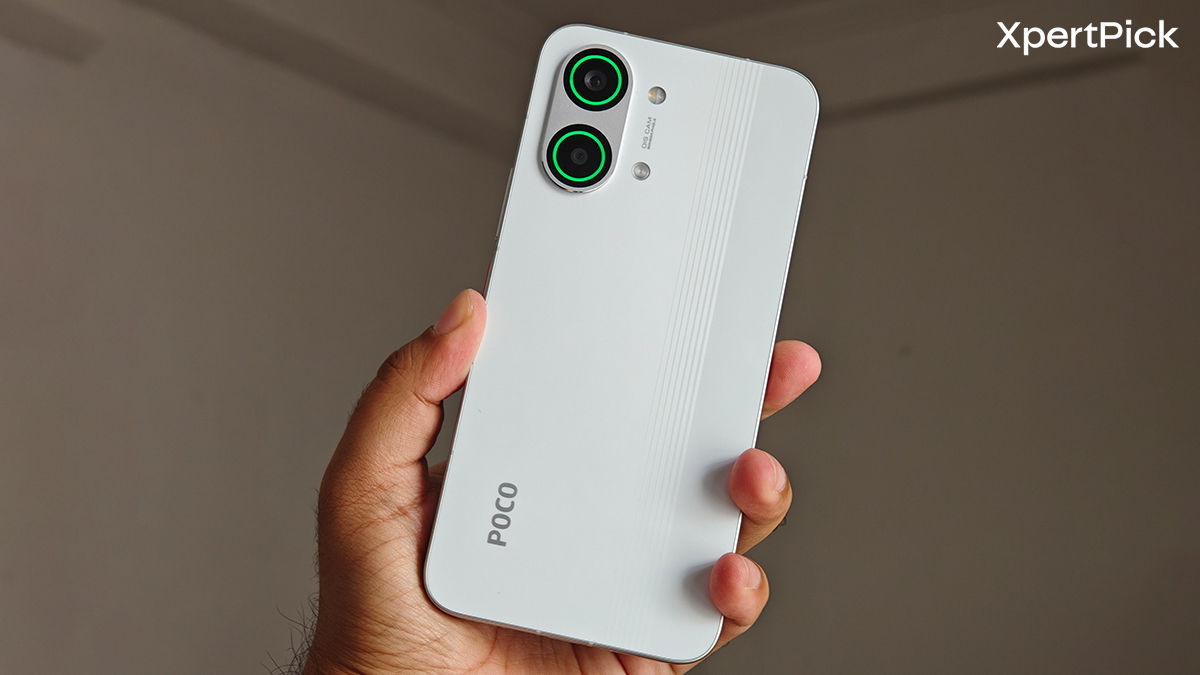
The X8 Pro Max is the most complete phone in this comparison, leading on raw performance while keeping its cool and lasting all day.
Why We Picked It
POCO X8 Pro Max Key Specifications
POCO X8 Pro Max XP Lab Test Data
Pros
The highest benchmark scores in this comparison, excellent Genshin frame-time consistency, cool thermals, and strong battery life.
Cons
The dimmest measured display here at 1,480 nits, and a bulky design from its large battery.
Who Should Buy It
Buyers who want the fastest, most well-rounded phone under ₹50,000 and prioritise sustained performance and battery over display brightness.
Who Shouldn’t Buy It
Anyone who spends a lot of time outdoors, where the modest brightness will struggle, or who wants a lighter phone.
Expert Verdict: The most complete phone in this comparison. Its dim display is the only real compromise, and for most buyers the performance, thermals and endurance more than make up for it.
Google Pixel 10a — Best Camera & Best For Clean Software
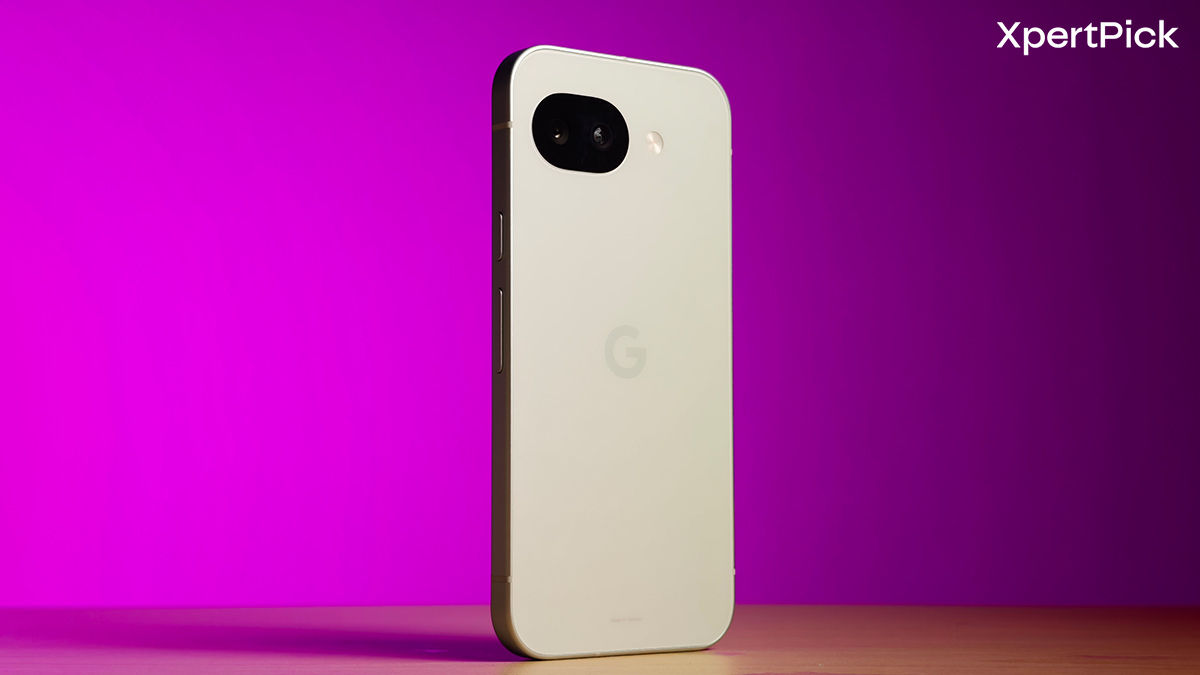
The Pixel 10a is not the fastest phone here, but it remains the reference point for cameras and software at this price.
Why We Picked It
Google Pixel 10a Key Specifications
Google Pixel 10a XP Lab Test Data
Pros
Class-leading camera processing, seven years of updates, a bright 2,540-nit display, and clean stock Android.
Cons
The weakest performance of the recommended phones, and the shortest battery life in this comparison.
Who Should Buy It
Buyers who prioritise camera quality, a clean software experience and long-term updates over raw performance.
Who Shouldn’t Buy It
Gamers and performance-focused users, several phones here are far faster for the money.
Expert Verdict: Still the camera and software benchmark under ₹50,000. Its performance and battery are ordinary, but the things it does best, it does better than anything else at this price.
iQOO 15R — Best Gaming / Performance & Best Display
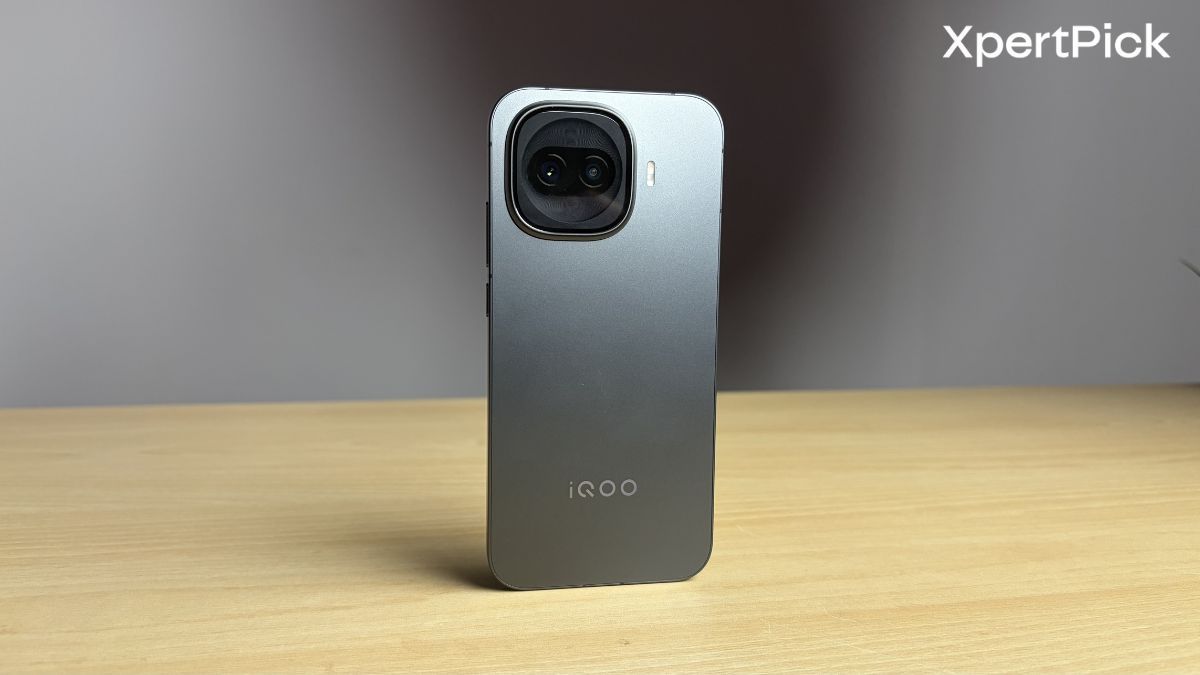
The iQOO 15R holds its performance under load better than any fast phone here, and pairs that with the brightest display in the group.
Why We Picked It
iQOO 15R Key Specifications
iQOO 15R XP Lab Test Data
Pros
The best stress stability of the fast phones here, the highest CPU scores in the group, the brightest measured display, and a long 26h 40min battery result.
Cons
No stress-test temperature recorded, and an anomalously low CPU throttling figure that needs re-verification.
Who Should Buy It
Gamers who want consistent frame rates under sustained load, and buyers who want the brightest display at this price.
Who Shouldn’t Buy It
Anyone who wants the highest peak benchmark scores, the POCO X8 Pro Max leads there.
Expert Verdict: The gaming pick for buyers who value consistency over peak numbers, with the brightest screen here as a bonus. A couple of missing or odd data points should be re-checked, but its sustained performance is the real thing.
Vivo V70 FE — Best Battery & Charging
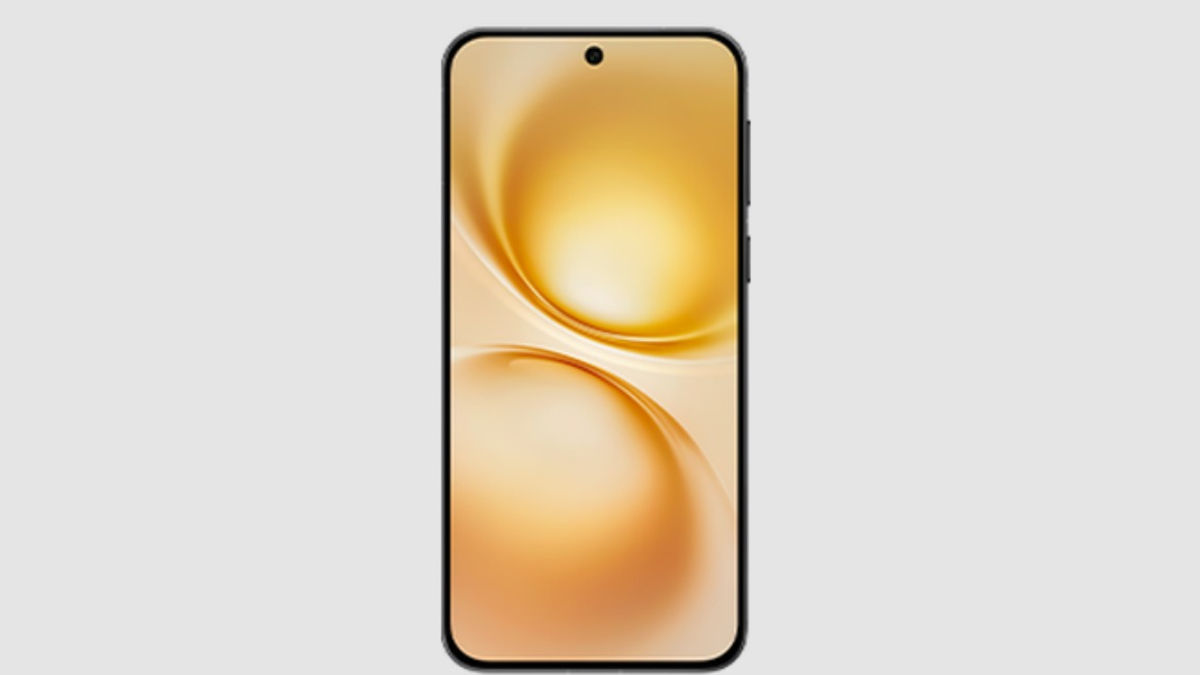
The V70 FE is the endurance champion of this comparison, and it is not close.
Why We Picked It
Vivo V70 FE Key Specifications
Vivo V70 FE XP Lab Test Data
Pros
The longest battery life in this comparison, excellent stress stability, cool thermals, and a capable main camera with OIS.
Cons
The weakest performance in this group, and poor sustained gaming under heavy GPU load.
Who Should Buy It
Buyers whose top priority is battery endurance and who use their phone for everyday tasks rather than demanding games.
Who Shouldn’t Buy It
Gamers and performance-focused users, this is the slowest phone in the comparison.
Expert Verdict: The battery champion of this guide by a clear margin. It gives up performance to get there, but if endurance is what you want, it delivers more of it than anything else at this price.
OnePlus Nord 6 — Best Value-For-Money
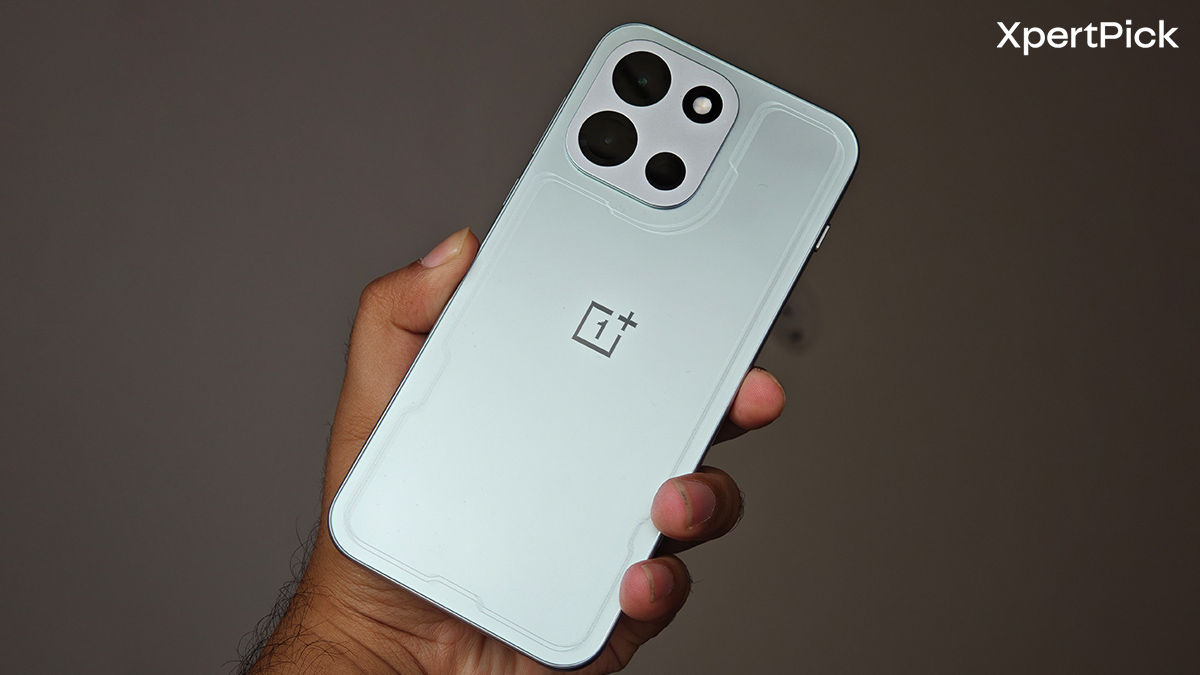
The Nord 6 delivers flagship-adjacent performance and a class-leading battery at the lowest price of the fast phones here.
Why We Picked It
At ₹44,999, the Nord 6 is the most affordable of the genuinely high-performance phones in this comparison, earning the value award by making remarkably few compromises. It recorded an AnTuTu score of 2,400,978 alongside a 3DMark Wild Life Extreme score of 4,562, the second-highest graphics result in this group. That graphics performance also translates well to demanding AI workloads, with a class-leading Geekbench AI Half Precision (GPU) score of 3,238, making it particularly well suited to graphics-intensive on-device AI tasks. Its dedicated AI hardware, however, is far less capable, posting a Geekbench AI NPU Quantized score of just 432, indicating that low-power background AI processing is not a priority for this platform.
Battery life is another strength, with a PCMark runtime of 26h 22min placing it among the best performers in this comparison. It also supports frame generation for up to 165 fps in BGMI (see testing notes for methodology and compatibility).
Its main drawback is sustained thermal performance. The Nord 6 reached 47.3°C during stress testing, the highest temperature recorded in this comparison, while its 3DMark Wild Life Extreme Stress Test stability of 52.5% was the lowest, indicating aggressive throttling under prolonged heavy loads. In everyday use and shorter gaming sessions this behaviour is unlikely to be a major concern, and at this price point, its overall value remains difficult to match.
OnePlus Nord 6 Key Specifications
OnePlus Nord 6 XP Lab Test Data
Pros
The best price-to-performance here, a strong 3DMark result, a long battery life, a 165Hz display, and frame-generated high-refresh gaming support.
Cons
The hottest peak temperature in this comparison at 47.3°C, and the lowest stress stability, meaning noticeable throttling under sustained load.
Who Should Buy It
Value-focused buyers who want flagship-adjacent performance and battery life without paying flagship-tier prices, and whose gaming is in shorter sessions.
Who Shouldn’t Buy It
Long-session gamers, its thermals and stability fall away under extended load.
Expert Verdict: The value pick of this guide. It runs hot under sustained stress, but for the price it delivers performance and endurance that phones costing more struggle to match.
OnePlus 13s — Best Compact Flagship (slightly over budget)
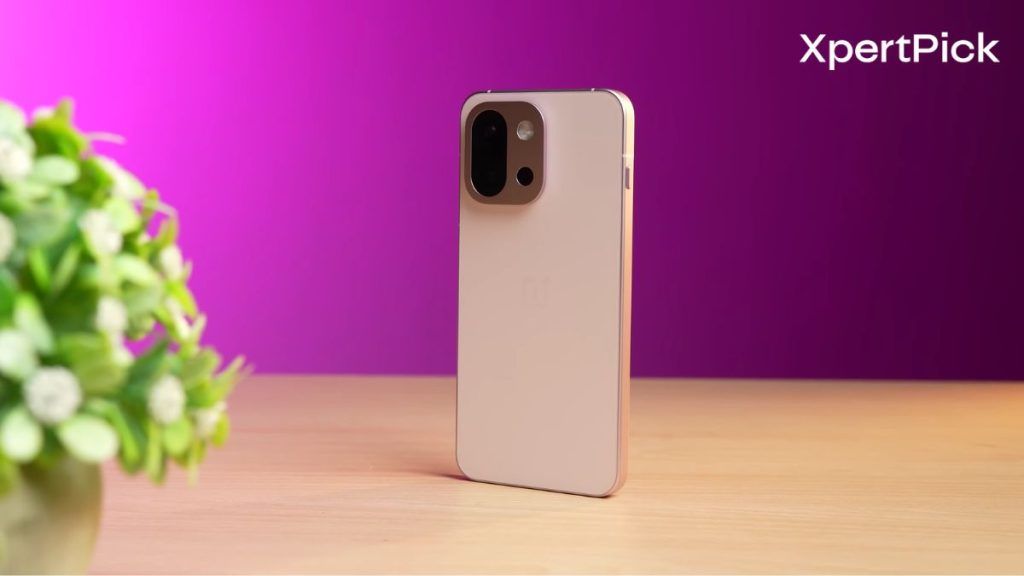
The 13s sits just above the ₹50,000 line, but it is the one phone here that offers a genuine flagship experience in a compact body.
Why We Picked It
OnePlus 13s Key Specifications
OnePlus 13s XP Lab Test Data
Pros
Genuine flagship performance, the highest single-core score here, a compact and light body, and a telephoto camera unusual at this price.
Cons
Over the ₹50,000 budget, and a shorter battery result than the sub-budget leaders.
Who Should Buy It
Buyers who can stretch slightly past ₹50,000 and want flagship performance in a compact, one-hand-friendly phone.
Who Shouldn’t Buy It
Anyone with a firm ₹50,000 ceiling, the POCO X8 Pro Max delivers more raw performance within budget.
Expert Verdict: The compact flagship of the group, and worth the ₹5,000 stretch for the right buyer. If size and flagship speed matter to you, it is the most interesting phone in this comparison.
Nothing Phone 3
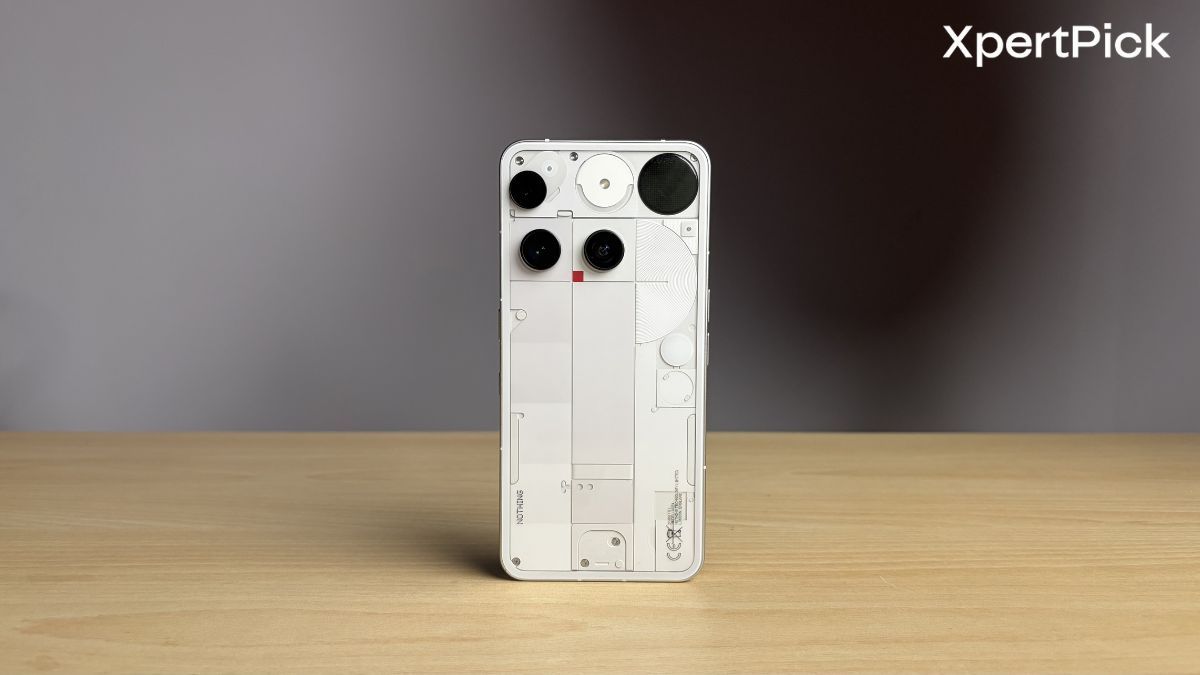
The Nothing Phone 3 is a strong, distinctive all-rounder that lands just behind the category winners.
Why We Didn’t Pick It
The Nothing Phone 3 is an easy recommendation, but in a comparison this competitive it narrowly misses out on an award. It posted an AnTuTu score of 2,372,487 and a 3DMark Wild Life Extreme score of 4,469, placing it close to the OnePlus Nord 6 in overall performance. It also delivers excellent graphics-focused AI performance, recording a Geekbench AI Half Precision (GPU) score of 3,345, making it well suited to demanding on-device AI workloads such as image generation and advanced visual processing. Its Geekbench AI NPU Quantized score of 969 is far less impressive, however, indicating limited capability for dedicated, low-power AI tasks.
Performance is complemented by Nothing’s distinctive Glyph Interface and the clean, responsive Nothing OS, both of which help the phone stand out in a market of increasingly similar devices.
The challenge is that every category has a stronger contender. The POCO X8 Pro Max delivers better all-round performance while running cooler, the OnePlus Nord 6 offers comparable performance for less money, and the iQOO 15R maintains higher sustained performance during extended gaming sessions. The Nothing Phone 3 reached 41.6°C during stress testing and returned a PCMark battery life result of 17h 27min, both respectable rather than class-leading. It remains one of the most distinctive phones in its segment, but in this comparison the numbers favour its rivals.
Nothing Phone 3 Key Specifications
Nothing Phone 3 XP Lab Test Data
Pros
Strong all-round performance, a distinctive Glyph design, a clean software experience, and a versatile triple 50MP camera.
Cons
A warm peak temperature, mid-pack battery life, and no category where it clearly beats the winners.
Who Should Buy It
Buyers who want a distinctive design and clean software alongside solid all-round performance.
Who Shouldn’t Buy It
Anyone optimising purely for performance, value or battery, other phones here lead in each.
Expert Verdict: A characterful all-rounder that arrived in a category where each award already had a stronger claimant. Good, just not the best answer to any single question here.
Nothing Phone 4a
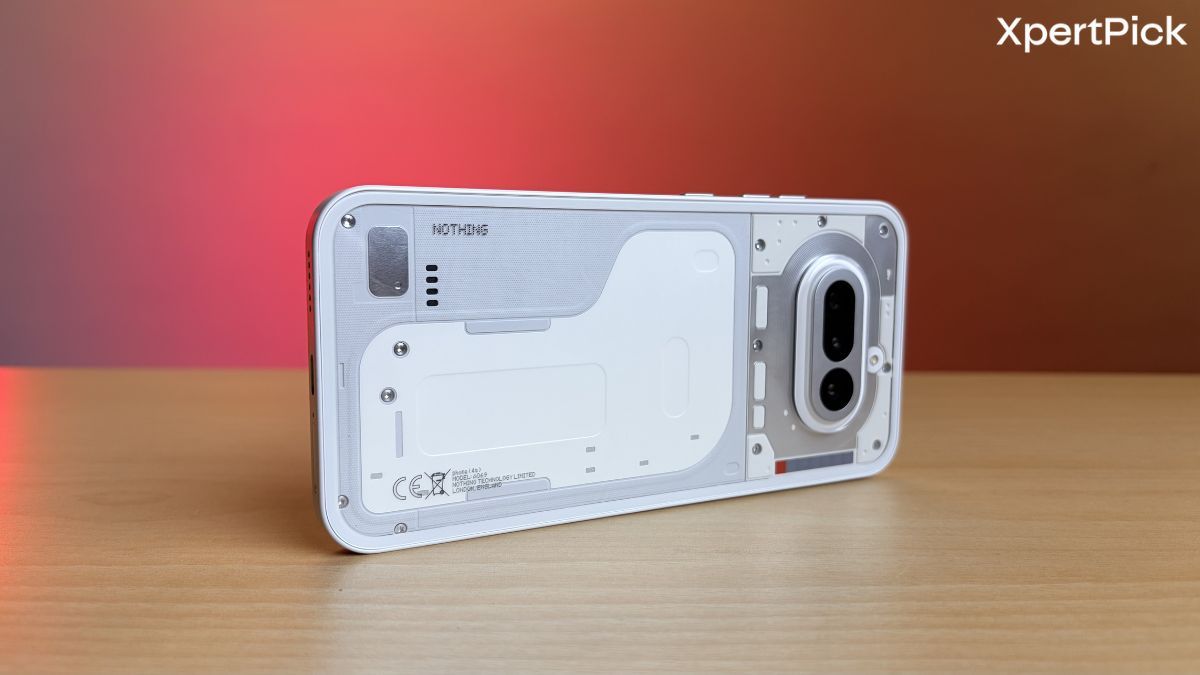
The Nothing Phone 4a is a well-tuned mid-ranger that sits a tier below the performance leaders.
Why We Didn’t Pick It
Nothing Phone 4a Key Specifications
Nothing Phone 4a XP Lab Test Data
Pros
Excellent stress stability, cool thermals, a clean software experience, and a bright display.
Cons
Modest performance, short battery life, and weak sustained gaming.
Who Should Buy It
Buyers who want a stable, cool-running phone with clean software and are not chasing performance.
Who Shouldn’t Buy It
Performance and battery-focused buyers, the Nord 6 offers far more for a similar price.
Expert Verdict: A well-behaved mid-ranger with excellent thermals, out-muscled at this price by faster rivals. The stability is real, but the raw capability is a tier below the leaders.
Redmi Note 15 Pro+
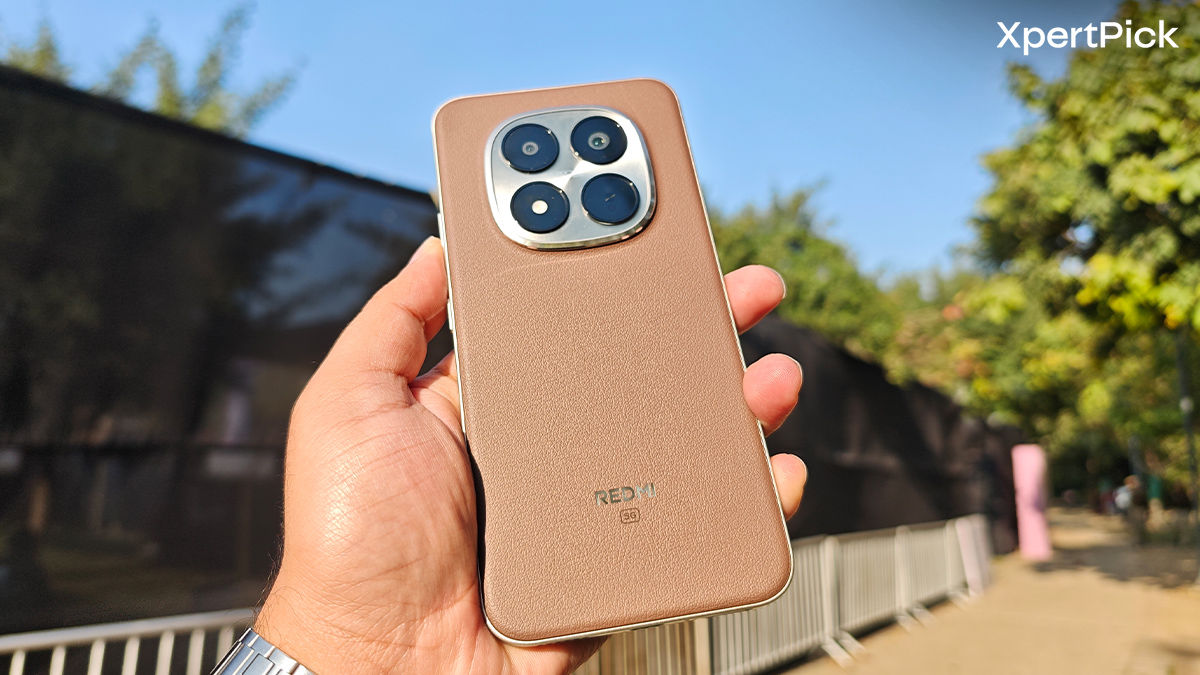
The Note 15 Pro+ is exceptionally stable and cool, but too slow to recommend against this field.
Why We Didn’t Pick It
Redmi Note 15 Pro+ Key Specifications
- Price: ₹44,999
- Processor: Snapdragon 7s Gen 4
- Display: 6.83-inch AMOLED, 120Hz
- Dimensions & Weight: 163.3 × 78.3 mm, 208g
- RAM: 8GB / 12GB
- Storage: 128GB / 256GB
- Battery: 6,500 mAh
- Rear Camera: 50MP Main (OIS) + 8MP Ultra-Wide
- Front Camera: 32MP
Redmi Note 15 Pro+ XP Lab Test Data
Pros
The coolest peak temperature and highest stress stability in this comparison, a large 6,500mAh battery, and a bright display.
Cons
The weakest gaming performance here, severe frame collapse under GPU load, and modest raw speed.
Who Should Buy It
Buyers who want a cool, stable phone for everyday tasks and are indifferent to gaming or peak performance.
Who Shouldn’t Buy It
Anyone comparing it against the Nord 6, which offers far more performance for the same price.
Expert Verdict: Superb thermals and stability wrapped around modest hardware. The stability is genuine, but at this price the Nord 6 offers far more phone for the money.
Frequently Asked Questions (FAQs)
Which is the best phone under ₹50,000 overall?
The POCO X8 Pro Max. It posted the highest AnTuTu and 3DMark scores in this comparison, ran cool at 37.8°C, delivered the most consistent Genshin Impact performance in the group, and paired all of that with strong battery life. Its only real weakness is a dim display.
Which phone under ₹50,000 has the best battery life?
The Vivo V70 FE, which recorded 28 hours 13 minutes on PCMark — the longest result of any phone in this comparison, ahead of the iQOO 15R and OnePlus Nord 6. It gives up performance to get there, but nothing here lasts longer.
Which is the best gaming phone under ₹50,000?
The iQOO 15R for sustained gaming, thanks to the best stress stability of the fast phones here (85.5%) and strong frame-time floors. The POCO X8 Pro Max posts higher peak scores and the most consistent Genshin result, so heavy gamers should consider both. The OnePlus Nord 6 supports frame-generated 165fps in supported titles, though that is not directly comparable to natively rendered frame rates.
Is the Pixel 10a still worth it if it is slower than rivals?
Yes, if cameras and software are your priority. Its performance and battery are ordinary for the price, but its computational photography and seven years of updates are unmatched in this bracket. For a buyer who values those over raw speed, it remains the pick.
Should I spend a little more than ₹50,000?
If compact size and flagship performance matter to you, the OnePlus 13s at ₹54,999 is worth the ₹5,000 stretch — it offers a genuine flagship chipset in a small body that none of the sub-budget phones match. If your ceiling is firm, the POCO X8 Pro Max delivers the most within ₹50,000.
Why Trust XpertPick
Every recommendation on this page comes from hands-on lab testing rather than manufacturer spec sheets or marketing claims. This comparison was built on retail units running shipping software.
- Independent testing: I tested all nine phones in-house on retail units; no manufacturer-supplied battery, charging or performance data has been used.
- Standardised conditions: every device was tested at 28°C ambient, on the highest-specification variant available, using the same battery, stress and gaming suites run to completion.
- Efficiency-first methodology: I measure raw runtime, runtime per 1,000 mAh, thermal behaviour under sustained load, and real-world gaming endurance, because the mAh number on the box routinely contradicts how long a phone actually lasts.
- Continuously updated: at XpertPick, we keep updating the test process and this article as new devices launch and prices change, so the picks reflect the current market.