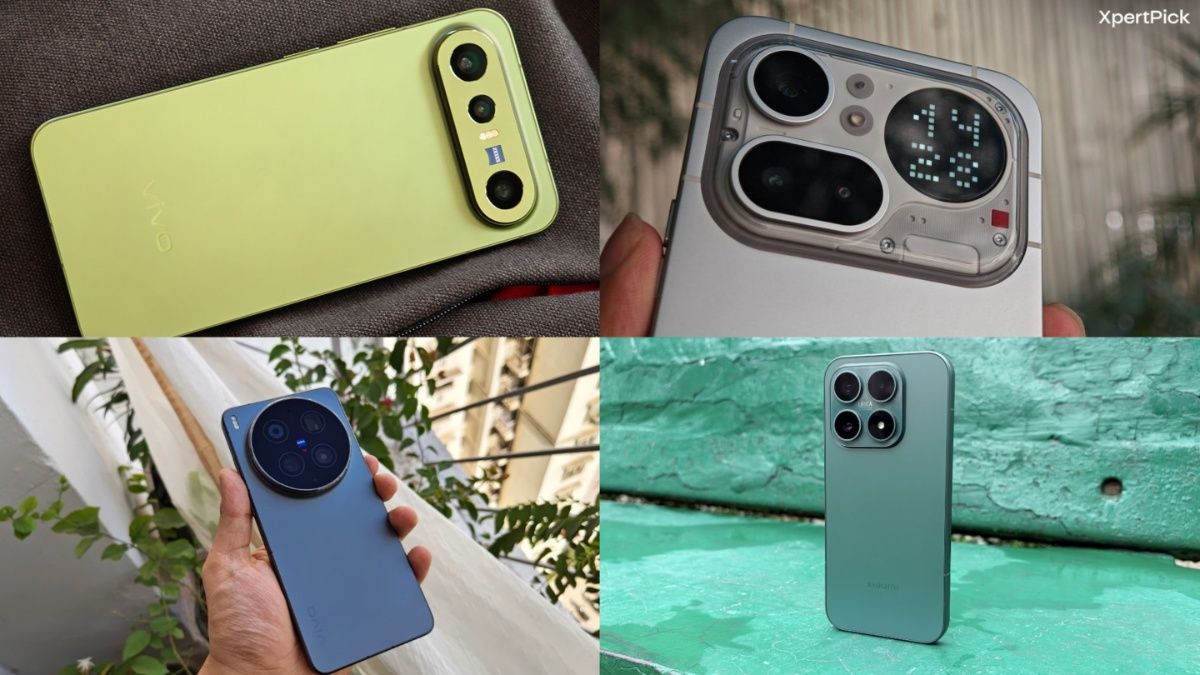
If the camera is the main reason you are buying a phone, this is where the budget ceiling starts to disappear. The eight handsets in this guide range from ₹51,690 to ₹1,69,999 and cover almost every approach to smartphone photography, from large sensors and twin periscopes to computational portrait processing and, in some cases, the omission of dedicated camera hardware.
Put them through the same scenes and the results quickly challenge their price tags. We tested each camera in strong daylight, difficult backlighting and demanding low-light conditions. At the top end, two ultra flagships push zoom and video performance to the limit, while the most expensive phone in the guide fails to lead a single category. More surprisingly, the ₹61,999 Oppo Reno 16 delivers a 9.0 telephoto score, matching phones that cost considerably more.
Megapixel counts and feature lists only tell part of the story. Our lab results show how these cameras actually perform across different shooting conditions. Read on to see which phones deliver where it matters and which one makes the strongest case for your money.
Our top picks at a glance
| Award | Winner | Price | Why it wins |
| Best overall camera phone | vivo X300 Ultra | ₹1,59,999 | Highest average score (9.14); top or joint-top in six categories powered by a massive primary sensor, ZEISS optics, and segment-defining periscope reach. |
| Best for low-light / night | Xiaomi 17 Ultra | ₹1,39,999 | 9.0 low-light score; massive 1-inch sensor with variable aperture pulls pristine shadow detail without noise or crushing (tied with X300 Ultra). |
| Best for video | Xiaomi 17 Ultra | ₹1,39,999 | Joint-best 9.5 video score; delivers broadcast-grade stabilization, wide dynamic range, and high-framerate 4K/8K recording matching the X300 Ultra. |
| Best for zoom / telephoto | vivo X300 Ultra | ₹1,59,999 | The only outright 9.5 on zoom; dedicated periscope resolves fine leaf veins and distant textures with zero edge haloes or software smudging. |
| Best for selfies | vivo X300 Ultra | ₹1,59,999 | Only phone to hit 9.0 on front camera; autofocus-backed sensor preserves natural skin pores and realistic tones with zero computational waxiness. |
| Best flagship camera | Xiaomi 17 Ultra | ₹1,39,999 | Second-highest average (9.07); pairs a 1-inch main sensor with dual telephotos and the guide’s best ultrawide lens at ₹20,000 less than the winner. |
| Best budget / mid-range camera | Oppo Reno 16 | ₹61,999 | 9.0 in daylight, portrait, telephoto, and video; features genuine optical zoom glass and flagship-grade portrait isolation at under ₹62,000. |
| Best for pro / manual controls | Xiaomi 17 Ultra | ₹1,39,999 | Granular Pro mode with RAW capture, plus an optional modular Photography Kit adding an ergonomic grip, dual-stage physical shutter, and 67mm filter ring. |
Not ranked: Oppo Find X9 Ultra (₹1,69,999), Xiaomi 17 (₹89,999), vivo X300 FE (₹79,999), iPhone 17 (₹82,900) and Nothing Phone (4a) Pro (₹51,690) are fully scored and discussed below, but were outscored in every category they contested.
XP Lab camera score comparison
Scores out of 10. 🏆 marks the top score in each column; ties share the trophy. A dash means the phone was not scored in that category because it lacks a dedicated lens.
| Phone | Price | Daylight | Low light | Portrait | Telephoto | Front camera | Ultrawide | Video | Average |
|---|---|---|---|---|---|---|---|---|---|
| vivo X300 Ultra | ₹1,59,999 | 9.5 🏆 | 9.0 🏆 | 9.0 🏆 | 9.5 🏆 | 9.0 🏆 | 8.5 | 9.5 🏆 | 9.14 |
| Xiaomi 17 Ultra | ₹1,39,999 | 9.5 🏆 | 9.0 🏆 | 9.0 🏆 | 9.0 | 8.5 | 9.0 🏆 | 9.5 🏆 | 9.07 |
| Oppo Find X9 Ultra | ₹1,69,999 | 9.0 | 8.5 | 9.0 🏆 | 9.0 | 8.5 | 9.0 🏆 | 9.0 | 8.86 |
| Oppo Reno 16 | ₹61,999 | 9.0 | 7.5 | 9.0 🏆 | 9.0 | 8.5 | 8.0 | 9.0 | 8.57 |
| Xiaomi 17 | ₹89,999 | 9.0 | 8.0 | 9.0 🏆 | 8.5 | 8.0 | 8.0 | 8.5 | 8.43 |
| vivo X300 FE | ₹79,999 | 9.0 | 8.5 | 9.0 🏆 | 8.5 | 7.5 | 8.0 | 8.5 | 8.43 |
| iPhone 17 | ₹82,900 | 8.0 | 7.5 | 7.0 | – | 8.0 | 8.5 | 8.5 | 7.92* |
| Nothing Phone (4a) Pro | ₹51,690 | 8.0 | 7.0 | 7.5 | 8.0 | 7.0 | 6.5 | 7.0 | 7.29 |
*Average over six scored categories; the iPhone 17 has no telephoto lens.
Reading the numbers: on the XP Lab scale, 7.0–8.0 is “good” and 8.5–9.5 is “excellent”. Six of the eight phones average in excellent territory. The two exceptions are the iPhone 17, which is held back by a 7.0 portrait score, and the Nothing Phone (4a) Pro, whose 6.5 ultrawide is the only score in this guide to fall into the “average” band.
How We Tested These Smartphones
I don’t judge camera phones by megapixel counts or sensor names alone. Every phone in this guide is marketed on its camera, yet daylight scores range from 8.0 to 9.5 and portrait results from 7.0 to 9.0. Sensor size, lens quality, optical focal length and computational processing all matter more than the spec sheet suggests. I shot every phone against the same set of scenes, back to back in the same lighting, and compared the results at full size and 100% crop.
Test Conditions: All phones are retail units running consumer-ready software. I used the stock camera app with default settings, including auto HDR and scene detection. No Pro mode, manual exposure or third-party apps were used. Every sample was verified through EXIF data, and marketing samples were excluded.
What I Tested: Daylight tests covered resolving detail, colour accuracy, exposure and highlight control. Portraits assessed skin tones, facial detail, depth separation and edge detection, while selfies were checked for colour and facial detail, with autofocus behaviour noted separately. Low-light tests measured shadow detail, highlight control, noise and sharpening.
For telephoto cameras, I compared native optical zoom with an equivalent crop from the main sensor, while digital zoom degradation was assessed separately. Ultrawide cameras were tested for corner sharpness, dynamic range, colour consistency with the main sensor and edge distortion. Video was recorded at each phone’s maximum supported resolution and frame rate, with front and rear cameras tested separately where their capabilities differed.
Scoring: Each phone receives a score out of 10 in 0.5-point steps across daylight, low light, portrait, telephoto, front camera, ultrawide and video. Scores of 1–5 are poor, 5.5–6.5 average, 7–8 good, and 8.5–9.5 excellent. Any score above 8.5 or below 6 requires written justification.
Battery and charging: Battery life figures are from the PCMark Work 3.0 battery test, run overnight at 59% screen brightness. Charging figures are the measured time from 0% to 50% using the in-box or manufacturer-specified charger.
This guide was updated in September 2026 with the latest devices, testing results and pricing available at publication.
vivo X300 Ultra – Best overall, best zoom, best selfies
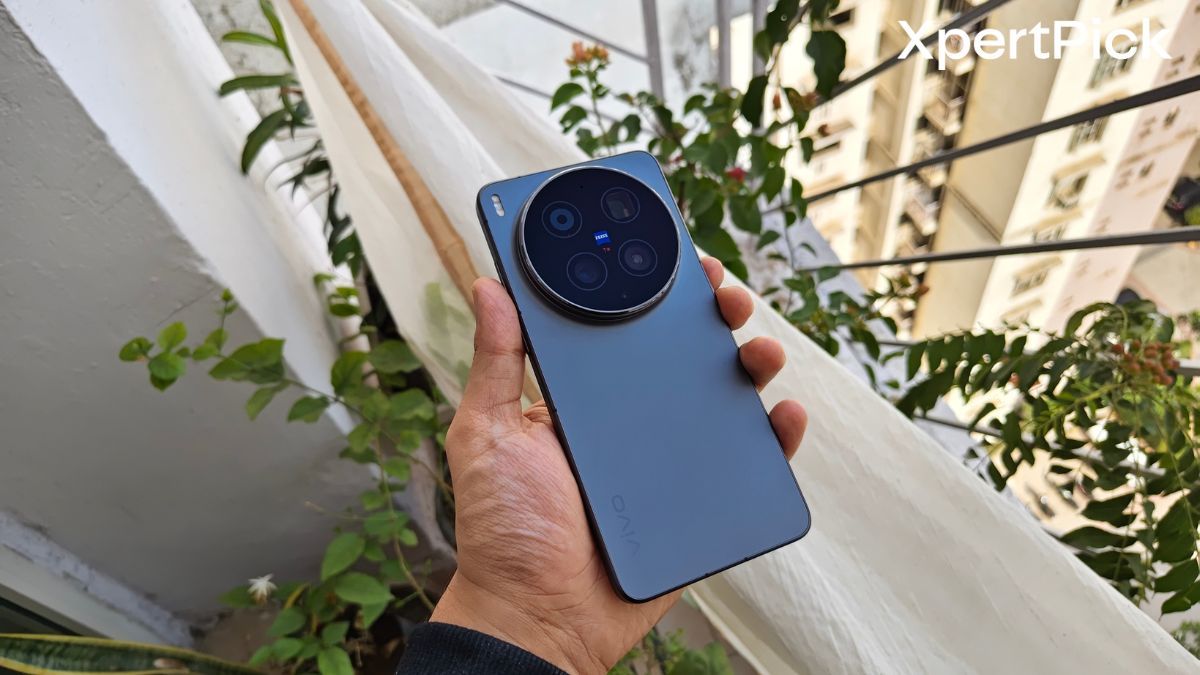
The vivo X300 Ultra, at ₹1,59,999, is the most versatile mobile imaging platform XP Lab has tested. Powered by an extraordinary periscope telephoto system, a massive 1-inch class primary sensor, and ZEISS optics, it claims outright victories in telephoto reach and front-camera fidelity. Backed by joint-top marks in daylight, night shooting, and video, it establishes itself as the definitive overall winner for anyone seeking the absolute pinnacle of smartphone photography.






Why We Picked It
The X300 Ultra earns the overall award through its class-leading telephoto performance and consistently strong results across the camera system. It ties the Xiaomi 17 Ultra at 9.5 in daylight and video, matches it at 9.0 in low light, and shares the top portrait score of 9.0. Its clearest advantage comes in telephoto and front-camera performance, where it leads the other ultra flagships.
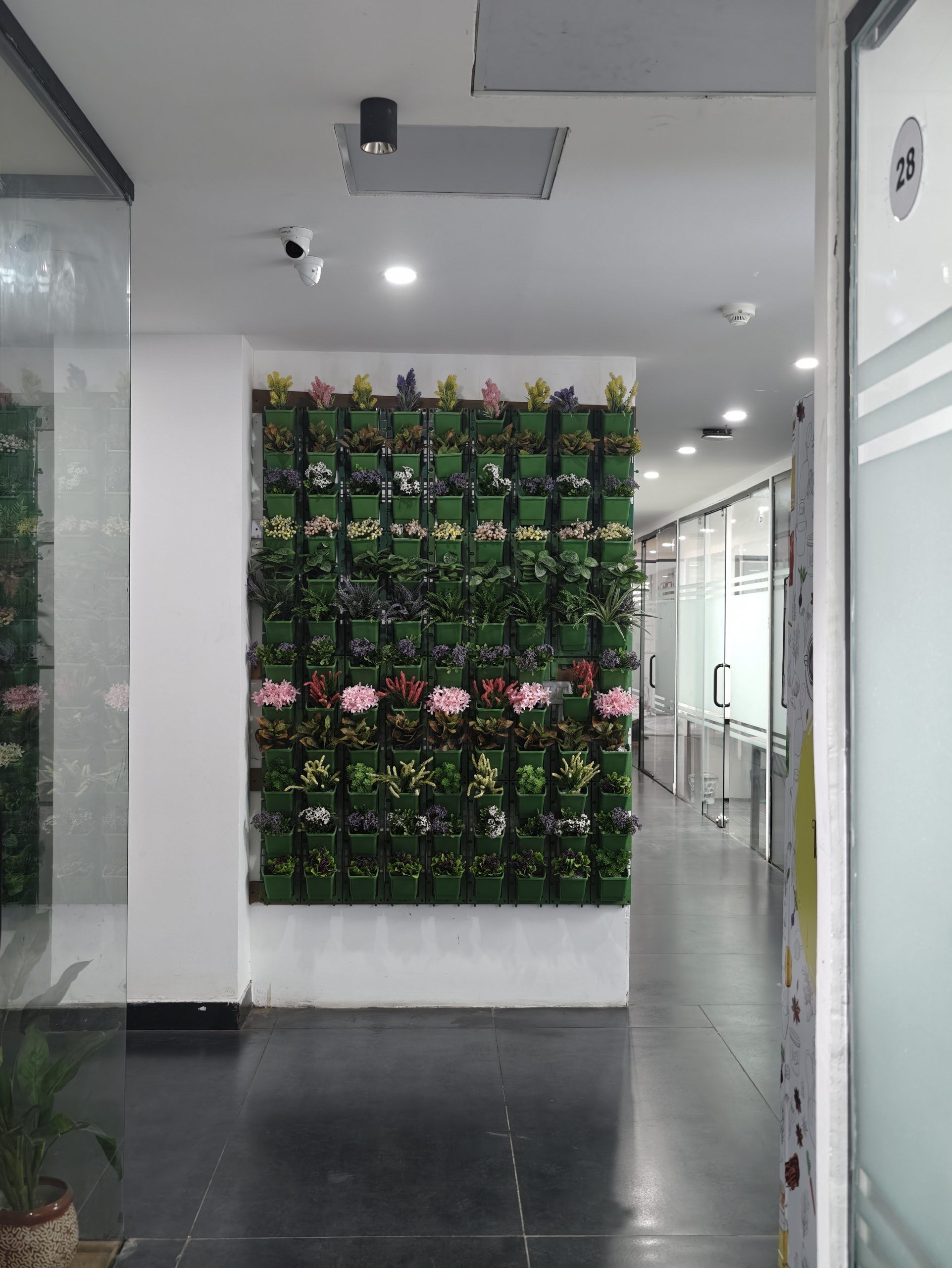
Its 9.5 telephoto score is the only outright 9.5 rating for zoom in the guide. In our indoor vertical garden test, the periscope camera retains fine detail from standard to extreme focal lengths, resolving leaf veins, flower stamens and the mould seams of the pots without obvious edge halos or smeared textures. The Xiaomi 17 Ultra and Oppo Find X9 Ultra both score 9.0 here.
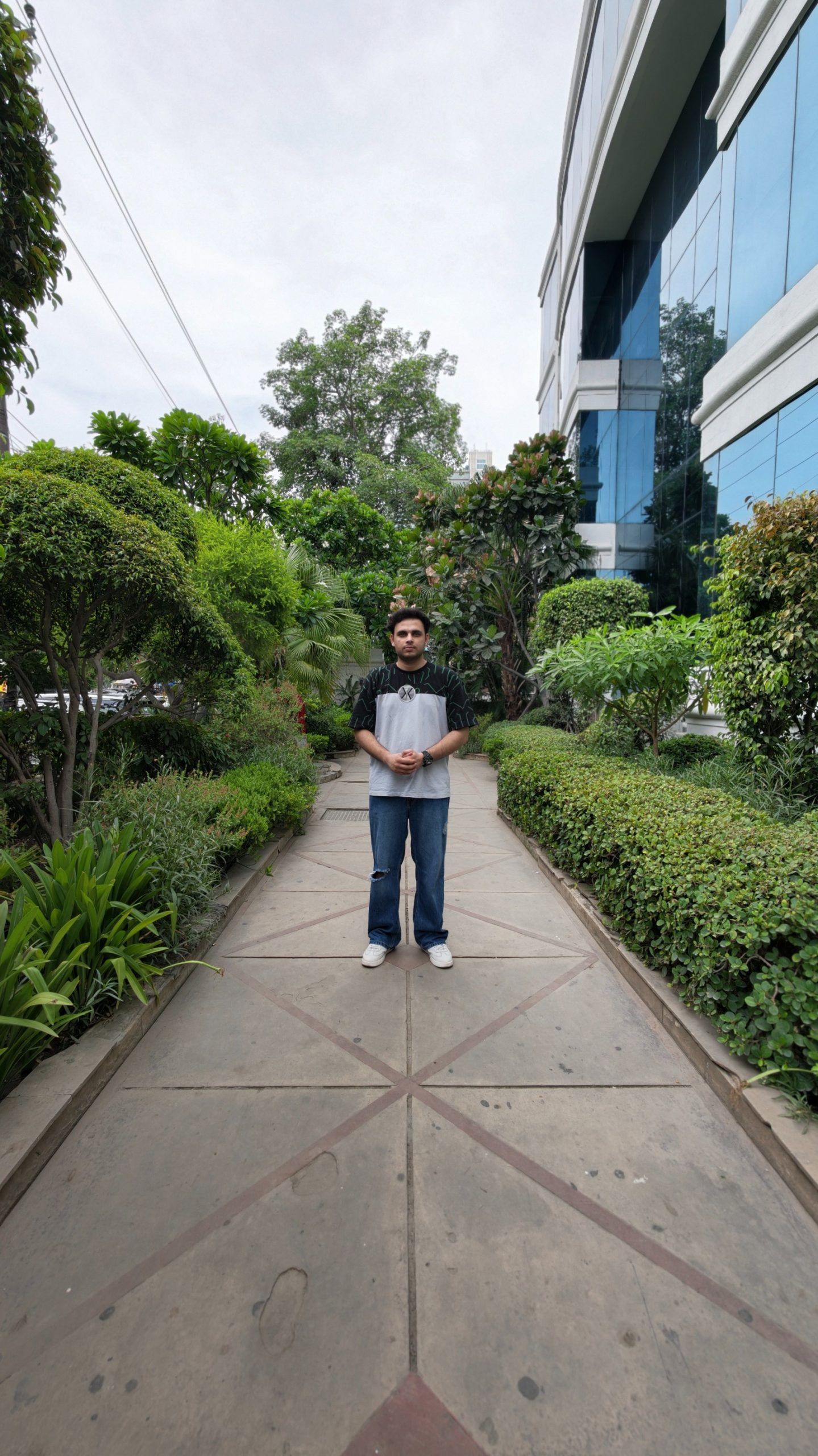
Portrait photography scores 9.0. Our outdoor pathway tests show clean subject separation around hair, ears and clothing, with natural skin tones and well-preserved facial detail. Background foliage is rendered with a smooth, gradual blur.
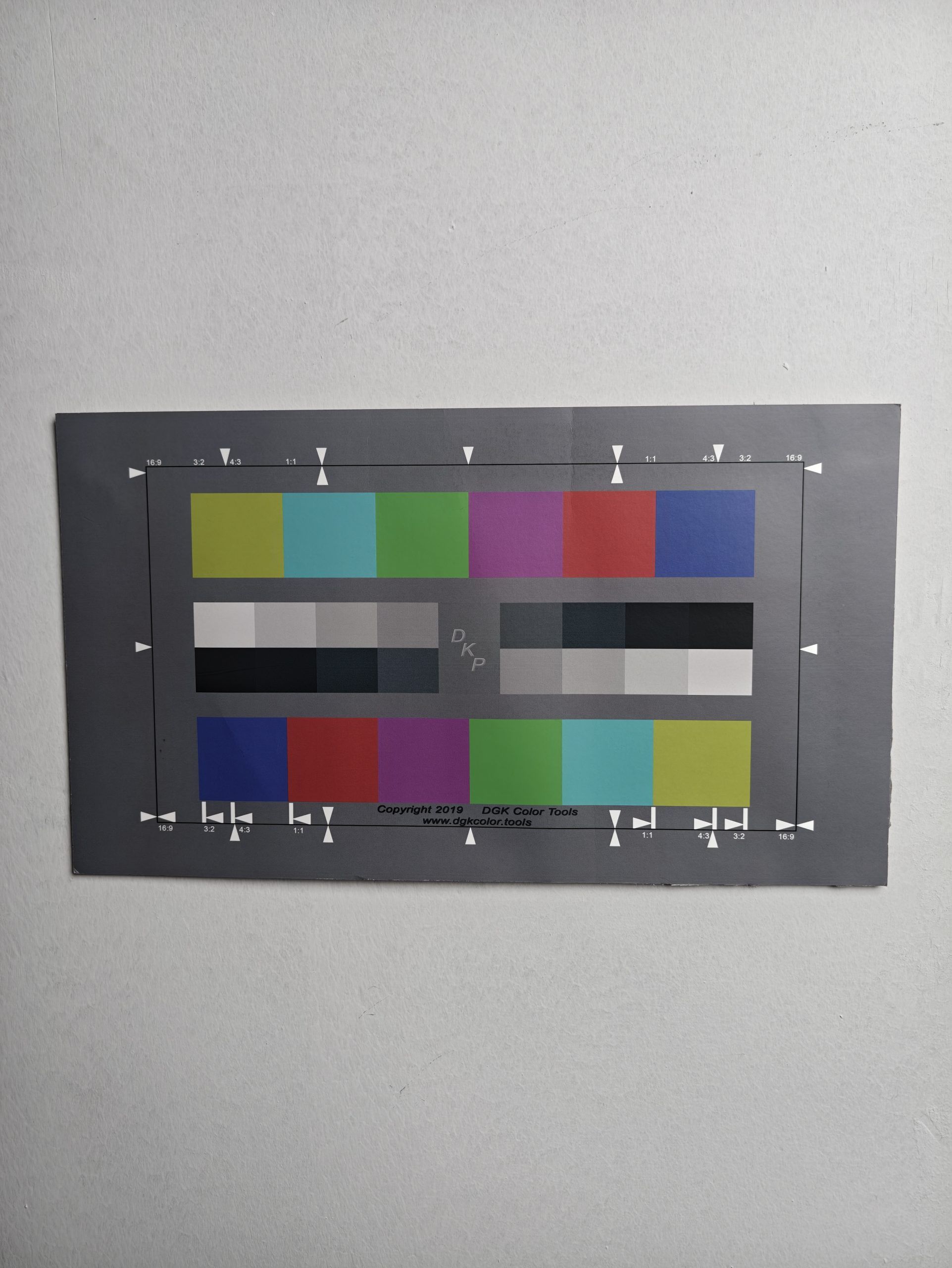
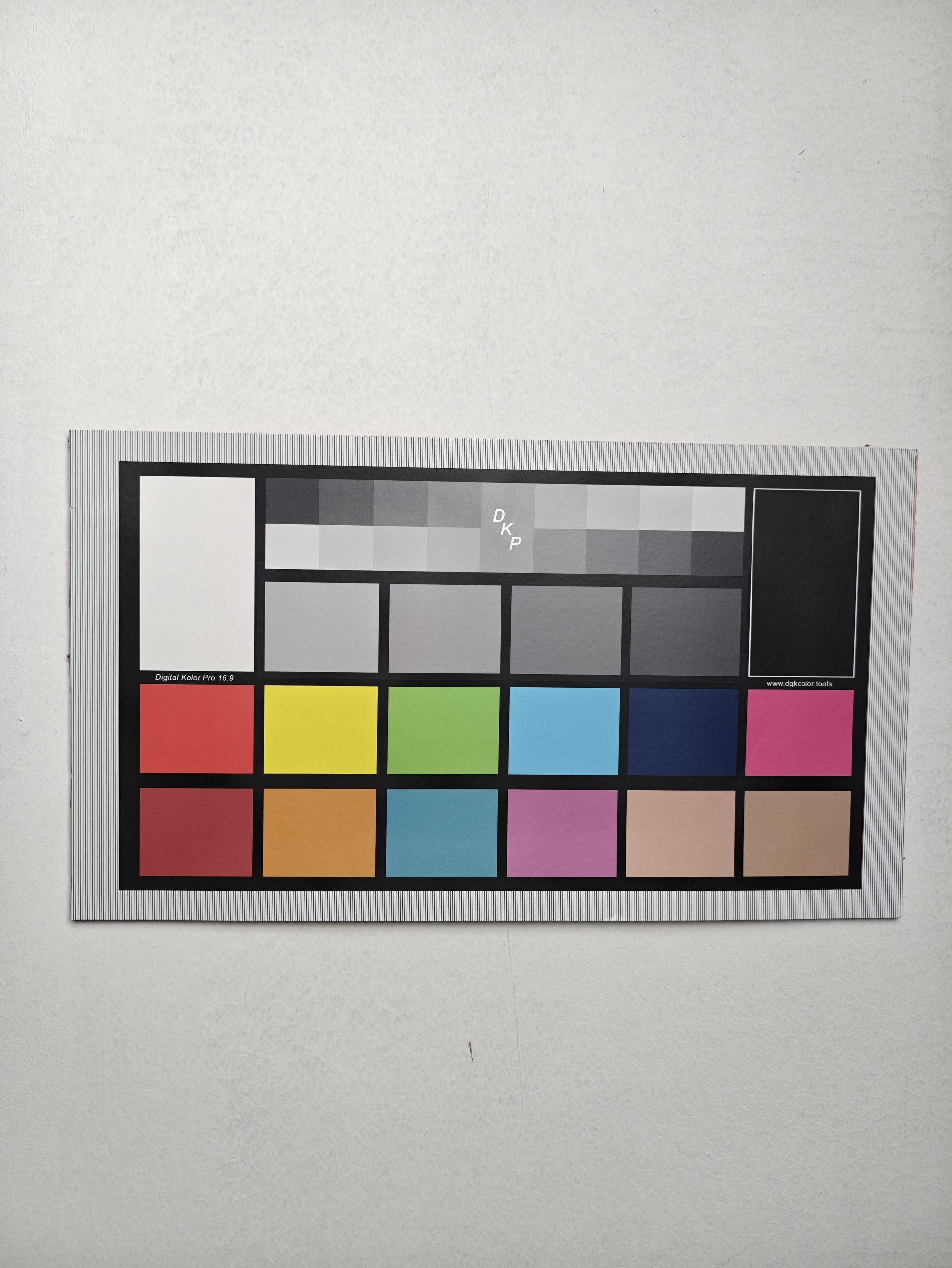
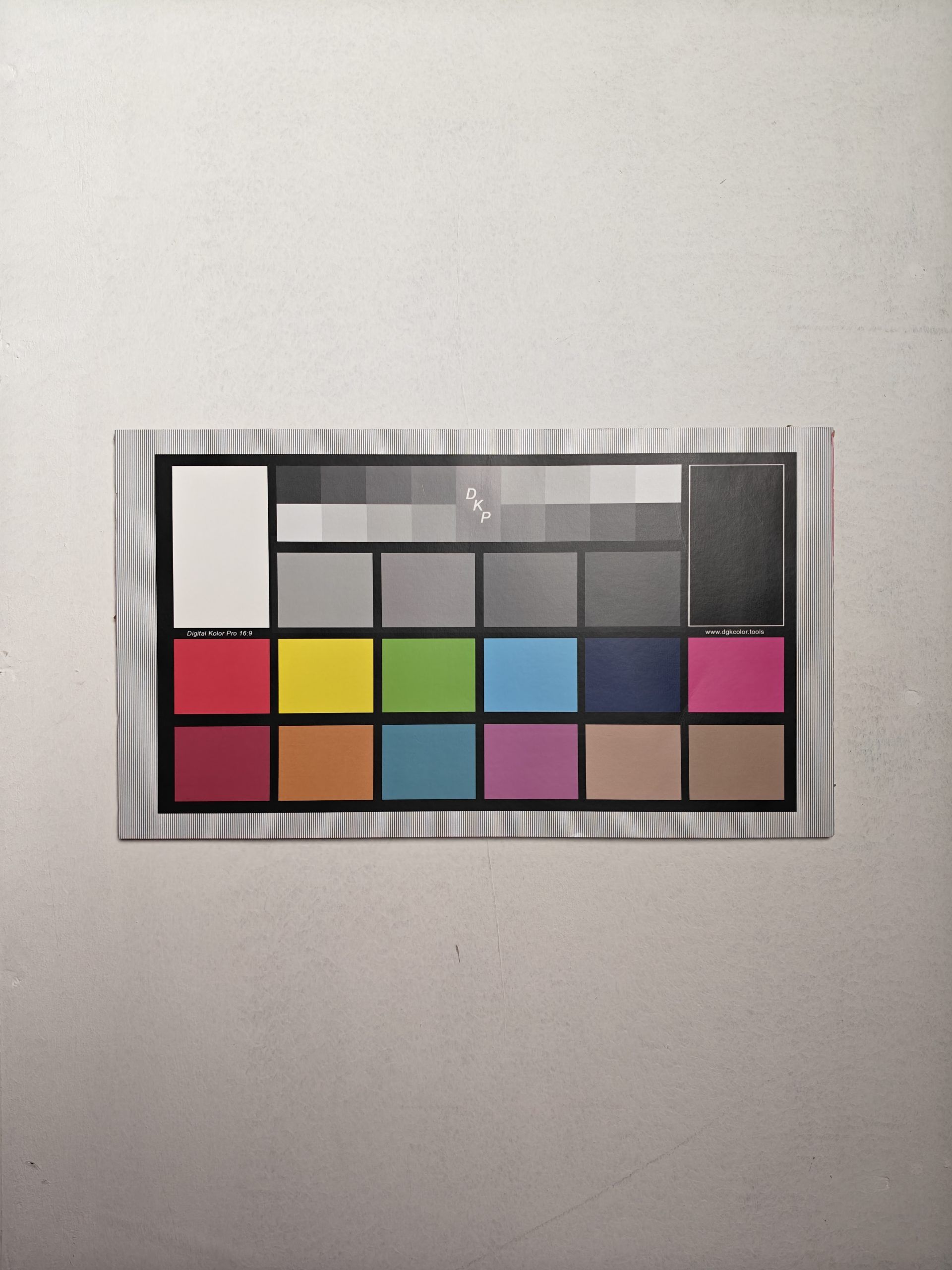
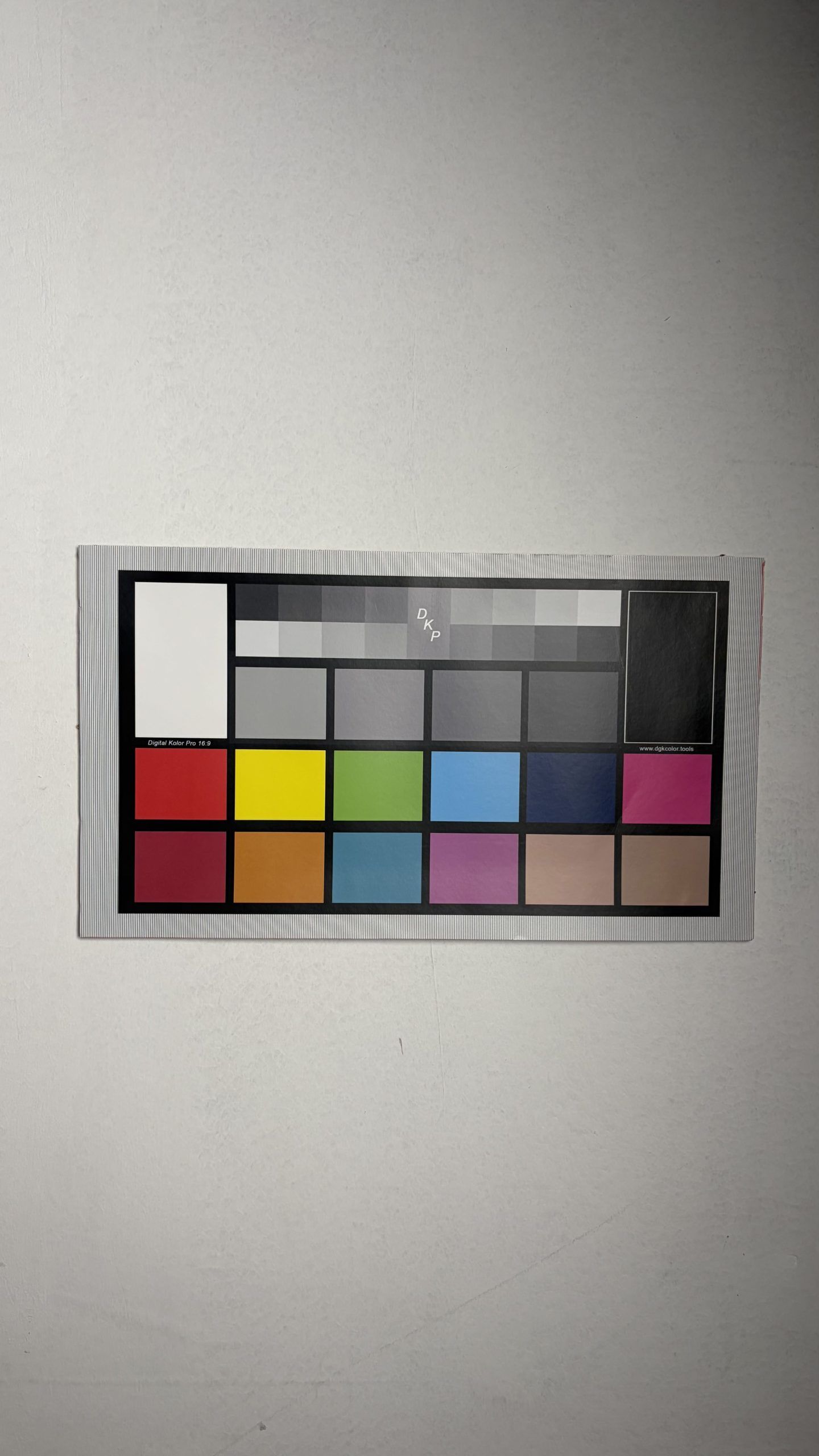
Daylight photography scores 9.5, tying the Xiaomi 17 Ultra for the highest result. Our studio colour charts show accurate white balance, neutral greys and clean colour separation across primary and pastel tones.
Low-light photography also scores 9.0. In our dimly lit trophy test, the primary camera keeps the plaque lettering sharp while controlling the directional light on the robot figure. Fine structure in the dried leaves is also retained without excessive shadow crushing.
The front camera is another strength, scoring 9.0. This is 0.5 points ahead of the Xiaomi 17 Ultra and Find X9 Ultra, and 1.5 points ahead of the X300 FE.
The ultrawide camera is the only category where the X300 Ultra falls behind its closest rivals, scoring 8.5 against 9.0 for both the Xiaomi 17 Ultra and Oppo Find X9 Ultra. Outside photography, it lasted 23 hours 2 minutes in our PCMark Work 3.0 test, the second-longest result in the guide, while reaching 50% charge took 36 minutes 43 seconds.
Key Specifications
| Specification | Detail |
|---|---|
| Price | ₹1,59,999 |
| Battery life (PCMark Work 3.0) | 23h 2min |
| Charging (0–50%) | 36min 43sec |
| Peak brightness (measured, auto) | 2,240 nits |
| Geekbench 6 (single / multi) | 3,634 / 10,510 |
vivo X300 Ultra XP Lab Data
| Test / Metric | Result |
|---|---|
| Daylight | 9.5 🏆 |
| Low light | 9.0 🏆 |
| Portrait | 9.0 🏆 |
| Telephoto | 9.5 🏆 |
| Front camera | 9.0 🏆 |
| Ultrawide | 8.5 |
| Video | 9.5 🏆 |
| Camera score average | 9.14 |
| Battery life (PCMark Work 3.0) | 23h 2min |
Pros
The X300 Ultra records the highest average camera score in the guide at 9.14, ranking first or joint-first in six of seven categories. Its class-leading 9.5 telephoto score delivers the strongest optical zoom performance in the comparison, while its 9.0 front-camera score is also the highest recorded here. Low-light photography is another strength, with good shadow detail and controlled highlights. Battery endurance is equally solid, lasting more than 23 hours in our PCMark Work 3.0 test.
Cons
The 8.5 ultrawide score is still excellent, but trails the 9.0 results of the Xiaomi 17 Ultra and Oppo Find X9 Ultra. Reaching 50% charge takes nearly 37 minutes, considerably slower than Xiaomi’s sub-20-minute result, while its measured peak brightness of 2,240 nits also falls behind the other ultra-tier models. It commands a ₹20,000 premium over the Xiaomi 17 Ultra for an average score advantage of just 0.07 points.
Who Should Buy It
Photographers who want the absolute finest camera smartphone money can buy, particularly those who rely heavily on extreme telephoto zoom and front-facing camera fidelity where nothing else matches it.
Who Shouldn’t Buy It
Ultrawide-first shooters who prioritise landscape perspective over zoom reach, or buyers who would prefer to save ₹20,000 with the Xiaomi 17 Ultra, which matches it in daylight, low light, and video.
Expert Verdict: The vivo X300 Ultra is the most complete and capable camera phone XP Lab has evaluated. It matches the best in the industry for daylight, night scenes, portraits, and video, while asserting outright dominance in optical zoom and selfies. If your budget accommodates its price tag, it is the definitive camera phone to own.
Xiaomi 17 Ultra – Best low-light, best video, best flagship, best for pro / manual controls
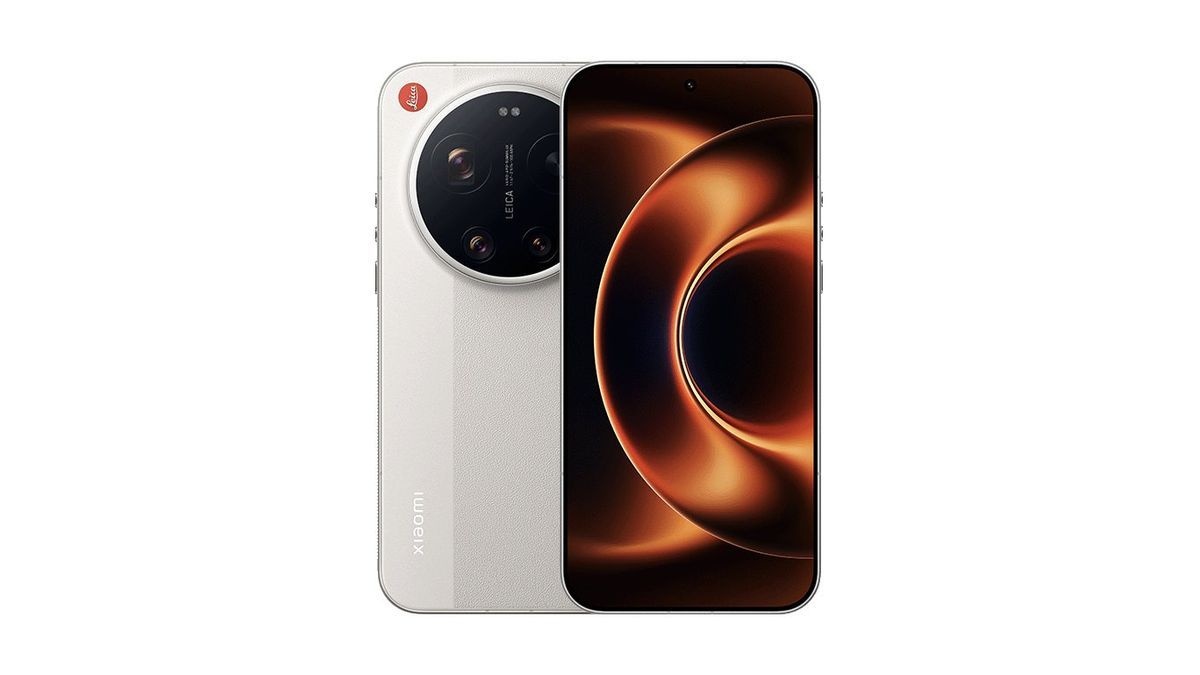
The Xiaomi 17 Ultra, at ₹1,39,999, is an imaging powerhouse combining a massive primary sensor, precise portrait optics, and class-leading ultrawide performance. It rivals the vivo X300 Ultra on raw daylight detail, low-light fidelity, and broadcast-grade video. With the vivo taking the overall title, the Xiaomi is our named pick for night shooting, video, and manual controls, and the definitive ultra-flagship recommendation for anyone who refuses to spend ₹1.6 lakh.









Why We Picked It
Across the four categories in which it ties with the vivo X300 Ultra, our lab results give us no meaningful basis to separate the two. Its 9.0 low-light score is joint-top in the guide, while its 9.5 video rating is the highest recorded here.
Our dimly lit trophy test shows why the 17 Ultra scores 9.0 for low-light photography. The large primary sensor preserves the lettering on the plaque while retaining detail and colour in the darker areas. The dried leaves in the background also remain well defined, with little visible noise or excessive processing.
The 9.0 portrait score is supported by our outdoor pathway test. The phone maintains consistent subject separation across its native focal lengths, including 75mm and 120mm equivalents. Hair, clothing and skin texture remain well resolved, while background foliage is rendered with a smooth blur.
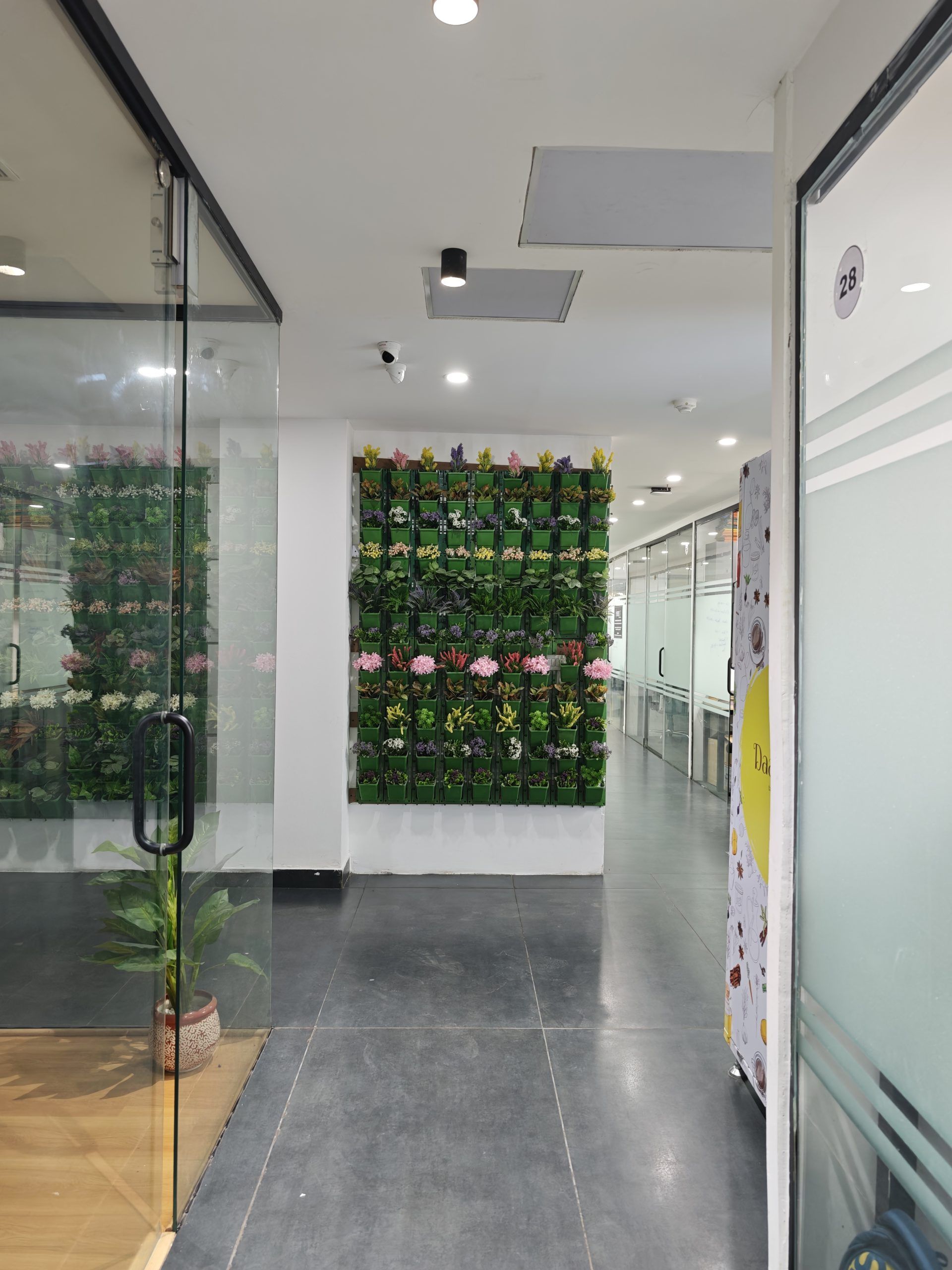
Zoom performance also earns a 9.0. The periscope camera retains fine detail through our indoor vertical garden test, resolving leaf veins, flower stamens and the mould lines on the hanging pots without obvious sharpening halos or smeared textures. The vivo X300 Ultra scores 9.5 for extreme telephoto reach, giving it a half-point advantage, although the Xiaomi remains a strong performer.
The ultrawide camera is where the Xiaomi takes a clearer lead, scoring 9.0 against the vivo’s 8.5. It delivers good edge sharpness, straight perspective lines and consistent colours, while its joint-top 9.5 daylight score makes it particularly well suited to architecture, interiors and landscapes.
Manual controls are another strength. Pro mode offers shutter speed, ISO, focus peaking and RAW capture, while the optional Photography Kit adds a physical grip, shutter button, zoom lever and 67mm filter adapter.
The 17 Ultra also performs well beyond the camera system. It reaches 50% charge from empty in 19 minutes 23 seconds, while its display reached 3,190 nits in our measurements. Its 21-hour 55-minute PCMark Work 3.0 result also points to strong endurance for extended shooting sessions.
Key Specifications
| Specification | Detail |
|---|---|
| Price | ₹1,39,999 |
| Battery life (PCMark Work 3.0) | 21h 55min |
| Charging (0–50%) | 19min 23sec |
| Peak brightness (measured, auto) | 3,190 nits |
| Geekbench 6 (single / multi) | 3,650 / 11,172 |
Xiaomi 17 Ultra XP Lab Data
| Test / Metric | Result |
|---|---|
| Daylight | 9.5 🏆 |
| Low light | 9.0 🏆 |
| Portrait | 9.0 🏆 |
| Telephoto | 9.0 |
| Front camera | 8.5 |
| Ultrawide | 9.0 🏆 |
| Video | 9.5 🏆 |
| Camera score average | 9.07 |
| Battery life (PCMark Work 3.0) | 21h 55min |
Pros
Joint-top scores in daylight (9.5), low light (9.0), portrait (9.0), and video (9.5). It also delivers a class-leading 9.0 ultrawide score, with superior corner sharpness and landscape dynamic range over the vivo X300 Ultra. Portraits are another strength, with natural skin textures and smooth optical-style bokeh across focal lengths, while the dedicated Photography Kit adds physical camera controls and filter support. Beyond photography, it reaches 50% charge in just 19 minutes and records the brightest measured display in the guide at 3,190 nits. It also delivers ultra-flagship performance while costing ₹20,000 less than the overall winner.
Cons
The telephoto score of 9.0 sits half a point behind the vivo X300 Ultra’s class-leading 9.5. The front camera also trails the vivo, scoring 8.5 versus 9.0 for selfies, while its 21-hour 55-minute battery life, although lengthy, is the shortest among the four ultra-tier handsets.
Who Should Buy It
Photographers who demand uncompromising ultra-tier imaging—top-flight night photography, peerless video recording, and a superior ultrawide camera—without spending ₹1.6 lakh. It is also the undisputed choice for enthusiasts who want tactile camera controls, filter attachments, and manual RAW shooting workflows.
Who Shouldn’t Buy It
Zoom purists seeking the absolute longest optical reach or selfie-first creators who demand the best front camera on the market, where the vivo X300 Ultra’s outright category wins justify its premium.
Expert Verdict: The Xiaomi 17 Ultra is the smartest ultra-flagship purchase in this guide. By matching the overall winner in four key disciplines, outscoring it on the ultrawide lens, and introducing a genuine physical photography accessory kit, it offers an exceptionally versatile shooting experience at ₹1,39,999. Unless you require the extreme zoom reach of the vivo, this is the flagship camera to buy.
Oppo Reno 16 – Best budget / mid-range camera
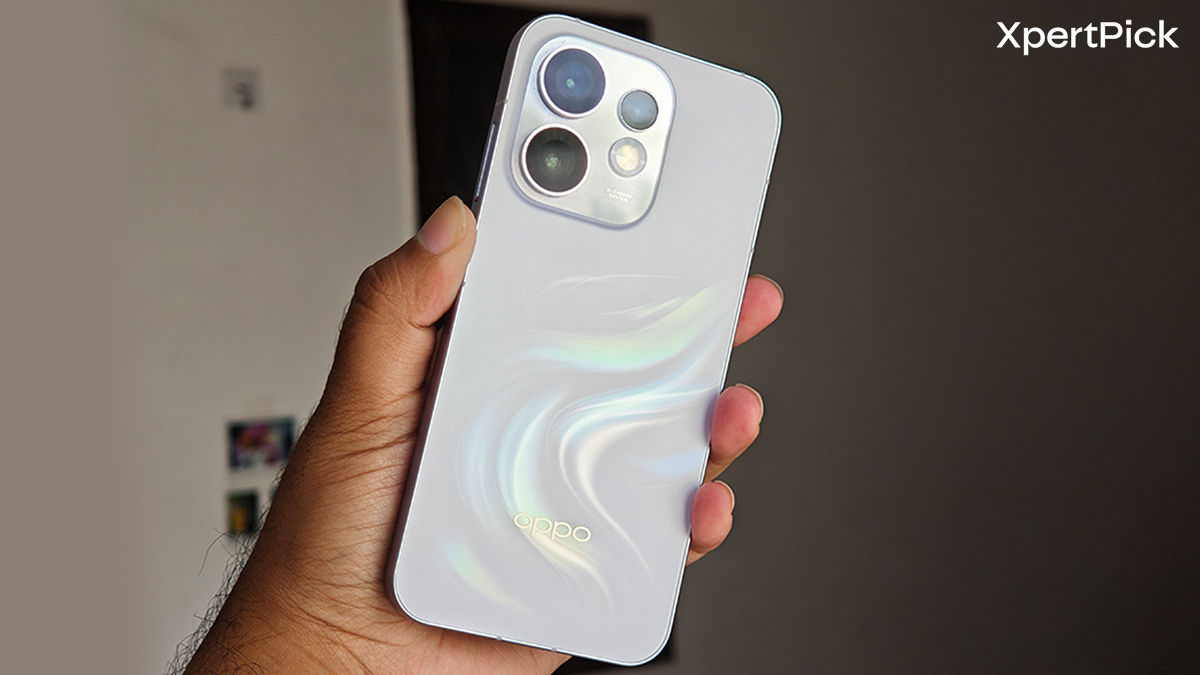
The Oppo Reno 16, priced at ₹61,999, punches well above its weight class. It delivers an optical package featuring dedicated telephoto reach and flagship-grade portrait tuning that rivals handsets costing more than double its price. With strong daylight resolving power, crisp zoom, and high-fidelity video, it stands out as the undisputed mid-range champion of this guide.







Why We Picked It
The Reno 16 earns our mid-range award by performing consistently across the focal lengths most relevant to everyday photography. Its joint-top 9.0 portrait score is reflected in our outdoor pathway test, where it separates the subject cleanly from bright foliage while retaining hair detail, natural skin tones and the texture of the diamond-patterned polo shirt. The background is rendered with a smooth, gradual blur.
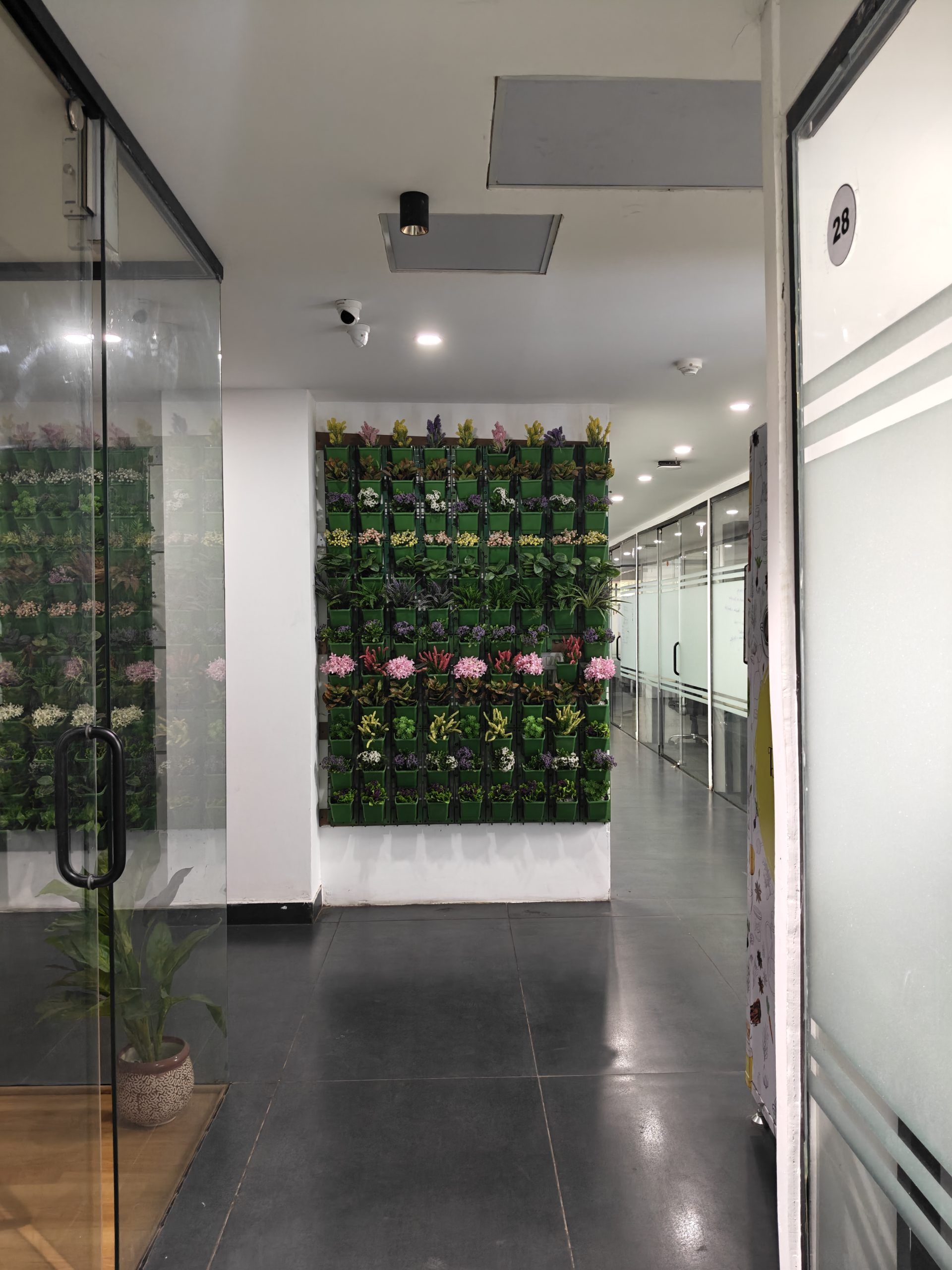
Its telephoto camera is another strong point, scoring 9.0. In our indoor vertical garden test, it resolves fine leaf veins, flower stamens and the horizontal seams of the green pots without obvious sharpening halos or smeared textures. This puts it on par with the much more expensive Xiaomi 17 Ultra for zoom.
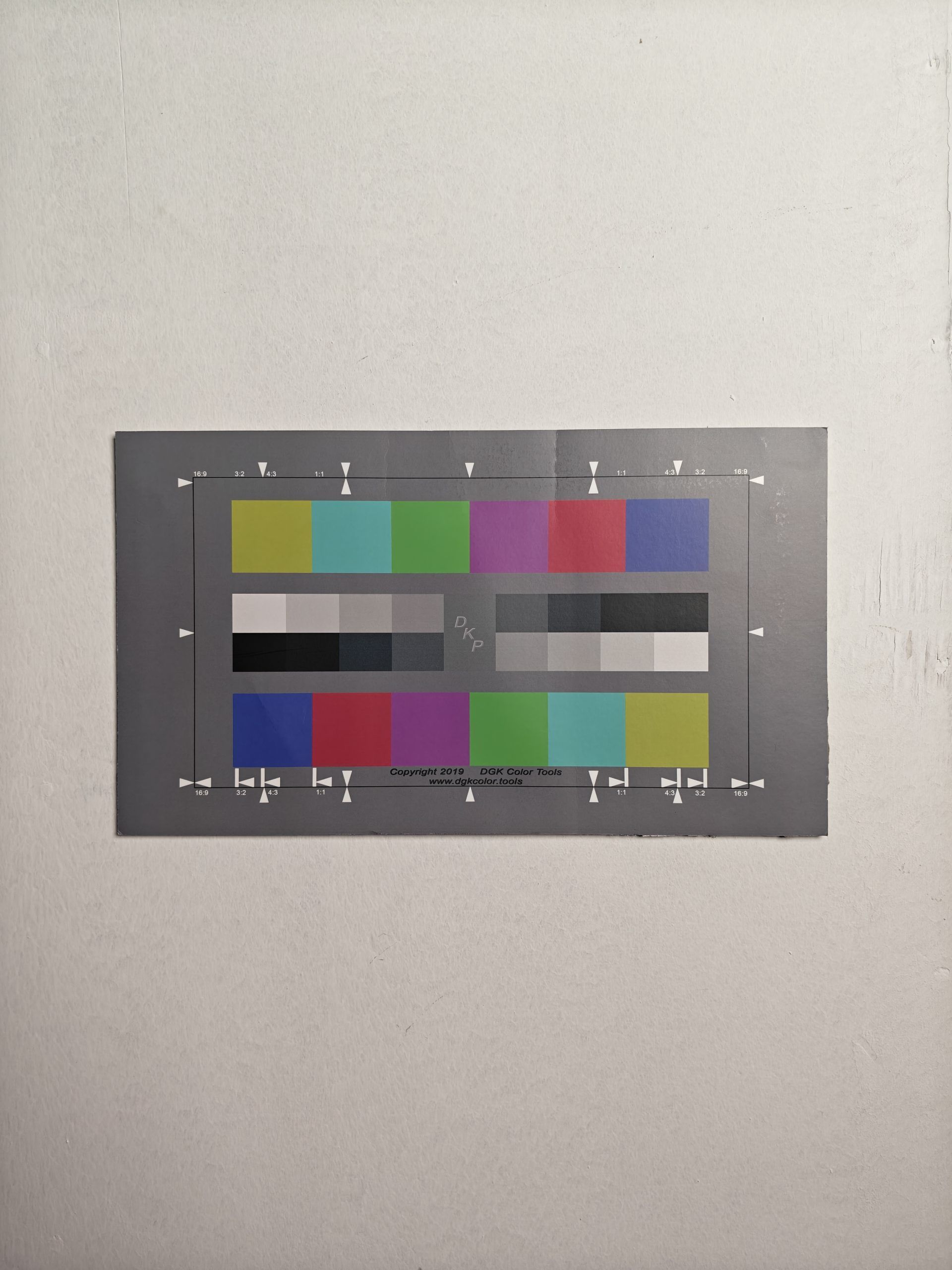
The primary camera also scores 9.0 in daylight. Our studio colour chart tests show accurate white balance and naturally rendered colours across neutral and primary tones, without excessive saturation.
Low-light photography is where the Reno 16 gives up some ground, with a score of 7.5. Optical image stabilisation keeps the lettering on the trophy plaque sharp and controls highlight blooming around the lamp well. However, shadow detail is more limited, with the dried leaves in the background losing much of their fine structure in darker areas.
The Reno 16’s battery life is a major strength. It lasted 23 hours 55 minutes in our PCMark Work 3.0 test, the longest result in this guide, and reached 50% charge from empty in 27 minutes 23 seconds.
Key Specifications
| Specification | Detail |
|---|---|
| Price | ₹61,999 |
| Battery life (PCMark Work 3.0) | 23h 55min |
| Charging (0–50%) | 27min 23sec |
| Peak brightness (measured, auto) | 2,380 nits |
| Geekbench 6 (single / multi) | 1,227 / 4,033 |
Oppo Reno 16 XP Lab Data
| Test / Metric | Result |
|---|---|
| Daylight | 9.0 |
| Low light | 7.5 |
| Portrait | 9.0 🏆 |
| Telephoto | 9.0 |
| Front camera | 8.5 |
| Ultrawide | 8.0 |
| Video | 9.0 |
| Camera score average | 8.57 |
| Battery life (PCMark Work 3.0) | 23h 55min |
Pros
Superb portrait rendering (9.0), with clean subject isolation, natural skin tones and well-resolved fabric detail. Its 9.0 telephoto score also matches flagship-level performance, retaining sharp optical detail in distant textures, while daylight photography benefits from accurate colour reproduction and exposure. It also recorded the longest battery life in the guide at 23 hours 55 minutes and outscored several flagships priced between ₹80,000 and ₹90,000 on average.
Cons
Its low-light score of 7.5 trails the ultra-tier leaders, with noticeable shadow crushing in dim scenes. The 8.0 ultrawide camera is competent but falls short of class-leading performance, while raw processor performance ranks at the bottom of this guide, which is more relevant to heavy 3D gaming than photography.
Who Should Buy It
Photographers who want flagship-level daylight shots, stunning optical portraits, and genuine telephoto reach without spending ₹1.4 lakh or more. It is also the premier choice for anyone who prioritises multi-day battery endurance above all else.
Who Shouldn’t Buy It
Enthusiasts who do the majority of their shooting after dark, where spending extra for an ultra-tier phone or the vivo X300 FE yields superior low-light shadow fidelity, or power users needing top-tier gaming silicon.
Expert Verdict: The Oppo Reno 16 is the bargain of this comparison. Posting scores of 9.0 across daylight, portrait, telephoto, and video, it challenges phones that cost more than double its price. Its modest low-light score is its only notable concession, but for good-light stills and portraits, it is the undisputed mid-range champion.
Oppo Find X9 Ultra
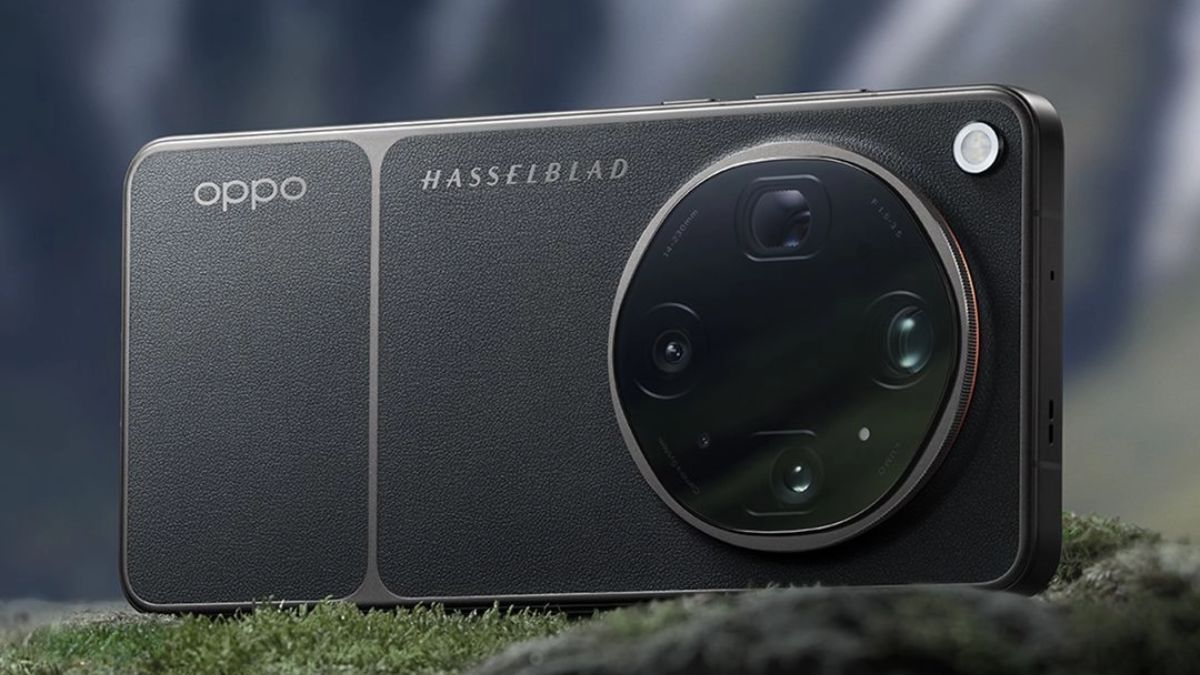
The Oppo Find X9 Ultra, priced at ₹1,69,999, is an imaging powerhouse built around quad 50MP sensors, dual periscope lenses, and Hasselblad colour calibration. It averages an exceptional 8.86 across our test suite, never drops below the “excellent” band, and shares the top spot in both ultrawide and portraits. However, as the most expensive handset in this guide, it is ultimately outpaced by cheaper ultra-tier rivals that outscore it in daylight, night shooting, and extreme zoom.







Why We Didn’t Pick It
The Find X9 Ultra misses out on an award because the other two ultra flagships offer more for less. It ties the Xiaomi 17 Ultra for the top ultrawide score (9.0) and shares the joint-top portrait score (9.0). Elsewhere, it trails the category leaders by 0.5 points: 9.0 vs 9.5 in daylight, 8.5 vs 9.0 in low light, 9.0 vs 9.5 in telephoto, 8.5 vs 9.0 for selfies, and 9.0 vs 9.5 in video. With the vivo X300 Ultra costing ₹10,000 less and the Xiaomi 17 Ultra ₹30,000 less, our lab results give the Oppo little justification for its higher price.
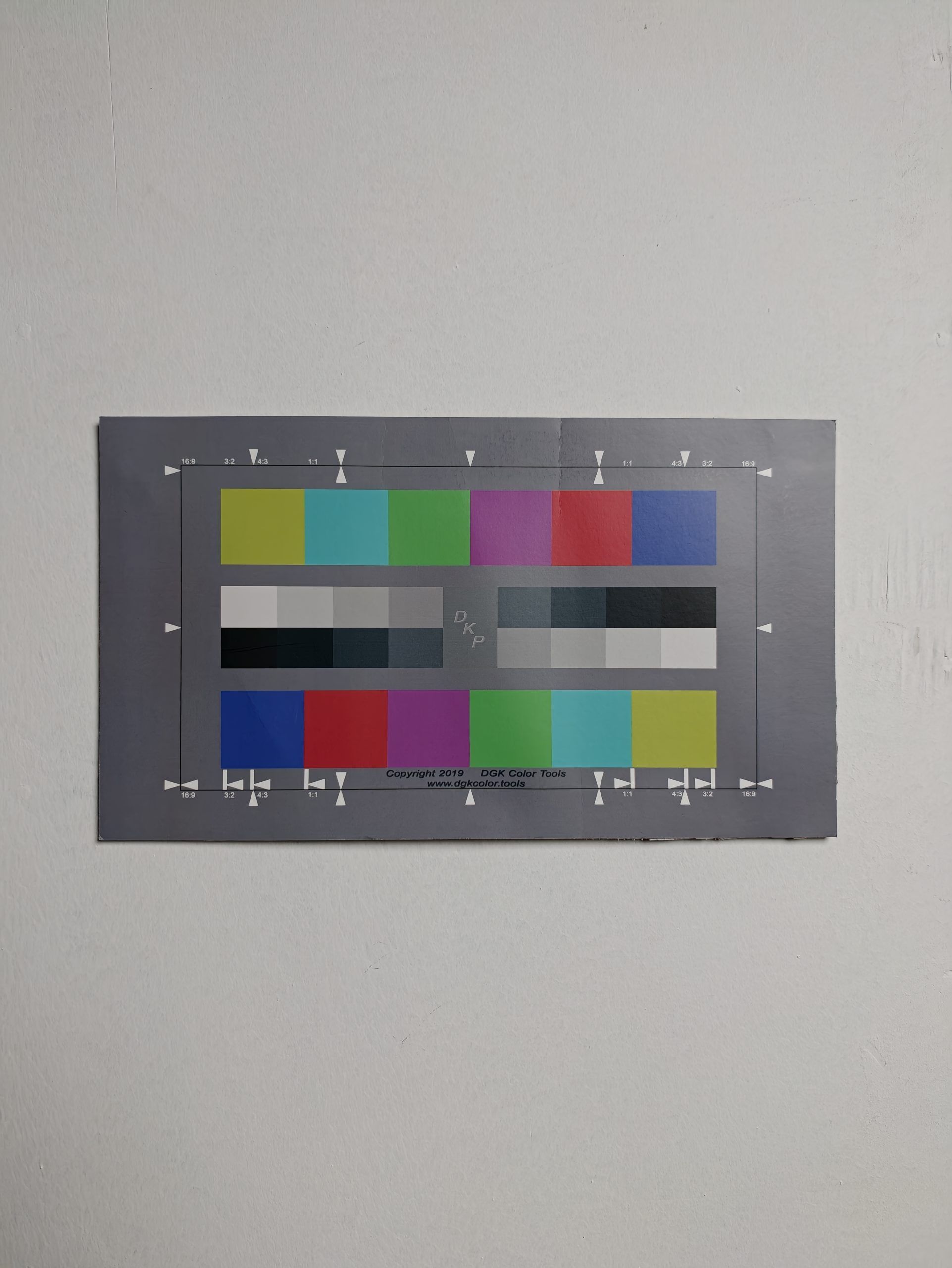
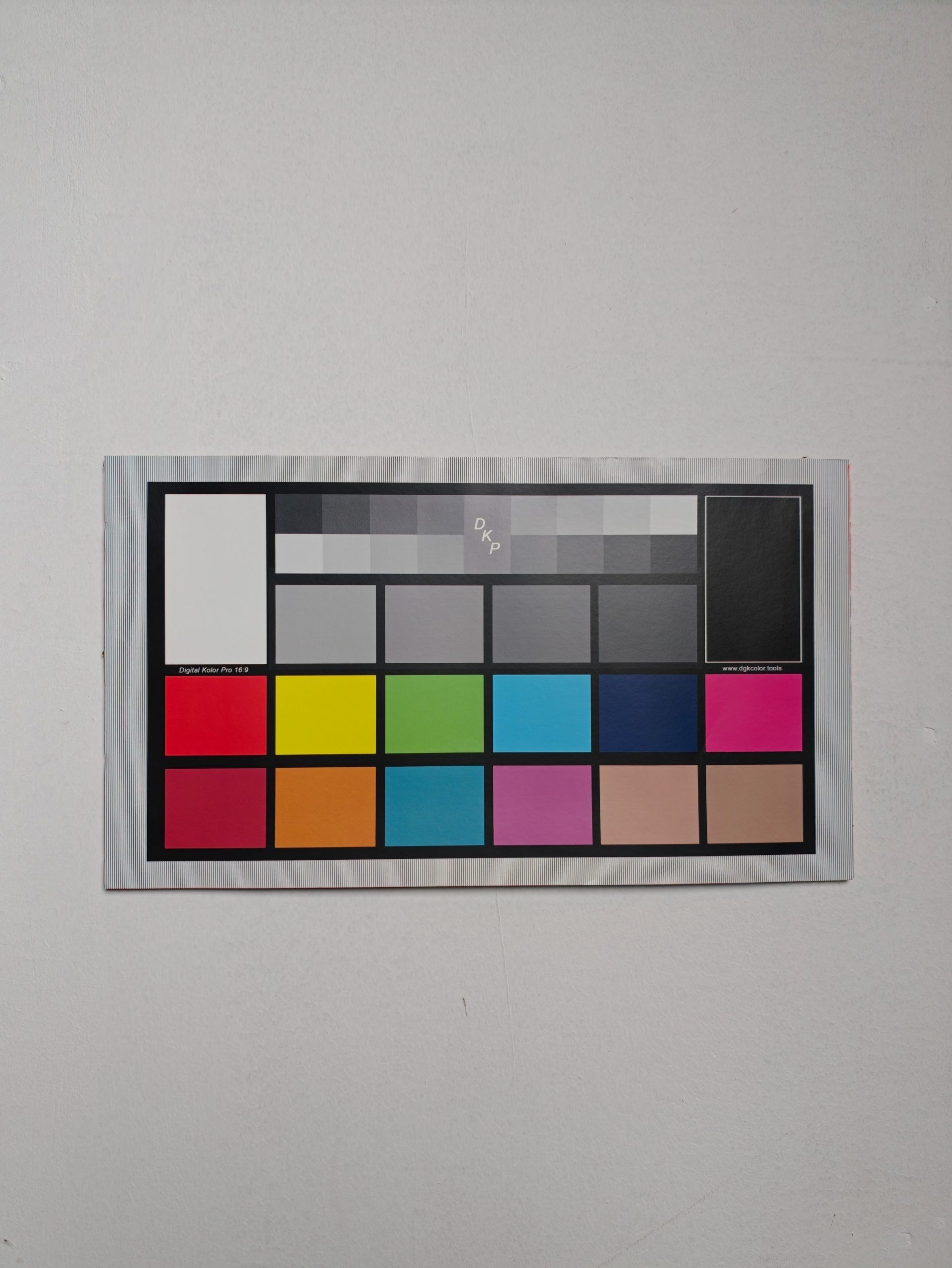
Its camera hardware is nevertheless highly capable. The ultrawide camera (9.0) delivers sharp results across our corridor test, with straight perspective lines and little loss of detail towards the edges. Our studio colour chart tests also show neutral greys, accurate white balance and natural saturation from the Hasselblad colour tuning.
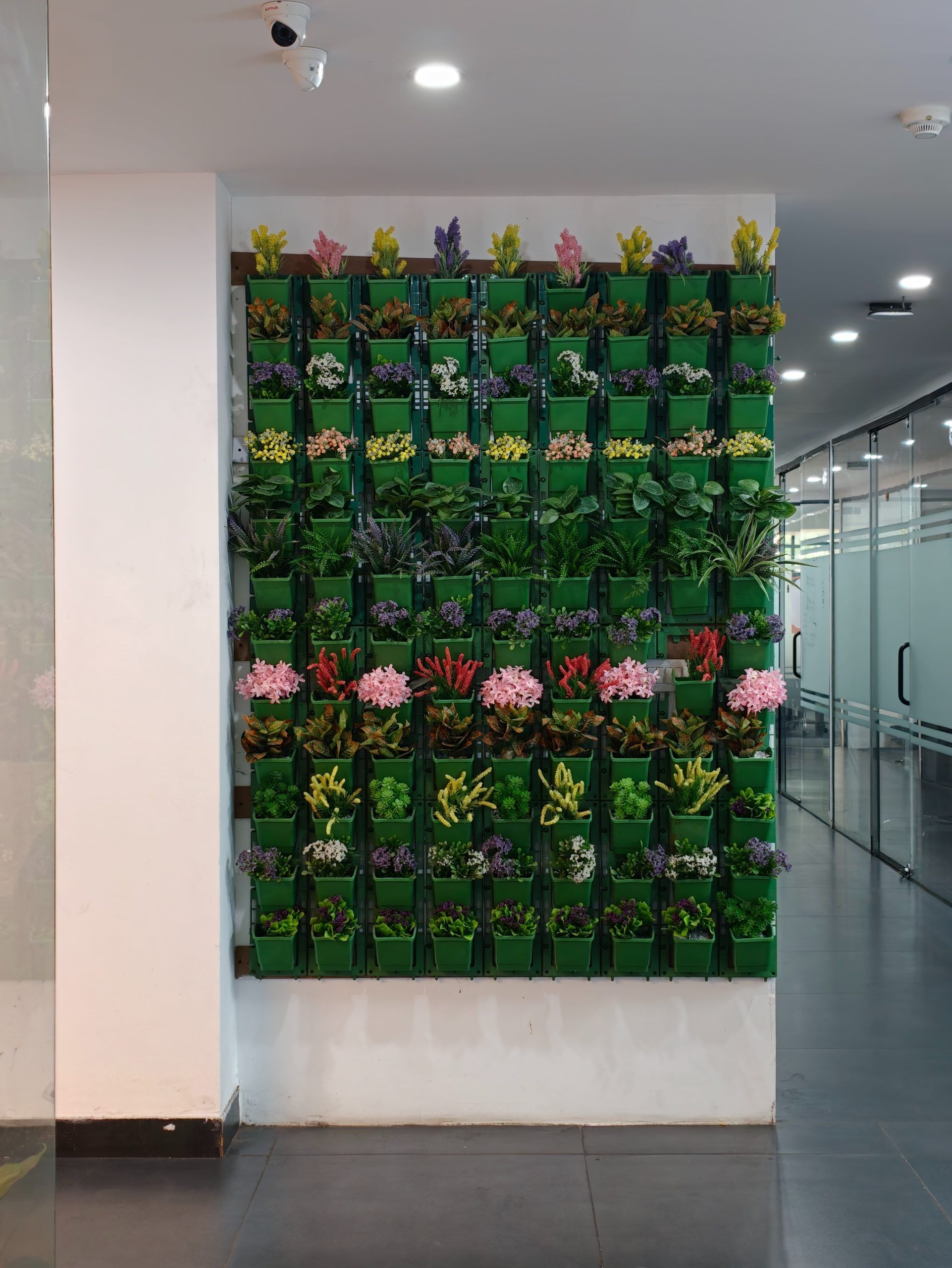
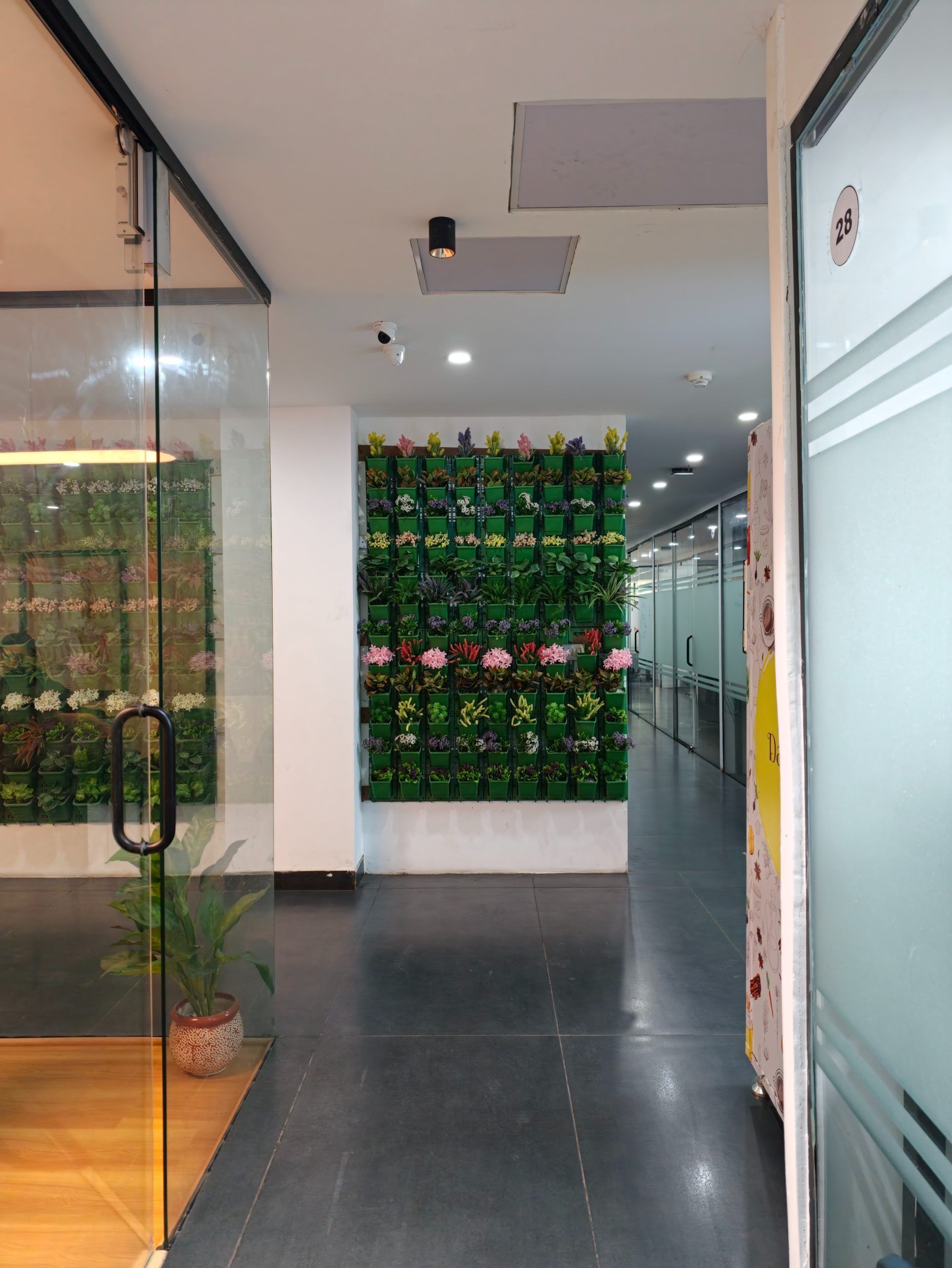
The dual-periscope system scores 9.0 for telephoto. In our indoor vertical garden test, it resolves fine leaf veins, flower stamens and the mould seams on the pots with good detail and without obvious sharpening halos. The vivo X300 Ultra remains ahead for extreme telephoto, however, with a score of 9.5.
Portrait photography scores 9.0, tying the best-performing phones in the guide. Our outdoor pathway tests show clean subject separation around the hair and shoulders, natural skin tones and smooth background blur across different focal lengths.
Low-light photography scores 8.5. Optical image stabilisation keeps the trophy lettering sharp and controls highlight blooming around the lamp effectively. However, some fine texture in the darker dried leaves is lost to noise reduction compared with the Xiaomi 17 Ultra’s 9.0 result.
Battery life is also solid, with 22 hours 15 minutes recorded in our PCMark Work 3.0 test and 50% charge reached in 22 minutes 56 seconds. Its measured peak brightness of 1,651 nits, however, is the lowest among the four ultra-tier handsets.
Key Specifications
| Specification | Detail |
|---|---|
| Price | ₹1,69,999 |
| Battery life (PCMark Work 3.0) | 22h 15min |
| Charging (0–50%) | 22min 56sec |
| Peak brightness (measured, auto) | 1,651 nits |
| Geekbench 6 (single / multi) | 3,587 / 10,581 |
Oppo Find X9 Ultra XP Lab Data
| Test / Metric | Result |
|---|---|
| Daylight | 9.0 |
| Low light | 8.5 |
| Portrait | 9.0 🏆 |
| Telephoto | 9.0 |
| Front camera | 8.5 |
| Ultrawide | 9.0 🏆 |
| Video | 9.0 |
| Camera score average | 8.86 |
| Battery life (PCMark Work 3.0) | 22h 15min |
Pros
The Find X9 Ultra delivers consistent results, scoring at least 8.5 in every category and remaining in the “excellent” range throughout. Its ultrawide camera (9.0) shares the top score, with strong corner sharpness and well-controlled distortion, while its 9.0 portrait score also ties the best in the guide, with natural skin tones and convincing optical-style compression. The dual-periscope telephoto system scores 9.0 and maintains good optical detail across its zoom range. Battery life is also dependable at more than 22 hours, with 50% charge reached in under 23 minutes.
Cons
The Find X9 Ultra is the most expensive phone in the guide at ₹1,69,999, yet ranks only third overall. It trails the category leaders by half a point in five key categories and does not top any category outright. Its measured peak display brightness of 1,651 nits is also the lowest among the ultra-tier competitors.
Who Should Buy It
Buyers committed to the Oppo ecosystem who want an ultrawide-first flagship with twin periscopes and Hasselblad portrait tuning, and for whom price is not a constraint.
Who Shouldn’t Buy It
Anyone making a decision based strictly on lab performance: the Xiaomi 17 Ultra posts a higher average score for ₹30,000 less, while the vivo X300 Ultra delivers outright wins in zoom and selfies for ₹10,000 less.
Expert Verdict: The Oppo Find X9 Ultra is an exceptional camera phone that finishes third in a field where the top two cost noticeably less. Its ultrawide lens and portrait separation match anything on the market, but because it consistently sits half a step behind the cheaper Ultras in daylight, low light, and zoom, it cannot claim an award.
Xiaomi 17
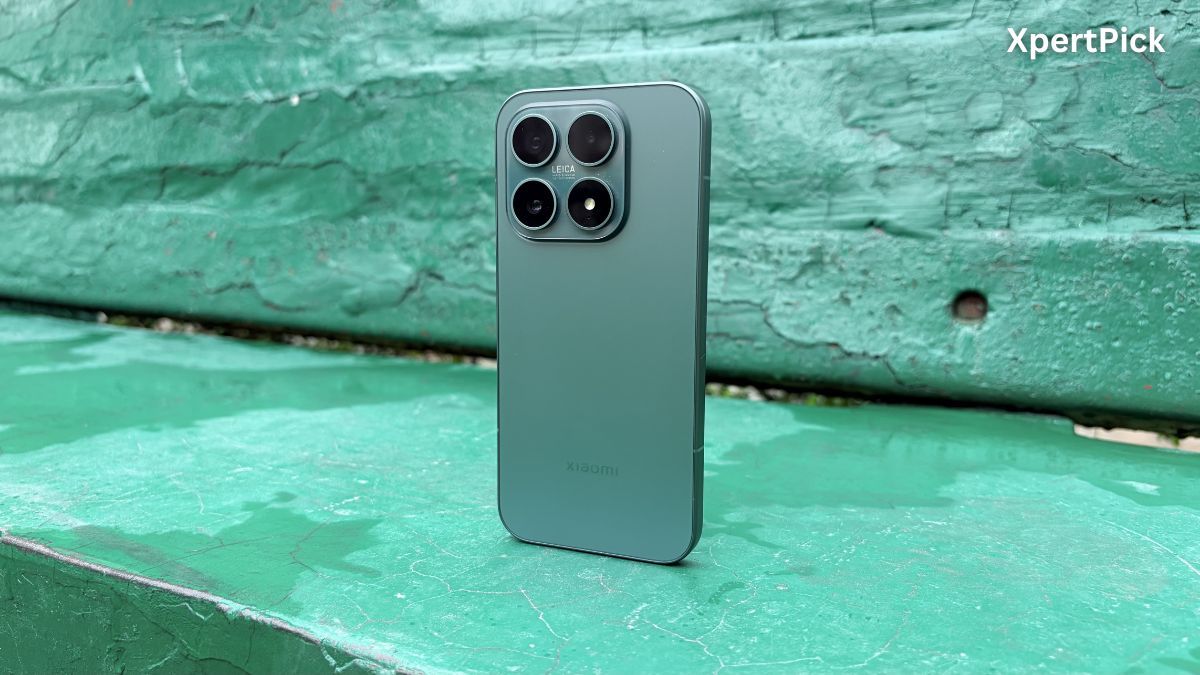
The Xiaomi 17, at ₹89,999, averages 8.43 and ranks joint-fifth in the guide. While it achieves excellent 9.0 ratings in daylight and portraiture, it is ultimately squeezed from both sides: it is outscored on zoom and video by the cheaper Oppo Reno 16, and loses to the ultra-tier flagships across the board.




Why We Didn’t Pick It
The Xiaomi 17 is a capable camera phone that finds itself in a highly competitive price bracket. It does not top any category outright. The ₹61,999 Oppo Reno 16 scores higher for telephoto (9.0 vs 8.5), front camera (8.5 vs 8.0) and video (9.0 vs 8.5) while costing ₹28,000 less, while the vivo X300 FE scores higher in low light for ₹10,000 less.
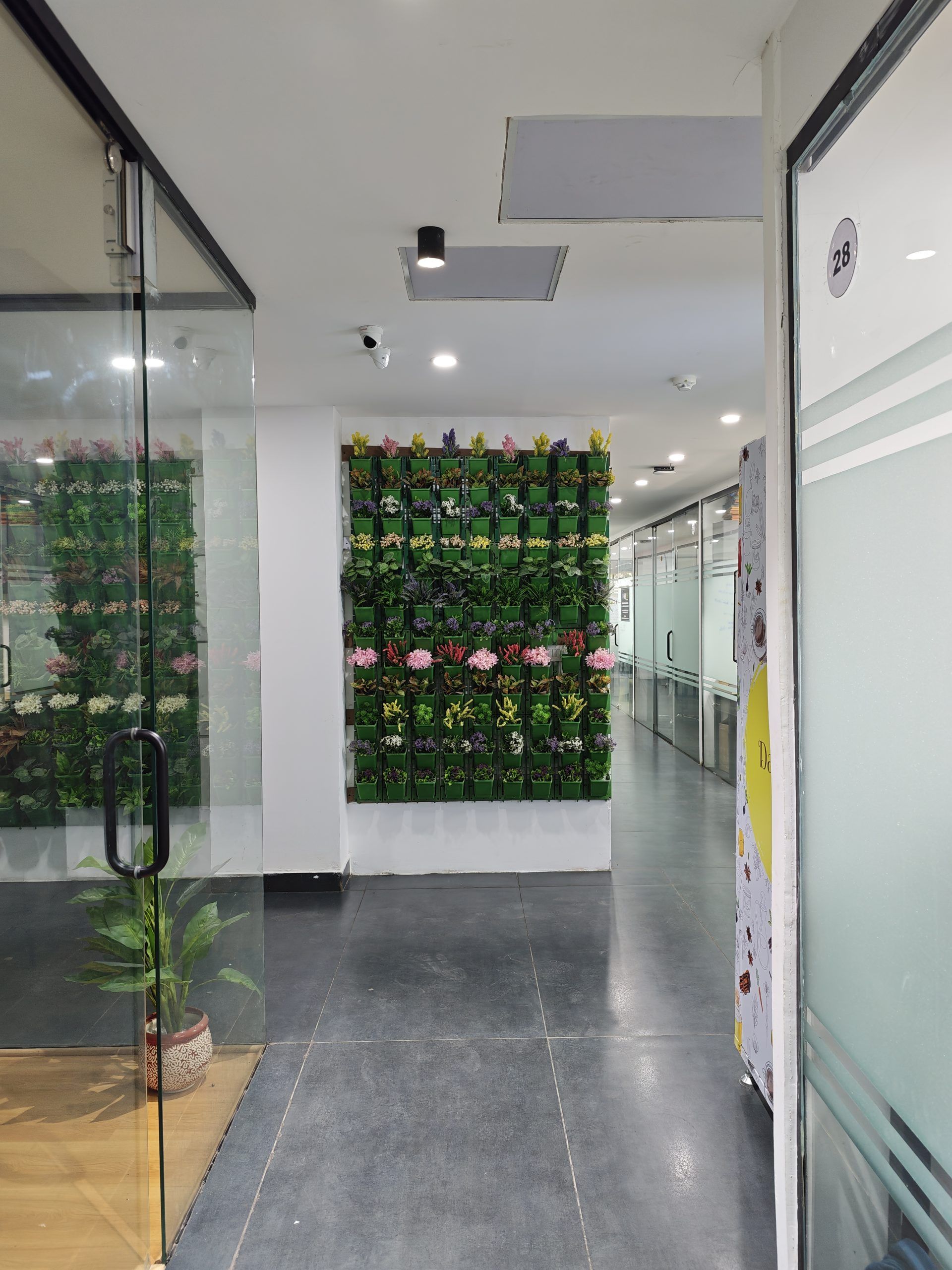
The primary camera delivers strong daylight results, scoring 9.0. Our indoor vertical garden and corridor tests show well-balanced exposures and neutral colours, with Leica’s tuning avoiding excessive saturation.
Portrait photography also scores 9.0. In the outdoor pathway test, the phone separates the subject cleanly from the background while retaining hair detail, natural skin tones and the texture of the diamond-patterned polo shirt. Background blur is smooth and gradual.
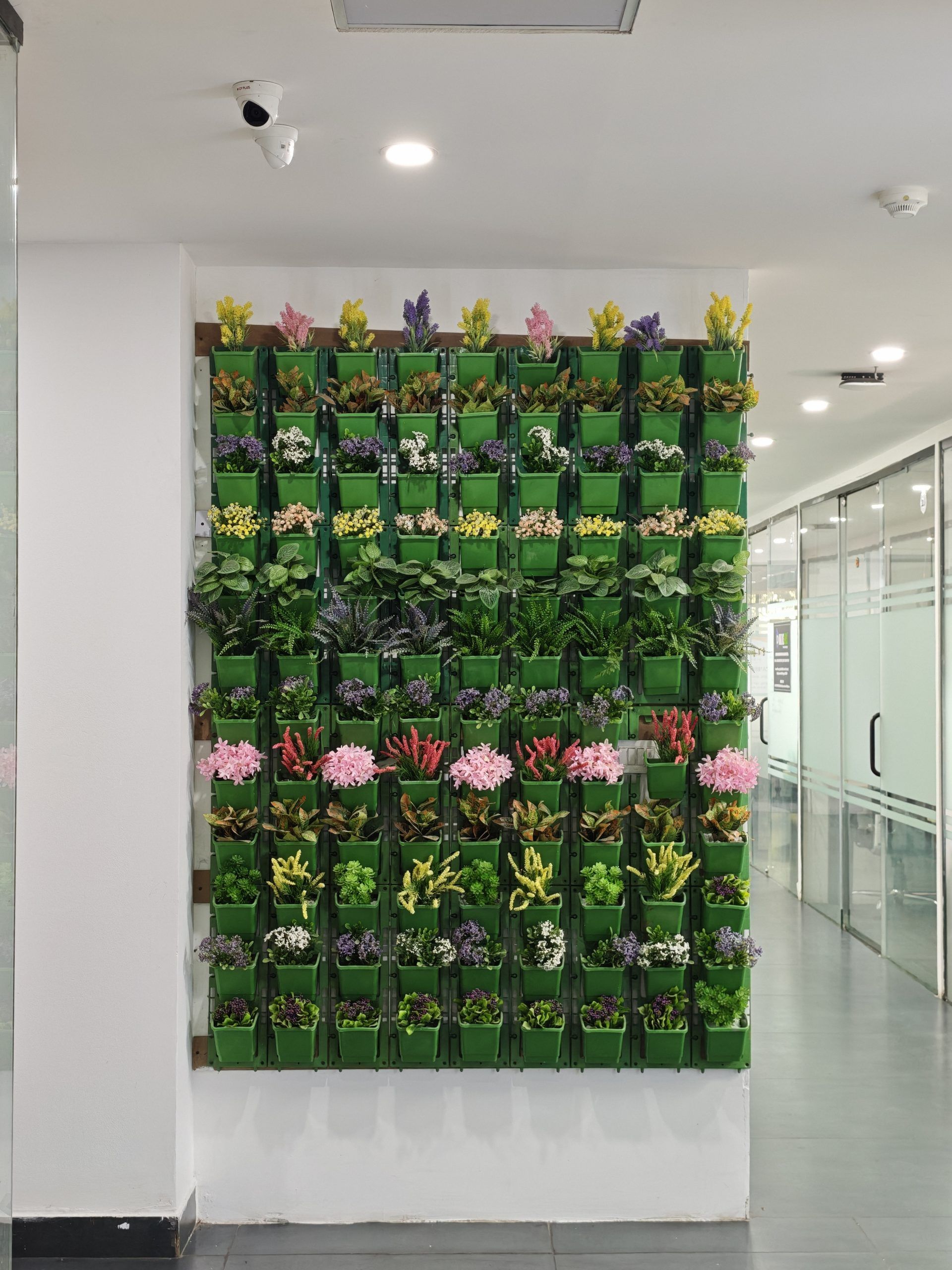
The dedicated telephoto camera scores 8.5. It resolves the floral clusters and individual leaf veins in our vertical garden test with good detail, although it trails the cheaper Reno 16’s 9.0. The 8.0 ultrawide camera handles perspective well in the corridor test but lacks the corner sharpness of the 9.0-rated Xiaomi 17 Ultra.
Low-light photography scores 8.0. Optical image stabilisation keeps the trophy plaque sharp and controls the warm directional lighting well, although shadow detail in the dried leaves is somewhat limited compared with the 8.5-rated vivo X300 FE.
The Xiaomi 17 also recorded 22 hours 35 minutes in our PCMark Work 3.0 battery test and reached 50% charge in 21 minutes 50 seconds. However, based purely on our camera scores, it occupies an awkward middle ground, with cheaper alternatives offering stronger results in several categories.
Key Specifications
| Specification | Detail |
|---|---|
| Price | ₹89,999 |
| Battery life (PCMark Work 3.0) | 22h 35min |
| Charging (0–50%) | 21min 50sec |
| Peak brightness (measured, auto) | 2,760 nits |
| Geekbench 6 (single / multi) | 3,365 / 9,717 |
Xiaomi 17 XP Lab Data
| Test / Metric | Result |
|---|---|
| Daylight | 9.0 |
| Low light | 8.0 |
| Portrait | 9.0 🏆 |
| Telephoto | 8.5 |
| Front camera | 8.0 |
| Ultrawide | 8.0 |
| Video | 8.5 |
| Camera score average | 8.43 |
| Battery life (PCMark Work 3.0) | 22h 35min |
Pros
The Xiaomi 17 delivers excellent 9.0 results in daylight and portraiture, with natural colour reproduction and accurate edge detection. Its telephoto and video scores of 8.5 also place both comfortably in the excellent range. Fast charging gets it from 0 to 50% in under 22 minutes, while its battery lasts more than 22 hours in our testing. Its 2,760-nit peak brightness also ensures good visibility outdoors.
Cons
The Xiaomi 17 is outscored by the substantially cheaper Reno 16 for zoom, selfies and video. It also trails the cheaper vivo X300 FE in low-light shadow recovery, while its 8.0 front camera and 8.0 ultrawide scores are good rather than excellent, leaving it behind the ultra-tier leaders.
Who Should Buy It
Buyers who want a compact flagship with excellent daylight and portrait results, rapid charging, and who already prefer Xiaomi’s software and Leica colour profiles.
Who Shouldn’t Buy It
Anyone whose primary priority is optical zoom or video recording, where the Reno 16 does more for less, or dedicated night shooters, where the vivo X300 FE performs better for less.
Expert Verdict: The Xiaomi 17 is a very good camera phone that is squeezed from both sides. Its daylight and portrait scores are excellent, but it does not win anything outright and is ultimately outscored in key photographic categories by handsets that cost significantly less.
vivo X300 FE
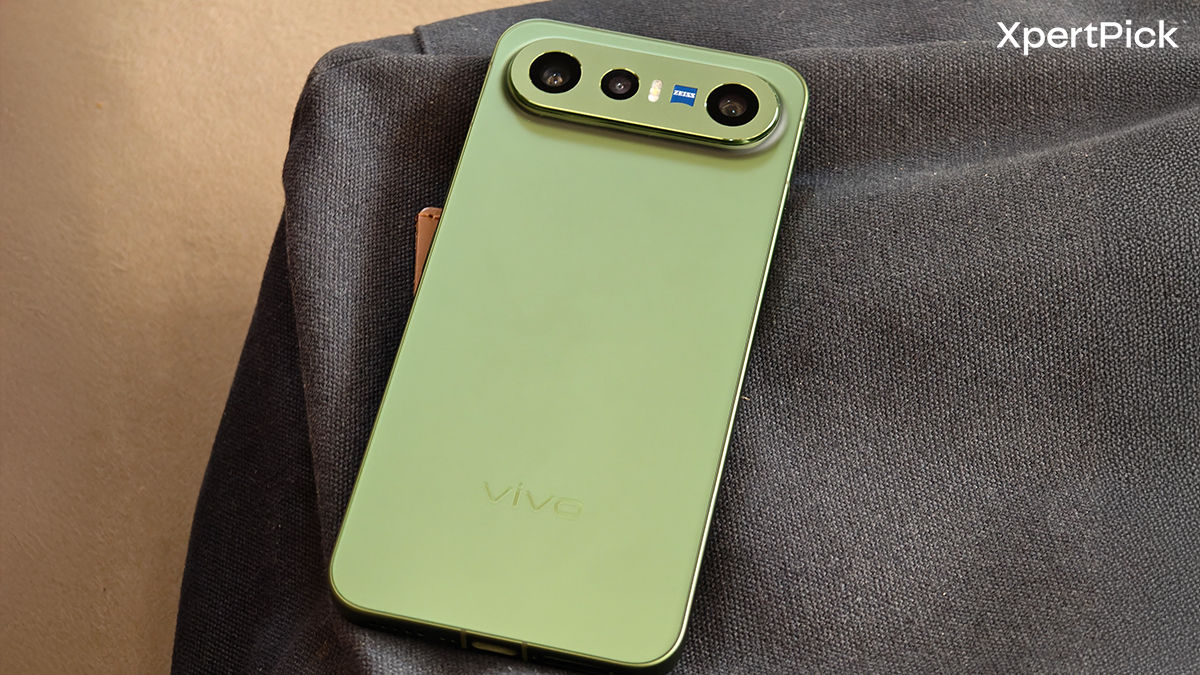
The vivo X300 FE, at ₹79,999, brings flagship imaging heritage and class-leading endurance down to a sub-₹80,000 price point. Armed with an exceptional low-light sensor and ZEISS-tuned portrait optics, it delivers the finest night photography outside the ultra tier alongside flawless edge separation. However, with an unexceptional front camera and the slowest charging speeds in the group, it falls just short of an outright category win.







Why We Didn’t Pick It
The X300 FE’s main strength is its 8.5 low-light score, the highest among the phones below the ₹1.4-lakh ultra flagships. In our dimly lit trophy test, the primary camera retains fine detail in the dried leaves, including their delicate veins, while keeping luminance noise under control. The trophy plaque lettering also remains sharp, with little visible highlight blooming.
Its portrait performance (9.0) is on par with the most expensive phones in the guide. In our outdoor pathway test, the phone separates the subject cleanly from the background while retaining detail around the hair and shoulders. Facial texture remains natural, and the background is rendered with a smooth blur and clearly defined bokeh highlights.
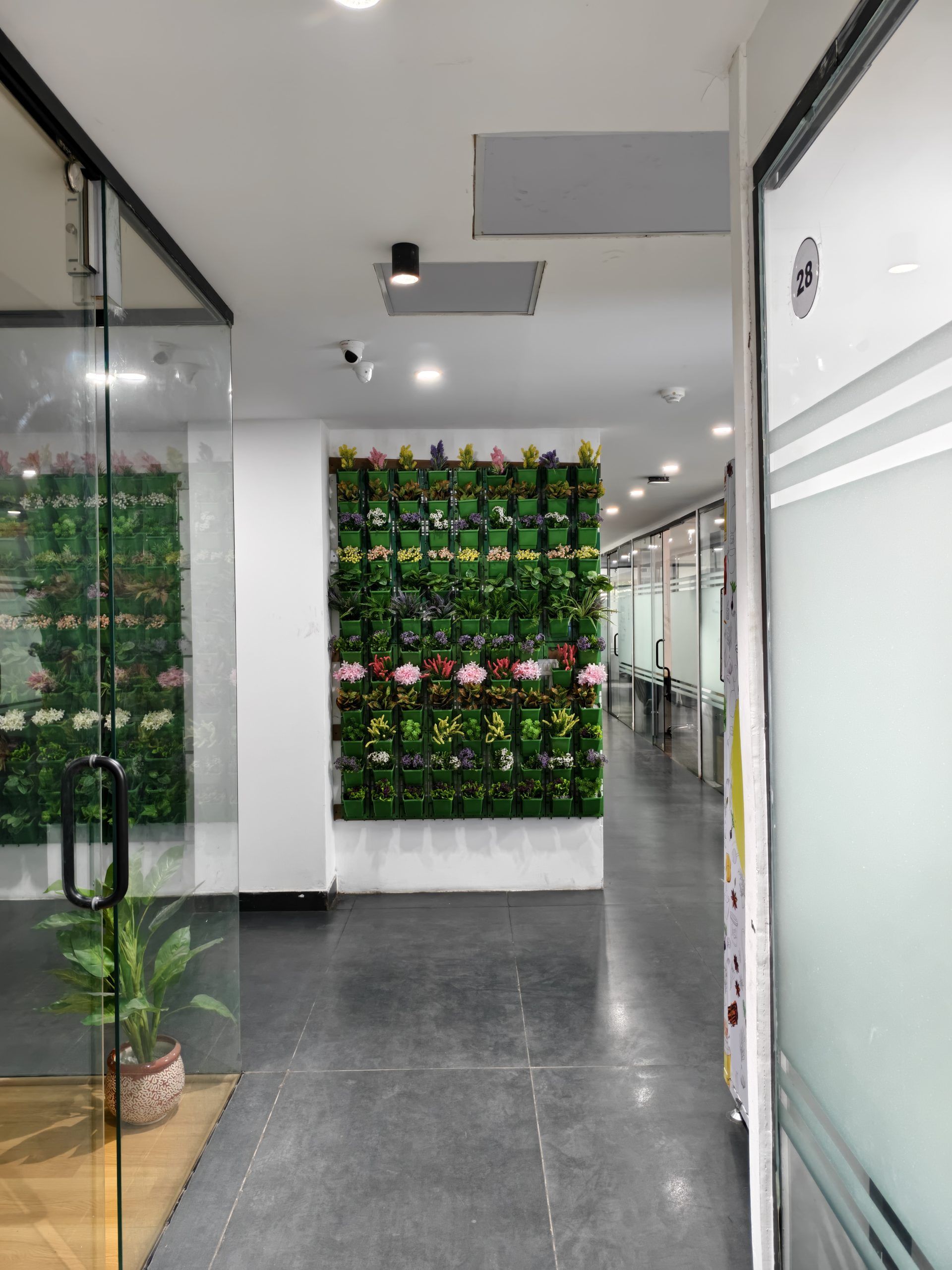
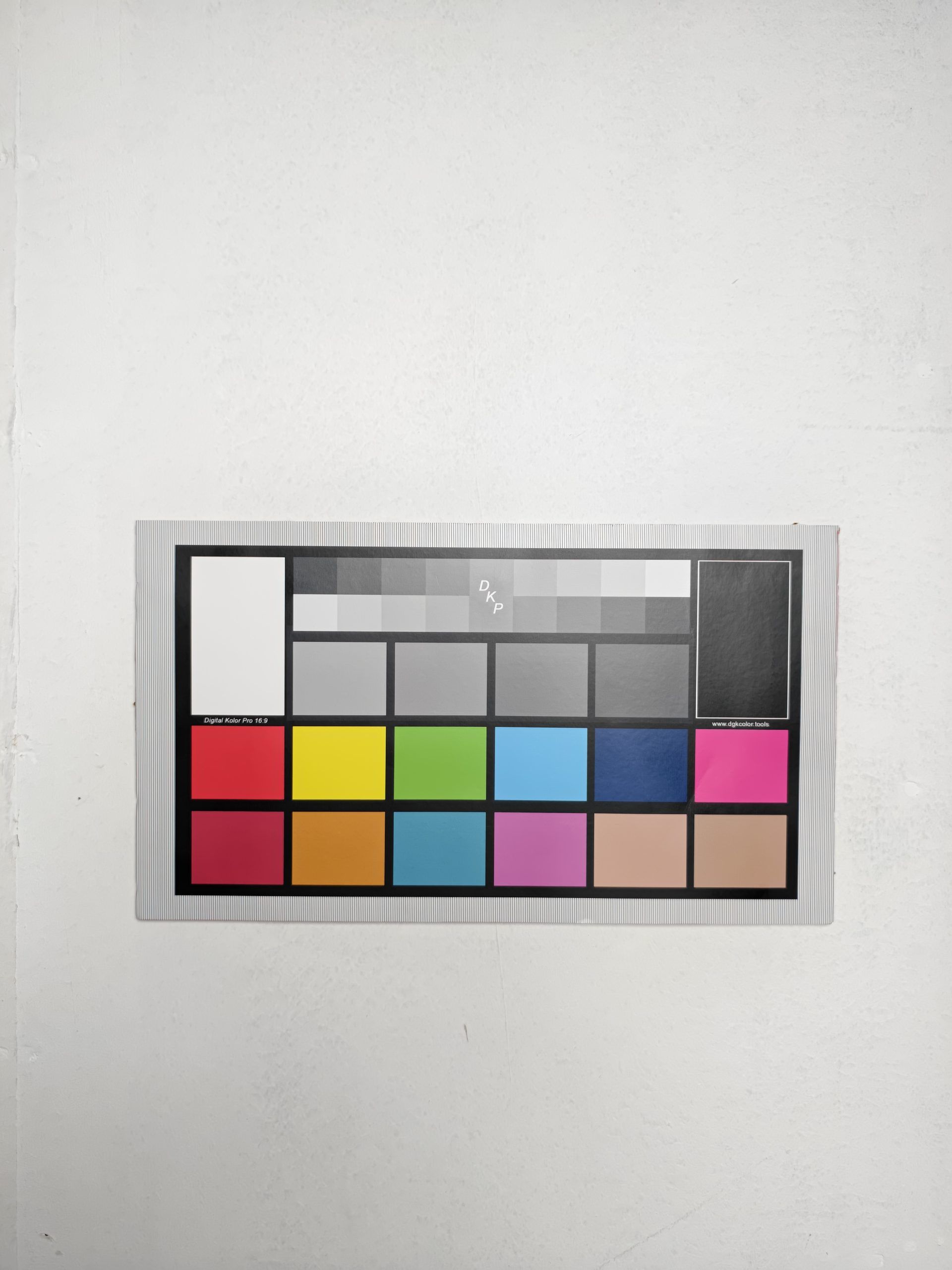
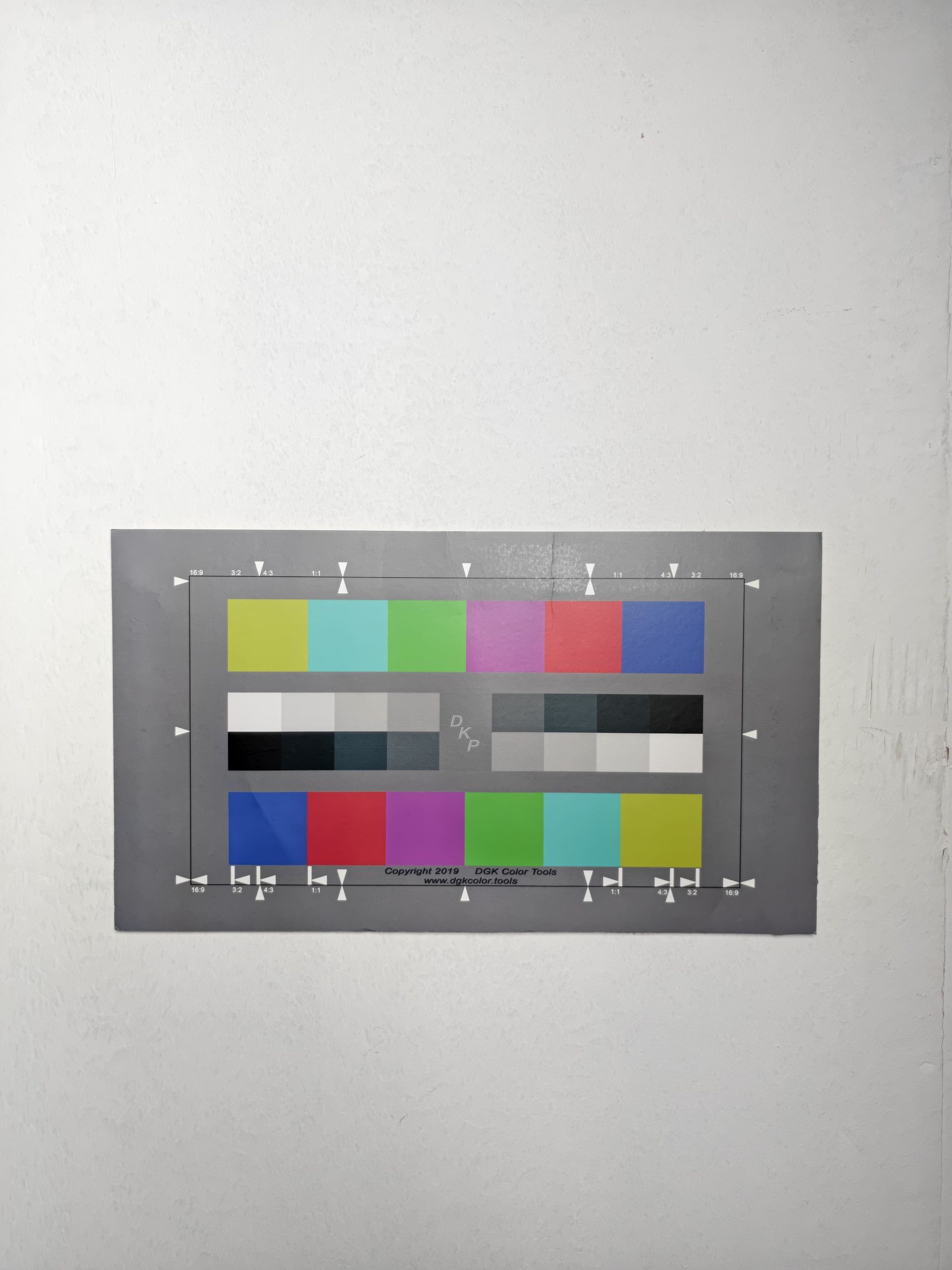
Daylight photography also scores 9.0. Our studio colour charts show accurate white balance, smooth tonal gradation and natural colour reproduction. The dedicated telephoto camera scores 8.5 and resolves good detail in the floral clusters and individual leaf veins in our indoor tests. However, it trails the cheaper Oppo Reno 16, which scores 9.0 for zoom.
The X300 FE misses out on an award primarily because of its front camera and charging performance. Its 7.5 selfie score is the lowest among the flagships in this guide and sits 1.5 points below its Ultra sibling. Its 24-hour 27-minute PCMark Work 3.0 result is the longest in the guide, but reaching 50% charge takes 44 minutes 55 seconds, making it the slowest-charging phone in this comparison.
Key Specifications
| Specification | Detail |
|---|---|
| Price | ₹79,999 |
| Battery life (PCMark Work 3.0) | 24h 27min |
| Charging (0–50%) | 44min 55sec |
| Peak brightness (measured, auto) | 2,830 nits |
| Geekbench 6 (single / multi) | 2,789 / 8,864 |
vivo X300 FE XP Lab Data
| Test / Metric | Result |
|---|---|
| Daylight | 9.0 |
| Low light | 8.5 |
| Portrait | 9.0 🏆 |
| Telephoto | 8.5 |
| Front camera | 7.5 |
| Ultrawide | 8.0 |
| Video | 8.5 |
| Camera score average | 8.43 |
| Battery life (PCMark Work 3.0) | 24h 27min |
Pros
The X300 FE has the best low-light camera below the ultra tier, scoring 8.5 while retaining good shadow detail without excessive crushing. Its 9.0 portrait score also stands out, with natural skin tones and smooth optical-style background blur. It recorded the longest battery runtime in the guide at 24 hours 27 minutes, while daylight photography benefits from accurate colour reproduction and well-controlled exposure.
Cons
The X300 FE’s 7.5 front camera score is the weakest among the flagships, trailing both Ultra models and the Reno 16. Its 8.5 telephoto score also falls behind the cheaper Oppo Reno 16’s 9.0, while charging is the slowest in the guide, taking nearly 45 minutes to reach 50%.
Who Should Buy It
Night photographers shopping under ₹80,000 who want near-ultra-tier low-light capability and portrait excellence, paired with genuine two-day battery endurance.
Who Shouldn’t Buy It
Selfie-heavy creators who rely on the front camera, users who need rapid top-ups on the go, or zoom-focused buyers who can get a superior telephoto lens for less money with the Oppo Reno 16.
Expert Verdict: The vivo X300 FE is an exceptional low-light shooter and the undisputed battery champion of this guide. Its primary sensor and portrait capabilities punch well into flagship territory, but a lacklustre selfie camera and sluggish charging hold it back from claiming an outright award.
iPhone 17
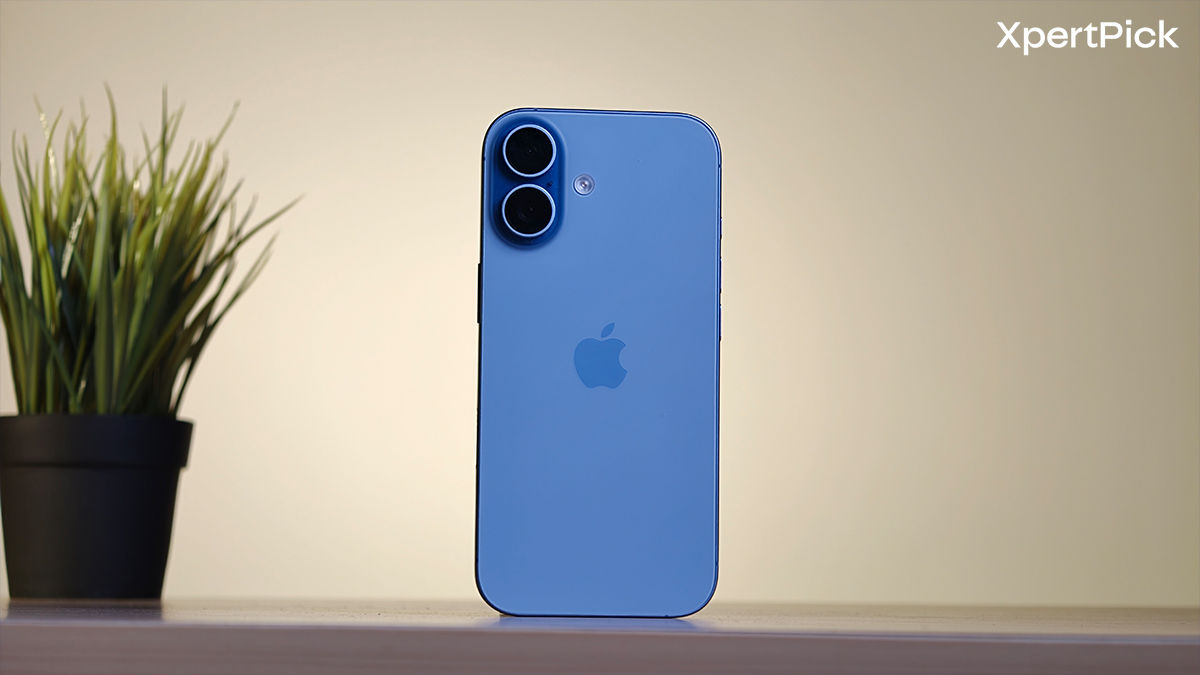
The iPhone 17, priced at ₹82,900, remains Apple’s mainstream flagship proposition, combining an exceptionally bright 120Hz display, the A19 chip, and class-leading video workflows. However, retaining a strictly dual-camera configuration without dedicated telephoto glass leaves it at a distinct hardware deficit in this price class. With a 7.92 average across six scored categories and a trailing portrait performance, it cannot secure an award in this comparison.




Why We Didn’t Pick It
The iPhone 17 misses out on an award because it trails cheaper rivals across several key camera categories. Most notably, the ₹61,999 Oppo Reno 16 scores higher in daylight, low light, portraits, zoom and front-camera performance while costing nearly ₹21,000 less.
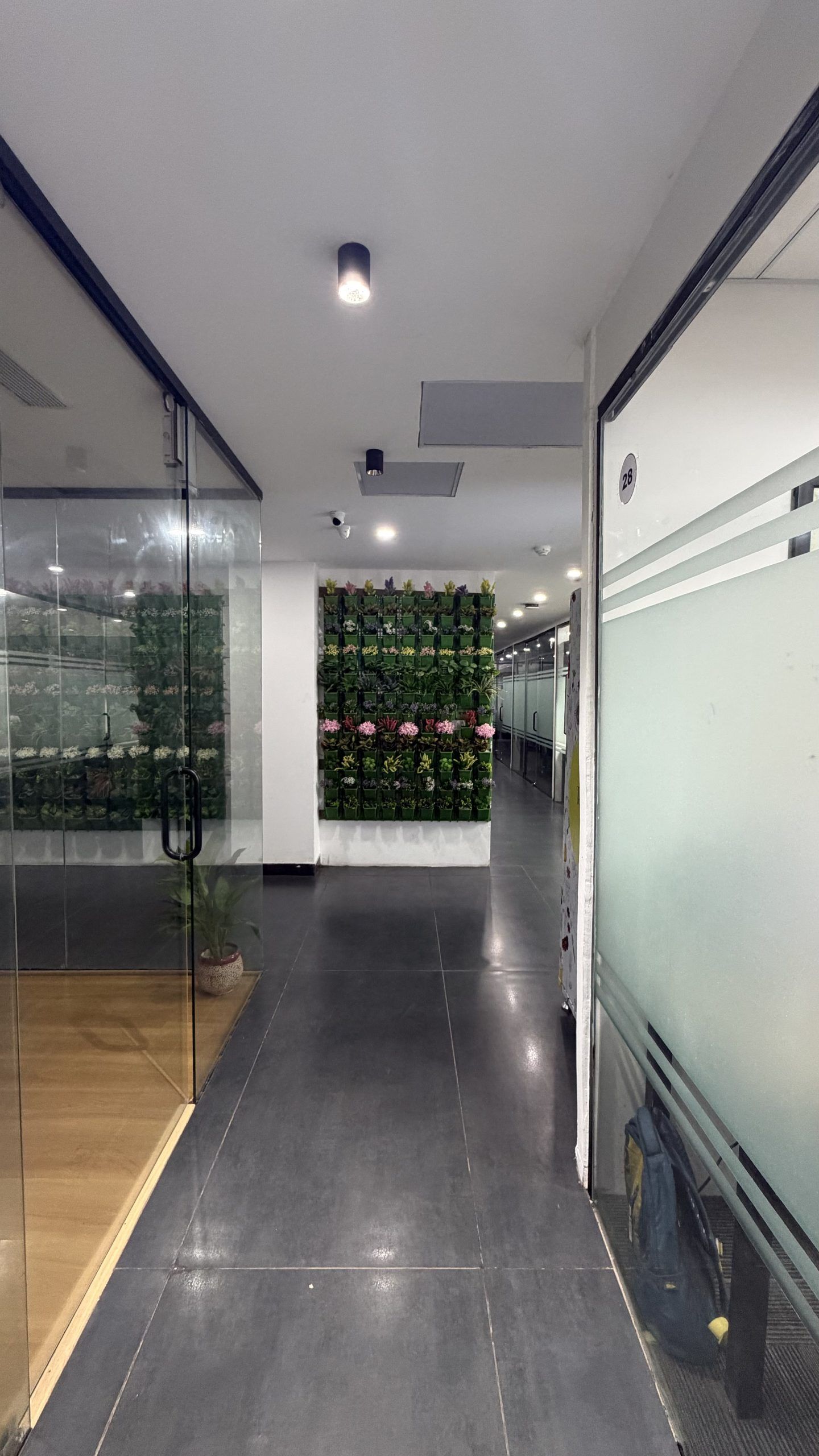
The iPhone 17’s strongest areas are its ultrawide camera (8.5) and video performance (8.5). In our wide corridor test, the ultrawide camera keeps structural lines straight while maintaining good edge sharpness and consistent colour reproduction. Video also benefits from effective stabilisation, wide dynamic range and smooth exposure transitions.
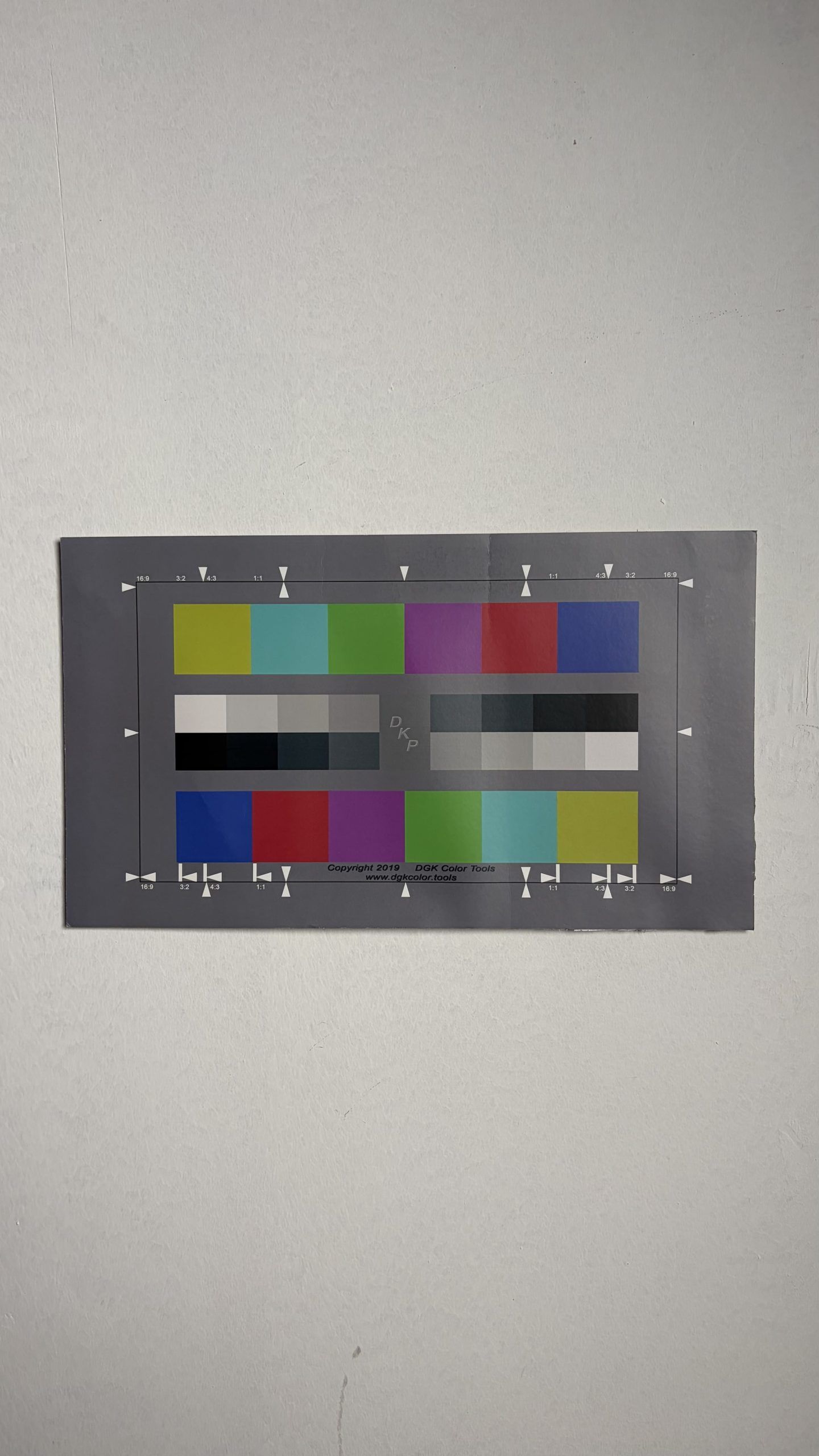
Daylight photography scores 8.0. Our studio colour chart tests show neutral-to-warm colour tuning, accurate greys and balanced primary colours without excessive saturation. Outdoor exposures are generally well balanced, with good highlight control.
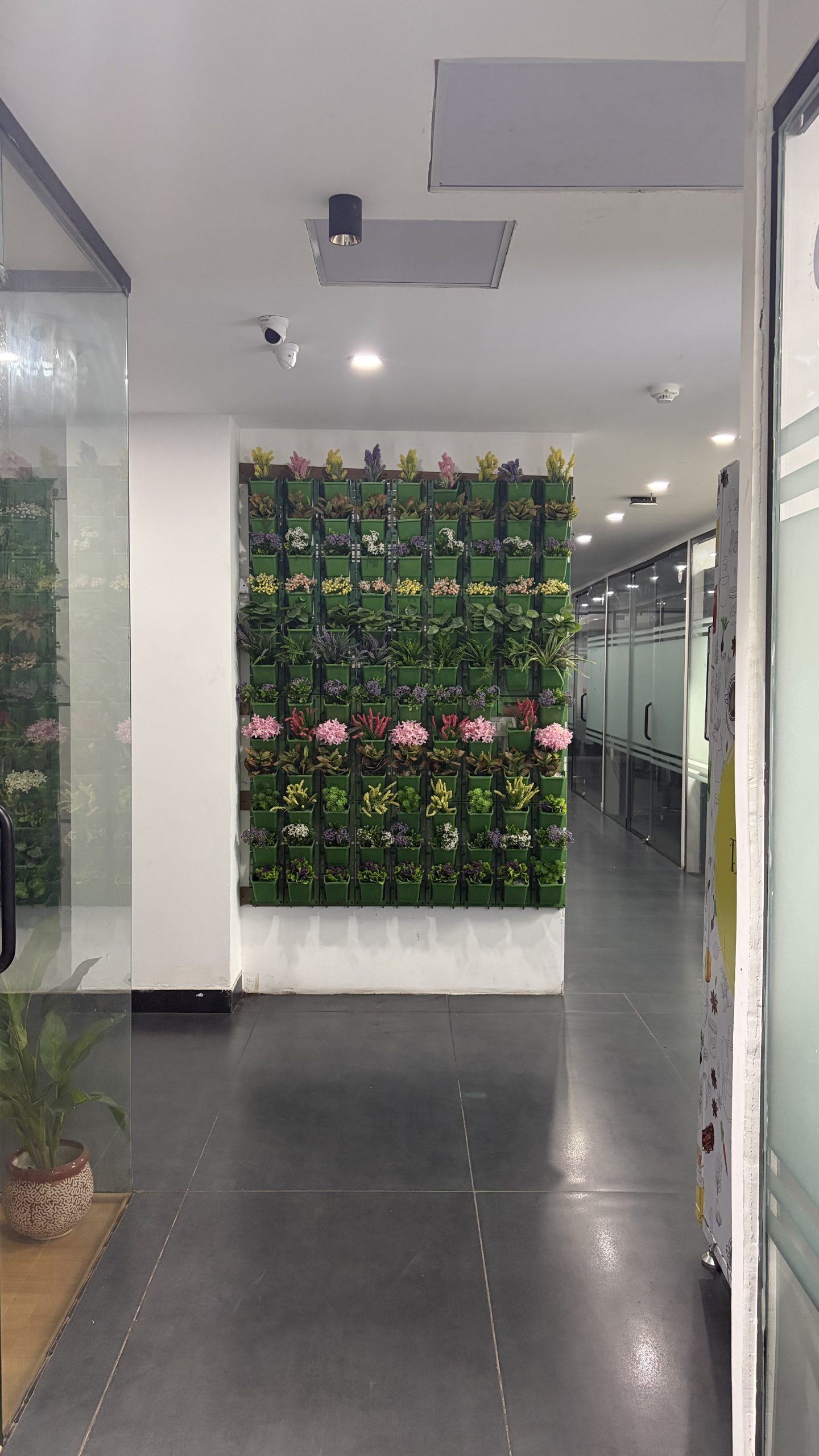
The lack of a dedicated telephoto camera limits its zoom versatility. The 48MP main camera offers a 2x in-sensor crop, but our vertical garden test shows softer detail in floral clusters and leaf veins than phones with native optical telephoto lenses.
Portrait photography consequently scores only 7.0, the lowest result in the guide. Software cropping and depth mapping produce less precise edge separation around hair and clothing, while the simulated background blur lacks the gradual fall-off of dedicated portrait optics.
Low-light photography scores 7.5. Optical image stabilisation keeps the trophy lettering legible in our dimly lit test, although the overall exposure is dark. Noise reduction also results in lost shadow detail, with the dried leaves behind the trophy losing much of their fine vein structure.
Battery life could not be tested with PCMark Work 3.0 because the benchmark is Android-only. The iPhone 17 reached 50% charge in 22 minutes 56 seconds, while its measured peak brightness of 3,000 nits is the second-highest in the guide.
Key Specifications
| Specification | Detail |
|---|---|
| Price | ₹82,900 |
| Processor | Apple A19 |
| Display | 6.27″ AMOLED, 120Hz, 2622 × 1206 |
| RAM / Storage | 8GB / 256GB or 512GB |
| Weight | 177g |
| Battery life (PCMark Work 3.0) | Not testable (iOS) |
| Charging (0–50%) | 22min 56sec |
| Peak brightness (measured, auto) | 3,000 nits |
| Geekbench 6 (single / multi) | 3,351 / 8,591 |
iPhone 17 XP Lab Data
| Test / Metric | Result |
|---|---|
| Daylight | 8.0 |
| Low light | 7.5 |
| Portrait | 7.0 |
| Telephoto | No telephoto camera |
| Front camera | 8.0 |
| Ultrawide | 8.5 |
| Video | 8.5 |
| Camera score average | 7.92 (six categories) |
| Battery life (PCMark Work 3.0) | Not testable |
Pros
The iPhone 17 delivers strong 8.5 scores for ultrawide photography and video, with effective stabilisation and low distortion. Its display is the second-brightest in the guide at a measured 3,000 nits, while daylight photography benefits from accurate colour reproduction in our studio tests. Charging is also relatively fast, reaching 50% in under 23 minutes.
Cons
The iPhone 17 lacks a dedicated optical telephoto lens, limiting its zoom versatility. Its 7.0 portrait score is joint-lowest in the guide, with computational edge-detection artefacts, while its daylight (8.0) and low-light (7.5) results trail several cheaper Android rivals. At ₹82,900, it also costs considerably more than the Oppo Reno 16 while trailing it across almost every photographic category.
Who Should Buy It
Buyers committed to the iOS ecosystem who prioritise video creation, ultrawide landscapes, and everyday handheld ease of use over telephoto reach.
Who Shouldn’t Buy It
Photographers who judge purchases strictly on optical flexibility and camera benchmarking, where phones costing ₹10,000 to ₹20,000 less provide superior portraits, dedicated optical zoom, and better low-light shadow recovery.
Expert Verdict: The iPhone 17 is a polished, reliable everyday handset with standout video and ultrawide performance, but its camera configuration is compromised at ₹82,900. Without a telephoto lens and with an artificial-feeling 7.0 portrait output, it is outpaced by Android competitors that deliver more versatile imaging hardware for significantly less money.
Nothing Phone (4a) Pro
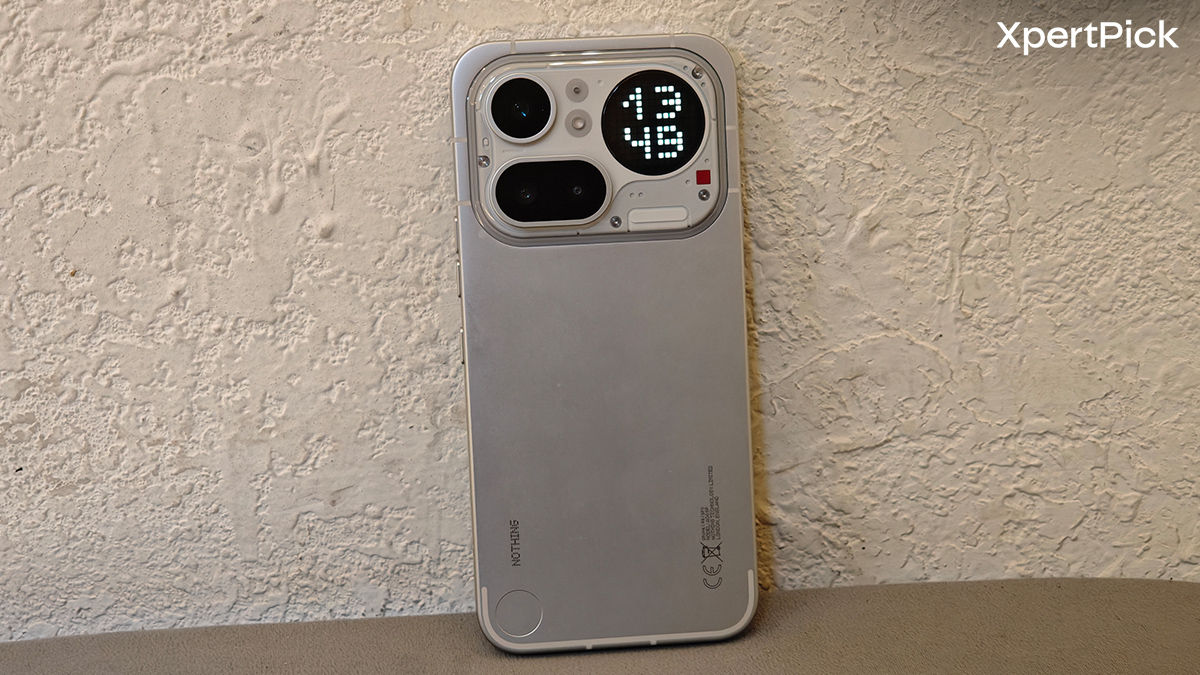
The Nothing Phone (4a) Pro is the most affordable handset in this guide at ₹51,690, averaging 7.29 across the seven XP Lab categories. While it distinguishes itself in this price bracket by fielding a dedicated optical telephoto lens that scores a solid 8.0, it sits at the bottom of our scoreboard, posting modest marks across low light, portraits, and video, alongside the only “average” ultrawide score in the entire comparison.




Why We Didn’t Pick It
The Phone (4a) Pro misses out on an award because the performance gap to the rest of the field is too wide. For an additional ₹10,300, the Oppo Reno 16 (₹61,999) scores at least one point higher in six of the seven camera categories.
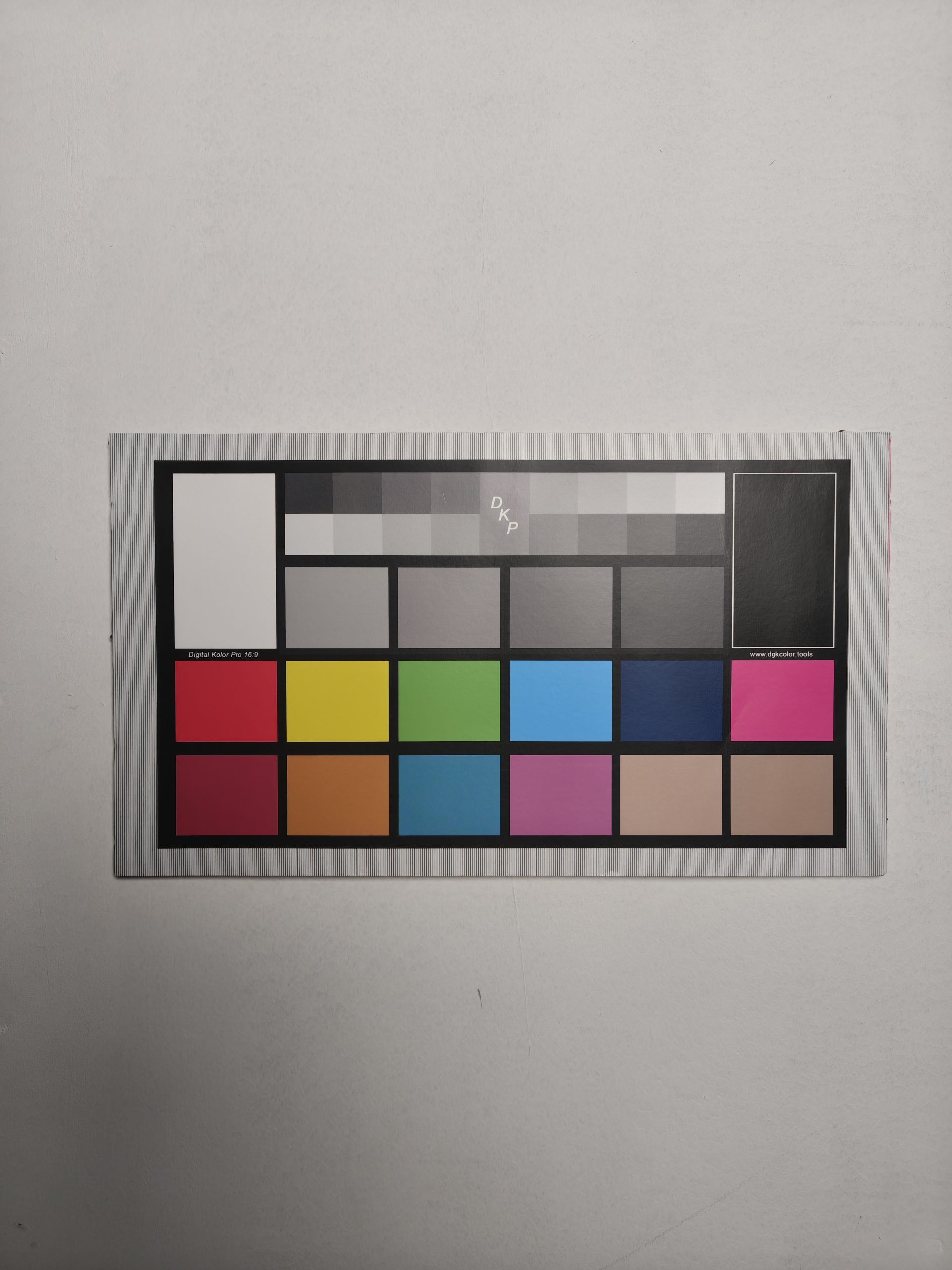
Its strongest areas are daylight photography (8.0) and telephoto (8.0). Our studio colour chart tests show neutral greys, accurate white balance and natural saturation, while the dedicated telephoto camera provides useful optical reach and captures sharp detail in foliage and architecture.
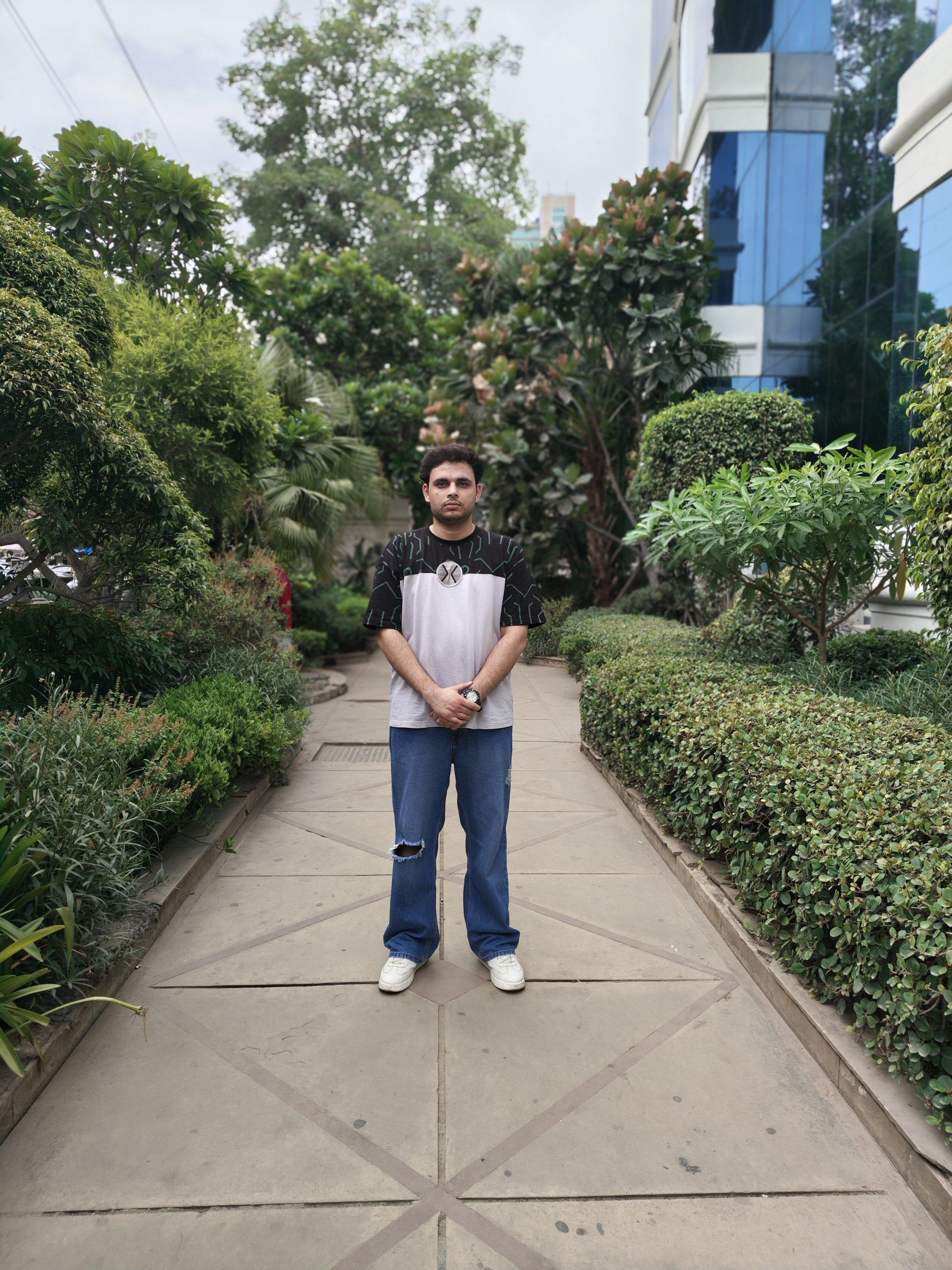
Portrait photography is weaker at 7.5. Subject separation in our outdoor pathway test is adequate, but hair edges are less precisely defined than on the 9.0-rated leaders. Skin tones are also slightly cool, while background blur lacks the gradual fall-off of more advanced camera systems.
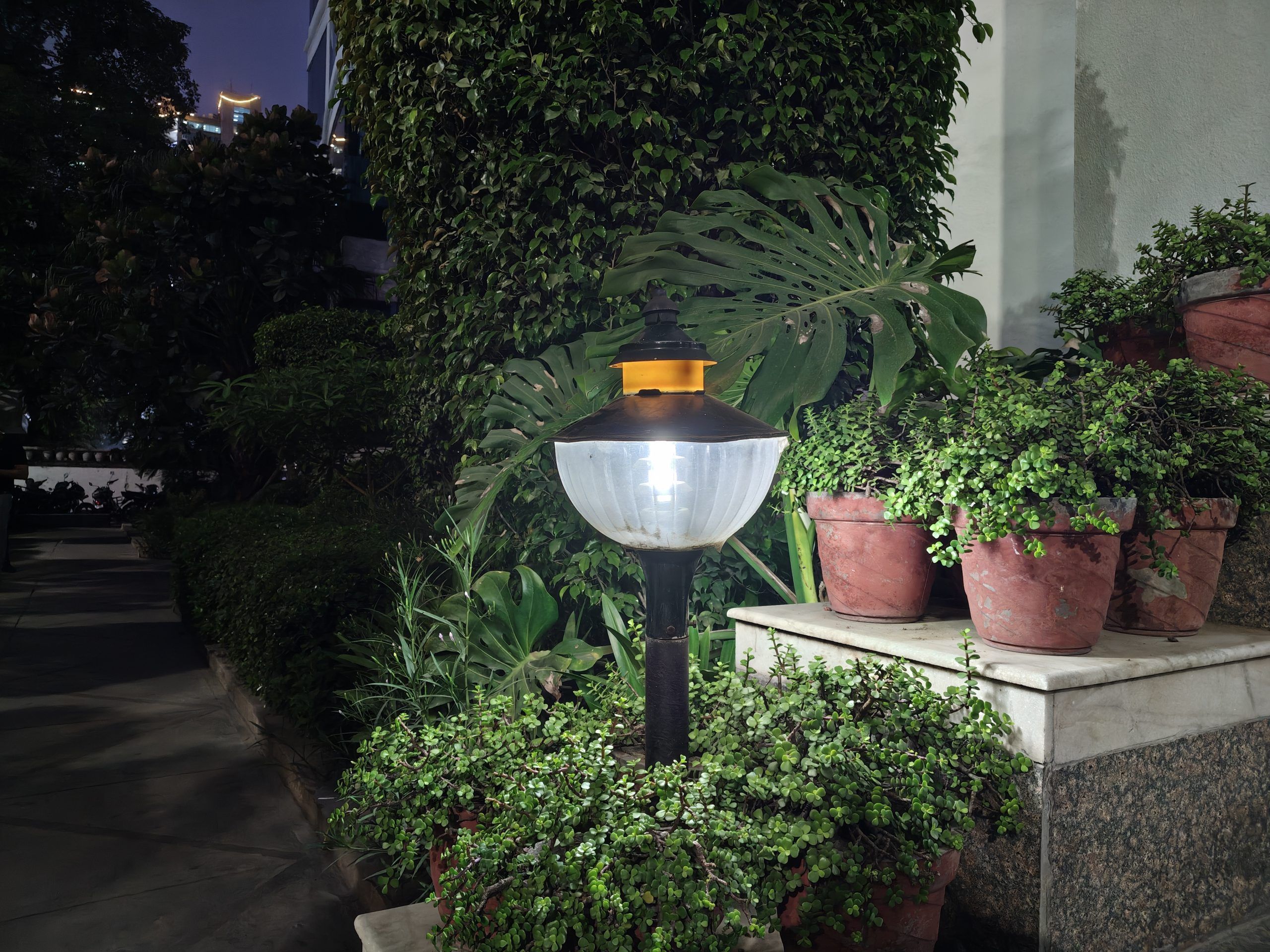
Low-light photography scores 7.0. Optical image stabilisation keeps the trophy lettering legible, but shadow recovery is limited, with the dried leaves behind the trophy losing much of their fine detail. In outdoor night scenes, highlights around the garden lamp and red signage are reasonably controlled, although darker areas show visible luminance noise and smoothing.
The 6.5 ultrawide score is its biggest weakness. It is the only score in the guide to fall below 7.0, with soft edges, some chromatic fringing and limited dynamic range.
Battery life is also below the field average. The Phone (4a) Pro lasted 18 hours 10 minutes in our PCMark Work 3.0 test, the shortest result in the guide, while reaching 50% charge took 38 minutes 45 seconds.
Key Specifications
| Specification | Detail |
|---|---|
| Price | ₹51,690 |
| Battery life (PCMark Work 3.0) | 18h 10min |
| Charging (0–50%) | 38min 45sec |
| Peak brightness (measured, auto) | 1,850 nits |
| Geekbench 6 (single / multi) | 1,378 / 4,313 |
Nothing Phone (4a) Pro XP Lab Data
| Test / Metric | Result |
|---|---|
| Daylight | 8.0 |
| Low light | 7.0 |
| Portrait | 7.5 |
| Telephoto | 8.0 |
| Front camera | 7.0 |
| Ultrawide | 6.5 |
| Video | 7.0 |
| Camera score average | 7.29 |
| Battery life (PCMark Work 3.0) | 18h 10min |
Pros
The phone is the most affordable model in the guide with a dedicated, scored optical telephoto lens (8.0). It also delivers dependable daylight performance (8.0), with accurate colour reproduction in our studio tests, while highlight suppression around bright neon signs and street lamps is handled well at night. Its distinctive hardware design and clean software round out the package at a much lower price than the flagship models.
Cons
The phone records the lowest average camera score in the guide at 7.29. Its 6.5 ultrawide score is the only result in the “average” tier, with noticeable corner softness, while conservative low-light processing leads to heavy loss of shadow detail. Battery endurance is also the weakest in the group, at 18 hours 10 minutes in our PCMark Work 3.0 test.
Who Should Buy It
Shoppers with a strict ceiling around ₹52,000 who want dedicated optical zoom reach and clean daylight photography without paying flagship prices.
Who Shouldn’t Buy It
Anyone who can stretch their budget by ₹10,000 to reach the Oppo Reno 16, which occupies a completely different performance tier, or landscape photographers who rely frequently on an ultrawide camera.
Expert Verdict: The Nothing Phone (4a) Pro is a respectable budget device that punches above its weight by including an optical telephoto lens, but it cannot escape its price point in this company. With the only sub-7.0 score in the guide and trailing marks in low light and video, the performance gap to the mid-range Oppo Reno 16 is simply too vast to recommend it purely on camera credentials.
Frequently Asked Questions (FAQ)
Which phone has the best camera overall?
The vivo X300 Ultra. It averages 9.14 across seven XP Lab categories, is joint-top in four and outright top in telephoto (9.5) and front camera (9.0).
Which is better for night photography, the vivo X300 Ultra or the Xiaomi 17 Ultra?
They tied at 9.0 in our low-light test, and also tied at 9.5 in daylight and video. Choose on the other categories: the vivo for zoom and selfies, the Xiaomi for ultrawide, faster charging and a ₹20,000 saving.
Is there a good camera phone under ₹65,000?
Yes – the Oppo Reno 16 at ₹61,999 scores 9.0 in daylight, portrait, telephoto and video and averages 8.57, ahead of the Xiaomi 17 and iPhone 17. Its low-light score of 7.5 is the compromise.
Which phone is best for video?
The Xiaomi 17 Ultra and vivo X300 Ultra tied at 9.5. We name the Xiaomi so the two awards are not held by one device; there is no lab basis for preferring one over the other on video.
Why does the Oppo Find X9 Ultra not win anything at ₹1,69,999?
It is excellent everywhere and joint-best on ultrawide and portrait, but the Xiaomi 17 Ultra and vivo X300 Ultra score higher on average and cost less. It is never the best choice on lab numbers.
Which phone is best for pro / manual controls?
The Xiaomi 17 Ultra. Its Pro mode offers full manual exposure and RAW capture, and the optional Photography Kit adds a grip, physical shutter buttons and a filter thread. This is a feature-based award: XP Lab tests the stock app at default settings only, so no manual-mode score is recorded.
Why Trust XpertPick
Nothing on this page comes from a press release or a manufacturer’s claimed figure. Every number was measured on a device in our hands.
Independent testing: Every phone in this guide was benched in-house on a retail unit running shipping software. No manufacturer-supplied performance data was used in the analysis.
Standardised conditions: Identical benchmark, stress, gaming and battery suites at 28°C ambient on the top variant of each device, which is what allows a ₹51,690 phone and a ₹1,69,999 phone to appear in the same table honestly.
Layered methodology: Peak scores, twenty-loop sustained load, logged frame times across four titles and full battery rundowns. The peak is the least informative figure we collect, which is why every device is also measured under heat and over time.
Transparent about data: Every failed test, missing figure and anomalous reading in this guide is listed below under its own heading. Gaps are reported as gaps, never estimated.