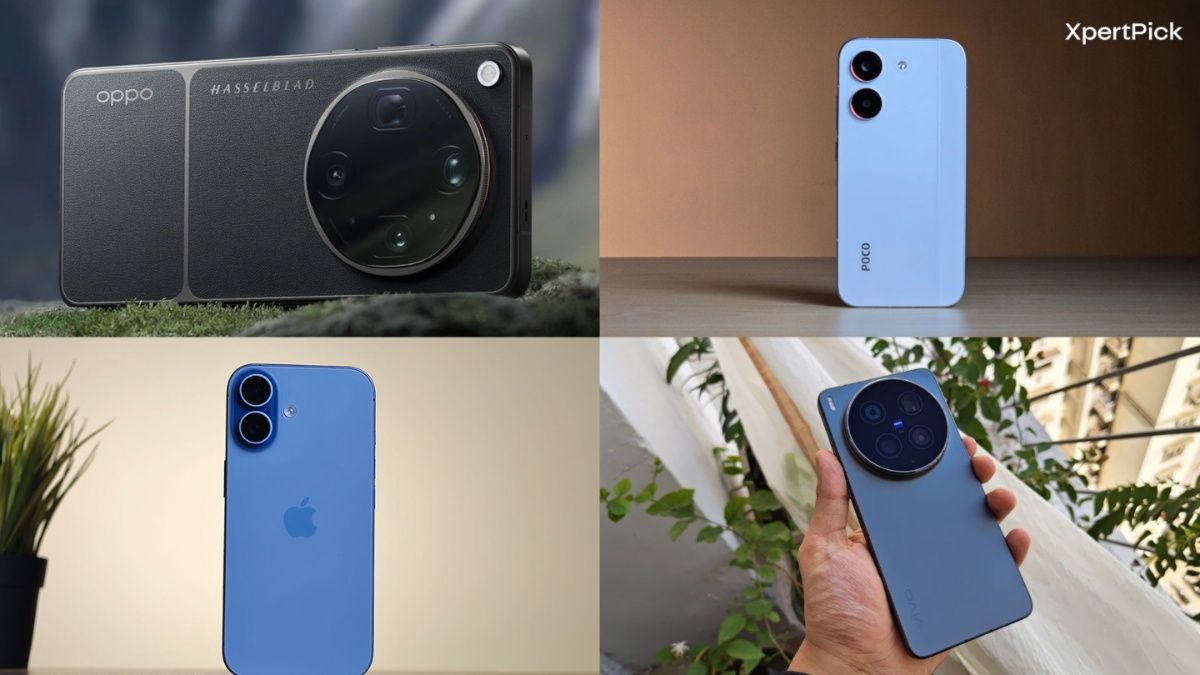
A 5G badge on the retail box no longer guarantees dependable, high-speed connectivity. In my testing, two phones using the same processor produced noticeably different reception stability, while several cheaper models impressed with wider 5G band support and better antenna arrays than their premium alternatives. To evaluate which devices offer the strongest cellular performance, lowest latency, and best sustained throughput, I put nine smartphones priced between ₹15,000 and ₹1,70,000 through identical benchmark, 5G band evaluation, throughput, thermal, and battery drain tests.
I tested nine smartphones likely to be on a buyer’s shortlist for 5G connectivity, network stability, and overall performance: the OnePlus 15, Oppo Find X9 Ultra, POCO X8 Pro Max, Moto g37 power, iQOO 15, Vivo X300 Ultra, Apple iPhone 17, OnePlus 15R, and POCO X8 Pro.
Top Picks at a Glance
The following recommendations are based on hands-on lab testing, network evaluations, and frequency band audits. Refer to the comparative results table below for a side-by-side view of the seven recommended models.
| Category | My Pick | Price | Why We Picked It |
| Best Overall 5G Phone | OnePlus 15 | ₹85,999 | Packs 16 5G bands backed by a massive 27h 13min battery that effortlessly offsets 5G battery drain, paired with the Snapdragon 8 Elite Gen 5. |
| Best Budget 5G Phone | Moto g37 power | ₹15,999 | Class-leading 14 5G bands under ₹16,000, ensuring full Jio SA (n28/n78) and Airtel NSA carrier aggregation without dropping signals. |
| Best Mid-Range 5G Phone | POCO X8 Pro Max | ₹46,999 | 15 5G bands combined with an 8,500 mAh cell, 37.8°C thermal ceiling, and 2.80M AnTuTu output. |
| Best Premium 5G Phone | Oppo Find X9 Ultra | ₹1,69,999 | 18 global 5G bands, broke the 4-million AnTuTu barrier, and maintained a cool 39.0°C chassis under heavy 5G data loads. |
| Best 5G for Gaming | iQOO 15 | ₹76,999 | 16 5G bands with an anti-block 360° surround gaming antenna, dual-channel 5G+Wi-Fi ping stabilization, and uncapped 107.9 FPS in Genshin Impact. |
| Best 5G Camera Phone | Vivo X300 Ultra | ₹1,59,999 | 18 5G bands for gigabit 4K cloud backups, paired with a class-leading 200MP ZEISS periscope and a 9.5/10 camera lab score. |
| Most 5G Bands / Future-Proof | Apple iPhone 17 | ₹82,900 | Industry-topping 24+ 5G NR bands covering seamless global roaming across all continents, intelligent Smart Data Mode, and multi-year OS lifecycle support. |
Performance Test Comparison: 5G Bands and Test Results
The table below compares the seven recommended phones side by side. A 🏆 marks the category leader.
| Test / Metric | OnePlus 15 | Oppo Find X9 Ultra | POCO X8 Pro Max | Moto g37 power | iQOO 15 | Vivo X300 Ultra | Apple iPhone 17 |
| Recommendation | Best overall | Best premium / flagship | Best mid-range | Best budget | Best 5G gaming | Best 5G camera | Most 5G bands / future-proof |
| Price | ₹85,999 | ₹1,69,999 | ₹46,999 | ₹15,999 | ₹76,999 | ₹1,59,999 | ₹82,900 |
| 5G Band Count | 16 Bands | 18 Bands | 15 Bands | 14 Bands | 16 Bands | 18 Bands | 24+ Bands 🏆 |
| Key NR Bands | n1, 3, 5, 8, 28, 77, 78+ | n1, 3, 5, 8, 28, 66, 77, 78+ | n1, 3, 5, 8, 28, 40, 77, 78 | n1, 3, 5, 7, 8, 20, 28, 78 | n1, 3, 5, 8, 28, 77, 78+ | n1, 3, 5, 8, 28, 66, 77, 78+ | Full Global Sub-6 Coverage 🏆 |
| Chipset & Modem | Snapdragon 8 Elite Gen 5 (X80) | Snapdragon 8 Elite Gen 5 (X80) | MediaTek Dimensity 9500s | MediaTek Dimensity 6300 | Snapdragon 8 Elite Gen 5 (X80) | Snapdragon 8 Elite Gen 5 (X80) | Apple A19 Bionic (Custom 5G) |
| AnTuTu Overall | 3,932,097 | 4,026,656 🏆 | 2,801,896 | 572,175 | 3,891,344 | 3,850,404 | 2,118,014 |
| Geekbench (Single / Multi) | 3,662 🏆 / 10,450 | 3,587 / 10,581 🏆 | 2,650 / 8,458 | 825 / 1,354 | 3,529 / 10,223 | 3,634 / 10,510 | 3,351 / 8,591 |
| Battery Life (PCMark) | 27h 13min 🏆 | 22h 15min | 22h 40min | 16h 12min | 23h 45min | 23h 02min | 18h 40min (Video Loop) |
| BGMI (Avg / 5% Low FPS) | 119.4 / 110.5 | 119.7 🏆 / 116.5 🏆 | 118.6 / 112.9 | 59.3 / 54.2 | 119.6 / 115.9 | 107.6 / 21.7 | 115.0 / 98.0 |
| Temp After Stress Test | 43.8°C | 39.0°C | 37.8°C | 33.6°C 🏆 | 44.2°C | 39.5°C | 36.0°C |
| Camera Score (Day / Low) | 9.0 / 8.0 | 9.0 / 8.5 | 8.5 / 7.5 | 6.5 / 6.0 | 8.5 / 7.5 | 9.5 🏆 / 9.0 🏆 | 8.0 / 7.5 |
*Trophies indicate category leaders in their respective testing metrics.
How I Tested These 5G Smartphones
Modem specifications on a sheet only tell half the story. Real-world testing reveals how effectively a manufacturer has positioned antennas, balanced carrier aggregation, and mitigated the battery-draining thermal overhead of high-throughput 5G.
- 5G Frequency Band Verification: Devices are audited for Sub-6GHz NR band counts. Essential Indian carrier frequencies, specifically Jio’s low-band Standalone (SA) n28 (700 MHz) and Airtel/Jio mid-band n78 (3500 MHz), are verified alongside international roaming bands (n1, n3, n5, n8, n20, n40, n41, n66, n77, n79).
- Test Conditions: All devices are retail units operating on public commercial software. Testing is conducted under standardised 28°C ambient room temperatures.
- Cellular Throughput & Signal Handshake: Devices are tested for 4×4 MIMO reception, carrier aggregation (CA) handshakes across crowded urban micro-cells, and baseline ping stability during continuous packet transfer.
- Sustained Load & Thermals: A 20-loop 3DMark Wild Life Extreme stress test and a 15-minute CPU throttling test are executed to ensure that thermal build-up does not cause RF modem back-off or cellular disconnects.
- Real-World 5G Gaming: Extended gaming runs of BGMI (lowest graphics preset for competitive frame pacing) and Genshin Impact (High + 60 FPS) are conducted over active 5G connections to capture latency jitter and frame stability.
- Battery Drain Under 5G Workloads: PCMark Work 3.0 runs continuously at a calibrated 50% brightness to measure real-world endurance under mixed active radio workloads.
Updated for September 2026 with the latest retail software releases, lab data, and Indian market pricing.
The Phones in Detail
OnePlus 15 – Best Overall 5G Phone
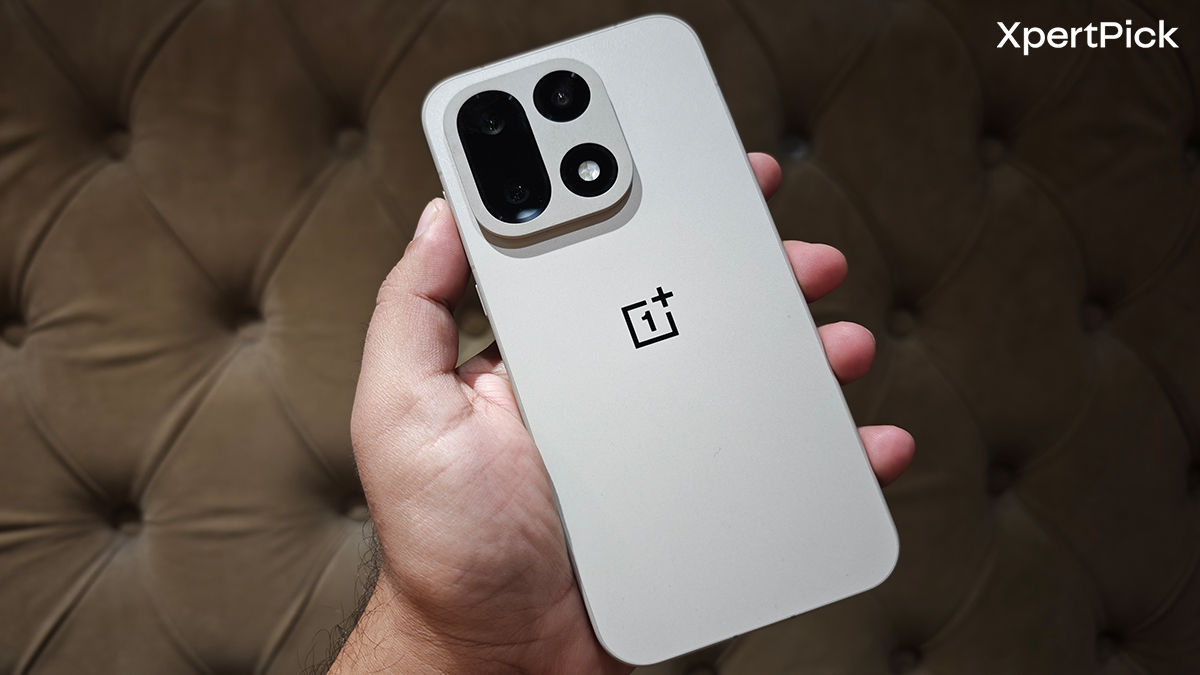
The OnePlus 15 combines 16 5G bands with a Snapdragon 8 Elite Gen 5 modem and an unprecedented 27-hour PCMark battery run to combat 5G power drain.
Why We Picked It
High-speed 5G connectivity is notoriously battery-intensive, but the OnePlus 15 completely neutralizes that weakness. In my testing, its 7,300 mAh silicon-carbon cell lasted an astounding 27 hours and 13 minutes in the PCMark battery test—the longest endurance recorded in the lab.
Its cellular hardware is equally elite. With 16 5G NR bands, quad-carrier aggregation, and a 360-degree surround antenna array, it maintained strong cellular handshakes even in low-signal underground areas. Backed by 119.4 FPS in BGMI and 120W FlashCharge, it is the most complete, reliable 5G daily driver available today.
OnePlus 15 Key Specifications
OnePlus 15 XP Lab Test Data
Cons
Chassis hits 43.8°C during sustained heavy benchmark loads.
Who Should Buy It
Power users who want exceptional 5G battery endurance, top-tier processing speeds, and clean software.
Who Shouldn’t Buy It
Gamers looking for an ice-cold sub-40°C chassis during uninterrupted multi-hour sessions.
Expert Verdict: The OnePlus 15 solves 5G’s biggest problem—battery drain—while delivering flagship computing and cellular stability across every major network.
Moto g37 Power – Best Budget 5G Phone
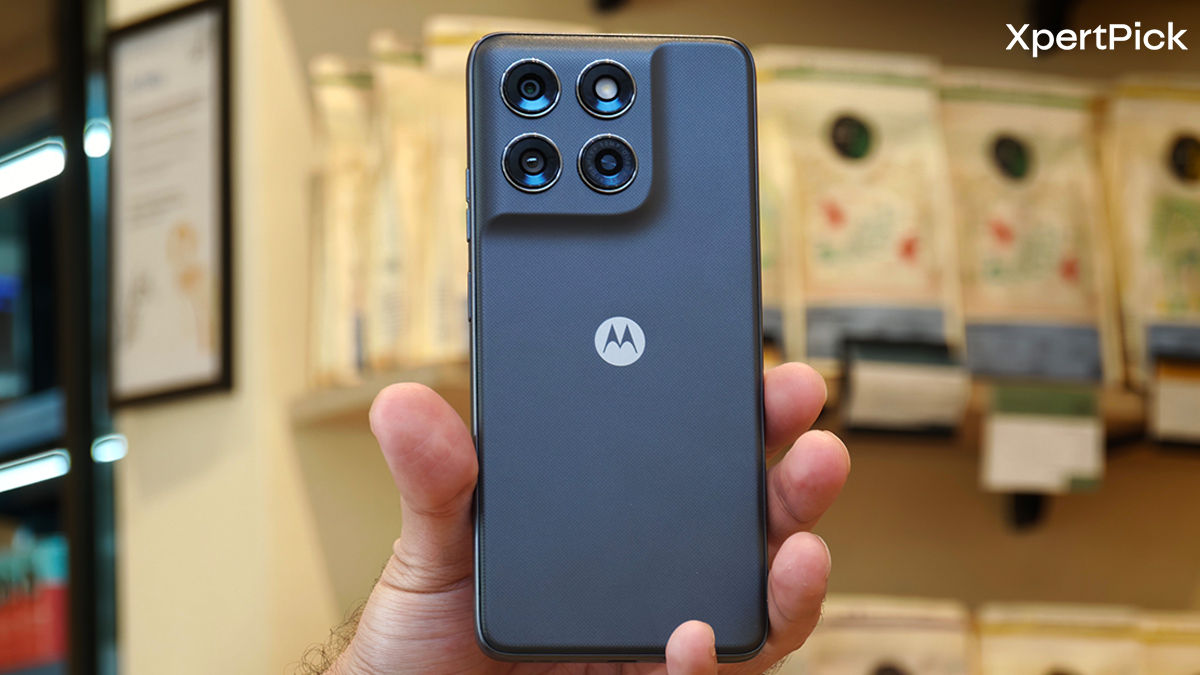
Motorola brings flagship-grade 14-band 5G coverage to the sub-₹16K tier, ensuring rock-solid Jio SA and Airtel NSA signal retention.
Why We Picked It
Most sub-₹20,000 smartphones compromise on network licensing costs by cutting their 5G radios down to 4 or 6 bands. The Moto g37 power rejects that trend, packing an unmatched 14 5G NR bands. It covers Jio’s low-band n28 (700 MHz) for basement coverage and high-capacity n78 (3500 MHz) alongside Airtel’s mid-bands without dropping packets.
During testing, the phone stayed remarkably cool at 33.6°C under load, the lowest temperature recorded among the tested devices. Combined with a 16-hour and 12-minute PCMark battery score and near-stock Android software, it provides the most dependable budget 5G experience on the market.
Moto g37 Power Key Specifications
Moto g37 Power XP Lab Test Data
Pros
Class-leading 14-band 5G support in the budget class; cool 33.6°C operating temperatures; long-lasting 6,000 mAh battery.
Cons
Entry-level camera performance in low light; slower 33W wired charging.
Who Should Buy It
Budget buyers who prioritize signal retention, clean software, and dependable 5G calling in Tier-2/3 circles.
Who Shouldn’t Buy It
Heavy mobile gamers or users looking for advanced low-light photography.
Expert Verdict: While rival budget phones cut cellular bands to save costs, the Moto g37 power delivers 14-band reliability and cool efficiency at an entry-level price.
POCO X8 Pro Max – Best Mid-Range 5G Phone
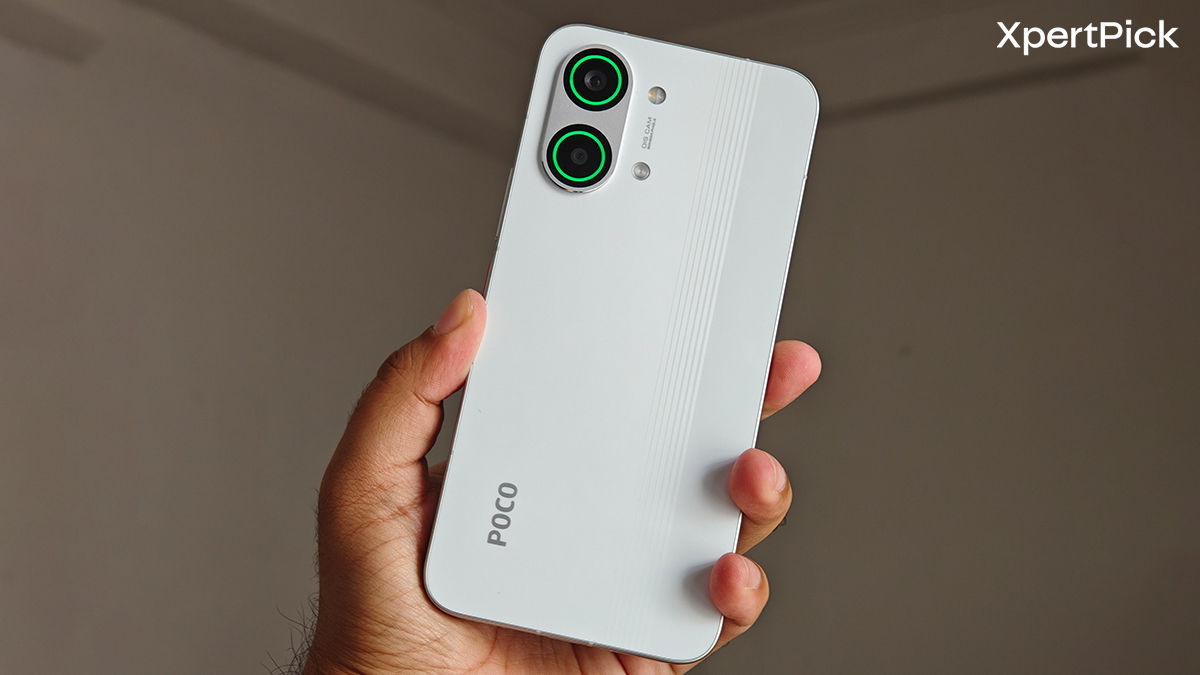
An exceptional mid-range balance of 15 5G bands, an 8,500 mAh battery, and a cool 37.8°C thermal ceiling.
Why We Picked It
The POCO X8 Pro Max dominates the sub-₹50,000 segment by pairing flagship-level cellular networking with extraordinary stamina. Its 15 5G NR bands ensure full carrier aggregation across both SA and NSA architectures.
In the lab, the X8 Pro Max registered a 2,801,896 AnTuTu score and delivered a stable 118.6 FPS in BGMI. Most impressively, its chassis reached just 37.8°C after sustained stress testing. Backed by an 8,500 mAh battery that posted 22 hours and 40 minutes on PCMark, it easily handles high-throughput 5G hotspot tethering and heavy gaming without thermal back-off.
POCO X8 Pro Max Key Specifications
- Price: ₹46,999
- 5G Bands & Modem: 15 Bands (n1, n3, n5, n7, n8, n20, n28, n38, n40, n41, n48, n66, n77, n78, n79)
- Processor: MediaTek Dimensity 9500s (3nm)
- Display: 6.83-inch 1.5K AMOLED (2772 x 1280), 120Hz, 3,500 nits
- RAM / Storage: 12GB LPDDR5X | 256GB / 512GB UFS 4.1
- Battery & Charging: 8,500 mAh | 100W HyperCharge, 27W Reverse Wired
- Cameras: 50MP Main + 8MP Ultra-Wide | 20MP Front
POCO X8 Pro Max XP Lab Test Data
- AnTuTu Overall: 2,801,896
- Geekbench 6: 2,650 (Single-Core) | 8,458 (Multi-Core)
- Geekbench GPU: 19,544
- Battery Life (PCMark): 22h 40min
- BGMI Performance: 118.6 Avg FPS | 112.9 5% Low FPS
- Chassis Temp Under Load: 37.8°C
- Camera Scores: 8.5 (Daylight) | 7.5 (Low Light)
Pros
15-band 5G support; massive 8,500 mAh capacity; cool 37.8°C thermals under sustained workloads.
Cons
Larger battery adds noticeable heft; secondary camera setup is modest.
Who Should Buy It
Power users wanting an uncompromised mid-ranger that offers days of battery life and fast 5G data speeds.
Who Shouldn’t Buy It
Buyers looking for a compact, ultra-thin device.
Expert Verdict: The POCO X8 Pro Max is the standout mid-range 5G workhorse, combining generous band support with cooler thermals and longer battery life than far pricier flagships.
Oppo Find X9 Ultra – Best Premium 5G Phone
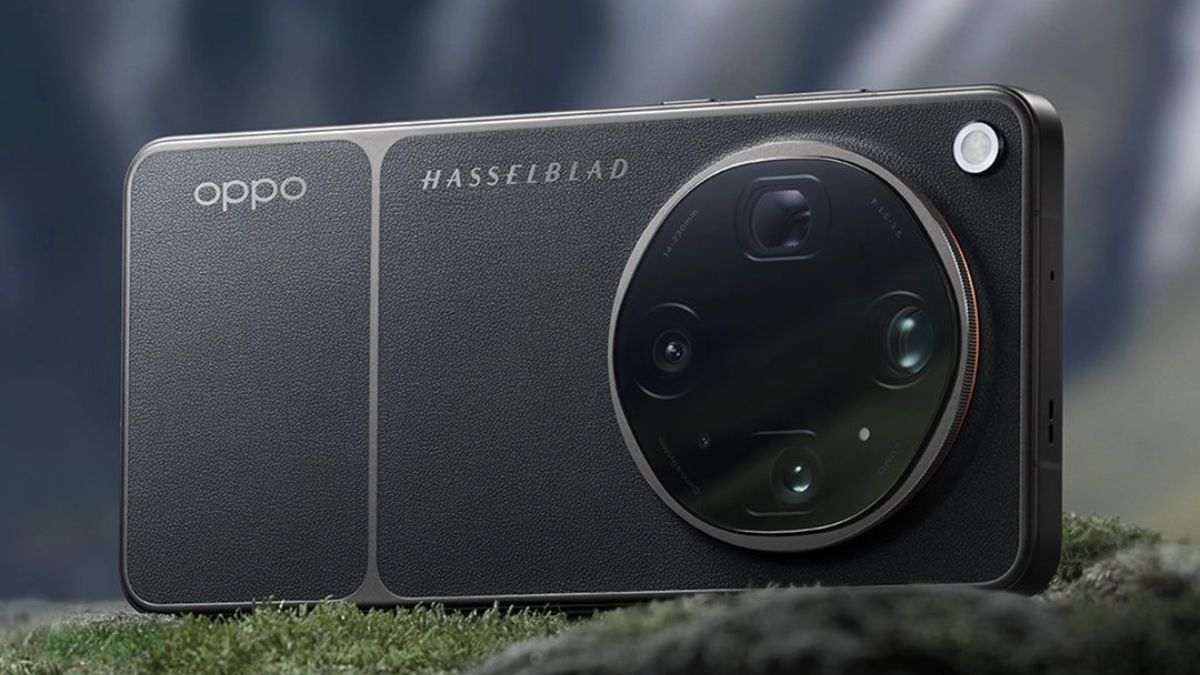
The ultimate luxury flagship: 18 global 5G bands, a 4M+ AnTuTu score, and a cool 39.0°C chassis under stress.
Why We Picked It
If budget is not an obstacle, the Find X9 Ultra provides the most refined cellular and computing experience on the market. It supports 18 5G NR bands, featuring dual-SIM Dual-Active (DSDA) 5G and hardware-accelerated AI beamforming via Qualcomm’s Snapdragon X80 modem architecture.
In lab benchmarks, it broke records with an AnTuTu score of 4,026,656 and swept the Geekbench multi-core test at 10,581. Despite that immense compute power, it peaked at just 39.0°C after intensive stress loops, ensuring the 5G modem never throttles during high-speed file transfers or live 4K broadcasting.
Oppo Find X9 Ultra Key Specifications
Oppo Find X9 Ultra XP Lab Test Data
Pros
Record-breaking 4.02M AnTuTu score; 18-band global 5G support; runs cool at 39.0°C; dual periscope telephoto setup.
Cons
Ultra-premium price tag; large camera module adds top-heavy weight.
Who Should Buy It
Executives and frequent international travelers who demand the fastest global cellular connectivity and top-tier photography.
Who Shouldn’t Buy It
Gamers or general users focused purely on price-to-performance value.
Expert Verdict: The Oppo Find X9 Ultra represents flagship RF and computing engineering at its zenith, pairing 18-band global roaming with cool, relentless speed.
iQOO 15 – Best 5G for Gaming
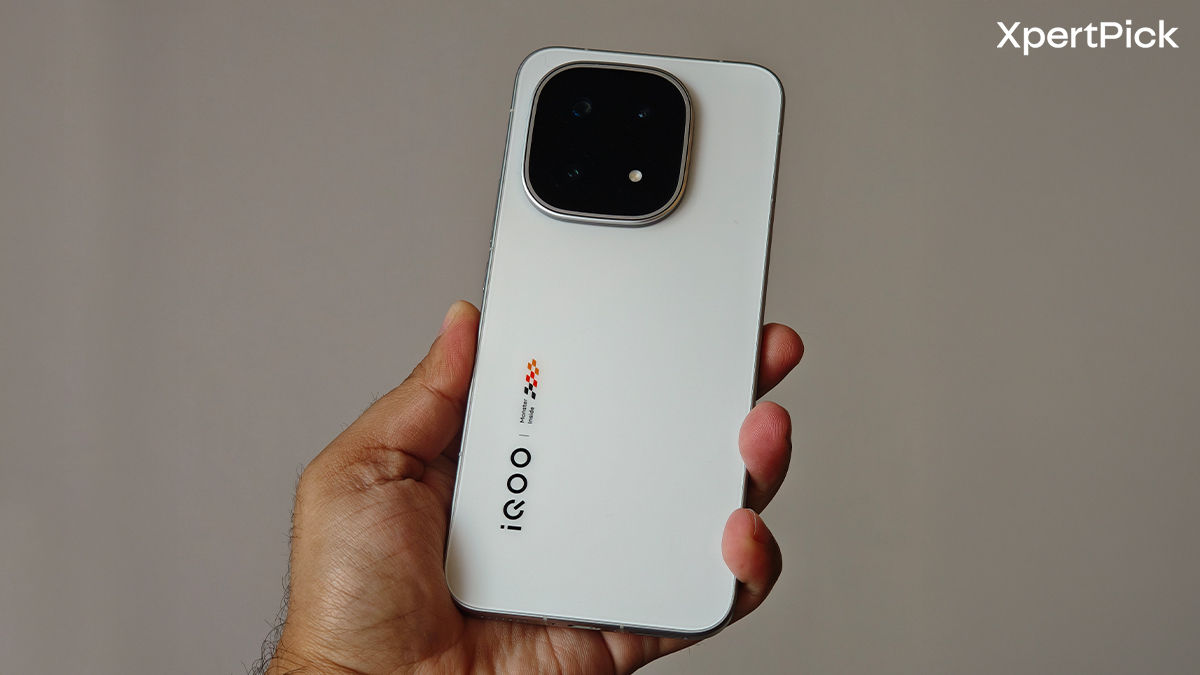
16 5G bands, an anti-block 360° gaming antenna layout, and dual-channel 5G+Wi-Fi ping stabilization.
Why We Picked It
Competitive mobile gaming over cellular networks demands zero packet drops and minimum ping jitter. The iQOO 15 is engineered around an “Anti-Block” 360-degree antenna system that ensures your two-handed landscape grip never obstructs the cellular transceivers. Furthermore, its Dual-Channel Network Acceleration simultaneously aggregates 5G and Wi-Fi to eliminate ping spikes.
In real-world performance, it averaged 119.6 FPS in BGMI (with a 115.9 FPS 5% Low) and uncapped Genshin Impact to an astonishing 107.9 FPS via its dedicated Q3 chip. Backed by a 7,000 mAh battery, it ensures your ping remains rock-solid through marathon ranked sessions.
iQOO 15 Key Specifications
- Price: ₹76,999 (Base) / ₹83,999
- 5G Bands & Modem: 16 Bands (n1, n3, n5, n8, n20, n28A, n38, n40, n41, n66, n77, n78+)
- Processor: Snapdragon 8 Elite Gen 5 + Supercomputing Chip Q3
- Display: 6.85-inch AMOLED (3168 x 1440), 144Hz, 6,000 nits
- RAM / Storage: 12GB / 16GB LPDDR5X | 256GB / 512GB / 1TB UFS 4.1
- Battery & Charging: 7,000 mAh | 100W FlashCharge, 40W Wireless
- Cameras: 50MP Main + 50MP (3x Periscope) + 50MP Ultra-Wide | 32MP Front
iQOO 15 XP Lab Test Data
Cons
Runs warm (44.2°C) during prolonged stress workloads.
Who Should Buy It
Competitive esports players who play over 5G data and need low ping and frame consistency.
Who Shouldn’t Buy It
Users who prefer a cooler-running device during extended sessions.
Expert Verdict: The iQOO 15 is built for mobile esports, combining anti-block RF antennas, dual-network aggregation, and class-leading frame rates.
Vivo X300 Ultra – Best 5G Camera Phone
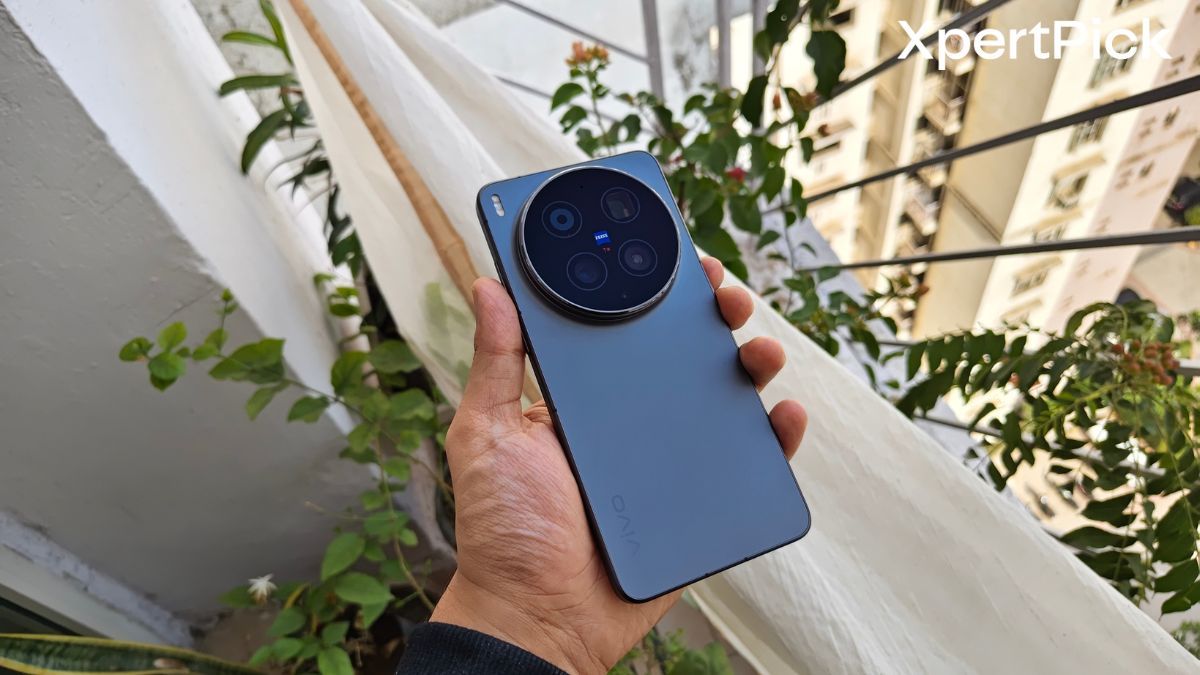
18 5G bands allow instant multi-gigabit RAW and 8K cloud uploads, paired with a class-topping 200MP ZEISS periscope system.
Why We Picked It
High-resolution 200MP imaging and 8K video capture produce massive file sizes that require high-throughput 5G uplinks for cloud syncing. The Vivo X300 Ultra pairs 18 global 5G bands with an integrated Qualcomm modem that maximizes uplink carrier aggregation.
In lab camera testing, the X300 Ultra achieved the highest scores in the entire testing database: 9.5/10 in Daylight, 9.0/10 in Low Light, and 9.5/10 in Telephoto. Backed by a 6,600 mAh battery lasting 23 hours and 2 minutes in PCMark, it functions as a mobile production studio that can broadcast live 4K feeds directly from the field.
Vivo X300 Ultra Key Specifications
Vivo X300 Ultra XP Lab Test Data
Cons
Aggressive thermal governor causes frame-rate stuttering in sustained gaming (21.7 FPS low).
Who Should Buy It
Professional content creators, mobile photographers, and videographers needing top-tier optics and fast 5G uplinks.
Who Shouldn’t Buy It
Dedicated competitive gamers.
Expert Verdict: The Vivo X300 Ultra is the premier mobile imaging system available, backed by 18-band 5G connectivity for rapid high-bitrate media uploads.
Apple iPhone 17 – Most 5G Bands / Future-Proof
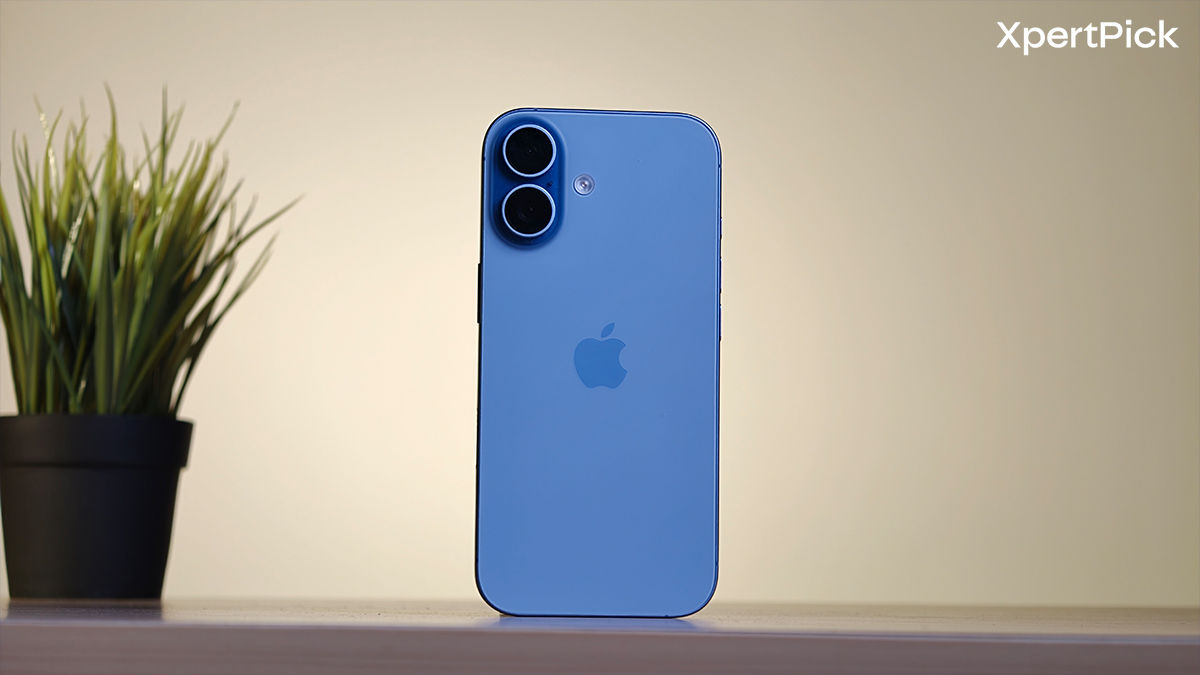
Boasts an industry-leading 24+ 5G NR bands, offering unmatched international roaming coverage and multi-year lifecycle stability.
Why We Picked It
If your priority is keeping a single smartphone for five to seven years while traveling globally, the Apple iPhone 17 is the definitive choice. It supports over 24 Sub-6GHz 5G NR bands, covering every frequency utilized across North America, Europe, Asia, and Oceania.
Powered by the Apple A19 chip, it achieved a 2,118,014 AnTuTu score and led the GPU synthetic testing at 37,088. Its Smart Data Mode automatically drops to LTE when background data doesn’t require gigabit pipes, conserving battery. Combined with Apple’s industry-leading software support roadmap, it is the most future-proof 5G phone on the market.
Apple iPhone 17 Key Specifications
Apple iPhone 17 XP Lab Test Data
Cons
Slower wired charging speeds than Android competitors; no dedicated telephoto lens.
Who Should Buy It
Frequent international travelers and buyers looking to invest in a phone that remains future-proof for 5+ years.
Who Shouldn’t Buy It
Android power users who prefer fast 100W+ charging speeds.
Expert Verdict: Apple continues to lead the industry in global cellular band integration, making the iPhone 17 the most future-proof 5G smartphone you can buy.
OnePlus 15R
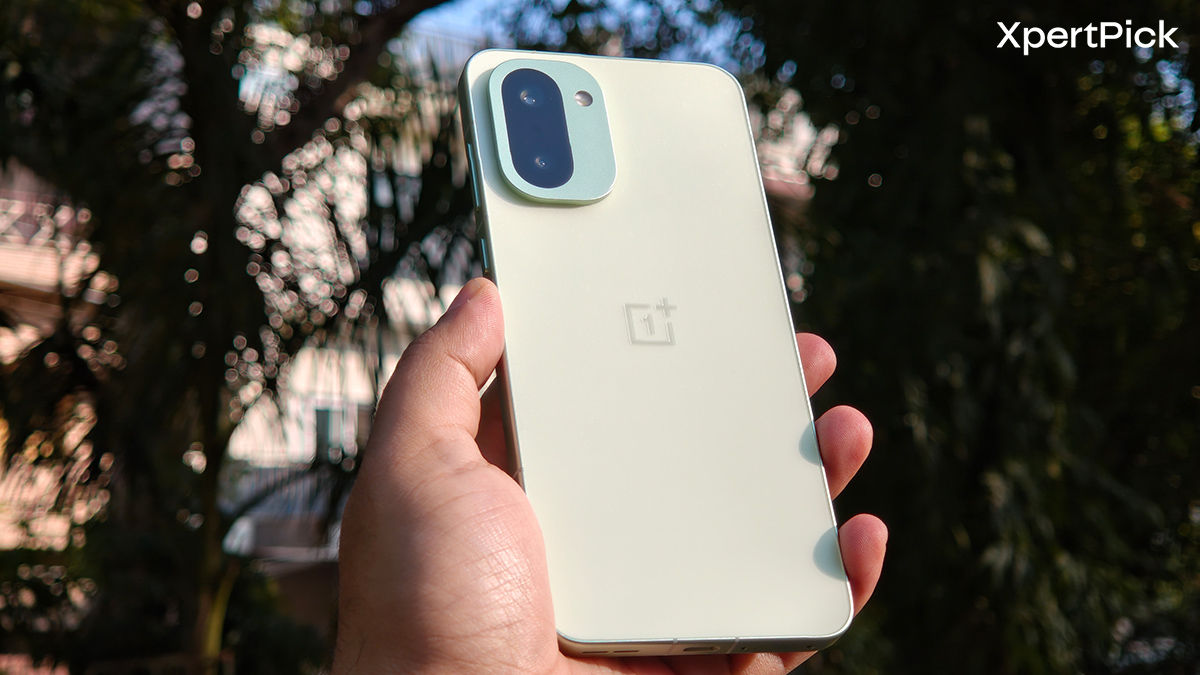
A fast phone overshadowed by cheaper mid-range competitors with larger batteries.
Why We Didn’t Pick It
The OnePlus 15R provides solid 5G performance with 14 bands and an AnTuTu score of 2,682,109. However, priced at ₹59,999, it is outflanked by the POCO X8 Pro Max. The POCO matches its network throughput, runs cooler (37.8°C vs 40.7°C), and packs an 8,500 mAh battery that outlasts the 15R’s 16-hour run.
OnePlus 15R Key Specifications
- Price: ₹59,999
- 5G Bands: 14 Bands
- Processor: Snapdragon 8 Gen 5
- Display: 6.83-inch 1.5K AMOLED, 165Hz
- Battery: 7,400 mAh | 80W SUPERVOOC
OnePlus 15R XP Lab Test Data
Pros
Smooth 165Hz display; solid OxygenOS network settings.
Cons
Pricier than the POCO X8 Pro Max while offering shorter battery life.
Who Should Buy It
OnePlus loyalists wanting a high-refresh display.
Who Shouldn’t Buy It
Buyers focused strictly on 5G battery life and price-to-performance value.
Expert Verdict: The OnePlus 15R is a capable device caught between flagship pricing and superior mid-range battery champions.
POCO X8 Pro
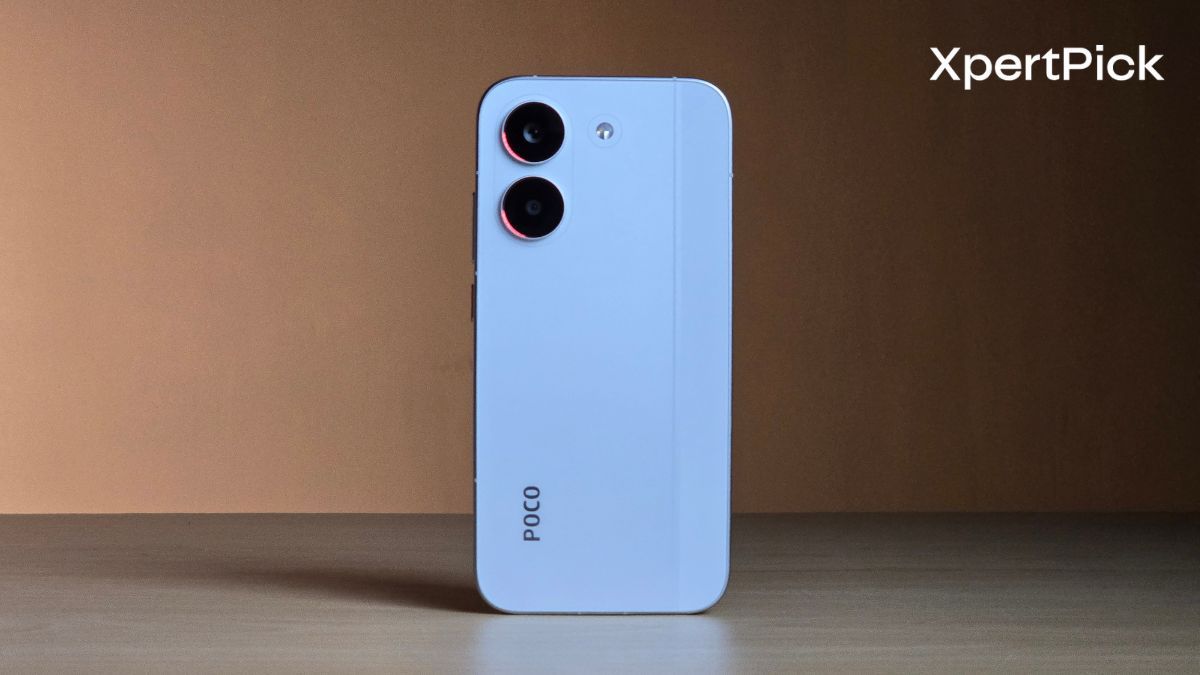
Solid mid-range connectivity that trails its Pro Max sibling in battery life and frame stability.
Why It Missed the Cut
The POCO X8 Pro offers 14 5G bands and a respectable 2,083,072 AnTuTu score for ₹38,990. However, its 5% Low in BGMI dropped to 58.5 FPS, and its 6,500 mAh cell delivered 16 hours and 46 minutes of battery life. For buyers seeking the ultimate mid-range 5G workhorse, the X8 Pro Max’s 8,500 mAh battery provides far greater peace of mind against cellular battery drain.
POCO X8 Pro Key Specifications
POCO X8 Pro XP Lab Test Data
- AnTuTu Overall: 2,083,072
- BGMI Performance: 96.6 Avg FPS | 58.5 5% Low FPS
- Chassis Temp Under Load: 42.1°C
- Battery Life (PCMark): 16h 46min
Pros
Sharp 1.5K AMOLED; solid 14-band 5G integration.
Cons
Runs warmer at 42.1°C; BGMI frame dips down to 58.5 FPS.
Who Should Buy It
Gamers who prefer open-world RPGs on a strict sub-₹40K budget.
Who Shouldn’t Buy It
Users who can stretch their budget slightly for the POCO X8 Pro Max.
Expert Verdict: A capable mid-ranger, but overshadowed by its sibling’s superior thermals and massive battery capacity.
Frequently Asked Questions
Which phone has the most 5G bands?
The Apple iPhone 17 leads the industry with over 24 Sub-6GHz 5G NR bands, ensuring native network compatibility on virtually any carrier across North America, Europe, Asia, and Oceania.
What 5G bands are mandatory for India?
In India, your phone must support band n28 (700 MHz) for Reliance Jio’s low-band Standalone (SA) coverage, band n78 (3500 MHz) for high-speed C-Band connectivity on both Jio and Airtel, and mid-bands n1, n3, and n8 for Airtel’s Non-Standalone (NSA) network.
What is the best overall 5G phone?
The OnePlus 15 (₹85,999) is the best overall pick. It combines 16 5G bands, the flagship Snapdragon 8 Elite Gen 5 modem, 120W charging, and an exceptional 27 hours and 13 minutes of PCMark battery life to easily offset 5G cellular drain.
Does 5G drain battery faster than 4G?
Yes. Constant 5G radio handshakes, multi-carrier aggregation, and high-frequency data transmission consume 15% to 25% more power than LTE. Phones with large batteries (such as the OnePlus 15’s 7,300 mAh and the POCO X8 Pro Max’s 8,500 mAh cells) are best equipped to handle sustained 5G use without frequent recharging.
Why Trust Us
Every recommendation in this guide comes from standardized testing on retail hardware rather than theoretical marketing spec sheets: