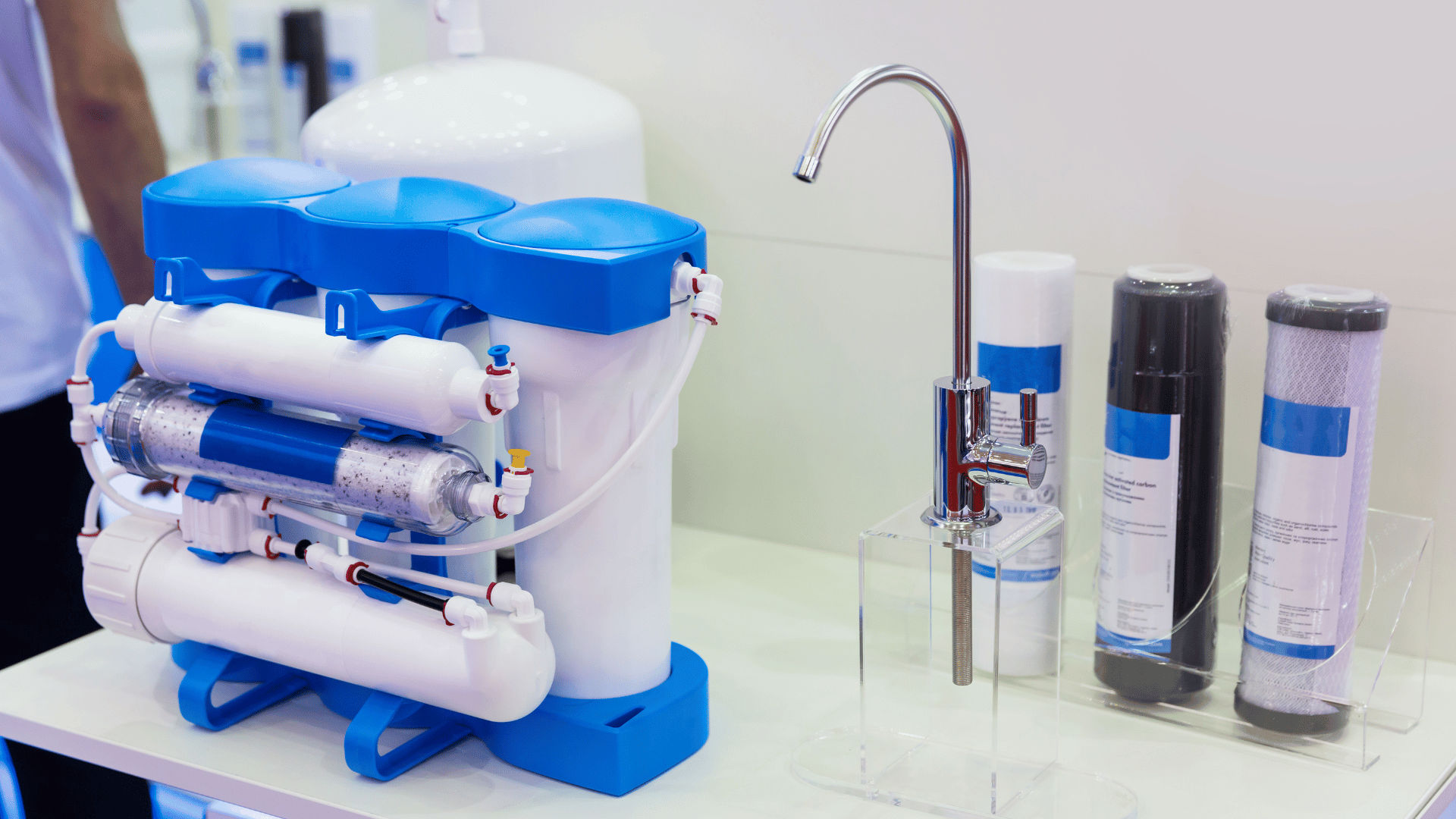
Having a water purifier is really essential to Indian kitchens today. But when you step out to buy a new water purifier, you are met with terms like RO, UV, UF, MF, etc. And all of this only adds to the buying confusion. These terms are often bundled together as well, which causes more confusion. Since many don’t really understand what each of these terms means, they end up buying the wrong water purifier for their homes.
But to understand the kind of water purifier you need for your home, you need to understand the contamination level of your water supply. As each of these technologies targets a certain level of contamination. Let’s help you decode and understand which kind of water purifier will work best for you.
Step 1: Test Your Water
Before you get into choosing between RO, UV, UF, or MF water purifiers, you need to test the water coming into your house.
Testing the TDS (Total Dissolved Solids) is the easiest way to begin with. It measures the concentration of dissolved salts and inorganic substances in water. It does not indicate microbial contamination, but it tells you whether you are dealing with chemically heavy water that may require membrane-based treatment.
How to test TDS
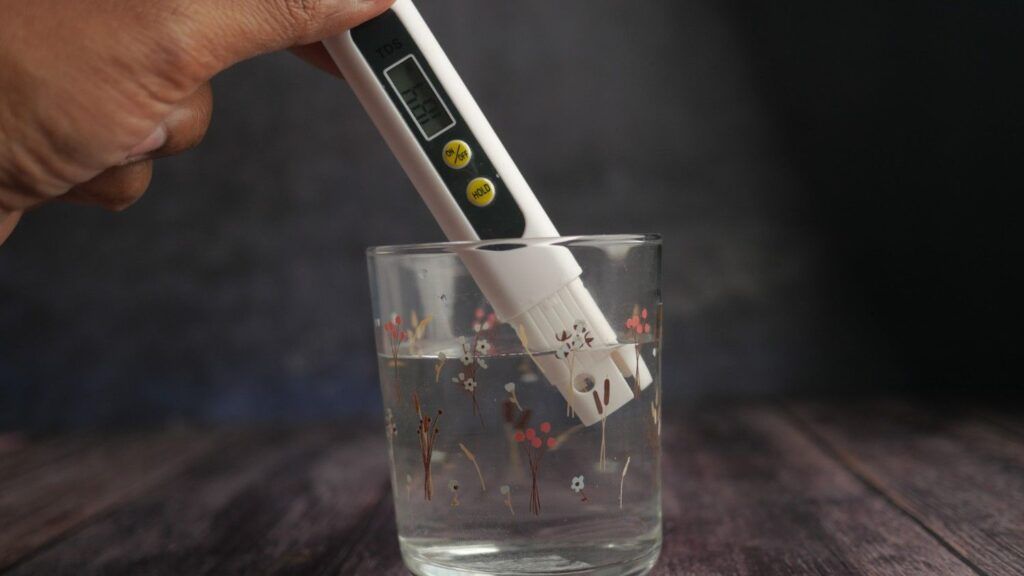
Testing TDS at home is pretty easy. You can buy a digital TDS meter from Amazon or from a hardware store.
Here’s how to use it:
- Fill a clean glass with tap water.
- Turn on the meter and dip it in the glass.
- Wait a few seconds for a stable reading.
- The display will show a value in ppm (parts per million), which equals mg/L.
Pro tip- To get accurate results, take readings on different days, especially if your water source fluctuates (for example, if you sometimes receive tanker supply).
Interpreting the numbers:
According to the Bureau of Indian Standards (BIS):
- The desirable limit for TDS is 500 mg/L.
- Up to 2000 mg/L may be permissible in the absence of an alternative source.
So basically,
Below 200–300 ppm: Low TDS
300–500 ppm: Moderate TDS
Above 500 ppm: High TDS
If your reading is consistently below 200–300 ppm, you likely do not need RO for TDS reduction. If it is above 500 ppm, membrane-based purification becomes relevant.
Step 2: Understanding Each Technology
Once you know your TDS level, the next step is understanding what each purification technology is designed to remove. Not all contaminants are the same and neither are the technologies.
1) Reverse Osmosis (RO)
RO uses a semi-permeable membrane to remove dissolved salts, heavy metals, fluoride, and certain chemical contaminants. It significantly reduces TDS, often by up to 80-95%.
When to use an RO:
– Your TDS is consistently above 500 ppm.
– You rely on borewell or tanker water.
– Your area is known for high salinity or fluoride.
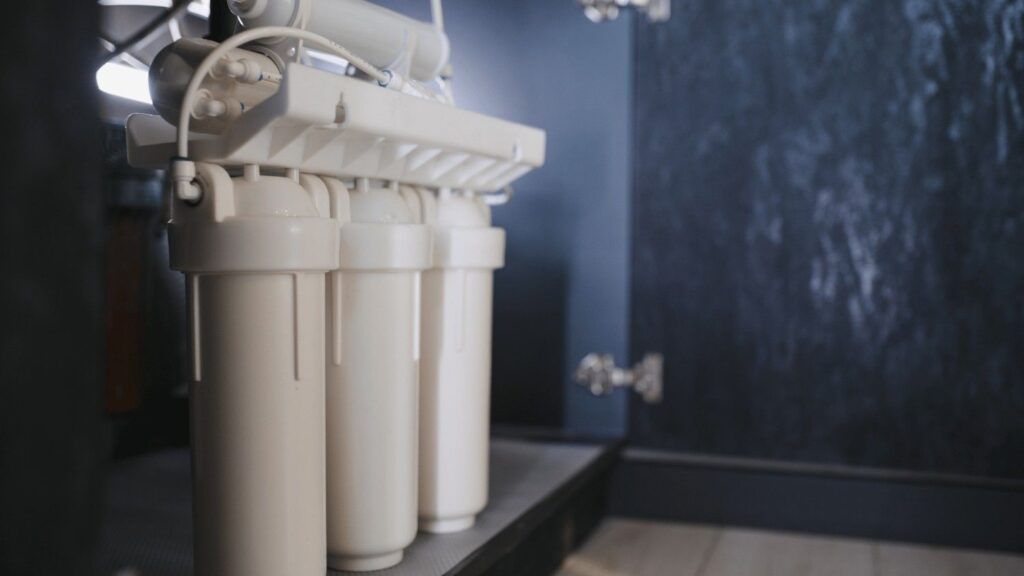
RO not only removes harmful bacteria, but at the same time it can also remove beneficial minerals. At the same time, it also produces reject water during the purification process and requires electricity. If your TDS is already low, using an RO can remove minerals unnecessarily and increase maintenance costs without added benefit.
To sum it up, RO is powerful, and you should use it onlyif your water is chemically heavy.
2) Ultraviolet Purification (UV)
As the name suggests, these water purifiers use ultraviolet light to deactivate bacteria and viruses by damaging their DNA. It does not remove dissolved salts, heavy metals, or reduce TDS.
When to use UV purifiers:
– Your TDS is low (below 200–300 ppm)
– You receive municipal supply
– Microbial contamination is your primary concern
UV purifiers don’t waste water like ROs and don’t even change the mineral composition of water. They need electricity and work best when the water is already clean. If the water is muddy or dirty, UV isn’t as effective.
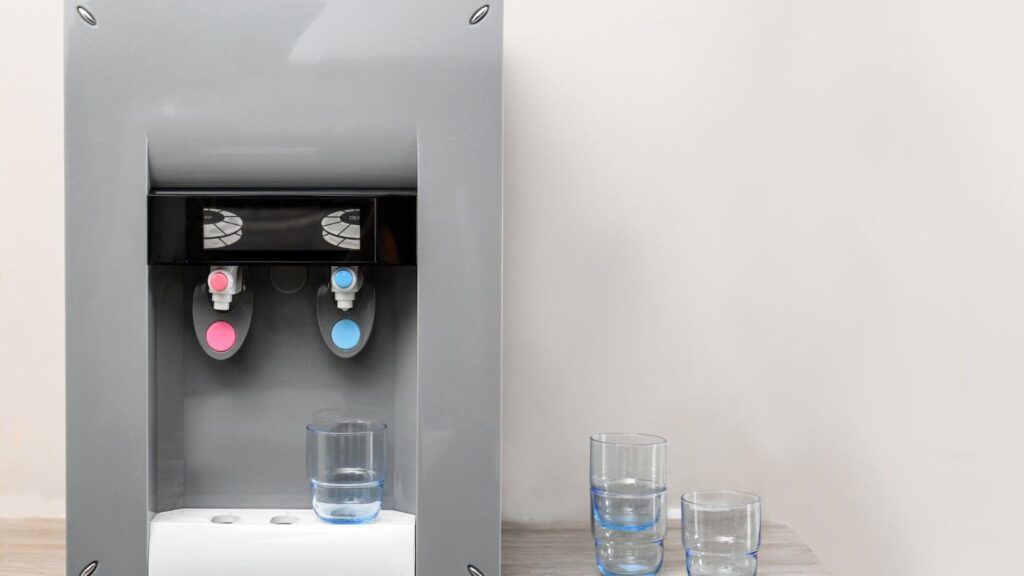
To sum it up, if your water is chemically safe but you want added protection against bacteria, UV is usually sufficient.
3) Ultra Filtration (UF)
UF purifiers have a membrane to physically block bacteria, cysts, and suspended particles. Unlike UV, many UF systems can operate without electricity.
When to use UF purifier:
– Low TDS water
– Occasional turbidity
– Areas with frequent power cuts
UF purifiers do not remove dissolved salts or heavy metals, and it does not reduce TDS. It is like a physical barrier, and is effective for microbes and particles, but not for chemical contamination.
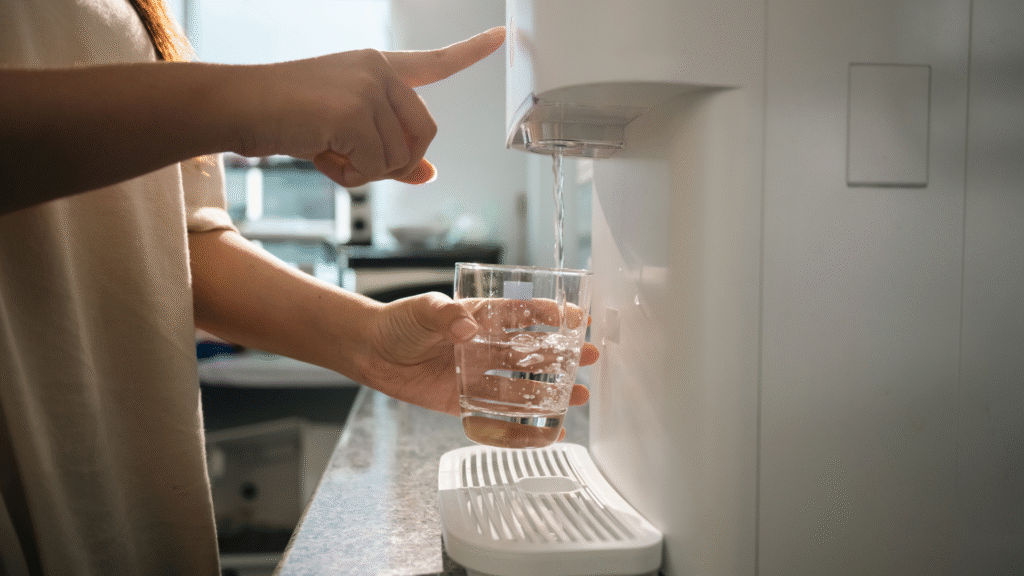
In fact, most gravity-based water purifiers available in the market work on UF technology combined with activated carbon filters. These systems do not require power and rely on natural water pressure (gravity) to pass water through the membrane.
4) Micro Filtration (MF)
MF is a basic filtration technique that removes visible dirt, sediment, and larger particles. It does not remove viruses, dissolved salts, or heavy metals.
In most cases, MF acts as a pre-filter rather than a complete purification system. If your water problem is simply visible sediment, MF may help, but it is rarely enough on its own for proper purification.
Do You Need a Combination Purifier?
You must have seen that many purifiers come with multiple technologies, RO+UV, RO+UV+UF and more. These combinations are designed to deal with both chemical and microbial contamination at the same time.
You can go for a combination system if:
-Your water source changes (municipal and tanker).
-Your TDS is high, and you also want protection from bacteria.
-Water quality fluctuates throughout the year.
You need to understand that more stages of purification mean higher maintenance. If your TDS is low and your water comes from a treated municipal supply, a full RO-based system may be unnecessary.
Making the Right Choice:
If you are dealing with a high TDS problem then an RO will work best for you. If your water supply is low on TDS but you are concerned about bacteria then choose a UV purifier. But if you have low TDS but frequent power cuts, then UF filter is a better option. And lastly, you can use a MF filter is you’re only concerned with sediments.