Imagine this- you bought a brand new washing machine, plugged it in, got ready with the dirty laundry, turned it on, and you’re met with a machine vibrating aggressively and loudly. Not the ideal experience, right? You might think something is wrong with the machine, but this is a pretty common issue that most washing machine buyers face when they run their device for the first time, especially if it is a front-loading model.
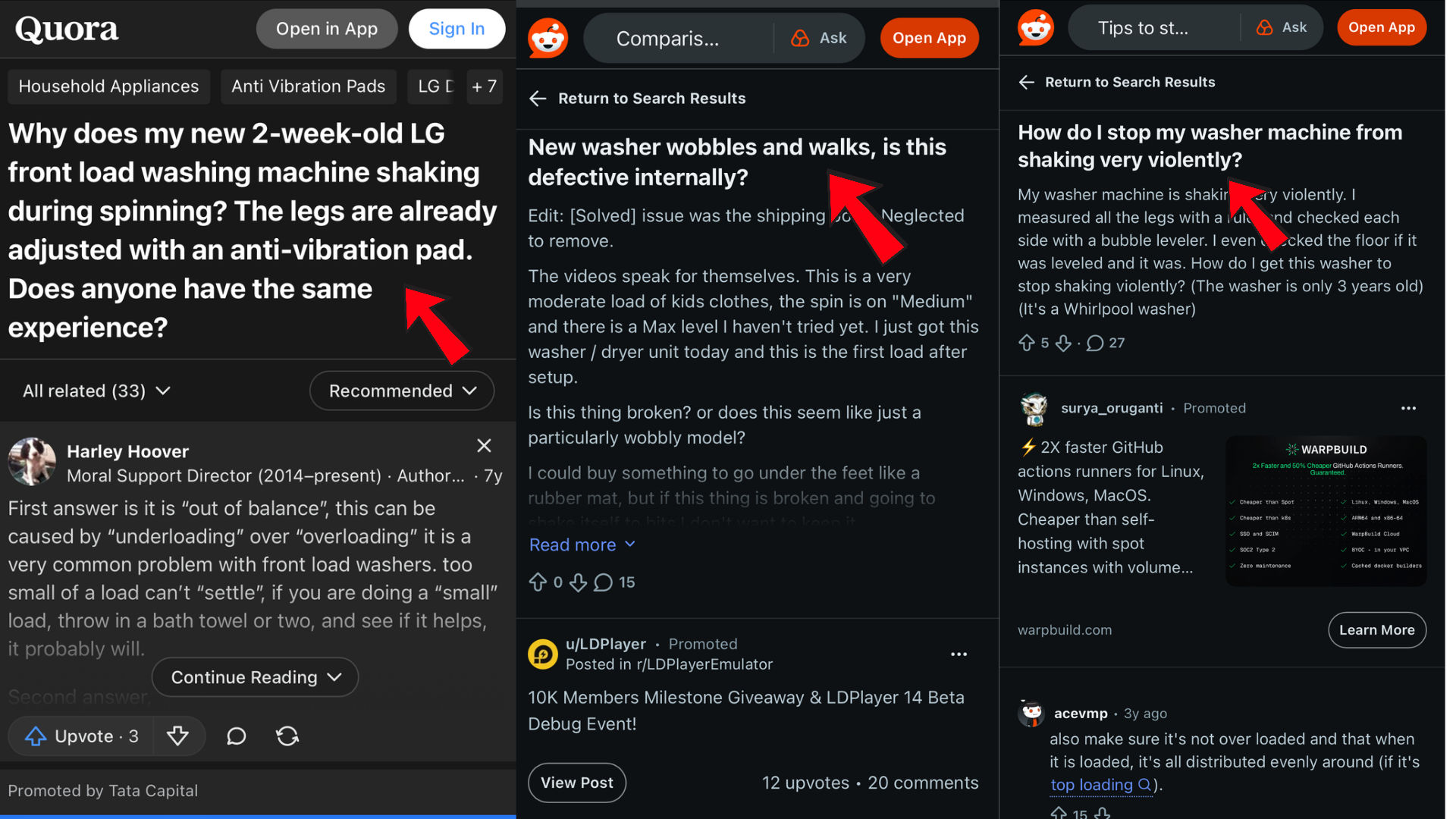
Why does it happen, and how do you solve it? Let me tell you.
Check For Transit Bolts
If you have noticed the inside of a front-load washing machine, the drum is suspended rather than being fixed to the outer body. This is because it is designed to move in a controlled way during washing and spinning, using the springs and dampers inside to absorb high-speed motion and varying loads.
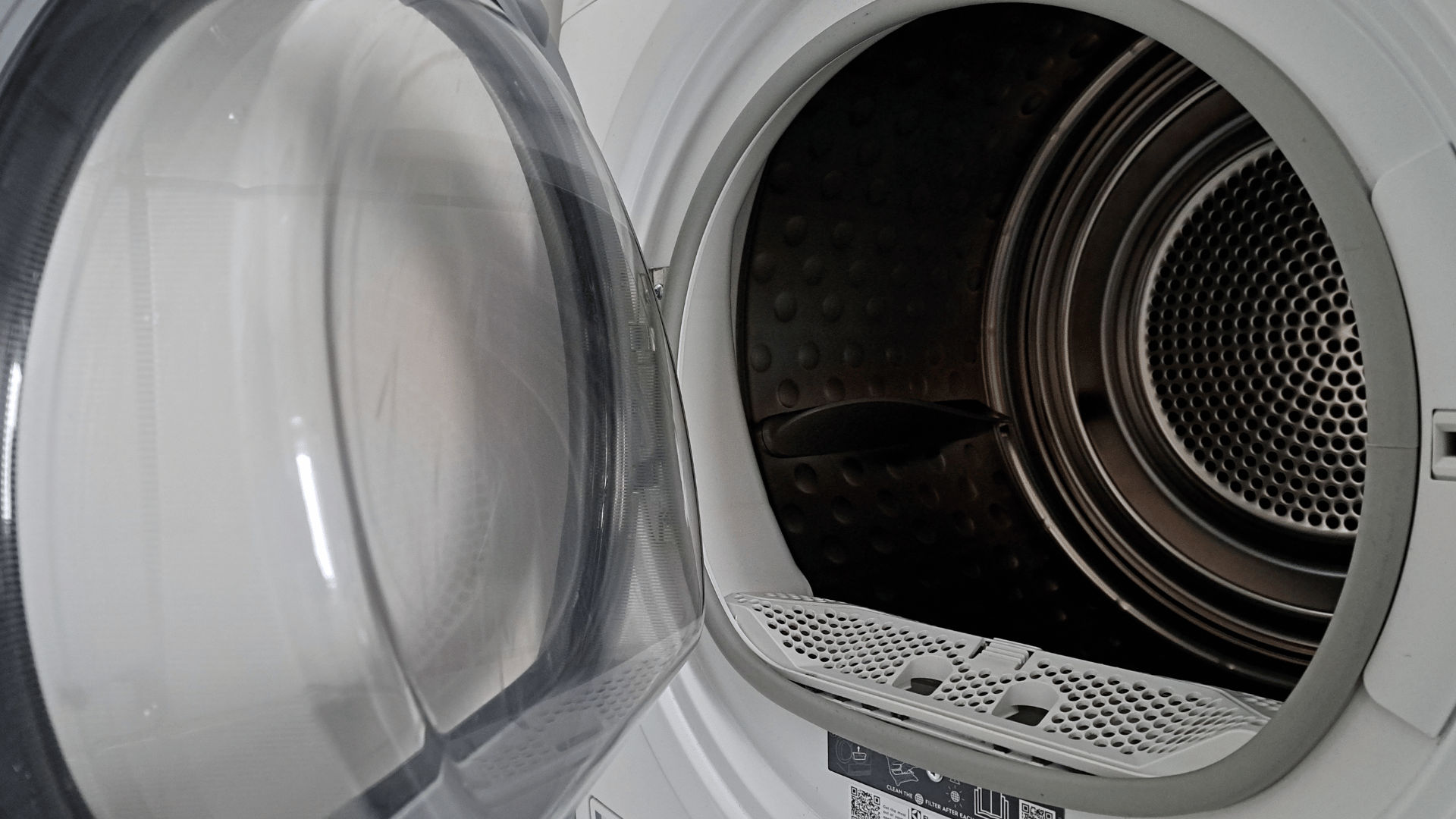
Now, this floating design is useful during operation but risky to transport. When the machine is being moved from the warehouse to the truck and then to your home, an unsecured drum can move internally and damage itself and the surrounding components. That’s why manufacturers install transit bolts that lock the drum in place during transportation.
As the name suggests, the purpose of these bolts ends as soon as the machine is installed. If these bolts remain fitted during the first use, the drum cannot move the way it was designed to, and instead of absorbing vibrations internally, the force gets transferred to the cabinet of the machine. This creates a loud knocking, severe vibration, or a machine that feels unstable during spin cycles.
Why This Mistake Is More Common Than It Sounds
I am sure you must be hearing about transit bolts for the first time, and don’t worry, you’re not alone. Most of us treat installation as the final step and think that once the machine is connected to power and water, it is ready to run. But if you have installed the machine on your own, or someone has installed it in a rush, these bolts can be missed.
You will only realise that something is wrong when the spin cycle starts. That is why many users confuse the issue with a defective motor or poor build quality, when the actual cause may simply be an incomplete installation process.
What About Top-Load Washing Machines?
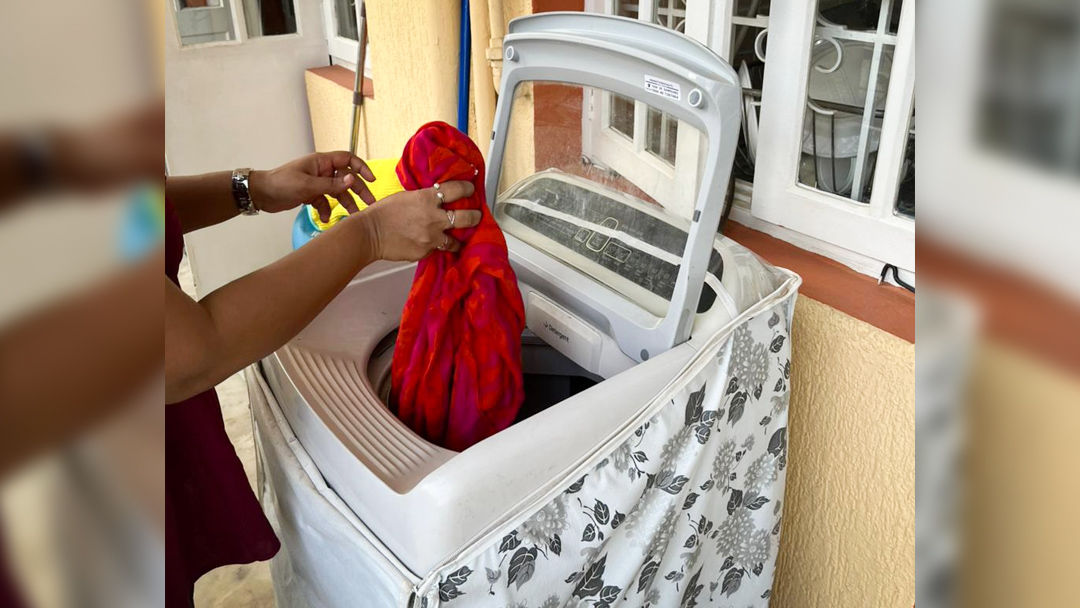
Even top-load washing machines can shake or vibrate heavily, but the cause is usually different because, unlike front-load machines, they don’t usually have transit bolts. In these cases, excessive movement can be caused by poor levelling, uneven flooring, overloading, or an unbalanced load inside the drum.
A single heavy blanket, a bedsheet twisted to one side, or wet clothing collecting unevenly can create significant wobble during spin mode. Since top-load machines spin vertically, load balance plays an important role in how stable the machine feels. So, with top-load machines, the problem is usually related to setup and load distribution.
The Other Common Reasons Machines Shake
Even if transit bolts have been removed correctly, your washing machine won’t perform well if it has been poorly installed. Uneven flooring is one of the most common causes of vibration across both front-load and top-load models. If one leg is not properly adjusted, the machine may rock during spin cycles and amplify movement.
Overloading is another common mistake that people make. During the cycle, clothes absorb water and become heavy, which can create stress if the drum is packed beyond capacity. Similarly, washing very small but heavy loads can cause imbalance.
Why It Shouldn’t Be Ignored
Do not overlook the loud noise and vibration because repeated movement can place stress on suspension systems, loosen adjustable feet, create noise issues, and, in some cases, damage surrounding flooring or cabinetry over time. A properly installed washing machine may vibrate mildly during high-speed spinning, but it should not feel unstable or alarming.
Most often, the issues are basic: transit bolts not removed, poor levelling, uneven flooring, or badly balanced loads. Front-load machines are especially sensitive to installation issues, while top-load machines more commonly react to load imbalance and setup errors. Ao, before booking repairs or thinking about replacements, just check whether the machine was installed correctly in the first place.