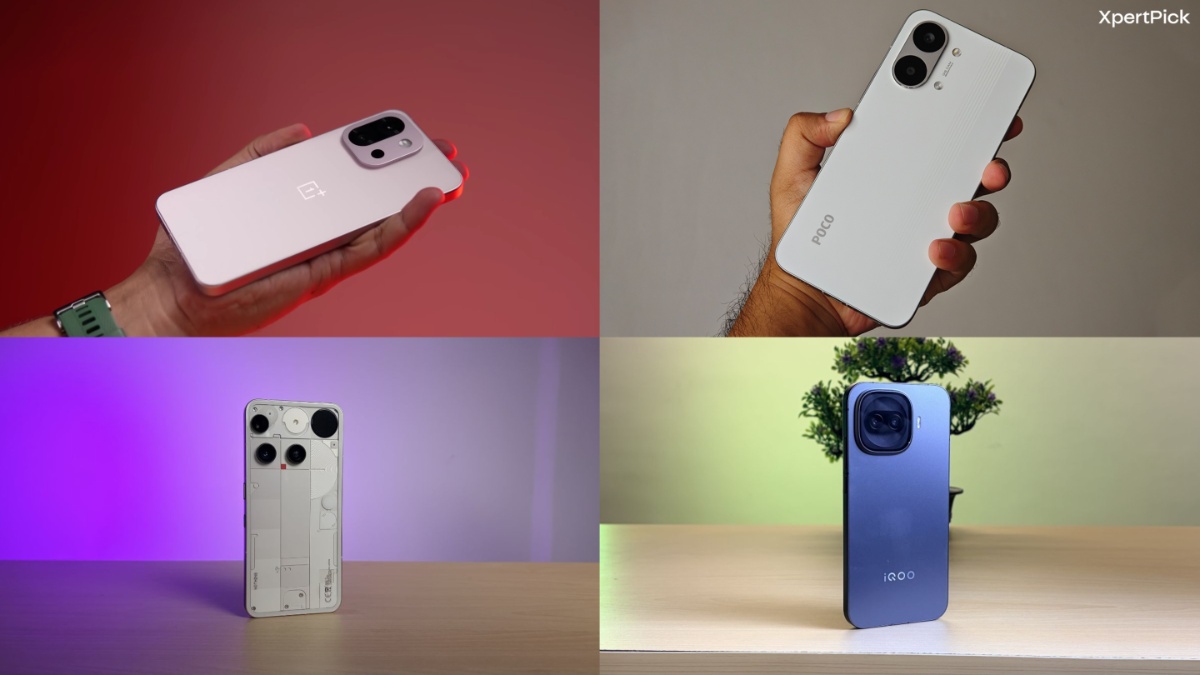
For most buyers in India, Rs 50,000 is where performance starts making sense. With flagship pricing now regularly crossing the Rs 80,000 threshold, this budget serves as the market’s ‘sweet spot.’ It offers the essential processing speed and efficiency of flagship-grade hardware without the substantial premium attached to premium branding or non-essential features.
Phones Considered
I tested seven popular phones priced under Rs. 50,000 which are likely to be the prime options when you are looking for the best performing phone: the POCO X8 Pro Max, OnePlus 13s, Nothing Phone 3, iQOO 15R, Nothing Phone (4a) Pro, Vivo V70, and Oppo Reno 15.
Top Picks at a Glance
The following recommendations are based on comprehensive testing. Refer to the comparative results table for a side-by-side analysis of the top four models. The following devices are recommended:
| Category | My Pick | Price | Why |
|---|---|---|---|
| Best Overall Performance | POCO X8 Pro Max | ₹44,999 | Best overall performance pick, winning the most individual test categories in this comparison |
| Best for Gaming | Nothing Phone 3 | ₹42,999 | Best for gaming, with 117.5 FPS average and 109.6 5% low FPS in BGMI, backed by 84% CPU throttle stability |
| Best for Productivity | OnePlus 13s | ₹51,365* | Best for productivity and heavy tasks, with the highest Geekbench single-core (2,900) and multi-core (8,665) scores in the group |
| Best Value | iQOO 15R | ₹46,999 | Best value pick, with 85.5% 3DMark graphical stability and 26h 40min PCMark battery life at a competitive price |
*The OnePlus 13s (₹51,365) sits just above the Rs 50,000 mark. I’ve included it as the productivity/CPU benchmark for the segment and flag the price throughout.
Performance Test Comparison Table With Benchmarks and Test Results
The table below compares the four recommended phones side by side. A 🏆 marks the category winner.
| Test / Metric | POCO X8 Pro Max | OnePlus 13s | Nothing Phone 3 | iQOO 15R |
| Recommendation | Best Overall Pick for Highest Performance | Best for Heavy Multitasking and Productivity | Best Value Pick with Stable Performance | Best for Long Gaming Sessions |
| AnTuTu Overall | 2,801,896 🏆 | 2,470,359 | 2,372,487 | 2,355,785 |
| Geekbench (Single-Core) | 2,650 | 2,900 🏆 | 2,090 | 2,803 |
| Geekbench (Multi-Core) | 8,458 | 8,665 | 6,769 | 8,943 🏆 |
| Geekbench GPU Score | 19,544 🏆 | 17,789 | 13,584 | 17,279 |
| 3DMark Wild Life Extreme | 6,168 🏆 | 6,066 | 4,469 | 3,369 |
| 3DMark Stress Stability | 60% | 68.1% | 65.7% | 85.5% 🏆 |
| CPU Throttling Stability | 77% | 56% | 84% 🏆 | 64% |
| BGMI (Avg FPS) | 118.6 🏆 | 58.3 | 117.5 | 89.7 |
| BGMI (5% Low FPS) | 112.9 🏆 | 30.6 | 109.6 | 81.8 |
| Minecraft (Avg FPS) | 59.8 🏆 | 59.2 | 42.7 | 58.9 |
| Minecraft (5% Low FPS) | 52.5 | 54.4 🏆 | 28.7 | 53.3 |
| Battery Life | 22h 40min | 16h 30min | 17h 27min | 26h 40min 🏆 |
This table compares only the four recommended phones. I tested seven phones in total, but kept the comparison table to the top picks for easier reading and side-by-side comparison. Full benchmark data for the Nothing Phone (4a) Pro, Vivo V70, and Oppo Reno 15 can be found in their individual sections further below.
The Test Process
I have been testing and reviewing smartphones for eight years, and one pattern never changes: phones are not optimised for performance, they are tuned for it. Some are tuned to prioritise battery life. Some are tuned to ace a 5 to 10 minute benchmark window and then throttle the moment the test ends. Some are held back entirely by poor software-level optimisation that the spec sheet gives you no warning about. A phone with a flagship chip can lose to a phone with a mid-range chip simply because the software refuses to let the hardware breathe.
That is exactly why I chose to test across three layers: synthetic benchmarks for peak output, sustained load tests for what happens when the phone gets hot, and real-world gaming for what the buyer will actually feel. Together, these go well beyond what the spec sheet suggests and, in many cases, directly contradict it. At XpertPick, we keep updating the test process to make sure it reflects how people actually use these devices, not how manufacturers want them to be measured.
Test Conditions
- All devices tested on retail units running shipping software at 28°C ambient.
- 12GB RAM variants were used where available. No manufacturer-supplied data has been used.
Benchmarks
- AnTuTu v10 for overall system performance and GPU output. Geekbench 6 for CPU single-core and multi-core scores. These establish each phone’s peak processing ceiling.
Sustained Performance Tests
- 3DMark Wild Life Extreme run for 20 loops to measure graphical stability under continuous load.
- Dedicated CPU throttling tool run for 15 minutes to capture how much peak CPU performance each phone retains as it heats up.
Gaming Tests
- BGMI at the lowest graphics preset and Minecraft at the highest preset, each run for 20 minutes with frame-time logging. Average FPS and 5% low FPS are recorded — the 5% low is what the player actually feels during the most demanding moments of a session.
Battery Efficiency
- PCMark Work 3.0 runs at 50% brightness until shutdown. This reflects a realistic mixed-use workday rather than a video loop, giving a more honest picture of all-day endurance.
Updated for June 2026 with the latest launches, testing data, and price changes. Prices reflect Indian market rates at the time of publication and are subject to change.
The Phones in Detail
1. POCO X8 Pro Max – Best Overall Pick for Highest Performance
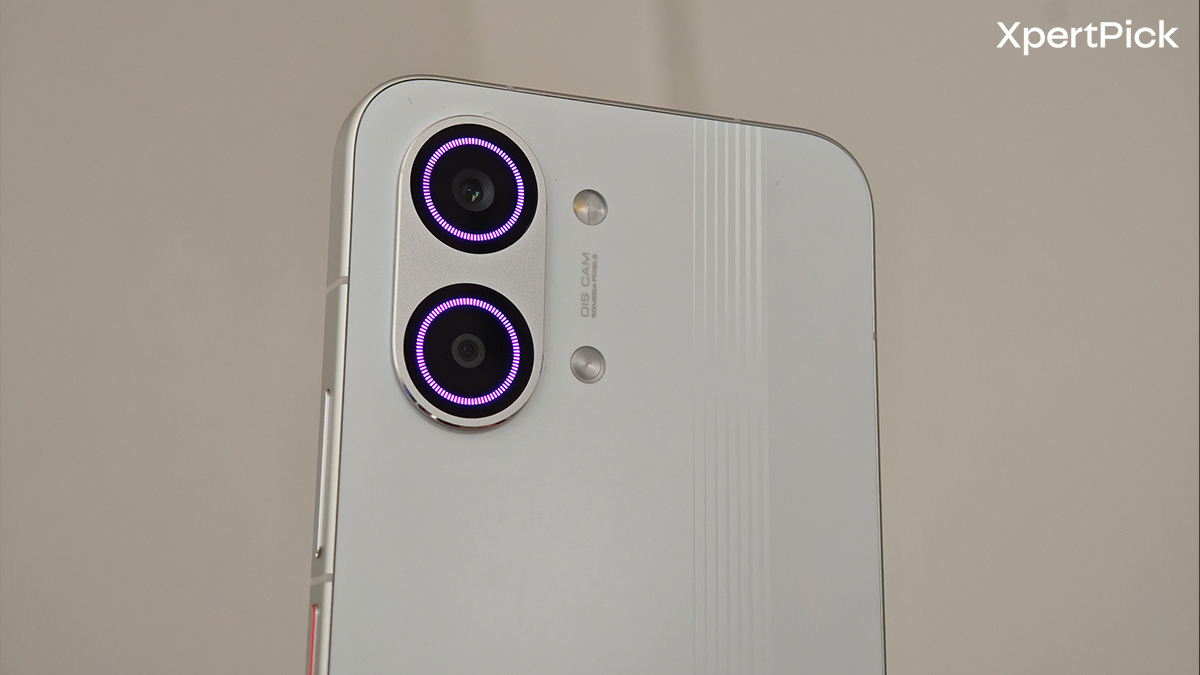
The POCO X8 Pro Max is my best overall performance pick at this price, with a 2,801,896 AnTuTu score, a 19,544 Geekbench GPU score, and 118.6 average FPS in BGMI — winning more individual test categories than any other phone in this comparison.
Why We Picked It
The POCO X8 Pro Max is the clear winner when it comes to outright performance in this line-up. It achieved an impressive AnTuTu score of 2,801,896, comfortably outpacing its rivals. Meanwhile, its Geekbench GPU score of 19,544 also showcases its strong GPU performance.
POCO X8 Pro Max’s gaming performance is equally impressive. In BGMI, the smartphone delivered an average frame rate of 118.6 FPS. More importantly, its 5% low FPS figure remained at 112.9 FPS, indicating exceptionally consistent performance with very few noticeable frame drops. For competitive mobile gamers, it is the most powerful device in this comparison.
The POCO X8 Pro Max combines strong performance with strong battery life. In my PCMark Work 3.0 battery life test, which simulates everyday tasks such as web browsing, document editing, and media consumption, it lasted 22 hours and 40 minutes on a single charge. This result suggests that most users should be able to get through a full day of heavy use without needing to recharge, while lighter usage could stretch battery life into a second day.
Key Specifications
| Specification | Detail |
|---|---|
| Price | ₹44,999 |
| Processor | MediaTek Dimensity 9500s |
| Display | AMOLED, 120Hz |
| Battery | 8,500mAh |
| Charging | 100W |
| Camera | Main: 50MP, Ultra Wide: 8MP, Selfie: 20MP |
| RAM / Storage | 12GB / 256GB or 512GB |
XP Lab Test Data
| Test / Metric | Result |
|---|---|
| AnTuTu Overall Score | 2,801,896 |
| Geekbench 6 | 2,650 (Single-Core) | 8,458 (Multi-Core) |
| Geekbench GPU Score | 19,544 |
| 3DMark Wild Life Extreme | 6,168 |
| 3DMark Stress Test Stability | 60% |
| CPU Throttling Stability | 77% |
| BGMI Performance (Lowest Graphics) | 118.6 Average FPS | 112.9 5% Low FPS |
| Battery Life (PCMark) | 22h 40min |
Pros
Unrivaled raw processing power with a 2.8M AnTuTu score. Delivers near-perfect 120 FPS gaming in BGMI with incredibly high 5% lows, eliminating micro-stutters.
Cons
Drops its top-notch performance levels a bit under heavy graphical stress, dipping to a 60% stability rating during long-term testing.
Who Should Buy It
Competitive mobile gamers and power users who want the highest peak output and the most consistent frame rates in this segment, at a price under ₹45,000. If you want the fastest phone here and you play seriously, this is the one I’d point you to first.
Who Shouldn’t Buy It
Buyers who care more about sustained graphical stability than peak scores, or who want the coolest-running phone for marathon sessions, the iQOO 15R holds up better there.
Expert Verdict: For me, this is the most complete performance package under Rs 50,000. It leads on raw power and real-world gaming, and its only meaningful weakness, graphical stability under prolonged load, won’t bother most buyers. It’s my top recommendation.
2. OnePlus 13s – Best for Heavy Multitasking and Productivity
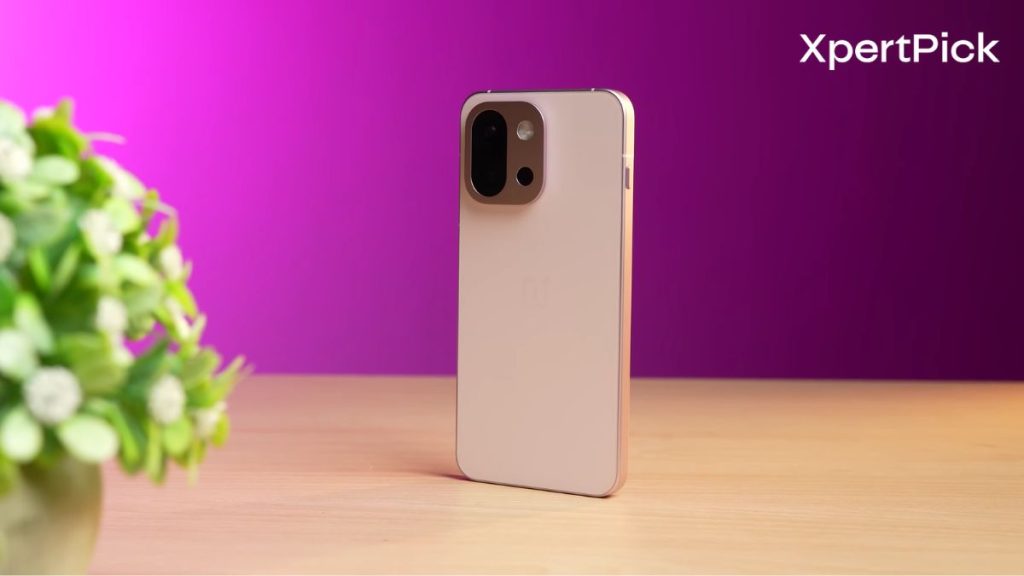
The OnePlus 13s is my best pick for heavy multitasking and productivity under Rs 50,000, posting the highest Geekbench single-core score (2,900) and second-highest multi-core score (8,665) in this comparison.
Note: at ₹51,365, the OnePlus 13s sits just above the Rs 50,000 mark. I’ve included it as the productivity/CPU benchmark for this segment and flag the price wherever it comes up.
Why We Picked It
The OnePlus 13s stands out as the strongest option for users who prioritise CPU power and everyday performance. Powered by a flagship-grade chipset, it achieved an impressive Geekbench 6 multi-core score of 8,665, making demanding tasks such as photo editing, multitasking, and productivity workloads feel particularly smooth.
Gaming, however, is not its strongest suit. During my testing, the device was only able to run BGMI at under 60 FPS. As a result, the experience was not as good compared to some of its rivals, with noticeable frame drops and occasional stutters during more intense gameplay sessions. For productivity-focused users, this trade-off may be acceptable, but hardcore mobile gamers will find better options elsewhere in this comparison.
This thermal behaviour also affects its overall endurance. In the PCMark Work 3.0 battery life test, the device lasted 16 hours and 30 minutes on a single charge, the shortest runtime among the smartphones compared here. As a result, users with heavier workloads may need to reach for the charger before the end of the day. Compared to its rivals, the OnePlus 13s is clearly the weakest performer when it comes to battery life.
Key Specifications
| Specification | Detail |
|---|---|
| Price | ₹51,365 |
| Processor | Snapdragon 8 Elite |
| Display | AMOLED, 120Hz |
| Battery | 5,850mAh |
| Charging | 80W |
| Camera | Main: 50MP, Telephoto: 50MP, Selfie: 32MP |
| RAM / Storage | 12GB / 256GB or 512GB |
XP Lab Test Data
| Test / Metric | Result |
|---|---|
| AnTuTu Overall Score | 2,470,359 |
| Geekbench 6 | 2,900 (Single-Core) | 8,665 (Multi-Core) |
| Geekbench GPU Score | 17,789 |
| 3DMark Wild Life Extreme | 6,066 |
| 3DMark Stress Test Stability | 68.1% |
| CPU Throttling Test Stability | 56% |
| BGMI Performance (Lowest Graphics) | 58.3 Average FPS | 30.6 5% Low FPS |
| Battery Life (PCMark) | 16h 30min |
Pros
Houses an incredibly powerful CPU, delivering the highest Geekbench single-core score in the group for productivity and multitasking.
Cons
Software limits gaming performance to under 60 FPS in BGMI, with significant frame drops, the shortest battery life in this comparison, and a price above the ₹50,000 ceiling.
Who Should Buy It
Professionals and power multitaskers who care about raw CPU speed for editing, documents, and heavy app-switching, and who don’t game seriously.
Who Shouldn’t Buy It
Anyone whose priority is gaming or all-day battery life — in my testing the software throttled frame rates hard, and the runtime is the weakest here.
Expert Verdict: A CPU powerhouse let down by gaming optimisation and battery life. If your workload is productivity rather than play, it’s the fastest option I tested, just be aware it costs slightly more than Rs 50,000.
3. Nothing Phone 3 – Best for Gaming
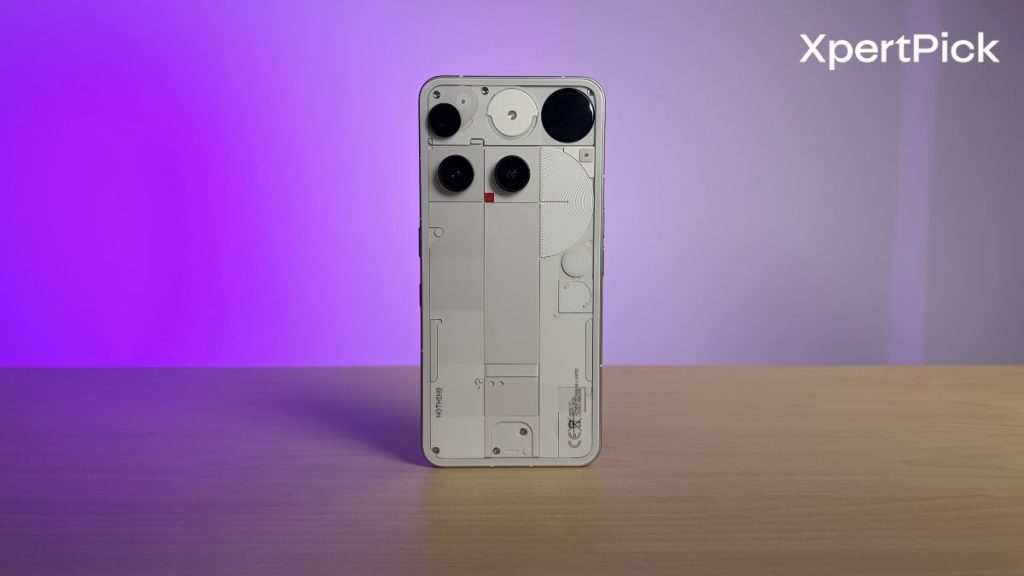
The Nothing Phone 3 is my best gaming pick under Rs 50,000, delivering 117.5 average FPS and 109.6 5% low FPS in BGMI while holding 84% CPU throttle stability — near-POCO gaming performance at Rs 42,999.
Why We Picked It
The Nothing Phone 3 stands out for its polished day-to-day performance and consistency. While its benchmark figures may not be as impressive as those of some of the more powerful devices in this comparison, the overall user experience is remarkably well optimised.
This became particularly evident in my CPU throttling test, where the handset achieved an impressive score of 84%. Rather than chasing peak benchmark numbers, the device prioritises sustained performance, allowing it to maintain stable speeds even under stress. The result is a smooth and dependable experience that remains consistent over time, rather than delivering short bursts of performance followed by aggressive throttling.
Battery life is adequate, but it is not a standout feature. The Nothing Phone 3 achieved a runtime of 17 hours and 27 minutes in the PCMark Work 3.0 battery life test. This places it slightly ahead of the OnePlus 13s, although the difference between the two devices is relatively small. While the runtime is sufficient for most day-to-day workloads, it falls noticeably short of the strongest performers in this comparison.
Key Specifications
| Specification | Detail |
|---|---|
| Price | ₹42,999 |
| Processor | Snapdragon 8s Gen 4 |
| Display | AMOLED, 120Hz |
| Battery | 5,150mAh |
| Charging | 65W |
| Camera | Main: 50MP, Ultra Wide: 50MP, Telephoto: 50MP, Selfie: 50MP |
| RAM / Storage | 12GB or 16GB / 256GB or 512GB |
XP Lab Test Data
| Test / Metric | Result |
|---|---|
| AnTuTu Overall Score | 2,372,487 |
| Geekbench 6 | 2,090 (Single-Core) | 6,769 (Multi-Core) |
| Geekbench GPU Score | 13,584 |
| 3DMark Wild Life Extreme | 4,469 |
| 3DMark Stress Test Stability | 65.7% |
| CPU Throttling Test Stability | 84% |
| BGMI Performance (Lowest Graphics) | 117.5 Average FPS | 109.6 5% Low FPS |
| Battery Life (PCMark) | 17h 27min |
Pros
Best-in-class CPU sustained performance of 84% prevents mid-activity throttling. Outputs a highly consistent, fluid performance expanding up to 117.5 FPS under load.
Cons
Weaker raw GPU performance compared to other premium models in this tier when running heavily unoptimized graphical apps.
Who Should Buy It
Gamers who want near-flagship BGMI frame rates and rock-steady consistency without paying flagship prices. At Rs 42,999, it’s the value pick I’d recommend to most players.
Who Shouldn’t Buy It
Users who need the highest GPU ceiling for demanding graphical apps, or who want the longest battery life for away-from-charger sessions.
Expert Verdict: The smartest gaming buy in the segment, to my mind. It gets within touching distance of the POCO’s frame rates, holds them better under heat, and costs less. For most gamers, this is the value sweet spot.
4. iQOO 15R – Best Value Pick
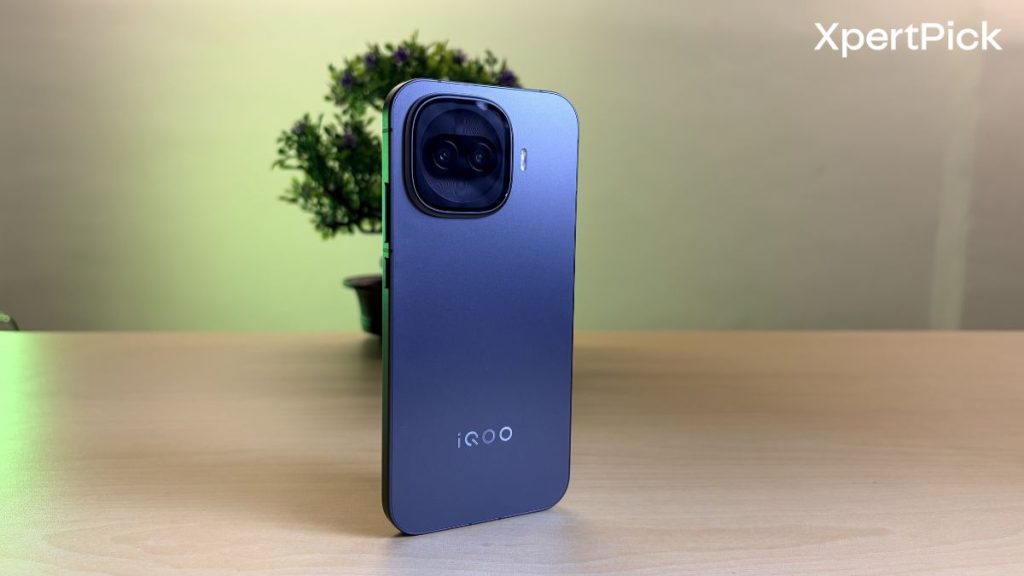
The iQOO 15R is my best value pick in this comparison, combining 85.5% 3DMark graphical stability and the longest battery life in the group (26h 40min PCMark) at a competitive Rs 46,999.
Why We Picked It
For users who spend hours gaming, the iQOO 15R emerges as one of the most dependable devices in this comparison. It strikes an excellent balance between performance and thermal management, achieving an impressive 85.5% stability rating in the 3D Mark Wildlife Extreme graphics stress test.
While it does not support the 120 FPS gameplay offered by the POCO, it delivers a stable 90 FPS experience. More importantly, the device maintains that performance over longer gaming sessions without major throttling.
Battery life is one area where the iQOO 15R clearly distinguishes itself. The smartphone lasted 26 hours and 40 minutes in the PCMark Work 3.0 battery life test, the longest runtime among the smartphones compared here. This gives it a noticeable advantage for users who spend extended periods gaming, streaming, or browsing away from a power outlet. For many users, the runtime should be sufficient to get through more than a full day of use without needing to recharge.
Key Specifications
| Specification | Detail |
|---|---|
| Price | ₹46,999 |
| Processor | Snapdragon 8 Gen 5 |
| Display | AMOLED, 144Hz |
| Battery | 7,600mAh |
| Charging | 100W |
| Camera | Main: 50MP, Ultra Wide: 8MP, Selfie: 32MP |
| RAM / Storage | 8GB or 12GB / 256GB or 512GB |
XP Lab Test Data
| Test / Metric | Result |
|---|---|
| AnTuTu Overall Score | 2,355,785 |
| Geekbench 6 | 2,803 (Single-Core) | 8,943 (Multi-Core) |
| Geekbench GPU Score | 17,279 |
| 3DMark Wild Life Extreme | 3,369 |
| 3DMark Stress Test Stability | 85.5% |
| CPU Throttling Test Stability | 64% |
| BGMI Performance (Lowest Graphics) | 89.7 Average FPS | 81.8 5% Low FPS |
| Battery Life (PCMark) | 26h 40min |
Pros
Unmatched thermal consistency with an 85.5% 3DMark stability rating. Delivers an incredibly reliable, stutter-free 90 FPS experience in heavy shooters like BGMI.
Cons
Does not unlock the 120 FPS performance tier for BGMI, keeping its ceiling lower than the POCO and Nothing Phone.
Who Should Buy It
Value-focused buyers who prioritise endurance and sustained stability — ideal for marathon sessions and long days off-charger.
Who Shouldn’t Buy It
Frame-rate chasers who want the absolute highest FPS ceiling in BGMI.
Expert Verdict: The endurance and stability champion, and to my mind the best all-round value. If you’d trade a little peak FPS for the longest battery and coolest sustained performance, this is the one I’d buy.
5. Nothing Phone (4a) Pro
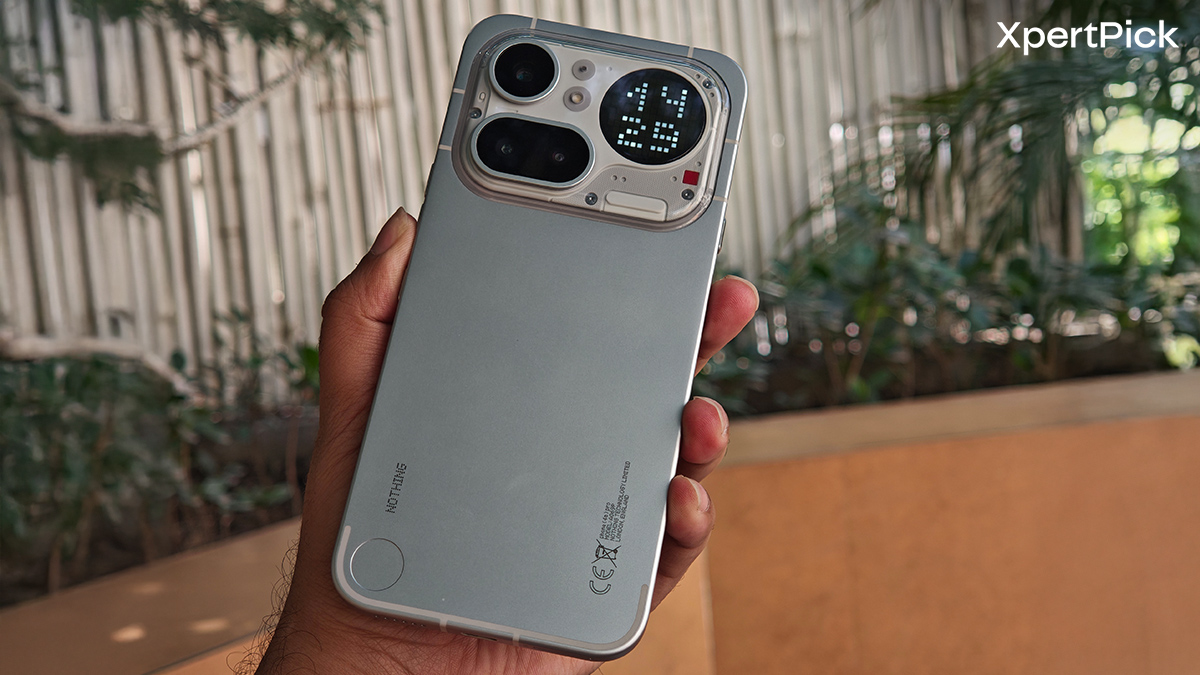
The Nothing Phone (4a) Pro did not make my recommendation list for a performance-focused comparison, but it stands out for its camera system and clean Nothing OS experience.
Why We Picked It
The Nothing Phone (4a) Pro takes a different approach in the ₹50,000 segment, focusing on user experience rather than chasing benchmark numbers. It scored 1,453,766 in AnTuTu and 4,313 in Geekbench 6 multi-core, delivering smooth and reliable performance for everyday use, helped by the clean and intuitive Nothing OS.
Under sustained workloads, the phone prioritises consistency over peak performance. It achieved an impressive 84% stability score in my CPU throttling test and maintained a smooth 59.6 FPS in BGMI. While it does not target ultra-high frame rates, gaming remains stable and stutter-free.
Battery life is average, lasting 16 hours and 10 minutes in the PCMark Work 3.0 test, which is not enough for a full day of typical use. The standout feature, however, is its camera system. The 50 MP 3.5x telephoto camera delivers natural-looking results, while the distinctive design and bright AMOLED display help the phone stand out from the crowd. That said, with an AnTuTu score of 1,453,766 sitting nearly half the POCO’s output and a BGMI ceiling of 59.6 FPS, it does not clear the performance bar set by the top picks in this comparison. It is a strong all-rounder, but not a performance phone.
Key Specifications
| Specification | Detail |
|---|---|
| Price | ₹44,999 |
| Display | AMOLED, 144Hz |
| Battery | 5,400mAh |
| Charging | 50W |
| Camera | Main: 50MP Sony LYT-700C, Telephoto: 50MP 3.5x (Samsung JN5) |
| RAM / Storage | 8GB + 128GB, 8GB + 256GB, or 12GB + 256GB (UFS 3.1) |
XP Lab Test Data
| Test / Metric | Result |
|---|---|
| AnTuTu Overall Score | 1,453,766 |
| Geekbench 6 | 1,378 (Single-Core) | 4,313 (Multi-Core) |
| CPU Throttling Test Stability | 84% |
| BGMI Performance (Lowest Graphics) | 59.6 Average FPS |
| Battery Life (PCMark) | 16h 10min |
Pros
Distinctive design with a strong visual identity and uniform display bezels. Clean and intuitive Nothing OS provides a smooth everyday experience. The main and dedicated telephoto cameras deliver consistent, premium results.
Cons
Raw performance and gaming ceiling trail behind segment leaders. Battery life is average for this tier. Haptics feel less refined and the IP65 rating is modest compared to rivals.
Who Should Buy It
Buyers who value camera quality, clean software, and distinctive design more than benchmark-topping performance.
Who Shouldn’t Buy It
Anyone shopping specifically for the fastest chip or highest gaming frame rates at this price.
Expert Verdict: A polished all-rounder that misses the performance bar this list is built around. Excellent if cameras and software matter most to you — but not the phone I’d pick for raw speed.
6. Vivo V70
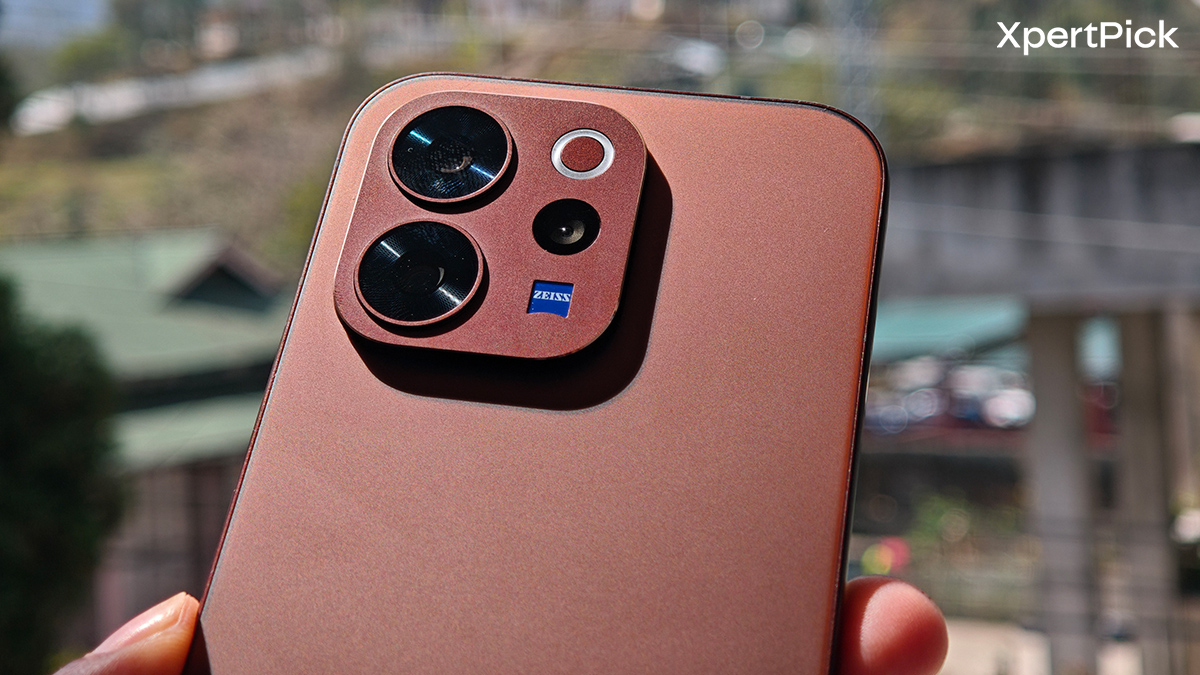
The Vivo V70 was not recommended as a performance pick, but it is the strongest camera-focused option in this comparison, with Zeiss-co-engineered dual cameras and consistent portrait performance.
Why We Picked It
The vivo V70 focuses on cameras and day-to-day usability rather than raw performance. It scored 854,064 in AnTuTu and 2,969 in Geekbench 6 multi-core, placing it behind the more powerful devices in this comparison. Despite this, the phone feels responsive in everyday use, supported by smooth software optimisation.
For gaming, the V70 delivers a stable 58.3 FPS in BGMI and achieved a 71% stability score in our 3DMark stress test. While it does not offer the higher frame-rate modes available on some rivals, performance remains consistent during longer gaming sessions without excessive heat build-up.
The V70 also posted a battery runtime of 19 hours and 7 minutes in the PCMark Work 3.0 test, which is decent enough to last through a full day of use. Its Zeiss-tuned primary and telephoto cameras produce consistent results across a range of lighting conditions, with portraits being a particular strength. The ultra-wide camera captures less detail than the other rear cameras, but the overall camera system remains one of the key reasons to consider the device. Where it falls short for this list is raw processing power: an AnTuTu score of 854,064 is the lowest in this group by a significant margin, and a Geekbench multi-core of 2,969 trails every other phone here. If performance is the priority, the V70 does not compete. If cameras are, it is a very different conversation.
Key Specifications
| Specification | Detail |
|---|---|
| Price | ₹46,074 |
| Display | Bright AMOLED display, 120Hz |
| Battery | 6,500mAh |
| Charging | 90W |
| Camera | 50MP main (OIS) + 50MP 3x periscope telephoto (OIS) + 8MP ultra-wide |
| RAM / Storage | 8GB/256GB up to 12GB/512GB (UFS 4.1) |
XP Lab Test Data
| Test / Metric | Result |
|---|---|
| AnTuTu Overall Score | 854,064 |
| Geekbench 6 | 1,019 (Single-Core) | 2,969 (Multi-Core) |
| 3DMark Stress Test Stability | 71% |
| BGMI Performance (Lowest Graphics) | 58.3 Average FPS |
| Battery Life (PCMark Work 3.0) | 19h 07min |
Pros
Consistent camera performance across different lighting conditions. Good portrait rendering with effective subject separation.
Cons
Trails significantly behind the segment leaders in raw processing power, posting an AnTuTu score under 1 million.
Who Should Buy It
Camera-first buyers who want reliable portraits and Zeiss-tuned imaging, and who don’t need heavy gaming performance.
Who Shouldn’t Buy It
Anyone benchmarking performance at this price, the chip simply doesn’t compete with the top picks.
Expert Verdict: A capable camera phone that is out of its depth on a performance list. If imaging is your priority it’s worth a look; if speed is, I’d look elsewhere.
7. Oppo Reno 15
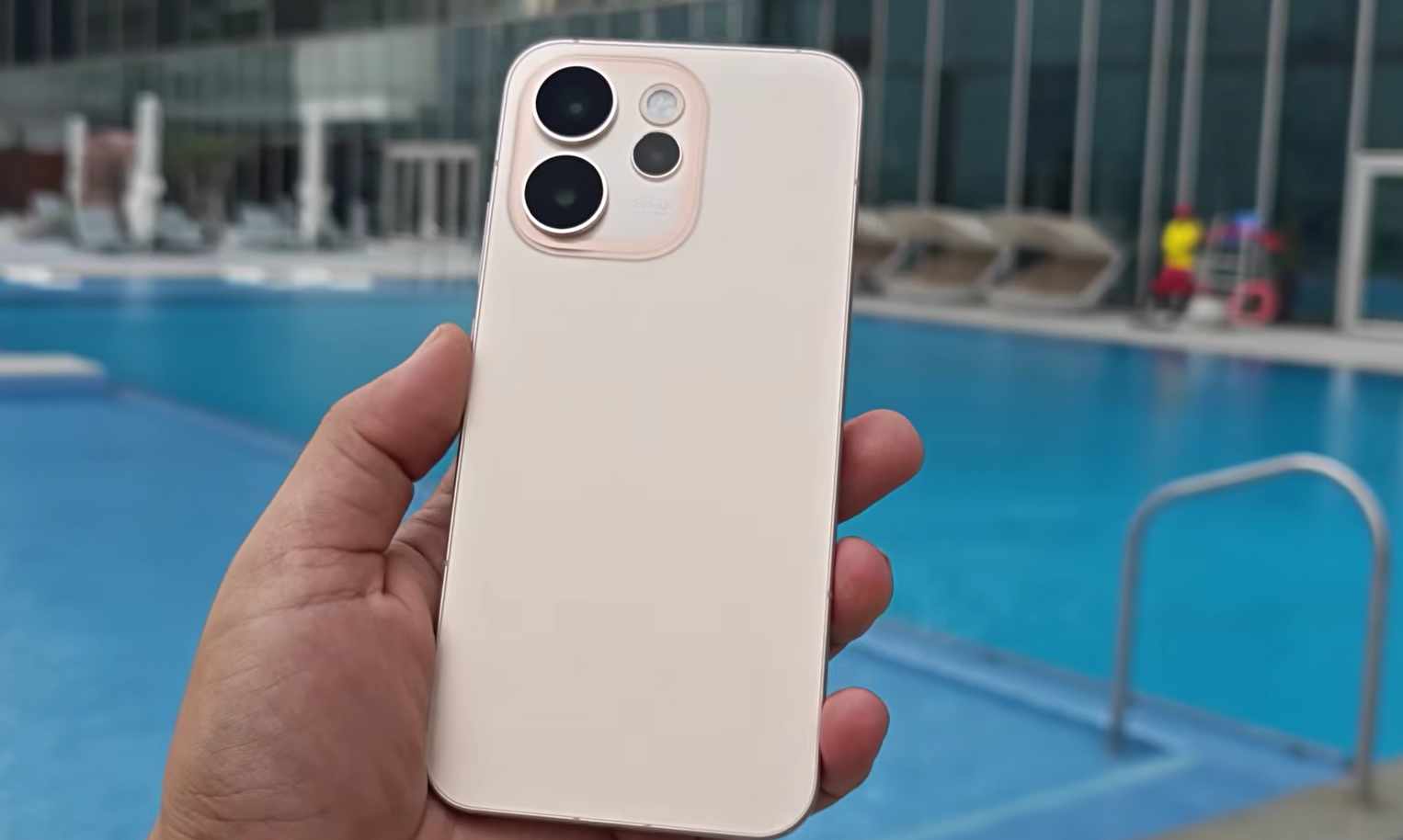
The Oppo Reno 15 did not make my performance recommendation list, but it offers the second-longest battery life here (25h 8min PCMark) and zero CPU throttling across my test duration.
Why We Picked It
The Oppo Reno 15 focuses more on design, battery life, and camera performance than raw processing power. While it handles everyday tasks such as browsing, social media, and media consumption without issue, its performance trails some rivals in this segment when it comes to demanding workloads and gaming.
For gaming, the Reno 15 is capable of running popular titles, but it does not offer the same level of performance or high frame-rate support as some competing devices. As a result, users who prioritise gaming may find stronger options elsewhere.
Battery life is another strength, with the phone lasting 23 hours and 50 minutes in my PCMark Work 3.0 battery test, making it easy to get through a full day of use on a single charge. Overall, the Reno 15 is aimed at users who place greater importance on photography, design, and day-to-day usability than performance. Its AnTuTu score of 1,425,132 and zero-throttle CPU result tell an interesting story: this chipset never throttles because it never gets close enough to its limits to need to. That is a different proposition from what this list is built around. For buyers whose priority is stamina and cameras over processing power, it makes sense. For anyone benchmarking performance at the Rs 50,000 mark, the gap to the top four is too wide to overlook.
Key Specifications
| Specification | Detail |
|---|---|
| Price | ₹47,999 |
| Display | Bright AMOLED, 120Hz |
| Battery | 6,500mAh |
| Charging | 80W |
| Camera | 50MP main (OIS) + 50MP 3.5x telephoto (OIS) + 8MP ultra-wide |
| RAM / Storage | 8GB/256GB up to 12GB/512GB (UFS 3.1) |
XP Lab Test Data
| Test / Metric | Result |
|---|---|
| AnTuTu Overall Score | 1,425,132 |
| Geekbench 6 | 1,325 (Single-Core) | 4,079 (Multi-Core) |
| 3DMark Stress Test Stability | 64.3% |
| CPU Throttling Test Stability | No throttle |
| BGMI Performance (Lowest Graphics) | 59.2 Average FPS | 53.5 5% Low FPS |
| Battery Life (PCMark) | 25h 08min |
Pros
Excellent battery life and thermal stability, delivering consistent day-to-day performance with minimal throttling.
Cons
Limited processing power for its price segment, resulting in weaker performance in demanding games and heavy workloads.
Who Should Buy It
Buyers who prioritise stamina, cool running, and cameras over processing power for design-led daily use.
Who Shouldn’t Buy It
Performance shoppers at the Rs 50,000 mark — the gap to the top four picks is too large.
Expert Verdict: A stamina-and-camera phone rather than a performance one. Great endurance, but it doesn’t belong in the same conversation as the top four for raw speed.
Frequently Asked Questions (FAQs)
What is the best performance phone under Rs 50,000 in India?
The POCO X8 Pro Max (Rs 44,999) is the best performance phone under Rs 50,000 in India. It posted the highest AnTuTu score in this comparison at 2,801,896, the best Geekbench GPU score at 19,544, and the highest BGMI frame rates at 118.6 average FPS with 112.9 5% low FPS.
Which phone has the highest AnTuTu score under Rs 50,000?
The POCO X8 Pro Max has the highest AnTuTu score under Rs 50,000 at 2,801,896, based on XpertPick lab testing on the retail unit. The OnePlus 13s is second at 2,470,359, followed by the Nothing Phone 3 at 2,372,487 and the iQOO 15R at 2,355,785.
Is the Nothing Phone 3 good for gaming?
Yes. The Nothing Phone 3 is the best gaming phone under Rs 50,000 in this comparison outside of the POCO X8 Pro Max. It delivered 117.5 average FPS and 109.6 5% low FPS in BGMI, backed by 84% CPU throttle stability that keeps frame rates consistent over long sessions. At Rs 42,999, it offers near-flagship gaming performance at a competitive price.
POCO X8 Pro Max vs iQOO 15R: which is better?
For raw performance and gaming, the POCO X8 Pro Max wins clearly with a 2,801,896 AnTuTu score and 118.6 FPS in BGMI versus the iQOO 15R’s 2,355,785 and 89.7 FPS. For sustained graphical stability and battery life, the iQOO 15R leads with 85.5% 3DMark stress stability and 26h 40min PCMark battery life. Choose the POCO for peak output; choose the iQOO 15R if long sessions and endurance matter more.
Which phone is best for heavy multitasking and productivity under Rs 50,000?
The OnePlus 13s is the best phone for heavy multitasking and productivity under Rs 50,000. It posted the highest Geekbench 6 single-core score in this comparison at 2,900 and a multi-core score of 8,665, making it the fastest option for CPU-intensive tasks like photo editing, document processing, and sustained multitasking. However, if gaming is also one of the requirements, we suggest you consider the iQOO 15R or the Nothing Phone 4a Pro.
Which phone has the best battery life under Rs 50,000 in India?
The iQOO 15R has the best battery life under Rs 50,000 at 26 hours and 40 minutes in the PCMark Work 3.0 test, the longest runtime in our seven-phone comparison. The Oppo Reno 15 is second at 25 hours and 8 minutes, and the POCO X8 Pro Max is third at 22 hours and 40 minutes.
Is the OnePlus 13s good for gaming?
No. Despite its powerful Snapdragon 8 Elite processor, the OnePlus 13s is not a good gaming phone. Software optimisation limits BGMI to 58.3 average FPS with 30.6 5% low FPS, the worst gaming result in this comparison. It is better suited to productivity and multitasking workloads where its CPU leads the group.
Why Trust XpertPick
I have been testing and reviewing smartphones for eight years, and every recommendation on this page comes from hands-on lab testing rather than manufacturer spec sheets or marketing claims. This comparison was built entirely on retail units running shipping software.
- Independent testing: I tested all seven phones in-house on retail units, no manufacturer-supplied data has been used.
- Standardised conditions: every device was tested at 28°C ambient, on 12GB RAM variants where available, using the same benchmark and gaming suites.
- Three-layer methodology: I measure peak output, sustained load, and real-world gaming, because spec sheets routinely contradict how a phone actually performs.
- Continuously updated: at XpertPick, we keep updating the test process and this article as new devices launch and prices change, so the picks reflect the current market.