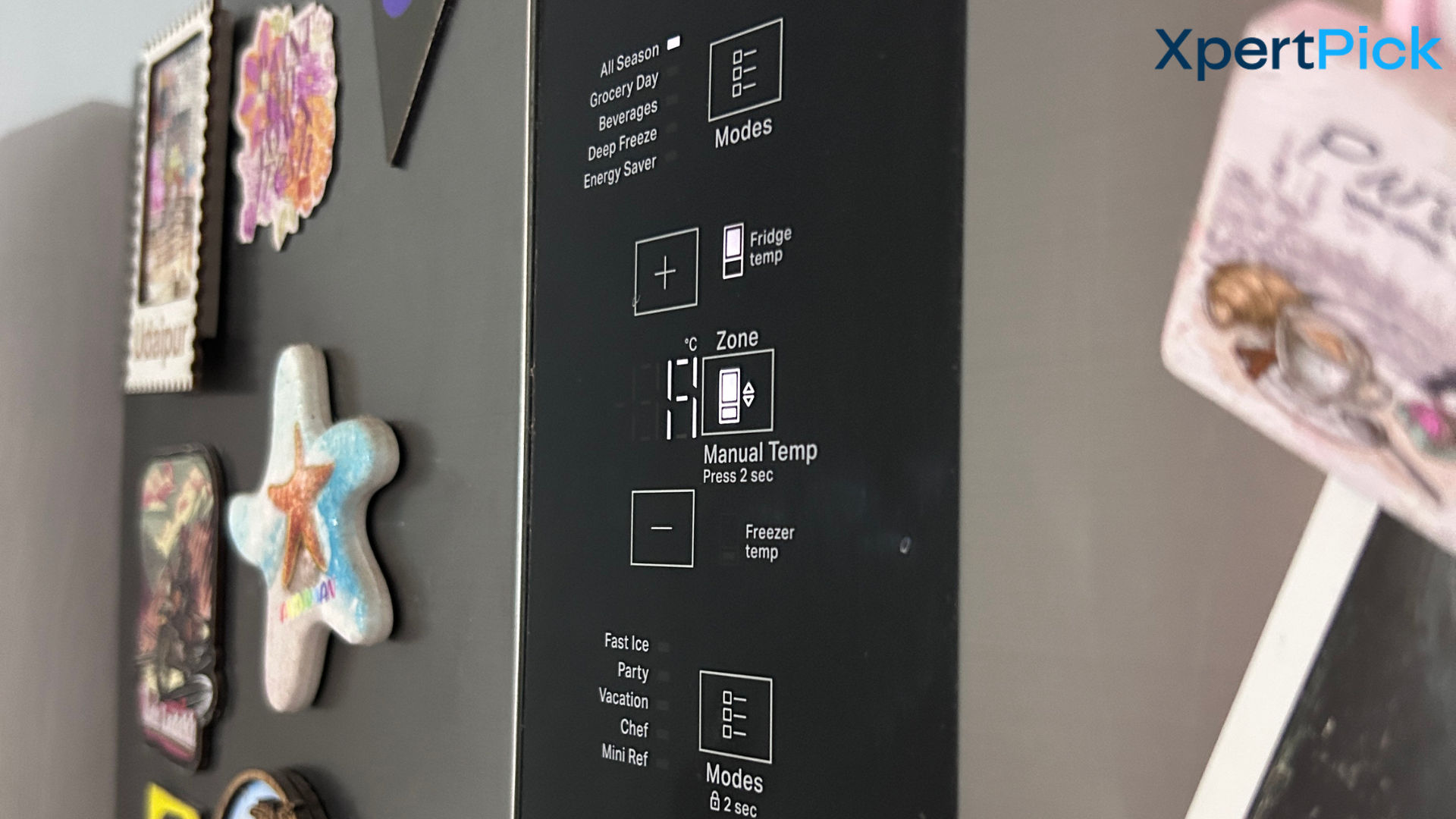
Some years ago, a convertible refrigerator was one of those features that were mostly seen in expensive appliance showrooms where the salespeople would give a dramatic demo of switching the freezer section into fridge space to impress the potential customers. Today, however, the convertible cooling feature has gone mainstream.
Brands like Samsung, LG, Haier, and Whirlpool now offer convertible modes across a large part of their double-door and premium refrigerator lineups. In fact, once you move beyond the entry-level segment, there is a good chance some form of convertible cooling is already included.
However, after looking more closely at how people actually use these refrigerators, the bigger question becomes: is convertible cooling solving a real household problem, or has it simply become another feature brands add because premium appliances now need to sound “smarter” every year?
Refrigerator Usage Changed, But Refrigerator Layouts Didn’t for Years
For many years, refrigerators followed a pretty simple template. The freezer was on top, and the fridge occupied the rest of the space. Users were expected to adjust their usage around that layout regardless of whether it actually suited their needs.
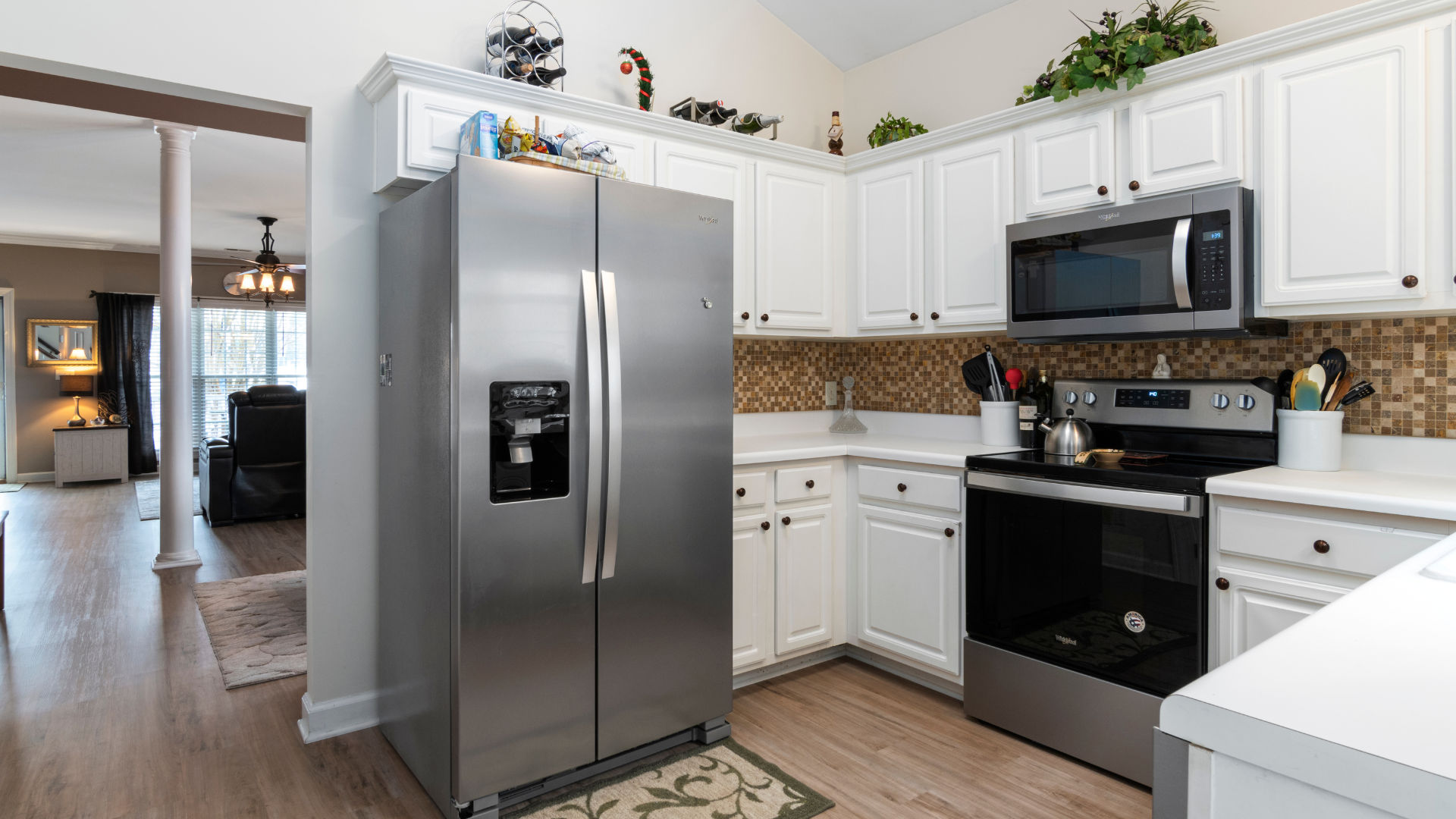
While it may have worked in the past, the problem today is that food storage habits are far less predictable than they used to be. In many Indian homes, the refrigerator section gets overloaded constantly with vegetables, leftovers, beverages, milk packets, desserts during festivals, and large grocery runs. Freezers are often not used that much outside households that consume meat or frozen food.
That gap is what convertible freezers tried to address. The idea wasn’t to make refrigerators “smarter” in the futuristic sense. It was more about making storage space flexible, depending on how families actually consume food now.
Most Homes Barely Use Their Freezer Properly
This is something that appliance brands rarely accept openly, but it becomes obvious once you observe how refrigerators are used inside actual homes.
In many homes, the freezer is mostly used to store ice trays, frozen peas, maybe an ice cream box, which doesn’t last too long if you have a sibling (personal experience), and occasionally some frozen snacks. The fridge section, meanwhile, struggles for space almost every day.
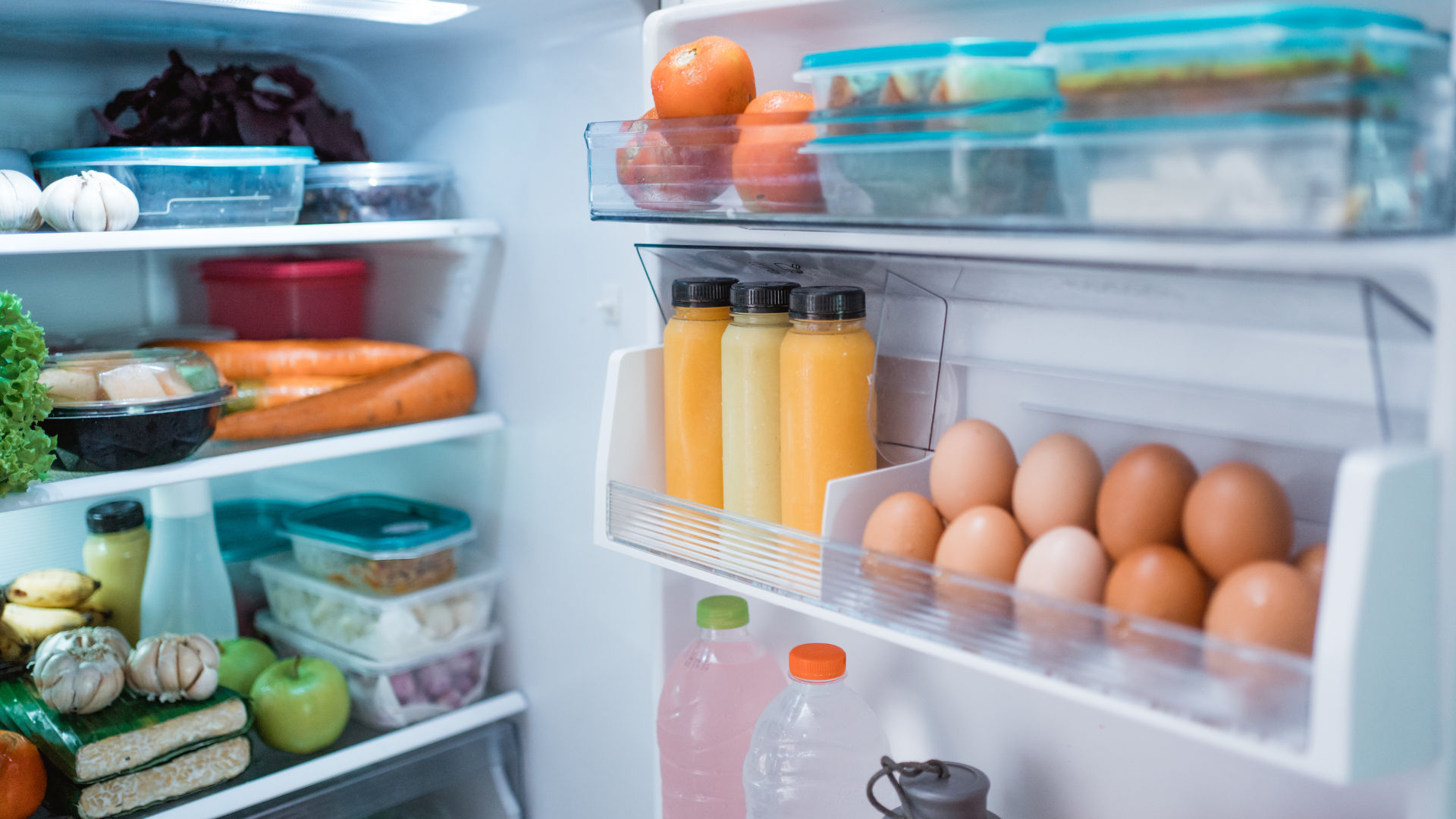
This struggle becomes a nightmare when you have guests over, have to store a lot of food and leftovers, and during the summer, when everything needs to go in the fridge. At that point, converting part of the freezer into additional fridge space genuinely feels useful.
That’s why convertible refrigerators have gained popularity, particularly in urban family households where storage needs fluctuate depending on season, routines, and social occasions.
Brands Also Oversell the “Smart” Part of It
Yes, there’s some marketing involved, and yes, some brands tend to overhype the experience. You must have seen how some refrigerators now advertise multiple convertible modes, AI-powered cooling adjustments, app-based presets, and seasonal optimisation features. From what I have seen, most users are not going to keep switching cooling profiles every few days.
What people actually do is much simpler. They use one or two conversion settings occasionally whenever they need extra refrigerator space. That alone is still useful.
There Is Also a Noticeable Price Premium
One thing that I have noticed is that refrigerators with convertible cooling always cost more. Across brands like LG, Samsung, and Whirlpool, the standard double-door refrigerators in the 300–350 litre range usually sit lower in the pricing ladder compared to convertible variants in similar capacities.
In many cases, the difference can also easily stretch to several thousand rupees depending on additional smart features, cooling systems, and energy ratings.
You need to take this into account because the convertible feature doesn’t really improve the cooling performance. What you are mainly paying for is flexibility and storage convenience rather than better refrigeration.
Are Convertible Refrigerators Actually Worth It?
For some homes, yes.
The logic is pretty simple: if your family frequently struggles for refrigerator space, hosts guests often, buys groceries in bulk, or barely uses the freezer for most of the year, convertible cooling is a good option.
However, if your household uses the freezer more or if your fridge usage is predictable and you don’t often have days when you wish your fridge could stretch a little, you don’t really have to go for a convertible model.