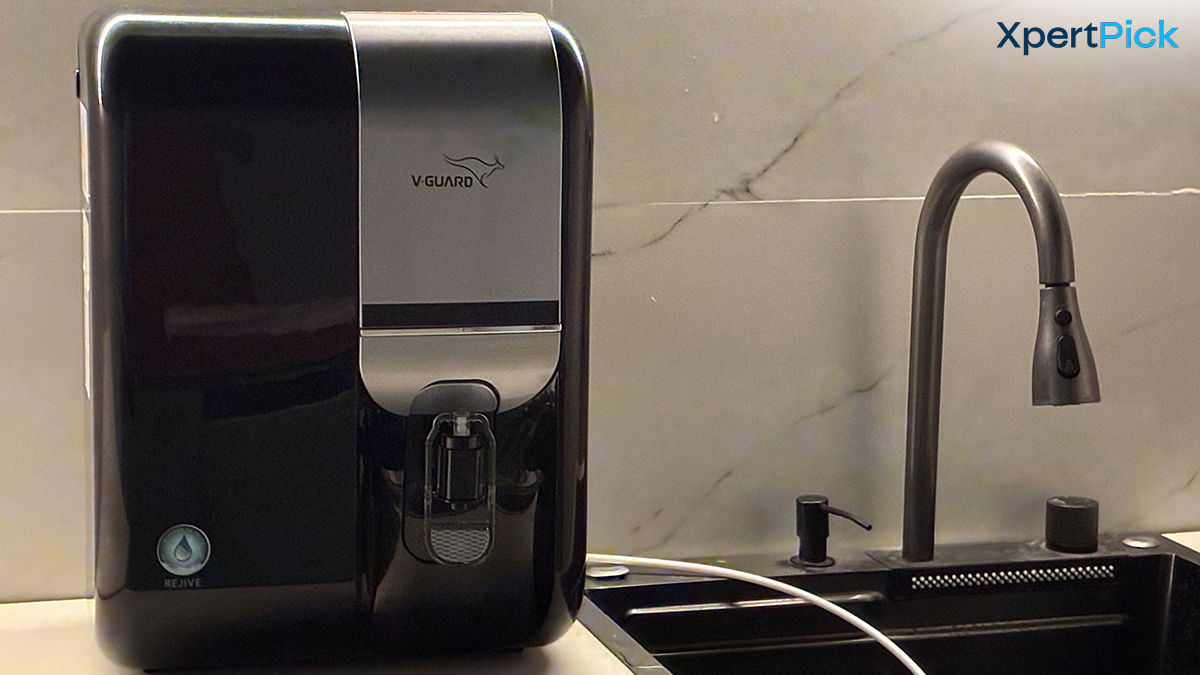
RO purifiers are one of those appliances that people use every day, but don’t really notice until something goes really wrong. One random beep in the middle of the day, water leaking under the sink, or suddenly no water coming out, and immediately it feels like the purifier has completely broken down.
Most modern RO systems don’t help with the panic either, as they come with digital indicators, warning lights, and sensors, which means even relatively minor issues can suddenly feel far more serious than they actually are. The aim is just to bring your attention to the issue before it’s too late.
The issues that most ROs face are pretty predictable, especially when it comes to Indian homes, where purifier usage gets really heavy during summers because of higher water consumption, tanker supply, and fluctuating water quality.
Why Does Your RO Beep Randomly
One of the most common complaints that people have is that their RO beeps randomly and they get worried that something is wrong. In most cases, it isn’t like your purifier is malfunctioning. As I said earlier, it is more like a wake-up call to bring your attention to it.
Depending on the brand, continuous beeping can indicate overdue filter replacement, low incoming water pressure, tank-filling issues, membrane problems, or simple service reminders. Out of these, people ignore the filter replacement warnings the most.
A lot of people continue using their water purifiers for weeks or months after these warnings because the water looks and tastes fine. That’s not just how things work. Over time, RO filters and membranes lose efficiency, especially in homes with hard water or high TDS levels. By the time your purifier shows signs, like bad taste or slower water flow, the replacement is often long overdue. The ignorance here can affect your health.
“No Water” Problem Is Common During Summers
This is probably the issue that causes the most panic. You walk up to the purifier, try dispensing water, and suddenly nothing comes out, even though the machine itself appears switched on normally.
Most of the time, there’s no water in your purifier because it is not receiving enough incoming water pressure, and not because the appliance has broken down completely.
This issue is pretty common during the summer months when the
overhead tank pressure drops, tanker supply fluctuates, or municipal water timings become inconsistent. Since RO systems rely heavily on stable pressure to push water through the membrane, even small pressure drops can affect purification speed significantly.
In some cases, the storage tank just stops filling water properly because the purifier cannot process incoming water efficiently. Clogged filters can create the same issue, too, because restricted flow gradually slows down tank filling over time.
Leaks Usually Start Small, Then Get Ignored
Most of the time, your RO leaks don’t begin dramatically. It starts with a few drops under the cabinet or slight moisture around the filter area. Since the purifier continues functioning normally otherwise, people usually ignore it initially.
Again, over time, even these small leaks can become problematic, especially if you have a modular kitchen where constant moisture can damage wooden cabinets, laminates, nearby appliances, or electrical fittings under the sink.

Many leaks happen because of basic reasons: loose pipe fittings, worn-out connectors, ageing rubber seals, or improperly fitted filters after servicing.
Most RO Problems Become Big Slowly
RO purifiers deal directly with sediments, dissolved salts, water pressure, and continuous filtration cycles every single day. This simply means that they require regular maintenance to keep functioning properly.
See, the filters, membranes, and internal components of an RO wear down over time; it is just the speed that depends on water quality, household usage, purifier age, and TDS levels. But most people don’t get servicing done until the RO visibly malfunctions.
Modern RO purifiers give you early warnings so that you can get your appliance fixed before the issue becomes big. If you ignore that, a simple solution can also turn expensive.