When you go out to buy an AC, one of the things on your checklist to compare is star ratings. The problem isn’t that, that’s actually a good thing to consider but if you blindly think that a 5-star AC must cool much better than a 3-star one.
A lot of people think that this is true, and then salespersons and brand marketing also makes people think that they are making the right choice. Well, technically yes, you’re buying a good AC with highest star ratings, which is great but that higher star ratings come at a comparatively expensive price tag and it’s not worth spending that extra amount for every case.
Let me make it clear, the difference between a 3-star and a 5-star AC is not about the AC’s cooling capability at all. If both ACs are the correct tonnage for your room, both can cool properly. The main difference is how much electricity they consume while delivering that cooling.
Under the BEE ratings, a 5-star AC is designed to deliver better energy efficiency. In simple terms it means that it consumes lesser electricity units over time compared to a similarly specced 3-star model. So yes, if both ACs run for similar hours every day across an entire summer, the 5-star AC will usually result in lower electricity bills. But a 5-star AC also costs more, so you need to see if you will be able to recover that extra cost or not.
Not Everyone Needs a 5-star rated AC
Logically, yes, 5-star ACs are better, but from a very textbook definition point of view, not everyone is using their AC in the same way, even within a single home. ACs in different rooms are used differently.
In some homes, you will find the ACs running aggressively during the summer months, almost throughout the day. In other homes, especially with working professionals, ACs are turned on mostly during the evening and turned off early in the morning. While some people still avoid using ACs continuously because they are worried about electricity bills, regardless of the star rating.

That’s where the entire math changes. See, a family living in a hot city like Delhi, running their AC for 8-10 hours during peak summers will obviously recover the extra cost of a 5-star AC much faster than somebody in Bengaluru who switches it on only during occasional hot days.
The same thing happens within your home too. A bedroom AC and a living room AC are usually used very differently, but people rarely think about that while shopping. The bedroom AC can run continuously throughout the night, but a living room AC will only be turned on for a couple of hours while chilling or when guests come over.
This is why not all ACs in your home have to be 5-star rated either. Where the use is heavy, 5-star rated AC makes sense, but for moderate use 3-star ACs offer a better deal.
3-Star ACs Are Not a Downgrade
If you choose a 3-star AC, it does not mean that you are downgrading, sometimes even the specs are exactly the same within the same brand.
The problem is that a lot of people still think about 3-star ACs the way they thought about them years ago, that they are noisy, consume a lot of power, and will increase the bill immediately.
Enter inverter technology into the chat.
With inverter technology now becoming common, modern inverter ACs can dynamically adjust compressor speed depending on cooling requirements instead of older ways when the compressor would cut off and start again which consumed a ton of power. Inverter technology alone has improved efficiency significantly, even on many 3-star models.
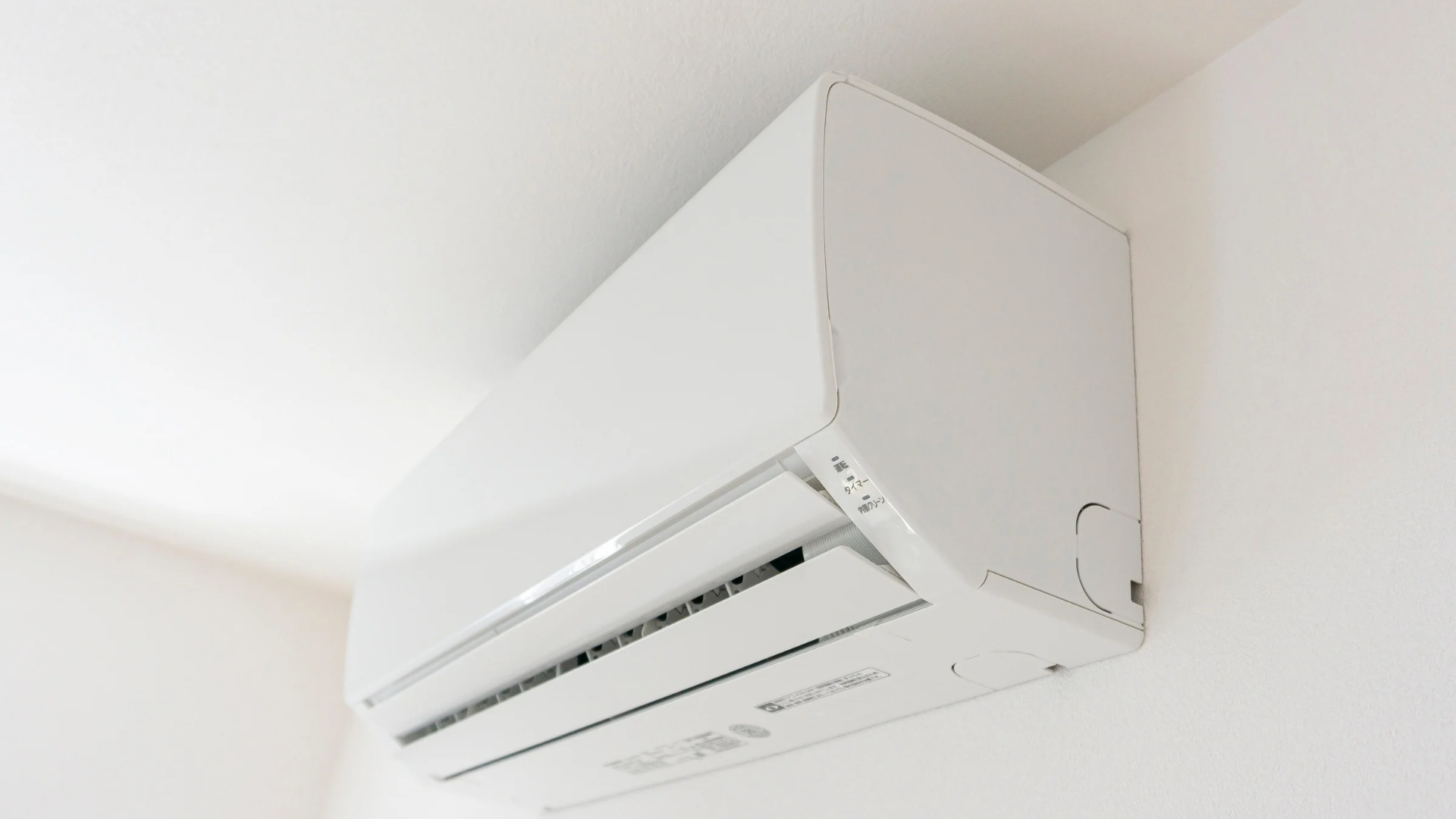
Which means a modern 3-star inverter AC in 2026 is already far more efficient than the older ACs many households were using just four or five years ago. If you upgrade from an older non-inverter AC to a modern 3-star inverter AC model, you can see a noticeable difference in power usage. There is no difference in cooling either.
So, if you don’t use your AC too much, and are a casual user, then paying extra on a 5-star rated AC will not make sense for you. Since the usage is less, you won’t see any major difference in your electricity bill and it will take you years to recover the initial extra money that you spent.
Don’t Focus on the Wrong Things
Truth be told, star ratings should not be the biggest factor when choosing your AC. Wrong tonnage, poor installation, direct sunlight hitting the room all day, weak airflow, or bad servicing can affect cooling performance much more.
An undersized AC trying to cool a larger room will naturally consume more electricity because the compressor keeps working harder continuously. Similarly, poor installation or badly insulated rooms can affect cooling performance regardless of the star rating.
So, when you go out to buy an AC check these things before the star ratings:
- Your rooms size,
- required tonnage for it,
- installation quality,
- insulation,
- and after-sales services.
Is Paying Extra on a 5-Star AC Worth it?
If you use the AC heavily every single day during the summer months, and if you are living in North India where the heat becomes unbearable without an AC, then yes, investing in a 5-star makes sense in the long run.
But if your usage is moderate, seasonal, or mostly limited to a few hours a day, then going for a 3-star AC and saving some money is honestly a better deal.