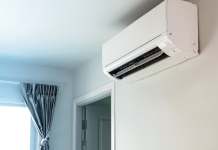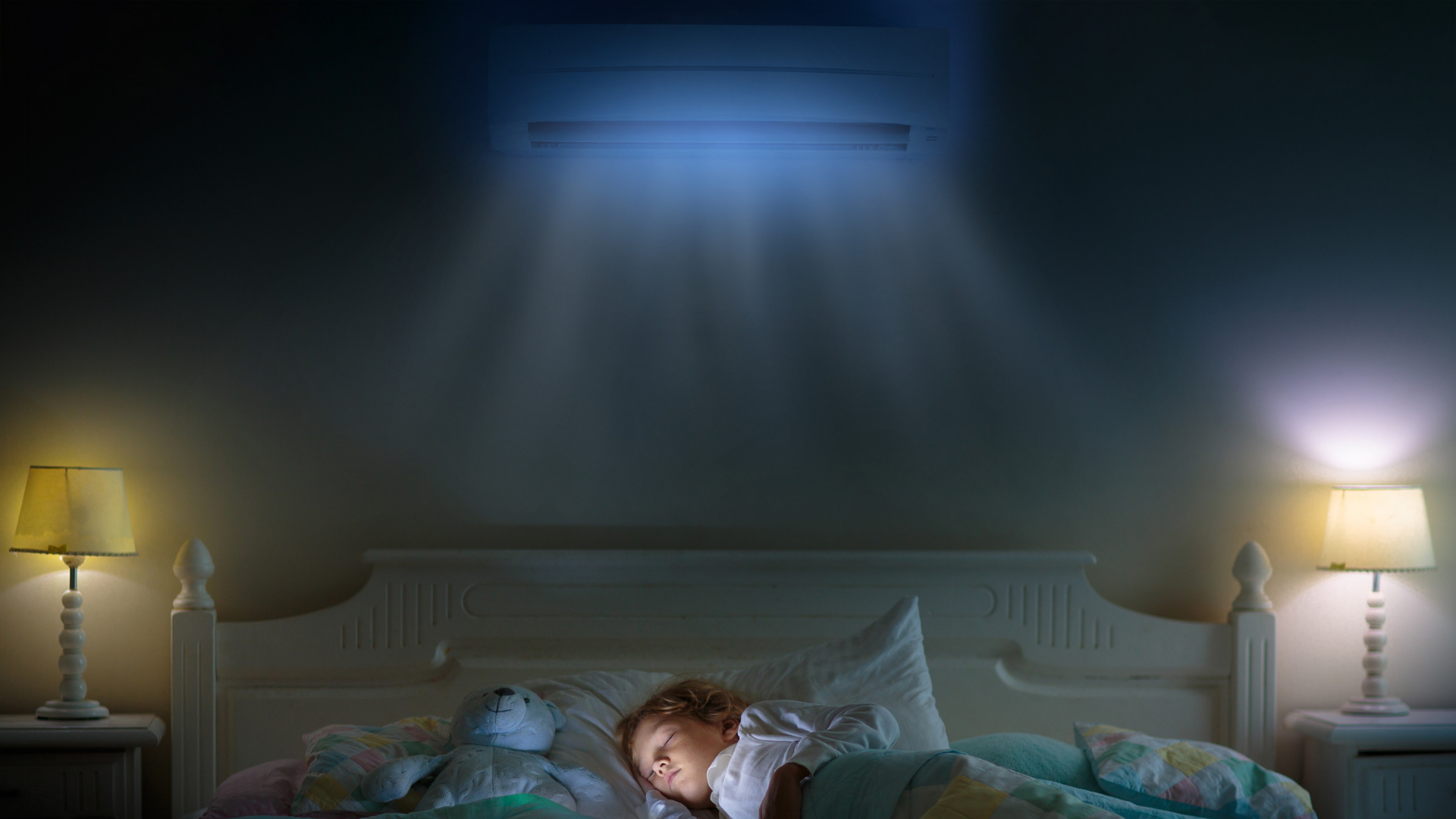
Do you keep your AC on all night during peak summers? I am sure you do, and don’t worry, you’re not alone; a lot of people resort to this to beat the heat. However, should you actually do that, or is it better to switch the AC off after a few hours?
The answer to this question is much different from what it was a decade ago. This is largely because air conditioners themselves have changed. Modern inverter ACs are designed to run continuously and adjust cooling dynamically instead of operating in the old “full power on, full power off” pattern that older non-inverter units relied on.
Due to this advancement in technology, keeping the AC on all night is not automatically inefficient. In fact, in many situations, if you repeatedly turn the AC on and off, that’s going to be less efficient than simply letting it maintain a simple stable temperature.
Why Overnight Cooling Works Differently Today
Older ACs worked with fixed-speed compressors. So, once the room reached the target temperature that you had set, the compressor would shut off completely and restart again when the room’s temperature rose. During overnight use, this repeated cycling often created inconsistent cooling and higher power usage.
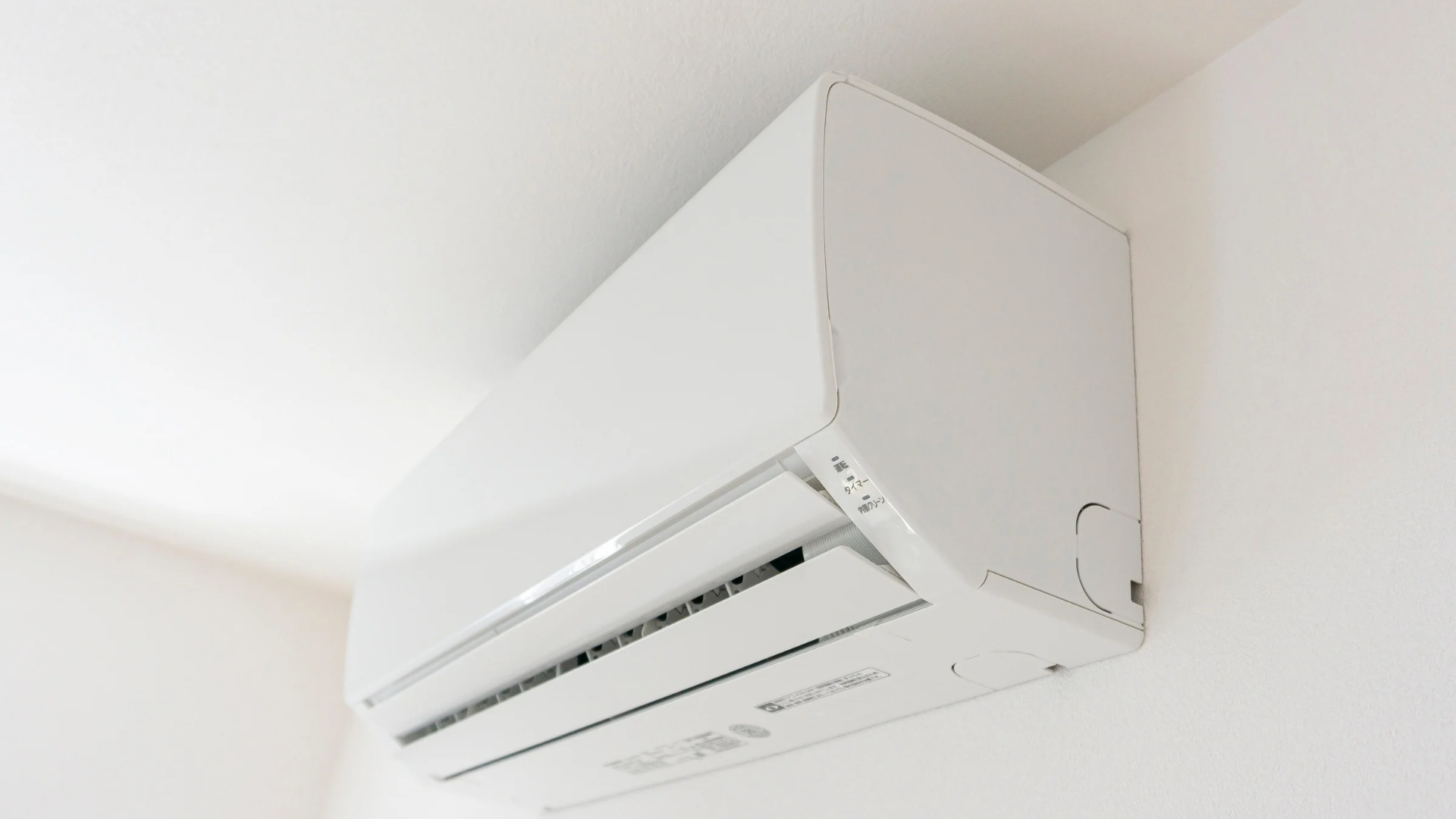
Modern ACs, especially with inverter technology, work differently. Instead of switching off and restarting at full power again and again, the compressor slows down once the room reaches the desired temperature and then continues to run at a lower speed to maintain stable cooling. This not only helps in reducing power usage but also makes overnight cooling feel more consistent.
Don’t worry if you don’t have a modern inverter AC, because the current generation of non-inverter ACs have also improved a lot compared to older units. Better airflow systems, improved sensors, and higher energy-efficiency standards mean they are no longer as inefficient or noisy.
However, the core difference still remains the same. Non-inverter ACs continue to work on the same start-stop cycle, while inverter models adjust cooling more gradually depending on the room’s temperature.
This is why inverter ACs are generally considered more suitable if you plan to run your ACs overnight.
The Biggest Mistake That People Make
If you want to run your AC overnight, you have to be smart about it. One of the most common mistakes that people make is that they set the AC temperature way too low before sleeping. They think that setting the AC to 18°C or 20°C will cool the room faster, but that’s not really how things work.
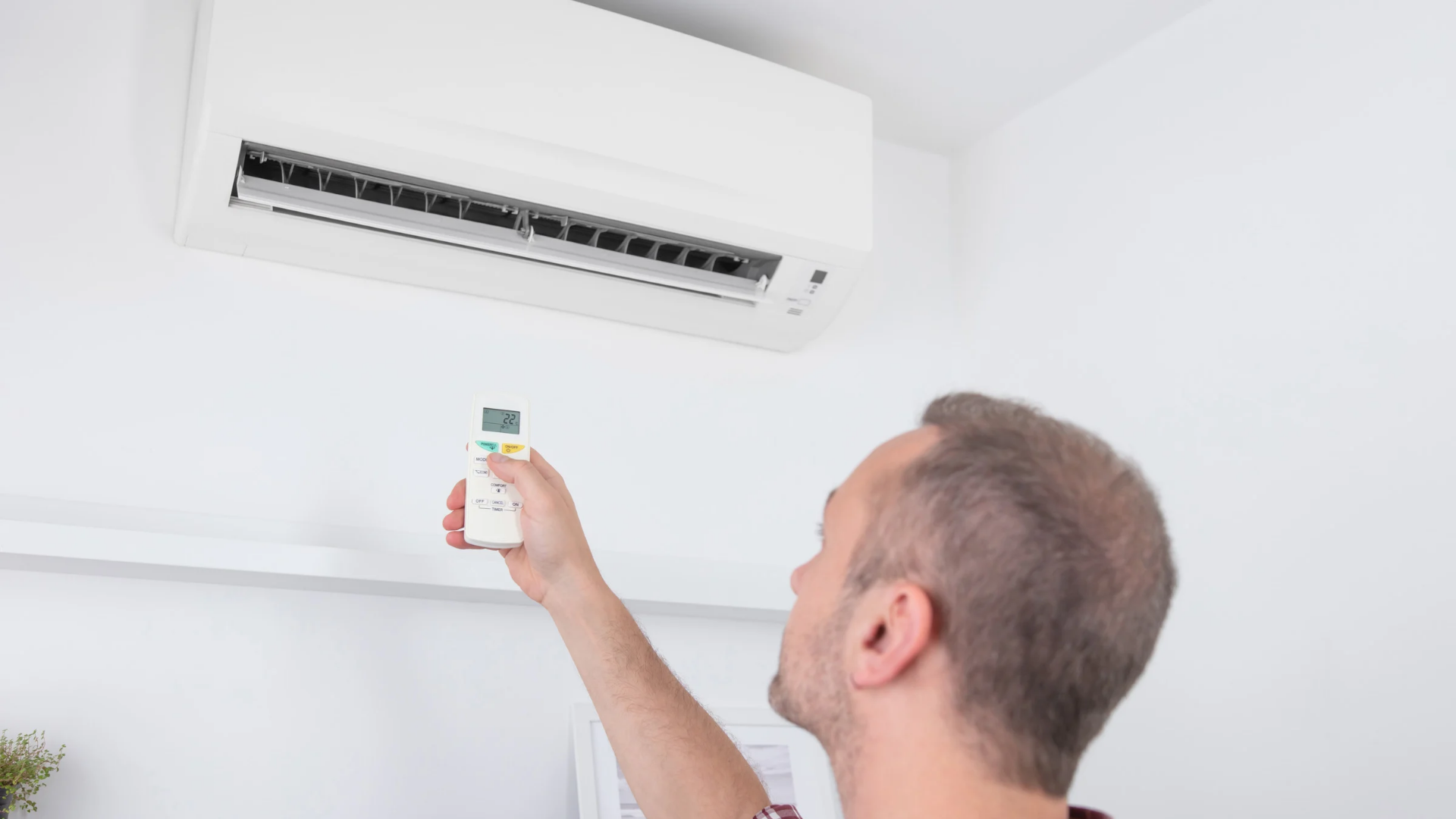
The cooling will always depend on the tonnage of your AC, compressory, efficiency, room size, and surrounding heat conditions. If you set an extremely low temperature, instead of cooling faster, it forces the compressor to keep working harder for longer periods, which increases the electricity consumption unnecessarily.
So, for overnight use, a temperature range around 24°C to 26°C is more practical. You can even turn on your fan at a very low speed so that the cool air can circulate evenly across the room while reducing the load on the AC.
Sleep Mode Exists For A Reason
If you have noticed your AC remote carefully, you would have seen a button labelled “Sleep Mode”. Most people ignore it, but it is there for a reason.
The idea behind the Sleep Mode is pretty simple. See your room’s cooling requirements change as the night progresses. When you first enter the room, the walls, furniture, and indoor air are still holding heat from the day, so stronger cooling feels necessary. However, by early morning, outside temperatures and even your body temperature naturally drop, so you don’t need that intense cooling.
Sleep Mode helps with this by gradually increasing the temperature by one or two degrees through the night instead of maintaining aggressive cooling till morning. This not only helps in reducing electricity consumption but also prevents the room from becoming uncomfortably cold at 3 or 4 a.m.
So, Should You Keep Your AC On All Night?
Honestly, in peak Indian summers, especially in North Indian cities like Delhi, where the temperatures touch 50°C, it is not completely wrong to keep the AC on throughout the night. Modern air conditioners are designed for long operating hours, and inverter technology has made overnight cooling much more efficient than before.
You should, however, focus on how intelligently you’re using the AC. Running the machine at an unnecessarily low temperature throughout the night affects both your comfort as well as energy efficiency.
If you are using the AC overnight at sensible temperatures, Sleep Mode, and a room that is reasonably insulated, then it’s not a bad thing anymore. This is only valid if you have a newer generation AC. If your AC is around a decade old, then you should avoid it.