
Low-light photography is the one area where smartphone brands still oversell and underdeliver. Walk into any launch event and you will hear the same lines on repeat, bigger sensor, smarter night mode, AI-powered this, computational that. The reality, once you actually start using these phones in a dim restaurant or a poorly lit living room, is a lot messier. Some phones smear the details, some turn night into day for no good reason, and some just give up and hand you a noisy mess.
Under ₹30,000 the gap between what is promised and what shows up in your gallery gets even wider, because this is the price bracket where corners are quietly cut. So instead of relying on what the brochures say, we put three of the popular options in this segment including the Motorola Edge 70 Fusion, the Realme 15 and the Vivo T5x through the same test, in the same room, on the same subject, and let the photos do the arguing.
| Phone Name | Rear Camera Specs | Front Camera | Price |
|---|---|---|---|
| Motorola Edge 70 Fusion | 50 MP Wide Angle Primary Camera + 13 MP Ultra-Wide Angle Camera | 32 MP | Rs 26,999 |
| Realme 15 | 50 MP (up to 20x Digital Zoom) Wide Angle Primary Camera + 8 MP Ultra-Wide Angle Camera | 50 MP Wide Angle Lens | Rs 29,999 |
| Vivo T5x | 50 MP Primary Camera + 2 MP Depth Camera | 32 MP | Rs 22,999 |
Our Smartphone Camera Testing Process
We kept the test as fair as we could so the only variable was the phone itself.
- The same subject was used for every shot, a small desk arrangement with a trophy, a plant, a toy car and a figurine, placed against a plain wall.
- Each phone was held at the same distance and framed the same way, so nothing in the composition gave any device an advantage.
- For the extreme low-light round, we switched off most of the room lights.
- For the indoor round, we shot in our office corridor under regular ceiling lights, which is the kind of mixed lighting most people deal with every day.
- No edits, no filters, no cropping. The images you see here are straight out of the camera.
Extreme Low-Light Photography: Motorola Wins on Accuracy, Realme on Brightness, Vivo Falls Short
Motorola Edge 70 Fusion



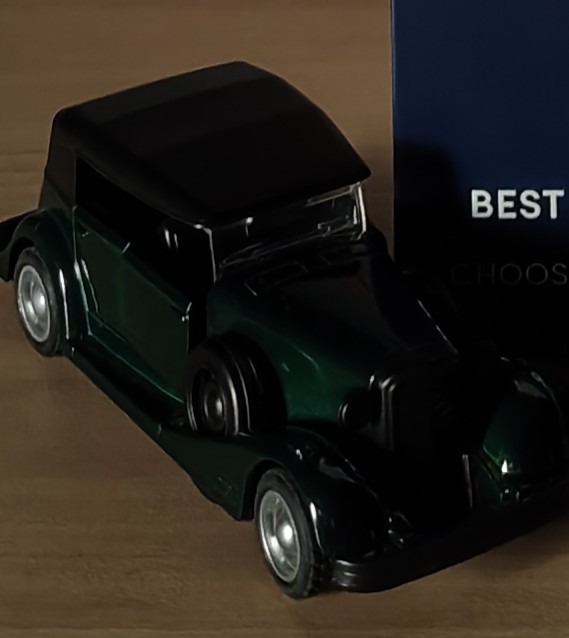
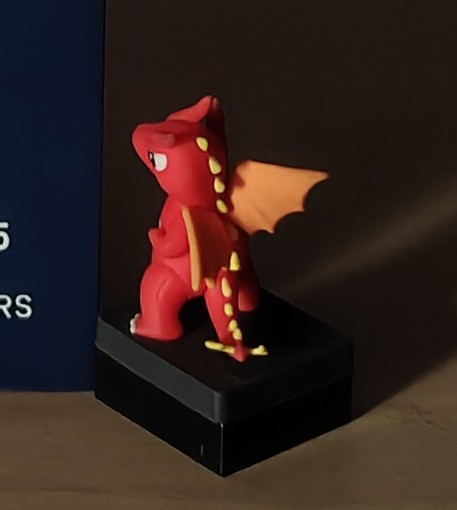
The Motorola Edge 70 Fusion delivered one of the most balanced results in our extreme low-light test. Despite the challenging conditions, the phone managed to maintain accurate colours and good overall exposure without making the scene look artificially bright. The robot trophy remains the clear focal point of the image, with its details and text appearing sharp and easy to read. The orange leaves in the background also retain their natural colour and texture, adding depth to the shot.
Another area where the phone impressed was noise control. The background wall appears clean, while darker portions of the frame remain free from excessive grain. Unlike some smartphones that rely on aggressive processing in low light, the Edge 70 Fusion keeps the image looking natural and closer to what the scene actually looked like. This helps preserve the overall mood without sacrificing visibility.
The toy car and action figure are also captured well despite receiving significantly less light than the main subject. The toy car’s green paint looks true to life, while the action figure retains its vibrant colour and remains clearly identifiable. Even when zooming into the image, the phone manages to preserve a good amount of detail across the frame, making this one of the best low-light performances among the phones tested.
Vivo T5x
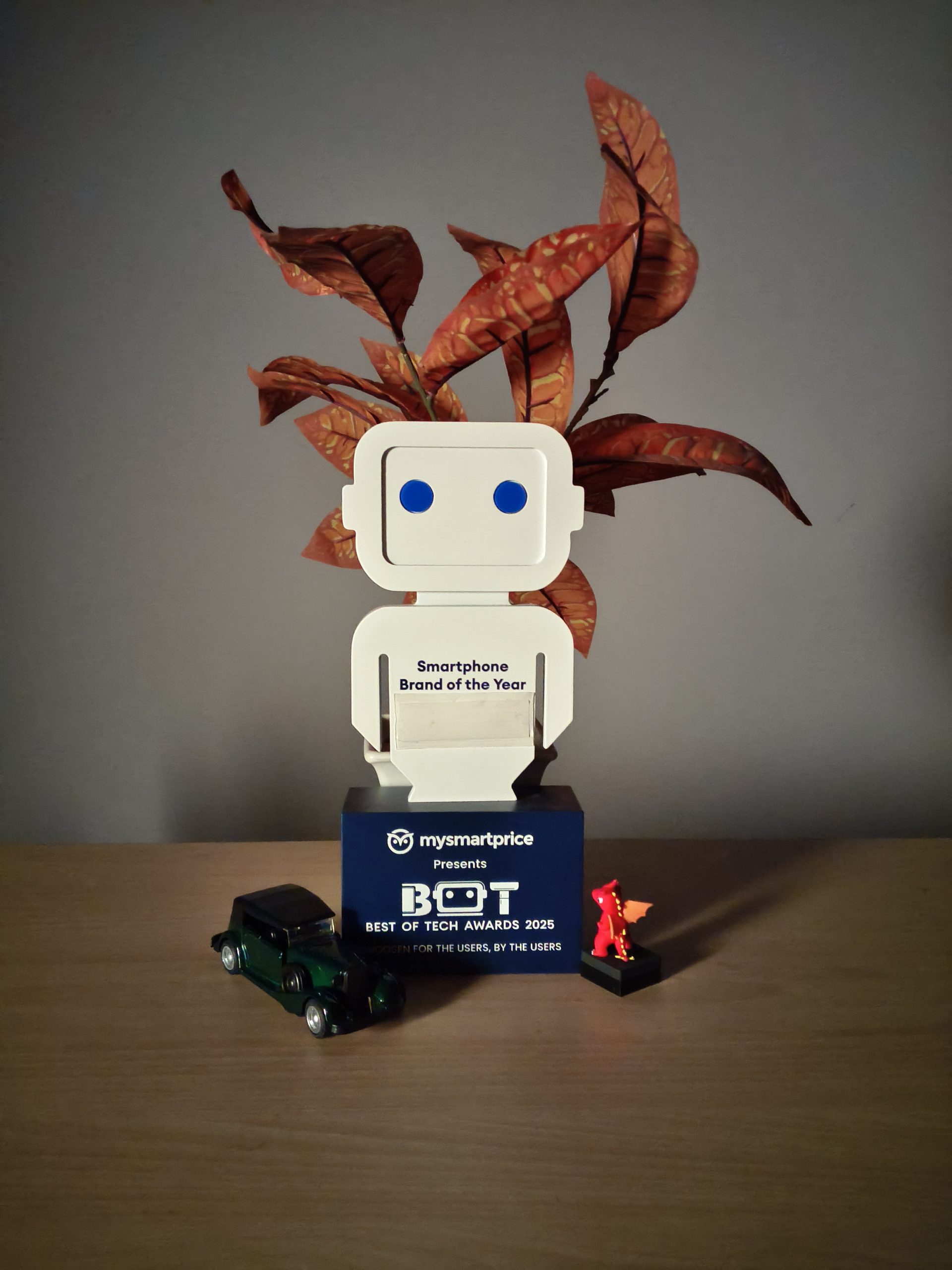




Despite being the most affordable smartphone in this comparison, the Vivo T5x delivered a surprisingly good performance in our extreme low-light test. One of its biggest strengths was colour reproduction. Unlike some of its rivals, the phone managed to retain colour information even in the darker portions of the frame. The blue base of the trophy remains visible, while the green toy car and red action figure appear closer to their actual colours. This helps the image look more natural and gives it an edge over phones that tend to lose colour accuracy in shadowy areas.
The leaves behind the trophy retain a decent amount of texture, and the overall image appears detailed at first glance. While a small amount of grain and softness becomes visible when zooming into the leaves and other darker areas, it is not excessive enough to negatively impact the viewing experience. The phone has managed to strike a good balance between preserving details and keeping noise under control, especially considering its price segment.
That said, the Vivo T5x does fall behind when you start examining the image more closely. Fine details are not retained well, and some grain becomes noticeable when zooming into the toy car, action figure, and darker regions of the frame. The image also lacks the same level of cleanliness and refinement offered by the Motorola. However, these shortcomings are only apparent when pixel peeping. Viewed normally or in Instagram size, the photo looks good, captures the scene accurately, and is more than suitable for sharing on social media. For a phone at this price point, the Vivo T5x did manage to impress us with its low-light camera performance.
Realme 15



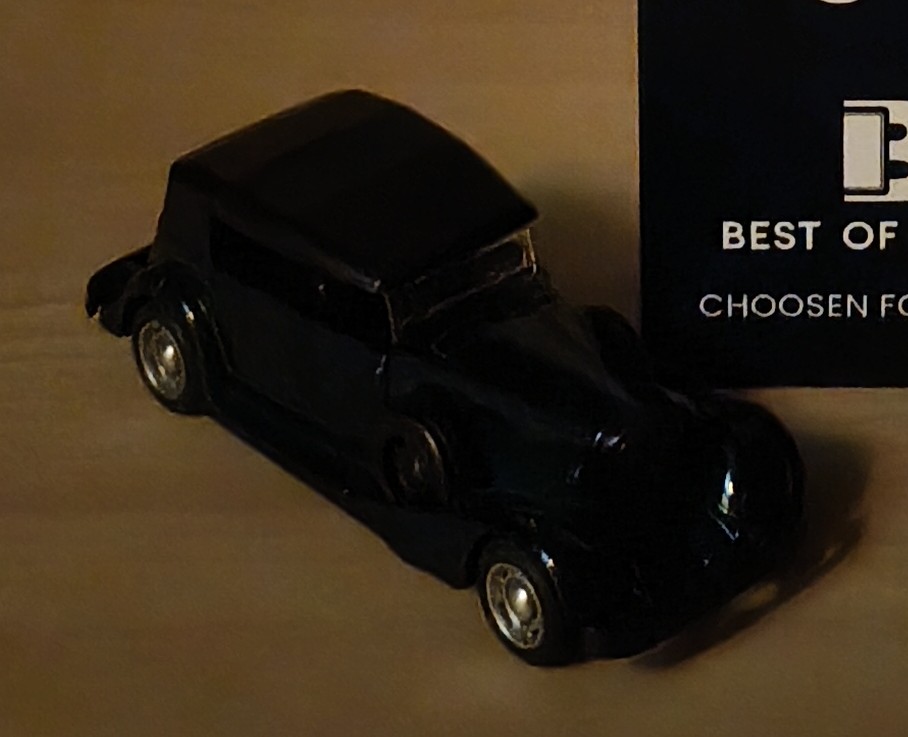

The Realme 15 was the weakest link in our this extreme low-light test, although its approach was noticeably different from the Motorola Edge 70 Fusion. The image appears slightly darker overall and carries warmer tones throughout the frame. This gives the photo a distinct look, but it also means the scene is not reproduced as accurately as it appeared in real life. That said, the phone still manages to capture an okay image with good subject visibility.
The robot trophy and the leaves in the background are rendered well, with the camera preserving their colours and overall appearance. However, some colour information is lost in the darker areas of the frame. This is most noticeable on the lower portion of the trophy, which appears almost black in the image despite being ink colour in reality. The same issue can be seen with the toy car, where the green paint loses much of its character and ends up looking darker than it should.
Zooming into the image reveals another difference between the Realme 15 and the Motorola Edge 70 Fusion. While details remain acceptable for a phone of this price range, there is noticeably more grain visible across the frame, particularly on the background wall. The added noise does not ruin the image, but it becomes apparent when viewed closely. On the positive side, the action figure is handled well, with the phone managing to preserve its colours and keep the subject looking distinct despite the challenging lighting conditions. Overall, the Realme 15 produces a decent low-light image, but it falls slightly behind the Motorola in terms of colour accuracy, shadow detail, and noise control. It is also not able to retain the colours as well as Vivo T5x did.
Indoor Photography Performance: Realme 15 Has a Slight Edge Over Motorola
Motorola Edge 70 Fusion
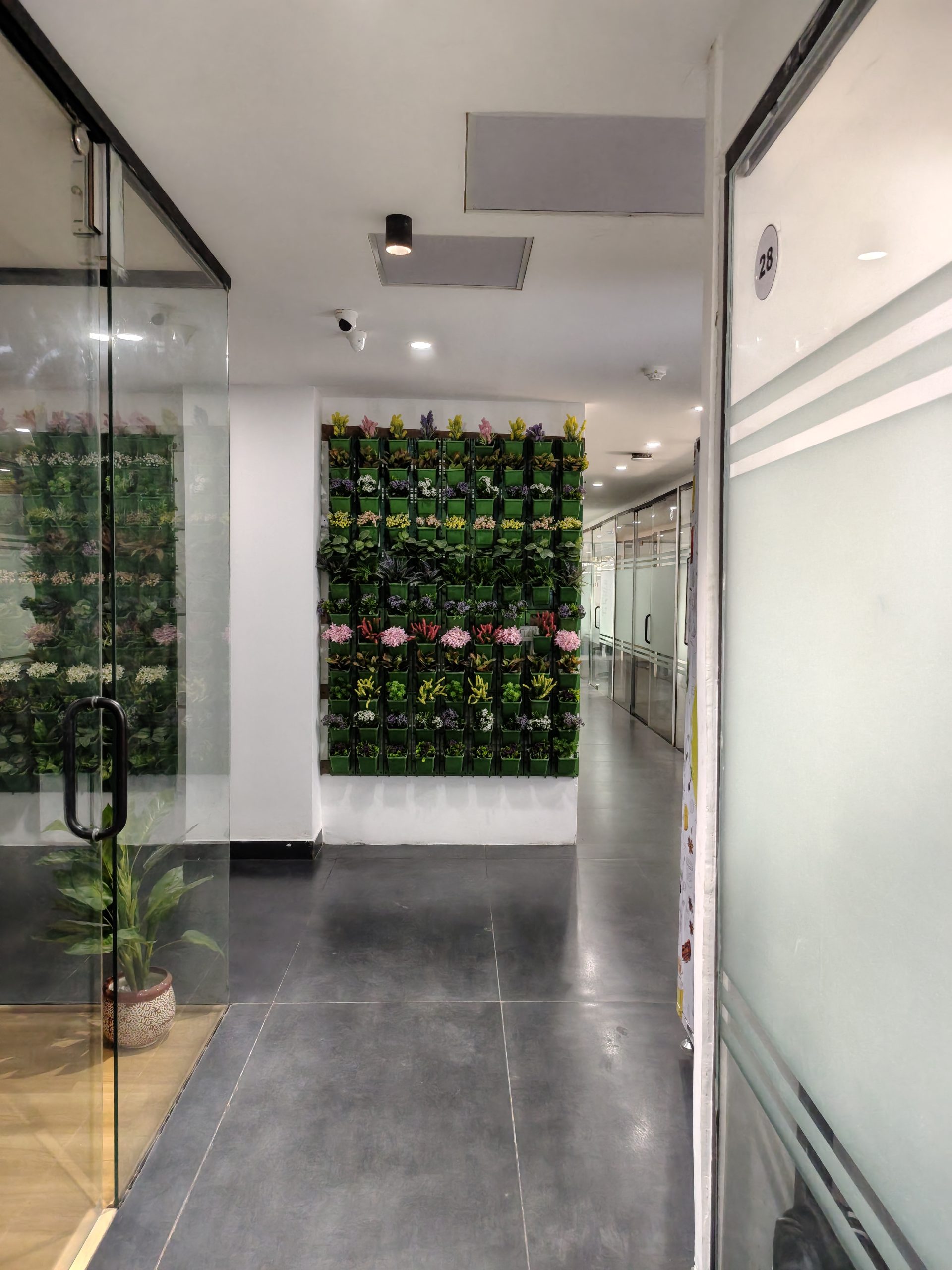
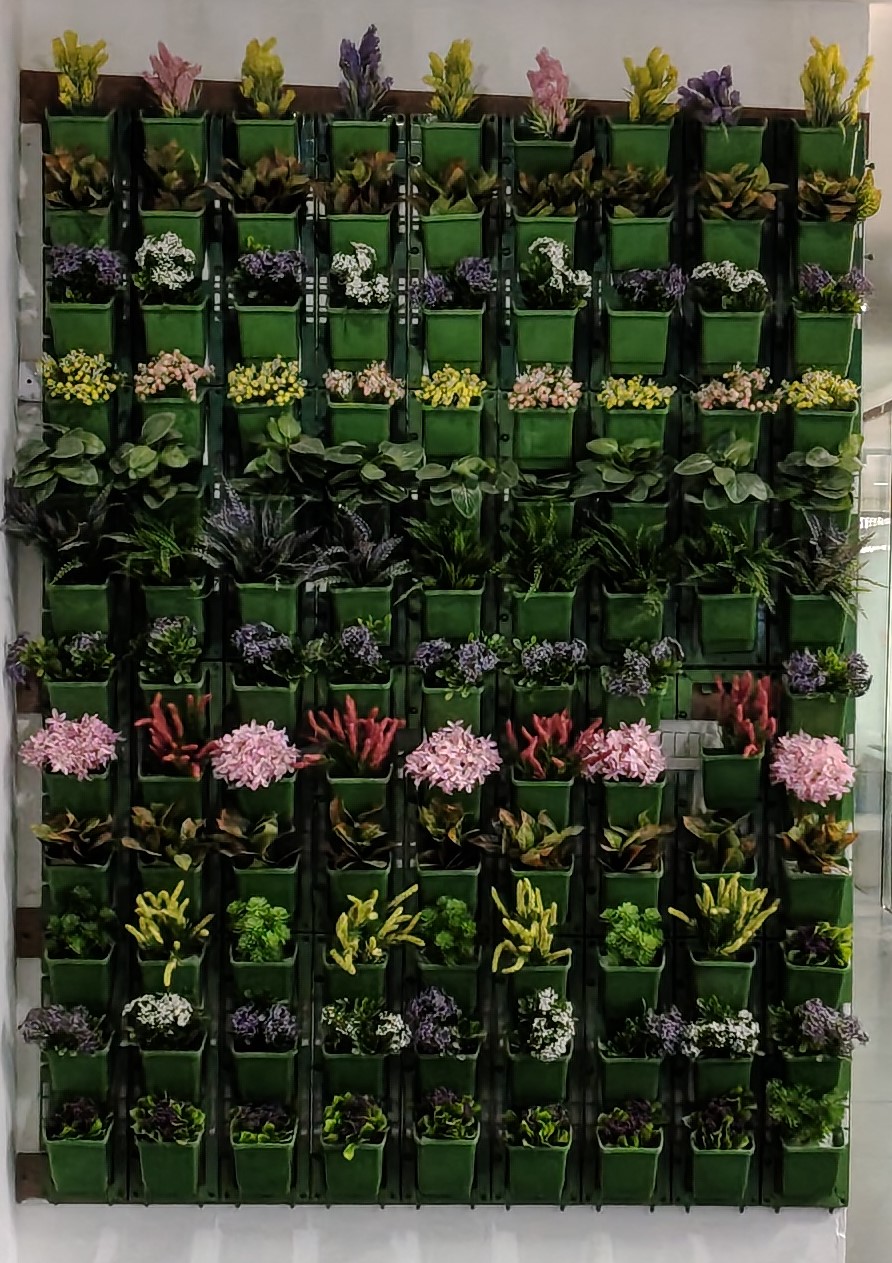
The Motorola Edge 70 Fusion continued to impress in our indoor photography test. While this may not be a challenging low-light scenario, it closely represents the type of artificial lighting conditions that most users encounter in offices, shopping centres, and even at home. In this environment, the phone delivered a well-balanced image with accurate exposure and natural-looking colours. The white walls, grey flooring, and decorative plant wall are all reproduced faithfully, without any noticeable colour shifts or exposure issues.
Motorola’s signature image processing is evident here. The camera adds a touch of contrast to make the image look visually appealing while still maintaining realistic colours. The various shades of green on the plant wall are rendered accurately, while the pink, yellow, and purple flowers retain their natural appearance without looking oversaturated. The camera also does a good job of handling the bright indoor lighting, preserving details across both the illuminated and darker areas of the frame.
When zooming into the image, the plant wall continues to hold up well. Individual leaves, flower clusters, and plant pots remain clearly visible, demonstrating good detail retention. The camera preserves natural textures without relying on aggressive sharpening or excessive processing, resulting in a clean and realistic image. Overall, the Motorola Edge 70 Fusion delivers a well-rounded indoor photography experience with excellent colour accuracy, strong detail retention, and reliable exposure control.
Realme 15
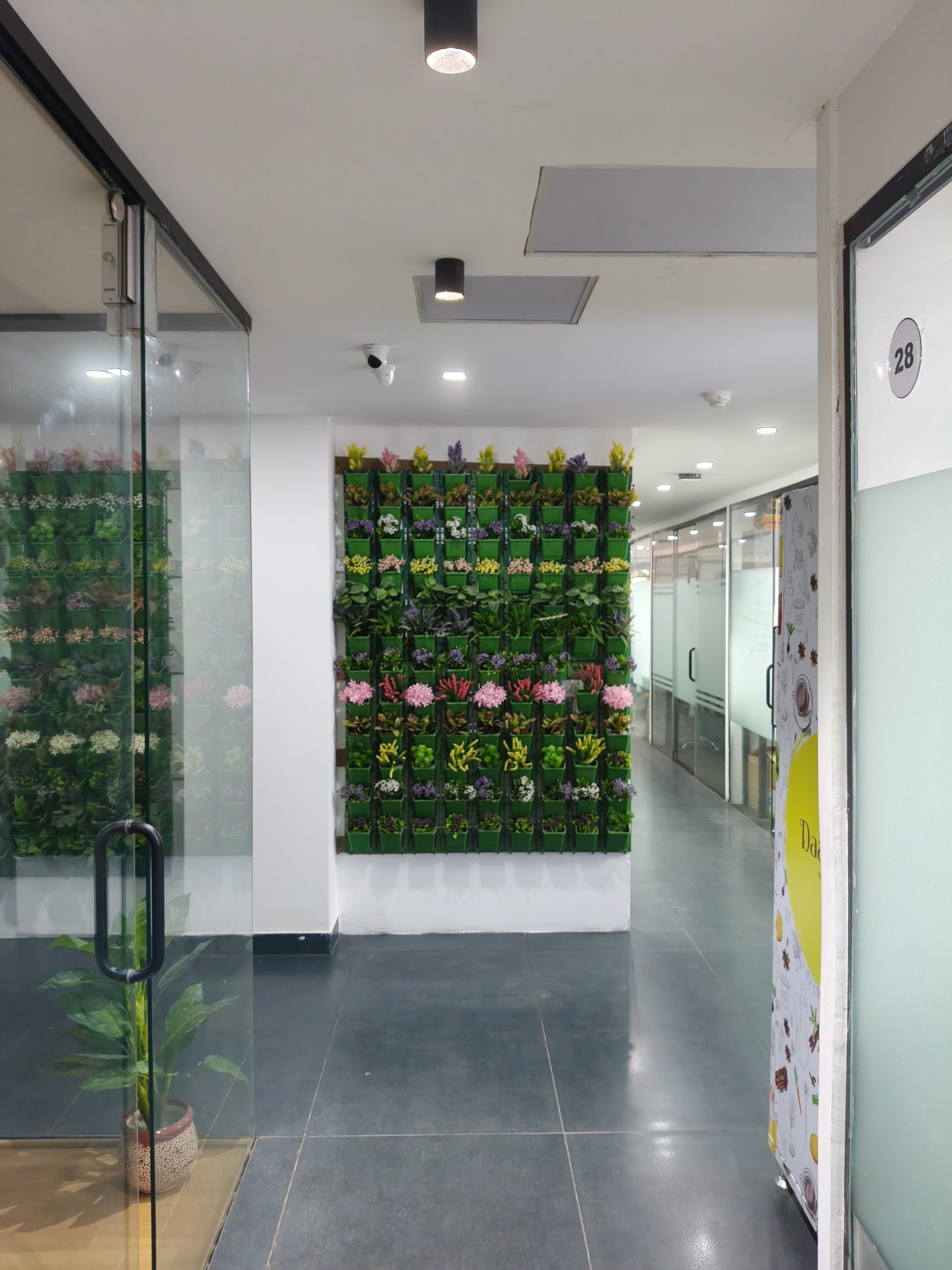
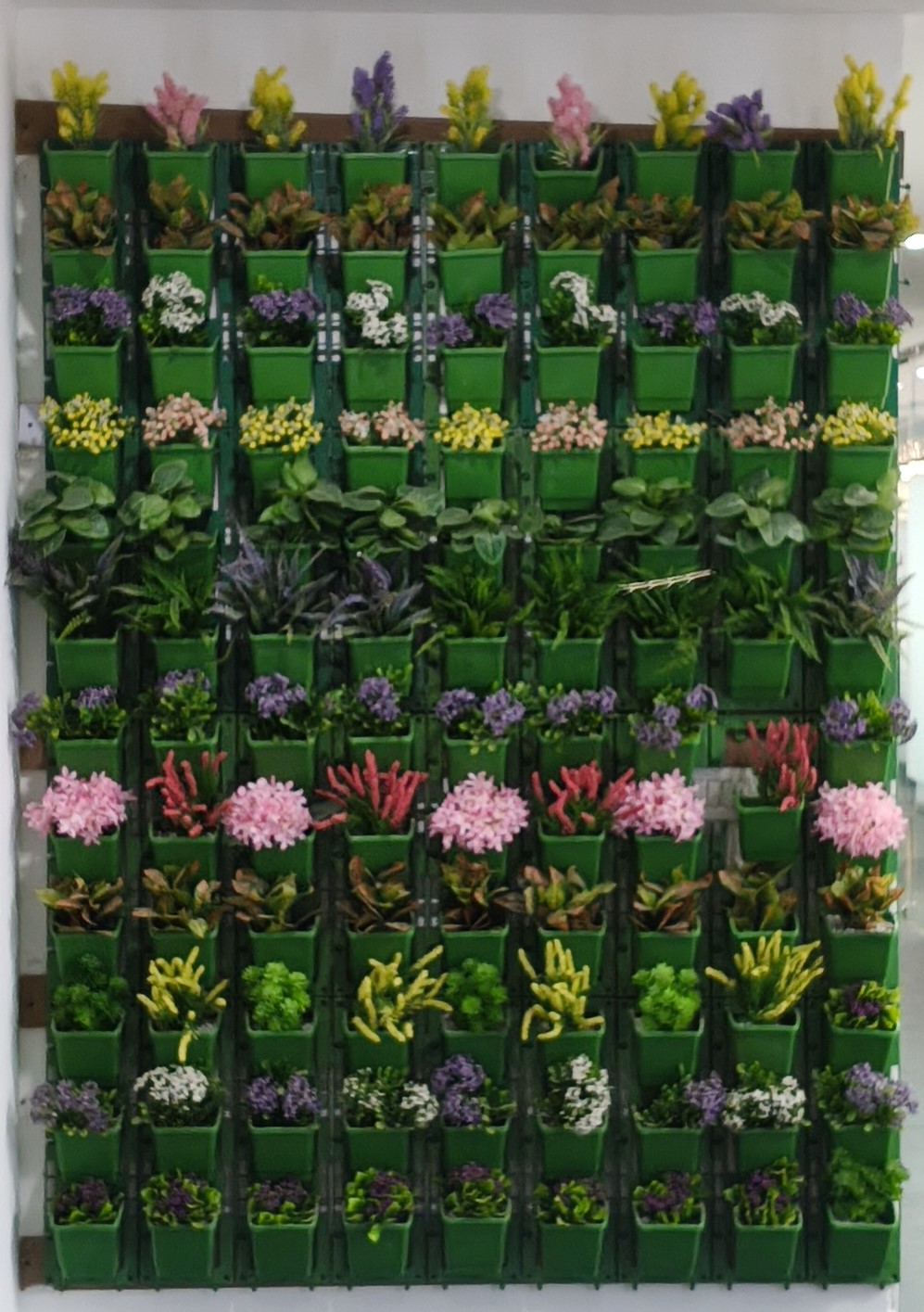
The Realme 15 captures pleasing colours, good detail, and balanced sharpness, resulting in an image that looks attractive straight out of the camera. The decorative plant wall is reproduced well, with the various shades of green appearing vibrant and the pink, yellow, and purple flowers standing out nicely. Despite the colourful scene, the camera avoids excessive saturation, helping the image maintain a natural appearance.
Realme adds slightly more punch to the colours, making the overall image look more lively and visually appealing. This is particularly noticeable on the plant wall, where the flowers and foliage appear more vibrant without looking artificial. The exposure is also handled well, with the camera preserving details across both the brighter and darker parts of the scene. This is why we felt that it had a slight edge for the Motorola Edge 70 Fusion in this department.
Zooming into the image reveals good detail retention, with individual leaves, flowers, and plant pots remaining clearly visible. Sharpness is well balanced, and the camera avoids excessive smoothing that could otherwise remove finer textures. While the Motorola Edge 70 Fusion still holds a slight advantage in delivering a more natural and realistic image, the Realme 15 produces a more vibrant result that many users may find immediately appealing. Overall, it delivers a social-media-friendly image with good colours, strong detail, and reliable indoor photography performance.
Vivo T5x
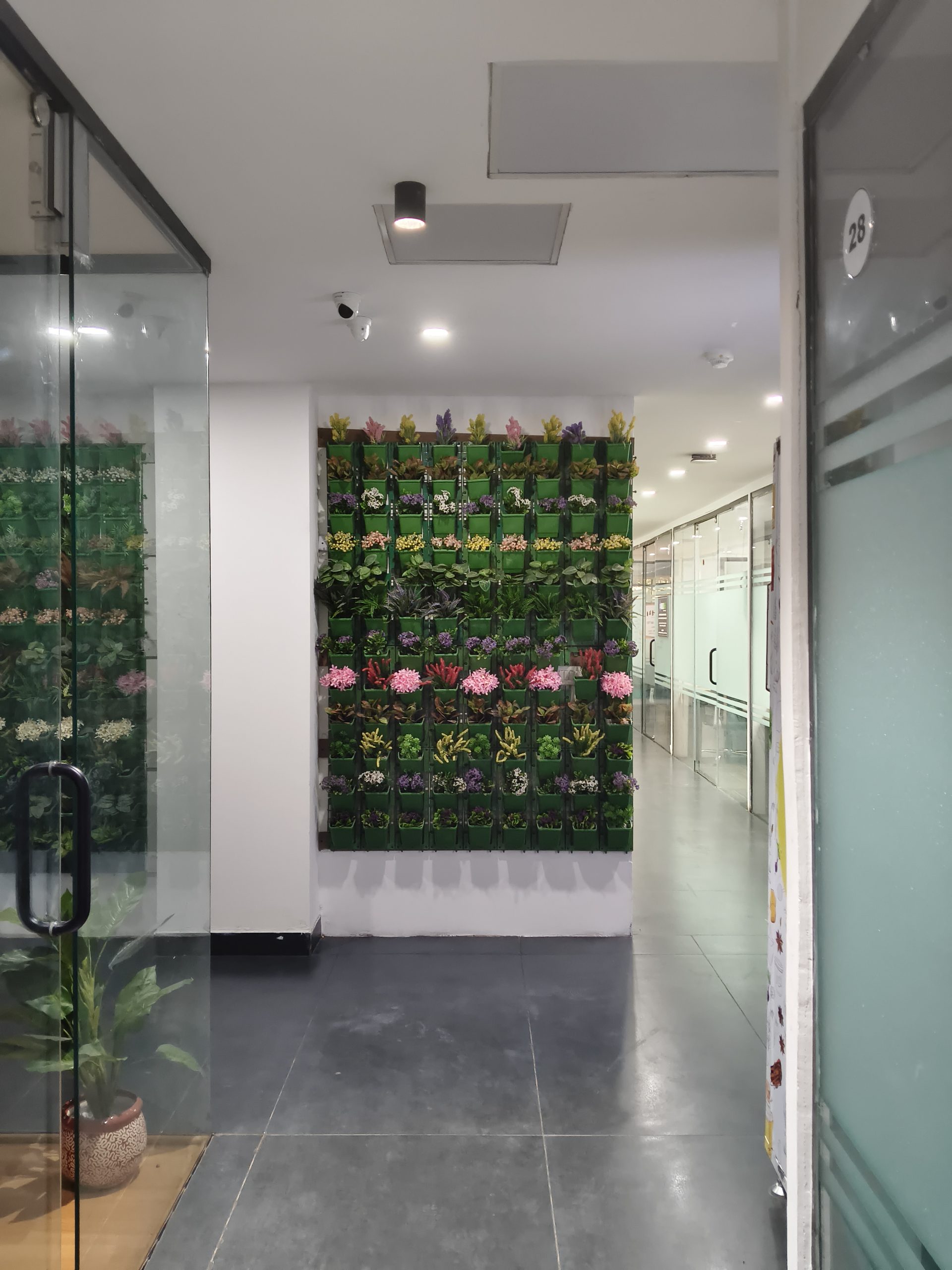
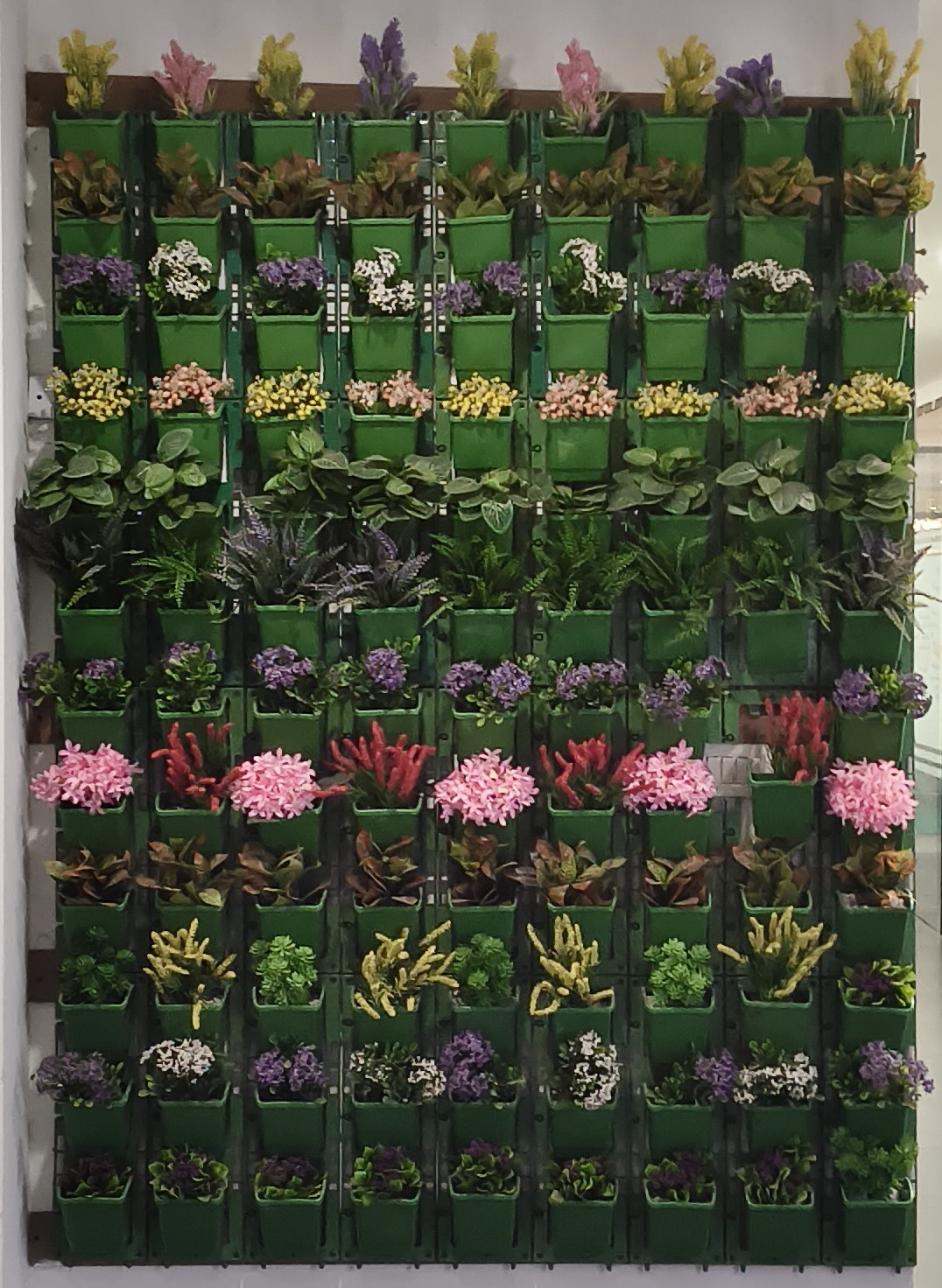
The last phone on our list was the Vivo T5x, which also delivered a respectable performance in our indoor photography test. The phone captures pleasing colours, good overall brightness, and sufficient detail for everyday photography. The decorative plant wall appears vibrant, with the various shades of green, pink, yellow, and purple looking natural and visually appealing. Exposure is handled well, allowing the camera to maintain a balanced image without overly brightening or darkening the scene.
The phone also does a good job of preserving the overall look of the environment. Details on the plant wall remain visible, while the corridor, glass panels, and surrounding elements are reproduced accurately. The image appears clean and well-balanced, making it perfectly suitable for social media sharing and casual photography. Most users are unlikely to have any major complaints with the output under indoor lighting conditions.
However, we felt that when compared directly with the Motorola Edge 70 Fusion and Realme 15, the Vivo T5x falls slightly behind in terms of overall refinement. Zooming into the image reveals lower contrast and slightly softer textures, causing some of the finer details in the leaves and flowers to appear less defined. While the camera still retains good colours and respectable detail, it lacks the same level of sharpness and depth offered by the other two phones. Even so, considering its price, the Vivo T5x delivers a commendable indoor photography performance and produces images that most users will be happy to share without any editing.
Things Specs Don’t Tell You: What Really Separates These Three Cameras
On paper, all three smartphones promise capable camera hardware, but our real-world testing revealed that specifications alone do not tell the complete story. The biggest difference between these phones is not the megapixel count or sensor size, but how each brand processes images. Throughout our testing, we noticed that the Motorola Edge 70 Fusion, Realme 15, and Vivo T5x each have a distinct approach to photography, resulting in noticeably different outputs despite being shot in the same conditions.
The Motorola Edge 70 Fusion consistently prioritised realism. Whether in extreme low light or indoor environments, the phone focused on delivering accurate colours, balanced exposure, and strong detail retention. It avoided excessive brightening and aggressive processing, allowing images to retain a more natural look. This approach was especially evident in low-light scenes, where the phone preserved colour information, controlled noise effectively, and maintained details across both bright and dark areas of the frame. As a result, its photos often looked closest to what we saw with our own eyes.
The Realme 15, on the other hand, takes a slightly different route. Instead of aiming purely for realism, it adds a bit more character to its images. Colours appear slightly more vibrant, contrast is a touch stronger, and the overall image often looks more eye-catching at first glance. This works particularly well for social media, where photos that immediately stand out tend to perform better. However, this processing sometimes comes at the cost of colour accuracy and shadow detail, especially in challenging low-light situations where darker objects can lose some of their original colour information.
The Vivo T5x turned out to be the surprise package of the comparison. Despite being the most affordable smartphone in the lineup, it delivered results that were often closer to the Realme 15 than its price would suggest. The phone did a commendable job preserving colours in darker areas and consistently produced usable images in both indoor and low-light conditions. While it could not quite match the Motorola Edge 70 Fusion in terms of refinement, detail retention, and overall image cleanliness, it offered a level of performance that should satisfy most users.
Best Value for Money Smartphone: Vivo T5x

The Vivo T5x emerged as the best value-for-money option in this comparison. Despite being the most affordable smartphone in the lineup, it managed to deliver surprisingly good results in both extreme low-light and indoor photography scenarios. The phone retained colours well, captured decent details, and produced images that are more than good enough for social media sharing and everyday use.
While it could not match the Motorola Edge 70 Fusion in terms of overall refinement and detail retention, the gap was smaller than we expected given the price difference. The Vivo T5x consistently delivered usable photos with good exposure and pleasing colours, making it an easy recommendation for buyers who want a capable camera phone without spending close to ₹30,000.
Best Smartphone Under ₹30,000 for Low Light Photography: Motorola Edge 70 Fusion

The Motorola Edge 70 Fusion stood out as the clear winner in our low-light photography comparison. Across both extreme low-light and indoor photography tests, the phone consistently delivered the most balanced results with accurate colours, excellent detail retention, controlled noise, and reliable exposure. It also preserved colour information in darker areas better than its rivals, resulting in images that looked more natural and closer to the actual scene.
What impressed us most was Motorola’s image processing. Instead of aggressively brightening photos or boosting colours, the camera focused on maintaining realism while still capturing plenty of detail. Whether it was the decorative plant wall in our indoor test or the toy car and trophy in our low-light setup, the Edge 70 Fusion repeatedly produced the most refined and consistent images, making it our top recommendation for low-light photography under ₹30,000.