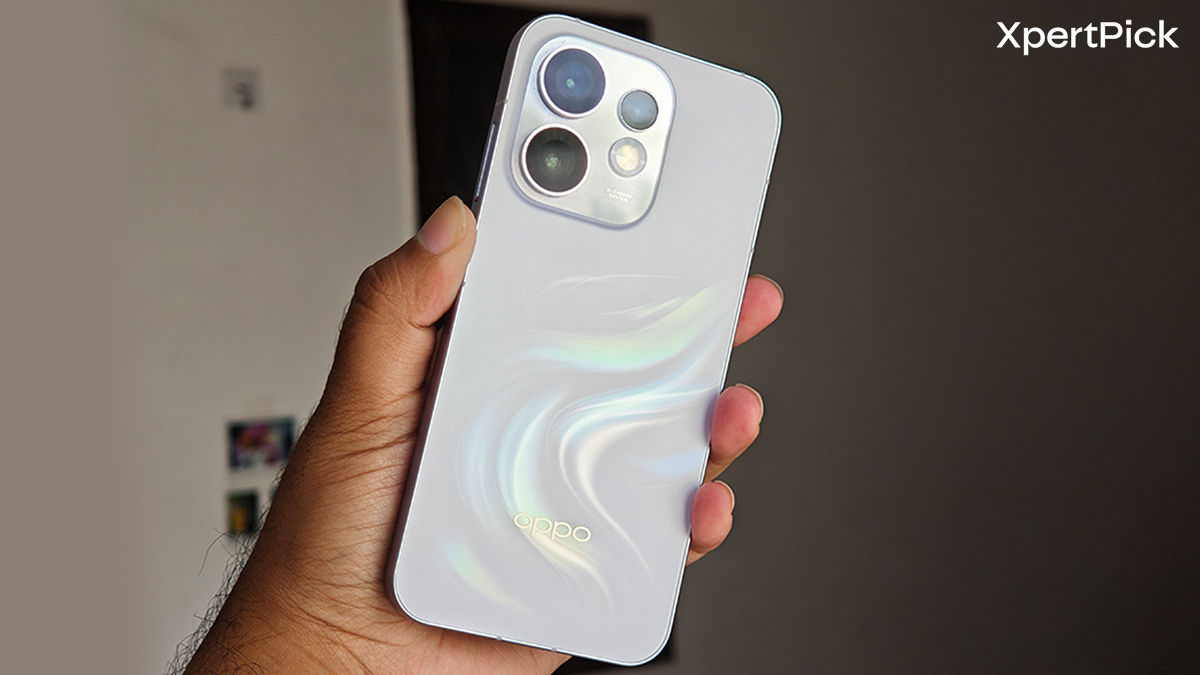
With component prices and memory costs continuing to rise, smartphones across pretty much every segment have become more expensive in 2026. So when Oppo announced the Reno 16 in India at a starting price of Rs 61,999, I wasn’t exactly surprised by the number. Still, a mid-range phone nearing flagship territory is a foreboding sign.
Oppo’s Reno family, which was known for being affordable devices with catchy designs. But it only managed to keep the “looks” bit consistent. The Reno 16 is the base model sitting just above the Reno 16c, and after using it for around two weeks, I can tell what Oppo was prioritising. As rising prices are basically inescapable, the brand attempted to make this device into a complete package.
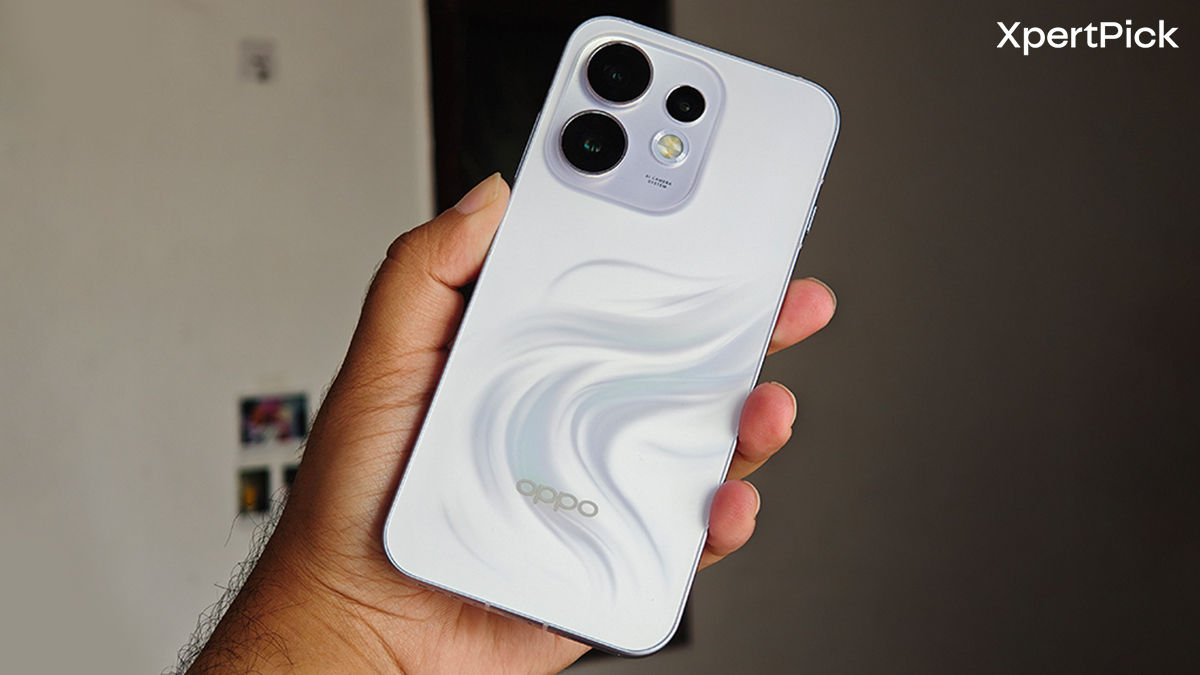
A premium compact phone that focuses on design, cameras, and battery life. Even with the current situation, competition is stiff. The Xiaomi 17T costs slightly less, while phones like the Motorola Signature and OnePlus 15R offer much more raw horsepower around this price. Yet the Reno 16 rarely comes across as lacking in daily use. It’s surprisingly complete, and that makes the pricing discussion a little more complicated.
Design: Compact Size Meets Oppo’s Flashy Side
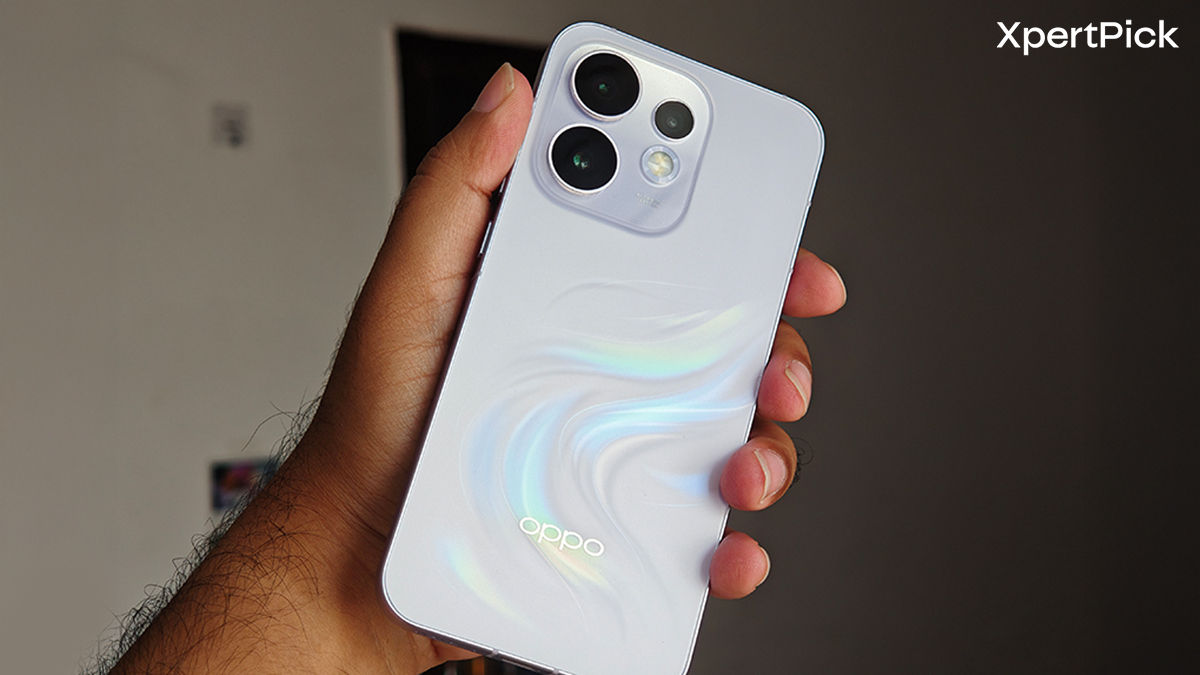
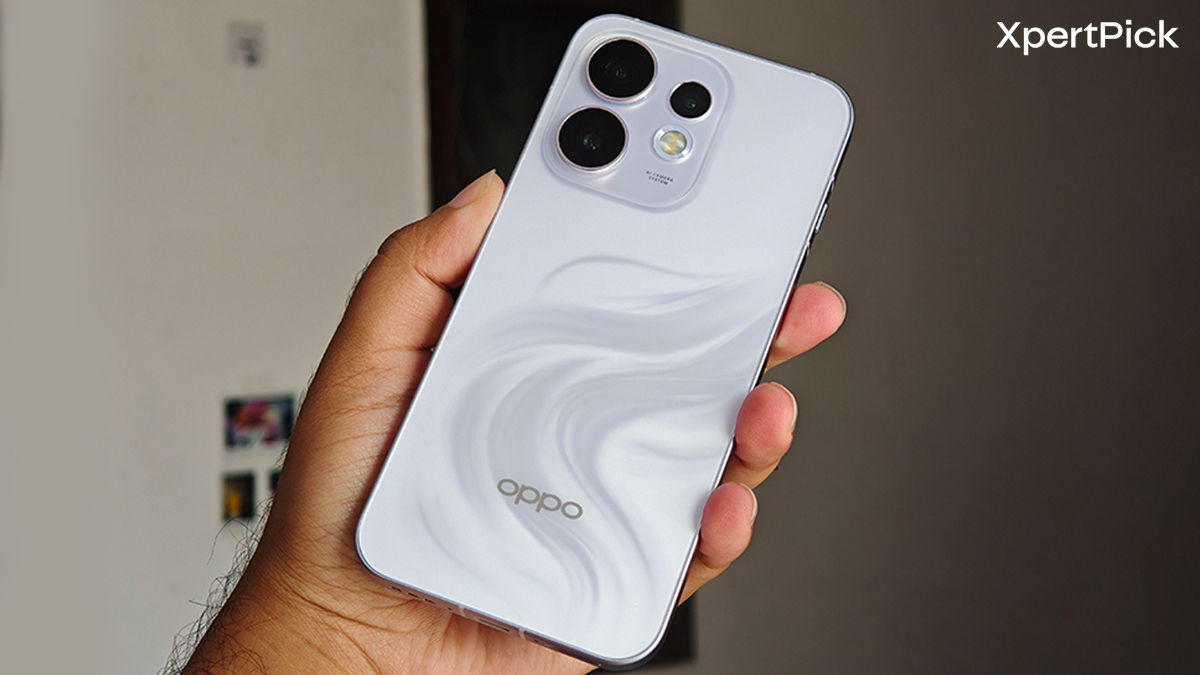
Oppo has always experimented a little more with the Reno series when it comes to design, and the Reno 16 continues that trend. At first glance, the overall shape isn’t dramatically different from the Reno 15 series. You get flat sides, a flat rear panel, and a familiar camera module. But the Starry White review unit I received is anything but plain.
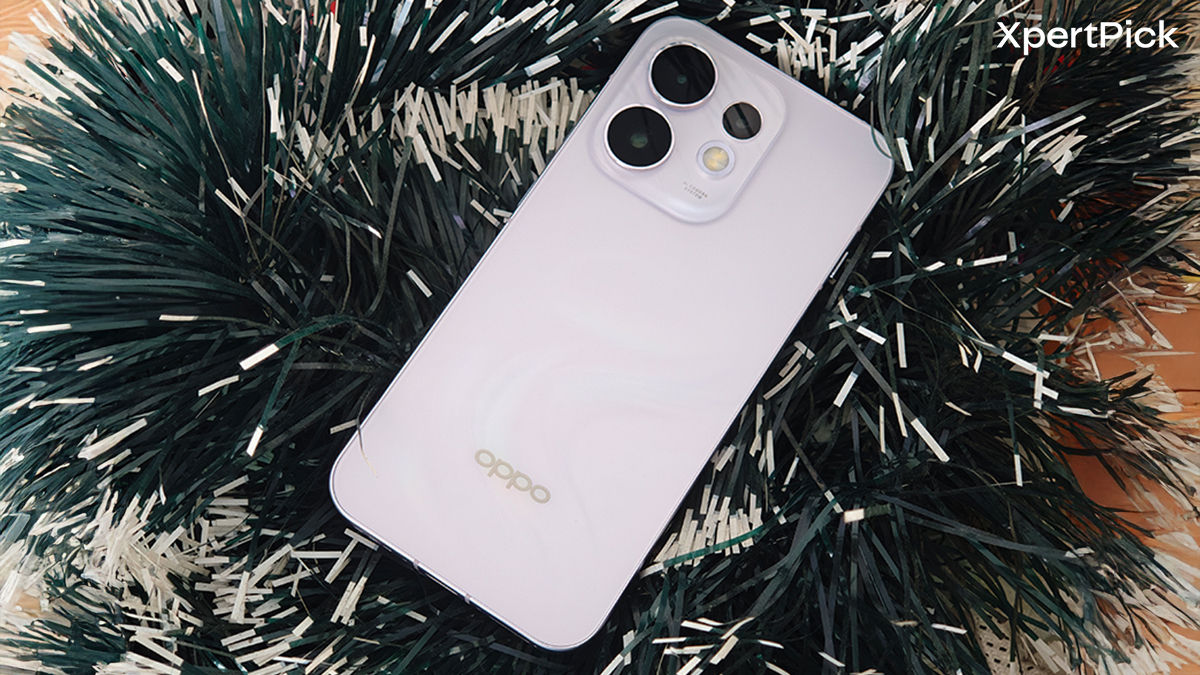
Oppo calls this its HoloVerse 3D Design, using a dual-layer optical structure and millions of tiny microlenses to create a naked-eye 3D effect beneath the rear panel. Depending on how light hits it, some of the elements almost appear to float underneath the surface.
It sounds like something pulled straight from a marketing slide, but the effect actually looks pretty cool in person. It gives the white model some much-needed personality without turning the entire back into a light show.
The more important part for me was the size. My Starry White unit measures 8.36mm thick and weighs around 193 grams. It isn’t ultra-thin, but the smaller footprint makes it incredibly comfortable to use. People with smaller hands will be able to reach most of the display without constantly adjusting their grip.
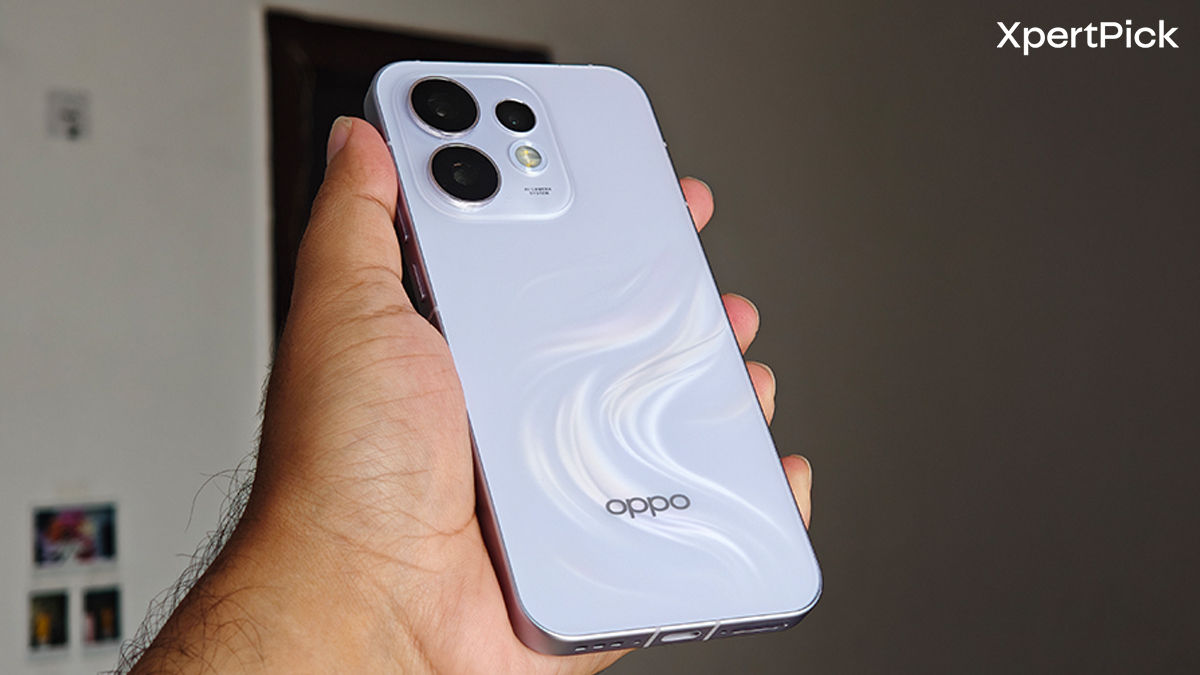
The aluminium frame also helps it look and handle more like a premium phone. This is one area where Oppo clearly pulls ahead of the Xiaomi 17T, which uses plastic for its frame and rear panel. Both phones are fairly manageable compared to the massive slabs common in this segment, but the Reno 16 comes across as the more expensive device once you actually hold them.
The Vivo V70 is slimmer and lighter at around 7.5mm and 185 grams, while the Nothing Phone (4a) Pro has a much wilder sci-fi aesthetic. Oppo lands somewhere in the middle. It has enough character to avoid looking generic while keeping the overall shape fairly conventional.
My only real complaint is how slippery the back can get. I still spent most of the review period using it without the included case because I liked the design. Though you definitely need to keep a decent grip on it.
Durability is excellent. There’s an aluminium frame, Oppo Crystal Guard protection on the front, and IP68 + IP69K protection against water and dust. Oppo also includes a case and pre-applied screen protector in the box. You’ll also notice a new physical button on the side called the AI Snap Key, but I’ll get into why that’s more useful than Motorola and OnePlus’ recent shortcut buttons in the software section.
Display: Compact, Bright, and Exactly What I Expected
The compact footprint is helped by a 6.32-inch OLED display, which is almost ideal if you’re tired of phones getting closer to seven inches every year. You get a 2640 x 1216 resolution, which is basically in that 1.5K territory, along with a 120Hz refresh rate. There’s no LTPO support, so you miss out on the more efficient variable refresh rate tech found on premium flagships. But in day-to-day use, that rarely affected my actual experience.
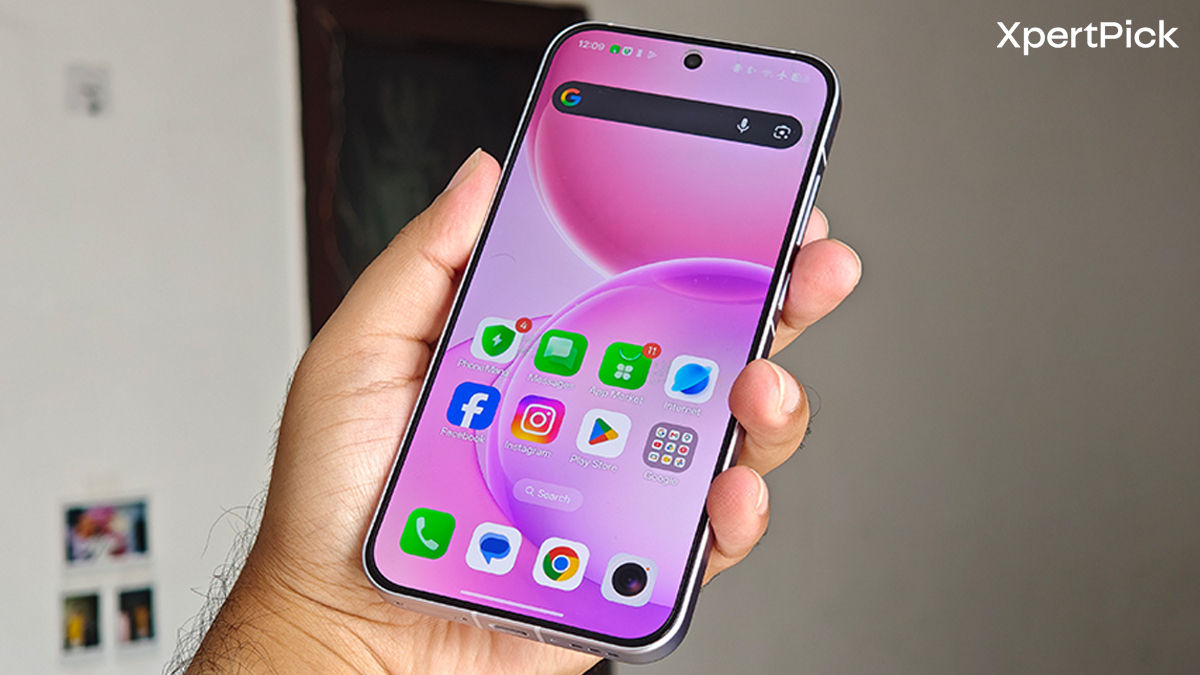
Everything looks sharp, colours are vibrant, and the 120Hz refresh rate keeps interactions smooth. I personally switched to the more natural colour profile since the default tuning was a little punchier than I prefer. Brightness wasn’t an issue either. The display reaches up to 1,800 nits in HBM and around 3,600 nits for local peak brightness, so I never struggled to read the screen outdoors. PWM dimming support is also available for users who are more sensitive to screen flicker.
My biggest annoyance is the fingerprint scanner. Oppo uses an optical in-display sensor, and it sits too close to the bottom edge. It works reliably enough, but reaching it isn’t as natural as the higher ultrasonic scanner on something like the Vivo V70. You also get the usual bright flash when unlocking the phone in a dark room. Aside from this, it is exactly what you’d expect from a mid-range phone. Nothing particularly surprised me, but there also isn’t much to complain about.
Performance: Smooth in Daily Use but Still Underpowered for the Price
This is where the Reno 16 becomes harder to defend at Rs 61,999. Under the hood is Qualcomm’s Snapdragon 7 Gen 4, paired with 8GB of LPDDR5X RAM and 256GB of UFS 3.1 storage on my review unit.
Here’s how it performed in benchmarks:
- AnTuTu – 1,475,463
- Geekbench – 1,227 single-core / 4,033 multi-core
- PCMark – 11,696
- CPU Throttling – 78%
- 3DMark Wild Life Extreme – 2,053
If you only looked at those scores, you’d probably assume the Reno 16 belongs in a cheaper segment. And to an extent, that criticism is fair. The Xiaomi 17T, which starts at Rs 59,999, scored over 2.15 million in AnTuTu with its Dimensity 8500 Ultra. The Motorola Signature and OnePlus 15R go even further with Snapdragon 8 Gen 5 chips. So if performance per rupee is the goal, all three are clearly ahead.
The Reno 16 sits much closer to the Vivo V70, which uses the same Snapdragon 7 Gen 4 and follows a similarly camera-first, balanced approach. Thankfully, benchmarks don’t tell the entire story. During regular use, I didn’t run into any real performance problems. Apps opened quickly, multitasking remained fluid, and I didn’t notice micro-stutters while navigating the interface. ColorOS also does a great job of keeping animations consistently smooth.
Gaming is the only area where you start seeing some of the chip’s limits. BGMI on its lowest graphics settings averaged 59.1fps, with 5% lows of 49.3fps. Minecraft on its highest settings managed 45.6fps, while Asphalt 9 actually did surprisingly well at 83.8fps on average.
Genshin Impact averaged around 53.4fps at High settings, which sounds impressive at first. But the 5% lows dropped all the way down to 1.9fps, showing some pretty severe frame-time spikes during heavier scenes. Thermals were excellent, though. Even after stress testing, the phone peaked at around 39.5 degrees Celsius, which is surprisingly cool.
So the Reno 16 can game. It just isn’t the phone I’d recommend to someone spending over Rs 60,000 primarily for performance. The Xiaomi 17T is significantly faster, while the OnePlus 15R and Motorola Signature operate in a completely different performance class. Meaning, gamers might want to skip this one.
Battery Life: The 6,700mAh Battery is a Proper Highlight
Battery life is where the Reno 16 gets some revenge on the Xiaomi 17T. Oppo has somehow packed a 6,700mAh battery into this relatively compact body, and the endurance is genuinely impressive. In the PCMark battery test, it ran for 23 hours and 55 minutes, which is one of the better results I’ve seen from a phone around this size.
In actual use, I could comfortably get around seven hours of screen-on time, and the phone usually lasted about a day and a half with mixed usage. This includes taking pictures and videos, scrolling through social media, watching videos on YouTube, and a little bit of gaming. If I wasn’t pushing the phone particularly hard, the battery percentage dropped surprisingly slowly.
This is a very different result from the Xiaomi 17T. Despite packing a similarly large 6,500mAh battery, that phone lasted only 13 hours and 25 minutes in my PCMark testing. Under heavier real-world use, both phones can deliver similar screen-on times, but the Reno 16 clearly stretches further when your usage is more balanced.
Charging is handled by 80W SUPERVOOC, and Oppo includes the charger in the box. A full charge takes around an hour. There’s no wireless charging, which is a little disappointing once you cross the Rs 60,000 mark.
Camera: Three Useful Rear Cameras Make a Strong Case
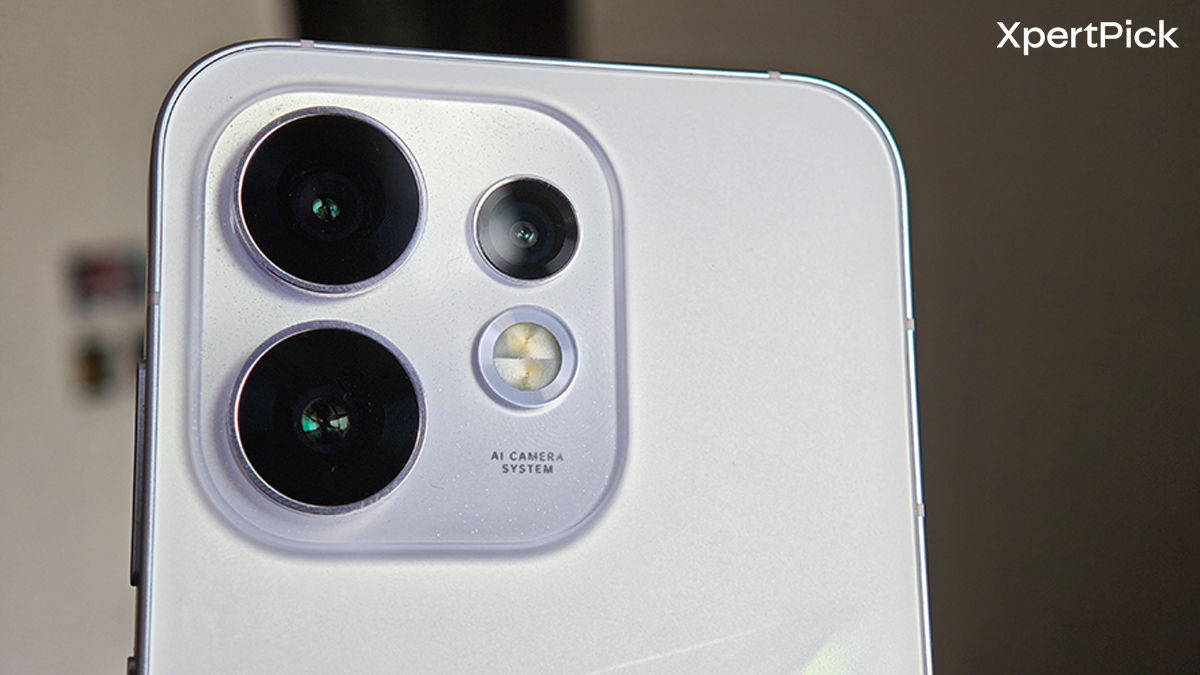
The Reno series has always leaned heavily into photography, and the Reno 16 continues that formula with a proper triple-camera setup.
Camera hardware
- 50MP 1/1.95-inch Sony LYT-600 main camera (f/1.8, OIS)
- 50MP 1/2.75-inch Samsung JN5 3.5x periscope telephoto camera (f/2.8, OIS)
- 50MP 1/2.88-inch 116-degree ultra-wide camera (f/2.0, autofocus)
- 50MP front camera (f/2.0, autofocus)
Just looking at the resolution, the camera hardware looks impressive. Every camera is a 50MP shooter. But that’s just one part of the story, and the fairly small main sensor shows its limits once the lighting gets worse. In good daylight, the main camera is reliable. Pictures lean slightly warm, retain a good amount of detail, and generally have that social-media-ready look without becoming too unrealistic.
HDR is usually handled well, although extreme situations can confuse the processing. There were a handful of scenes where highlights or shadows didn’t look quite right. Pixel peeping also reveals some aggressive sharpening. The 2x zoom toggle is a crop from the main camera. Quality naturally takes a hit, which makes the processing a little more apparent as well.
Low light exposes the sensor limitations more clearly. Indoor and evening shots pick up visible noise, and some textures start looking softer. You can still get very usable pictures, but this isn’t flagship-grade main camera hardware–despite what the pricing might suggest.
The 3.5x telephoto is where I had the most fun. That focal length works incredibly well for portrait photography. You get strong compression, nice background separation, and reliable edge detection. It’s also long enough to make zoom photography interesting without forcing you too far away from your subject.

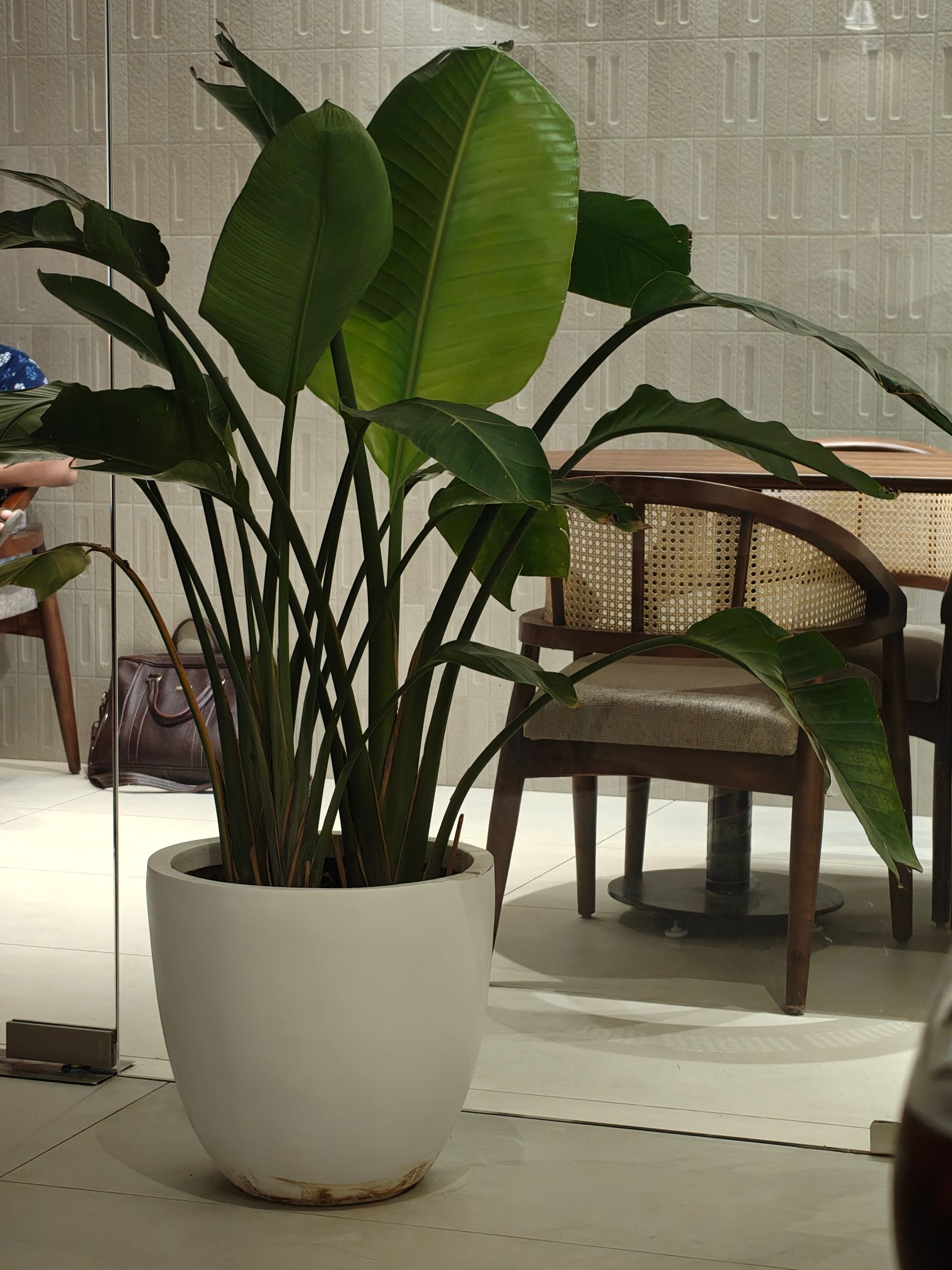


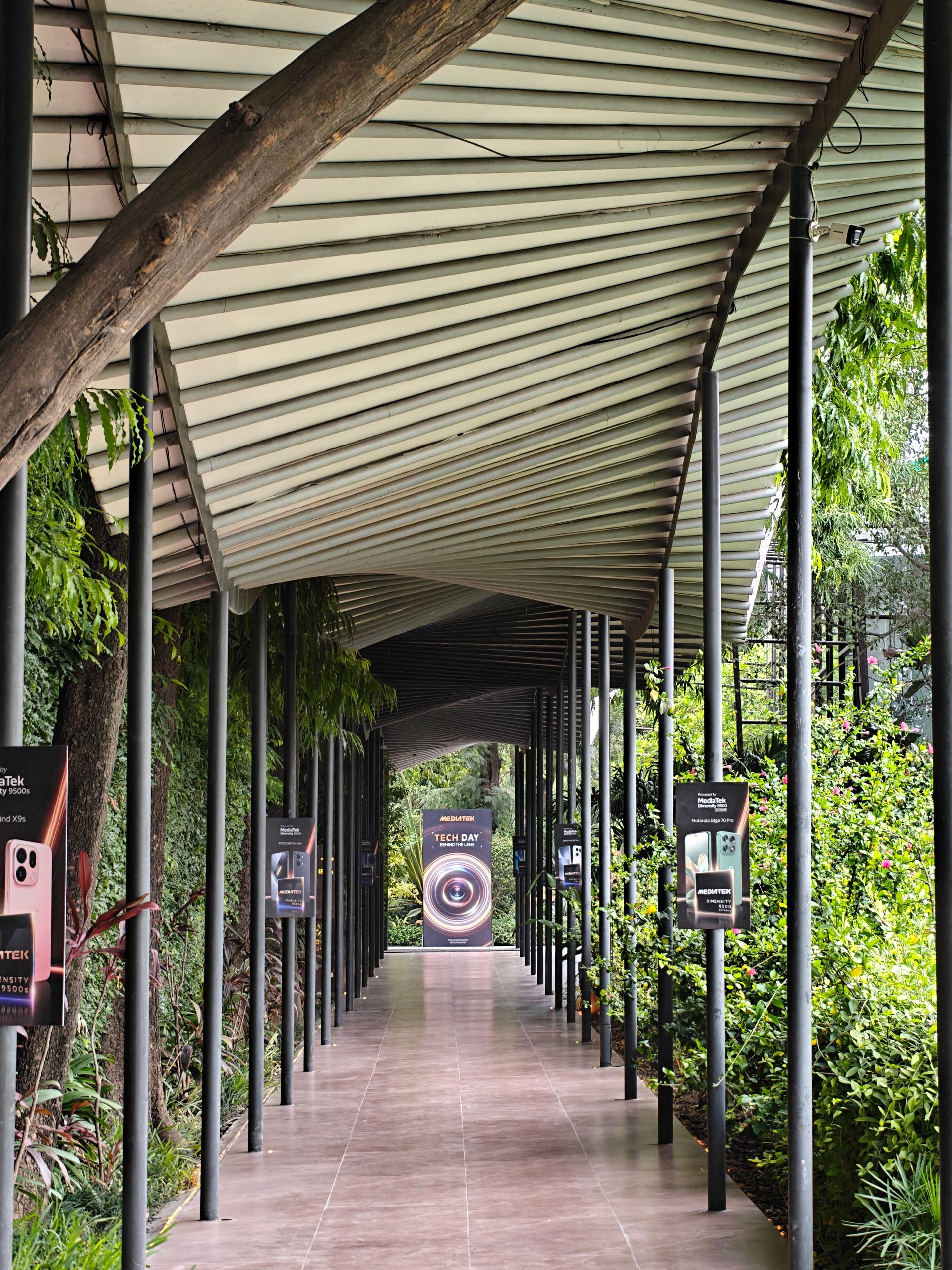
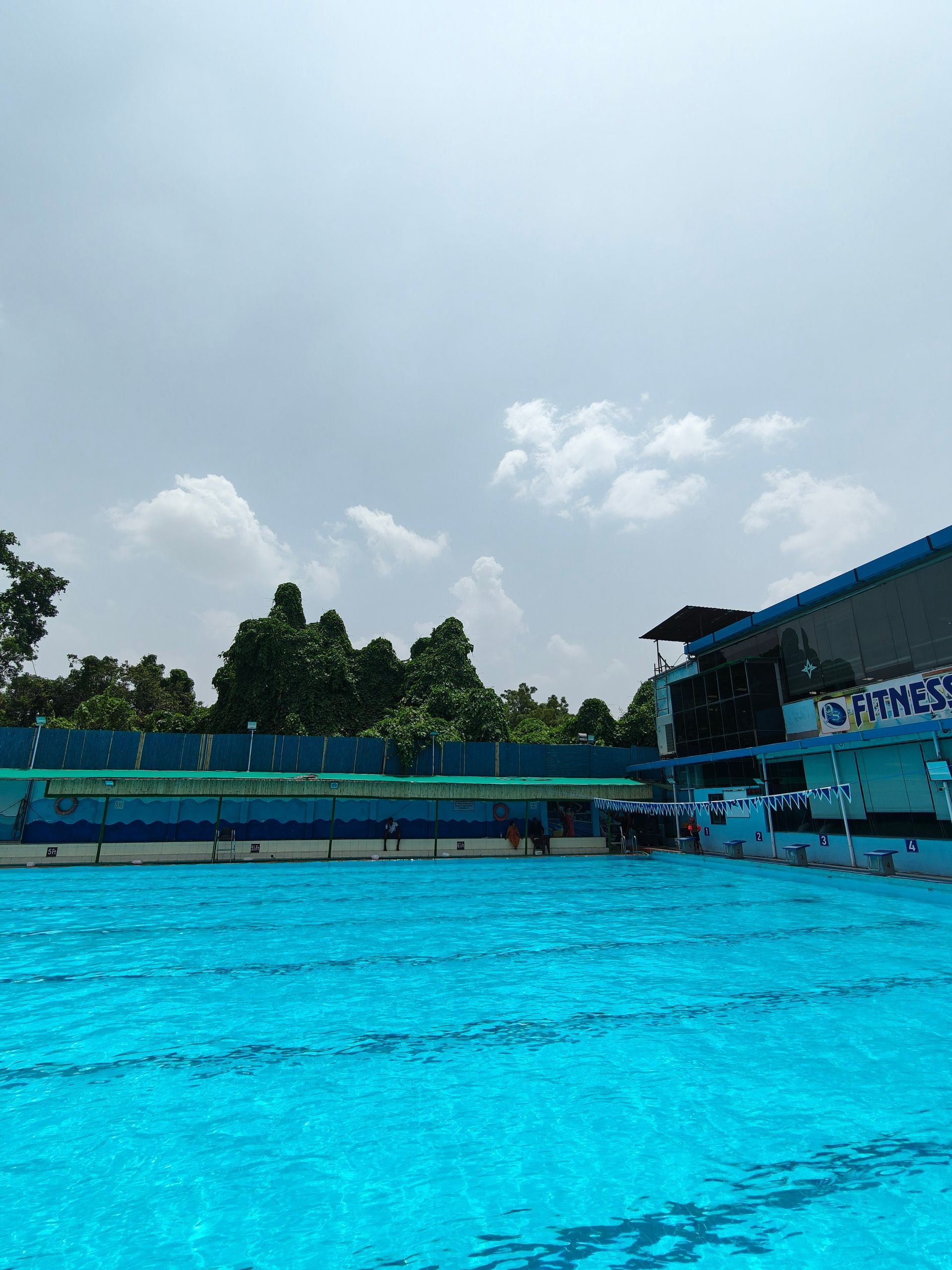




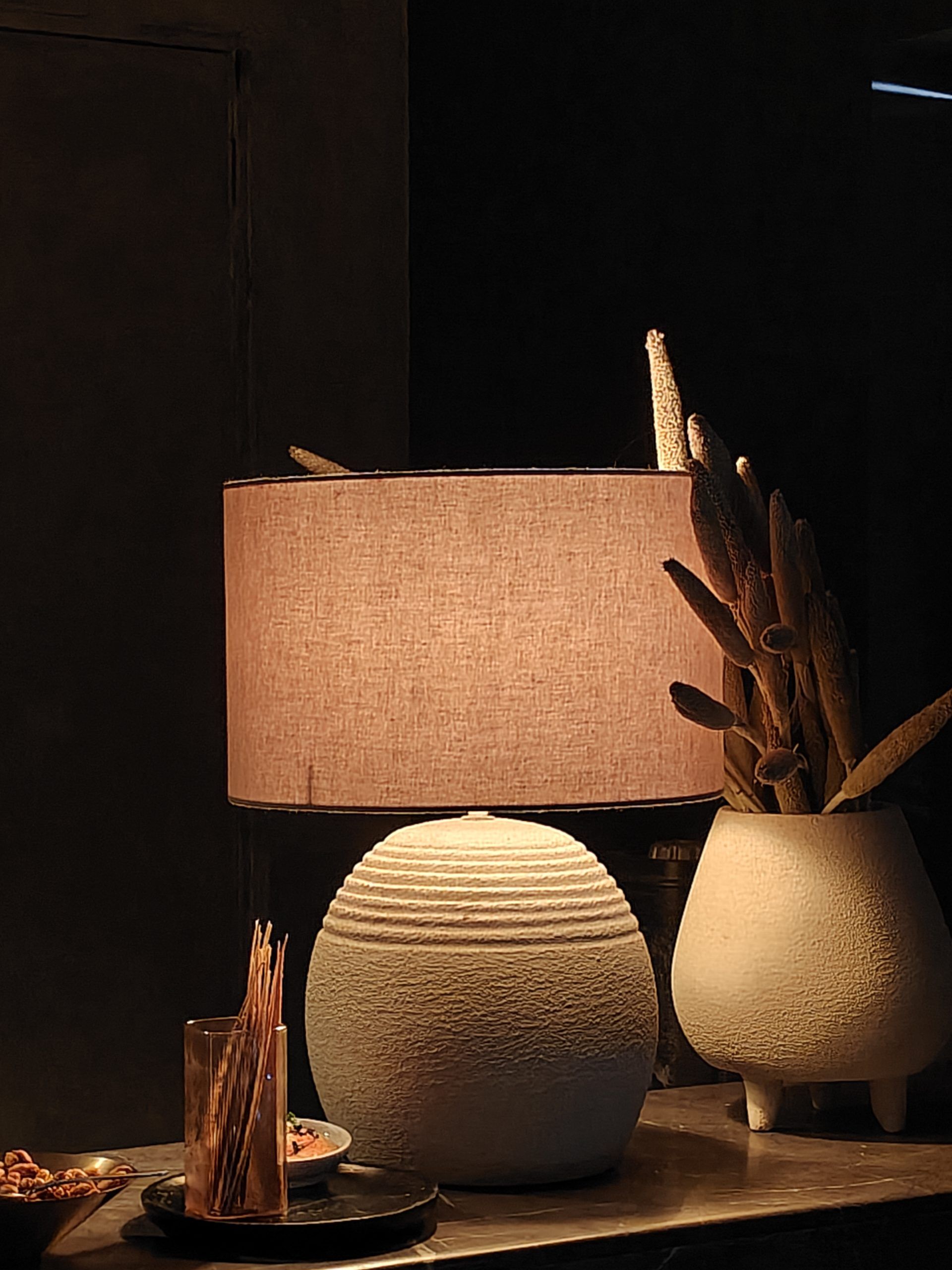








I wouldn’t push the camera much beyond 7x, and even that requires good light. In the evening, the telephoto can still take solid pictures if your hands are steady. Movement quickly introduces softness or smearing.
The Reno 16’s ultra-wide is the weakest rear camera despite its 50MP resolution. Daylight shots are decent, but soft corners and lens distortion are easy to notice. Low-light results get noisier, and the colour tuning isn’t completely consistent with the main and telephoto cameras.
The front camera does a good job overall. Skin tones lean warm without looking excessively washed out, and detail is strong in daylight. Night selfies naturally get grainier. Video is another area where Oppo has clearly put in some work. You can record up to 4K60fps, and stabilisation is decent across the system. Walking or panning still introduces some jitters, while harsh lighting can cause exposure shifts, but overall video quality is reliable.
Personally, the Leica experience still gives Xiaomi an edge. Leica Vibrant and Authentic add a distinct look to the photos, and the larger main sensor also helps. But the preferred telephoto focal length really comes down to how you like to shoot.
The Vivo V70 is another strong option here. Its Zeiss-tuned system also offers a capable main camera and dedicated zoom lens, along with some of the best portraits I’ve seen around this segment.
So while the Reno 16 may not have the strongest main camera around Rs 60,000, it offers something arguably more important: versatility. Every focal length is actually useful.
Software: ColorOS 16 Remains Polished, and the AI Snap Key is Finally Useful
The Oppo Reno 16 runs ColorOS 16 based on Android 16, and at this point, Oppo has one of the more polished Android skins around. The animations are fluid, the interface is responsive, and I didn’t run into any major bugs during my two weeks with the phone. There’s plenty of customisation too, ranging from fingerprint animations and Always-on Display settings to themes and other visual tweaks.
There is still the usual batch of preinstalled apps, but most can be removed. I also didn’t come across annoying system ads during my time with the phone. Compared to Xiaomi’s HyperOS 3, ColorOS still comes across as slightly more cohesive. Both borrow quite heavily from iOS these days, but Oppo’s animations and system elements seem better tied together. HyperOS gives you a lot to play around with, while ColorOS presents the whole package a little more cleanly.
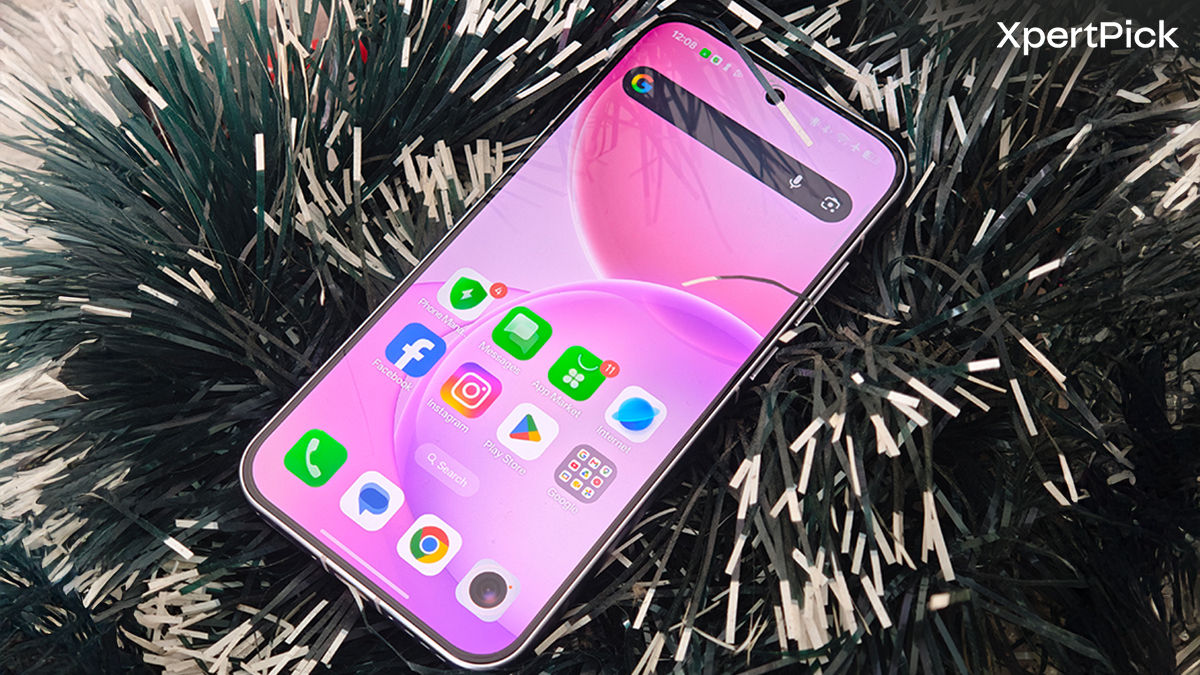
The more interesting addition this year is the AI Snap Key. I’ve complained about similar buttons on other phones before. The Plus Key on the OnePlus 15R has limited input options, while Motorola’s AI Key on the Signature is frustratingly restrictive despite being a dedicated physical button.
Oppo has handled this much better. The AI Snap Key can save whatever is currently on your screen directly to Mind Space, where screenshots, notes, and other information get organised. You can also remap the button to actions like launching the camera, flashlight, translator, or recorder.
Then there’s Mind Pilot, which is probably the more interesting AI addition. It brings Gemini, Perplexity, and ChatGPT into a single interface and can choose a model depending on the query. You can also compare responses from all three side by side.
There are plenty of other AI additions around translation, scanning, recording, image editing, and organisation. Some will obviously be more useful than others, but the good thing is that none of them got in the way of normal use. Oppo is also promising five major Android updates and six years of security patches, which is exactly the kind of support I’d expect from a phone at this price.
Verdict
The Oppo Reno 16 is one of those phones where my biggest complaint has very little to do with actually using it. At Rs 61,999, it is expensive, especially when the Snapdragon 7 Gen 4 is also available on devices like the much cheaper Vivo V70. The Xiaomi 17T costs Rs 2,000 less and offers substantially better performance, along with the Leica camera experience and a 5x telephoto lens.
The OnePlus 15R and Motorola Signature also deliver flagship-level Snapdragon 8 Gen 5 performance around this territory. But the Reno 16 makes a strong impression everywhere else. It has a premium and genuinely compact design, an excellent display, great battery life, a versatile camera system, and one of the more polished Android software experiences right now.
So, should you buy the Oppo Reno 16? I can recommend it if your priorities are cameras, battery life, compact dimensions, and a phone that simply works well across the board. The Xiaomi 17T is the better choice if you want more performance and prefer the character of Leica photography. The Vivo V70 offers similar performance alongside Zeiss-tuned cameras for much less, while the Motorola Signature and OnePlus 15R are easy recommendations for anyone who prioritises raw speed.
The Reno 16’s strength is that there isn’t one major part of the everyday experience that gets ignored. The price keeps it from being the obvious pick, but with a good launch offer or discount, this becomes a much easier compact premium phone to recommend.
Pros
- Comfortable compact design
- HoloVerse 3D finish gives the Starry White model character
- Bright and sharp 120Hz OLED display
- Excellent battery life
- Versatile camera setup
- ColorOS 16 is smooth and polished
- AI Snap Key is more useful than most dedicated AI buttons
Cons
- Expensive for Snapdragon 7 Gen 4 performance
- Average camera performance in low light
- No wireless charging
- Some removable bloatware remains