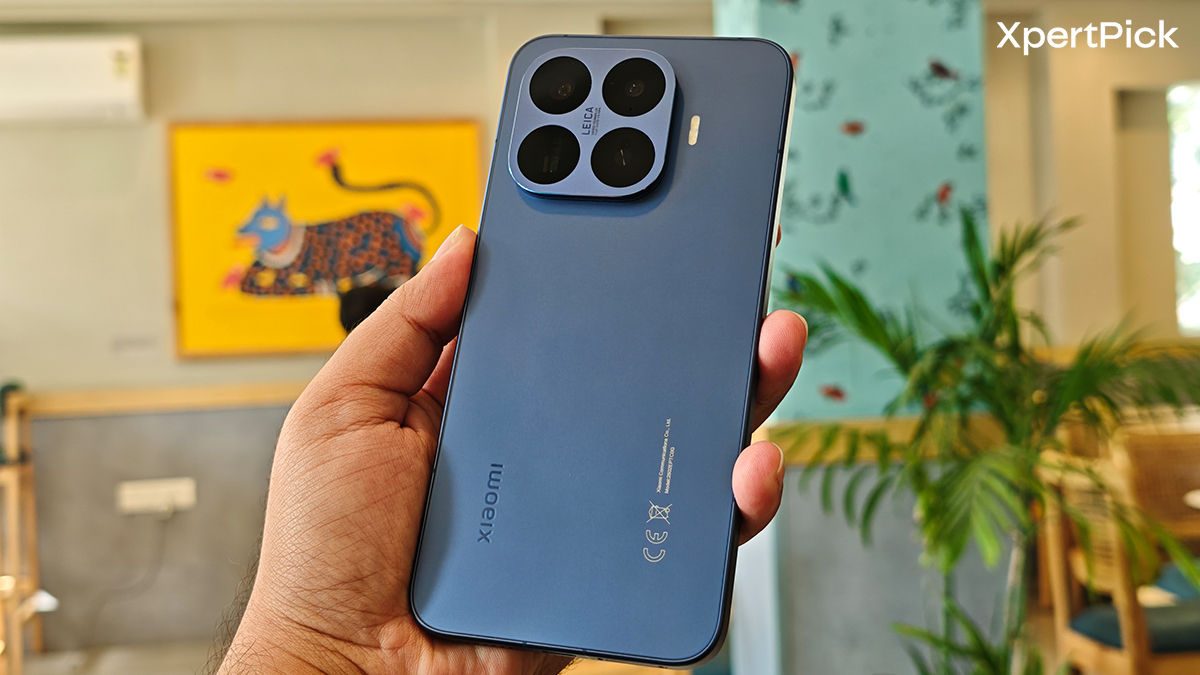
Xiaomi has always had a knack for putting near-flagship hardware into phones that sit just below the most expensive Ultra models. The regular Xiaomi 17T already proved that the company could bring a great Leica-tuned camera experience to a more accessible price point. But the Xiaomi 17T Pro takes that same idea and pushes it much closer to proper flagship territory.
This still isn’t the full Ultra experience. Even then, I can see why this phone exists after using it for a month. It brings a better build quality, a bigger screen, better performance, and the same Leica experience of the 17T, with slightly better hardware. The real question is whether those upgrades make enough of a difference, especially when the regular 17T already gets so much right.
Design: Premium, Polished, and Very Slippery
The Xiaomi 17T Pro follows the same broad design trend we’ve seen on plenty of recent premium phones. You get rounded corners, flat edges, a large camera module, and a silhouette that feels familiar without looking like a complete copy of anything else.
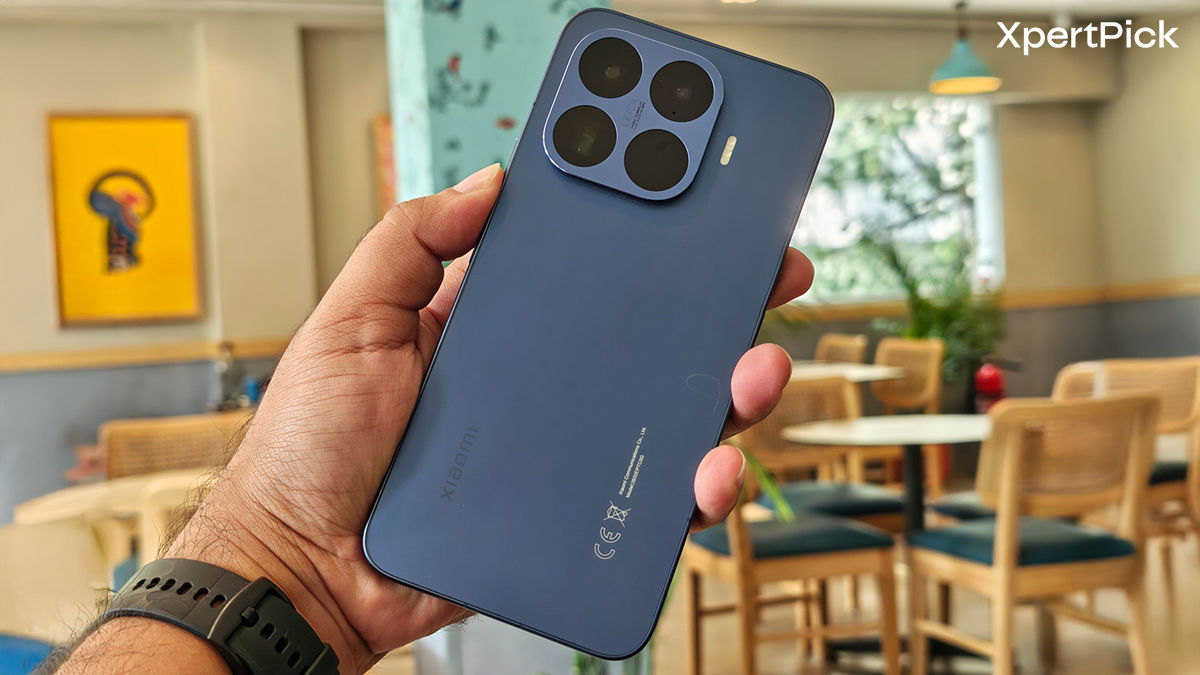
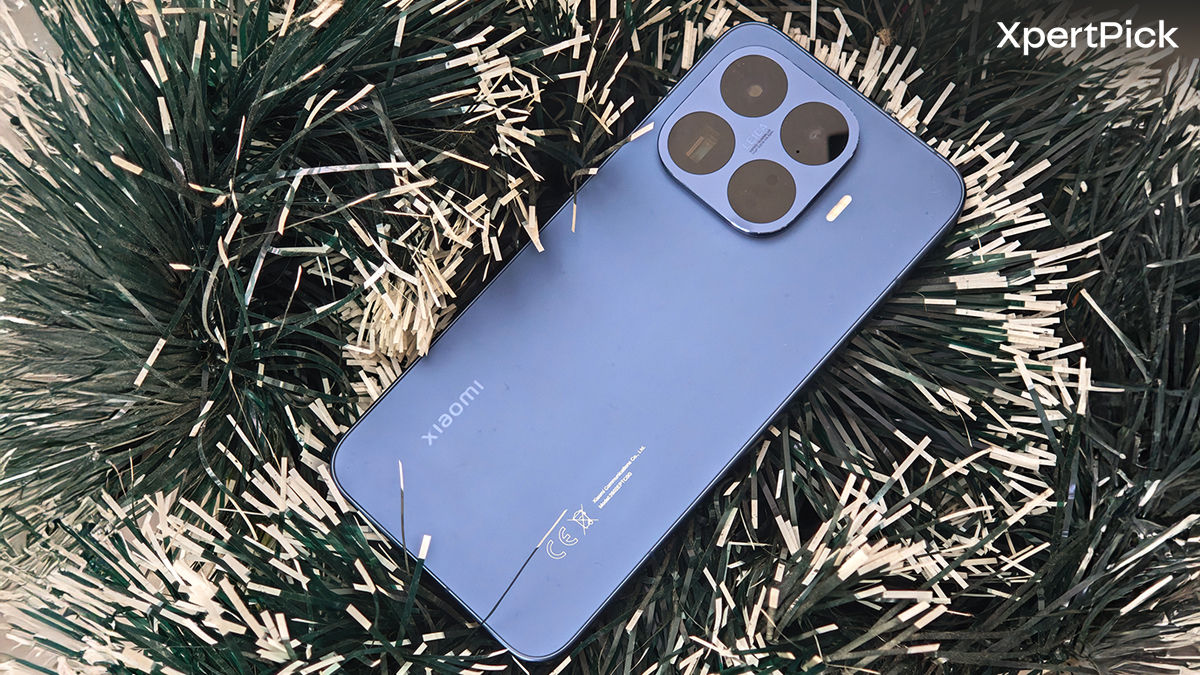
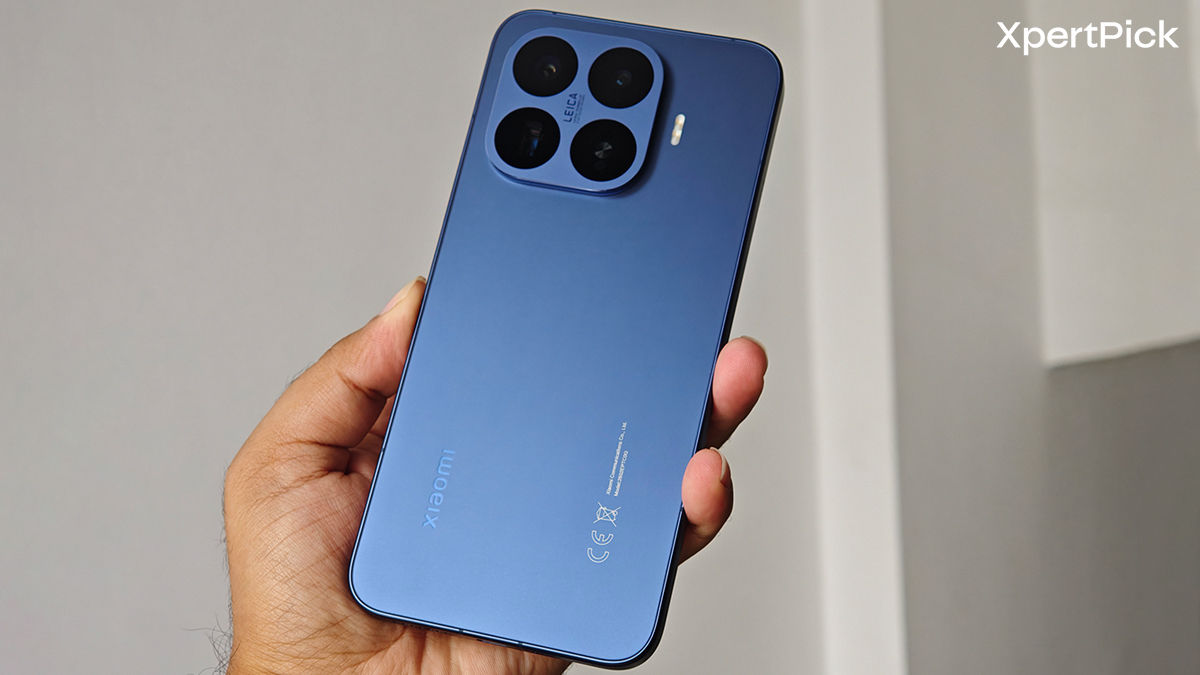
The big difference compared to the standard Xiaomi 17T is the build. While the regular model uses a plastic frame and rear panel, the 17T Pro gets an aluminium frame and a glass back. That immediately makes it feel more premium in the hand. That added heft also feels more reassuring.
My review unit came in the Deep Blue finish, and it looks gorgeous. It’s elegant without being loud, and it gives the phone a much richer personality than the safer colours most brands usually offer. I ended up using the phone without a case for most of the review period because the finish looked too good to hide.
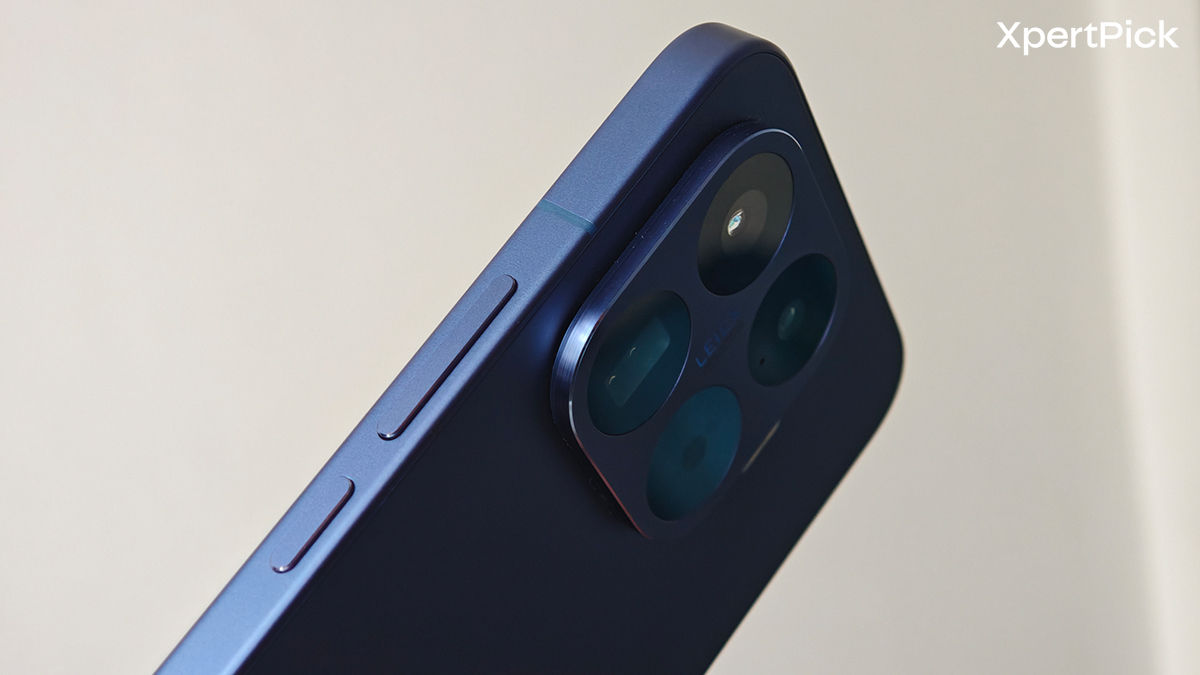
However, this is still a large and slippery glass phone. You will keep adjusting your grip if you use it caseless, and the size makes one-handed use a challenge. Xiaomi includes a soft protective case in the box, along with a pre-applied screen protector, so at least, you get some reassuring protection out of the box.
For protection, you get Gorilla Glass 7i on the front and back, along with an IP68 rating for dust and water resistance. That gives the phone enough durability for daily use, and you’re not worried about rain damaging the phone either.
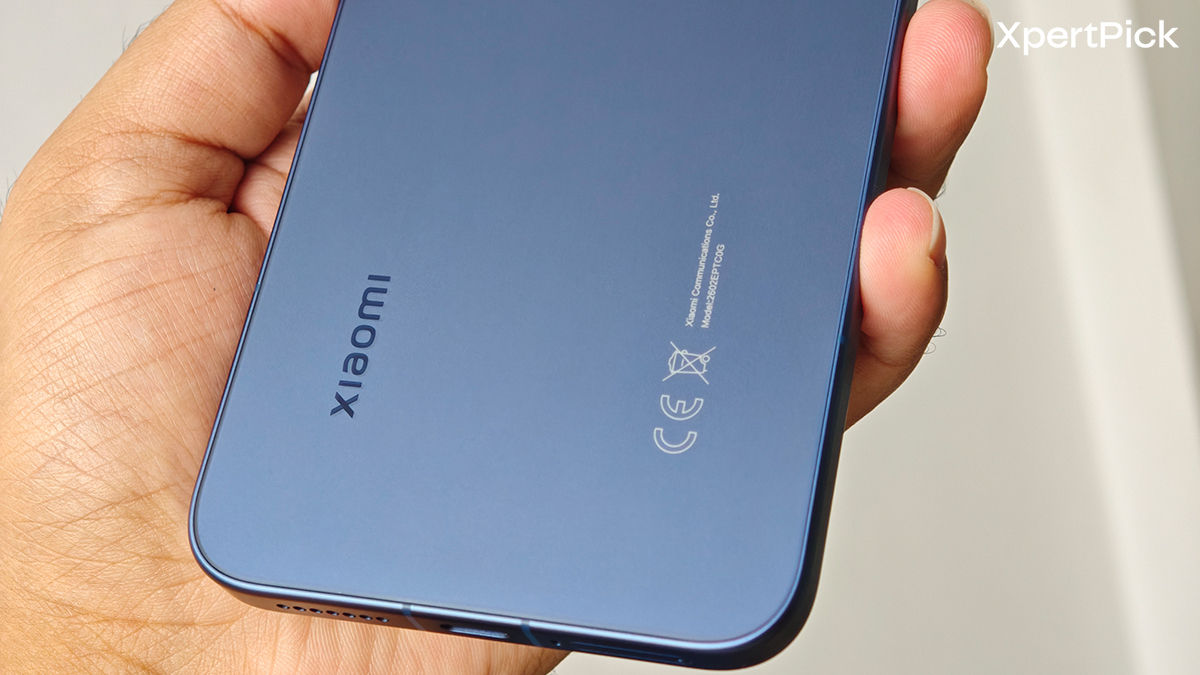
However, compared to some other premium models, you are missing some fancy options. The Motorola Signature is a great example, offering a much slimmer design and a linen finish that makes it a more interesting design choice. But compared to the regular 17T, the Pro feels like the more complete premium phone.
Display: A Bright Screen That’s Big and Immersive
The Xiaomi 17T Pro gets a tall 6.83-inch OLED display, and it is one of the phone’s biggest strengths. This is a large screen, so it is not ideal if you prefer compact phones. But if you watch a lot of content, play games, or just like having more room for multitasking, the size works in its favour. The panel has a 1.5K resolution, slim uniform bezels, and a 144Hz refresh rate.
In regular use, you are mostly getting 120Hz, while the full 144Hz mode is limited to select apps and games. I didn’t really miss the extra refresh rate during daily use, though. Scrolling, app switching, animations, and general navigation all feel smooth. The only real disappointment is the fingerprint scanner.
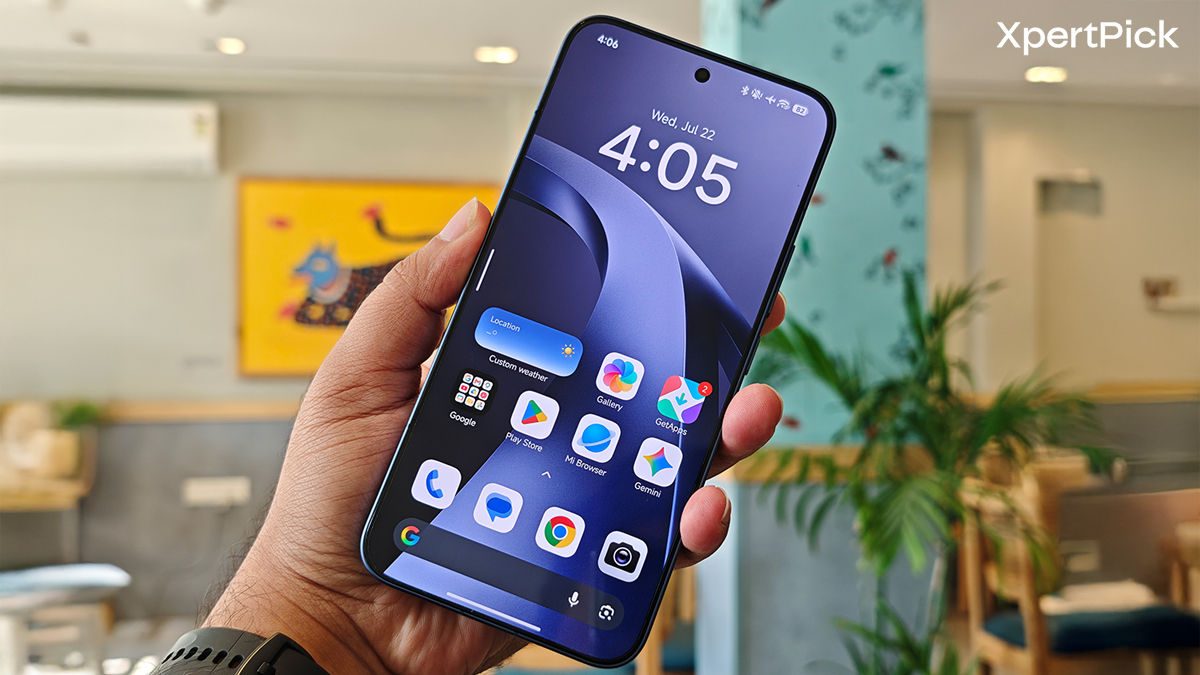
Xiaomi still uses an optical sensor here, and the placement is too low on the screen. It works fine, but at this price, an ultrasonic sensor would have made more sense. The bright flash at night also gets annoying very quickly. However, as a screen for movies, games, and daily use, this is easily one of the better panels in this category.
Performance: Proper Flagship Power with some Thermal Limits
One of the biggest upgrades over the regular Xiaomi 17T is performance. The 17T Pro runs on MediaTek’s Dimensity 9500, paired with 16GB of RAM and 512GB of internal storage. On paper, this puts it much closer to flagship phones than the standard model.
Benchmarks
- AnTuTu – 3,225,835
- AnTuTu (CPU) – 908,789
- AnTuTu (GPU) – 1,281,451
- Geekbench – 2,984 (single) / 9,379 (multi)
In daily use, the Xiaomi 17T Pro feels properly fast. I didn’t notice stutters or slowdowns while switching between apps, multitasking, launching the camera, or jumping between social media and browsing. It doesn’t feel like a cheaper alternative to a flagship. It always feels snappy.
Gaming is also excellent. PUBG Mobile was limited to 90fps during my testing because the phone had not yet received 120fps support in the game, but the experience was still very smooth. Genshin Impact also ran well at the High preset, staying close to 60fps for most of my sessions.
Thermals are where things get more interesting. During real gaming, the phone got warm but never uncomfortable. It usually stayed manageable, even after longer sessions. Stress tests were harsher, with temperatures climbing much higher and stability dropping more than expected. So while the 17T Pro is very powerful, sustained GPU performance is not its strongest area.
Compared to the regular 17T, the Pro is clearly the better pick if performance matters. It also gives phones like the OnePlus 15R and Motorola Signature a much tougher fight than the standard model. The OnePlus 15R still makes more sense if your only goal is gaming value, but the Xiaomi 17T Pro feels more rounded because it combines power with a much stronger camera personality. However, it also costs significantly more than the other models.
Battery life: The 7,000mAh cell changes everything
Battery life is one of the Xiaomi 17T Pro’s biggest highlights. It packs a huge 7,000mAh battery, which gives the phone endurance that makes battery anxiety feel like someone else’s problem. In my use, the phone comfortably lasted more than a full day. With lighter mixed use, I could stretch it close to two days. Even when using it as a daily driver with social media, browsing, camera testing, streaming, and light gaming, I was getting around seven hours of screen-on time. Push it less, and seven to eight hours is very realistic.
This is a clear upgrade over the standard Xiaomi 17T, which already had a large 6,500mAh battery but didn’t quite deliver standout test results. The Pro feels more confidence-inspiring in regular use, especially if you travel, shoot a lot of photos, or game often. Charging is another big win. The Xiaomi 17T Pro supports 100W wired charging, so topping up this massive battery doesn’t take nearly as long as you might expect. It also supports 50W wireless charging, which helps the overall package feel much more premium.
Camera: The Leica Experience Returns, and It’s Even Better Now
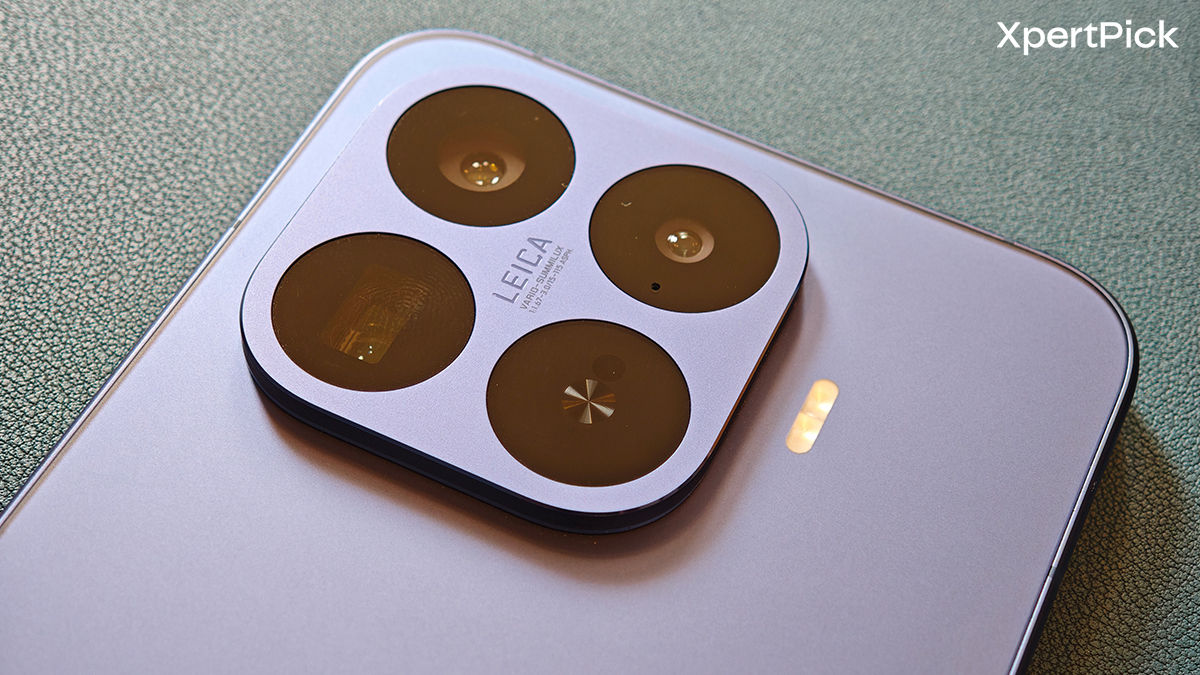
The camera system is where the Xiaomi 17T Pro really makes its case. Like the standard 17T, this phone is built around the Leica-tuned experience. But here, the overall package feels a little more premium and better matched to the phone’s positioning.
Camera hardware
- 50MP 1/1.3″ Light Fusion 950 (OmniVision OVX9500) main sensor (f/1.67 aperture, OIS, PDAF)
- 13MP 1/2.76” OmniVision OV13B ultra wide angle lens (f/2.0, PDAF, Macro)
- 50MP 1/1.95” Samsung JN5 periscope telephoto shooter (f/3.0, 5x optical zoom, OIS)
- 32MP 1/3.42” Samsung KDS selfie camera (f/2.2)
The main camera is a top-tier shooter. In daylight, it captures crisp, detailed photos with strong contrast and plenty of character. Leica Vibrant gives you that punchier, social-media-ready look, while Leica Authentic adds more mood, contrast, and a slightly darker tone. I found myself switching between the two depending on the scene, and that alone made the camera feel more engaging.
This is the biggest reason I enjoy Xiaomi’s recent camera phones. The photos don’t just look technically good. They have personality. The slight vignetting and moody contrast make even ordinary streets and buildings look more interesting.
The 5x periscope telephoto is the most enjoyable camera on the phone. A 3x lens is usually easier for portraits, but the 5x focal length makes you look at scenes differently. During my time with the phone, I kept using it for street shots, buildings, and tighter frames that I probably would’ve ignored on a phone with only a main camera.

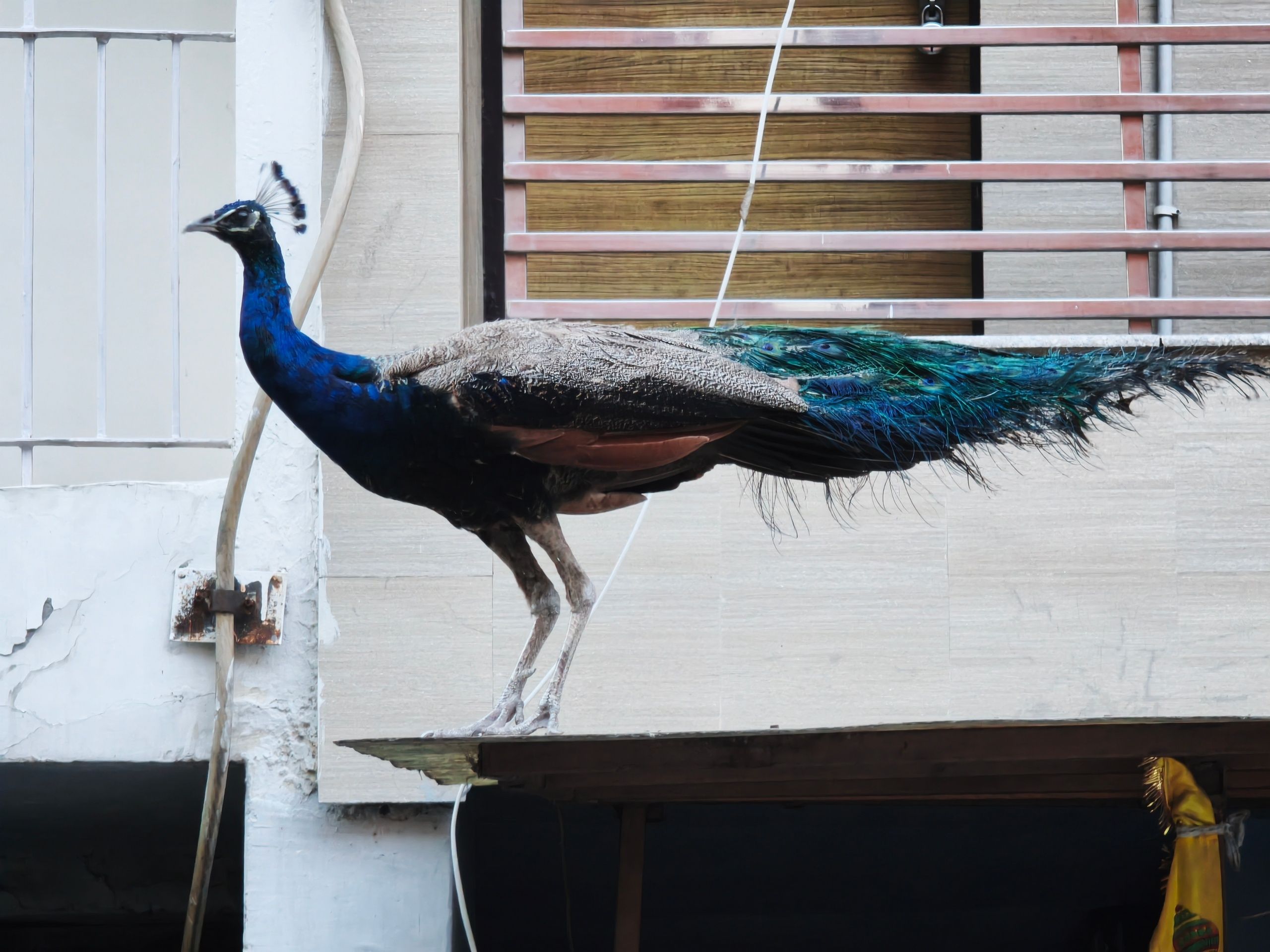


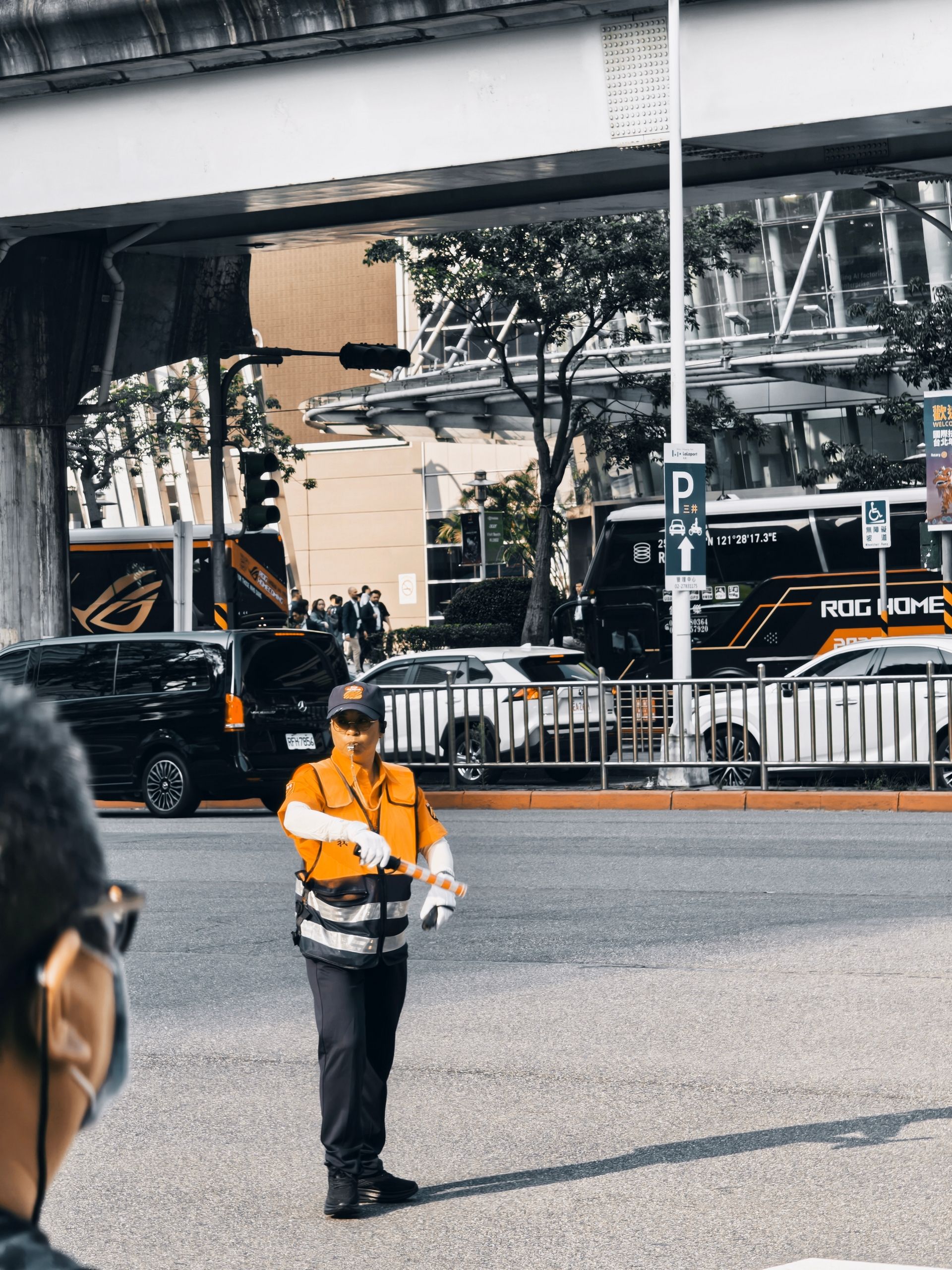
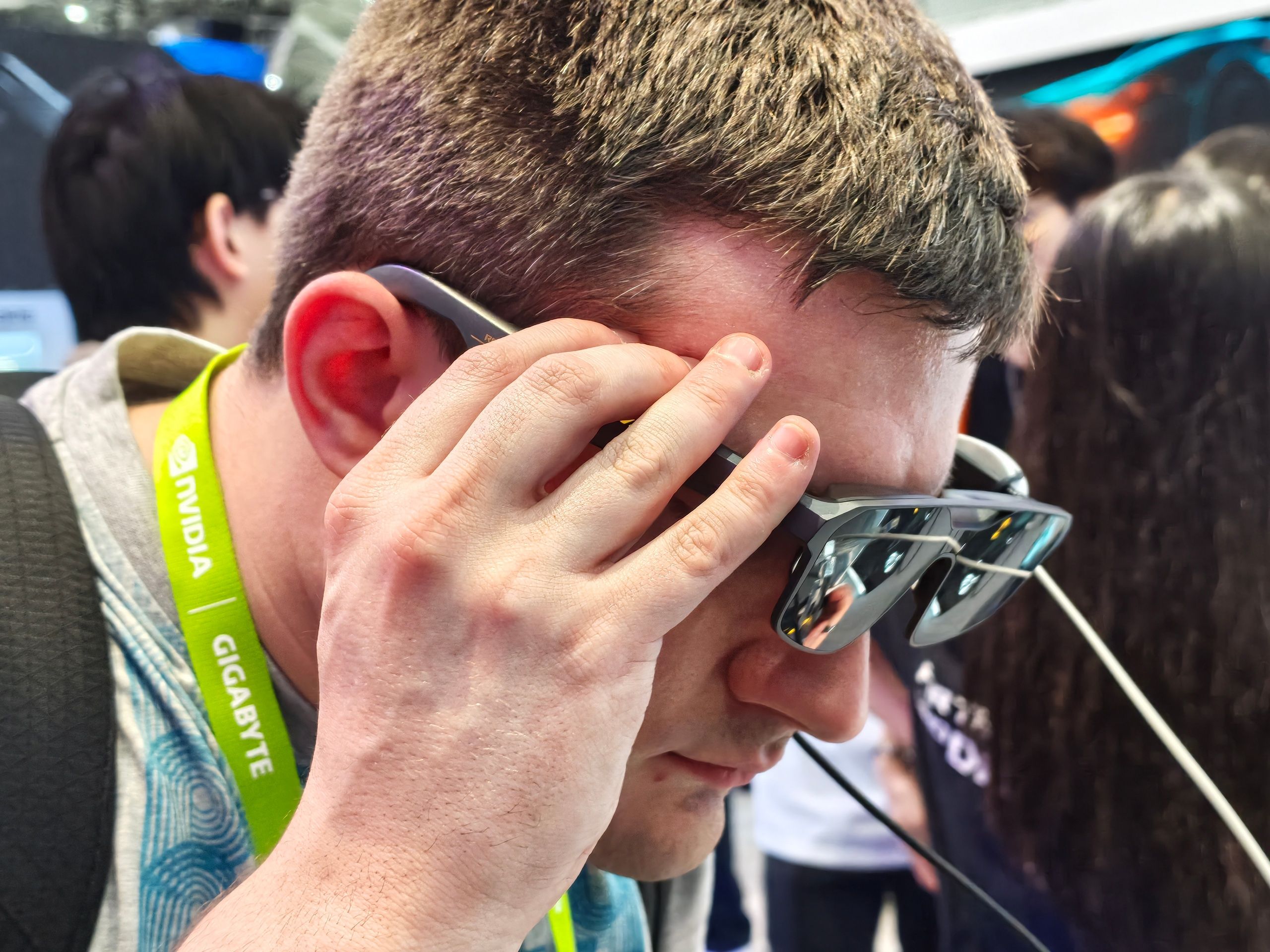
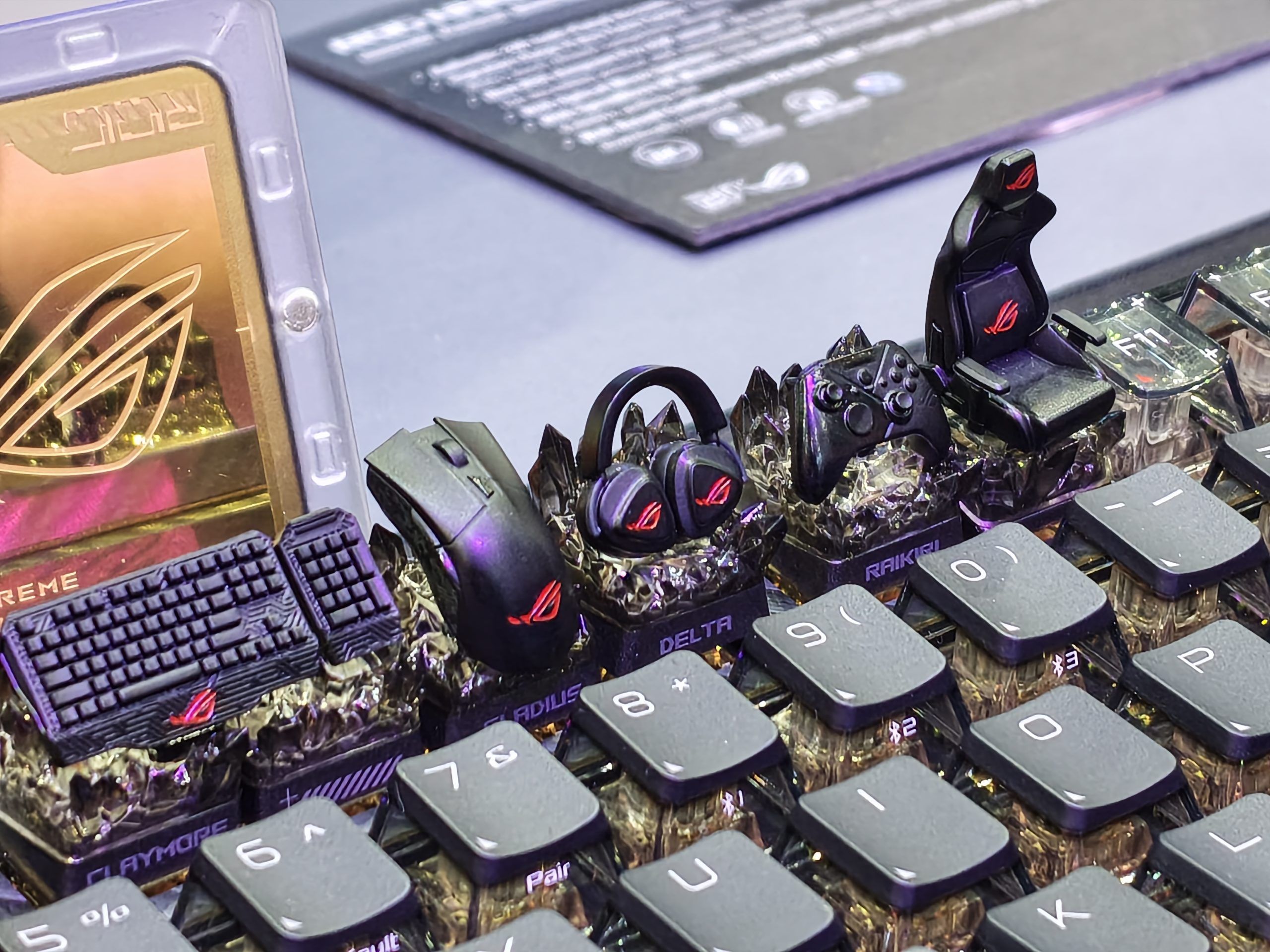








Daylight results from the telephoto are sharp and detailed, and the compressed look adds a lot of drama. Low light is where it struggles more. Even with OIS, you need steady hands in the evening, and noise can creep in quickly. But getting the shots right feels genuinely rewarding.
The ultra-wide and selfie cameras are the weaker links. In daylight, the ultra-wide does a decent job with colours and dynamic range, but the softer corners and distortion are easy to spot. It also lacks autofocus, so you don’t get proper macro flexibility. The selfie camera is fine; however, the lack of autofocus makes some shots softer than I’d like from a Pro model.
Video recording is strong overall. The main camera supports up to 8K at 30fps and 4K at 120fps, while the telephoto goes up to 4K60fps. The main sensor delivers the best footage, with good detail, warm colours, and strong contrast. The telephoto is sharp too, but it is harder to stabilise, especially at night.
Compared to the regular 17T, the Pro feels like a more polished camera phone. But the competition is strong. The Motorola Signature offers a more balanced flagship-style camera setup, while the Oppo Find X9s is a great alternative if you want a compact camera-first phone. The more expensive Find X9 Pro also remains one of the better all-round camera flagships around this price. Still, if the Leica look and 5x zoom are what you want, the Xiaomi 17T Pro is easily one of the most enjoyable phones to shoot with.
Software: HyperOS is Fast, but Still a Little Busy
The Xiaomi 17T Pro runs HyperOS, and the experience is very familiar if you’ve used any recent Xiaomi or POCO device. After using the POCO X8 Pro Max and the standard Xiaomi 17T, this felt immediately recognisable.
The good part is that HyperOS is fast, fluid, and packed with features. Animations are smooth, the interface responds quickly, and there are enough customisation options to change almost every part of the experience. You can tweak the lock screen, icons, wallpapers, charging animations, fingerprint effects, and much more.
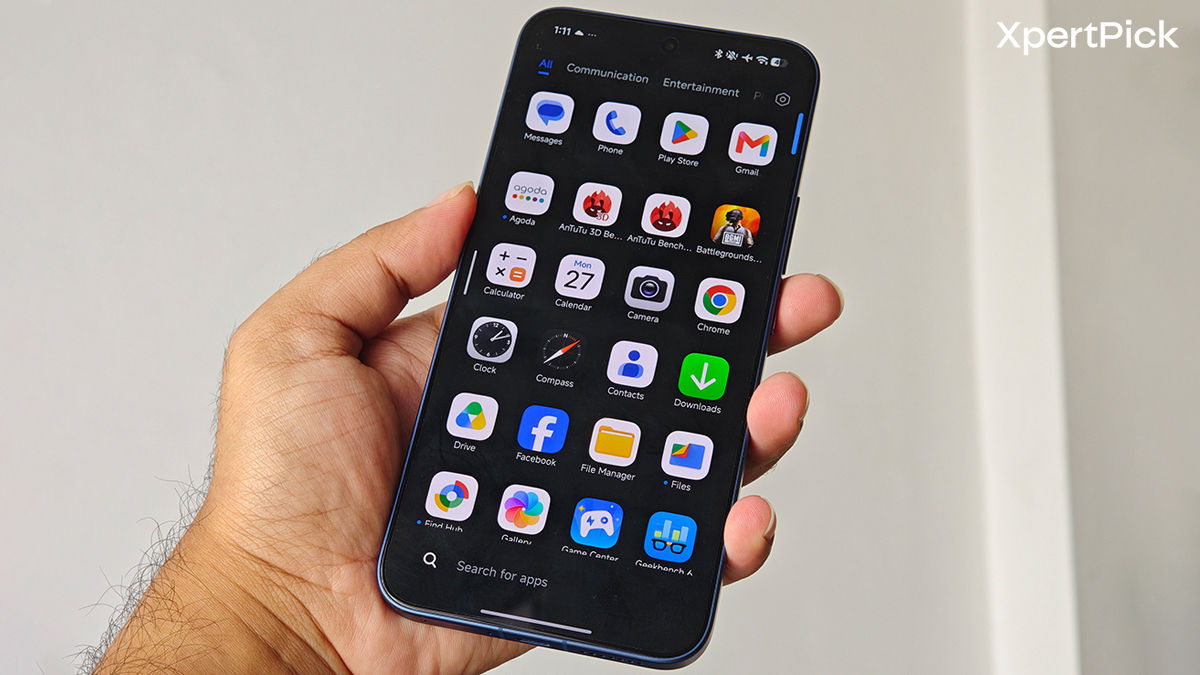
Xiaomi also includes its Super Island feature, which is basically its take on Apple’s Dynamic Island. The iOS inspiration is obvious throughout the interface, though Xiaomi is not alone here. Oppo’s ColorOS and OnePlus’ OxygenOS have also moved in a similar direction. The difference is that HyperOS still feels a little busier than both.
The AI tools are useful too. You get writing tools, translation, call transcription, image editing features, and some built-in tools that work with Xiaomi’s own apps. In this version, bloatware was more controlled than what I’ve seen on some cheaper Xiaomi and POCO phones, though you still get Xiaomi’s own apps and services.
Xiaomi is promising five major OS upgrades and six years of security patches, which is great to see. That gives the 17T Pro some proper long-term confidence. I just wish HyperOS felt a little calmer out of the box. It is powerful and fast, but it still doesn’t have the clean polish of OxygenOS or the more cohesive feel of ColorOS.
Verdict
The Xiaomi 17T Pro feels like the perfect step up from the regular 17T. It keeps the Leica charm, adds a more premium build, brings a larger and more immersive display, steps up to flagship-grade performance, and packs a massive 7,000mAh battery with very fast charging. It is not the Ultra, and it doesn’t pretend to be. However, it does feel like a more sensible premium flagship for buyers who care about cameras, endurance, and performance in equal measure.
So, should you buy the Xiaomi 17T Pro? Yes, if you want the 17T formula with fewer compromises. The regular Xiaomi 17T is still the smarter value pick if you mainly care about the Leica experience at a lower price. The OnePlus 15R is the better performance-value option, and the Motorola Signature is worth considering if you want a slimmer, more distinctive phone with strong cameras. The Oppo Find X9 series in this price range also brings more powerful cameras or a compact form factor, depending on the model you buy.
Pros
- Gorgeous Deep Blue finish
- Bright and immersive OLED display
- Flagship-grade performance
- Excellent battery life
- Very fast wired and wireless charging
- Leica-tuned cameras have real character
- 5x telephoto is genuinely useful
- Long software support
Cons
- Optical fingerprint scanner is a miss at this price
- HyperOS still feels busy
- Weak ultra-wide and selfie cameras
- Telephoto struggles more in low light