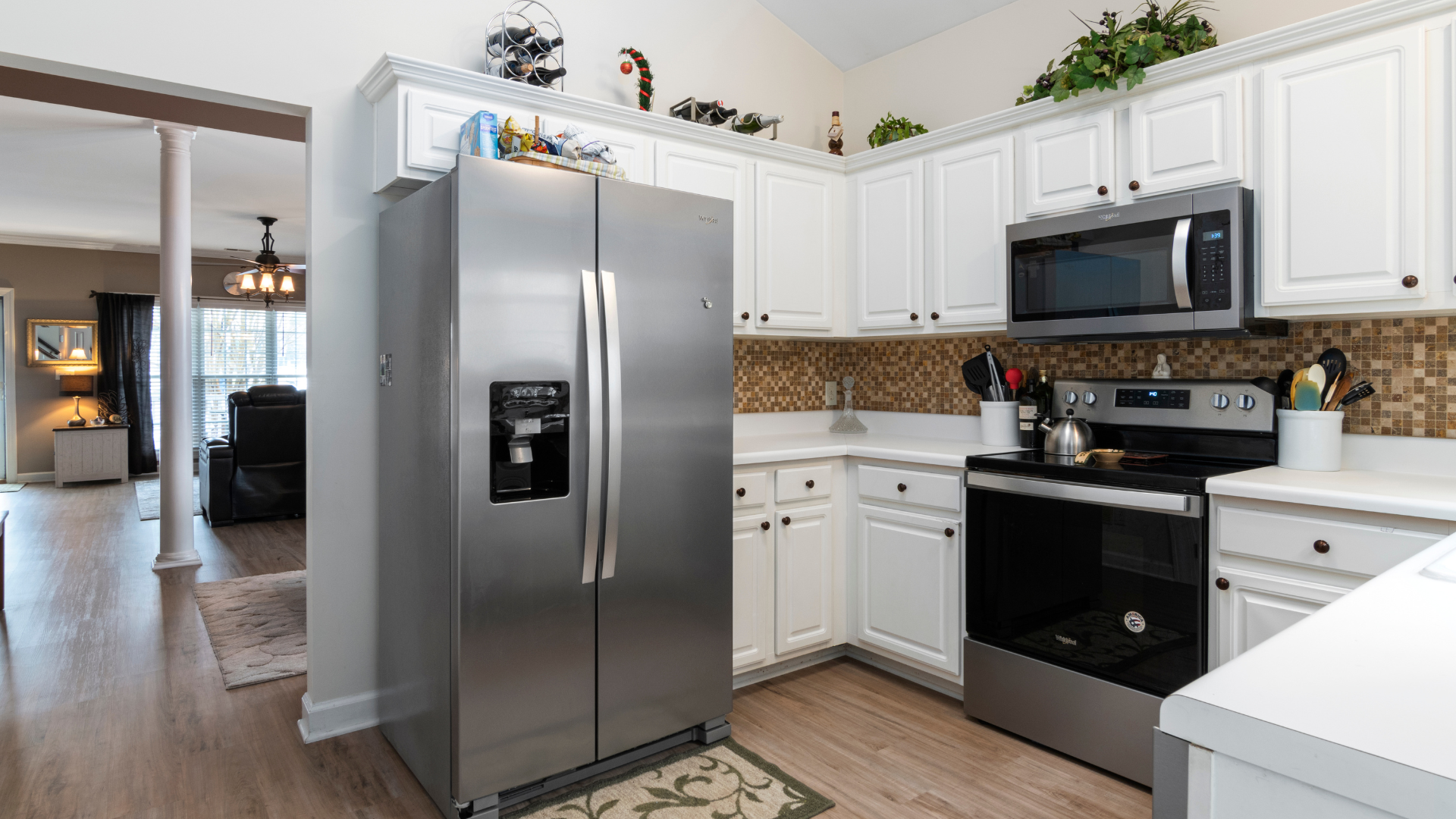
I have heard people say this often, “Buy the biggest fridge that you can afford”. I don’t agree with this anymore. Sure, this idea had some logic behind it because refrigerators are a long-time commitment, they don’t grow with you as your family and needs grow, and you should invest wisely once. Also, a little extra shelf space in the refrigerator didn’t hurt anybody. So, a lot of people heed to this advice and go buy the biggest refrigerators in their budget, even if they don’t use them.
I remember when I was a kid, on the first Sunday of the month or around festivals, we used to go to grocery stores like Reliance Mart or Big Bazar to stock up on everything we needed. As a kid, it was an amusement park for me and I would come back with more snacks and tidbits than I was going to consume in a month. Bottles of sodas, juices, milk, and curd in the top-shelves, frozen snacks and ice creams stocked up in the freezer. That’s when those large refrigerators made sense.
Now, coming to why I don’t agree with that anymore. Tell me when was the last time you went to a grocery store? A few days back, just a day before Eid, I was headed out to get some work done when my mom asked me to get some groceries on the way back. On our way, I told my partner that I need to stop at a grocery store to get some things for Eid, and he told me no one goes to the grocery store anymore, just order it online. That’s when it hit me, no one really does.
The Refrigerator Was Designed for a Different Shopping Habit
The thing is, refrigerator designs haven’t changed as drastically as the way we buy our groceries have, especially after Covid-19.
Back then, large fridges actually made sense. If your family shopped once a week, or even once a month for certain essentials, you genuinely needed the storage. Running out of milk, vegetables, or frozen food wasn’t something you could fix in ten minutes. You stocked up because you had to.
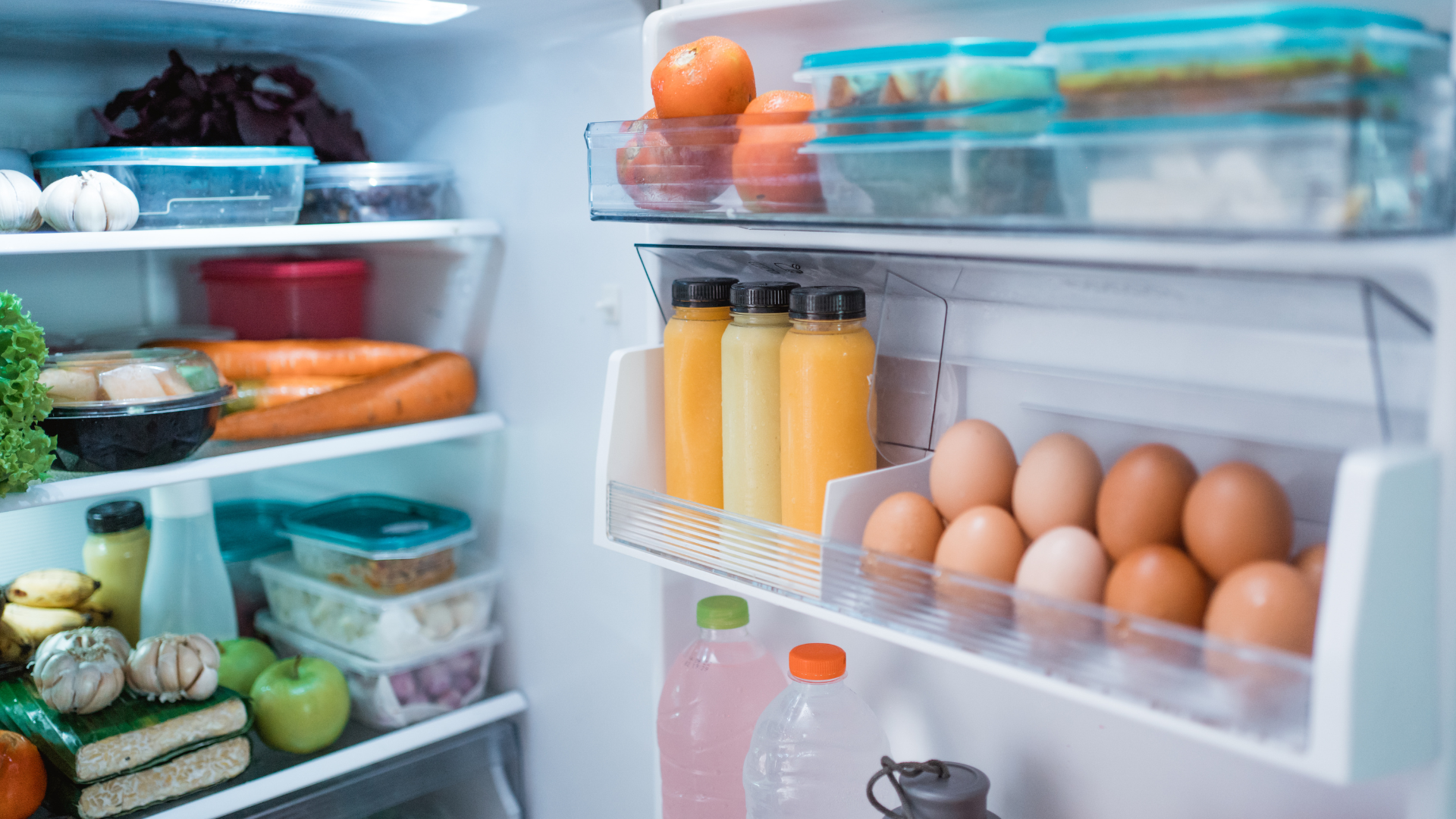
Today, that urgency has sort of died out in many urban homes, especially with nuclear families. Many times it happens, I am making breakfast, and I open the fridge only to realise that I have run out of eggs or bread, and I immediately order that and get it delivered within minutes. The needs and time have changed over the last few months and that’s why many refrigerators today aren’t storing a week’s worth of groceries anymore. They’re often storing two or three days’ worth.
Bigger Doesn’t Mean Better
If a 350-liter refrigerator is just enough for a home, people will stretch their budget and go for a 500-liter capacity fridge with the assumption that it is going to be even better. The reality is that the extra space that you think you are getting, is only useful if you are actually using it!
If you have that kind of extra space, you would end up using it for things that you would end up forgetting about. Half-used sauces, leftovers we keep meaning to eat, vegetables hidden behind containers, and random items that seemed important enough to refrigerate at the time.
One must not forget that there’s a monetary side to it as well. Of course, bigger refrigerators cost you more, but a bigger refrigerator also uses more electricity. So, if you aren’t using the entire space in your fridge, it’s likely consuming more electricity to cool the unused volume.
Capacity Isn’t the Only Thing Worth Paying For
Buying a refrigerator is not just about how big or small it is. After buying a new fridge, a lot of people complain about vegetable drawers being too small, shelves that can’t accommodate tall bottles, freezer sections that take up too much space, and refrigerators that dominate compact kitchens. People ignore these things initially, but eventually they can become a pain.
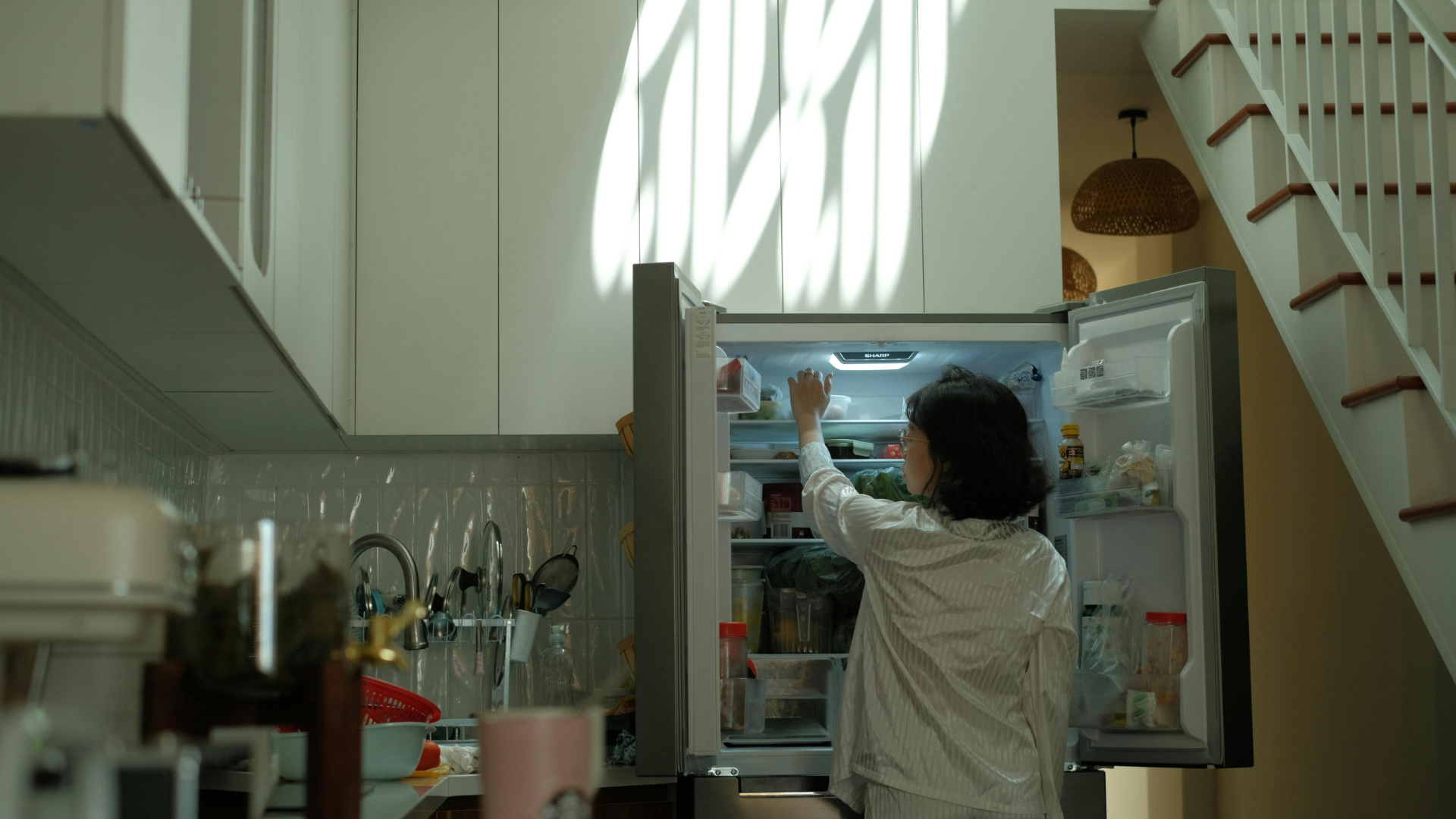
Also, a bigger refrigerator doesn’t just occupy more space inside your home. It can reduce usable kitchen space, make compact kitchens feel more cramped, and add to long-term electricity consumption. You need to consider that too.
Do You Still Need a Large Refrigerator?
See, with all said and done, I am writing this article from a very urban, tier-1 city POV, where quick commerce apps like Zepto, Swiggy Instamart, Blinkit, BigBasket are dominating.
So, if you don’t live in a place where quick commerce is as booming or accessible, or are buying a fridge for old parents or grand parents who aren’t as comfortable with technology, or if you have a large family, buy groceries in bulk, cook extensively at home, store frozen food regularly, or simply prefer stocking up for the week, a larger refrigerator still makes perfect sense.
However, if quick commerce has changed the way your household shops, if groceries arrive multiple times a day or week rather than once, and if your current refrigerator is rarely filled to capacity, then buying the largest refrigerator you can afford may no longer be the smartest advice.