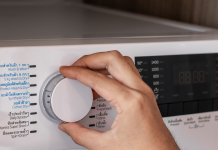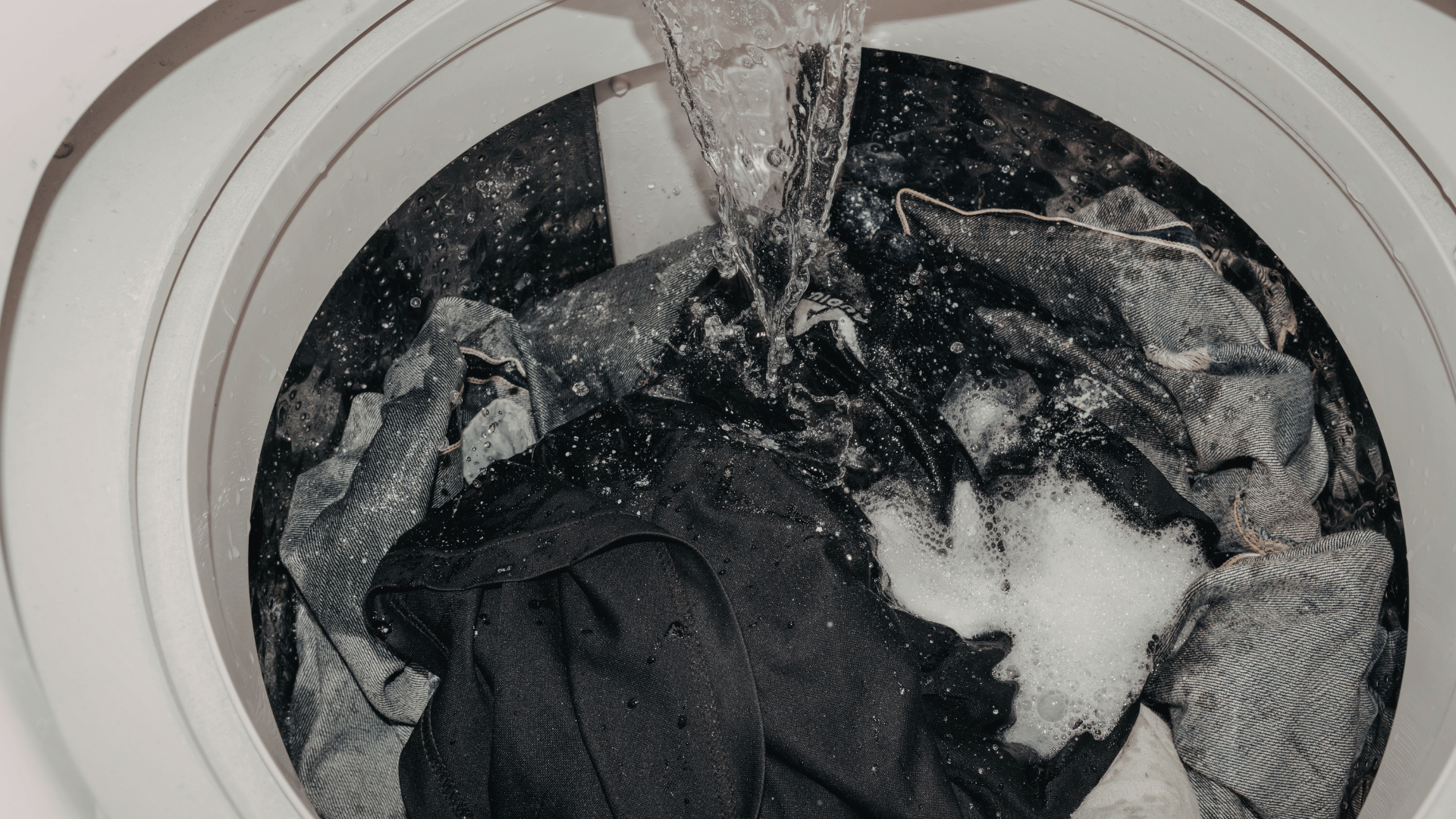
In 2026, a hot-water feature on a washing machine sounds pretty basic, but for a long time, it was mostly limited to premium front-load machines. Top-load machines, especially in India, were designed mostly around cold water washing, because that’s how people in India washed their clothes.
Now, a lot of brands have introduced the built-in hot-water wash feature even on their basic top-load machines. However, much like the front load machines most of these features come with an additional price tag, and most people don’t really get what difference washing clothes with hot water actually makes. So, to understand if paying extra money for “deep cleaning”, “hygiene wash”, and “hot water sterilisation” features is worth it, or if you even need it, you need to understand first what’s happening inside the machine.
Hot Water Helps Remove Oil And Sweat Better
Hot water works better when the clothes are soiled with sweat, body oil, grease, food stains, and even for those stinky clothes. The logic behind this is that the heat helps loosen oily particles that are trapped inside the fabric fibres. It then becomes easier for the detergent to further break them down.
That’s why it is advised to wash towels, baby clothes, gym clothes, bedsheets, socks, innerwear, and kitchen fabrics with hot water. They turn out feeling fresh, and there’s no odour either.
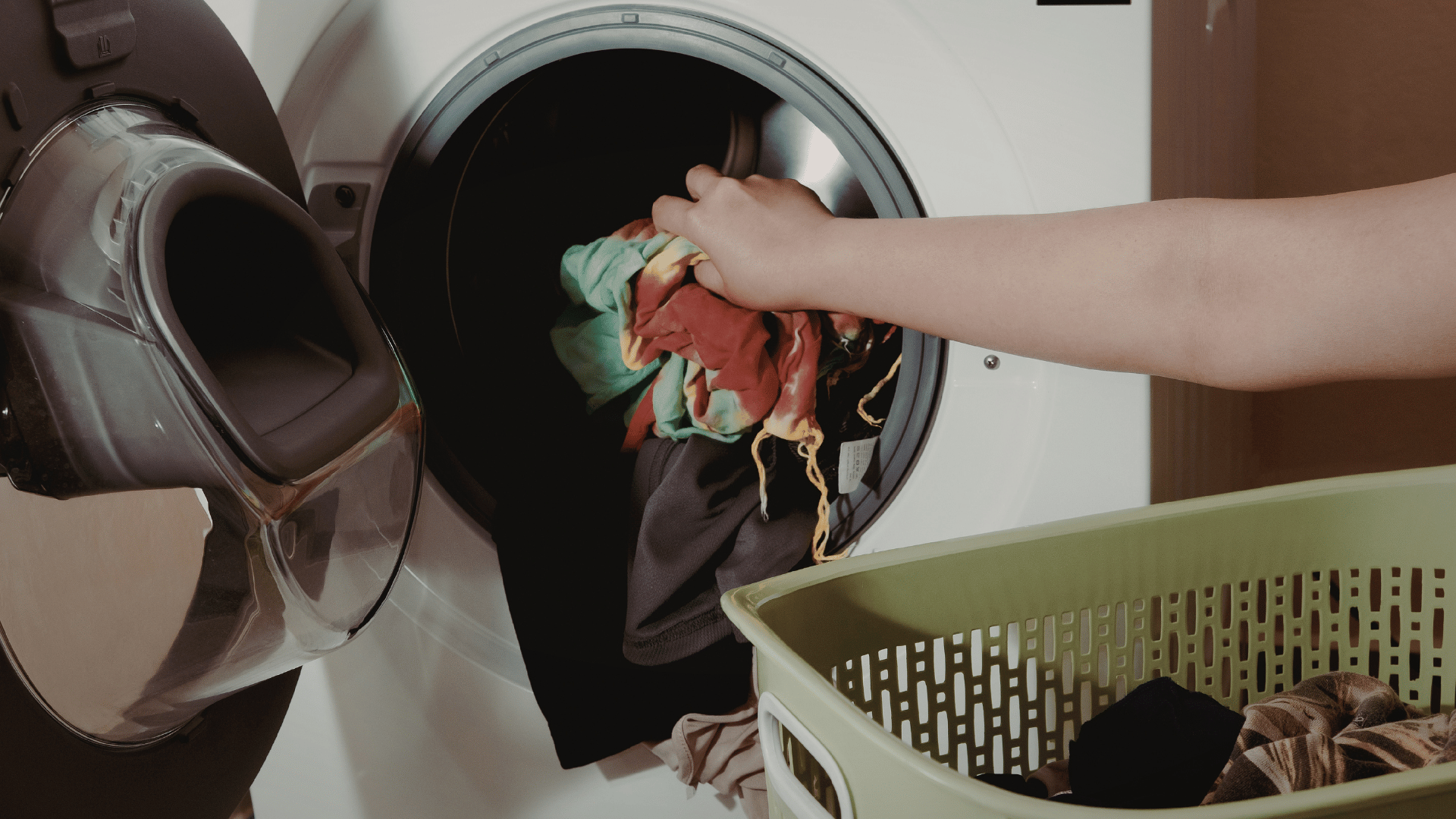
It is also more hygienic as higher temperatures kill bacteria and allergens more effectively. That’s also why some hot water wash cycles are labelled “sanitisation”, “baby care”, or “hygiene care”.
Let me give you a fair warning: this does not mean that hot water is better suited for every wash cycle because hot water also damages fabrics over time. Colours start fading, and some materials like wool also shrink, and the fibres themselves can become weak if exposed to hot water frequently.
Cold-Water Washing Has Become Much Better Over The Years
There is a general assumption that washing clothes with hot water is just better. That’s because up until, say, about ten years ago, cold-water washing wasn’t the most efficient because back then, detergents also needed warmer temperatures to dissolve and get activated completely. Today, all of that has changed.
Modern detergents are formulated to clean effectively even at lower temperatures. If you have used an older-generation washing machine, you would remember detergent clumps remaining when clothes were washed with cold water. That doesn’t happen now.

So, this means that your regular laundry, which isn’t too soiled, like office wear, casual clothes, denim, lightly worn garments, they don’t need hot water washes, cold water does the job. In most cases, it is also the safer option.
It helps retain colours longer, reduces fabric fading, you don’t have to worry about your clothes shrinking, and it also handles delicate fabrics better. Cold water is gentler on your fabrics, and it can also help a stain from becoming permanent, unlike hot water.
You Need to Consider This
There are a couple of things you need to keep in mind before you press the hot-water wash button on your machine.
Firstly, heating water inside the washing machine directly increases your electricity consumption. Imagine your washing machine and geyser running together; the power consumption will be high. So, it isn’t advisable to run that mode all the time if you’re conscious about your electricity bill.
There’s also a pricing angle in itself. When you start looking at washing machines with built-in water heaters, steam wash, or advanced hygiene modes, prices start to go up, especially in top-load models, where these features weren’t common earlier.
So, before choosing a washing machine with these modes, you need to think about whether you’re going to use these features regularly, so that paying more makes sense. Also, keep in mind the extra power consumption.
When Should You Actually Use Hot Water?
You should use hot water to wash your clothes, especially when the load includes heavily sweaty clothes, towels, bedsheets, baby clothes, and kitchen fabrics. If you have a baby at home, then it makes much more sense.
For everyday clothes, though, cold water is perfectly fine. It damages your clothes less, there’s peace of mind, and it also doesn’t consume that much energy.