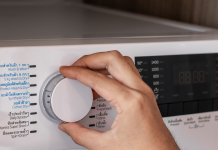
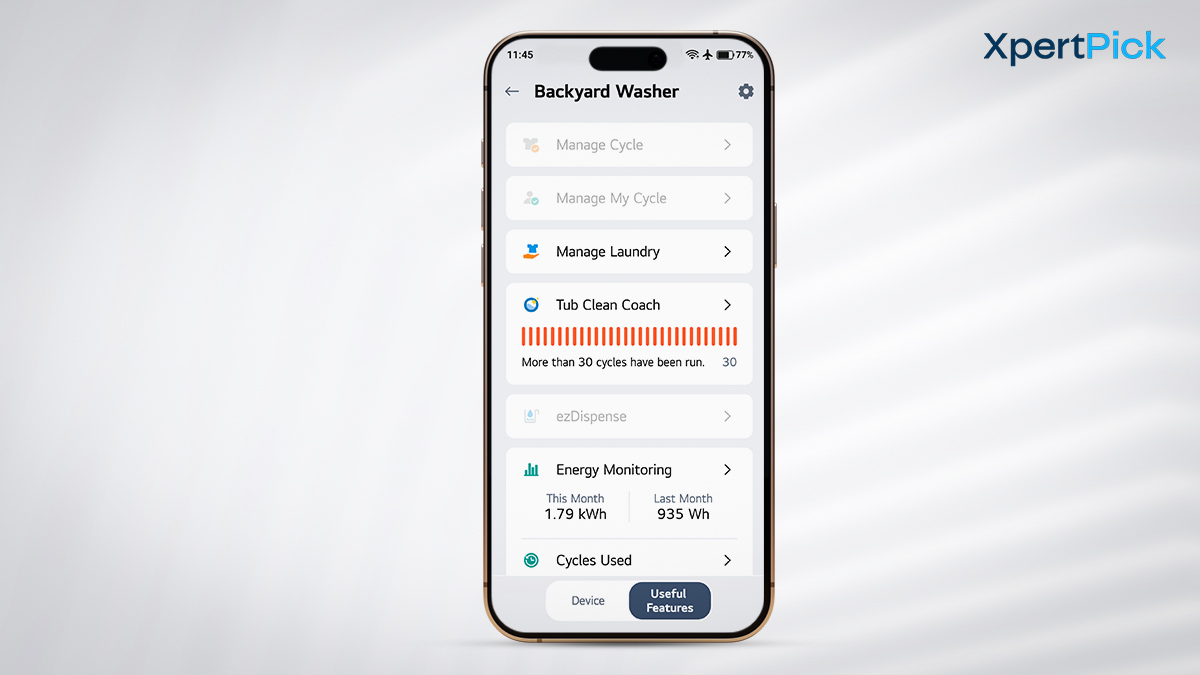
If you own a new automatic washing machine, chances are that you must have seen an alert on the panel that says something like “Tub Clean” or “Drum Clean.” Since most of us just toss away the appliance paper work, we don’t really know what that notification means, and since the machine is working just fine, we end up ignoring it. Does it ring any familiar bells? Well, that notification is a reminder that manufacturers have added to tell you that even your washing machine needs to be cleaned.
Most people never really think about cleaning their washing machine. After all, it is constantly using water and detergent, so most of us assume that it cleans itself. That’s actually not true.
As we keep using our washing machine, detergent residue, lint, fabric softener, hard water minerals, dirt from the clothes, and trapped moisture slowly start to build up inside the machine. In India, where washing machines run more frequently with heavier loads, that buildup can happen faster than expected.
Most people don’t even notice this until the machine starts smelling weird, and the washed clothes don’t feel fresh either. Thankfully, the new-age washing machines come with an automatic feature and reminder which tells you to just press the “drum clean” button after 20-40 washes, depending on the model.
Front-Load Machines Get Dirtier Faster
If you own a front-load machine, it is possible that you have already noticed how quickly moisture builds up around that rubber gasket near the door.
It traps things like water, lint, detergent residue, hair, and dirt after almost every wash and if you live in a humid place, or during monsoons, it becomes the perfect breeding ground for bacteria. That’s one reason why front-load washing machines tend to develop unpleasant smells faster than top-load models.
Don’t get me wrong, your top-load machine isn’t maintenance-free either, but since it has a more open design, it usually dries out faster, which reduces the moisture trapped inside.
The Biggest Reason Machines Get Dirty
Ironically, one of the biggest reasons why your washing machine is getting dirty internally is because you are using more detergent than required.
A lot of people think that the more detergent they use, the cleaner their clothes are going to be. Modern washing machines don’t work that way. They can clean surprisingly well with small quantities as well. Once you start overusing detergent regularly, soap residue begins collecting inside the drum, detergent drawer, pipes, and rubber seals.
With time, that residual buildup mixes up with lint and moisture, leading to odours and slimy residue inside the machine drum. On top of this, if you get a hard water supply, then that makes the situation even worse, as mineral deposits also tend to accumulate over time.
Most washing machines indicate how much detergent to use for every kind of wash cycle, just follow that. Also, whenever possible, use liquid detergent; it doesn’t stick around as much as the powder version does.
How to Clean a Front-Load Washing Machine
See if your washing machine has a “Drum Clean”, “Tub Clean”, “Clean Washer” option. If yes, then run that. If not, follow these steps (you can even do this in addition to the automatic cleaning option):
With a front-load machine, then the easiest way to start is to begin with the gasket because that is usually where the maximum buildup happens.
Pull back the rubber folds gently and wipe them properly using a cloth. If you notice black residue or mildew, use diluted vinegar or mild cleaning liquid to clean the area thoroughly.
Once that is done:
- empty the machine,
- pour two cups of white vinegar into the detergent drawer,
- and run the hottest and longest wash cycle available
After the cycle ends, just sprinkle half a cup of baking soda into the drum and run another hot cycle. This helps in loosening up the remaining residue and taking care of any odour inside the machine.
Once all of this is done, wipe the drum, gasket, and door edges using a soft cloth and leave the door open for some time.
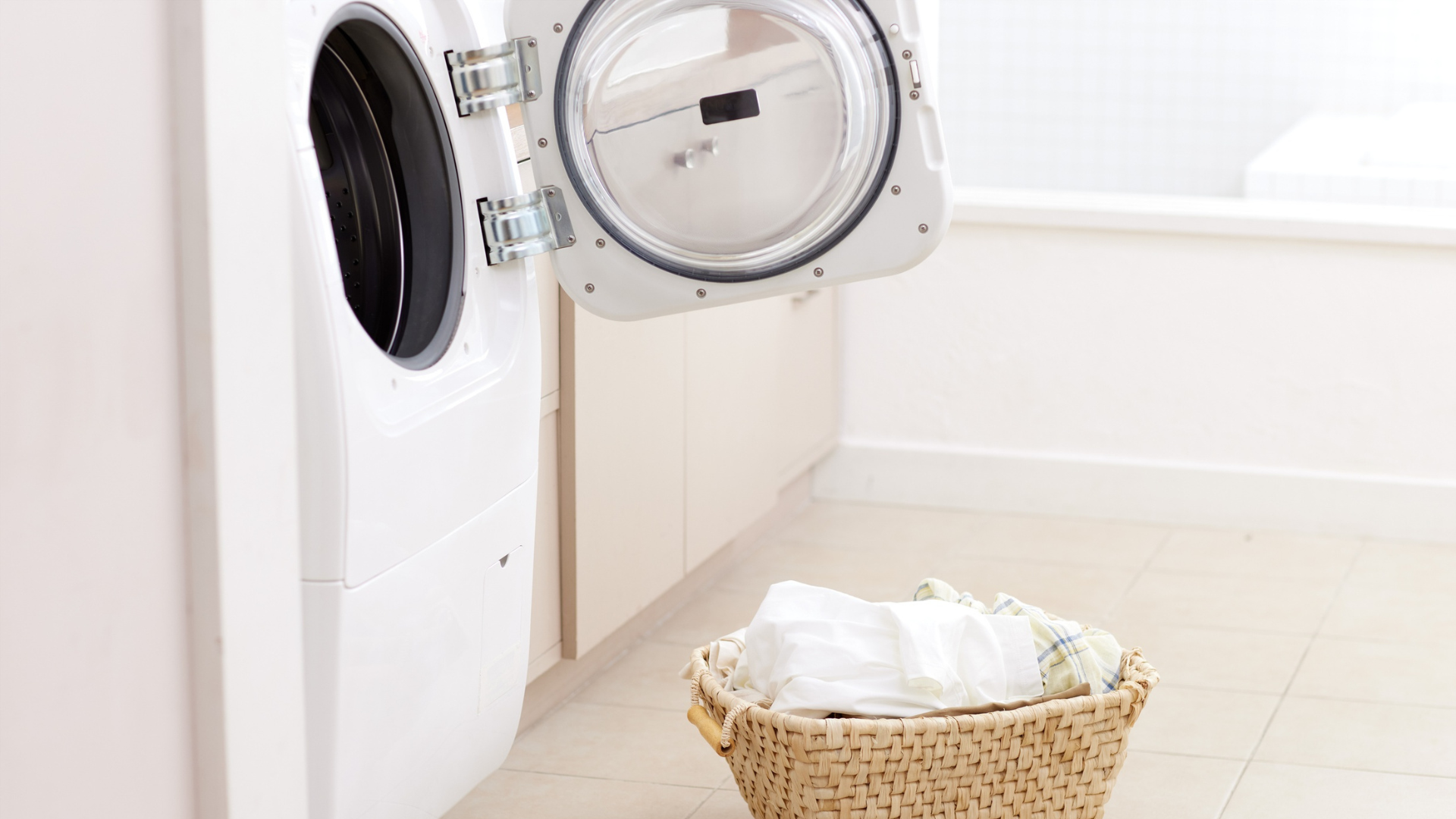
Cleaning a Top-Load Machine Is Slightly Easier
Top-load washing machines usually collect less moisture-related buildup, but detergent residue and hard water deposits can still accumulate over time.
We follow the same drill, first check for built-in features. If not, or in addition to that, follow these steps to clean the machine properly:
- Fill the machine to the highest water level,
- add white vinegar into the drum,
- run a hot wash cycle partially,
- and then pause the cycle for around an hour so the solution sits properly inside
Then just let the cycle continue normally. If you want, you can also run another quick cycle with baking soda to help remove remaining residue and smells after that.
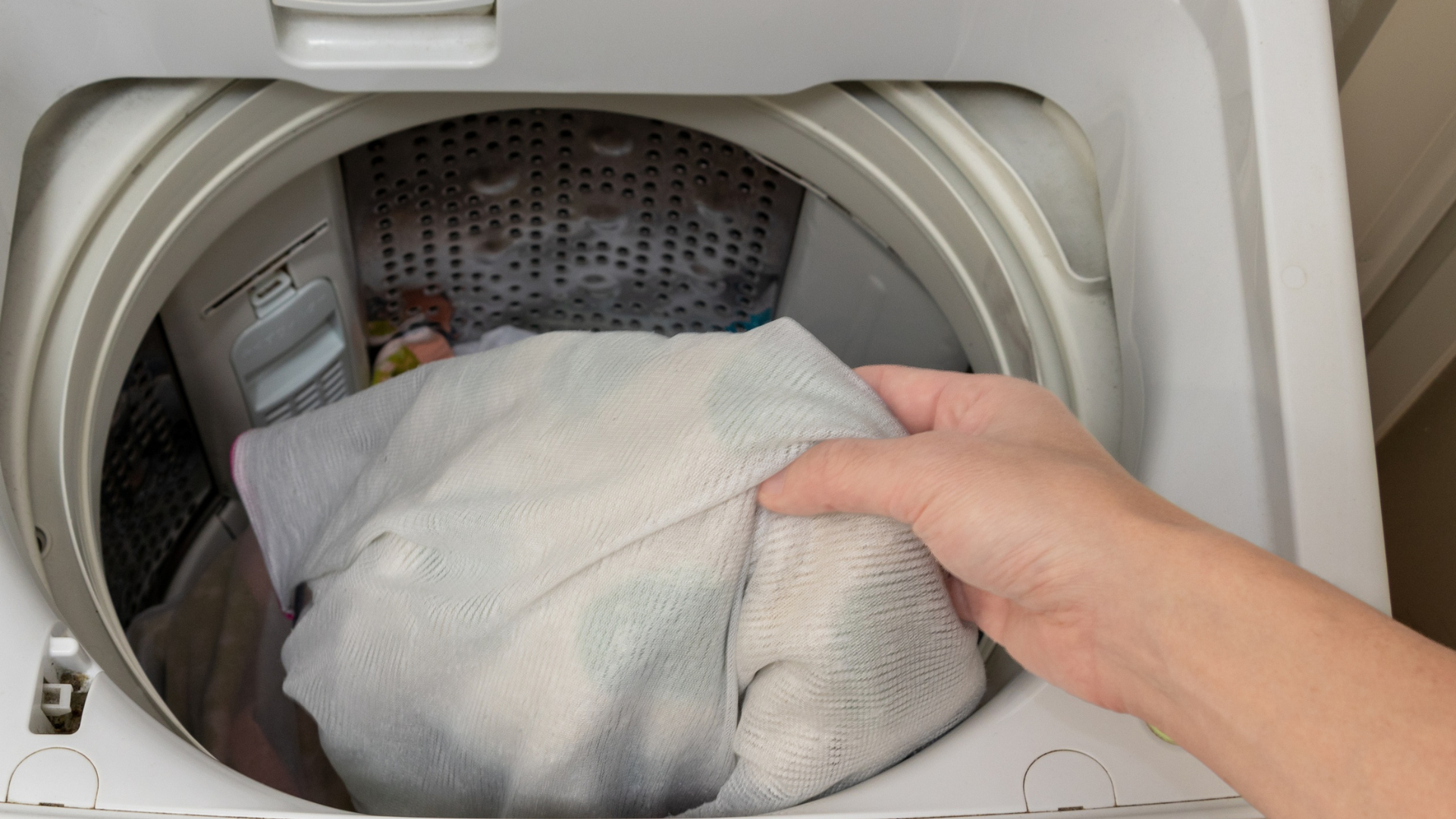
Also, in either of the cases (front-load or top-load), don’t forget to clean your detergent tray and lint filter separately. Check this article out to know how to clean that lint filter.
You Don’t Always Need Fancy Cleaning Tablets
These days, a lot of brands sell dedicated washing machine cleaning tablets, and honestly, they do work well for routine maintenance. But for most homes, vinegar, baking soda, warm water, and regular wiping are usually enough if you clean the machine consistently instead of ignoring it for years.
One of the easiest things you can do is to leave the washing machine door or lid slightly open instead of shutting it immediately after every wash cycle. That little bit of airflow helps moisture escape instead of remaining trapped inside the drum for hours.
So, remember to clean your washing machine also every few weeks. You don’t want clothes filled with bacteria and smelling when they come out of the washing machine.