Under ₹30,000, the phones stop competing on raw power and start competing on discipline. Almost every device here runs a modest chipset, so the differences that decide a purchase are elsewhere: how long the battery lasts, how cool the phone stays, how bright the screen gets, and which one manages a genuinely useful camera. In my testing, one phone lasted nearly 30 hours on a charge, another held the brightest panel in the group by a wide margin, and a third carried the only high-resolution camera sensor here. Knowing which phone made which bet is how you buy well at this price.
To find which phones genuinely earn a place on a ₹30,000 shortlist, I ran eight devices through identical benchmark, gaming, stress, thermal and battery tests. The awards below reflect where each phone’s real strengths lie.
Phones Considered
I tested eight phones under ₹30,000: the Motorola Edge 70 Fusion, iQOO Z11x, Vivo T5x, Redmi Note 15, OnePlus Nord CE6 Lite, Realme 16T, Oppo K14, and the OnePlus N6.
Top Picks At A Glance
The recommendations below are based on in-house XP Lab testing and verified hardware specifications. Refer to the comparison table for a side-by-side view.
| Category | My Pick | Price | Why We Picked It |
|---|---|---|---|
| Best Overall Under ₹30k | Motorola Edge 70 Fusion | ₹27,739 | The highest performance here, the brightest display, and clean software — the most complete phone in this bracket. |
| Best Camera Under ₹30k | Redmi Note 15 | ₹28,999 | The only phone here with a 108MP main sensor, giving it the strongest rear-camera hardware in the group. |
| Best Gaming / Performance | Motorola Edge 70 Fusion | ₹27,739 | The highest GPU and 3DMark scores in this comparison. |
| Best Battery & Charging | iQOO Z11x | ₹24,999 | 29h 51min on PCMark — the longest runtime here, and the coolest-running phone in the group. |
| Best Display (AMOLED / High-Refresh) | Motorola Edge 70 Fusion | ₹27,739 | The brightest measured panel here at 1,850 nits on an Extreme AMOLED. |
| Best Value-For-Money | Vivo T5x | ₹28,780 | Near-class-leading battery, solid performance, and a strong selfie camera at a competitive price. |
| Best For Clean Software & Updates | OnePlus Nord CE6 Lite | ₹27,999 | Clean OxygenOS with a fast, bloat-free interface and a strong update record. |
Under-₹30k Specs And Benchmark Comparison
A 🏆 marks the category leader.
| Test / Metric | Moto Edge 70 Fusion | iQOO Z11x | Vivo T5x | Redmi Note 15 | OnePlus Nord CE6 Lite |
|---|---|---|---|---|---|
| AnTuTu Overall | 1,156,810 🏆 | 961,546 | 954,883 | 834,308 | 1,001,250 |
| Geekbench (Single) | 1,263 🏆 | 1,063 | 1,060 | 1,018 | 1,009 |
| Geekbench (Multi) | 3,417 🏆 | 2,733 | 2,715 | 2,964 | 2,974 |
| Geekbench GPU | 3,576 🏆 | 3,055 | 3,053 | 2,093 | 2,869 |
| 3DMark Wild Life Extreme | 1,182 🏆 | 1,015 | 1,015 | 861 | 1,017 |
| 3DMark Stress Stability | 99.3% | 99.6% 🏆 | 99.5% | 99.5% | 99.4% |
| Peak Temperature | 37.2°C | 33.2°C 🏆 | N/A | 36.6°C | 39.6°C |
| PCMark Battery | 22h 00min | 29h 51min 🏆 | 29h 37min | 17h 53min | 24h 00min |
| Peak Brightness (measured, auto) | 1,850 nits 🏆 | 921 nits | 921 nits | 1,335 nits | 1,060 nits |
| Genshin Impact (Avg / 5% Low) | 37.5 / 7.0 | 55.2 / 34.2 🏆 | 47.0 / 29.6 | 40.6 / 25.2 | 42.6 / 29.8 |
How I Tested These Smartphones
Every phone was tested using the same methodology, so results reflect real behaviour rather than marketing claims.
Test Conditions: All devices are retail units running publicly available software, tested at a controlled 28°C ambient temperature, on the highest-specification variant where one exists.
Performance: AnTuTu v10 and Geekbench 6 for CPU and GPU, run three times with a fifteen-minute cooldown and the median reported.
Sustained Load: 3DMark Wild Life Extreme across twenty consecutive loops, with chassis temperature logged by external probe.
Gaming: BGMI, Minecraft, Genshin Impact and Asphalt 9 in extended sessions with frame-time logging. Average FPS describes the session; 5% Low describes its worst moments.
Battery: PCMark Work 3.0 at fixed brightness until shutdown.
The Phones In Detail
Motorola Edge 70 Fusion — Best Overall, Best Gaming & Best Display Under ₹30k
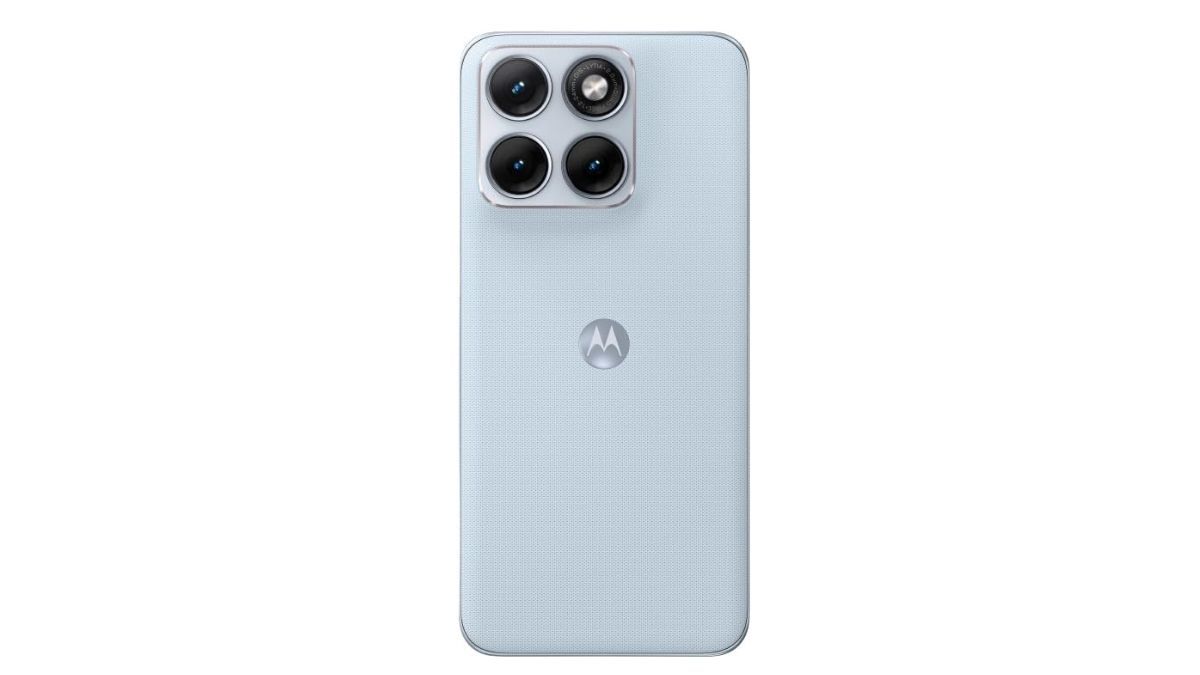
The Edge 70 Fusion is the most capable and most polished phone in this bracket, and it wins three awards on genuine strengths.
Why We Picked It
Motorola Edge 70 Fusion Key Specifications
- Price: ₹27,739
- Processor: MediaTek Dimensity 7400
- Display: 6.7-inch Extreme AMOLED, 144Hz
- Dimensions & Weight: 162.8 × 75.6 × 7.21 mm (slim variant), 177 g
- RAM: 8 GB / 12 GB
- Storage: 256 GB
- Battery: 5,200 mAh (slim variant) / 7,000 mAh (thicker variant)
- Charging: 68 W wired
- Rear Camera: 50 MP main (OIS) + 13 MP ultra-wide
- Front Camera: 32 MP
- IP Rating: IP68 / IP69
Motorola Edge 70 Fusion XP Lab Test Data
Pros
The highest performance and GPU in this comparison, the brightest display by a wide margin, near-stock software, cool thermals, and IP68/69 protection.
Cons
A severe Genshin frame-time collapse under load, and variant confusion between its 5,200mAh and 7,000mAh models.
Who Should Buy It
Buyers who want the most complete, polished phone under ₹30,000 — strong performance, the best screen, and clean software.
Who Shouldn’t Buy It
Buyers whose priority is battery endurance, where the Z11x and T5x last far longer.
Expert Verdict: The most complete phone under ₹30,000. Its heavy-gaming frame pacing is the one weakness, but on display, performance and software it leads the bracket.
Redmi Note 15 — Best Camera Under ₹30k
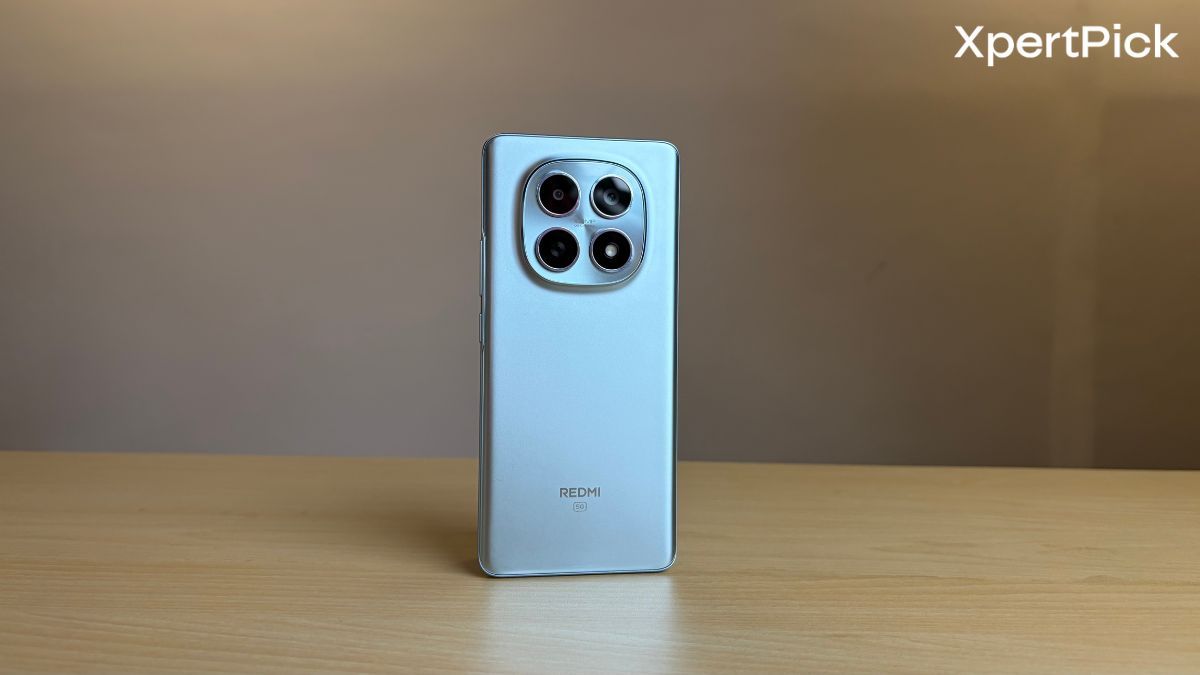
The Redmi Note 15 carries the only high-resolution camera sensor in this group, giving it the strongest imaging hardware here.
Why We Picked It
Redmi Note 15 Key Specifications
Redmi Note 15 XP Lab Test Data
-
Battery Life (PCMark): 17h 53min
-
Runtime per 1,000 mAh: 3h 14min
-
AnTuTu Overall Score: 834,308
-
Geekbench 6: 1,018 (Single-Core) | 2,964 (Multi-Core)
-
Geekbench GPU Score: 2,093
-
3DMark Wild Life Extreme: 861
-
3DMark Stress Test Stability: 99.5%
-
CPU Throttling Test Stability: 94%
-
Temperature After Stress Test: 36.6°C
-
BGMI Performance (Lowest Graphics): 58.2 FPS (Average) | 50.2 FPS (5% Low)
-
Minecraft Performance (Highest Graphics): 37 FPS (Average) | 19.7 FPS (5% Low)
Pros
The only 108MP main camera in this comparison, a usable ultrawide, excellent stress stability, and cool thermals.
Cons
Modest performance, a mid-pack battery for the capacity, and a dimmer display than the Edge 70 Fusion.
Who Should Buy It
Buyers who prioritise camera hardware and everyday reliability over raw performance.
Who Shouldn’t Buy It
Gamers and performance-focused buyers — faster phones sit at this price.
Expert Verdict: The camera pick under ₹30,000 on the strength of its 108MP sensor. Its performance is ordinary, but no other phone here offers this much imaging hardware.
iQOO Z11x — Best Battery & Charging Under ₹30k
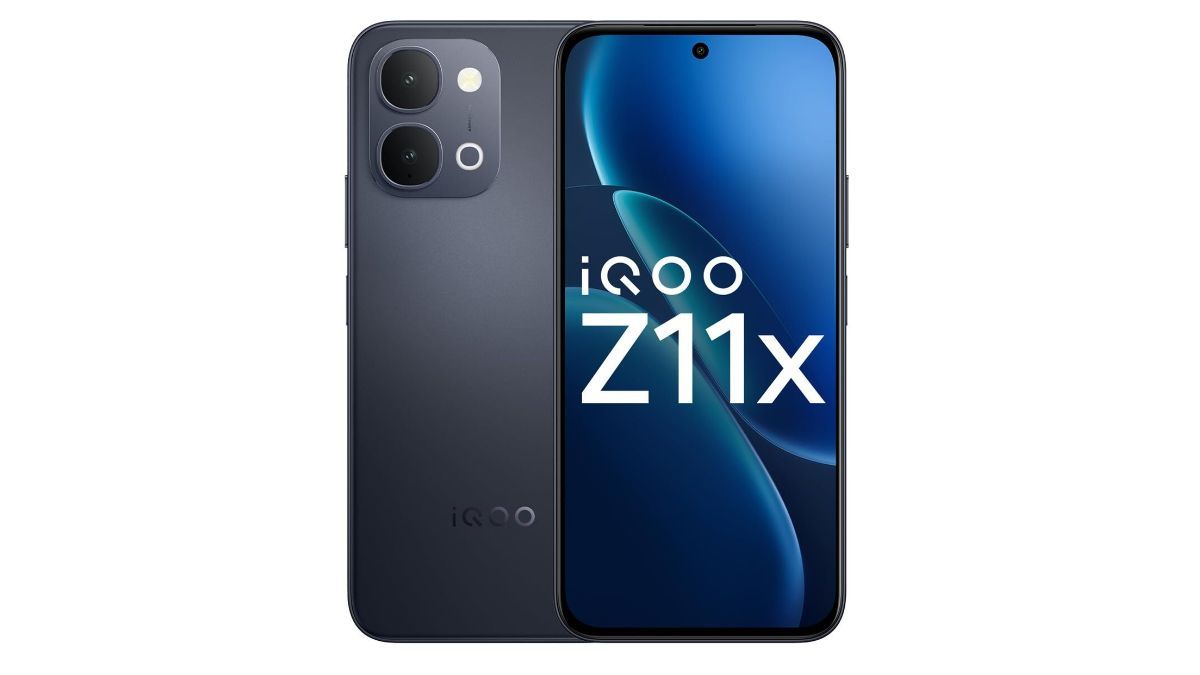
The Z11x is the endurance champion of this comparison, and it runs the coolest of any phone here.
Why We Picked It
iQOO Z11x Key Specifications
- Price: ₹24,999
- Processor: MediaTek Dimensity 7400 Turbo
- Display: 6.76-inch FHD+ (1080 × 2344) LCD, 120Hz refresh rate, 1,200 nits peak brightness
- Dimensions & Weight: 166.6 × 78.4 × 8.4 mm, 219g
- RAM: 6GB / 8GB LPDDR4X
- Storage: 128GB / 256GB UFS 3.1
- Battery: 7,200 mAh
- Charging: 44W Flash Charge
- Rear Camera: 50MP primary (Sony IMX852) + 2MP depth sensor
- Front Camera: 32MP
- IP Rating: IP68 / IP69
iQOO Z11x XP Lab Test Data
-
Battery Life (PCMark): 29h 51min
-
Runtime per 1,000 mAh: 4h 8min (based on a 7,200 mAh capacity)
-
AnTuTu Overall Score: 961,546
-
Geekbench 6: 1,063 (Single-Core) | 2,733 (Multi-Core)
-
Geekbench GPU Score: 3,055
-
3DMark Wild Life Extreme: 1,015
-
3DMark Stress Test Stability: 99.6%
-
CPU Throttling Test Stability: 94%
-
Temperature After Stress Test: 33.2°C
-
BGMI Performance (Lowest Graphics): 102 FPS (Average) | 57.4 FPS (5% Low)
-
Minecraft Performance (Highest Graphics): 31.5 FPS (Average) | 17.6 FPS (5% Low)
Pros
The longest battery life in this comparison, the best efficiency of any phone here, the coolest thermals and highest stability, and the strongest Genshin frame floor in the group.
Cons
Modest raw performance, the joint-dimmest display here, and slower 44W charging.
Who Should Buy It
Buyers whose top priority is battery endurance and cool, stable operation, at the lowest price here.
Who Shouldn’t Buy It
Gamers and anyone who wants a bright display.
Expert Verdict: The battery champion of this guide, and the coolest phone here. It gives up performance and brightness, but nothing at this price lasts as long.
Vivo T5x — Best Value-For-Money Under ₹30k

The T5x pairs near-class-leading battery life with solid performance and a strong selfie camera at a competitive price.
Why We Picked It
Vivo T5x Key Specifications
Vivo T5x XP Lab Test Data
Pros
Near-class-leading battery life, solid all-round performance, the best selfie camera in the group, and fast 90W charging.
Cons
An LCD display rather than AMOLED, a dim measured brightness, and no stress-test temperature recorded.
Who Should Buy It
Value-focused buyers who want long battery life, dependable performance and a strong selfie camera at a low price.
Who Shouldn’t Buy It
Buyers who want a bright AMOLED display — the Edge 70 Fusion leads there.
Expert Verdict: The value pick of this guide. Its LCD display is the one real compromise, but for the money it does more things well than anything else here.
OnePlus Nord CE6 Lite — Best For Clean Software & Updates Under ₹30k
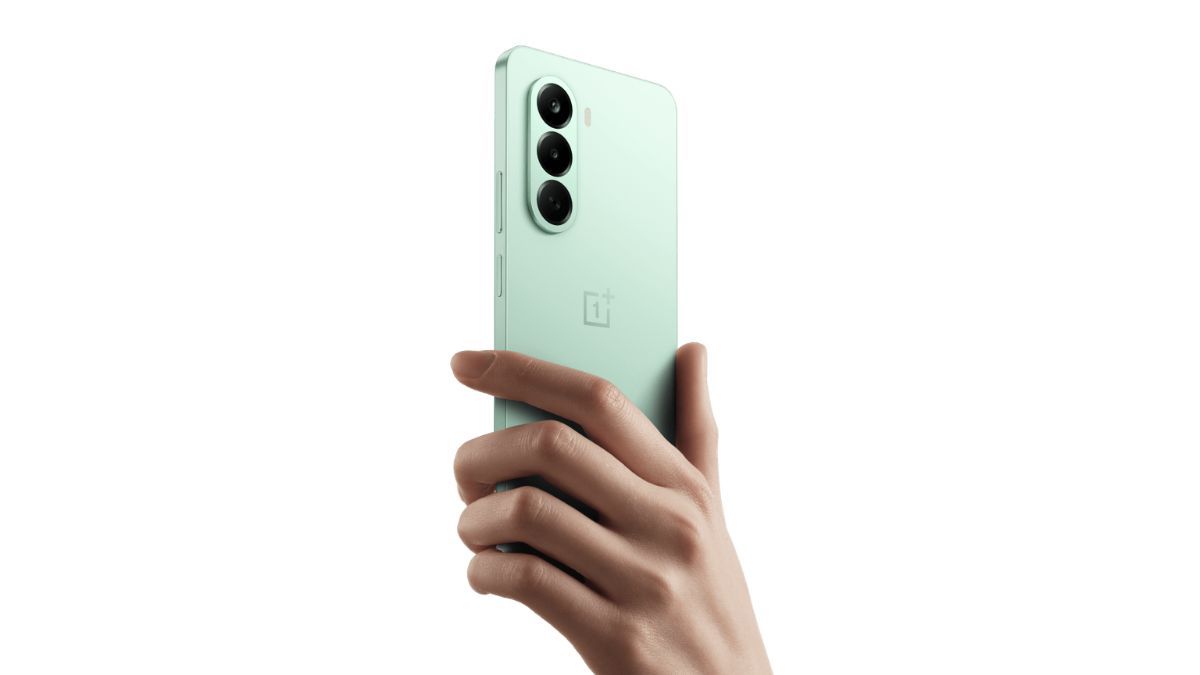
The Nord CE6 Lite pairs a clean OxygenOS experience with strong battery life and stable performance.
Why We Picked It
The Nord CE6 Lite takes the software award thanks to OxygenOS, which remains one of the cleanest Android skins available. It is fast, responsive and largely free of unnecessary pre-installed apps, while OnePlus also has a solid track record for software support.
It offers more than just good software, however. The phone recorded an AnTuTu score of 1,001,250, the second-highest in this comparison, delivered 24 hours in the PCMark battery test, and maintained an excellent 99.4% stability during the 3DMark stress test.
Its Geekbench AI results are particularly impressive. These tests measure real-world machine learning performance for tasks such as computational photography, AI-powered photo editing and other on-device AI features. While its GPU-based AI performance is fairly typical, recording a Half Precision GPU score of 790, its dedicated NPU is in a different league. It achieved an outstanding 5,535 in the Geekbench AI Quantised (NPU) test and 2,142 in the Half Precision (NPU) test, comfortably outperforming every other phone in this comparison.
The phone also delivered the highest Asphalt 9 5% low at 29.4fps, highlighting its consistent gaming performance in lighter titles.
Its weaknesses are a relatively dim 1,060-nit display and only modest performance in more demanding games under sustained load. Even so, for buyers who value a clean, fluid software experience alongside dependable battery life and class-leading on-device AI performance, the Nord CE6 Lite is the clear choice.
OnePlus Nord CE6 Lite Key Specifications
OnePlus Nord CE6 Lite XP Lab Test Data
Pros
Clean OxygenOS, strong 24-hour battery life, the second-highest AnTuTu here, and the best Asphalt 9 frame floor in the group.
Cons
A dim measured display, and modest gaming under heavy load.
Who Should Buy It
Buyers who value a clean, fluid software experience and dependable battery life over a bright screen.
Who Shouldn’t Buy It
Anyone who wants maximum battery (the Z11x), or a bright display (the Edge 70 Fusion).
Expert Verdict: The software pick under ₹30,000, with strong battery life alongside it. Its dim display is the main compromise.
Realme 16T
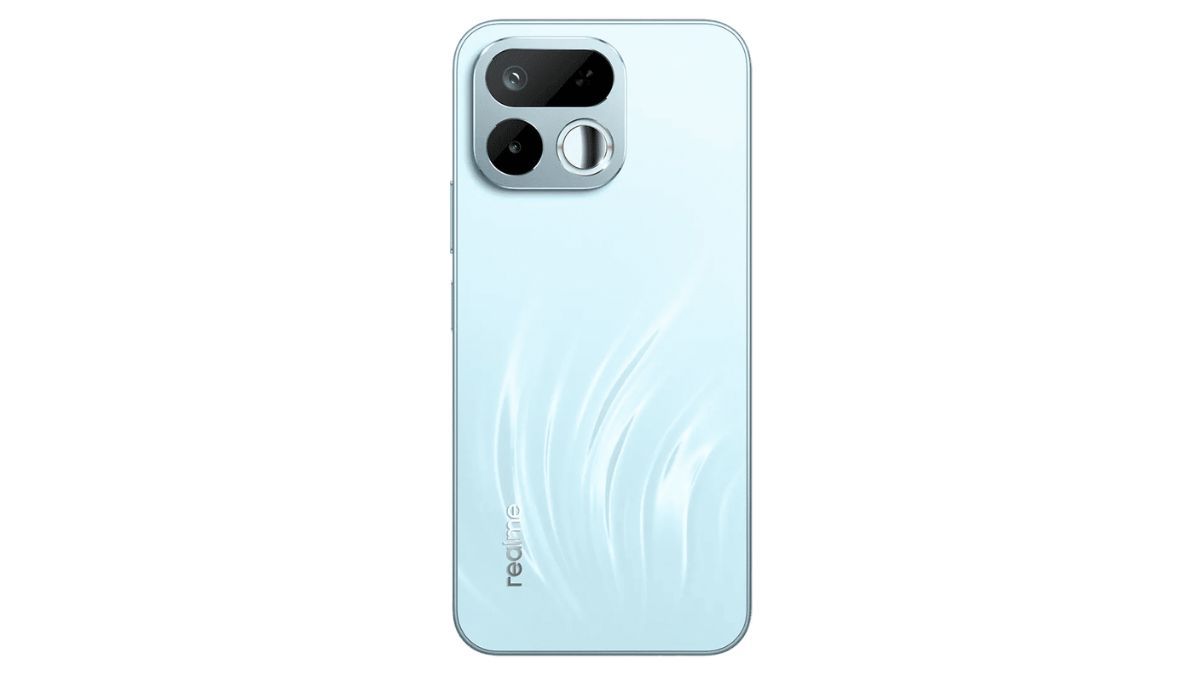
The Realme 16T is cool, bright and stable, but its weak performance and unplayable heavy-gaming keep it off the podium.
Why We Didn’t Pick It
The Realme 16T posted an AnTuTu score of 614,835 and a 3DMark Wild Life Extreme score of 386, placing it near the bottom of this comparison. That lacklustre performance is also reflected in its Geekbench AI results, which measure real-world machine learning performance for tasks such as computational photography, AI-powered photo editing and other on-device AI features. It recorded a Half Precision GPU score of 575, while its dedicated NPU delivered just 132 in the Geekbench AI Quantised (NPU) test, leaving it well behind rivals such as the Nord CE6 Lite and Vivo T5x.
The phone does have genuine strengths. It runs exceptionally cool, reaching just 33.2°C during stress testing while maintaining 99.2% stability. Its 21h 26min PCMark battery life is respectable, and its 1,820-nit display is one of the brightest in this comparison, second only to the Edge 70 Fusion.
Gaming performance, however, is its biggest weakness. Minecraft proved effectively unplayable during testing at around 8fps, while its Genshin Impact 5% low of 22.7fps confirms that the GPU struggles under sustained heavy workloads.
At ₹28,999, the Realme 16T is difficult to recommend. The cheaper Z11x delivers substantially better battery life, while the Edge 70 Fusion outclasses it across almost every other meaningful metric.
Realme 16T Key Specifications
Realme 16T XP Lab Test Data
Pros
Cool thermals, excellent stress stability, a bright 144Hz display, and solid battery life.
Cons
Weak performance, gaming that ranges from poor to unplayable, and a price above better-rounded rivals.
Who Should Buy It
Buyers who want a cool, bright, stable phone purely for everyday non-gaming use.
Who Shouldn’t Buy It
Gamers and anyone comparing it against the cheaper, longer-lasting Z11x.
Expert Verdict: A stable, bright phone undone by weak performance and unplayable heavy gaming. Better-rounded rivals make it hard to recommend at this price.
Oppo K14
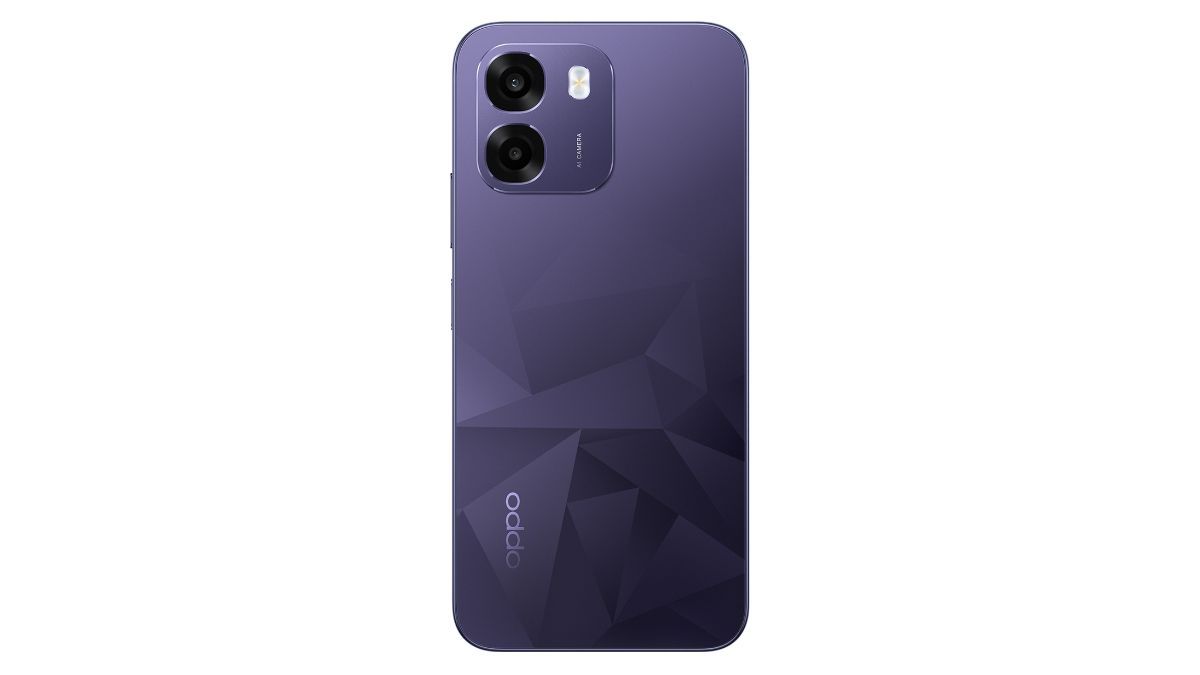
The Oppo K14 is stable and cool but sits near the bottom of this field, with incomplete lab data.
Why We Didn’t Pick It
The Oppo K14 posted an AnTuTu score of 613,106 and a 3DMark Wild Life Extreme score of 366, placing it near the bottom of this comparison. That modest synthetic performance is also reflected in its Geekbench AI results, which measure real-world machine learning performance for tasks such as computational photography, AI-powered photo editing and other on-device AI features. It recorded a Half Precision GPU score of 577, while its dedicated NPU managed just 210 in the Geekbench AI Quantised (NPU) test, leaving it well behind class leaders such as the Nord CE6 Lite and Vivo T5x.
The phone maintains its performance well, achieving 98.9% stability in the 3DMark stress test while peaking at a relatively cool 34.6°C. However, there is relatively little performance to sustain. Gaming proved to be a particular weakness, with its Asphalt 9 5% low dropping to just 4.9fps, while the Genshin Impact test crashed before a valid result could be recorded.
The PCMark battery test also failed repeatedly, preventing a directly comparable battery-life result. Oppo claims around 21 hours of video playback, but that measures a much lighter workload than PCMark and cannot be compared with the verified figures reported for the other phones in this guide.
Without a verified battery-life result and with underwhelming gaming performance, the Oppo K14 is difficult to recommend over the better-tested alternatives in this comparison.
Oppo K14 Key Specifications
Oppo K14 XP Lab Test Data
Pros
Cool thermals, stable performance under stress, and a large 7,000mAh battery.
Cons
Weak performance and gaming, a crashed Genshin run, and no verified PCMark battery runtime.
Who Should Buy It
Buyers who want a cool, stable phone for light everyday tasks and are not gaming.
Who Shouldn’t Buy It
Gamers and anyone who wants verified endurance — its battery test could not be completed in our labs.
Expert Verdict: A modest phone with incomplete lab data. Its stability is real, but weak gaming and an unverifiable battery result keep it off the recommended list.
OnePlus N6
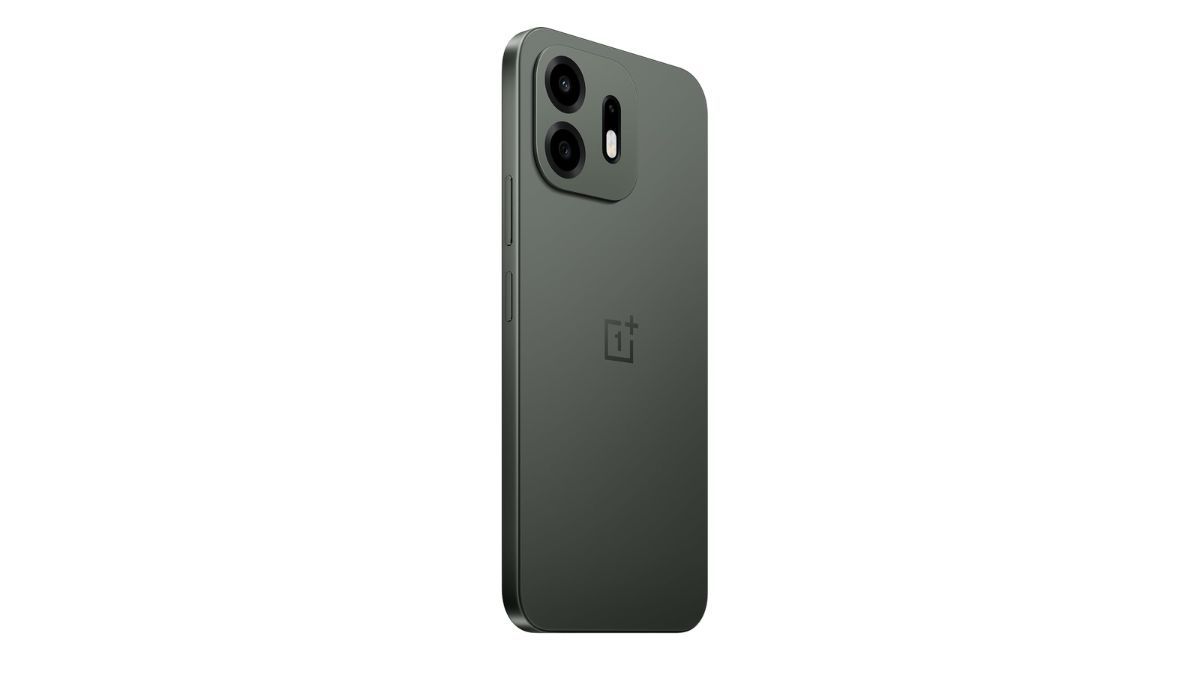
The OnePlus N6 is the cheapest phone here, but its weak performance and gaming keep it out of contention.
Why We Didn’t Pick It
The OnePlus N6 posted the lowest performance figures in this comparison, recording an AnTuTu score of 588,702 and a 3DMark Wild Life Extreme score of 360. Its Geekbench AI results tell a similar story. These tests measure real-world machine learning performance for tasks such as computational photography, AI-powered photo editing and other on-device AI features. The phone managed a Half Precision GPU score of 573, while its dedicated NPU scored just 139 in the Geekbench AI Quantised (NPU) test, placing it at the bottom of this comparison and well behind leaders such as the Nord CE6 Lite and Vivo T5x.
It does have a few positives. The phone remained cool during stress testing, reaching just 32.9°C while maintaining 98.4% stability. At ₹24,999, it is also among the least expensive devices in this comparison.
However, gaming performance quickly falls away under sustained load. Its Asphalt 9 5% low dropped to just 12.3fps, while the Minecraft test was affected by chunk-rendering issues that prevented smooth gameplay. Its display is another weak point, measuring only 820 nits, making it the dimmest panel in this guide.
The PCMark battery test failed during our standard testing procedure. A separate run recorded around 19h 17min, which is a respectable result, but it could not be verified using our standard methodology and is therefore not directly comparable with the other devices in this guide.
Although its low price gives it some budget appeal, the similarly priced Z11x offers significantly better battery life and a much more rounded overall experience.
OnePlus N6 Key Specifications
OnePlus N6 XP Lab Test Data
Pros
The lowest price here, cool thermals, and stable performance under stress.
Cons
The weakest performance and gaming in this comparison, the dimmest display here, and an unverified battery result.
Who Should Buy It
Budget buyers who want the cheapest phone here for light everyday use.
Who Shouldn’t Buy It
Anyone comparing it against the similarly priced Z11x, which offers far more battery and capability.
Expert Verdict: The cheapest phone here, but out-classed by the similarly priced Z11x on nearly every measure. Its budget price is the main draw.
Frequently Asked Questions (FAQs)
Which is the best phone under ₹30,000 overall?
The Motorola Edge 70 Fusion. It posted the highest performance, GPU and 3DMark scores in this comparison, has by far the brightest display at 1,850 nits, and runs clean near-stock software. Its only real weakness is heavy-gaming frame pacing.
Which phone under ₹30,000 has the best camera?
The Redmi Note 15, on the strength of its 108MP main sensor — the only high-resolution camera in this group, where nearly every rival runs a basic 50MP setup. It also has a usable ultrawide.
Which phone under ₹30,000 has the best battery life?
The iQOO Z11x, which recorded 29 hours 51 minutes on PCMark — the longest here — while also running the coolest of any phone in the group. The Vivo T5x is a very close second at 29h 37min.
Does a bigger battery always mean longer runtime?
Not reliably. The iQOO Z11x’s efficient chipset delivered nearly 30 hours from a modest cell, matching the larger-batteried Vivo T5x almost exactly. Chipset efficiency and software tuning matter as much as raw capacity at this price.
Which phone under ₹30,000 has the brightest display?
The Motorola Edge 70 Fusion, whose Extreme AMOLED measured 1,850 nits in our testing — far ahead of the 921-to-1,335-nit panels of its rivals.
Why Trust XpertPick
Every recommendation on this page comes from hands-on lab testing rather than manufacturer spec sheets or marketing claims. This comparison was built on retail units running shipping software.
Independent testing: All eight phones were tested in-house on retail units; no manufacturer-supplied performance data was used in the analysis.
Standardised conditions: Every device was tested at 28°C ambient, on the highest-specification variant available, using the same benchmark, stress, gaming and battery suites.
Layered methodology: Peak output, sustained load, logged real-world gaming and battery rundowns are measured for every phone, because at this price the same chipset behaves very differently across devices.
Transparent about data: Where results were anomalous, crashed, or came from a non-standard test, the data is flagged or withheld rather than presented as a clean comparable figure.