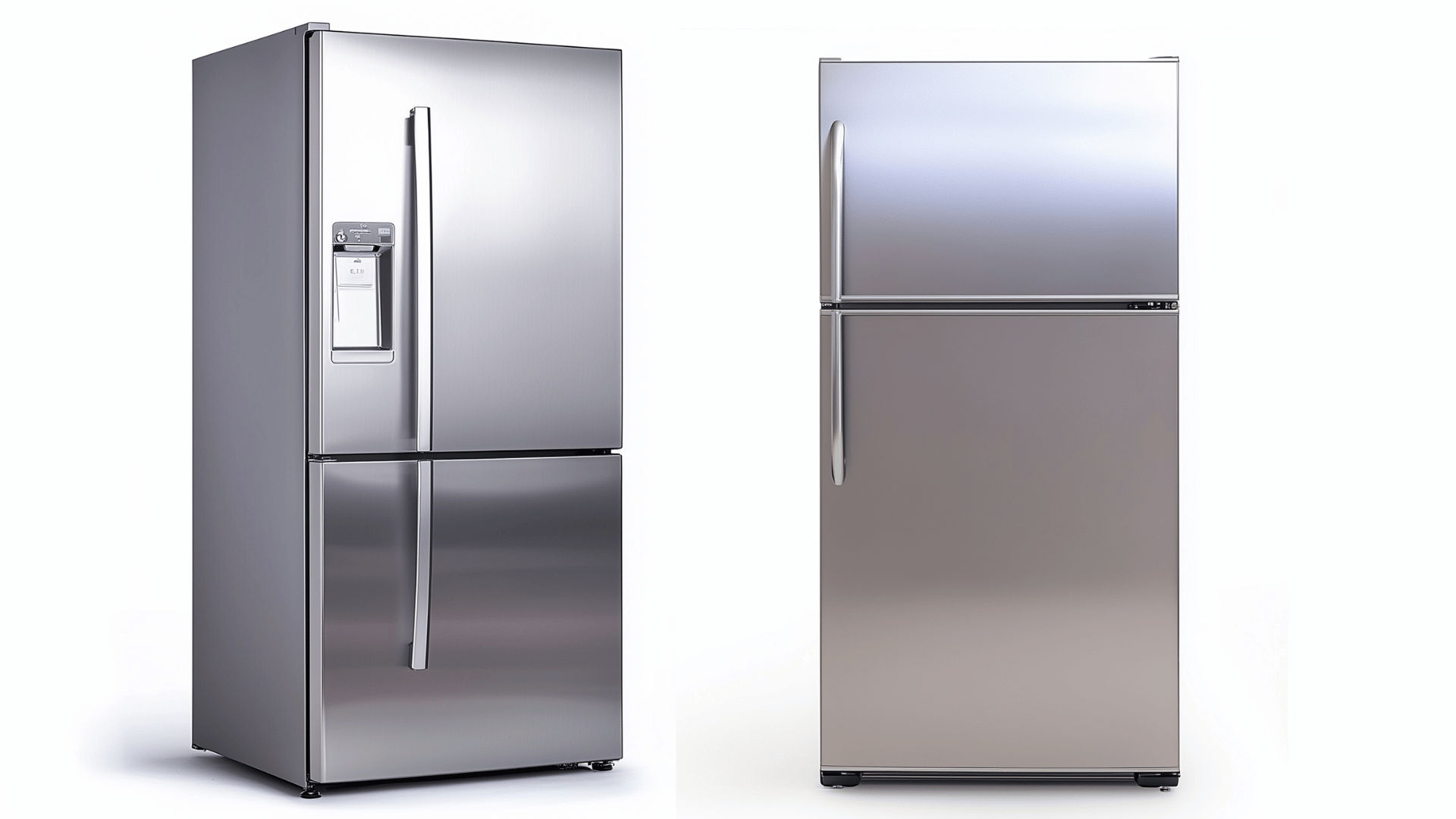
When you decide to buy a refrigerator, you would usually compare capacity, electricity rating, and brand. One factor that most of us ignore, but something that ends up affecting daily convenience far more than we think, is the placement of the freezer.
Should the freezer be on top, a layout with which we are most familiar? Or should it be at the bottom, a design that has become more common in premium and modern refrigerator ranges?
At face value, it looks like a small design decision. Still, over time, it changes how you use the appliance every day: whether you bend down repeatedly for vegetables and milk, whether frozen food is easier to access, and how naturally the fridge fits into your routine.
Why Top-Freezer Refrigerators Still Dominate
There is a reason why top-freezer refrigerators continue to be the most common in Indian homes. They are not only familiar but also widely available, and usually more affordable than newer layouts.
Many families use the freezer regularly for things like ice trays, frozen peas, desserts, meats, or long-storage items. That’s why keeping that section on top makes it easier to reach without bending. Plus, you get a simple open compartment that is easy to organise.
Then there’s also the price factor. Since top-freezer models are still the standard format in many segments, buyers usually get more choices across budgets. So, if you are looking for value and a layout that feels familiar, the top-freezer format still does a lot right.
What makes this category interesting is that bottom-freezer refrigerators are not actually new to India. Haier introduced bottom-mounted refrigerators in India back in 2026, the same year when the OG Devil Wears Prada was released. It positioned them around a simple idea, the refrigerator section is used much more often than the freezer, so why should users bend repeatedly to access vegetables, milk, or leftovers?
Today, two decades later, top-freezer models still dominate the market despite every major appliance brand now offering a bottom-freezer version. A large reason for this is pricing and portfolio size. If you check out refrigerator offerings from popular brands like LG, Samsung, Whirlpool, Godrej, and Haier today, majority of models continue to be top-freezer layouts.
Bottom-freezer refrigerators usually exist only in select premium ranges rather than across mass-market categories. Across popular brands like LG, Samsung, Whirlpool, Godrej, and Haier, bottom-freezer refrigerators still for a much smaller part of the overall portfolio when you compare it to top-freezer models.
Where Bottom-Freezer Models Feel Better in Daily Use
Bottom-freezer refrigerators, on the other hand, are built on a different idea- that most people open the fridge section more often than the freezer. In most homes, that’s also true.
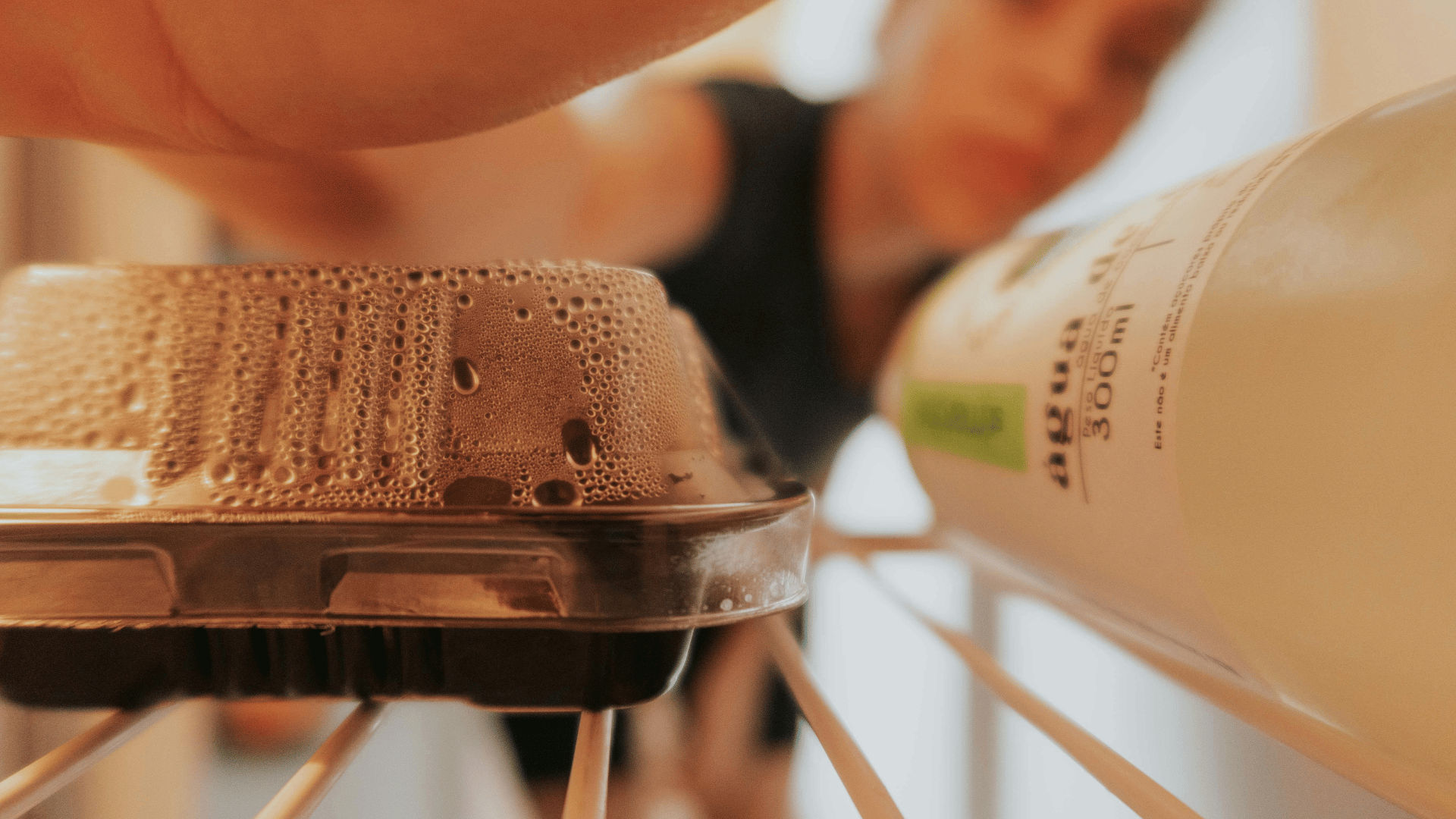
Things like milk, curd, vegetables, leftovers, fruits, water bottles, sauces, and things like these are accessed multiple times a day. Frozen storage, however, is only used once in a while.
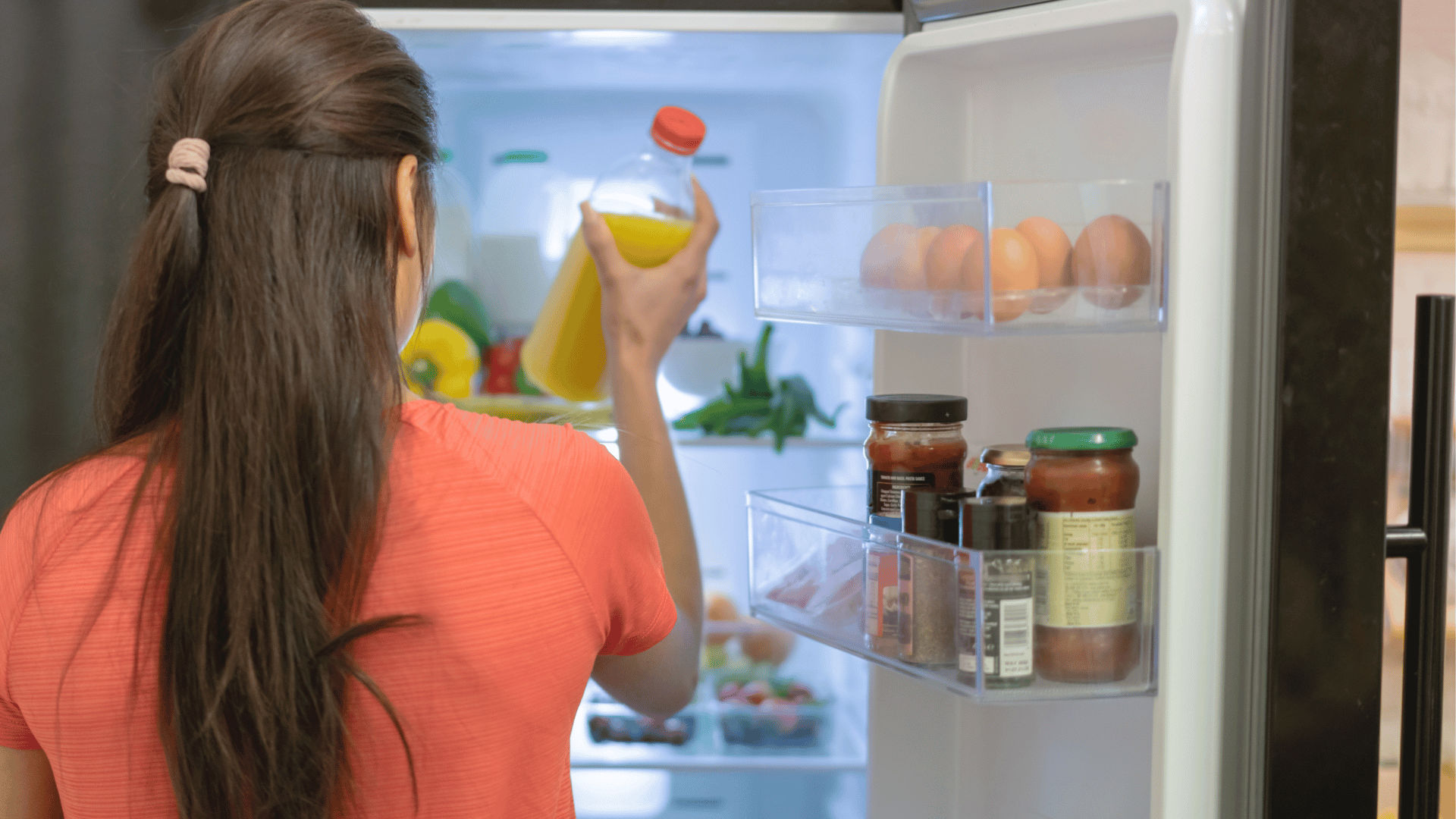
That’s why manufacturers decided to place the fresh-food section at eye level. This makes everyday access easier.
I used to have a top-freezer model, and then we switched to a bottom-freezer one, and trust me, it does make a difference. You don’t have to bend again and again to take out vegetables and other things; the shelves are easier to see, and food is less likely to get pushed back and forgotten. There are days, especially in winter, when the freezer section is not even opened once. So, in that sense, a bottom-freezer does make a lot of sense to me.
That said, Indian usage habits are one major reason why top-freezer models continue to remain popular. Unlike some Western markets where frozen storage may be used less frequently, most Indians access the freezer section regularly ice trays during summer, frozen snacks, ice cream, meat storage, frozen peas, or long-term food preservation. In that sense, the ergonomic advantage of bottom-freezer models does not feel equally important to every household.
Price and Market Reality
There’s also a money side to this conversation. As I mentioned earlier, top-freezer refrigerators are common in the Indian market, which means stronger competition, more capacity choices, and usually better prices. Bottom-freezer models are available, but they tend to sit in slightly more premium ranges.
That alone doesn’t make them better. It simply means you may be paying extra for convenience and design rather than just cooling performance. If you have that kind of money, then investing in convenience is a better deal, but if budget is a major factor, top-freezer options are still easier to justify.
The price gap becomes clearer when you compare refrigerators from the same brand and similar capabilities.
| Brand | Top-Freezer Model (Approx 330-350l) | Approx Price | Bottom-Freezer Equivalent | Approx Price |
| LG | 335L Double Door Frost-Free | Rs 38,000-Rs 48,000 | 335L Bottom Freezer | Typically Rs 50,000+ |
| Haier | 320-325L Double Door | Rs 32,000- Rs 39,000 | 320L Bottom Mount | Rs 31,600- Rs 51,600 |
| Samsung | 345L Double Door | Rs 40,000-Rs 46,000 | Bottom-Freezer/Bespoke Range | Rs 55,000+ |
| Whirlpool | 327L Double Door | Rs 30,000-Rs 37,000 | Limited bottom-freezer options | Premium segment |
In most cases, buyers have to pay about Rs 10,000- Rs 15,000 extra for layout convenience and premium positioning and not for dramatic jump in performance. Since India is a price-sensitive market, that difference in price naturally slows down mass adoption.
What Should Most Buyers Choose?
For a lot of Indian kitchens, the top-freezer refrigerator remains the safer all-around option. It is economical, practical, and works well for different household needs. Also, if you have a toddler at home, then it’s a “baby-proof” choice as well, as they won’t be able to reach the access points of the fridge easily.
However, for people who are upgrading their kitchen, looking for easier daily access to things, or tired of bending every time they need vegetables or milk, or if you have older people accessing the fridge frequently, then a button-freezer model can genuinely improve convenience. It is one of those changes that seems minor before buying, but noticeable after living with it.
The interesting thing to note is that bottom-freezer refrigerators are not struggling in India because the idea is bad. In fact, after using one, many people genuine find them more comfortable. The bigger issue is that for Indian users value, familiarity, and wider availability still matters more than a little bit of extra comfort. Top-freezer models are comparatively cheaper, more accessible, and more aligned with how most Indian households shop for appliances, that’s why they dominate.