
It is annoyingly hot outside, you check into your hotel room, and there’s immediate relief, the room feels cold and cosy. A few minutes in, you start feeling cold and decide to increase the temperature thinking that it might be set at 16 or 18°C. You walk up to the thermostat and are surprised to see the AC cooling so nicely at 24°C, the same temperature that doesn’t work well in your room back at home. I am sure this must have happened with you at least once.
See, comfort inside a room does not depend on just one factor, there are a bunch of things. Humidity, airflow, insulation, sunlight, room size, ceiling height, and the amount of heat being generated indoors, all of this impacts the cooling in your room. This is why two rooms set at 24°C can feel completely different.
Hotel Rooms Hold Cold Air Better
Every hotel room is designed keeping in mind their guest’s comfort, afterall that’s their bread and butter. If you notice carefully, you will see that they are specifically designed to minimise the heat entering the room.
Most hotel rooms have thick blackout curtains that don’t let sunlight enter the space. Windows are kept sealed shut and most doors are heavier than the ones we have at home. Many modern hotels also use better insulation and glazing to reduce heat transfer from outside.
All of this lets the AC do its job better. Once the room reaches a comfortable temperature, it does not have to fight with fresh heat coming in every few minutes.
That isn’t always true in our homes. Doors are opened frequently, sunlight enters through windows for large parts of the day, balconies are used regularly, and rooms are connected to other parts of the house where temperatures may be higher.
Even right now, while I am writing this, the AC in my room is set at 24°C, the door is closed, and the room feels comfortable. However, my room is right next to the kitchen and a few minutes back when my mom came in and opened the door, all of that heat came in and the room felt hot again. That’s what our ACs at home have to deal with.
Our Rooms Generate a Lot of Heat
While outdoor weather is a major contributor, it isn’t the only thing that affects your ACs performance. There are a lot of things in our rooms that generate heat that we don’t even factor in.
TVs, laptops, gaming consoles, routers, chargers, lights, people inside the room, all of this is generating heat. In technical terms, it is called thermal load. If your room receives direct sunlight on the walls, windows, or curtains, this thermal load increases further. More so, if there’s a balcony attached too.

This makes the AC work harder before it can reach and maintain a comfortable temperature, with ” maintain being the keyword here.
Hotel rooms, however, don’t have to deal with all of this. There are fewer appliances running continuously, fewer people moving in and out, and generally fewer sources of heat that the AC has to deal with.
Humidity is a Big Factor
A room at 24°C in Bengaluru can feel very different from a room at 24°C in Mumbai during the monsoon. Why? Humidity.
Let’s talk a bit about science now. High humidity slows down the body’s natural cooling process because sweat doesn’t evaporate that easily. As a result, to you the room feels warmer, despite what the remote says.
In hotels, humidity levels are better controlled because they remain closed for long periods and the AC runs more consistently.
Hotel Rooms Don’t Need Extreme AC Settings
AC professionals often say that a well-designed room doesn’t need extremely low AC temperatures to feel comfortable. That’s why your hotel room ACs work better, they are designed more cautiously, someone was paid to literally think of all of this.
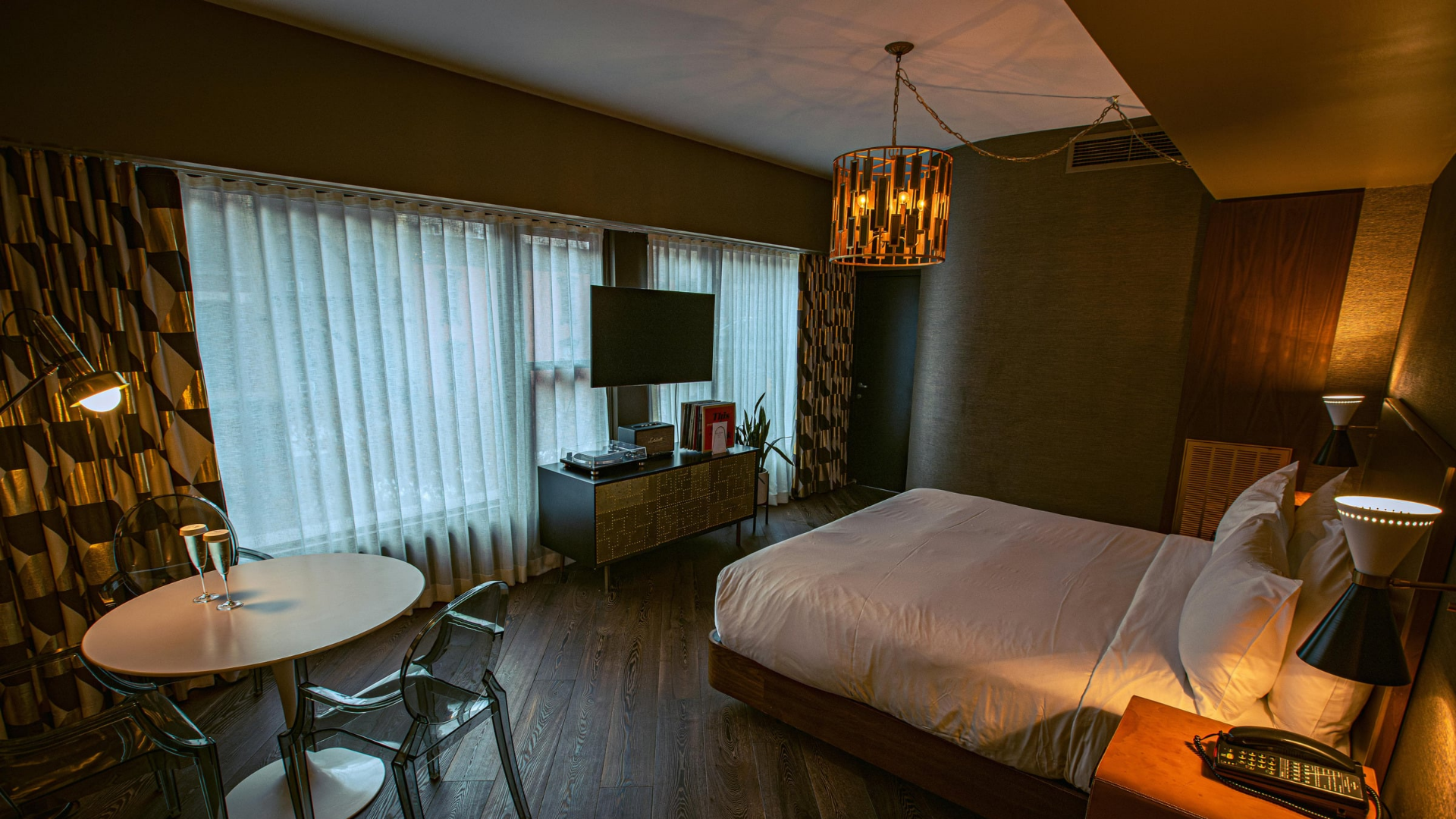
For an AC to work efficiently at 24°C, it needs controlled sunlight entry, low humidity, unrestricted airflow, and heat gain to be minimized. That isn’t always true in our Indian homes, and that’s why sometimes lowering the temperature from 24°C to 20°C at home still doesn’t give us the same comfort experience as that of hotels.
Can You Recreate Hotel-Like Cooling At Home?
See, it might not be practically and monetarily possible to replicate every aspect of a hotel room. It is a hotel’s “job” to create a space like that, sometimes we can’t get that in our homes. Sure, if you’re building a new home from scratch then you can factor those things in.
However, there are certain low-effort things that you can do to get a similar experience. Firstly, try reducing sunlight through curtains or blinds. A room at home had an empty window, which was basically for a window AC but since we got a split AC installed it remained unused and just a window with a glass but a lot of sunlight entered the room through it. I decided to put a black chart paper to cover all of that, trust me the AC started working a lot better.
Also, keep the doors closed as much as possible while the AC is running, clean the filters properly, improve insulation wherever possible, and try to control the indoor humidity. That should do.