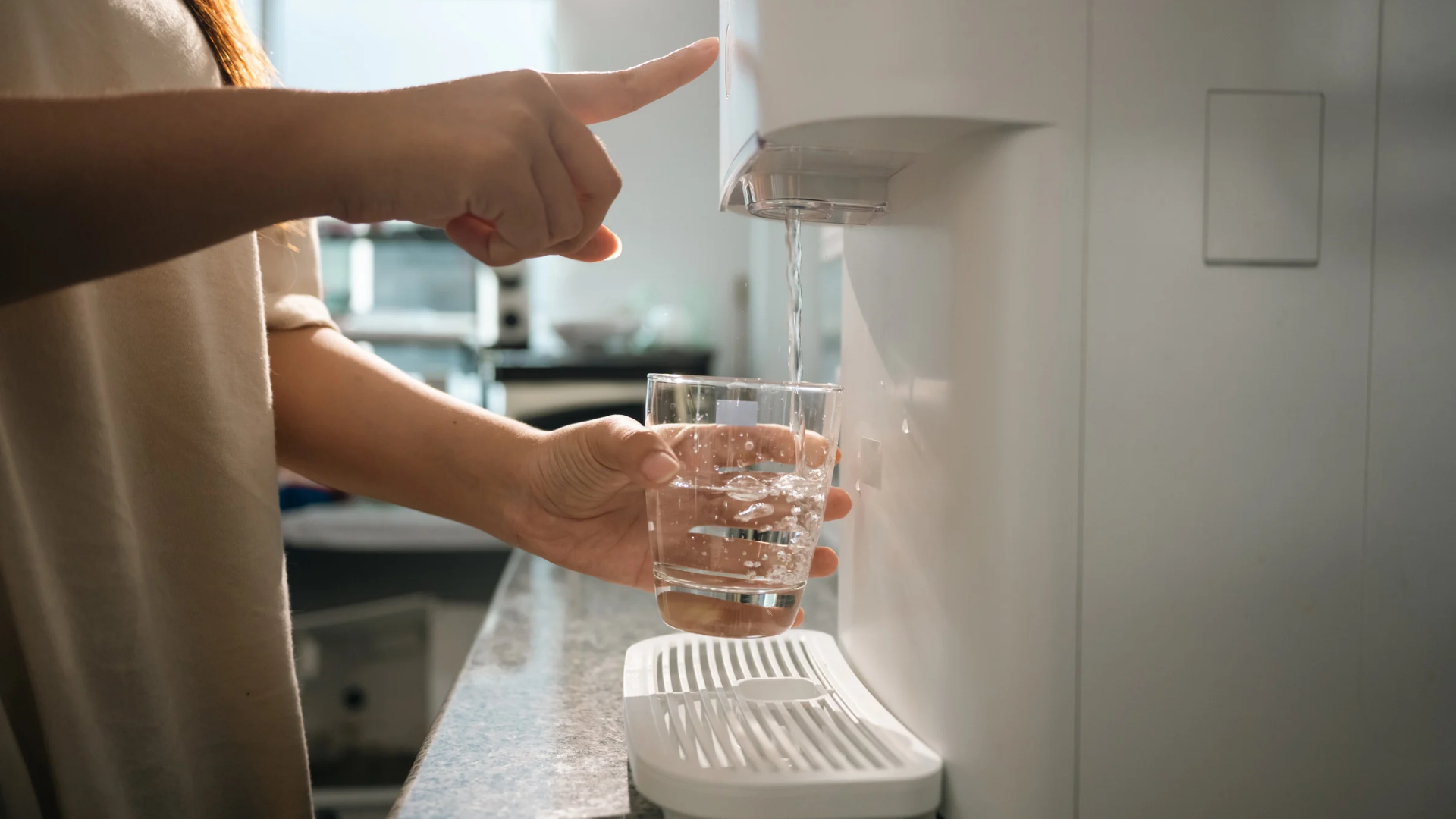
You got an RO purifier, get its filters changed periodically, and you think you have been doing a good job maintaining it. Sorry to break your bubble my friend, but that’s only work half done. You get reminded of filter replacements through app notifications, service calls, and blinking indicators on the machine itself. So, you think taking care of that is enough.
Try answering this: When was the last time you cleaned the storage tank? I am sure you might not have a solid answer to that. Don’t worry, you’re not alone; the majority of people don’t know that this storage tank also needs regular cleaning.
A lot of people even think that since the water entering this tank is already purified, it’s overall clean. Well, that’s not true; the clean water sits in that storage tank for hours, and sometimes even days. So, for your health, it is important that it is cleaned from time to time.
We Pay Attention to What We Can See
If your refrigerator gets dirty, you can see it. If your washing machine develops mould around the gasket, you can see it. The inside of an RO storage tank, however, remains completely out of sight, and that’s why a lot of people forget about it. Out of sight, out of mind.
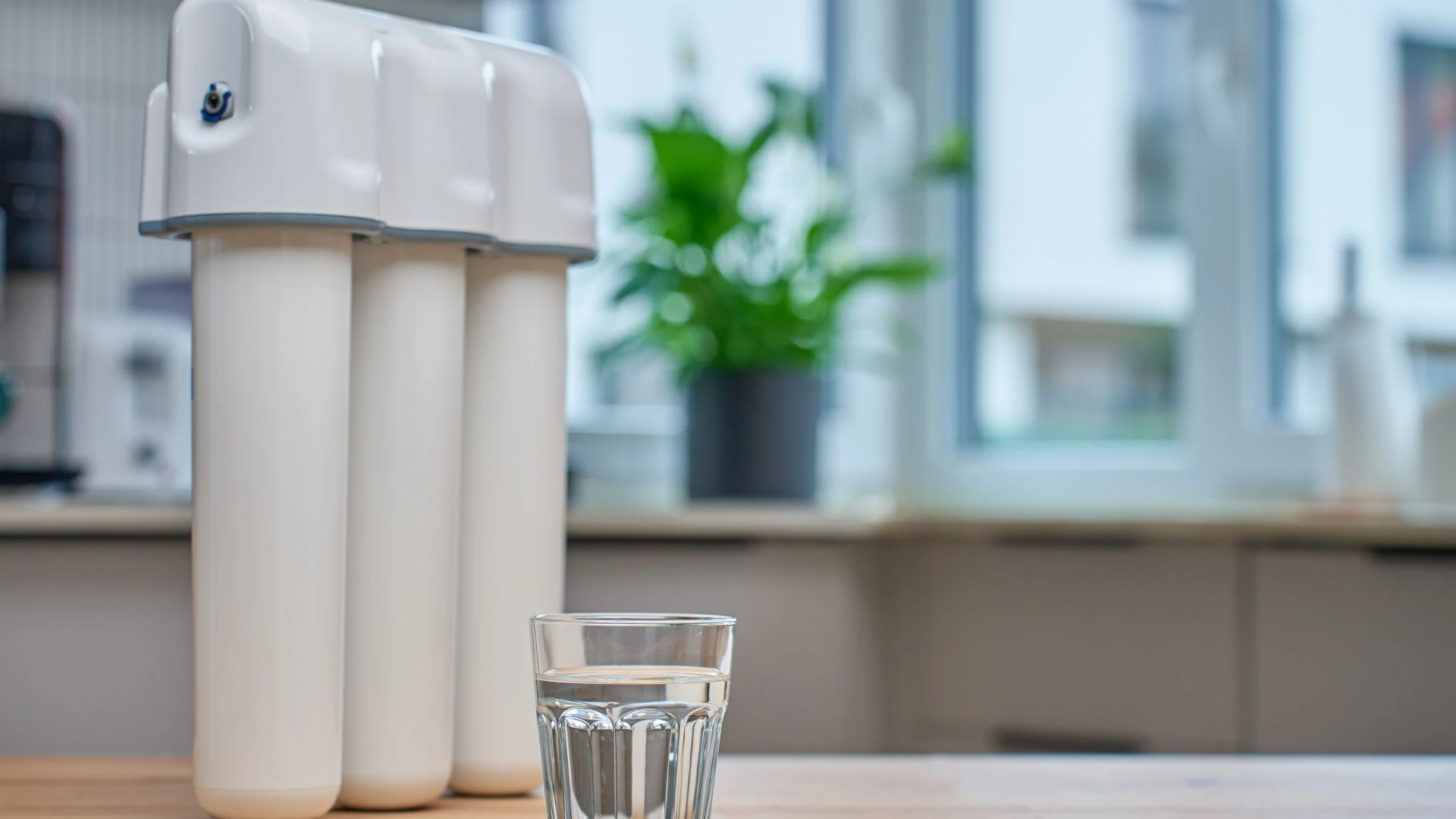
Most of the time the tank only gets cleaned when there’s a strange smell, a change in taste, or during a routine service visit when a technician points it out.
How to Clean the Storage Tank
First things first, make sure to switch off the purifier and pull the plug out from the socket.
Then, empty the tank completely. Depending on your purifier model, this may involve dispensing all the stored water or using a dedicated drain valve if there’s one. You can use this water to water your plants or mopping the house, here are some ideas.
Since you’re drinking the water straight out of this tank, you can’t just use any cleaner to clean the RO’s storage tank. Different purifier brands use different storage tank materials and designs, so the safest approach is always to follow the cleaning process recommended by the manufacturer.
If you can’t find that, most storage tanks can be cleaned using clean water and a soft microfiber cloth. If you can access the inside of the tank, then wipe the accessible surfaces and remove any visible residue. Avoid using steel scrubbers, harsh chemicals, bathroom cleaners, or strong disinfectants because any residue left behind can eventually mix with your drinking water and enter your body, and we don’t want that.
The best way is to call a technician home, and get a proper servicing done because they have professional equipment to reach the spots we can’t.
Once you’re done cleaning, rinse the tank thoroughly with fresh water. Then fill it up again and discard the first batch of water before using the purifier normally. This helps dispose of any remaining residue and ensures that the water you’re drinking is completely fresh.
A Filter Change Is Not the Same Thing
Most people assume that every time they get the filter changed, the tank is getting cleaned too. That isn’t true.
A lot of technicians just check the filters and make sure that your purifier is working properly. Unless you ask them specifically, chances are they will ignore the storage tank.
How Often Should You Clean It?
If you have a moderate purifier usage, cleaning the storage tank once a month is good enough, but if your family consumes less water and purified water remains stored inside the tank for longer periods, cleaning it a little more frequently is a good idea.
The water that you drink spends some time in the tank before reaching your glass/bottles. So, while you’re keeping an eye on filter replacements, don’t forget about the tank and dispenser too. They need some attention as well.
The Dispenser Needs to be Cleaned Too
While we are talking about the tank, let’s not forget the dispenser tap either. Throughout the day, you fill water bottles, glasses, etc with water through this dispenser. It is one of the most touched parts of the purifier, yet it isn’t cleaned properly.
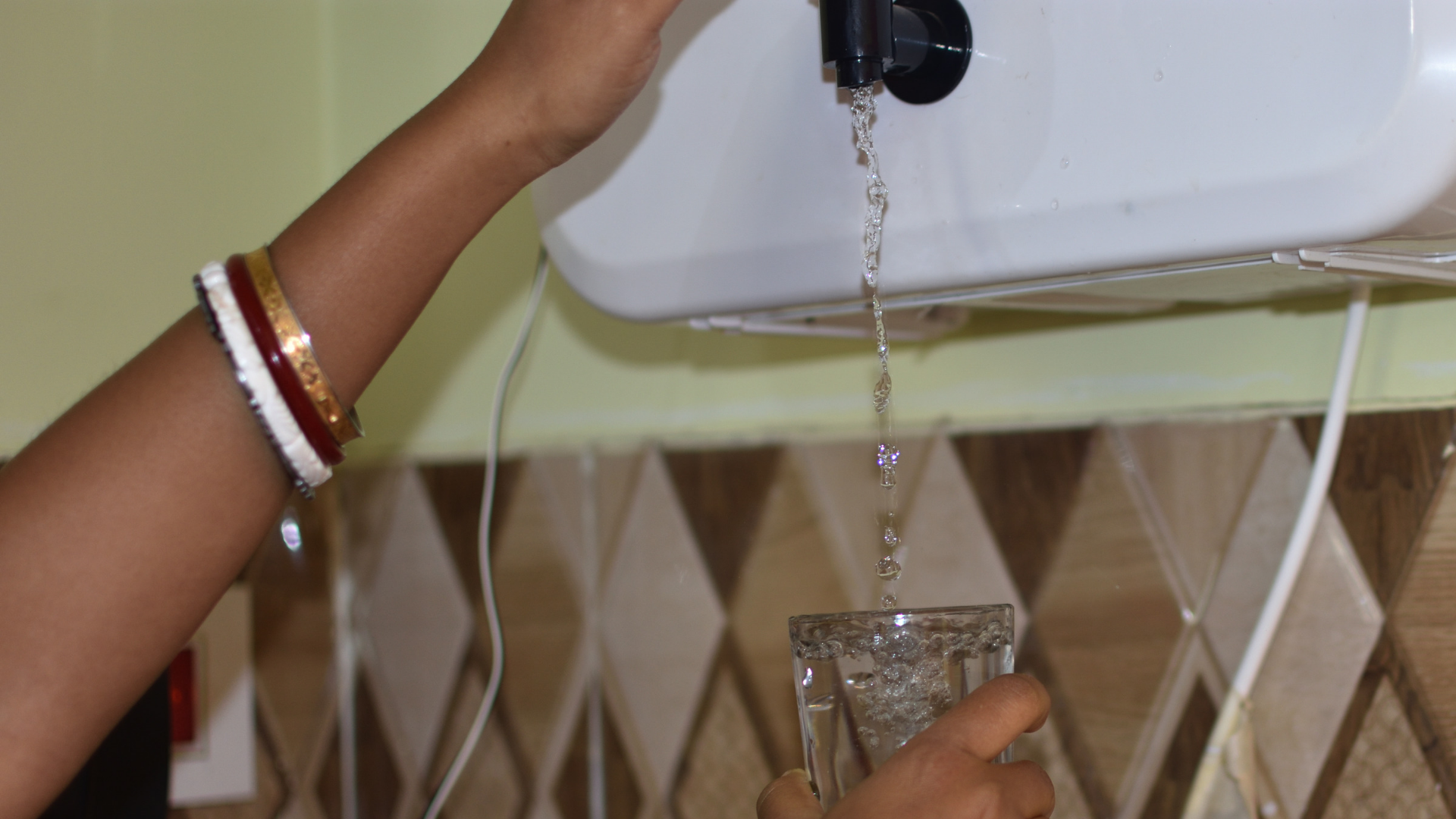
Since it is exposed, over time, dust, grime, and moisture gets accumulated around the nozzle. That’s why it is important to regularly clean this dispenser, I would recommend wiping it with a clean cloth and a dishwash gel almost every day. Just make sure nothing goes inside the nozzle.