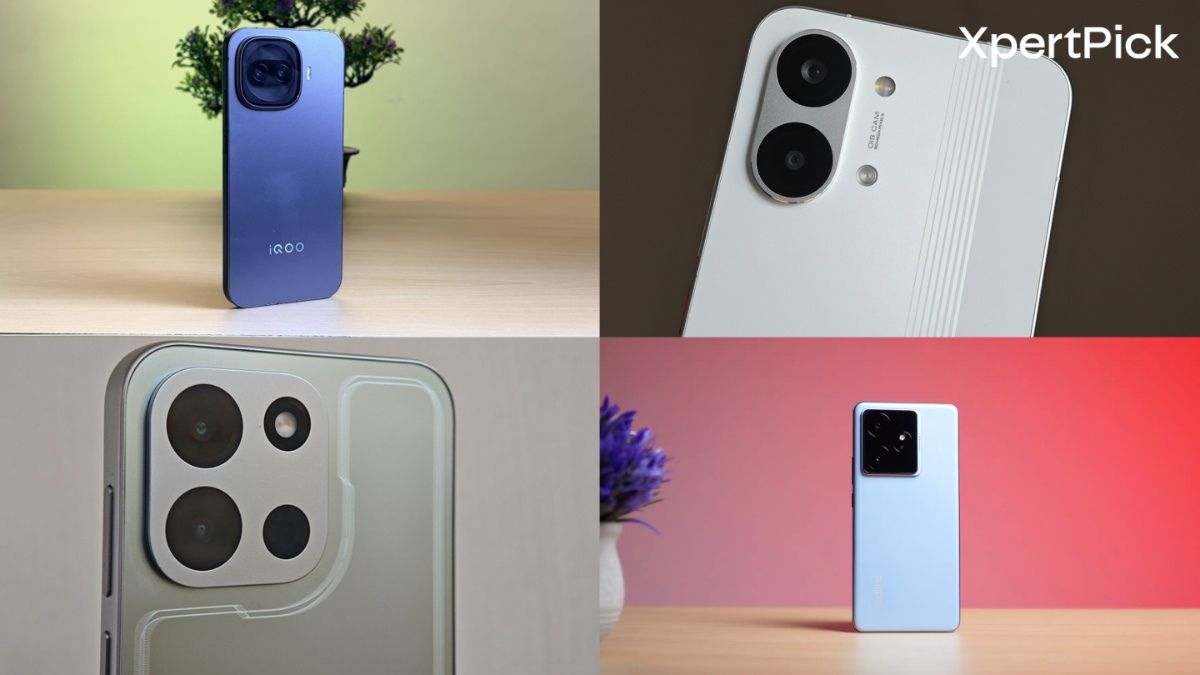
This comparison of smartphones under Rs 50,000 is specifically designed for those looking for the best gaming device within that price range. To cut through the marketing noise, our guide tests some of the most popular models through a variety of performance, thermal, and gaming metrics.
I put seven popular smartphones priced under ₹50,000 through a comprehensive series of tests: the POCO X8 Pro Max, OnePlus Nord 6, iQOO 15R, Realme GT 7, Nothing Phone 3, Moto Edge 70 Pro Plus, and the Samsung Galaxy A57. Each device was evaluated using synthetic benchmarks, sustained stress tests, gaming workloads, and battery endurance measurements to assess how they perform in real-world scenarios.
Recommendations for the Best Gaming Phones Under Rs. 50,000
| Category | My Pick | Price | Why We Picked It |
| Best Overall Gaming | POCO X8 Pro Max | ₹44,999 | Pairs the explosive Dimensity 9500s chipset with a monumental 9,000 mAh silicon-carbon cell to deliver flawless, micro-stutter-free frame pacing in heavy titles like Genshin Impact. |
| Best Chipset for High-FPS (BGMI) | OnePlus Nord 6 | ₹42,999 | Leverages the Snapdragon 8s Gen 4 and frame interpolation on a 165Hz display to push an unrelenting 159.1 FPS in BGMI, backed by a massive 9,000 mAh battery. |
| Best High-Refresh Display | Moto Edge 70 Pro Plus | ₹45,999 | Delivers a spectacular, ultra-fluid display architecture that ensures flawless motion clarity, deep contrasts, and immediate touch response during high-speed competitive matches. |
| Best Cooling / Sustained Performance | Nothing Phone 3 | ₹41,999 | Focuses on exceptional thermal discipline and sustained efficiency, maintaining rock-solid frame rates during marathon sessions without uncomfortable chassis heat or aggressive throttling. |
| Best Battery for Long Sessions | iQOO 15R | ₹46,999 | Acts as an unkillable endurance champion, utilizing aggressive thermal conservation to stretch its colossal 7,600 mAh cell to a record-breaking 26 hours and 40 minutes of runtime. |
| Best Value Gaming Pick | Realme GT 7 | ₹41,999 | Disrupts the mid-premium segment by offering a flagship-tier Dimensity 9400e processor alongside a massive 16GB RAM and 512GB storage layout at an unbeatable entry price. |
Gaming Benchmark Comparison Table and Test Results
| Specification / Metric | POCO X8 Pro Max | OnePlus Nord 6 | Moto Edge 70 Pro Plus | Nothing Phone 3 | iQOO 15R | Realme GT 7 |
| Category Winner | Best overall gaming 🏆 | Best chipset for high-FPS 🏆 | Best high-refresh display 🏆 | Best cooling / sustained 🏆 | Best battery 🏆 | Best value gaming pick 🏆 |
| AnTuTu Overall | 2,801,896 🏆 | 2,400,978 | 2,202,060 | 929,009 | 2,355,785 | 2,540,823 |
| Geekbench (Single/Multi) | 2,650 / 8,458 | 2,114 / 6,765 | 1,706 / 6,786 | 1,009 / 2,986 | 2,803 / 8,943 🏆 | 2,250 / 7,284 |
| CPU Throttling Stability | 77% | 82% | 75% | 94% 🏆 | 28% | 72% |
| 3DMark Stress Stability | 60.0% | 52.5% | 47.9% | 99.6% 🏆 | 85.5% | 37.4% |
| Peak Stress Temperature | 37.8°C | 47.3°C | 35.6°C | 32.4°C 🏆 | N/A | 44.5°C |
| BGMI (Avg / 5% Low FPS) | 118.6 / 112.9 | 159.1 / 147.9 🏆 | 116.2 / 96.1 | 93.1 / 56.5 | 89.7 / 81.8 | 105.0 / 97.9 |
To ensure the comparison remains highly targeted, the main breakdown highlights only the six premium handsets that secured a distinct recommendation during lab testing. While seven mid-range smartphones were thoroughly evaluated in total, these specific models excelled in their respective testing categories and represent the optimal choices for most buyers. The standalone performance metrics and detailed assessment for the Samsung Galaxy A57 are discussed independently in the individual analysis section further down.
How I Tested These Smartphones
Experience has taught me that gaming performance is arguably the easiest metric to manipulate on a smartphone specification sheet. A device can effortlessly post massive synthetic benchmarks and boast high refresh rates on paper, yet drop frames and stutter the moment internal temperatures rise during actual gameplay. What matters to a gamer is not how fast a phone runs for the first three minutes, but how reliably it maintains that performance an hour into a intense session.
For this deep dive, I looked past the initial peak numbers to focus heavily on the variables that define real-world usage: frame rate pacing, thermal behaviour, and sustained graphical outputs. My goal was to separate marketing hyperbole from genuine performance retention, exposing how these chipsets cope when pushed to their absolute limits over extended periods. In multiple instances, the final data completely upended what the on-paper specifications promised.
-
Environmental Control & Setup: All evaluations were conducted using standard retail units running final consumer software in a temperature-controlled room held at an ambient 28°C. To ensure a level playing field, 12GB RAM variants were utilised wherever available, and no manufacturer-provided laboratory data was used.
-
Peak Power Benchmarks: Industry-standard tools AnTuTu v10 and Geekbench 6 were deployed to establish the absolute performance ceiling of each system’s CPU and GPU under ideal, short-burst conditions.
-
Sustained Load Stress Tests: To gauge thermal throttling, each device was subjected to a punishing 20-loop run of the 3DMark Wild Life Extreme Stress Test, alongside a rigorous 15-minute dedicated CPU throttling sequence. These tests pinpoint exactly how much power is sacrificed as heat builds up.
-
Real-World Gaming Simulation: Intensive titles like BGMI and Minecraft were utilised for active gameplay evaluations. Beyond recording average frame rates, I tracked 5% low FPS metrics to accurately quantify micro-stutters and sudden performance hitches during heavy combat or asset rendering.
-
Battery Longevity Profiles: Rather than relying on simple, unrealistic video loop tests, battery depletion was measured using PCMark Work 3.0. This simulates a continuous, realistic mix of real-world processing tasks to accurately reflect genuine daily gaming endurance.
Fully updated for June 2026 with the latest regional retail pricing, software optimisations, and newly launched devices available at the time of writing.
POCO X8 Pro Max – Best Overall Gaming Smartphone Under ₹50K
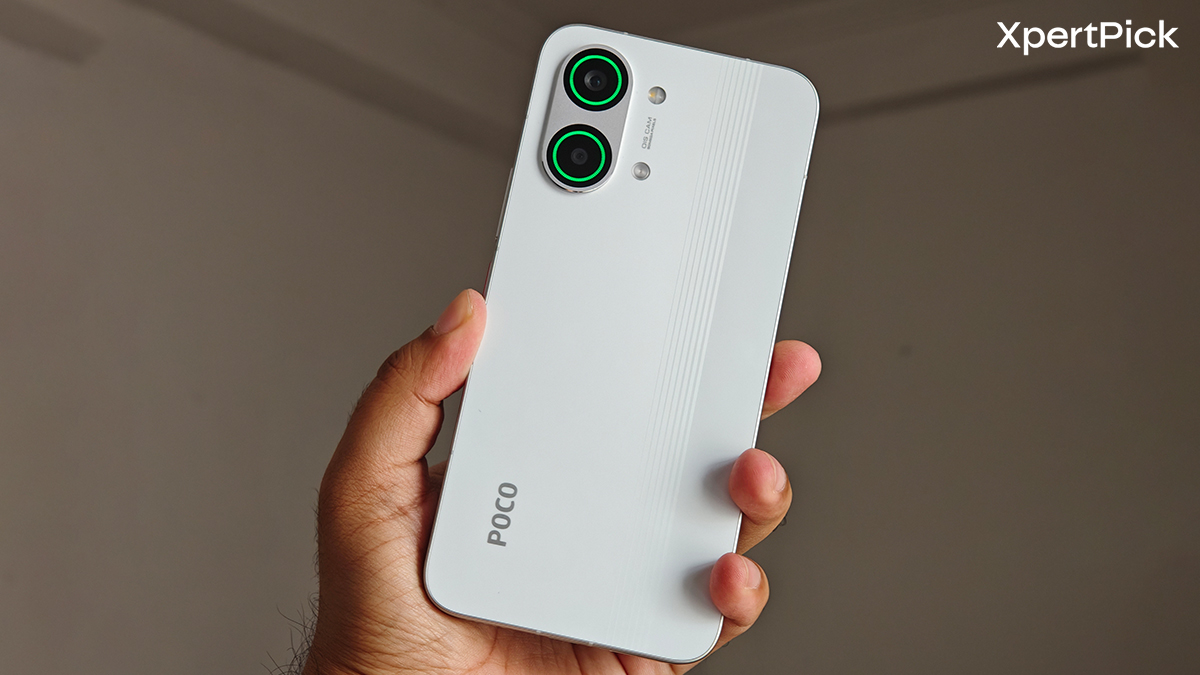
The POCO X8 Pro Max sets the benchmark for gaming under ₹50,000. Its flagship-grade hardware, massive battery, and consistently smooth gaming performance make it our top overall recommendation in this price segment.
Why We Picked It
For users who prioritise gaming performance above all else, the POCO X8 Pro Max is the standout performer in this comparison. During my testing, it delivered the strongest overall gaming experience, backed by an AnTuTu score of 2,801,896. More importantly, the phone maintained its performance consistently during extended gaming sessions. In Genshin Impact running at High settings, I recorded an average frame rate of 60.1 FPS with an excellent 58.7 FPS 5% low, resulting in smooth gameplay with very few noticeable frame drops. The device also maintained an average of 118.6 FPS in BGMI, making it well suited to high-refresh-rate gaming.
Thermal performance was equally impressive. The phone reached a peak temperature of just 37.8°C during stress testing, remaining relatively cool despite its high performance. Although it achieved 60% stability in the 3DMark stress test, its peak graphics performance is sufficiently high that its sustained performance remains ahead of many competing smartphones in this price segment.
POCO X8 Pro Max Key Specifications
• Starting Price: ₹44,999
• Processor: MediaTek Dimensity 9500s
• Display: 6.83-inch AMOLED (144Hz)
• RAM: 12GB
• Storage: 256GB UFS 4.0
• Battery: 9,000mAh Silicon-Carbon
• Charging: Fast Wired Charging
• Camera: Main: 50MP, Ultra Wide: 8MP, Selfie: 20MP
• Durability: IP68 Dust & Water Resistant
POCO X8 Pro Max XP Lab Data
• AnTuTu Overall Score: 2,801,896
• Geekbench 6: 2,650 (Single-Core) / 8,458 (Multi-Core)
• Geekbench GPU Score: 19,544
• 3DMark Wild Life Extreme: 6,168
• 3DMark Stress Test Stability: 60.0%
• CPU Throttling Test Stability: 77%
• BGMI Performance: 118.6 Average FPS / 112.9 5% Low FPS
• Genshin Impact Performance: 60.1 Average FPS / 58.7 5% Low FPS (Most Stable)
• Minecraft Performance: 59.8 Average FPS / 52.5 5% Low FPS
POCO X8 PRO Pros & Cons
-
Pros: Unrivaled peak GPU compute capabilities, flawless frame pacing in Genshin Impact with minimal micro-stutters.
-
Cons: 3DMark graphical stability drops to 60%, which is relatively quite low compared to the top performer in this case, i.e. the iQOO 15R, under prolonged thermal stress.
Who Should Buy It
The POCO X8 Pro Max is ideal for gamers who want flagship-level performance without spending flagship money. Its powerful chipset, large 9,000 mAh battery, excellent thermal management, and smooth gaming performance make it a great choice for extended gaming sessions and demanding workloads.
Who Shouldn’t Buy It
If sustained benchmark stability is your main priority, there are better options. While real-world gaming performance remains excellent, graphics performance drops during prolonged stress tests. Buyers looking for a lighter phone or a stronger camera-focused experience should also consider alternatives.
Expert Verdict: The POCO X8 Pro Max delivers one of the most complete gaming experiences available under ₹50,000. Its flagship-grade chipset, massive battery, and excellent thermal management translate into consistently smooth real-world gaming. Although it throttles under extended synthetic workloads, it remains one of the easiest recommendations for buyers seeking the best gaming phone in this price segment.
OnePlus Nord 6 – Best Chipset for High-FPS BGMI Gaming Under ₹50K
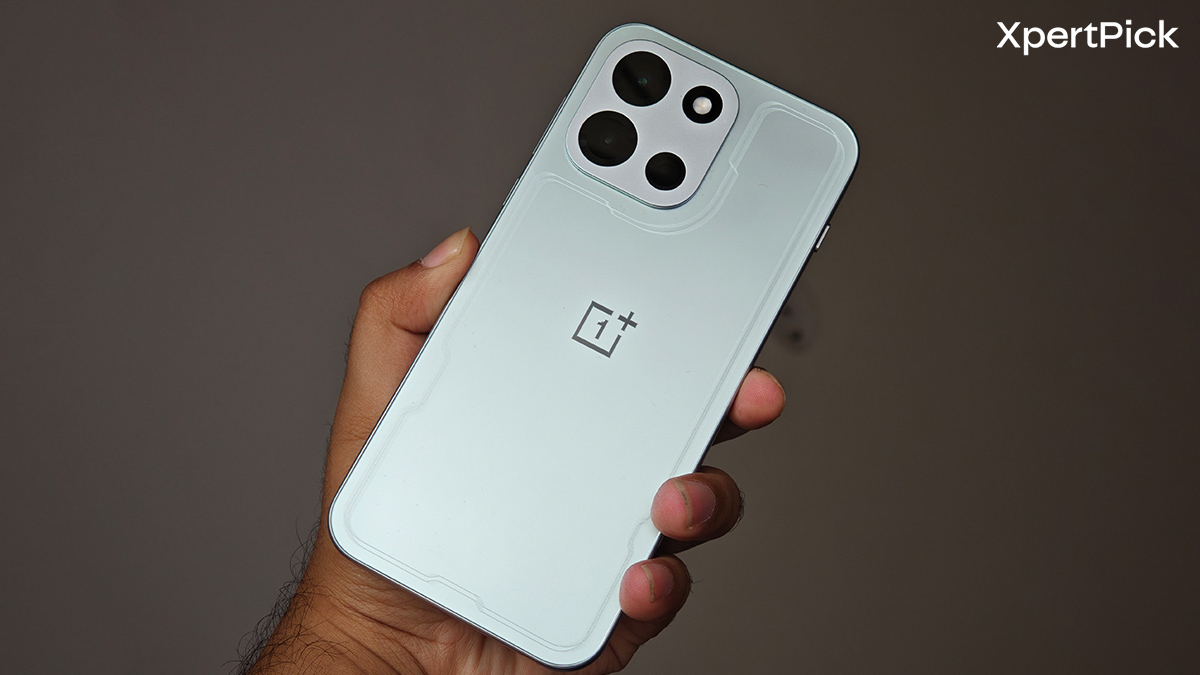
The OnePlus Nord 6 is built for competitive gamers, earning our recommendation for high-FPS gaming under ₹50,000. Its Snapdragon 8s Gen 4 chipset, 165 Hz display, and excellent battery life deliver a consistently smooth gaming experience.
Why We Picked It
Among the smartphones in this comparison, the OnePlus Nord 6 delivers the highest gaming frame rates in competitive titles. During my testing, the phone averaged an impressive 159.1 FPS in BGMI, backed by an equally strong 147.9 FPS 5% low result. This level of consistency results in exceptionally smooth gameplay and makes the device particularly well suited to fast-paced multiplayer games.
The phone also achieved an AnTuTu score of 2,400,978 and retained 82% of its peak CPU performance during the CPU throttling test. The trade-off for this level of performance is heat, with the device reaching a peak temperature of 47.3°C during stress testing. On the other hand, battery endurance was excellent, lasting more than 26 hours in the PCMark Work 3.0 battery test. For users who prioritise high frame rates over thermal comfort, the OnePlus Nord 6 is one of the strongest options currently available in this price segment.
OnePlus Nord 6 Key Specifications
• Starting Price: ₹42,999
• Processor: Qualcomm Snapdragon 8s Gen 4
• Display: 6.78-inch Sunburst AMOLED (165Hz)
• RAM: 8GB
• Storage: 256GB UFS 4.1
• Battery: 9,000mAh Silicon-Carbon
• Charging: 80W SUPERVOOC
• Camera: Main: 50MP, Wide: 8MP, Selfie: 32MP
• Durability: IP69K Military Grade Seal
OnePlus Nord 6 XP Lab Data
• AnTuTu Overall Score: 2,400,978
• Geekbench 6: 2,114 (Single-Core) / 6,765 (Multi-Core)
• Geekbench GPU Score: 13,442
• 3DMark Wild Life Extreme: 4,562
• 3DMark Stress Test Stability: 52.5%
• CPU Throttling Test Stability: 82%
• BGMI Interpolation Performance: 159.1 Average FPS / 147.9 5% Low FPS
• BGMI Native Performance: 115 Average FPS / 106 5% Low FPS
• Genshin Impact Performance: 59.6 Average FPS / 47.2 5% Low FPS
• Minecraft Performance: 57.9 Average FPS / 28.6 5% Low FPS
Pros & Cons
-
Pros: Blazing fast 159.1 Average FPS in BGMI with frame interpolation and superb CPU thermal management.
-
Cons: Peak GPU performance is quiet low compared to the competition.
Who Should Buy It
The OnePlus Nord 6 is ideal for competitive gamers who prioritise high frame rates above everything else. Its 165 Hz display, smooth BGMI performance, and massive 9,000 mAh battery make it an excellent choice for extended gaming sessions and buyers who spend hours playing esports titles.
Who Shouldn’t Buy It
If you prefer a cooler-running phone or prioritise peak GPU performance, there are better options. The Nord 6 runs noticeably warm under sustained workloads, while its graphics stability trails rivals such as the POCO X8 Pro Max during prolonged stress tests.
Expert Verdict: The OnePlus Nord 6 is purpose-built for competitive gaming. Its focus on delivering exceptionally high frame rates gives it a clear advantage in supported esports titles, while the huge battery comfortably supports long gaming sessions. Although thermal output and GPU stability are not class-leading, it remains one of the best choices under ₹50,000 for buyers who value high-refresh gaming above everything else.
iQOO 15R – Best Battery for Long Gaming Sessions Under ₹50K
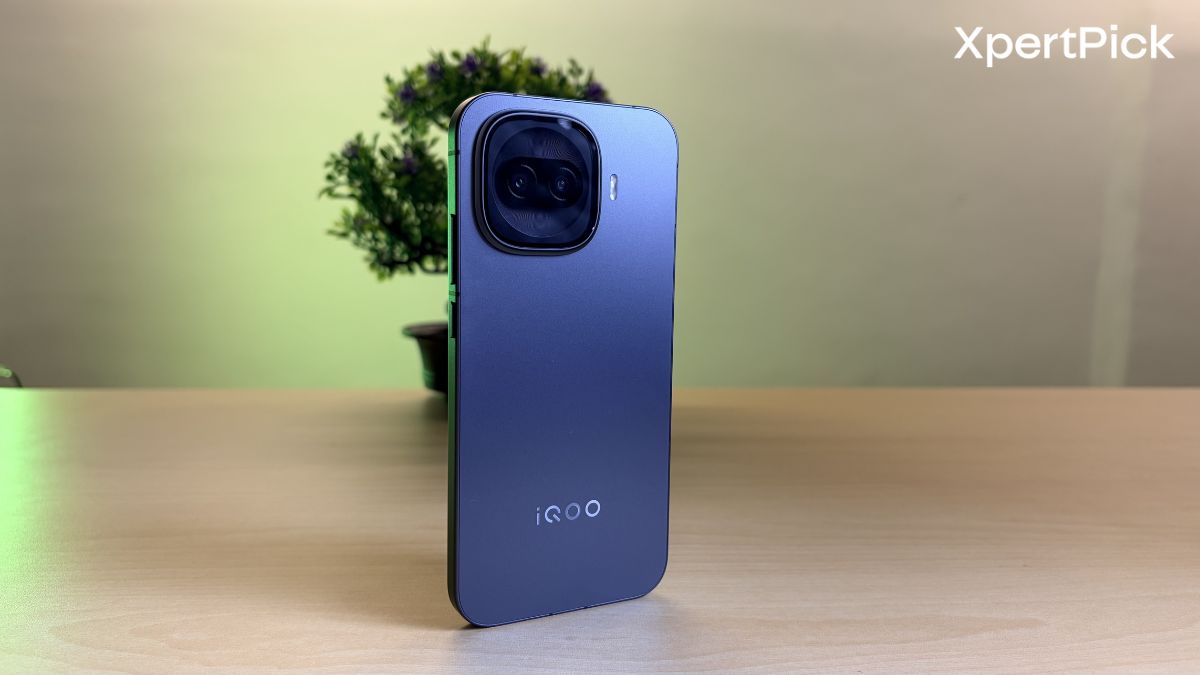
The iQOO 15R is built for gamers who value endurance over headline benchmark numbers. Its outstanding battery life, efficient thermal management, and consistent gaming performance earn it our recommendation for long gaming sessions under ₹50,000.
Why We Picked It
The iQOO 15R takes the crown for endurance, largely because its hardware limits sustained output to prioritize battery health. It achieved the highest multi-core score in our testing (8,943), but throttles its CPU massively down to 28% under stress to prevent heat build-up. This aggressive throttling helps it achieve an incredible 26 hours and 40 minutes in the PCMark battery test.
For gaming, it maintains a stable 89.7 FPS in BGMI and 59.1 FPS in Genshin Impact during short bursts, making it ideal for users who prioritize endless battery life for mixed media consumption and moderate gaming sessions over sustained marathon play.
iQOO 15R Key Specifications
• Starting Price: ₹46,999
• Processor: Qualcomm Snapdragon 8 Gen 5
• Display: 6.59-inch 1.5K AMOLED (144Hz)
• RAM: 8GB
• Storage: 256GB UFS 4.1
• Battery: 7,600mAh
• Charging: 120W Ultra-Velocity Charge
• Camera: Main: 50MP, Ultra Wide: 8MP, Selfie: 32MP
• Durability: IP68 + IP69 Dual Protection
iQOO 15R XP Lab Test Data
• AnTuTu Overall Score: 2,355,785
• Geekbench 6: 2,803 (Single-Core) / 8,943 (Multi-Core)
• Geekbench GPU Score: 17,279
• 3DMark Wild Life Extreme: 3,369
• 3DMark Stress Test Stability: 85.5%
• CPU Throttling Test Stability: 28%
• BGMI Performance: 89.7 Average FPS / 81.8 5% Low FPS
• Genshin Impact Performance: 59.1 Average FPS / 43.2 5% Low FPS
• Minecraft Performance: 58.9 Average FPS / 53.3 5% Low FPS
Pros & Cons
-
Pros: Highest single-core and multi-core CPU metrics in its price tier, along with incredible battery endurance exceeding 26.5 hours of continuous runtime.
-
Cons: Performance in e-sports titles like BGMI still requires more optimisation, as the phone scores relatively low FPS in this title compared to its competitors.
Who Should Buy It
The iQOO 15R is ideal for buyers who value battery life above everything else. Its massive 7,600 mAh battery, fast 120W charging, and efficient thermal tuning make it an excellent choice for long gaming sessions, frequent travellers, and anyone who spends long hours away from a charger.
Who Shouldn’t Buy It
If your priority is the highest possible frame rates in competitive games, there are better options. The iQOO 15R favours battery life and thermal efficiency over outright gaming performance, making the POCO X8 Pro Max and OnePlus Nord 6 better suited to esports enthusiasts.
Expert Verdict: The iQOO 15R takes a different approach to gaming by prioritising endurance over peak frame rates. Its combination of exceptional battery life, rapid charging, and efficient thermal management makes it one of the most dependable phones under ₹50,000. Competitive gamers may prefer faster alternatives, but for buyers seeking a premium all-rounder with class-leading stamina, the iQOO 15R is an excellent choice.
Realme GT 7 – Best Value Gaming Pick Under ₹50K
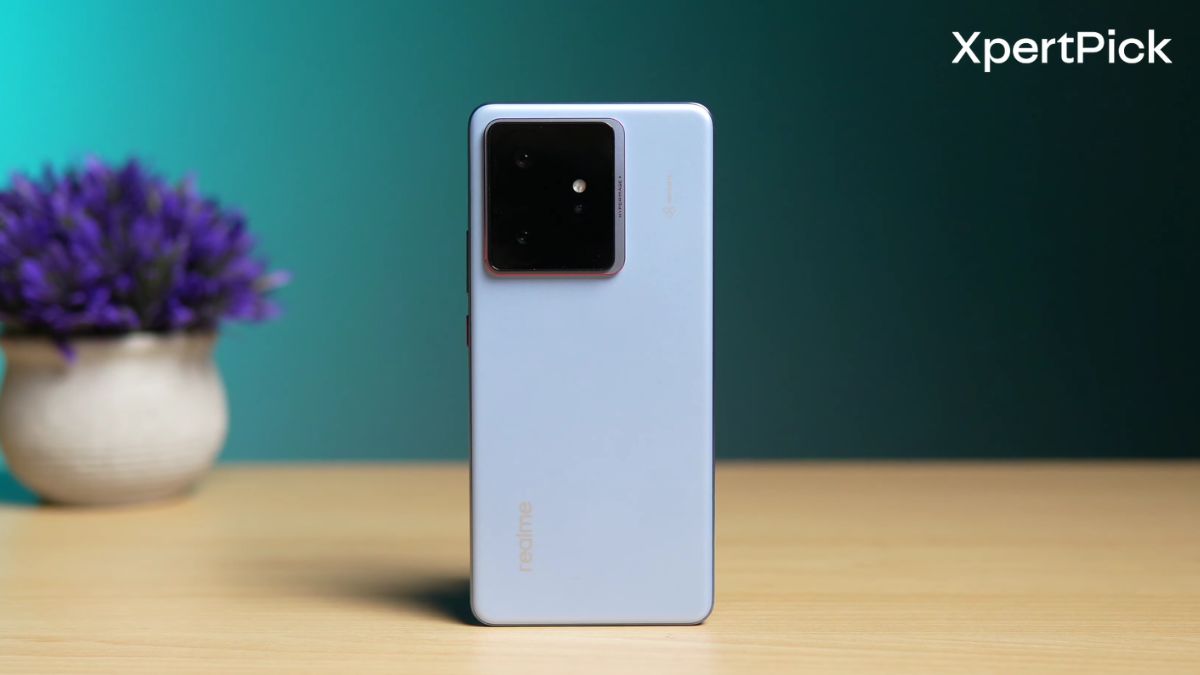
If you’re looking for the best balance of price and performance, the Realme GT 7 is our top value gaming pick under ₹50,000. Its flagship-grade hardware delivers exceptional performance without the flagship price tag.
Why We Picked It
The Realme GT 7 captures our value recommendation by bringing flagship-grade performance to a lower, highly competitive price bracket. First of all, it provides a strong specification package by offering 16GB RAM and 512GB storage at an affordable price point, which is the lowest in this group.
In terms of gaming, it delivers good average FPS in most popular titles, along with stable 5% low FPS figures in games like BGMI and Genshin Impact. It does struggle a bit while running Minecraft, as its minimum frame rate drops to nearly half of the average FPS, indicating noticeable stuttering issues.
Overall, considering its price point and the level of specifications, performance, and gaming capability it offers, the Realme GT 7 is a great value-for-money option under Rs 50,000.
• Starting Price: ₹41,999
• Processor: MediaTek Dimensity 9400e
• Display: 6.78-inch LTPO AMOLED (120Hz)
• RAM: 16GB
• Storage: 512GB UFS 4.0
• Battery: 7,000mAh High-Density Cell
• Charging: 120W Ultra-Velocity Charge
• Camera: Main: 50MP + 50MP + 8MP Triple Array, Selfie: 32MP Autofocus Selfie Camera
• Durability: IP69 Deep-Seal Waterproofing
Realme GT 7 XP Lab Data
Pros & Cons
-
Pros: Flagship-tier MediaTek Dimensity 9400e architecture paired with a massive 16GB/512GB configuration at a lower price point.
-
Cons: Aggressive internal heat build-up drops 3DMark graphical stability down to 37.4% could cause stuttering in some GPU heavy games.
Who Should Buy It
The Realme GT 7 is ideal for buyers who want flagship-level hardware without stretching their budget. Its powerful Dimensity 9400e chipset, generous 16GB RAM and 512GB storage, 7,000 mAh battery, and 120W fast charging make it an excellent choice for gaming, multitasking, and heavy everyday use.
Who Shouldn’t Buy It
If you regularly play demanding games for hours at a time, there are better options. The GT 7 throttles more aggressively than some rivals during prolonged workloads, making the POCO X8 Pro Max a stronger choice for sustained gaming performance.
Expert Verdict: The Realme GT 7 delivers exceptional value for money. Its flagship-grade chipset, large memory configuration, long battery life, and ultra-fast charging provide a premium gaming experience at a significantly lower price than most competitors. Although sustained GPU performance drops under extended stress, its real-world gaming performance remains consistently strong, making it one of the best value gaming phones under ₹50,000.
Samsung Galaxy A57
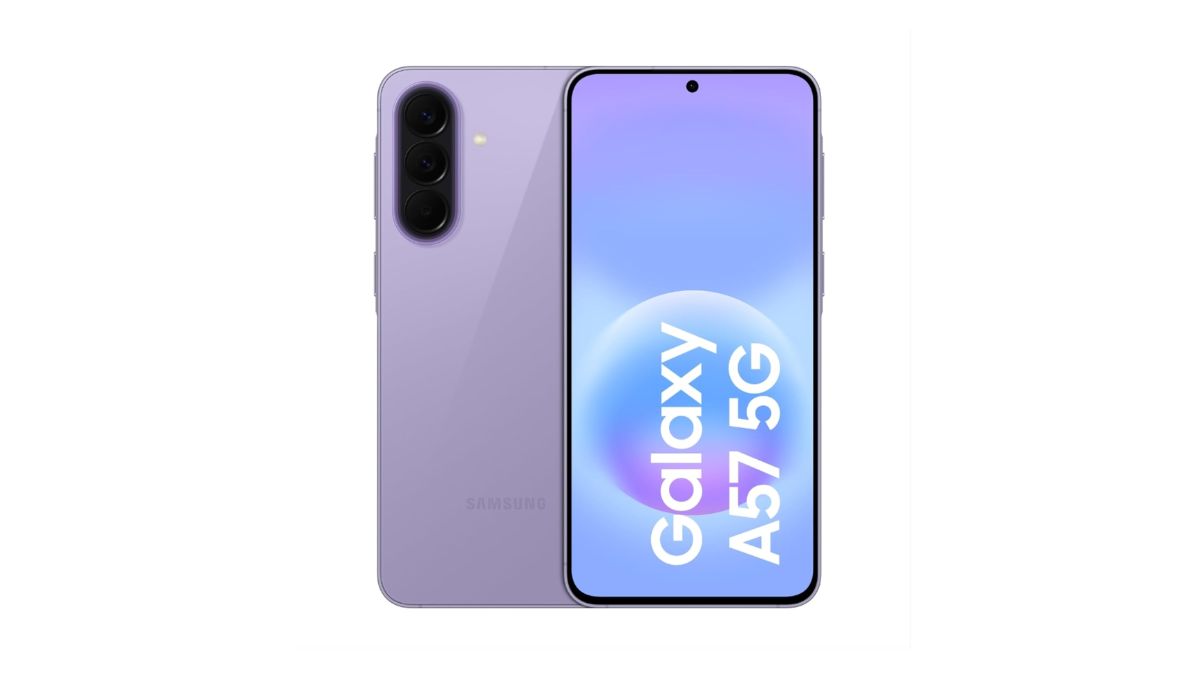
The Samsung Galaxy A57 is not one of our recommended gaming phones under ₹50,000. While it delivers a polished software experience and premium build quality, its gaming performance and battery life fall well behind the strongest contenders in this comparison.
Why We Didn’t Pick It
After putting the Samsung Galaxy A57 through our suite, it falls significantly short of earning a recommendation for gamers spending nearly half a lakh rupees. The phone scored just 1,394,526 in AnTuTu, immediately placing it far behind the pack.
While it maintained excellent CPU and 3DMark stability (99.5%), it achieved this simply because it lacks the graphical power to stress itself. The real issue emerged during gameplay. In BGMI, it barely scraped by with 58.4 Average FPS. During Minecraft, the phone became physically “too hot” to hold, pushing a meager 46.8 FPS. Paired with the lowest battery life in our test group (14 hours and 32 minutes), it is outclassed by every other device on this list.
Samsung Galaxy A57 Key Specifications
Samsung Galaxy A57 XP Lab Data
Samsung Galaxy A57 Pros and Cons
-
Pros: Good synthetic stability across standard benchmarks.
-
Cons: Severe lack of graphics power for the price point, coupled with poor battery endurance and uncomfortable thermal spikes during specific games.
Who Should Buy It
The Samsung Galaxy A57 is best suited to buyers who value Samsung’s software experience, long-term updates, and premium build quality over gaming performance. Its excellent AMOLED display, IP68 rating, and polished One UI experience make it a dependable choice for everyday use, media consumption, and casual gaming.
Who Shouldn’t Buy It
If gaming or heavy multitasking is your priority, there are far better options at this price. The Galaxy A57 struggles to match its rivals in graphics performance, sustained frame rates, and battery life, making phones such as the POCO X8 Pro Max and Realme GT 7 much stronger value for performance-focused buyers.
Expert Verdict: The Samsung Galaxy A57 is a polished everyday smartphone, but it is not one of our recommended gaming phones under ₹50,000. Its premium build, vibrant display, and refined software are undeniable strengths, yet the Exynos chipset falls short in demanding workloads. Combined with the weakest battery life in this comparison, it is difficult to recommend for buyers seeking the best performance in this price segment.
Frequently Asked Questions (FAQ’s)
Does a Higher AnTuTu or Geekbench Score Always Translate Into Better Gaming Performance?
No. Synthetic benchmarks such as AnTuTu and Geekbench primarily measure peak performance. In practice, gaming performance depends on how well a smartphone can sustain that performance over extended periods. During testing, I found that some devices posted very high benchmark scores but experienced noticeable performance drops once thermal throttling kicked in.
Why Does My Smartphone Become Warm During Gaming, and Should I Be Concerned?
High-end mobile chipsets generate significant heat under sustained workloads, particularly during gaming. To protect internal components and preserve battery health, smartphones automatically reduce CPU and GPU performance once certain temperature thresholds are reached (thermal throttling). Occasional warmth is normal, but excessive heat can affect gaming performance by causing frame-rate drops.
Why Do Battery Life Results in Reviews Differ From Real-World Usage?
Battery life figures published in reviews are based on controlled testing procedures like the PCMark Work 3.0 benchmark, which simulates mixed productivity workloads under standardised conditions. Actual battery life can vary considerably depending on display brightness, network conditions, application usage patterns, and gaming habits.
Is 16GB of RAM Necessary, or Is 8GB Sufficient?
For most users, 8GB of RAM is sufficient for everyday tasks, including social media, web browsing, and moderate multitasking. However, for mobile gamers looking to run resource-intensive games like Genshin Impact while leaving chat apps and recording software open in the background, opting for 12GB or 16GB models will provide much better app retention and a smoother overall experience.