AMD has announced a major expansion of its desktop ecosystem at Computex 2026, centering on extended platform longevity, new 3D V-Cache processors, and the global launch of a mid-range RDNA 4 graphics card.
Socket AM5 Extended Through 2029
AMD has officially extended its support roadmap for the desktop Socket AM5 platform through 2029. Originally introduced alongside the “Zen 4” architecture, the extended lifecycle aims to provide long-term drop-in upgrade options and support for upcoming processor architectures without requiring complete system replacements.
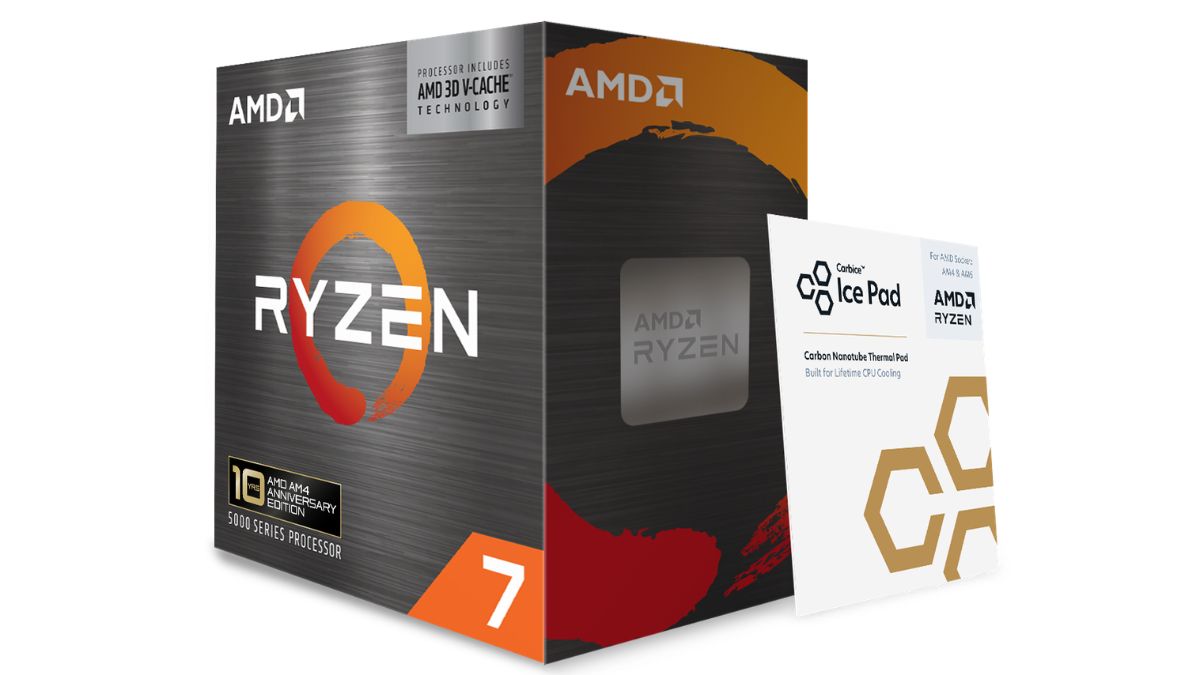
Concurrently, the company is marking a decade of its predecessor, Socket AM4, which spans five generations of Ryzen processors. To celebrate this milestone, AMD is launching a dedicated anniversary processor for the platform.
New AMD Ryzen 3D V-Cache Processors
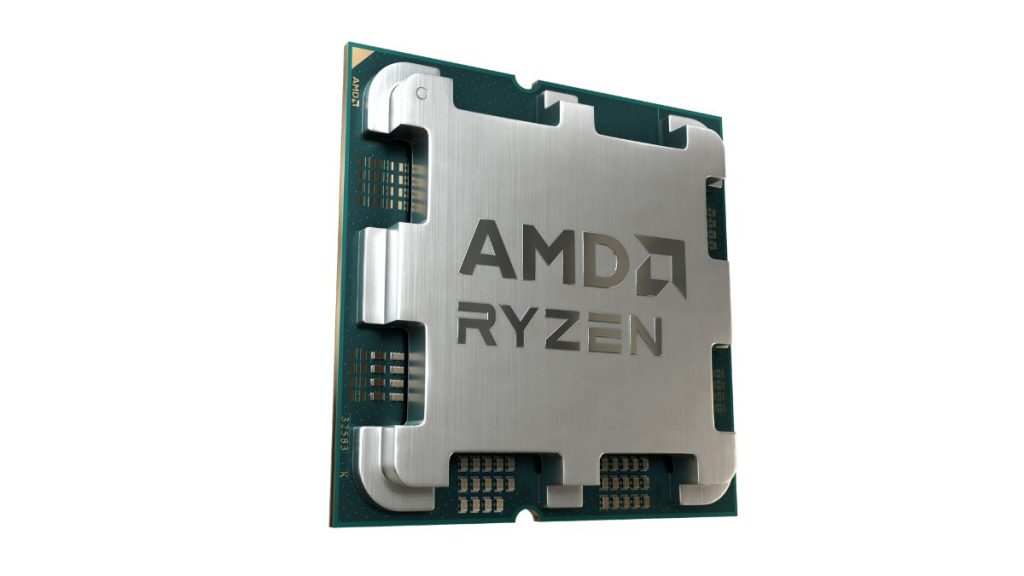
AMD is introducing two new desktop processors leveraging its 3D V-Cache technology to target both current-generation and previous-generation motherboard users.
AMD Ryzen 7 7700X3D (Socket AM5)
The Ryzen 7 7700X3D expands the company’s 3D V-Cache lineup on the AM5 platform, serving as an accessible entry point for high-performance gaming configurations.
-
Specifications: 8 cores / 16 threads, 104MB of total cache, a maximum boost speed up to 4.5GHz, and a 120W TDP.
-
Availability & Pricing: Scheduled for release on July 16, 2026, with a suggested retail price or SEP of $329 (Rs 31,219).
AMD Ryzen 7 5800X3D 10th Anniversary Edition (Socket AM4)
This special-edition processor brings 3D V-Cache technology back to the AM4 ecosystem, allowing users on older platforms to upgrade without replacing their motherboards or migrating to DDR5 memory. Built on the “Zen 3” core architecture, it features 96MB of total cache and offers full compatibility with AMD 400 and 500 Series motherboards. For added value, the CPU ships bundled with a next-generation Carbice Ice Pad thermal interface material, designed to simplify cooler installation while maintaining long-term thermal efficiency. The processor will be available from 25 June 2026 at a suggested retail price of $349 (approximately Rs 33,117).
Radeon RX 9070 GRE Launches Globally with RDNA 4
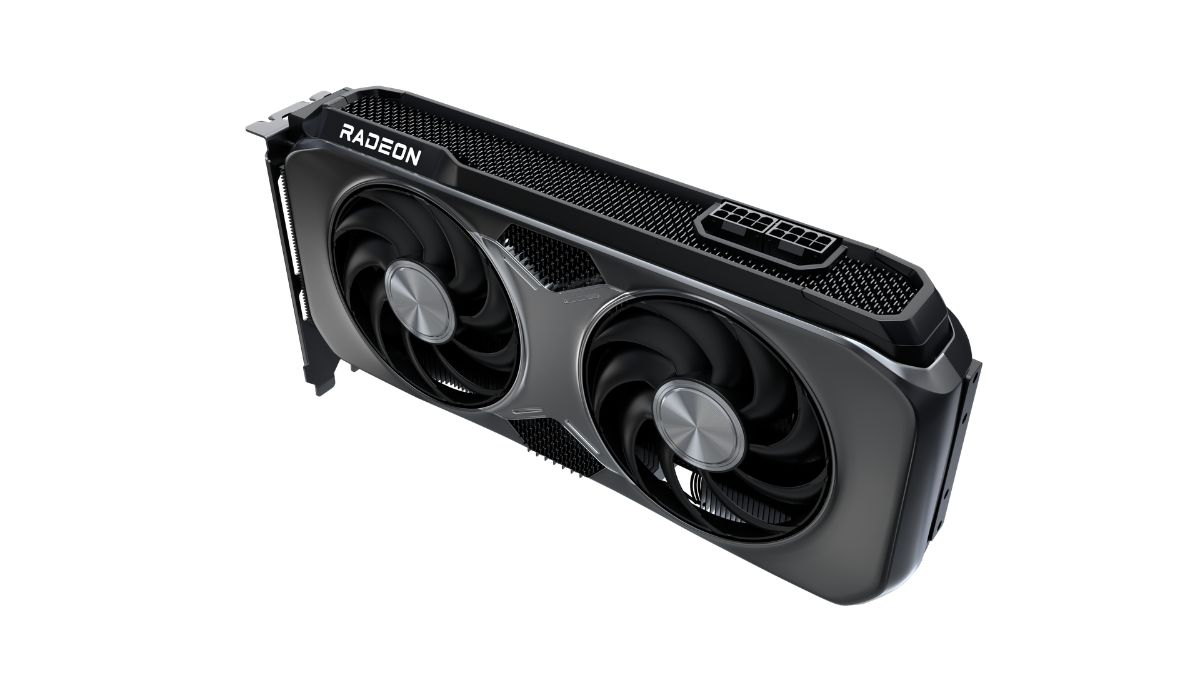
On the graphics front, AMD is bringing its Radeon RX 9070 GRE (Golden Rabbit Edition) desktop graphics card to global markets. Built on the latest AMD RDNA 4 architecture, the GPU is designed for high-fidelity 1440p gaming.
The graphics card features 48 RDNA 4 compute units, 12GB of video memory, and clock speeds of up to 2.79GHz. It also integrates next-generation Ray Accelerators alongside enhanced AI compute acceleration capabilities.
On the software side, the RX 9070 GRE supports AMD FSR technologies across more than 300 gaming titles. AMD claims the card delivers an average of 21% higher 1440p gaming performance compared with competing products in its segment.
The Radeon RX 9070 GRE will roll out globally through board partners in both reference and factory-overclocked configurations from 1 or 2 June 2026, with a suggested retail price of $549 (approximately Rs 52,095).
Additionally, AMD highlighted several upcoming ecosystem software updates. FSR 4.1 upscaling compatibility will expand to include older RDNA 3 architectures from July 2026. For workstation users, the forthcoming 26.Q2 PRO Driver release will introduce Radeon AI PRO R9700 and Radeon AI FSR PRO certifications, bringing Ray Regeneration support to more than 50 professional applications, including Adobe Premiere Pro and Autodesk Maya 2024.
Hardware Reference Summary
| Hardware Component | Platform/Architecture | Key Specification | Release Date | Launch Price (USD) |
|
Ryzen 7 5800X3D 10th Anniv.
|
Socket AM4 (“Zen 3”) |
8C/16T, 96MB Cache, Carbice Ice Pad |
June 25, 2026 |
$349 |
|
Ryzen 7 7700X3D
|
Socket AM5 (“Zen 4”) |
8C/16T, 104MB Cache, 4.5GHz Boost, 120W TDP |
July 16, 2026 |
$329 |
|
Radeon RX 9070 GRE
|
AMD RDNA 4 |
48 CUs, 12GB VRAM, up to 2.79GHz |
June 1 / 2, 2026 |
$549 |
Memory Performance: AMD EXPO Ultra Low Latency
AMD also updated its memory overclocking ecosystem with AMD EXPO Technology featuring Ultra Low Latency (ULL). Certified ULL kits developed by memory partners are scheduled to reach the market in June 2026.
According to AMD’s internal testing data, configurations using EXPO ULL deliver an average 4% frames-per-second (FPS) improvement over standard, non-ULL EXPO memory setups. When compared directly with baseline JEDEC-standard memory speeds running at stock settings on processors such as the Ryzen 7 9700X, the technology provides an average 13% increase in frame rates alongside a 15% reduction in 1% low frame-time drops.
By extending Socket AM5 support through 2029 and updating the 10-year-old AM4 platform, AMD avoids the frequent, costly socket changes often seen among its competitors. Additionally, the global launch of the Radeon RX 9070 GRE brings direct competition to the mid-range market, with AMD claiming up to 21% faster 1440p gaming performance than rival cards. For everyday gamers, these updates provide a budget-friendly upgrade path that helps maximise the lifespan of their existing hardware.