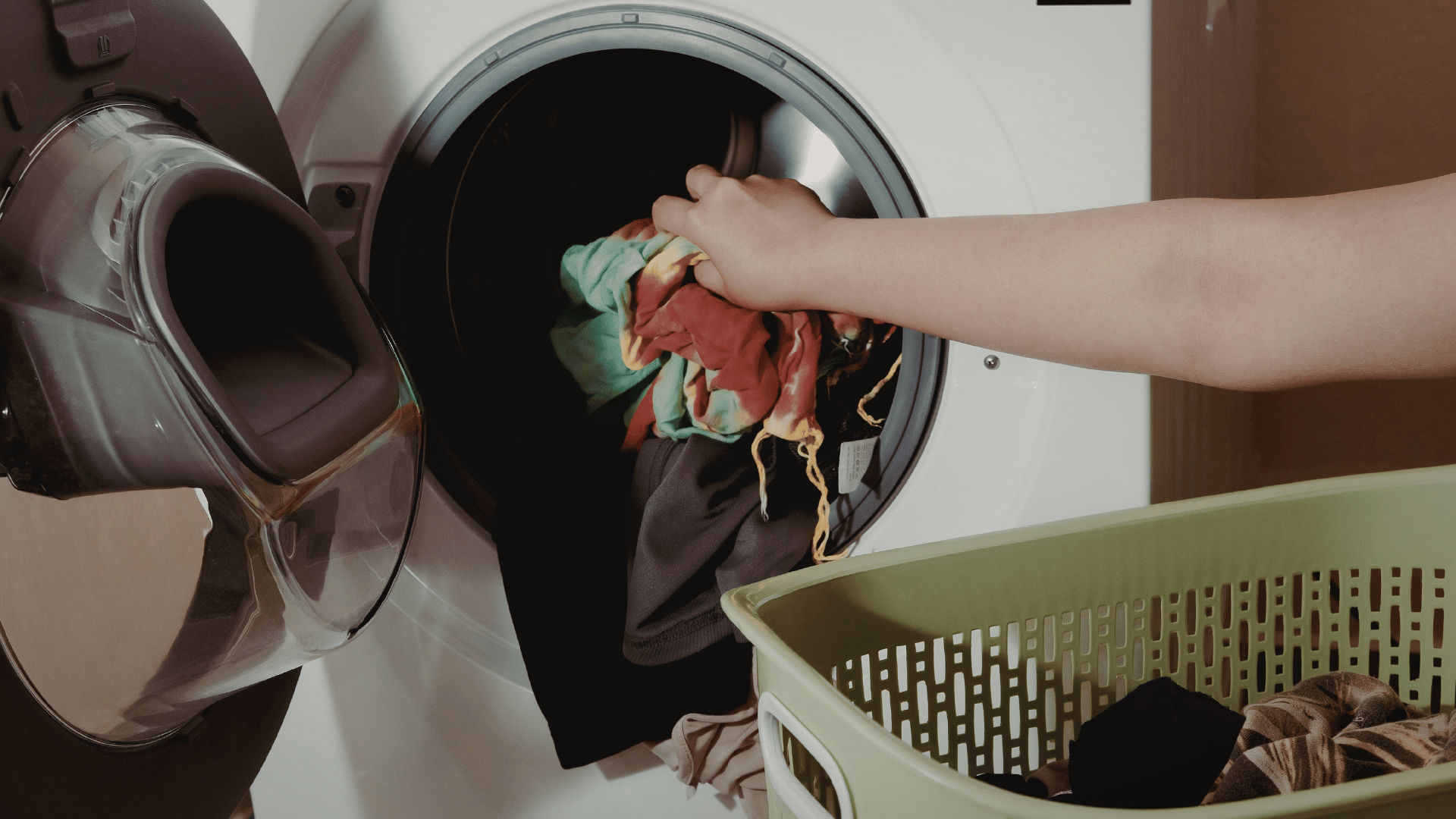
A few years back, in a middle-class Indian household, buying a front-load washing machine was an aspirational purchase. People upgraded to those after using the top-load model for a bunch of years. Even today, if you walk into an appliance store and ask the salesperson for the best washing machine, chances are that they will show you the front-load machines.
There is a reason for that too. Front-load washing machines generally clean clothes better, use less water, extract more moisture during spinning, and are gentler on fabrics. On paper, they are better machines.
While that’s okay, people forget that even though they are solid machines, top-load washing machines also demand more attention.
That doesn’t sound like a cost initially because nobody is pulling money out of their wallet but once you take it home and spend enough time with it, some operational costs come up that people don’t account for.
Front-load Machines are Needy
If I had to explain this to you, imagine that your top-load washing machine is like a Maruti Suzuki car; people know that the maintenance is generally cheaper, and they don’t need as much extra attention. Switch to a German car; the maintenance is more expensive, and you have to constantly take care of it so that the maintenance bills don’t increase.
Similarly, a top-load washing machine is a lot more forgiving. You finish a wash cycle, close the lid, and just move on with your day. However, a front-load machine doesn’t work that way.
Since it has a horizontal drum design, small amounts of moisture remain trapped around the door gasket after every cycle. If you don’t pay attention to it, then you are met with bad odours sometimes, other times there’s mold and residue.
This doesn’t affect how the machine works; it brings down the entire experience, and if ignored, over time, it can lead to an expensive repair bill as well. It is just that the machine needs some extra care, just like a German car.
Front-load Machines are Complicated
The logic is pretty simple: the same engineering that makes the front-load machines more efficient also makes them more complicated.
To achieve better cleaning while using less water, these machines rely on higher spin speeds, sophisticated suspension systems, sensors, door-lock mechanisms, seals, and bearings that work harder than many people realise.
Every time you remove clothes from the drum, you realise the benefits of these mechanisms, but you only notice the downside years later when something needs replacing.
This is also one reason why technicians often say that repairing a front-load machine can be more expensive than repairing a comparable top-load model. Not because the machine is unreliable, but because there is more happening inside it.
The Time Cost
There’s another hidden cost when it comes to front-load machines: time.
One major reason why the front-load machines clean better while using less water is that they wash clothes differently. Instead of relying on large quantities of water and aggressive agitation, they use a tumbling action that takes more time to complete.
This is why a front-load wash cycle is longer than that of a top-load one. For some households, this isn’t a problem at all. Many people simply load the machine, start a cycle, and move on with their day. But for larger families or households that run multiple loads back-to-back on weekends, that’s a point to consider.
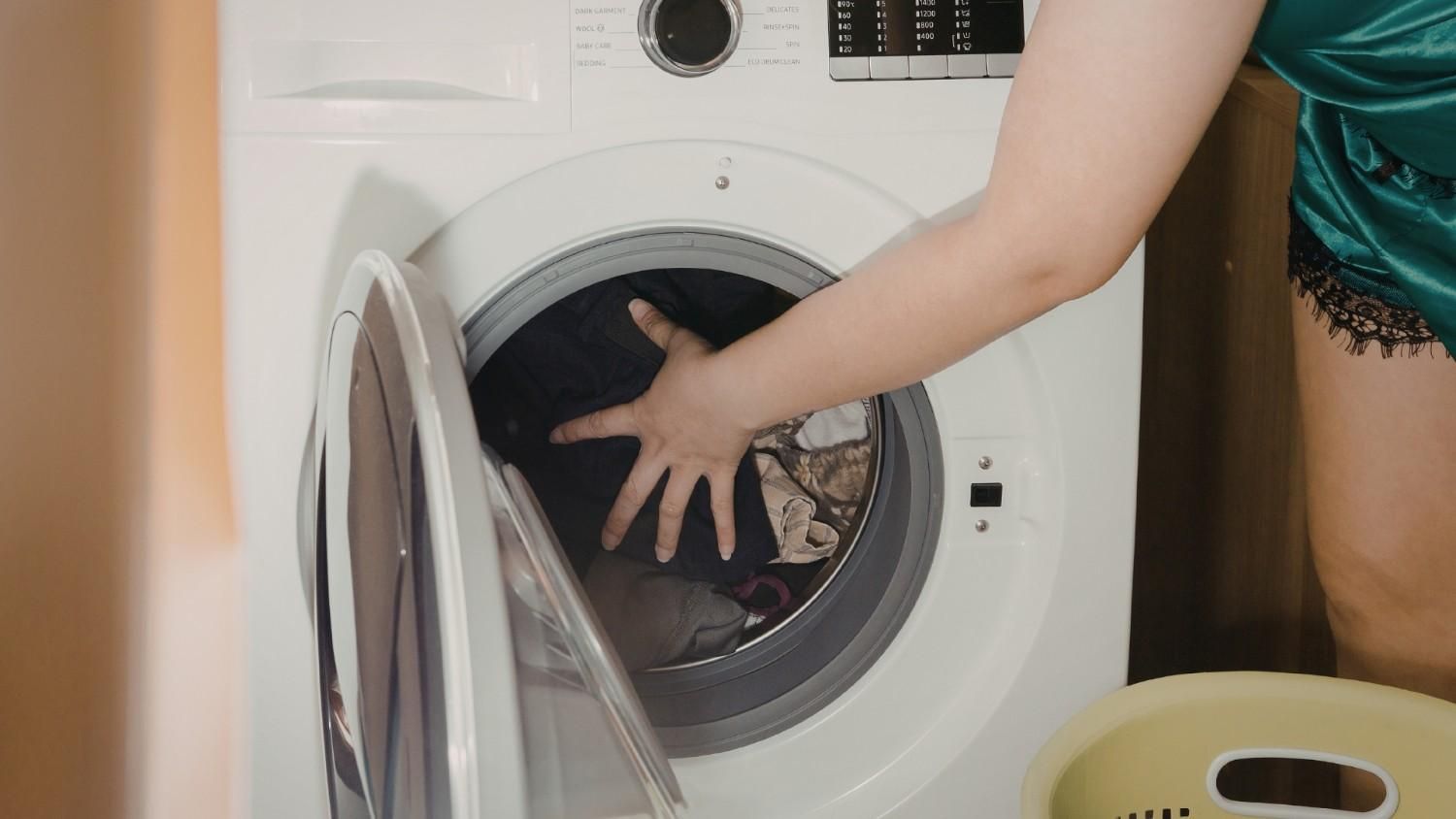
You have to spend more time waiting for the laundry to get done, then put the next load in. Sounds small, but it does make a difference in our busy schedules. The cost here isn’t necessarily higher electricity consumption, but the additional time required to complete the same amount of laundry. To overcome this, a lot of washing machines come with a quick wash setting, which promises to wash clothes in under 15 or 20 minutes. However, even the technicians say that this mode is only for freshness and one should not use that regularly or for even mildly soiled clothes.
The Hidden Cost Is Convenience
When you draw a comparison between a front-load or top-load machine, or even ask a salesperson, they would mostly miss out on these points.
You would be told about programs. Those things are important, but they are also easy to measure. What is much harder to quantify is convenience.
A top-load washing machine is generally more forgiving. You don’t think too much about the gasket. You don’t worry about leaving the lid open after every wash. The cycles are shorter and the machine asks for less involvement from the owner.
A front-load machine, on the other hand, requires attention. If you maintain it properly, it delivers excellent cleaning, lower water consumption, and better fabric care.
So, the hidden cost of a front-load washing machine isn’t just the extra money you might spend on repairs or maintenance years later. It’s the time, attention, and effort that you have to put in after you get the machine home.
None of this means you shouldn’t buy one. In fact, for many households, a front-load washing machine is still the better machine. Just take into account these points too.