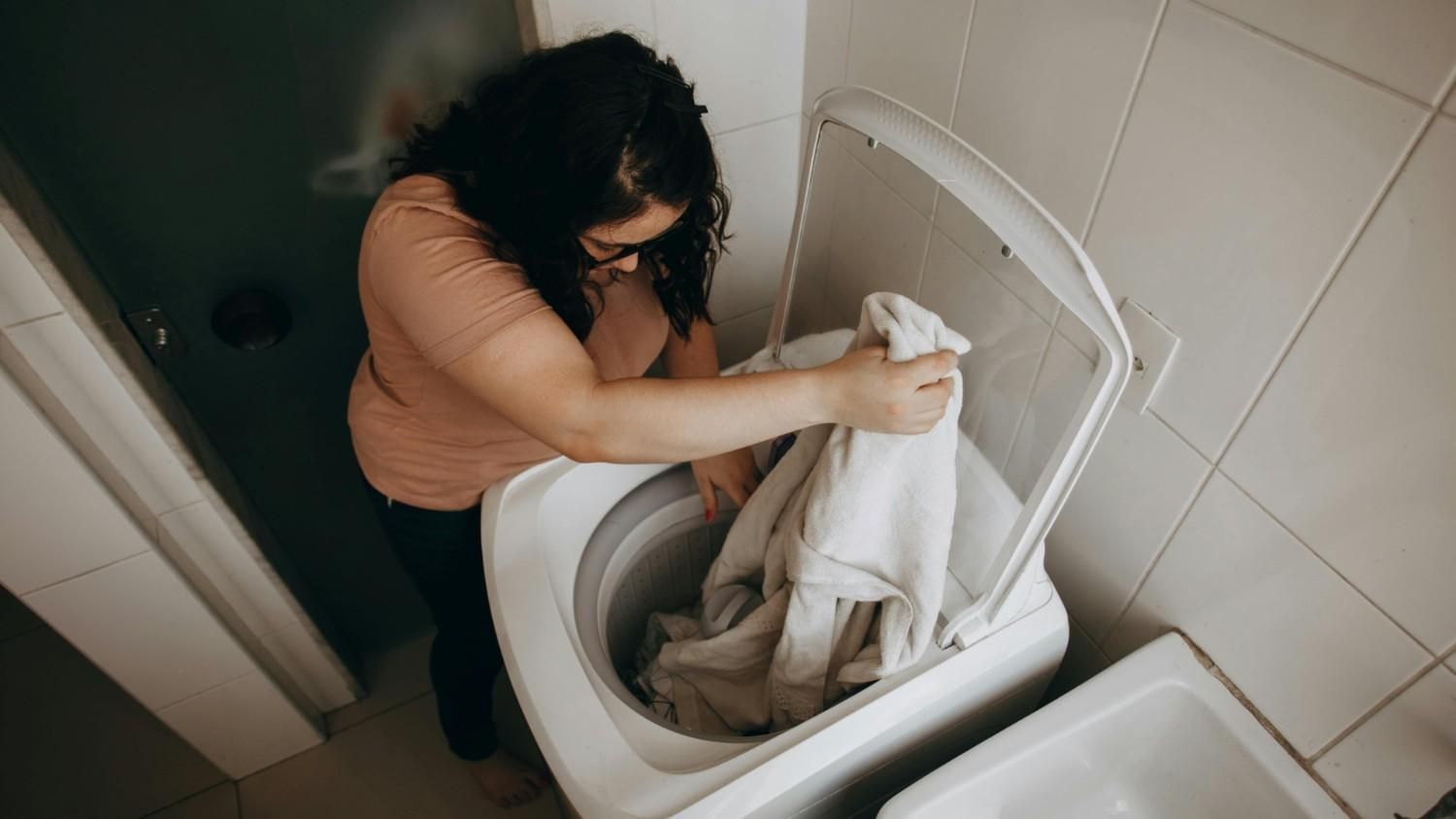
I am sure you must have had this experience at least once while washing your clothes in the washing machine- you run the wash cycle, and then forget about the clothes or don’t get time to take them out as soon as the cycle gets over, and when you finally get to them, they no longer smell fresh. Instead, you are met with a damp, sour, egg-like odour that makes those freshly washed clothes unclean. Total spoil-sport moment, no?
You might be quick to judge that this problem happened because your detergent wasn’t as good, or there’s some issue with the washing machine. But the problem is rather simple. And don’t worry, it is more common than you think. Even brands are now actively working to address this issue.
Why the Smell Develops
So, after a wash cycle is completed, and you leave the clothes sitting in the washing machine, they are left in a warm, damp, and enclosed environment. This is the perfect breeding ground for bacteria and mould to grow.
Look, even after the clothes are washed, they carry traces of sweat, skin cells, and detergent residue. When you leave your clothes inside the drum, microorganisms begin to multiply and break down this residue, producing compounds that cause that musty smell.
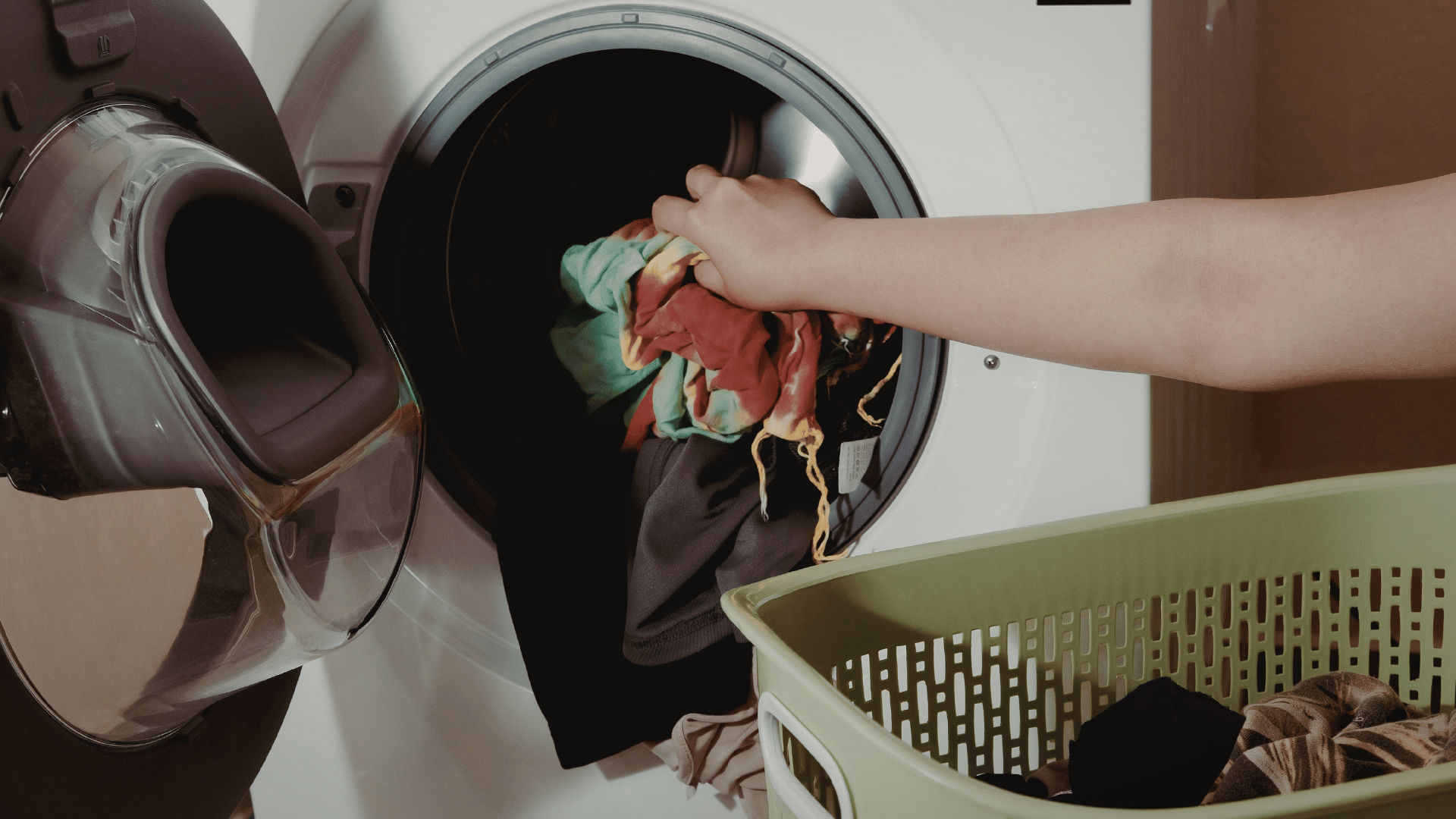
In Indian homes, where humidity levels can already be high, especially during monsoon months, this process can happen a lot faster. And you know what, front-load washing machines are more prone to this because moisture often remains trapped in the drum and rubber gasket after the cycle ends.
Rewashing Doesn’t Always Solve It
When you encounter that smell, your first reaction will most likely be to run another wash cycle. While this may temporarily reduce the smell, it does not always work.
Once the bacteria and odour-causing compounds settle into the fabric fibres, they can stay there even after drying. And in some cases, the smell can even transfer back into the washing machine, which can affect future loads too. And trust me, you don’t want that.
How to Remove Odour from Clothes
You can try out some of these steps to restore the freshness of your clothes and remove that odour:
If you’re rewashing the clothes, wash them at a slightly higher temperature (It is always a good idea to make sure that the fabric that you are washing can withstand higher temperatures). This can help break down odour-causing bacteria. While you are at it, add a small amount of white vinegar along with the detergent. It will help in neutralising the lingering smell without leaving a strong residue.
Will Higher Temperature Damage My Clothes?
There’s a common perception that you should only wash clothes with cold or room-temperature water to avoid damaging fabrics, but that isn’t entirely true. Washing at slightly higher temperatures can actually help break down bacteria and odour more effectively, especially for items like towels, bed sheets, and innerwear.
That said, it is also very important that you check the fabric care labels and don’t treat everything the same way. Delicate fabrics, synthetic blends, and certain dyed garments can shrink or lose colour at higher temperatures. In most cases, a moderate warm wash, rather than very hot water, is enough to clean your clothes effectively without causing any damage.
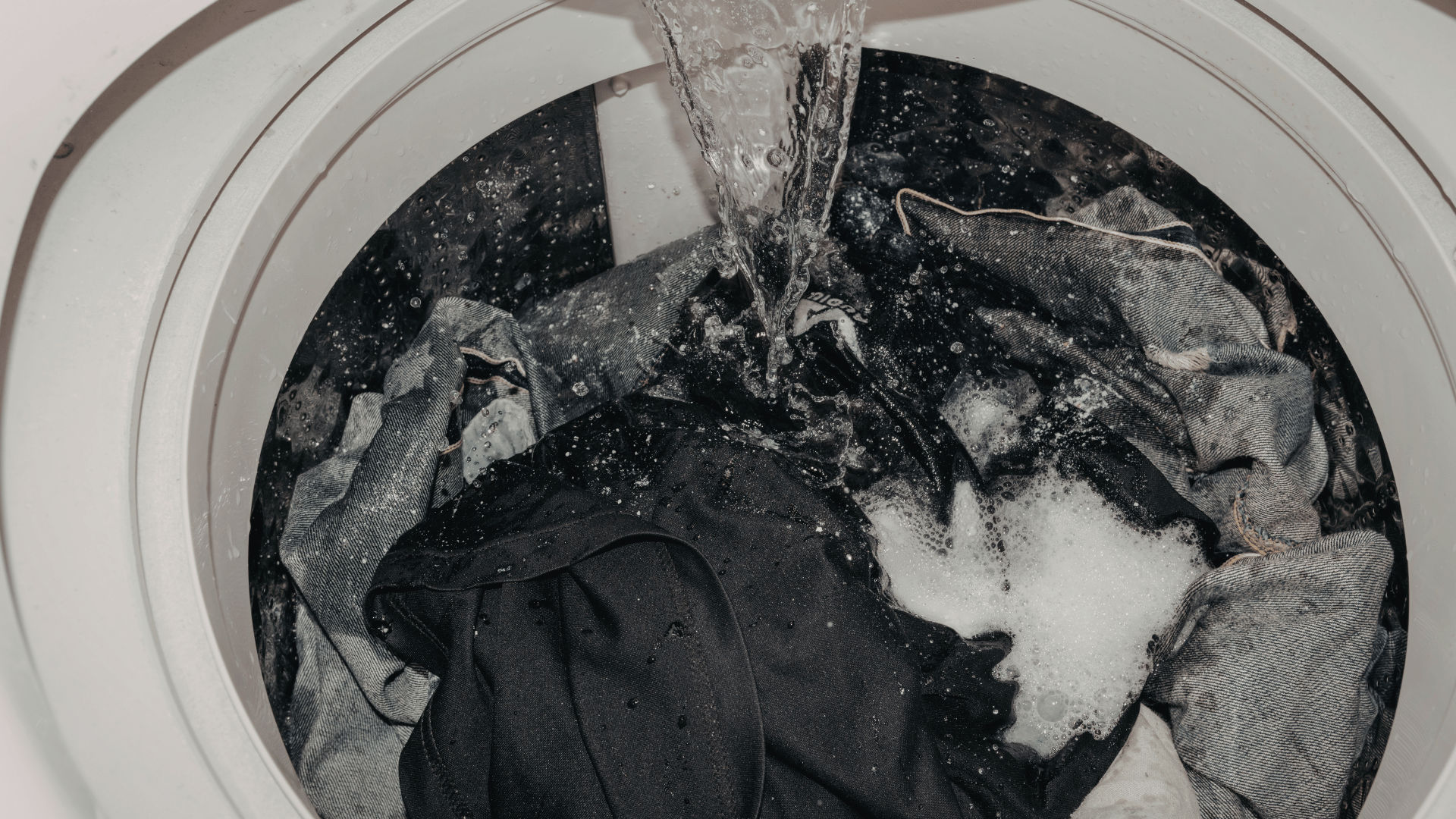
Along with running a warm wash, proper air-drying is important too. Dry those wet clothes completely, preferably in sunlight or in a well-ventilated space, as trapped moisture is one of the main reasons behind that unwanted smell.
And if you’re facing this issue frequently with your machine, even if you don’t leave the clothes inside the drum for too long, try running an empty cleaning cycle using a washing machine cleaner or mild descaling solution. This will help in removing the built-up residue inside the drum.
Prevention Is Better Than Cure
By now, you must’ve understood that the odour develops mainly because of timing, moisture, and airflow.
So naturally, taking out the clothes and drying them as soon as possible, after the wash cycle has ended, is the most effective thing to do. Delaying it increases the chances of bacterial growth.
Also, leave the washing machine door open for some time in between wash cycles. This helps in circulating fresh air inside the drum and, in turn, reduces moisture buildup. It is a particularly important step if you have a front-load washing machine.
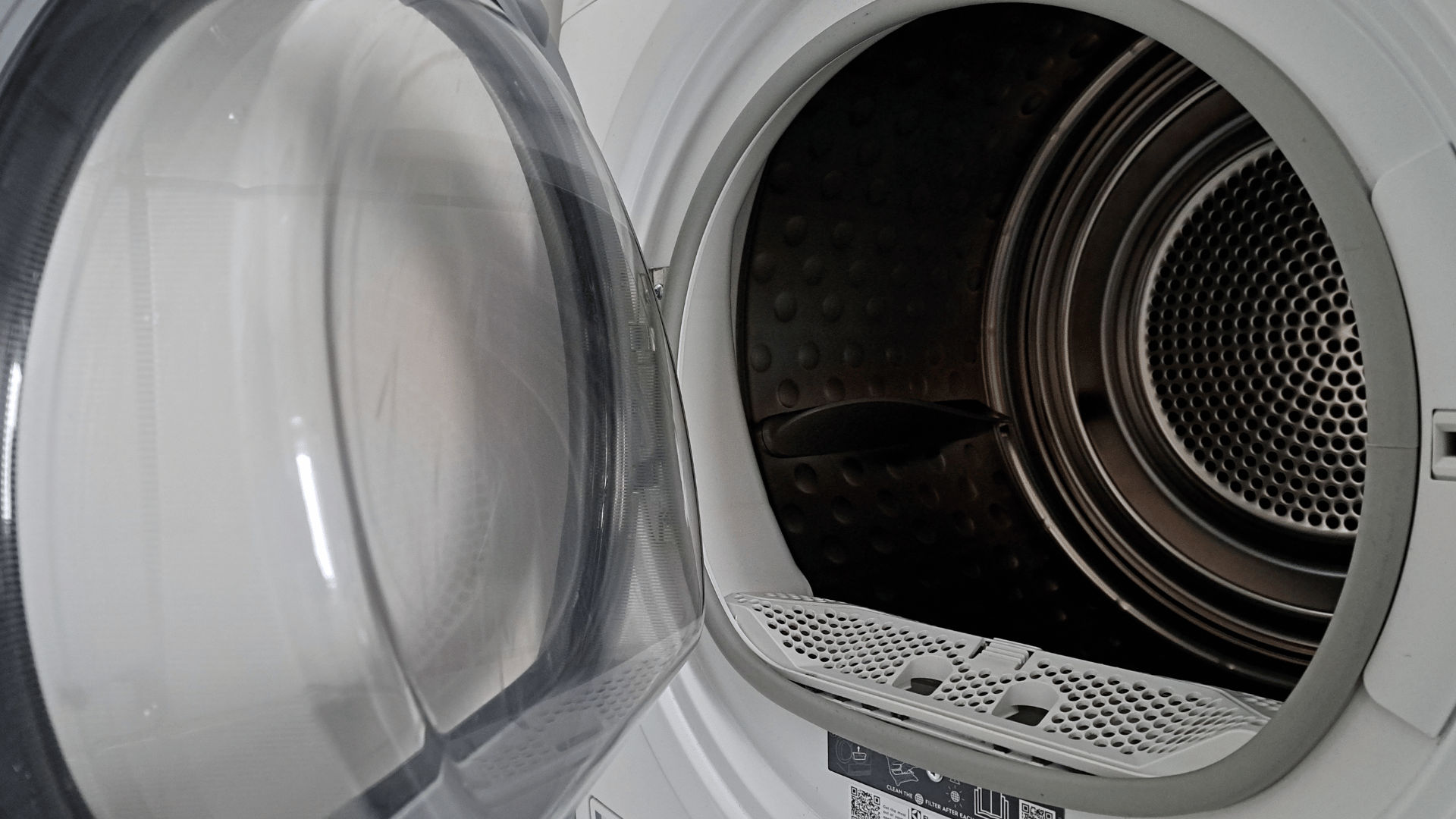
And lastly, using the correct amount of detergent also matters. Excess detergent can leave residue on clothes and inside the machine, which contributes to odour over time.
Washing Machine Brands Are Trying to Fix This Too
The issue of odour in washing machines is no longer just a user problem; it has become a design challenge for brands, too. So, many new washing machines now come with features that are aimed at reducing moisture and preventing bacterial growth.
Some models include drum-cleaning cycles that automatically remove residue, while others have antimicrobial coatings around the gasket to reduce mould build-up. Some brands are also introducing ventilation systems that keep air circulating inside the drum even after the cycle ends, helping it dry faster, in their front-load machines.
While these additions do not eliminate the need for proper usage, they do reduce the chances of odour developing over time.