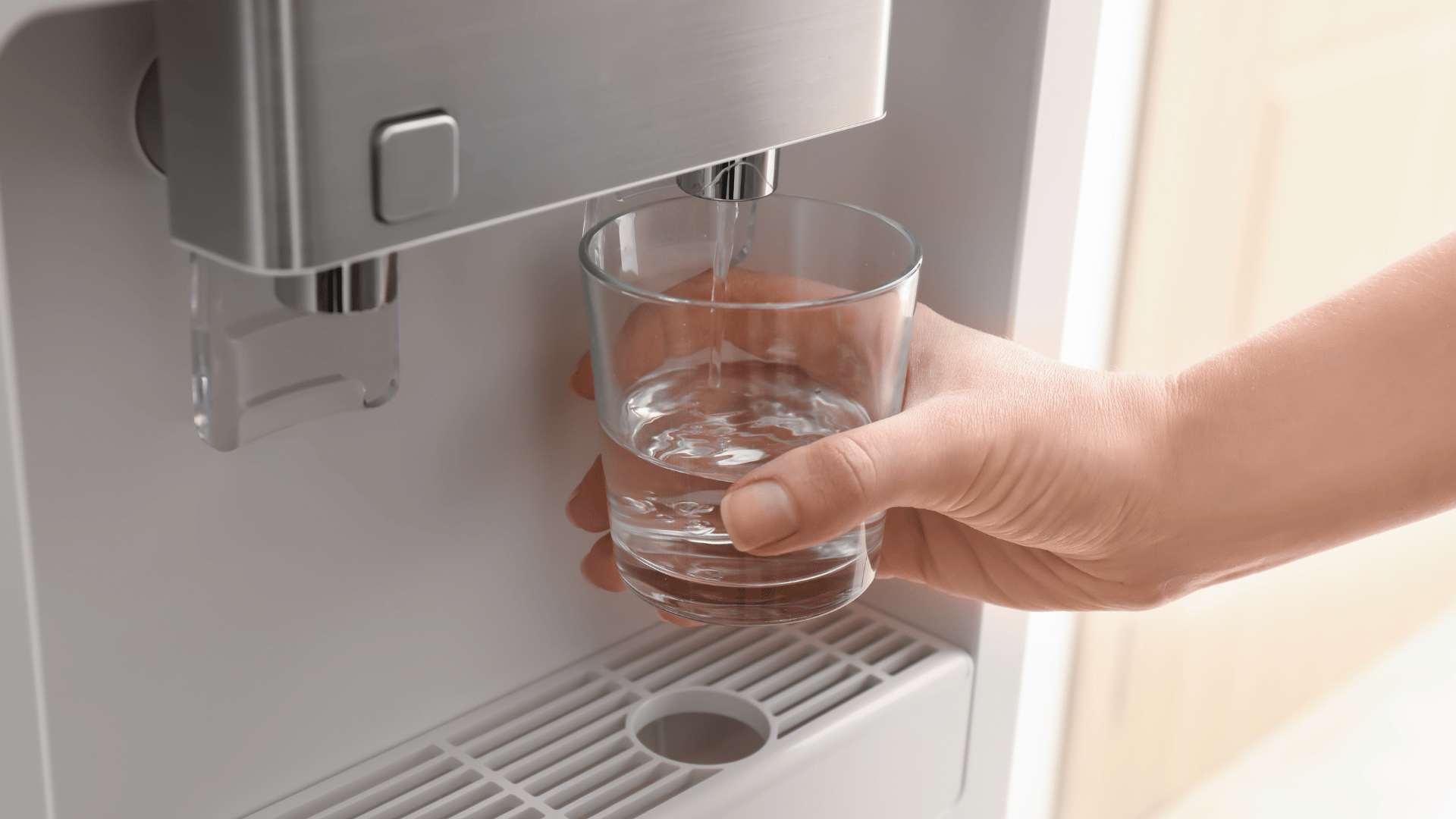
Given the kind of water supply we get in most Indian houses, RO purifiers have become one of the most needed household appliances. In places where water quality changes from area to area and tanker water is common during summers, reverse osmosis systems are no longer a luxury, but a basic necessity.
However, we are not going to get into that today. There is one part of the whole RO experience that everybody notices eventually, the amount of water constantly flowing out of the reject pipe while the purifier runs.
At first, most of us ignore it. Then one day, you actually stop and notice how much water is actually going down the drain while filling up just a bottle of water. So, is there a way to reuse that water? Is it safe for drinking? Let me answer that.
Why RO Purifiers Waste So Much Water
To explain why these water purifiers waste so much water, we need to get into how the reverse osmosis technology actually works.
In simple terms, an RO does not simply “clean” your water. It separated impurities, dissolved salts, heavy metals, and contaminants using a membrane that only allows certain particles to pass through. The purified water gets stored for drinking, while the remaining water carries away concentrated impurities rejected during filtration.
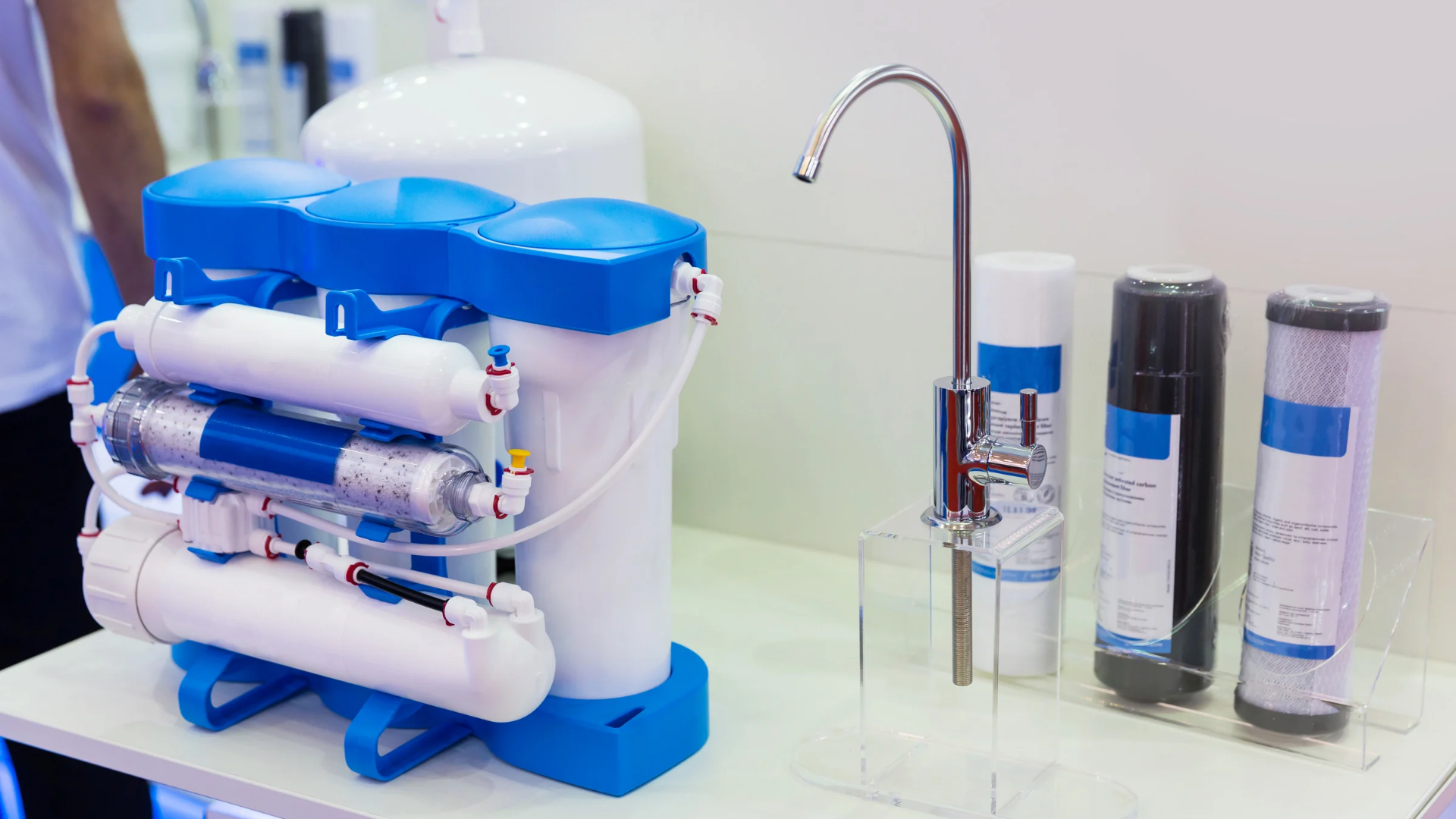
That rejected water is what’s continuously draining out of the system. Depending on the incoming water quality, TDS levels, purifier efficiency, membrane condition, and the age of the purifier, the water rejection levels can also get really high.
Older RO systems, particularly those in high-TDS areas, waste several litres of water just to produce one litre of water fit for drinkingw. These days, modern purifiers have become more efficient, and brands also market their products as “water-saving RO” technology, but rejecting water still remains an unavoidable part of the purification process itself.
Don’t Treat Reject Water Like Sewage
Where most of us go wrong is that we treat this rejected water as sewage and it is sent right into the drain without a second thought.
Technically, that water is not sewage.
Yes, RO reject water is not suitable for drinking because it contains concentrated dissolved solids and impurities that are filtered out during purification. You can still use it for many household chores where potable water is unnecessary, it is still perfectly usable.
Smartest Reuse Cases
You can use that water in very simple ways, don’t have to go above and beyond to save that water.
Floor mopping is probably the most common example. Bathroom cleaning, balcony washing, outdoor rinsing, vehicle cleaning, and flushing toilets are other popular use cases because these activities consume significant amounts of water daily without requiring purified water.
Flushing toilets is one of the most practical and simple use cases. You just have to open up the water tank and pour in the water. Flushing the toilets wastes a lot of water, so if you just use the RO reject water, it makes more sense.
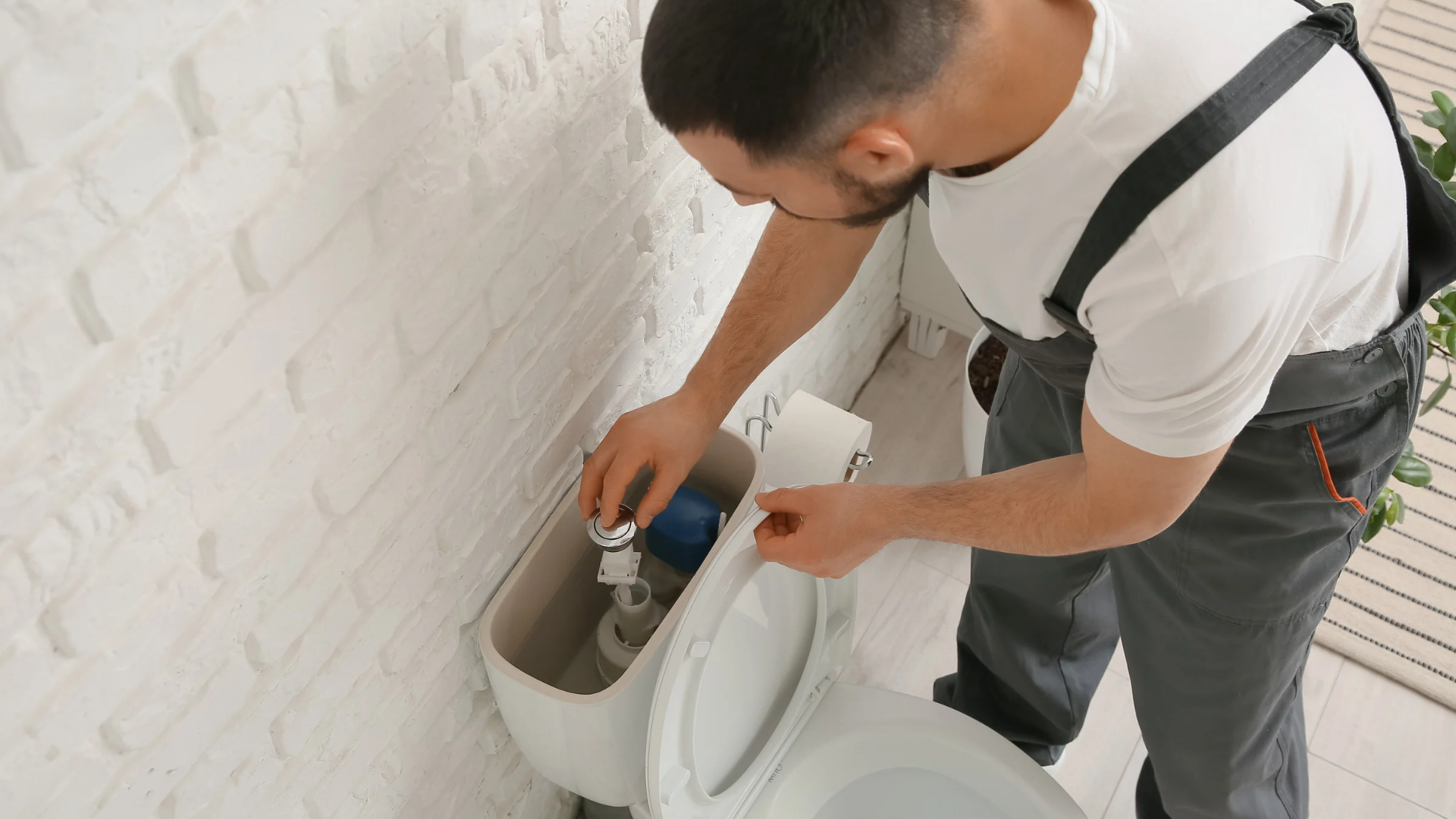
You already have a thin pipe running out the rejected water, just put that in a bucket and collect the water. It is as simple as that.
Not Every Hack Online Is Smart
I have seen multiple reels online suggesting people to use RO water to water their plants. While that can work in some situations, it is not universally safe advice because reject water quality depends heavily on the incoming water source itself.
If your original water already has very high TDS levels, the reject water can contain excessive dissolved salts and minerals and over time repeatedly using that water on sensitive plants can affect soil quality and damage certain varieties.
The same logic applies to cooking or bathing suggestions occasionally seen online. Reject water should not automatically be treated as clean reusable household water for everything. Just double check before using it.
Is Reusing Reject RO Water Actually Worth It?
Realistically speaking, collecting RO reject water is not going to drastically transform your household’s water consumption overnight. Still, considering how frequently RO purifiers run in most homes, even partial reuse for cleaning or flushing can make a noticeable difference over time.
More importantly, it changes the way people think about water usage inside the house. Most of us don’t realise how casually clean water gets used for tasks that don’t actually require drinking-quality water in the first place.
Saving any little amount of water actually counts.
Water Efficiency Is Becoming a Part of the Conversation
Interestingly, this conversation around RO reject water now also influences how brands market their purifiers today. A few years ago, purifier companies mostly focused on things like purification stages, UV + UF combinations, taste enhancement, or mineral cartridges. Now, “water-saving RO” has become a major talking point too.
A lot of new water purifiers claim to reduce water wastage through better recovery systems and improved filtration efficiency because consumers have become much more aware of how much water older RO systems waste on a daily basis.
Honestly, that shift was required. In places where water shortages, tanker dependency, and inconsistent municipal supply are already common, watching litres of water go down the drain every day feels increasingly difficult to ignore.