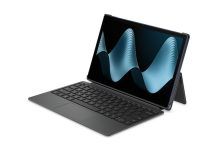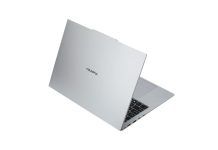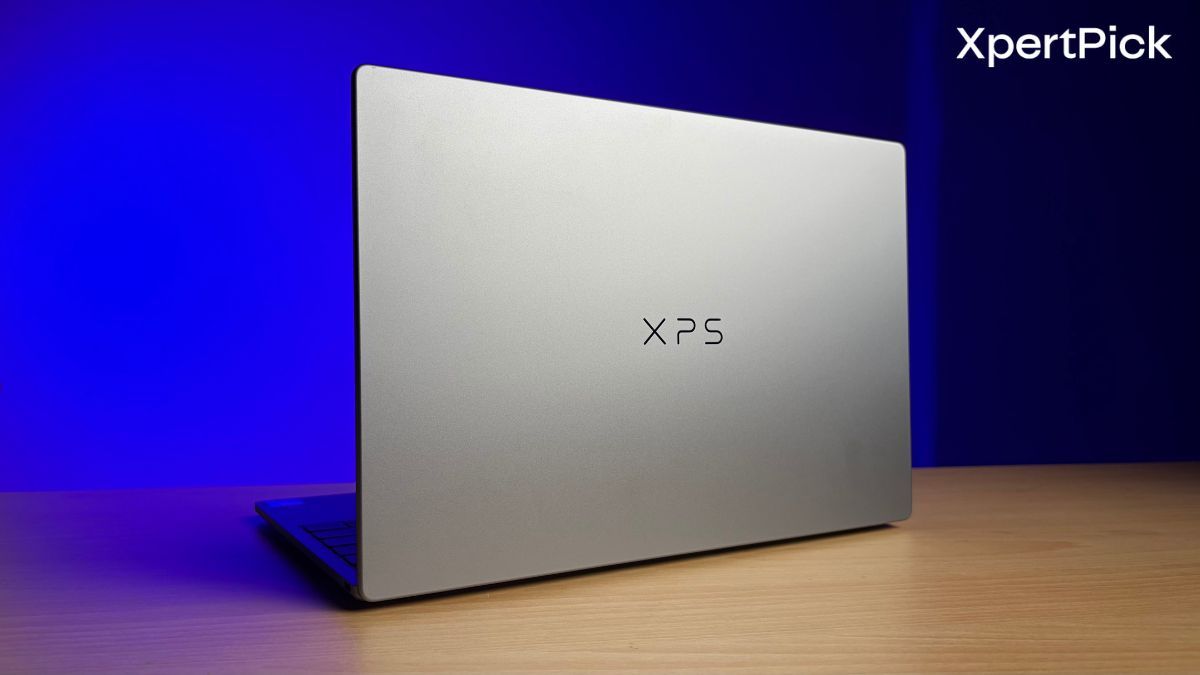
Good things come in small packages, and Dell has proved it right. The new Dell XPS 13 2026 is a refreshing and much-needed product that the laptop market has been desperately missing. Before I tell you anything about the laptop, though, I need to put the current component shortage situation, as of August 2026, into context.
Laptops with two- or three-generation-old processors and GPUs that were selling for around Rs 50,000 in 2025 are now touching Rs 80,000. At Rs 50,000 right now, you’re likely to get laptops equipped with dual-core processors, something that was common half a decade ago, along with older DDR4 memory, which was first introduced in 2014.
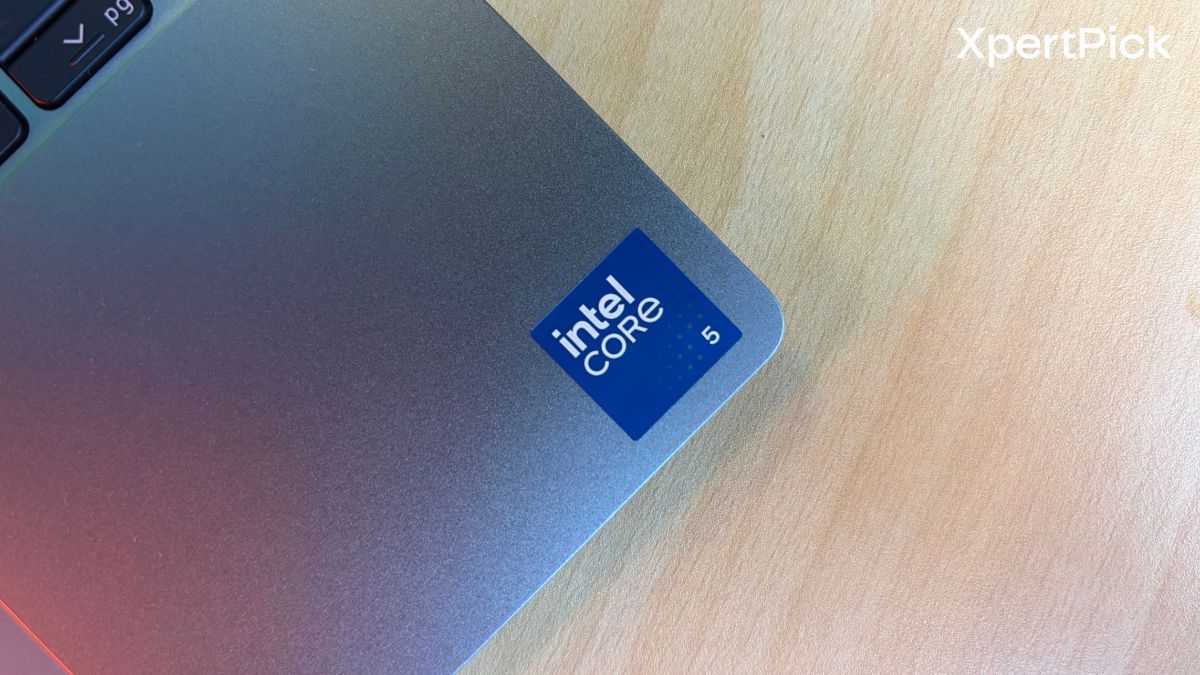
Now, with that context in mind, I am reviewing the Dell XPS 13 2026, which comes with an Intel Core 5 320 processor, 8GB of LPDDR5x RAM, and 512GB of expandable storage. The whole package retails for Rs 79,999, or Rs 73,990 with applicable discounts, which are most likely to be available for a limited time.
To put it short, I ran the laptop through its paces and tested whether 8GB of memory is enough to run daily productivity tasks in Windows 11 in 2026 or not. The result was not exactly what I was expecting, but some of my intuitions about the laptop’s limitations did turn out to be true. And here’s the long version.
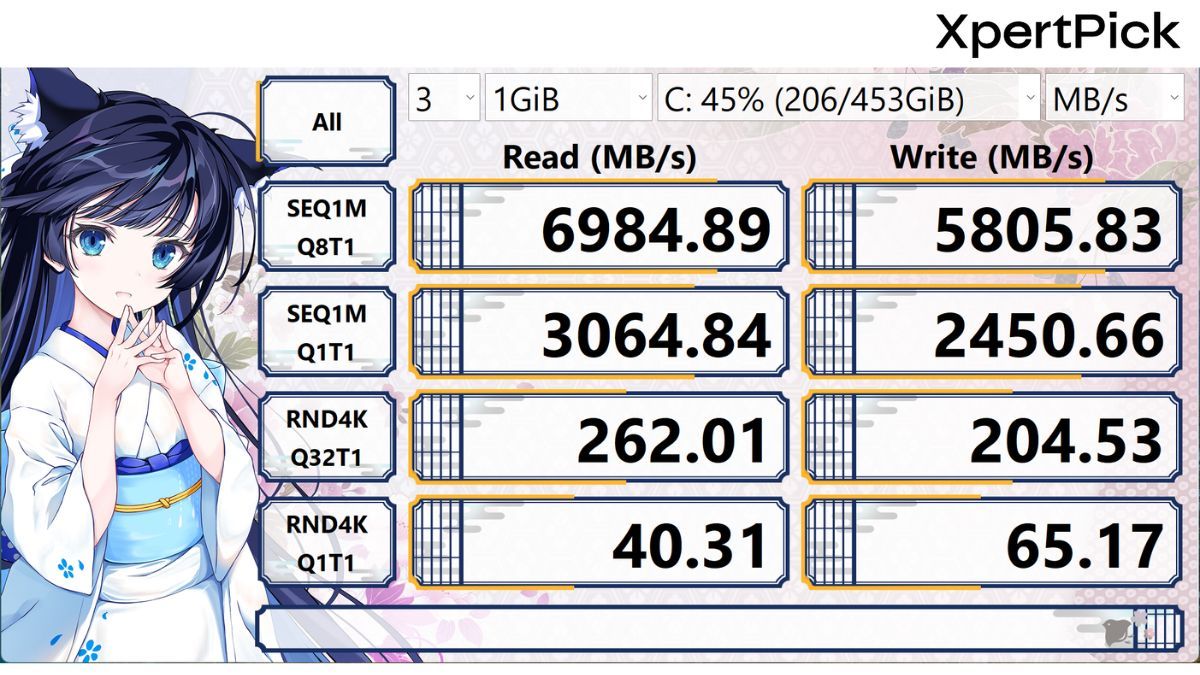
When it comes to graphics performance though, the XPS 13 sorely lacks behind, even against older chips like the Core Ultra 5 125H. In Geekbench 6 GPU, it scored a modest 12,848 points, a far cry from the 24,207 points managed by the Ultra 5 125H, and less than a quarter of the 56,000+ scores delivered by the newer Arc B390 graphics in the XPS 14 and Galaxy Book6 Pro.
| Laptop Model | 3DMark Highest Loop | 3DMark Lowest Loop | Frame Rate Stability |
| Dell XPS 13 | 2,362 | 2,332 | 98.7% |
| Acer Aspire 5 | 3,951 | 3,799 | 96.2% |
| Dell XPS 14 | 11,302 | 8,787 | 77.0% |
| Samsung Galaxy Book6 Pro | 11,536 | 10,431 | 90.4% |
| HyperX Omen 15 (Gaming baseline) | 18,260 | 18,117 | 99.2% |
But one area where the Dell XPS 13 works exceptionally well is during the 3DMark stress test; it scored a highest loop of 2,362 with an impressive 98.7% stability. While it doesn’t have the raw graphical power of its larger sibling, the XPS 14, which peaked at 11,302, it is vastly more consistent. The XPS 14 heavily throttled under sustained load, dropping to just 77% stability, and even the Samsung Galaxy Book6 Pro slipped to 90.4%. The XPS 13, by contrast, barely breaks a sweat and maintains its performance from start to finish.
Dell XPS 13 Battery Life
The Dell XPS 13 delivered 545 minutes of battery life in testing, more than twice the 234 minutes recorded by the Acer Aspire 5. All laptops in this comparison went through the same Procyon Office Productivity one-hour battery test, which simulates everyday office workloads using applications such as Excel, Word and PowerPoint. At ₹79,990, it costs only around ₹3,000 more than the Acer while offering a substantially longer runtime. It also achieves this with a 52 Wh battery, translating to roughly 10.5 minutes of runtime per watt-hour. This makes the XPS 13 particularly compelling for users who prioritise portability and battery life without moving into the premium price bracket.
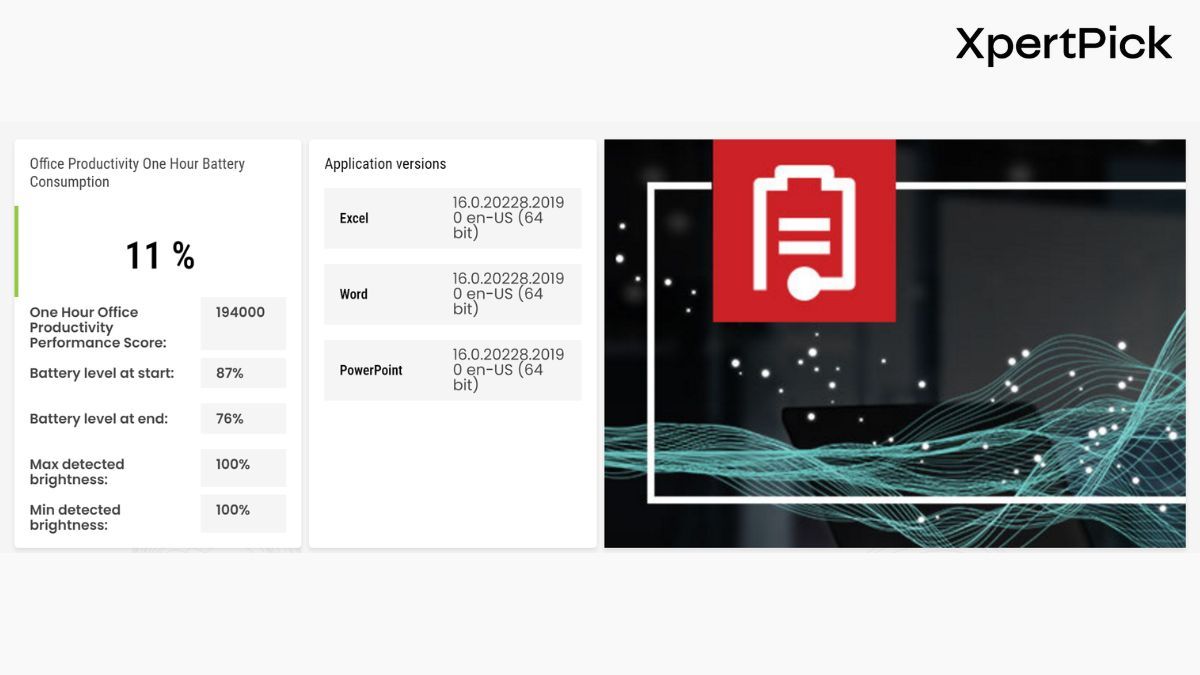
The HP OmniBook 5 remains the endurance leader in absolute terms, lasting 13 hours and 53 minutes from its 59 Wh battery. However, at ₹1,45,999, it costs considerably more than the XPS 13. The Dell XPS 14 also offers strong endurance at 12.5 hours from its 69 Wh battery, although its ₹2,57,890 price places it in a very different category. Meanwhile, the Samsung Galaxy Book6 Pro lasted 7 hours and 49 minutes despite having the largest 76 Wh battery in this group, making the XPS 13’s efficiency particularly notable.
| Laptop Model | Price (INR) | Battery Capacity | Battery Life |
| HP Omnibook 5 | ₹1,45,999 | 59 Wh | 13 hours 53 minutes (833 mins) |
| Dell XPS 14 | ₹2,57,890 | 69 Wh | 12 hours 29 minutes (749 mins) |
| Samsung Galaxy Book6 Pro | ₹2,24,990 | 76 Wh | 7 hours 49 minutes (469 mins) |
| Dell XPS 13 | ₹79,990 | 52 Wh | 9 hours 5 minutes (545 mins) |
| Acer Aspire 5 | ₹76,990 | 54 Wh | 3 hours 54 minutes (234 mins) |
8GB or 16GB RAM: Which Dell XPS 13 (2026) Variant to Buy?
In my experience, you can get by with 8GB of RAM on Windows 11, but that’s exactly it. You can only get by. While testing the Dell XPS 13, opening multiple tabs slowed the laptop down quite a bit. Switching between them takes a noticeable amount of time, almost two to three seconds, if you have a variety of windows and apps open alongside.
As long as you stick to single, focused tasks, photo editing, writing, or a bit of 1080p video editing, 8GB works out fine. But the moment you try to do several things at once, like rendering a video in the background while watching something else and taking notes, you’ll run into lag.
The good news is that the gap between the 8GB and 16GB variants, at least at the time of writing, is just Rs 8,000. On a well-built laptop meant to last years, that’s money well spent on longevity.
Dell XPS 13 Review Verdict
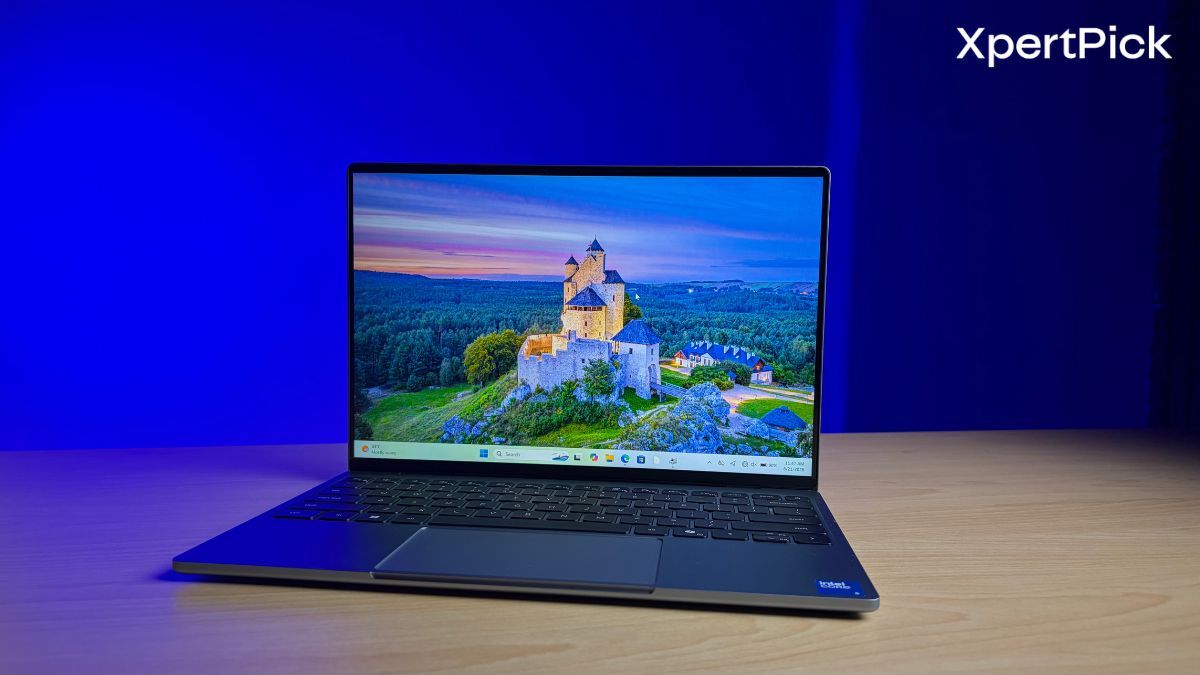
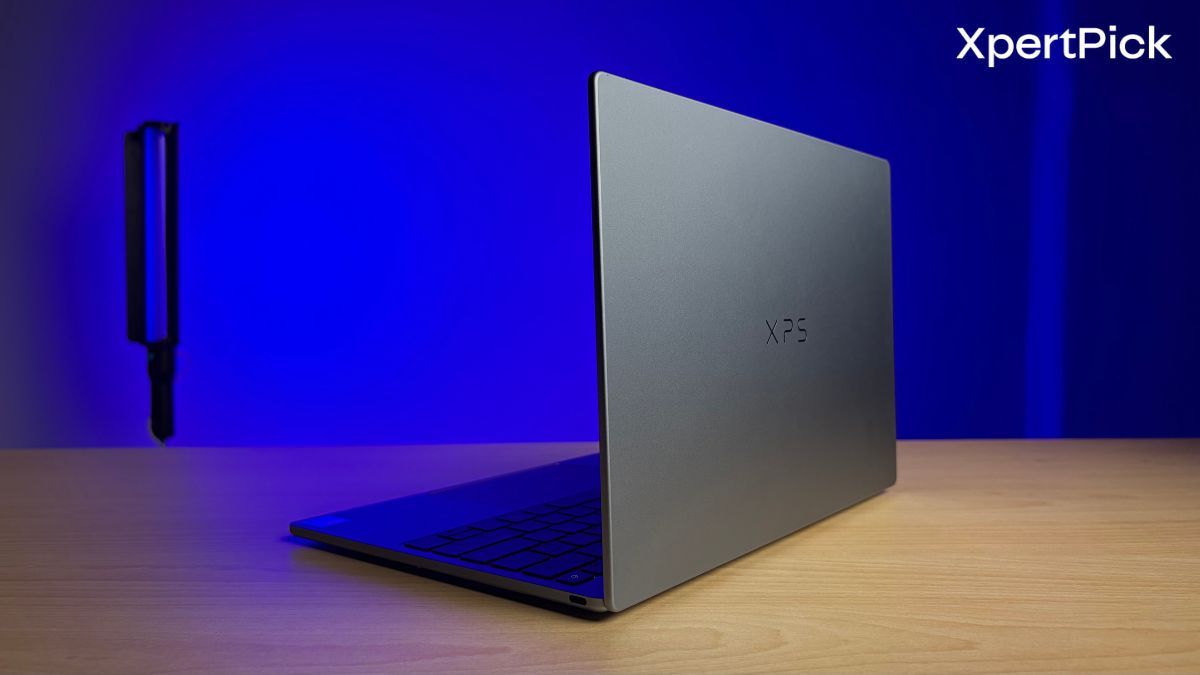
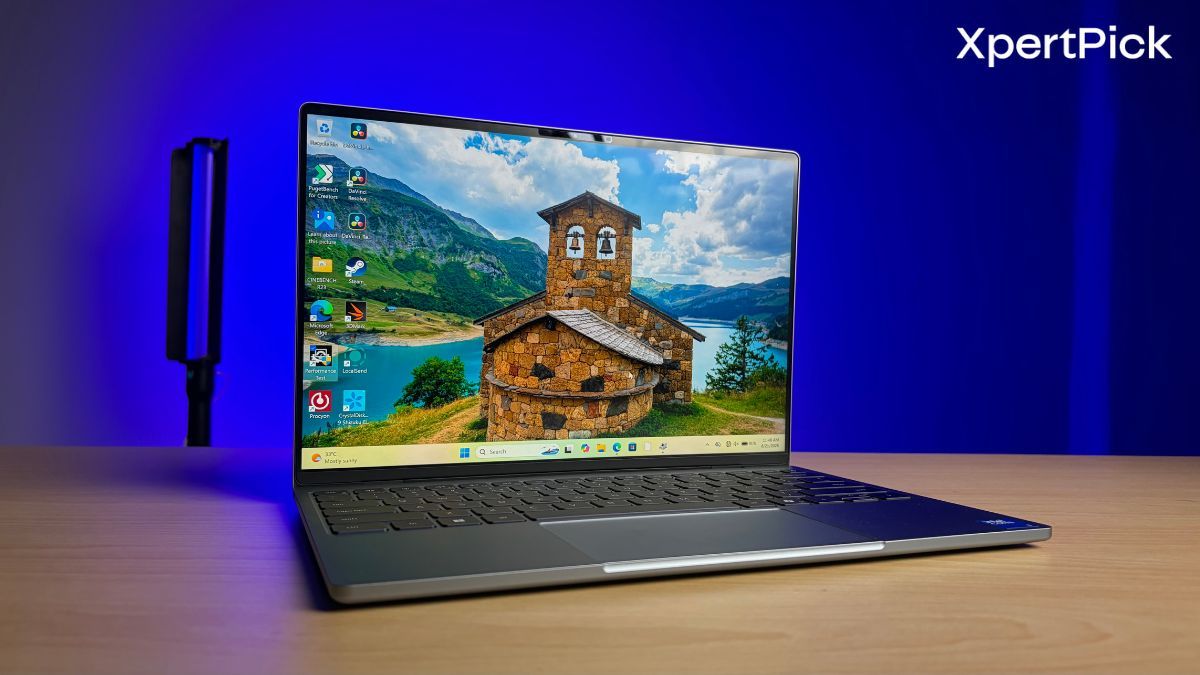
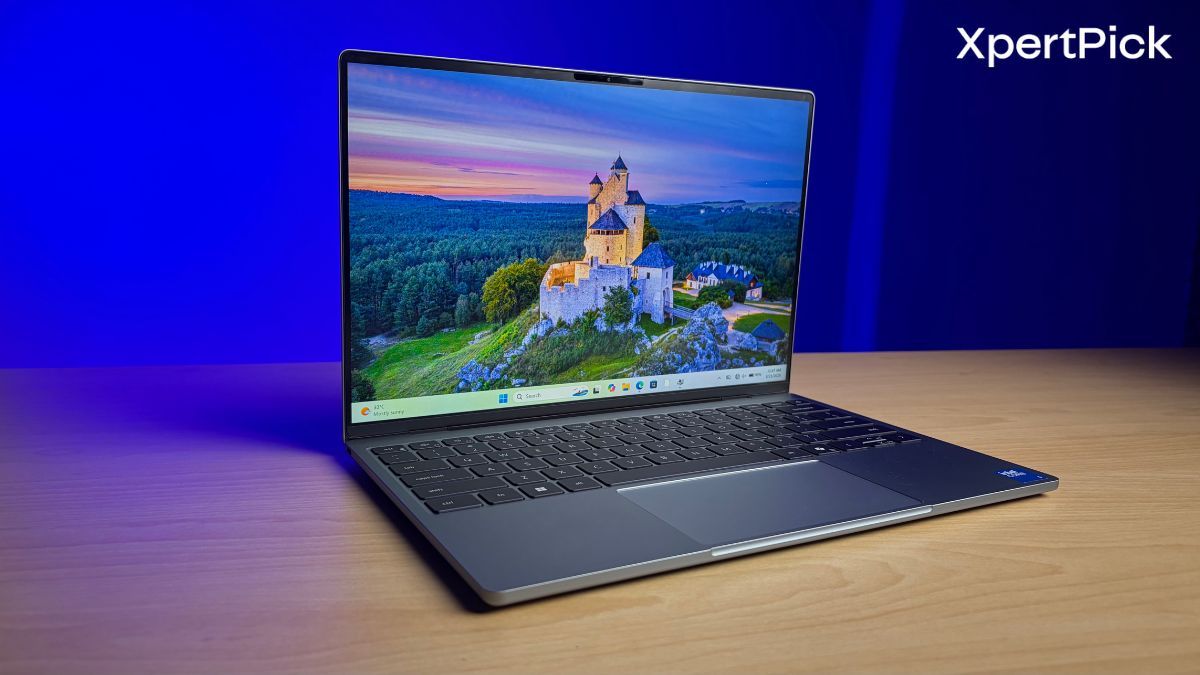
The Dell XPS 13 2026 is the rare laptop that feels like it was priced before the component crunch and launched after it. At Rs 79,999, you’re getting a 13mm aluminium chassis that weighs 1kg, a 2.5K 120Hz touchscreen with 98% DCI-P3 coverage and no PWM flicker, and just over nine hours of real battery life from a modest 52Wh cell. Any one of those would be notable at this price in August 2026. Together, they’re close to unreasonable.
What makes it work is that Dell picked the right chip for the job. The Core 5 320 isn’t going to win a multi-core argument, the Core Ultra 5 125H in the Rs 76,990 Acer Aspire 5 edges past it, and the graphics performance is genuinely weak, at roughly half the Aspire’s Geekbench GPU score. But it draws 22W sustained, holds 98.7% frame rate stability in the 3DMark stress loop where the XPS 14 collapses to 77%, and turns that efficiency into more than twice the Aspire’s battery runtime.
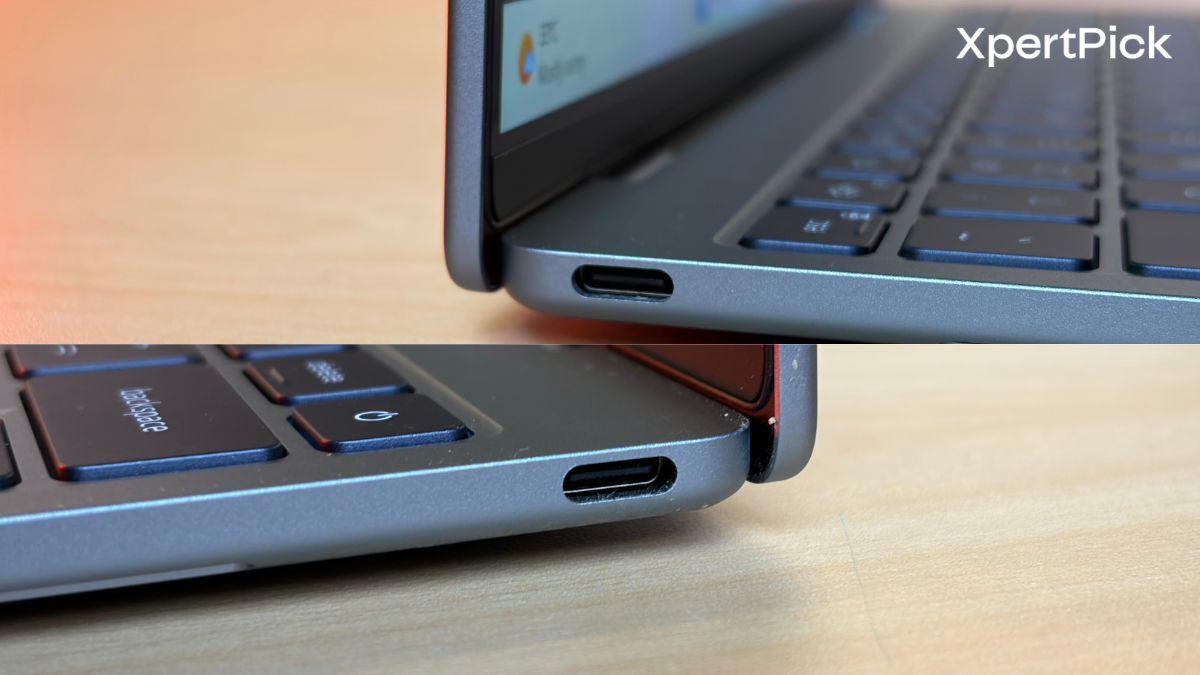
The compromises are real and worth naming. Two USB-C ports and no 3.5mm jack means a dongle is not optional, it’s part of the purchase. There’s no discrete graphics and no pretending otherwise, so anything beyond light photo work or the occasional older title is out. And the 8GB base configuration is the one genuine misstep. Soldered memory plus Windows 11 is not a combination that ages gracefully. Spend the extra Rs 8,000 on the 16GB variant at around Rs 87,866. Treat that as the actual price of this laptop.
So, if you want a machine for writing, browsing, meetings and travel, and you want it to feel expensive while doing so, there’s nothing else near this price that comes close right now.
Configured with 16GB of RAM, the XPS 13 is the easiest laptop recommendation under Rs 1 lakh I’ve made this year.
Pros
- Premium 13mm aluminium chassis that weighs just 1kg, lighter than both the MacBook Neo and MacBook Air.
- Excellent 2.5K 120Hz touchscreen with 500 nits, 98% DCI-P3 coverage and no PWM flicker.
- Just over nine hours of real-world battery life from a modest 52Wh cell.
- Exceptionally efficient Core 5 320 chip that holds 98.7% frame rate stability under sustained load.
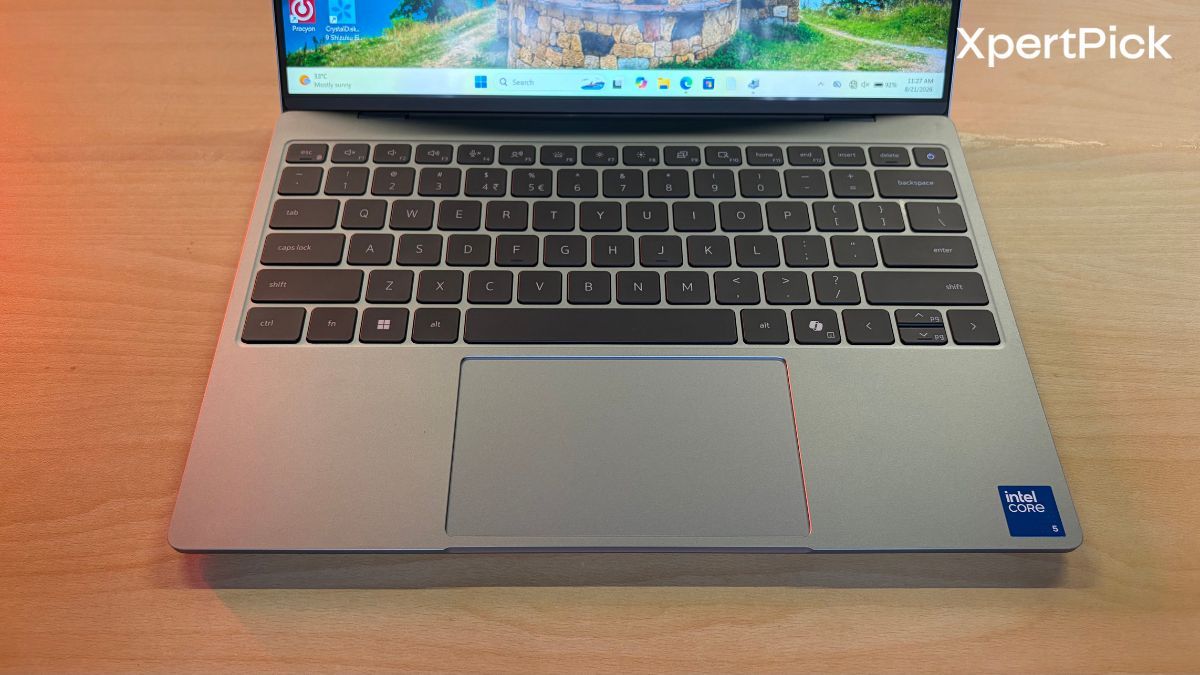
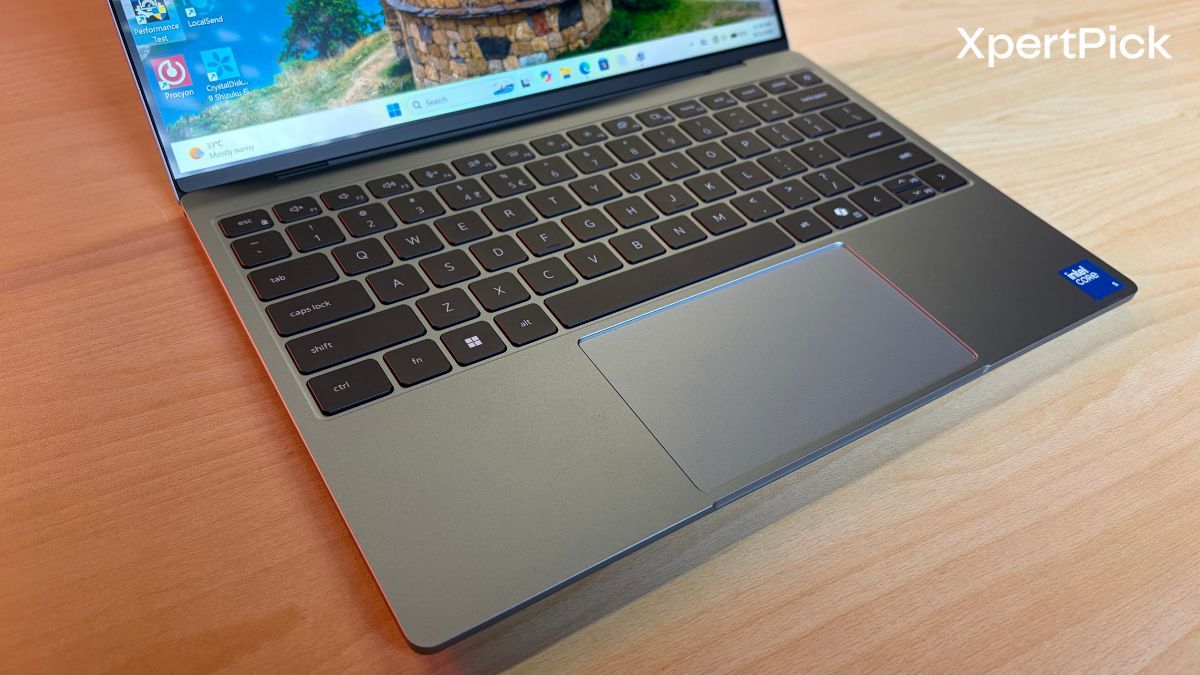
- Comfortable chiclet keyboard and a reliable traditional clickpad.
- Genuinely premium package for under Rs 1 lakh in a year of inflated laptop prices.
Cons
- Only two USB Type-C ports, so a dongle is effectively part of the purchase.
- No 3.5mm audio jack for wired headphones.
- Weak integrated graphics, scoring roughly half of the older Core Ultra 5 125H.
- Multi-core performance trails cheaper rivals like the Acer Aspire 5.
- 8GB base variant struggles with heavy multitasking, and the memory is soldered.