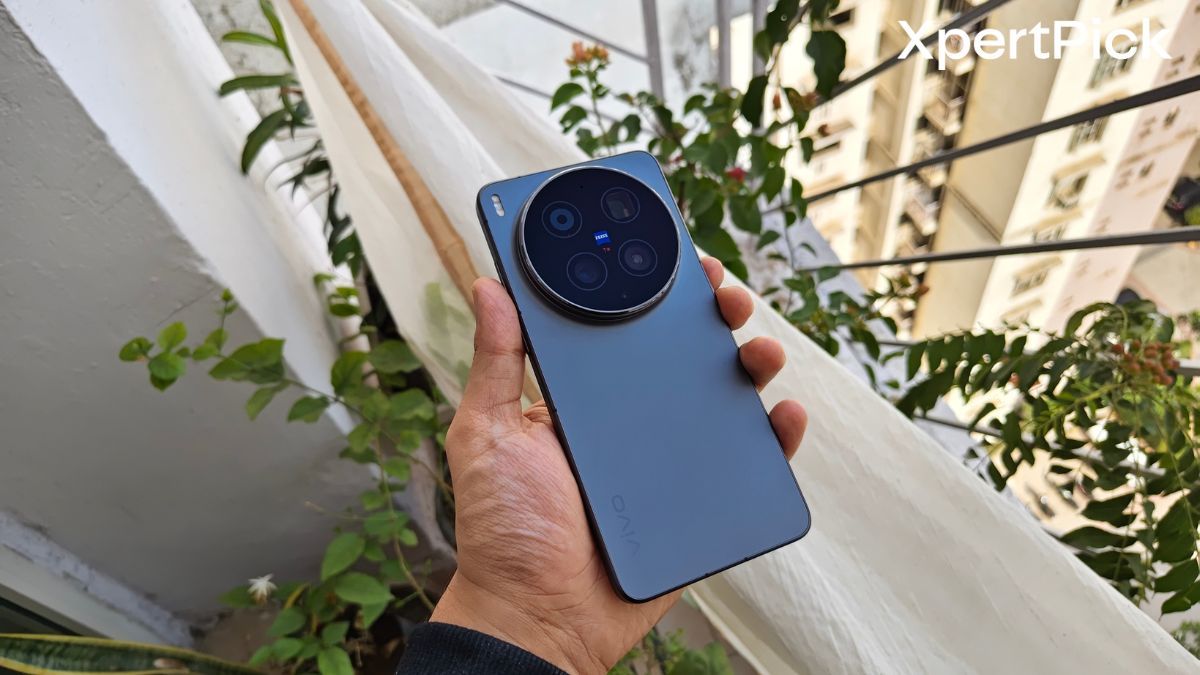
The smartphone industry has spent years chasing the perfect all-rounder, but the Vivo X300 Ultra seems interested in something more specific. This is not a phone trying to quietly blend into the flagship crowd. It is built around imaging first, with a design, camera system, and feature set that clearly point towards creators who care about focal length, colour, texture, and control.
That focus gives the X300 Ultra a distinct identity, but it also raises an important question: how much balance are you willing to trade for optical ambition? On paper, it has the hardware to sit among the most powerful flagships of the year, but our testing shows that its real-world behaviour is more complicated than the spec sheet suggests. For some users, this could be one of the most exciting camera phones of the year. For others, the compromises may be harder to ignore.
Vivo X300 Ultra Specifications
- Processor (CPU): Qualcomm Snapdragon 8 Elite Gen 5, built on a 3 nm process
- Graphics (GPU): Qualcomm Adreno 840
- RAM: 16 GB LPDDR5X Ultra Pro
- Storage: 512 GB / 1 TB UFS 4.1
- AI Processing (NPU): Dedicated Snapdragon 8 Elite Gen 5 NPU combined with a custom Vivo VS1+ Imaging & Computing Chip for on-device AI and advanced image rendering
- Display: 6.82-inch 2K LTPO AMOLED, 1–144 Hz adaptive refresh rate, 4,500 nits peak brightness, Dolby Vision, HDR10+, and 2K Zeiss Master Colour tuning
- Build & Design: 8.19 mm thickness (Black) / 8.49 mm (Green/Silver), 232 grams (Black) / 237 grams (Green/Silver), large circular metallic camera module ring, IP68 + IP69 dust and water resistance rating
- Colours: Eclipse Black, Victory Green, Film Green / Silver Tone
- Cameras: Rear: 200 MP primary (Sony LYTIA 901, 1/1.12″, f/1.85, OIS) + 200 MP periscope telephoto (Samsung ISOCELL HP0, 1/1.4″, f/2.67, 3.7x optical zoom, 3° Gimbal OIS) + 50 MP ultra-wide (Sony LYTIA 818, 1/1.28″, f/2.0, OIS) with Zeiss T* coating
- Front: 50 MP high-resolution selfie camera (f/2.45, Autofocus)
- Video: Up to 8K at 30 fps, 4K at 60/120 fps (Rear) | 4K at 60 fps (Front) with professional custom 3D LUT importing and Dolby Vision support
- Battery: 6,600 mAh Silicon-Carbon BlueVolt battery with 100W FlashCharge fast wired charging + 40W wireless FlashCharge
- Audio: Dual stereo speakers with Hi-Fi audio support
- Connectivity: Wi-Fi 7, Bluetooth 6.0, NFC, Infrared blaster
- Ports: USB Type-C 3.2 Gen 1, supports OTG and DisplayPort/image output, no 3.5 mm headphone jack
Display And Audio: A Flat 2K Viewfinder With Balanced Stereo Sound
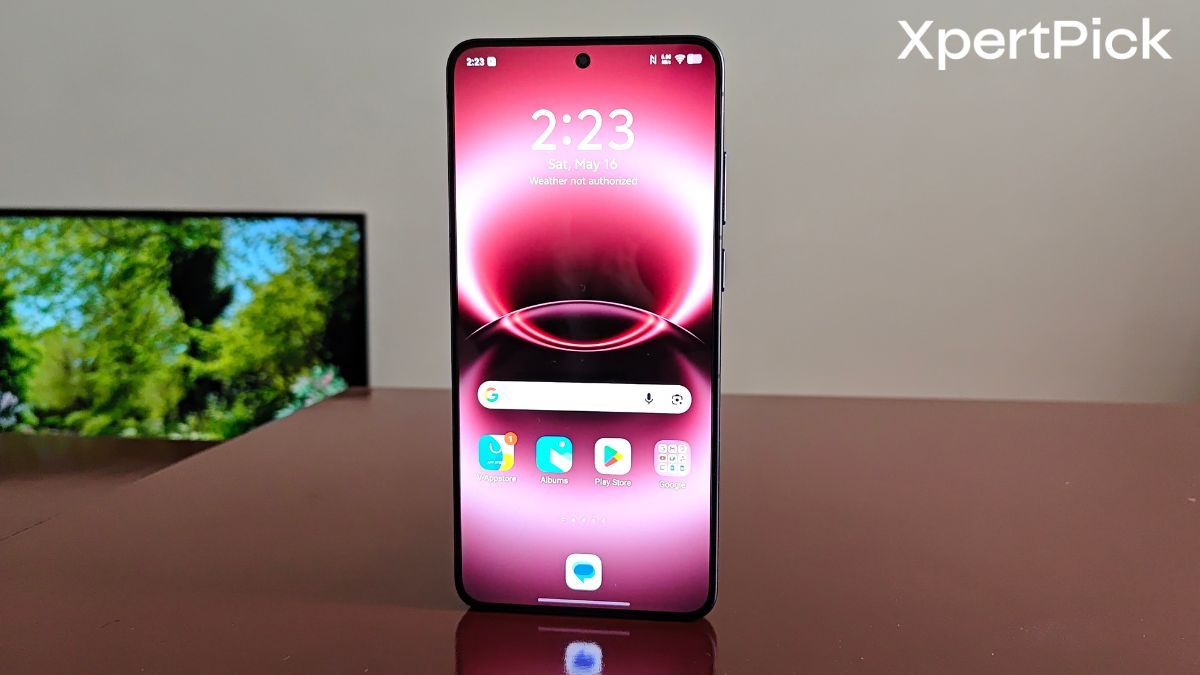
The Vivo X300 Ultra’s display is not just for watching content. On a camera-first phone, it also needs to work as a reliable viewfinder, and the flat 6.82-inch LTPO AMOLED panel fits that role well. By moving away from curved edges, Vivo reduces edge glare and accidental touches, making it easier to frame shots, adjust exposure, and review images accurately.
The sharp 2K resolution gives photos and 4K 120fps videos the clarity they need, while the high peak brightness should help when shooting or reviewing content outdoors. The 1Hz to 120Hz LTPO refresh rate keeps scrolling and editing smooth, but can also drop down on static content to save battery.
In terms of colour gamut coverage, Vivo claims 100% DCI-P3 coverage for its wide colour profile. In standard lab testing, the panel also covers around 99.7% to 100% of the sRGB colour space when switched to the Natural or Professional colour profiles, which helps prevent over-saturation.
It is also a 10-bit panel, allowing it to render 1.07 billion colours for smoother gradients with minimal banding.
It is also quite bright, reaching around 2,200 nits of peak auto brightness, which keeps the phone highly usable even under harsh sunlight. Meanwhile manual peak brightness in normal conditions came out to be around 700 nits.
Colour accuracy matters even more on a phone like this. Vivo’s calibration and ZEISS Natural tuning should help the display show images closer to how they were captured, instead of adding unnecessary saturation or contrast. High-frequency PWM dimming also makes the screen easier to use during long editing or late-night review sessions.
The stereo speakers complete the media experience. The top and bottom speaker setup feels balanced, avoiding the usual problem where the bottom speaker overpowers everything else. Voices should remain clear, while the low-end adds enough weight for films, music, and field playback.
The Vivo X300 Ultra treats its display and audio as part of the creator workflow. The screen is a sharp, bright, flat canvas for shooting and reviewing content, while the speakers give media enough scale to feel properly premium.
Design And Build Quality: A Camera-First Flagship Built Like Precision Optical Gear
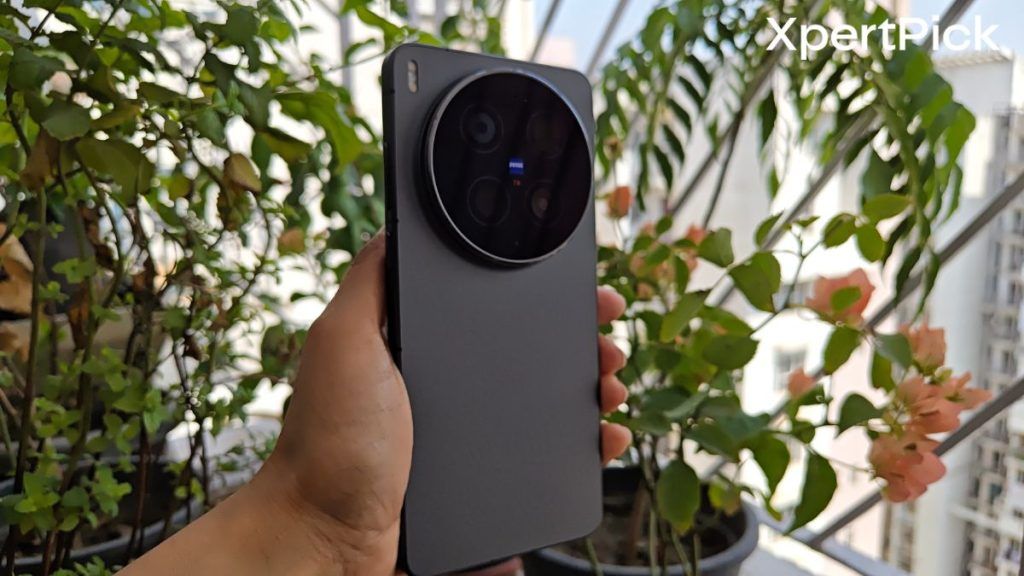
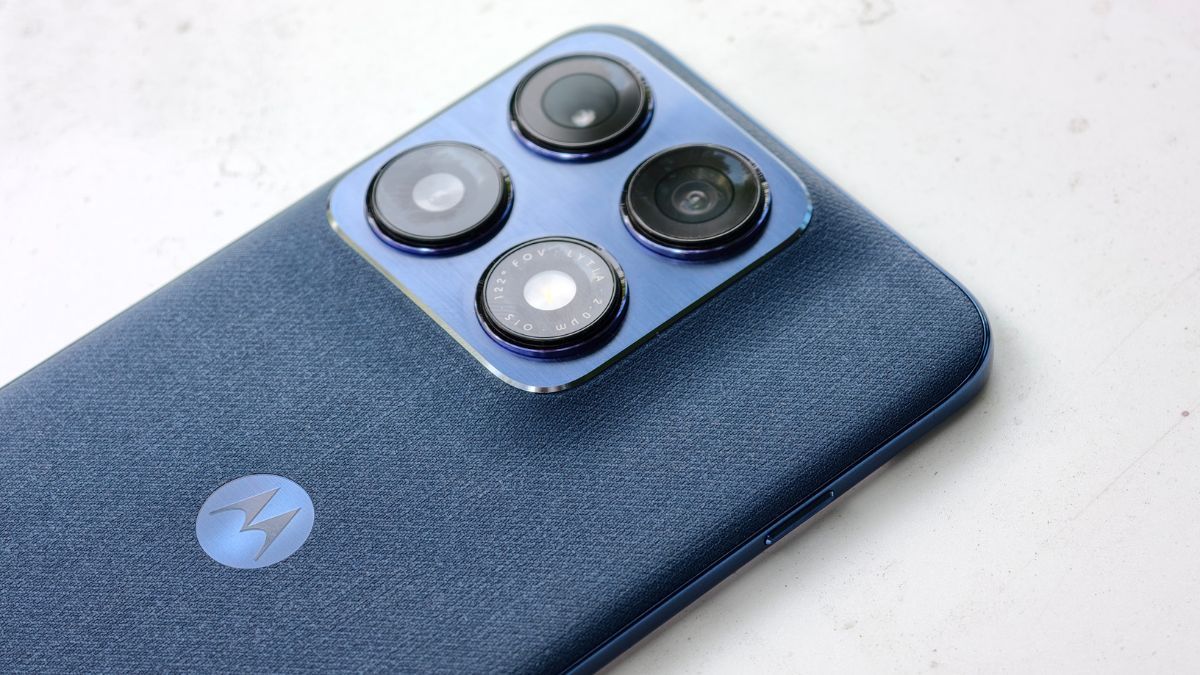
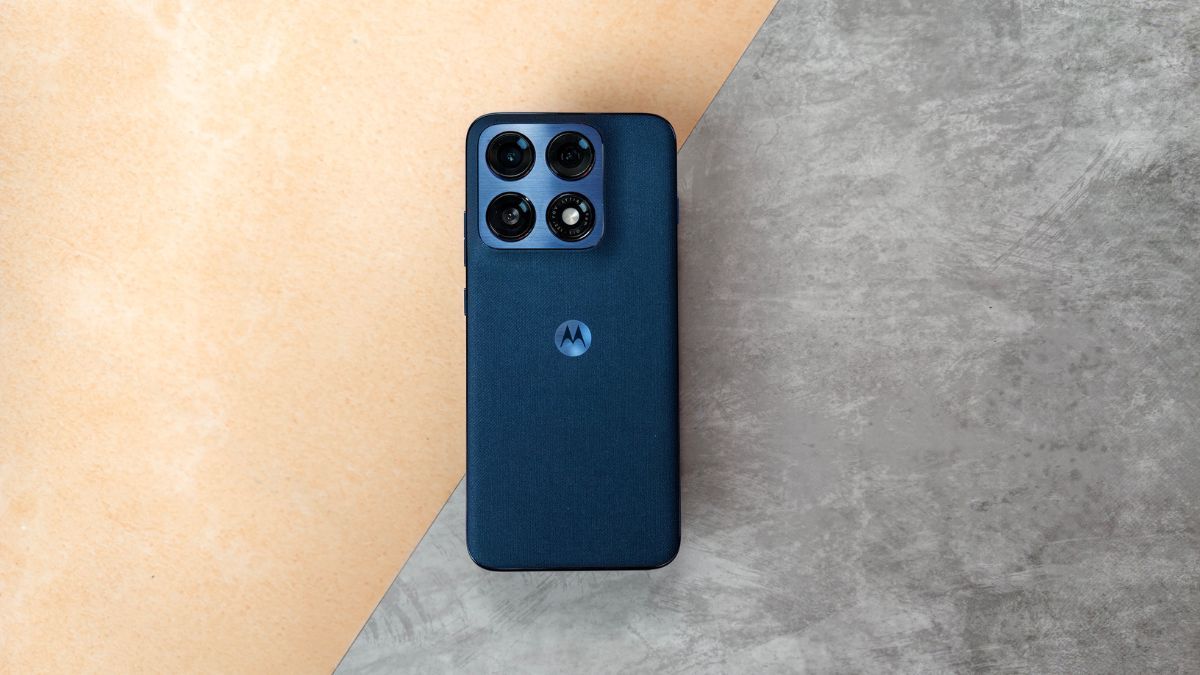
It does not seem like Vivo is taking any bold new step with the design of the Vivo X300 Ultra. It looks like a glass slab with a huge round camera module fitted onto its back. The Vivo X300 Pro has a slightly smaller version of the same round camera module, while the X300 and X200T also follow a similar circular camera design. This essentially makes it a signature design for several of Vivo’s new releases, apart from the X300 FE.
Interestingly, Oppo has taken a slightly different approach with the Find X9 series. The round rear camera module appears only on the Oppo Find X9 Ultra, while the Oppo Find X9 Pro and Find X9 feature a squarish camera module. This helps distinguish them more clearly from the Ultra model.
The Vivo X300 Ultra is built around a flat 6.82-inch display, a flat fingerprint-resistant glass-fibre back, and a polished aluminium frame. It is available in Eclipse Black and Victory Green, and is protected by Vivo’s Armor Glass. It also carries both IP68 and IP69 ratings, making it highly resistant to dust, deep-water immersion, and high-pressure hot water jets.
In my opinion, because of the weight distribution and the smooth glass back, the phone tends to be quite slippery. During testing in our lab, it was dropped by multiple people several times. Thankfully, it mostly fell on soft surfaces and did not get damaged during the process.
For context, the phone measures 162.98 x 76.81 x 8.19 mm and weighs a heavy 232 g. It also packs a large 6,600 mAh silicon-carbon battery, which makes it feel noticeably top-heavy.
However, the thick camera module does improve ergonomics slightly by acting as a resting ledge for the index finger. It also prevents the phone from wobbling too much when placed flat on a table.
For security, it uses a fast and reliable 3D ultrasonic fingerprint sensor under the screen. Connectivity options include a high-speed USB-C 3.2 port capable of 10 Gbps data transfers, a dual Nano-SIM tray, and stereo speakers.
While the phone itself lacks a physical camera button, an optional Photography Kit accessory is available. It adds a camera grip, mechanical shutter button, and zoom dial.
In conclusion, although the design of the Vivo X300 Ultra feels appropriate for a camera-focused Ultra smartphone, I still wish it had a grippier texture like the Oppo Find X9 Ultra, or some unique design twist that could easily separate it from the Vivo X300 and X300 Pro series beyond just the larger camera module.
Camera: Vivo X300 Ultra Turns Smartphone Photography Into A Serious Imaging System
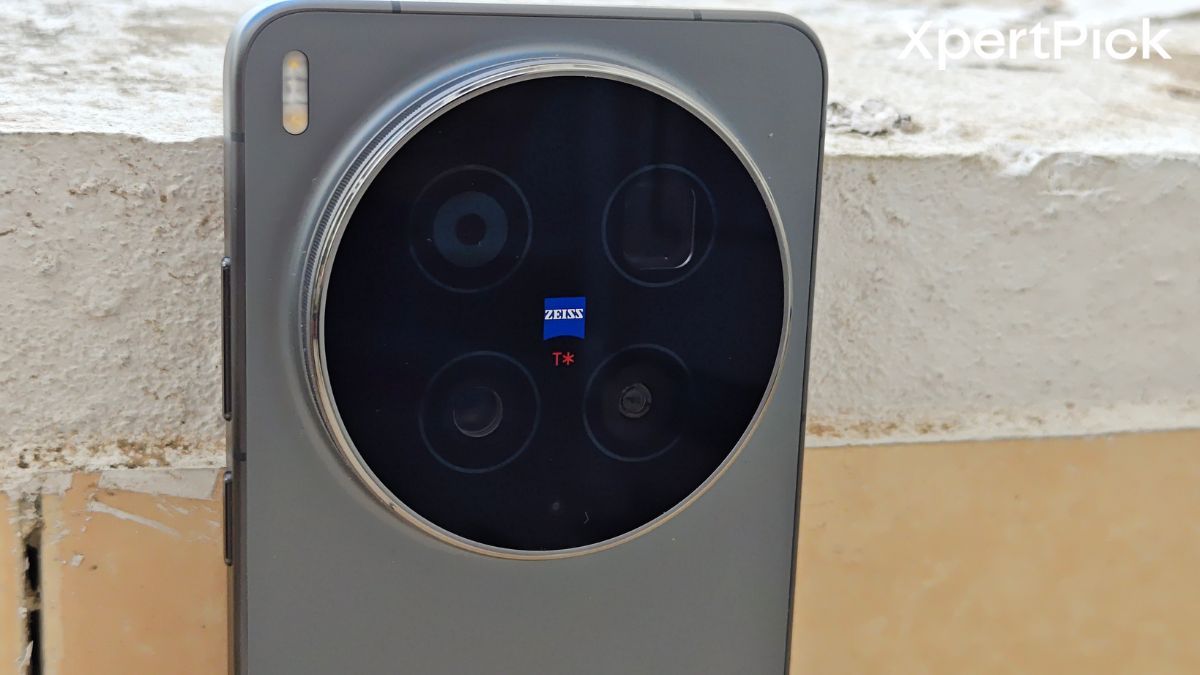
The Vivo X300 Ultra features a triple-camera system anchored by a 35mm main lens using a 200MP Sony LYT-901 sensor, a 1G+6P optical stack, and ZEISS T* ALD coating. Its 85mm periscope telephoto lens is built around a custom 200MP Samsung ISOCELL HP0 sensor with ZEISS APO certification, stabilised by a 3-degree micro-gimbal with a CIPA 7.0 rating.
This telephoto unit includes 60fps predictive autofocus and supports 200mm and 400mm snap-on physical teleconverters. A 50MP 14mm ultra-wide lens completes the physical hardware. The entire system uses a ZEISS Natural colour profile and keeps colour-matched calibration across the 14mm, 35mm, and 85mm focal lengths.
However, in our testing, the captured colours were often inaccurate and noticeably over-brightened, which is disappointing for such a premium device.
That said, the daylight samples below tell a slightly different story. The camera manages to preserve natural tones and textures quite well, whether it is the subject’s skin tone, the warm yellow of the fire, or the jagged walls of the monuments.
The new 200MP main camera captures excellent everyday photos with strong focus and sharpness. It also includes a pixel-binning mode that combines pixels to produce highly detailed 25MP images.














However, under low or indoor lighting, the camera sometimes struggles to capture the exact tint and shade of colours in the image.
For example, the green of the plant pots in the image below is close to how it looks in real life, but the green on the pool table appears overly brightened. Moreover, the camera has aggressively eliminated most of the shadows that were present on the pool table.





Surprisingly, the selfie camera does not seem to suffer from the same issue. It keeps colours intact, whether I am shooting outdoors or indoors. It captures my skin tone cleanly, along with blemishes and facial marks, while also neatly preserving the whites and greys in my hair and beard.
In direct sunlight, the camera does an excellent job of capturing my face without blowing out the highlights. In shaded conditions, it also preserves shadows well, instead of aggressively lifting them.
While shooting indoors, the camera remains consistent. Only when the lighting becomes too low does it start to soften the image, as it did in the case of Mustafa, the person in the white shirt taking the selfie.






In terms of portrait shots, the X300 Ultra does not just raise the bar, it takes it to a whole new level. The bokeh effect is strong regardless of the subject, and both the selfie and rear cameras clearly separate the subject from the background.
The camera system also handles difficult subjects with surprising ease, whether it is a stray strand of hair, an object with inconsistent depth like a car’s ORVM, or a tree branch. It manages to retain fine detail even when the surrounding scene is busy or generally difficult to capture.

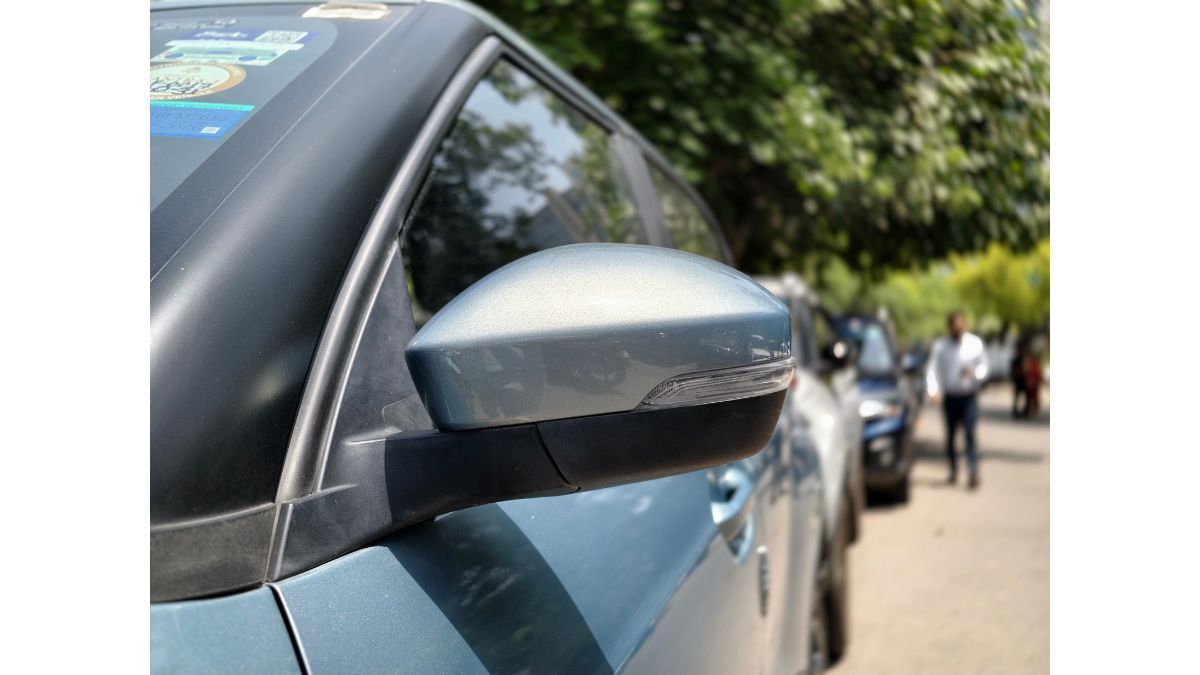



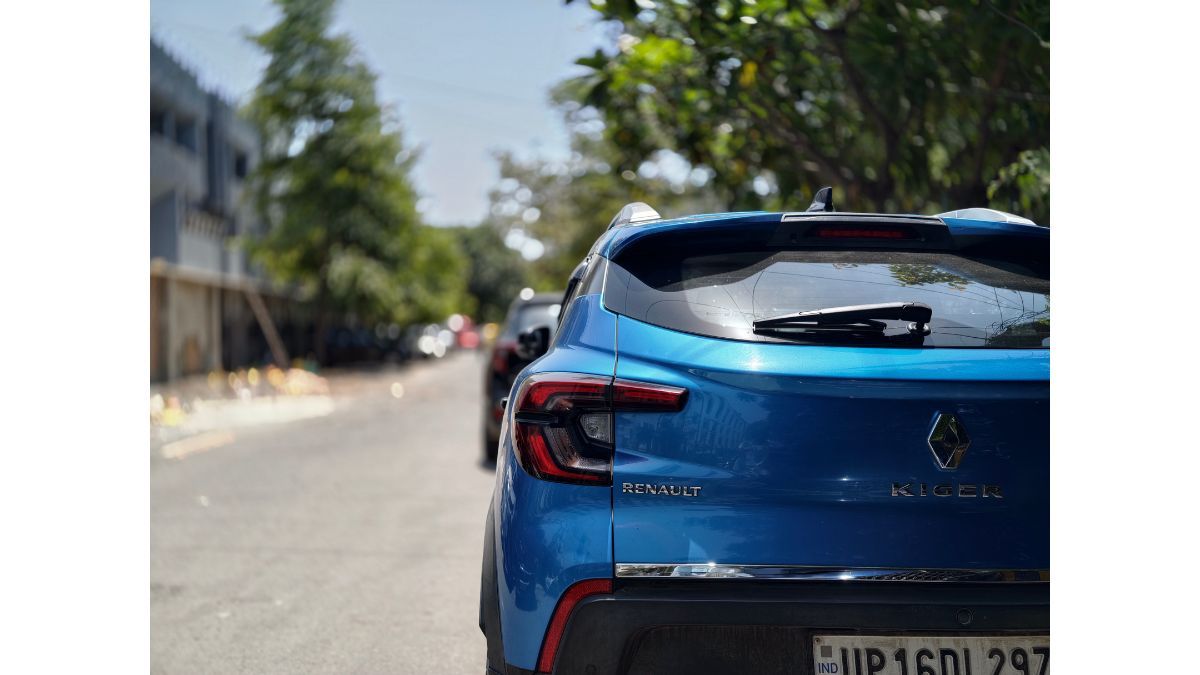
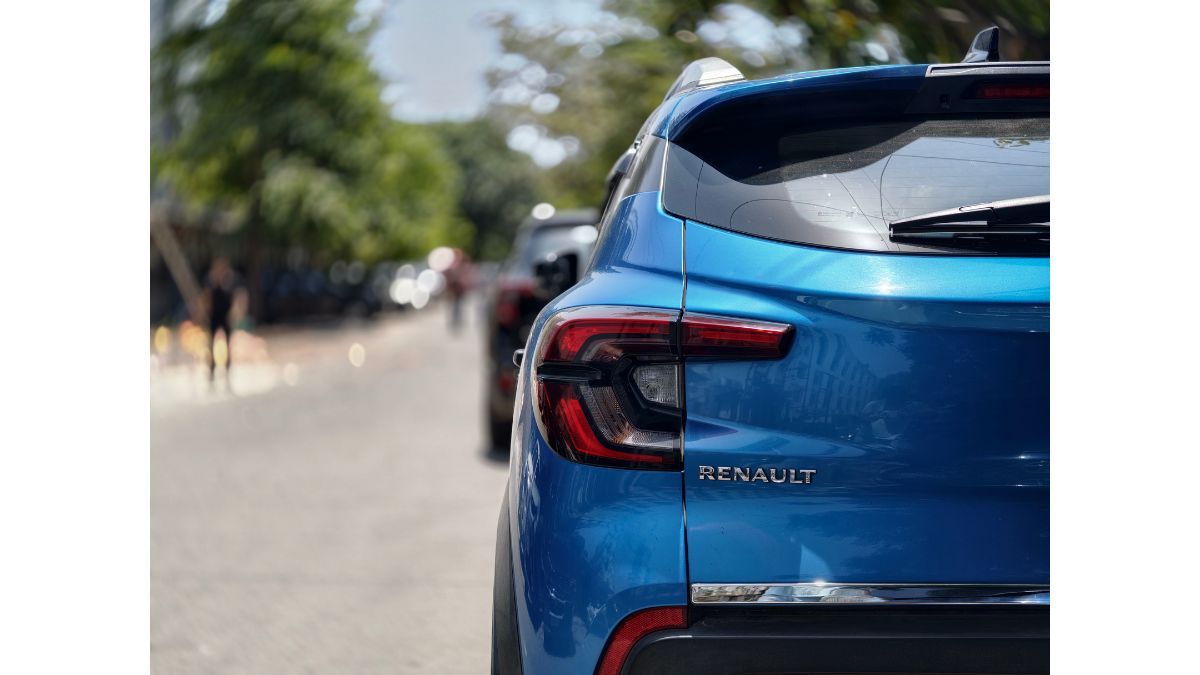
However, in portrait selfie mode, especially with the bokeh aperture set higher than f/5.6, the front camera starts to artificially generate some details, such as extra strands of hair that are not actually there. This is not an issue when taking bokeh shots with the rear camera, though. It only happens with the selfie camera.





Thankfully, it still keeps skin colour and texture intact across both indoor and outdoor lighting conditions.
The zoom lens on the vivo X300 Ultra is a huge step forward for phone cameras, especially when zooming from 3.7x to 10x. It uses a massive sensor to take sharp portrait photos with real, natural background blur instead of fake digital blur. It also has great stabilisation, which makes it excellent for steady close-up shots and smooth video.





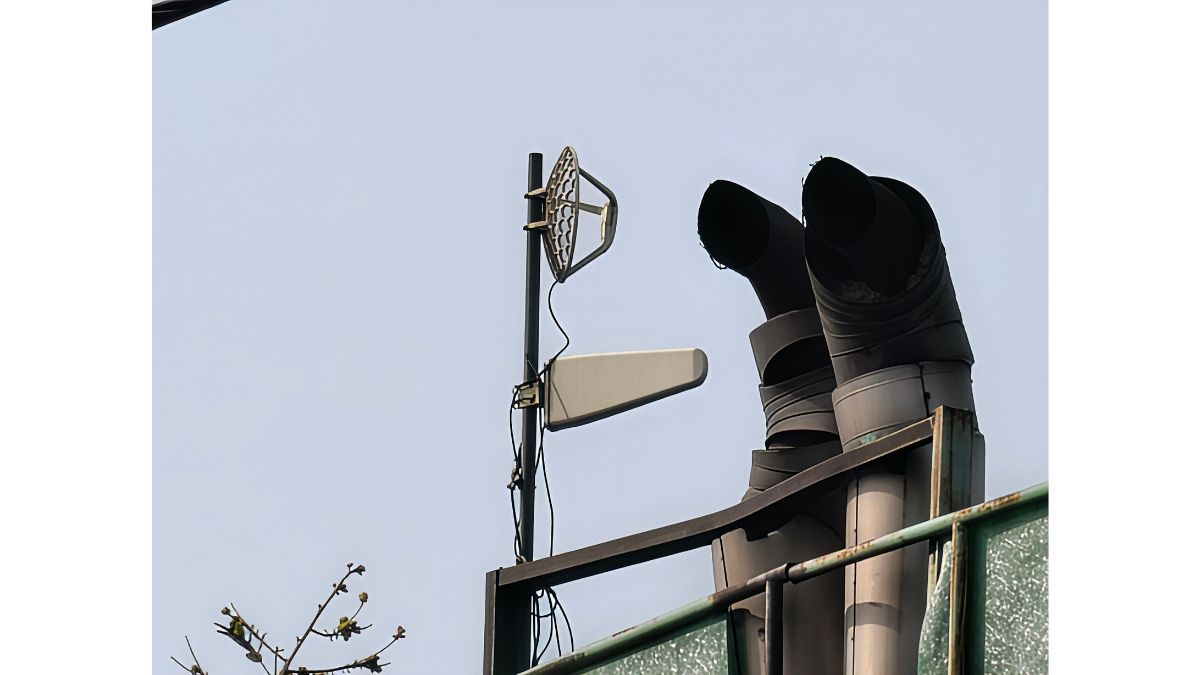
It does tend to rely heavily on AI and fill in details when using extreme zoom, but the details it captures are, more often than not, accurate, such as number plates, information on boards, and other distant text.






Video is no longer an afterthought. The X300 Ultra unlocks 4K at 120fps across all three rear cameras, allowing for buttery slow-motion from any perspective. It also shoots in 10-bit Log with full ACES integration, meaning you can drop this footage directly onto a professional timeline and colour-grade it alongside standard cinema cameras.
Benchmark And Gaming Performance: Vivo X300 Ultra Is Fast, But Not The Most Consistent
| Smartphone | Geekbench 6 Single-Core Score | Geekbench 6 Multi-Core Score |
| OnePlus 15 | 3,662 | 10,450 |
| Vivo X300 Ultra | 3,634 | 10,510 |
| iQOO 15 | 3,529 | 10,223 |
| Vivo X300 | 3,188 | 9,361 |
In CPU performance, the OnePlus 15 and Vivo X300 Ultra are almost tied. The OnePlus 15 leads in single-core with 3,662 points, while the Vivo X300 Ultra is just behind at 3,634. This gap is tiny and will not be noticeable in daily use.
The Vivo X300 Ultra takes a small lead in multi-core performance with 10,510 points, compared to 10,450 on the OnePlus 15. This gives it a slight edge in heavier workloads, but again, the difference is marginal.
The iQOO 15 follows closely with 3,529 in single-core and 10,223 in multi-core. It is still firmly in flagship territory, just a little behind the top two.
The standard Vivo X300 is the weakest here, scoring 3,188 in single-core and 9,361 in multi-core. It is still powerful, but clearly sits below the Ultra-class phones.
Overall, the Vivo X300 Ultra has the best balanced CPU performance, while the OnePlus 15 has the highest single-core score. The iQOO 15 is close behind, and the Vivo X300 is the more modest performer in this group.
| Smartphone | 3DMark Peak Score | 3D Mark Stability (Stress Test) |
| iQOO 15 | 7,127 | 58.3% |
| Vivo X300 (Standard) | 6,956 | 54.7% |
| OnePlus 15 | 6,858 | 65.6% |
| Vivo X300 Ultra | 6,824 | 60.9% |
In GPU stress testing, the iQOO 15 delivers the highest peak score at 7,127. This means it has the strongest short-burst graphics performance here, useful for heavy games and benchmark runs.
The Vivo X300 follows closely with 6,956, which is impressive for the standard model. However, its 54.7% stability is the lowest in this group, so performance may drop more noticeably during longer gaming sessions.
The OnePlus 15 scores 6,858, which is slightly lower than both the iQOO 15 and Vivo X300, but it has the best stability at 65.6%. That makes it the most consistent performer under sustained GPU load.
The Vivo X300 Ultra has the lowest peak score at 6,824, but its 60.9% stability is decent. It may not hit the highest graphics ceiling, but it should hold performance better than the standard Vivo X300.
Overall, the iQOO 15 wins for peak GPU power, while the OnePlus 15 is the better sustained performer. The Vivo X300 Ultra sits in the middle with balanced stability, and the standard Vivo X300 is fast but less consistent under stress.
| Smartphone | BGMI Average FPS | BGMI 5% Low FPS (Stutter/Drops) |
| iQOO 15 | 119.6 | 115.9 |
| OnePlus 15 | 119.4 | 110.5 |
| Vivo X300 | 116.9 | 98.7 |
| Vivo X300 Ultra | 107.6 | 21.7 |
Across BGMI and Minecraft, the iQOO 15 is the strongest overall gaming performer. In BGMI, it leads with 119.6 FPS average and an excellent 115.9 FPS 5% low, which means it is both fast and extremely stable. Minecraft is weaker at 59.2 FPS average, but the 51.4 FPS 5% low keeps it playable and fairly consistent.
The OnePlus 15 is the most balanced option after the iQOO 15. It is almost tied in BGMI with 119.4 FPS average and a strong 110.5 FPS 5% low. In Minecraft, it performs better than the iQOO 15 on average, reaching 67.4 FPS, while also maintaining a decent 53.7 FPS 5% low.
The Vivo X300 is surprisingly strong, especially in Minecraft. It delivers the highest Minecraft average at 96.5 FPS, which is well ahead of every other phone here. In BGMI, it also does well with 116.9 FPS average, but the 98.7 FPS 5% low shows slightly more drops than the iQOO 15 and OnePlus 15.
The Vivo X300 Ultra is the weakest gaming performer in this comparison. Minecraft performance is stable enough, with 59.8 FPS average and the best 5% low at 54.1 FPS. However, BGMI is a major problem. While the 107.6 FPS average looks acceptable, the 5% low drops sharply to 21.7 FPS, pointing to serious stutter or optimisation issues.
The iQOO 15 wins for BGMI and overall gaming stability. The Vivo X300 wins Minecraft outright. The OnePlus 15 is the safest all-rounder, while the Vivo X300 Ultra needs better game optimisation despite its premium hardware.
Battery Life Compared: Vivo X300 Ultra Is Strong, But Not Class-Leading
| Smartphone Model | Battery Size (Capacity) | PC Mark Battery Life (Run Overnight) |
| OnePlus 15 | 7,300 mAh | 27h 13 min |
| Vivo X300 Ultra | 6,600 mAh | 23h 02 min |
| Xiaomi 17 Ultra | 6,000 mAh | 21h 55 min |
From the Vivo X300 Ultra’s perspective, the battery life result is strong, but not class-leading. The phone packs a 6,600 mAh battery and lasts 23 hours and 02 minutes in the PCMark battery test, which is a very respectable figure for a flagship built around a large 2K LTPO AMOLED display, powerful hardware, and a serious camera system.
However, the OnePlus 15 still has a clear endurance advantage. Its larger 7,300 mAh battery helps it run for 27 hours and 13 minutes, giving it a lead of over four hours compared to the X300 Ultra. That is a noticeable gap, especially for users who prioritise maximum battery life above everything else.
The Xiaomi 17 Ultra, meanwhile, finishes slightly behind the Vivo X300 Ultra, lasting 21 hours and 55 minutes in the same test. Its battery capacity varies by region, with the global model using a 6,000 mAh battery and the China variant reportedly getting a larger 6,800 mAh unit. Either way, in this test, the Vivo X300 Ultra manages to stay ahead.
So, the Vivo X300 Ultra delivers dependable flagship-grade battery life, but it does not dominate this category. It beats the Xiaomi 17 Ultra and should comfortably last through a demanding day.
The Verdict: An Unapologetic Camera Flagship
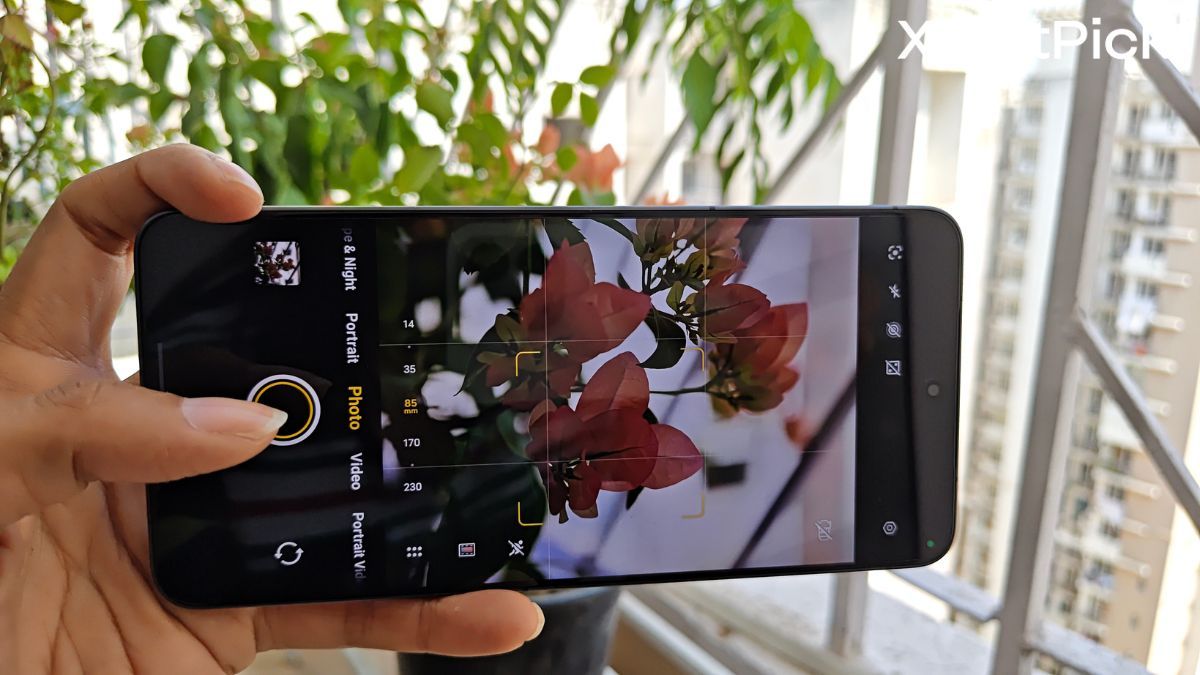
The Vivo X300 Ultra is a bold reminder that “Ultra” does not always mean doing everything perfectly. Sometimes, it means pursuing a singular vision without compromise. This is a highly specialised, heavy-duty imaging rig wrapped in a smartphone chassis.
For mobile photographers and filmmakers, the raw hardware here is incredibly compelling. The flat 2K display works as an excellent glare-free viewfinder, 4K 120fps video across all rear lenses is a serious production asset, and the portrait mechanics are arguably industry-leading.
However, that hyper-focus does cost the phone in other areas. For instance, its design language looks too similar to its cheaper siblings. Its real-world performance is also uneven. Its battery life, gaming performance, and thermal management are very good in isolation, but they are not class-leading.
That is why, if you are a photographer, content creator, or vlogger who treats their smartphone primarily as a camera first and a communication device second, the Vivo X300 Ultra is one of the most exciting tools of the year. It gives you focal length flexibility and manual control that few competitors can match.
However, if you are looking for a flagship with a more holistic approach, you will have to look elsewhere.
Pros
- Superb Creator Display: The flat 6.82-inch 2K AMOLED panel eliminates edge glare, boasts excellent colour accuracy (100% sRGB/DCI-P3), and is highly readable outdoors.
- Masterful Daylight & Portrait Imaging: Outstanding fine detail retention, class-leading background separation, and clean, natural skin tones under daylight.
- Cinematic Video Capabilities: True 4K 120fps recording across all three rear cameras with 10-bit Log and ACES integration for professional colour grading.
- Built Like a Tank: Robust Armor Glass paired with dual IP68 and IP69 ratings protects against deep water immersion and high-pressure hot water jets.
Cons
- Inconsistent Indoor Processing: Tends to aggressively eliminate natural shadows and over-brighten specific colours in low-light or indoor environments.
- Derivative Aesthetics: The design fails to visually distinguish itself from the standard X300 or X300 Pro, missing the premium, exclusive identity of its rivals.
- Front Camera Artifacts: The portrait selfie mode artificially generates fake hair strands when shooting wider than f/5.6.